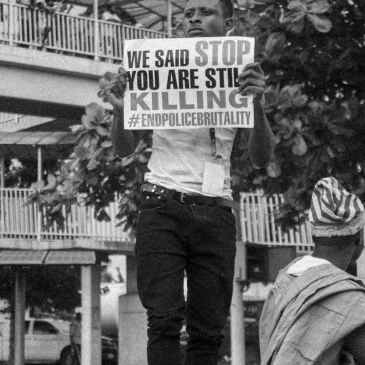
The Case for a New Political Party: Why African Americans Need to Forge Their Own Path

In the landscape of American politics, African Americans have historically aligned with the Democratic Party, believing it to be the champion of civil rights and social justice. However, the reality of unfulfilled promises and systemic neglect has led many to question whether this allegiance is still beneficial. As we confront the myriad challenges facing the African American community, it may be time to consider the establishment of a new political party that truly represents our interests and aspirations.

The Democratic Party: A Track Record of Unmet Promises

While the Democratic Party has made significant strides in advocating for civil rights, the effectiveness of these efforts has often fallen short. Here are several reasons why many African Americans feel let down by the party:

  • Failure to Address Systemic Inequities: Despite the Democratic Party’s claims to support racial equity, systemic issues like police brutality, housing discrimination, and economic inequality remain pervasive. The lack of concrete policy changes to address these problems fosters skepticism about their commitment to the African American community.
  • Unfulfilled Promises on Voting Rights: The Democratic Party has continuously campaigned on promises to safeguard and expand voting rights. Nevertheless, with critical legislation like the John Lewis Voting Rights Advancement Act stalled in Congress, many feel that their voices are being suppressed rather than protected.
  • Inadequate Economic Support: The economic fallout from the COVID-19 pandemic disproportionately impacted African Americans, yet the Democratic response has been perceived as insufficient. Promises of increased support for small businesses, job creation, and economic empowerment have not materialized in meaningful ways.
  • Neglecting Educational Equity: Education is a cornerstone for upward mobility, yet many predominantly Black schools remain underfunded. The Democratic Party has not prioritized policies that would ensure equitable funding and resources for these schools, leaving many children behind.
  • Health Disparities: African Americans continue to face significant health disparities, but initiatives to expand access to affordable healthcare have been lackluster. The Democratic Party’s inability to advocate for comprehensive healthcare reforms that specifically address these disparities is a glaring omission.

The Republican Party: A Divisive Alternative

While some may argue that the Republican Party offers an alternative, the reality is that this party often perpetuates racial divides and promotes rhetoric that is harmful to African Americans:

  • Promotion of Racial Divisiveness: The Republican Party has often used racially charged language and policies to rally their base. This approach not only alienates African Americans but also perpetuates systemic racism within the political landscape.
  • False Promises and Disillusionment: Republican leaders often present themselves as champions of opportunity and empowerment for African Americans. However, their policies, like tax cuts and deregulation, disproportionately benefit the wealthy and corporations while neglecting the needs of marginalized communities.
  • Tokenism and Lack of Genuine Representation: While some African Americans have found a place within the Republican Party, their representation often feels more like tokenism than a genuine commitment to addressing the concerns of the broader community. This superficial inclusion fails to result in substantive change.
  • Focus on Culture Wars: The Republican Party often centers its platform around culture wars that distract from the economic and social issues that truly affect African Americans. These distractions serve to divide rather than unite, leaving critical problems unaddressed.

The Need for an Independent African American Political Party

Given the shortcomings of both major parties, there is a growing sentiment that African Americans need to establish their own political party. Here are key reasons why this is essential:

  • Authentic Representation: An independent party can prioritize the voices, needs, and aspirations of the African American community, ensuring that policies are tailored to address systemic inequities.
  • Focused Policy Agenda: A new party could advocate for a clear and targeted policy agenda, including robust voting rights protections, equitable education funding, criminal justice reform, and economic empowerment initiatives.
  • Empowerment through Unity: A dedicated political party would encourage greater civic engagement and unity within the African American community, fostering collective action toward shared goals.
  • Breaking the Cycle of Dependency: By forming an independent party, African Americans can break free from the cycle of reliance on the Democratic Party, demanding accountability and tangible results from any political affiliation.
  • Building Strategic Alliances: An independent party could collaborate with other marginalized groups and movements to amplify voices and create a more inclusive coalition for social justice.

Conclusion: A Call to Action

As the political landscape continues to evolve, African Americans must reflect on the efficacy of their current affiliations and consider the potential of establishing an independent party that genuinely champions their interests. In a time when both major parties have failed to deliver on critical promises, the formation of a new political entity could provide a path toward empowerment, accountability, and authentic representation. The time has come for African Americans to take control of their political destiny. By uniting under a party that prioritizes their needs and aspirations, they can forge a more equitable future for themselves and generations to come.


Democrats and the Challenge of Securing Democracy: An Examination of Inaction

In recent years, the Democratic Party has positioned itself as the guardian of democracy and social justice. However, many critics argue that the party has fallen short in delivering on its promises. As we witness increasing threats to democratic institutions and essential social programs, it becomes crucial to examine how and why the Democrats are not fully embracing their responsibilities to secure democracy and protect the country.

The Voting Rights Dilemma

One of the most pressing issues facing American democracy is the struggle for voting rights. In the wake of numerous state-level laws designed to suppress voter turnout—particularly among marginalized groups—the urgency for federal voting rights legislation has never been greater. Despite the overwhelming public support for measures like the John Lewis Voting Rights Advancement Act, which aims to restore and strengthen provisions of the Voting Rights Act of 1965, Democrats have failed to pass meaningful legislation. The inability to secure voting rights raises serious concerns about the party’s commitment to protecting democratic processes. By not taking decisive action, the Democrats risk allowing partisan gerrymandering and voter suppression to undermine the very foundation of democracy. This reluctance may stem from a combination of political calculations and the filibuster’s constraints, but the result is a disillusioned electorate that feels its voice is not being heard.

Affordable Care Act: A Promise Unfulfilled

Another critical area where Democrats have struggled to demonstrate their commitment is in solidifying and expanding the Affordable Care Act (ACA). While the ACA expanded healthcare coverage to millions of Americans, ongoing challenges persist, including rising premiums, copays, and the exclusion of certain populations. Despite a clear mandate to improve healthcare accessibility, the party has hesitated to push for comprehensive reforms that would address these challenges. The failure to pursue a public option or negotiate drug prices has left many feeling that the party is not serious about providing affordable healthcare for all. This lack of urgency can be perceived as a betrayal of the party’s own values, further alienating voters who depend on these essential services.

The Child Care Act: A Missed Opportunity

In the realm of social safety nets, the Child Care Act has emerged as a vital piece of legislation that could significantly benefit working families. Affordable childcare is not just a convenience; it is a necessity for many parents who are trying to balance work and family responsibilities. However, despite a growing consensus on the importance of accessible childcare, Democrats have yet to pass comprehensive legislation that would ensure quality care for all children. The failure to secure funding and implement robust childcare programs signals a lack of commitment to supporting working families. This inaction not only affects economic stability for families but also has long-term implications for child development and future opportunities. The inability to showcase a serious commitment to such a critical issue raises questions about the party’s priorities and effectiveness.

The Need for Authentic Representation

For Democrats to regain the trust of the American people, they must demonstrate that they are serious about representing everyone—not just a select few. This means taking bold action on critical issues such as voting rights, healthcare, and family support. The party must move beyond rhetoric and show a willingness to make sacrifices and take risks to achieve meaningful change. Moreover, Democrats need to communicate a clear vision to the public that resonates with their needs and concerns. This requires not only legislative victories but also engaging citizens in the process, listening to their experiences, and addressing their anxieties. By fostering a genuine connection with constituents, the party can rebuild trust and demonstrate that they are committed to securing democracy for all Americans.

Conclusion: A Call to Action

As we reflect on the Democratic Party’s challenges in securing democracy and protecting the country, it is vital to hold elected officials accountable. Voters must demand action on critical issues that affect their lives, from voting rights to healthcare and childcare. The success of democracy hinges on active participation and a government that reflects the will of the people. If Democrats are to fulfill their promise of being champions for democracy and social justice, they must take decisive steps forward. The time for inaction has passed; the American people deserve a party that is willing to fight for their rights and well-being. Only through bold leadership and a genuine commitment to the issues at hand can the Democrats hope to restore faith in their ability to secure democracy and protect the interests of all citizens.

Mastering Money for a Secure Future

Welcome to this edition of Financial Insight, where we delve into the critical role money plays in our lives and how we can make it work for us. In today’s economic climate, understanding how to handle your finances effectively is more important than ever—especially for the middle class looking to secure their financial future.

The Importance of Money: A Tool for Freedom and Opportunity

Money is more than just a means of exchange; it is a tool that can provide security, freedom, and opportunities. It allows us to make choices about our lives, whether it’s investing in education, purchasing a home, or planning for retirement. Yet, many individuals, especially in the middle and lower classes, often feel overwhelmed or disconnected from the financial world, leading to missed opportunities for growth and stability.

The Middle-Class Challenge: Why You Need to Diversify

For many middle-class individuals, the traditional approach of earning a steady paycheck and saving for retirement is no longer sufficient. The economic landscape has shifted dramatically, and with rising costs of living and stagnant wages, it’s essential to learn how to diversify your income effectively.

Why Diversification Matters:

  1. Mitigating Risk: By spreading investments across various asset classes—such as stocks, bonds, real estate, and even emerging markets—you can reduce the impact of a poor-performing investment on your overall portfolio.
  2. Generating Passive Income: Diversification can help create multiple streams of income. Consider dividend-paying stocks, rental properties, or peer-to-peer lending platforms as ways to earn money while you sleep.
  3. Building Wealth Over Time: The earlier you start investing, the more you can take advantage of compound interest. Diversifying your investments allows you to maximize your returns over time.

The Top 1% Advantage: Understanding Wealth Disparities

The wealth gap between the top 1% and the middle and lower classes is a growing concern. Here are some key differences that contribute to this disparity:

  • Access to Capital: The wealthy often have better access to capital through investments, networking, and financial education, allowing them to grow their wealth exponentially.
  • Financial Literacy: The top 1% typically has a greater understanding of investment strategies, tax advantages, and wealth-building techniques, positioning them to make informed financial decisions.
  • Generational Wealth: Wealthy families often pass down financial knowledge and assets, giving them a significant head start. In contrast, many middle-class and lower-class families start from scratch without such advantages.

Frivolous spending can further exacerbate these disparities. Those who use their money carelessly, whether on luxury items or non-essential services, may find themselves in a cycle of debt, preventing them from building a secure financial future.

Smart Money Tips for the Middle and Lower Classes

  1. Create a Budget: Start by tracking your income and expenses. Categorize your spending to identify areas where you can cut back and redirect those funds toward savings or investments.
  2. Build an Emergency Fund: Aim to save three to six months’ worth of living expenses. This safety net protects you against unexpected financial shocks and allows you to avoid high-interest debt.
  3. Invest Early and Often: Even small amounts can add up over time. Consider using tax-advantaged accounts like IRAs or 401(k)s to grow your retirement savings while benefiting from tax breaks.
  4. Educate Yourself: Take the time to learn about personal finance and investing. There are countless free resources available—books, podcasts, online courses—that can empower you to make informed financial decisions.
  5. Consider Side Hustles: Explore opportunities for additional income, such as freelance work, consulting, or turning a hobby into a business. The extra cash can be invested or used to pay down debt.
  6. Automate Savings and Investments: Set up automatic transfers to your savings or investment accounts. This “pay yourself first” mentality helps you save without thinking about it.
  7. Join Investment Clubs or Community Groups: Surrounding yourself with like-minded individuals can provide motivation and insights into effective money management and investment strategies.

Conclusion: Taking Control of Your Financial Future

In a world where financial literacy is paramount, the middle class must take proactive steps to ensure their money works for them. By diversifying your investments, being mindful of spending, and committing to ongoing education, you can position yourself for a more secure and prosperous future. Remember, it’s not just about how much you earn, but how well you manage and grow what you have.

Stay tuned for more insights in our next edition! Your financial empowerment journey starts here.

The Dystopian Reality of a Democracy in Decline: A Glimpse into 2030

As we approach the dawn of a new decade, the trajectory of our democracy raises alarm bells reminiscent of dystopian literature. While once a beacon of hope and liberty, the democratic ideals we cherish are increasingly tarnished by systemic corruption and unchecked criminal activities. The situation is becoming dire—where the very institutions meant to protect and serve the people have devolved into machinery of tyranny, leaving the most vulnerable in a state of perpetual fear and insecurity.

The Landscape of a Destroyed Democracy

Imagine stepping into the year 2030, a time when the fabric of our democracy has been irreparably frayed. The government has become a fortress for criminals, where elected officials collude with organized crime syndicates to exploit the populace for their gain. Corruption is no longer an aberration but the norm, with backdoor deals and bribery accepted as standard operating procedure. The government has turned against its citizens, and the social contract that binds us has been shattered. In this bleak future, the justice system—once a pillar of democracy—has become an impotent entity, unable to carry out its foundational duty of safeguarding justice. Law enforcement, compromised by bureaucratic inefficiencies and overt corruption, has transformed into an extension of the very criminal elements it was meant to combat. Crime rates soar unchecked, and the streets are ruled by fear-driven chaos. Citizens find themselves in a war zone, unable to defend their rights, their properties, or even their lives.

The Erosion of Civil Liberties and Rise of Authoritarianism

As rampant criminality and governmental corruption fester, so too do the erosions of civil liberties. The people, desperate for safety and security, turn to authoritarian solutions. Militarized police patrol the streets, and surveillance becomes pervasive, justifying the invasion of privacy under the guise of public safety. In this world, dissent is crushed, and voices of opposition silenced. The very essence of democracy—freedom of speech, the right to protest, and the ability to criticize the government—becomes a distant memory.

A Society Torn Apart by Racial Division

Perhaps the most insidious outcome of this deteriorating democracy is the exacerbation of racial tensions. As systemic inequalities deepen, racism evolves into a virulent force—what can only be described as “Racism on Steroids.” Socioeconomic disparities widen, with minority communities bearing the brunt of government neglect and police brutality. Discrimination is not only institutionalized but also normalized within the societal fabric. In this fractured society, racial profiling becomes routine, and marginalized groups find themselves disproportionately targeted by law enforcement. Public spaces become battlegrounds where the oppressed fight for their dignity amidst rampant hostility. Propaganda and divisive rhetoric from those in power further fuel the flames of hatred, perpetuating an environment where unity is impossible, and community bonds are shattered.

The Psychological Toll of a Broken Democracy

The psychological impact on citizens living in this reality is immense. Anxiety, distrust, and despair become the mental currency of the populace. People grapple with the haunting question: “Who can I trust?” As the government betrays its responsibility, the community’s social fabric begins to unravel. Support systems collapse, and individuals are left to fend for themselves in a hostile world. The psychological scars of living under a regime of fear can take generations to heal, if they ever do.

The Path Forward: A Call to Action

As we reflect on this potential future, we must recognize the urgency of our current situation. The warning signs of a democracy in decline are all around us. We must take action now to stave off this dystopian fate. This begins with holding our elected officials accountable, demanding transparency, and pushing for systemic reforms that prioritize the needs of the people over the interests of the powerful. Community engagement and grassroots movements must rise to counteract the destructive forces at play. By fostering dialogue and understanding among diverse groups, we can begin to mend the fractures in our society. Only by standing together can we reclaim our democracy from the clutches of corruption and ensure that future generations inherit a society that values justice, equality, and unity. In this pivotal moment, let us choose to fight for a future that aligns with the ideals of democracy rather than one that succumbs to chaos, division, and despair. The time to act is now, for the future of our democracy depends on it.

The Lingering Shadow of Racial Violence: Hangings in the US in 2024

In 2024, the United States witnessed a series of tragic hangings that have once again brought to light the deep-seated racial animosity towards Black people in America. These incidents are not just isolated acts of violence but are reflective of a broader, systemic issue that continues to plague the nation. The names of the victims and the circumstances surrounding their deaths serve as a stark reminder of the work that still needs to be done to achieve true racial equality.

Victims of 2024

Among the victims of these heinous acts were:

  • Willie James Pye: Executed on March 20, 2024, in Georgia.
  • Keith Edmund Gavin: Executed on July 18, 2024, in Alabama.
  • Freddie Eugene Owens: Executed on September 20, 2024, in South Carolina.
  • Emmanuel Antonio Littlejohn: Executed on September 26, 2024, in Oklahoma.
  • Garcia Glen White: Executed on October 1, 2024, in Texas.
  • Richard Bernard Moore: Executed on November 1, 2024, in South Carolina.

These individuals were among the 21 people executed in the United States in 2024, with a significant number being Black men. The racial disparities in the application of the death penalty are glaring, with Black individuals disproportionately represented on death row and among those executed.

Racial Animosity and Its Impact

The racial animosity towards Black people in America is not a new phenomenon. It is deeply rooted in the country’s history, from the era of slavery to the Jim Crow laws, and continues to manifest in various forms today. The hangings of 2024 are a grim reminder of this ongoing issue. These acts of violence are not just about the individuals who were executed but are indicative of a broader societal problem.

The impact of such racial violence on the Black community is profound. It perpetuates a cycle of fear, trauma, and mistrust towards the justice system and society at large. The emotional and psychological toll on the families and communities of the victims is immeasurable. Moreover, these incidents highlight the urgent need for systemic reforms to address racial disparities in the criminal justice system.

Statistical Analysis and Future Outlook

The statistics surrounding racial violence and the death penalty in the United States paint a troubling picture. According to data, Black individuals make up approximately 12.47% of the US population but are disproportionately represented among those executed. This disparity is a clear indication of the racial biases that exist within the justice system.

Looking ahead to 2025, the likelihood of continued racial violence remains high unless significant changes are made. The systemic issues that contribute to racial disparities in the application of the death penalty and other forms of violence must be addressed. This includes comprehensive reforms in policing, sentencing, and the overall criminal justice system.

Conclusion

The hangings of 2024 serve as a stark reminder of the racial animosity that continues to exist in America. The names of the victims and the circumstances of their deaths highlight the urgent need for systemic reforms to address racial disparities and ensure justice for all. As we move forward, it is crucial to acknowledge these issues and work towards creating a society where racial violence is no longer a reality.

Banking While Black: The Struggle for Equal Treatment in Financial Institutions

In recent years, several high-profile incidents have highlighted the persistent issue of racial discrimination in the banking industry. Black customers have reported being denied basic financial services, such as cashing checks, by major banks like PNC Bank, Chase Bank, and Bank of America. These incidents not only underscore the systemic bias that exists within these institutions but also have profound effects on the Black community.

PNC Bank: The Case of Kiara Young

Kiara Young, an accountant from Detroit, Michigan, experienced a humiliating encounter at a PNC Bank branch in Commerce Township. After selling her car to a dealership, Young attempted to cash a $10,500 check issued by the dealership, which held an account with PNC Bank. Despite having proper identification and agreeing to pay the required processing fee, Young was denied service without a valid explanation2.

Young’s experience is a stark reminder of the challenges Black customers face when attempting to conduct routine banking transactions. The refusal to cash her check, despite it being legitimate and issued by a PNC account holder, led Young to file a lawsuit against the bank, alleging racial discrimination2. The incident left her feeling embarrassed and humiliated, highlighting the emotional toll such discriminatory practices can have on individuals.

Chase Bank: Discrimination Against a Black Doctor

In another troubling case, a Black doctor in Texas, Dr. Susan Smith, faced discrimination at a Chase Bank branch. Dr. Smith attempted to open a bank account with a $16,000 check from her employer. Despite her credentials and the legitimacy of the check, she was denied service and humiliated in the process. This incident led Dr. Smith to file a federal lawsuit against Chase Bank, alleging racial discrimination.

Bank of America: The Ryan Coogler Incident

Filmmaker Ryan Coogler, known for directing “Black Panther,” experienced a similar ordeal at a Bank of America branch. Coogler was handcuffed and detained while attempting to withdraw cash from his own account. The bank staff mistook him for a threat due to his race, despite him providing all necessary identification and account information. This incident not only highlights the racial bias that exists within financial institutions but also the potential dangers Black customers face when simply trying to access their own money.

The Impact on the Black Community

These incidents are not isolated; they reflect a broader pattern of discrimination that Black customers face in the banking industry. The refusal to cash checks or provide basic financial services can have significant financial and emotional impacts on individuals and the community as a whole. For professionals like Kiara Young and Dr. Susan Smith, such experiences undermine their financial stability and professional credibility.

Moreover, these discriminatory practices contribute to a lack of trust in financial institutions among the Black community. When banks fail to provide equal treatment, it perpetuates economic disparities and hinders the financial growth of Black individuals and businesses. The emotional toll of such experiences can also lead to increased stress and mental health issues, further exacerbating the challenges faced by the Black community.

Conclusion

The incidents involving PNC Bank, Chase Bank, and Bank of America serve as a stark reminder of the systemic racial bias that persists in the banking industry. As these cases continue to unfold in the legal system, they highlight the urgent need for financial institutions to address and eliminate discriminatory practices. Ensuring equal treatment for all customers, regardless of race, is not only a moral imperative but also essential for fostering trust and promoting economic equity.

Pittsburgh Steelers: A Mid-Season Surge Towards Super Bowl Glory

As the NFL trade deadline has come and gone, the Pittsburgh Steelers find themselves in a prime position to make a deep playoff run. With a 6-2 record, they are currently leading the AFC North Division and have shown remarkable resilience and strategic prowess both on and off the field. The recent trades and acquisitions have only bolstered their chances of not just winning the AFC but potentially clinching the Super Bowl.

Strategic Moves at the Trade Deadline

The Steelers made significant moves at the trade deadline, acquiring wide receiver Mike Williams from the New York Jets and outside linebacker Preston Smith from the Green Bay Packers2. These additions address key areas of need and provide the team with experienced players who can make an immediate impact. Williams, known for his ability to make contested catches, adds depth to the receiving corps, while Smith brings veteran leadership and pass-rushing prowess to the defense.

Dominance in the AFC North

Pittsburgh’s dominance in the AFC North has been a testament to their balanced approach on both offense and defense. Quarterback Russell Wilson has been a steady presence, guiding the team with his experience and poise. The running game, led by Najee Harris, has been effective in controlling the clock and wearing down opposing defenses. On the defensive side, T.J. Watt continues to be a disruptive force, leading a unit that has consistently pressured quarterbacks and created turnovers.

Key Victories and Momentum

The Steelers’ journey to the top of the AFC North has been marked by key victories against formidable opponents. Wins against the Denver Broncos, Los Angeles Chargers, and New York Jets have showcased their ability to perform under pressure and adapt to different game situations4. These victories have not only boosted their confidence but also provided valuable experience that will be crucial in the playoffs.

The Road Ahead

As the Steelers head into the second half of the season, their schedule includes pivotal matchups against division rivals like the Baltimore Ravens and Cleveland Browns. These games will be critical in determining their playoff seeding and maintaining their lead in the division. The team’s depth and versatility will be tested, but their recent acquisitions and strong team chemistry suggest they are well-prepared for the challenges ahead.

Super Bowl Aspirations

With a solid foundation and strategic mid-season enhancements, the Steelers have positioned themselves as legitimate contenders for the AFC title and the Super Bowl. The combination of veteran leadership, young talent, and a cohesive team strategy makes them a formidable opponent for any team in the league. If they can maintain their momentum and continue to execute their game plan, the Steelers have the potential to bring another Lombardi Trophy to Pittsburgh.

In conclusion, the Pittsburgh Steelers have navigated the first half of the season with skill and determination. Their strategic moves at the trade deadline, combined with their on-field performance, have set the stage for a thrilling second half of the season. As they march towards the playoffs, the Steelers are not just aiming for the AFC title but have their sights firmly set on Super Bowl glory.

Please comment and give your opinion on the Steelers and the NFL Season

Expanding PrEP Access: A Critical Step in HIV Prevention for Black and Rural Communities

In a major stride for HIV prevention, the Biden administration announced recently that long-acting injectable PrEP, sold as Apretude by ViiV Healthcare, will now be covered without cost-sharing under the Affordable Care Act (ACA). This policy shift is significant in making HIV prevention tools more accessible. However, for many Black Americans and those living in rural areas, barriers to healthcare persist, limiting the full potential of this policy change.

The Disparity in Access to PrEP

While this new policy represents progress, the reality is that Black people—who are disproportionately affected by HIV—are still underrepresented among those using PrEP. Despite making up over 40% of new HIV diagnoses in the U.S., only about 11% of PrEP users are Black, according to the Centers for Disease Control and Prevention (CDC). These numbers reveal the systemic barriers that exist: financial challenges, healthcare access gaps, and lingering stigma that keep many from obtaining life-saving medication.

In States Like Georgia, Where Medicaid Has Yet to Expand, HIV Rates Remain Alarmingly High

In states like Georgia, where Medicaid has yet to expand under the Affordable Care Act (ACA), HIV infection rates remain among the highest in the nation. The consequences of this policy decision are staggering. According to the most recent CDC surveillance data from 2023, Georgia reported over 2,674 new HIV diagnoses, placing it at the forefront of the ongoing HIV epidemic in the United States.

Despite widespread advances in treatment, Georgia’s healthcare system continues to face significant challenges, particularly in achieving viral suppression among its population living with HIV. Roughly 72% of people living with HIV in the state have not reached viral suppression, a rate well above the national average of 58%. This failure not only heightens the risk of HIV transmission but also places Georgia’s most vulnerable populations in an untenable situation.

The city of Atlanta, in particular, bears the brunt of this crisis. Recent data from the CDC, the Georgia Department of Public Health, and AIDSVu place Atlanta as third in the nation for the highest number of people living with HIV, trailing only Miami and New York City. In specific communities, particularly those with large Black and Brown populations, infection rates are comparable to those seen in regions of sub-Saharan Africa. In some areas of Atlanta, the prevalence of HIV mirrors the situation in countries like South Africa or Eswatini, where access to healthcare resources remains limited and the virus continues to pose significant public health challenges.

In contrast, states like Louisiana, which expanded Medicaid in 2016, have seen significant improvements in their public health outcomes related to HIV. Louisiana’s experience demonstrates the impact that Medicaid expansion can have on populations affected by HIV. According to the Louisiana Department of Health, viral suppression rates in the state rose from 63% in 2016 to 82% by 2022, and new diagnoses dropped by 20%. Louisiana’s expansion allowed thousands more residents to access crucial services, including PrEP—pre-exposure prophylaxis, a life-saving medication that helps prevent HIV transmission.

However, in Georgia, thousands of residents remain uninsured and unable to afford these same preventative measures. The failure to adopt Medicaid expansion in the state has created a vacuum in the healthcare system, leaving vulnerable populations without the necessary tools to protect themselves or manage their conditions. This gap in coverage disproportionately affects Georgia’s Black and Brown communities, where socioeconomic factors exacerbate existing health disparities.

The lack of access to PrEP in Georgia is especially concerning. PrEP has been widely recognized as one of the most effective tools in preventing HIV transmission, but without access to affordable healthcare, many Georgians are unable to benefit from it. In states that have embraced Medicaid expansion, PrEP has been made more readily available to populations at risk, resulting in significant reductions in new HIV infections.

The contrast between Georgia and states like Louisiana underscores a broader public health failure. While Medicaid expansion has been proven to improve health outcomes and reduce the spread of HIV, Georgia remains one of the 10 states that have resisted expanding coverage. This resistance leaves the state’s residents at a higher risk of HIV transmission and prevents thousands of people from achieving viral suppression, perpetuating a cycle of preventable infections.

The urgency of this crisis cannot be overstated. Georgia’s decision not to expand Medicaid is contributing to an ongoing public health catastrophe. Without bold action from state leaders and policymakers, the state will continue to fall behind in addressing one of the most pressing healthcare issues of our time.

As the evidence from Louisiana shows, Medicaid expansion is not just a policy choice—it is a life-saving measure. By expanding access to healthcare, Georgia could prevent new infections, improve viral suppression rates, and offer a path forward for thousands of people living with HIV. The stakes are high, and the time for action is now.

The current situation in Georgia should serve as a wake-up call to policymakers and healthcare leaders across the country. As the state grapples with the consequences of inaction, the need for comprehensive healthcare reform becomes clearer with each passing day. Until Georgia expands Medicaid and prioritizes HIV prevention and care, it will continue to suffer the consequences of a public health system that leaves too many behind.

Breaking Barriers: The Role of PrEP in HIV Prevention

PrEP, or pre-exposure prophylaxis, is a critical tool in preventing the spread of HIV. For those at higher risk, particularly in marginalized communities, PrEP offers a way to stay HIV-negative. Yet, too few people who could benefit from this treatment are using it. Barriers such as cost, geographic location, and a lack of healthcare providers familiar with HIV prevention often make it difficult to access.

Take Darrell, a sex worker who faced significant barriers to accessing PrEP in his rural community. Before the Affordable Care Act mandated expanded access, Darrell, who knew he was at higher risk for HIV, couldn’t afford PrEP or find local clinics that offered it.

“I remember feeling like I had no options,” Darrell shares. “I was in an industry where the risk was high, but I didn’t have the resources to protect myself. Once I was able to get on PrEP, everything changed. I’m HIV-negative today, and I’m living my life without fear.”

Darrell’s story is not unique. Thousands of Black Americans, particularly in rural areas, face similar struggles. Even with the Biden administration’s new policy, ensuring access for everyone remains a significant challenge.


Rural America and the Gaps in Healthcare Access

The barriers to healthcare are particularly stark in rural communities.

In these areas, healthcare providers familiar with HIV prevention are few, and geographic isolation makes it harder for people to reach the services they need. For many, even if PrEP is available at no cost, they may still need to travel long distances to find a clinic or pharmacy that offers it.

This problem is compounded by many pharmacies in rural areas lacking the infrastructure to bill for Medicare Part B, which now covers injectable PrEP. The gap in services is a serious barrier to ensuring that rural residents, many of whom are Black or LGBTQ+, can benefit from the new policy.

States like Mississippi and Alabama—which have some of the highest rates of new HIV infections in the U.S.—are prime examples of the challenges rural populations face. In Mississippi, for example, less than 5% of those who could benefit from PrEP are currently using it, reflecting a critical need to address these access gaps.

Dr. Michael Saag from the University of Alabama at Birmingham’s 1917 Clinic highlights how stigma and long distances are key challenges: “People want to avoid being seen at clinics known for HIV care, so many end up traveling to other cities for privacy.” In Mississippi, Dr. Robert Brock of UMMC explains that patients may travel over 50 miles to find the nearest pharmacy or clinic capable of providing HIV treatment.

To address these gaps, programs like mobile testing units and expanded telemedicine have been instrumental in reducing the burden of travel and increasing access to care. Policy changes to better support rural pharmacies and clinics can also help ensure that residents in these underserved regions receive the care they need without the barriers of distance and stigma.

To be continued in Part Two…

“Miles Apart Confronting Stigma and Barriers in HIV Care for Rural America”

Dash Daggs

Community Activist | Business Consultant | Writer Director of Development & CommunicationPower Atlanta Inc.

“Empowering communities, one step at a time, for a future where every voice matters.” Email: poweredbydash@gmail.com

Please read this article because I know you know someone living with HIV. I want to thank Dash for writing this article and giving this update alluding to Public Health. This is so important.