The Impact of 7 Percent Mortgage Interest Rates on the Economy

As mortgage interest rates climb above 7 percent, the housing market faces significant challenges. This increase, the highest since May 2024, has created a tough environment for prospective home buyers. Despite the Federal Reserve’s recent rate cuts, mortgage rates have continued to rise due to factors such as inflation and the yield on 10-year Treasury bonds1. Historically, mortgage rates have been higher, but the recent surge is a stark contrast to the low rates seen in early 2021.

Higher mortgage rates can lead to reduced affordability for home buyers, potentially slowing down the housing market. This slowdown can have a ripple effect on the broader economy, as the housing market is a key driver of economic growth. With higher rates, fewer people can afford to buy homes, leading to decreased demand for housing-related goods and services. This can result in slower economic growth and potentially higher unemployment rates in sectors related to housing.

The Effects of Donald Trump’s Presidency

Donald Trump’s presidency has been marked by significant policy changes and economic impacts. His administration’s tax cuts, deregulation efforts, and trade policies have had both positive and negative effects on the economy. Trump’s approach to governing was unconventional, often leading to deep partisan divisions and significant societal shifts3.

During his first term, Trump implemented major corporate tax cuts, which boosted corporate profits and stock market performance. However, these policies also contributed to increased income inequality and higher federal deficits3. Trump’s trade policies, particularly the trade war with China, had mixed results, with some industries benefiting while others faced increased costs and uncertainty.

The Timing of the Rate Hike Before Trump’s Inauguration

The recent hike in mortgage rates comes just days before Donald Trump’s second inauguration as President of the United States. This timing adds another layer of complexity to the economic landscape as Trump prepares to take office. The inauguration, scheduled for January 20, 2025, marks the beginning of Trump’s second term, during which he plans to implement further policy changes4.

The rate hike’s proximity to the inauguration highlights the challenges the new administration will face in addressing economic issues. With higher mortgage rates and a potentially slowing housing market, the Trump administration will need to navigate these challenges while implementing its policy agenda.

I hope this blog post provides a comprehensive overview of the current economic situation and the potential impacts of these factors. If you have any feedback or need further information, feel free to let me know!


B O G F L P Tour: Bringing Hope and Support to the Underprivileged

The B O G F L P Tour is set to make a significant impact as it travels from Nigeria to serve the underprivileged and poor communities. This remarkable initiative aims to bring hope and support to those in need by collecting donations of clothes and cash. As the tour makes its way through various locations, it seeks to uplift and empower individuals and families who are struggling to make ends meet.

Why This Tour Matters

The B O G F L P Tour is more than just a charitable event; it is a movement that embodies the spirit of giving and community support. By addressing the basic needs of the underprivileged, the tour aims to create a positive and lasting impact on their lives. The donations collected will provide essential resources to those who need them the most, helping to alleviate the burden of poverty and improve their quality of life.

How You Can Help

Your support is crucial to the success of the B O G F L P Tour. Here are a few ways you can get involved:

  1. Donate Clothes: Clean out your closets and donate gently used clothing items. Every piece of clothing can make a difference in someone’s life.
  2. Contribute Cash: Monetary donations are essential to fund the tour’s operations and provide direct assistance to those in need. No amount is too small.
  3. Spread the Word: Share information about the B O G F L P Tour with your friends, family, and social networks. The more people who know about the tour, the greater the impact we can make together.

Join the Movement

The B O G F L P Tour is a testament to the power of community and the difference we can make when we come together for a common cause. By supporting this tour, you are helping to create a brighter future for the underprivileged and poor. Let’s join hands and make a positive change, one donation at a time.

Stay Updated

Follow the B O G F L P Tour on social media to stay updated on its progress and learn more about how you can get involved. Together, we can make a difference and bring hope to those who need it the most.

B.O.G.F.L.P

Date…. 25th January

Contact godwinevans@gmail.com

WhatsApp +2347037227041

And call 📞

The theme is less privileged to the world 🌎

And the meaning of B.O.G.F.L.P……is Bringing Out greatness from less privileged

The External Revenue Service: A New Agency with Potentially Harmful Consequences

President-elect Donald Trump has recently announced plans to create a new agency called the “External Revenue Service” (ERS) to collect tariffs and other revenues from foreign nations. While this proposal might sound like a step towards economic reform, it raises significant concerns about its potential impact on the American public.

What is the External Revenue Service?

The ERS is intended to function similarly to the Internal Revenue Service (IRS), but with a focus on collecting tariffs, duties, and revenues from foreign sources. Trump has stated that this new agency will ensure that those who benefit from trade with the United States will start paying their fair share2. However, the creation of this agency requires an act of Congress, and it overlaps with the functions of existing agencies like the Commerce Department and U.S. Customs and Border Protection.

Potential Harmful Effects

  1. Increased Tax Burden on the Public: Economists warn that the cost of tariffs will likely be passed on to consumers, leading to higher prices for goods and services. This could disproportionately affect low- and middle-income families, making it harder for them to afford basic necessities.
  2. Widening the Wealth Gap: Critics argue that the ERS could exacerbate the divide between the rich and the poor. By shifting the tax burden onto tariffs, the wealthy may find ways to avoid paying their fair share, while the average American bears the brunt of the costs.
  3. Economic Inefficiency: Tariffs are generally considered an inefficient way for governments to raise revenue and promote prosperity. The creation of a new agency to handle these functions may lead to bureaucratic inefficiencies and increased government spending, contrary to Trump’s promise to shrink the size of government1.
  4. Impact on Trade Relations: The imposition of high tariffs on key trading partners like Canada, Mexico, and China could strain international relations and lead to retaliatory measures. This could further harm the U.S. economy and disrupt global trade.

Conclusion

While the idea of an External Revenue Service might seem like a bold move towards economic reform, it is essential to consider the potential adverse effects on the American public. Higher prices, increased tax burdens, and a widening wealth gap are just a few of the concerns that need to be addressed. As the proposal moves forward, it is crucial for lawmakers and the public to scrutinize its implications and advocate for policies that genuinely benefit all Americans.

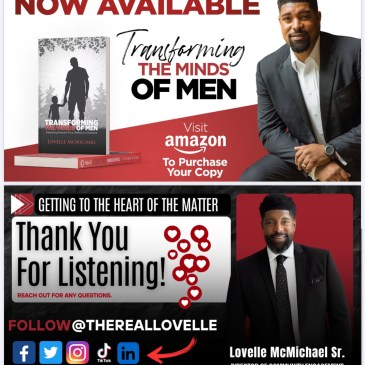
Transforming The Minds of Men: A Must-Read for Personal Growth and Empowerment

In a world where the journey from childhood to manhood is often fraught with challenges, Lovelle McMichael Sr.’s book, “Transforming The Minds of Men: Maximizing Potential from Childhood to Manhood,” stands as a beacon of hope and guidance. Available on Amazon, this powerful book is a must-read for anyone seeking to unlock their full potential and navigate the complexities of life with confidence and purpose.

“Transforming the Minds of Men: Maximizing Potential from Childhood to Manhood is in its 10th year! This book is a powerful guide to help men unlock their true potential, break cycles, and grow into their purpose-driven selves. My life’s mission is simple: reaching to rescue, teaching to transform, and impacting lives for purpose. Join me on this journey of transformation and empowerment—grab your copy today and take the first step toward a brighter future!”

Let’s change lives together! 

#TransformingMinds #MaximizingPotential #MenWithPurpose #PersonalGrowth #LifeTransformation #Inspiration #ManhoodRedefined #AmazonBooks #SelfDevelopment 

 Available now on Amazon: 

Why This Book Matters

Lovelle McMichael Sr. delves deep into the impact of fatherlessness among young men, particularly young black men in America. He addresses this pressing issue with compassion and insight, offering practical advice and strategies to help young men overcome the obstacles they face. The book is not just a critique of societal issues but a roadmap to personal growth and empowerment.

Key Takeaways

  1. Understanding Fatherlessness: McMichael Sr. explores the root causes and effects of fatherlessness, providing a comprehensive understanding of its impact on young men.
  2. Maximizing Potential: The book offers actionable steps to help young men maximize their potential, from childhood to manhood.
  3. Empowerment and Growth: Readers will find inspiration and motivation to take control of their lives and make positive changes.
  4. Community and Support: McMichael Sr. emphasizes the importance of community and support systems in the journey to manhood.

Who Should Read This Book?

“Transforming The Minds of Men” is a valuable resource for:

  • Young men seeking guidance and inspiration.
  • Parents and guardians looking to support their sons.
  • Educators and mentors working with young men.
  • Community leaders and advocates for youth empowerment.

How to Get Your Copy

Don’t miss out on this transformative read. “Transforming The Minds of Men” is available for purchase on Amazon. Whether you choose the Kindle version or the paperback, this book is a worthy addition to your personal library.

Join the Conversation

Have you read “Transforming The Minds of Men”? Share your thoughts and experiences in the comments below. Let’s start a conversation about the importance of empowering young men and building a brighter future for all.

What Black People Can Do to Take Back Their Communities: The Importance of Home Ownership

A Historical Perspective: 18th, 19th, and 20th Centuries

18th Century: During the 18th century, Black people in America faced the brutal reality of slavery. Home ownership was an unattainable dream as they were considered property themselves. The lack of freedom and rights meant that building a community or owning property was impossible.

19th Century: The 19th century saw the end of slavery with the Emancipation Proclamation in 1863. However, the promise of “40 acres and a mule” was never fulfilled, leaving many freed Black people without land or resources. The rise of Jim Crow laws further restricted their rights, including the ability to own property. Despite these challenges, Black communities began to form, with a focus on mutual aid and support.

20th Century: The 20th century brought both progress and setbacks. The Great Migration saw millions of Black people move from the rural South to urban areas in the North, seeking better opportunities. However, discriminatory practices like redlining and restrictive covenants prevented many from purchasing homes in desirable neighborhoods. The Civil Rights Movement of the 1960s brought significant changes, but economic disparities and systemic racism continued to hinder Black home ownership.

Building a Community: The Importance of Family

A strong community is built on the foundation of family. By fostering close-knit relationships and supporting one another, Black people can create a sense of belonging and security. Home ownership plays a crucial role in this process, as it provides stability and a place for families to grow and thrive. When families own their homes, they have greater control over their environment and can ensure that their community remains safe and welcoming.

Controlling What Comes In and What Goes Out

Home ownership allows Black people to have a say in what enters and leaves their community. By owning property, they can influence local policies, support Black-owned businesses, and create spaces that reflect their culture and values. This control helps to preserve the integrity of the community and ensures that it remains a place where Black people can flourish.

Employment and the Value of Money

Economic empowerment is essential for taking back communities. By understanding the value of money and making informed financial decisions, Black people can build wealth and create opportunities for future generations. Home ownership is a key component of this process, as it provides a valuable asset that can appreciate over time. Additionally, supporting Black-owned businesses and pursuing entrepreneurship can help to create jobs and stimulate economic growth within the community.

Conclusion

Taking back Black communities requires a multifaceted approach that includes home ownership, building strong family ties, controlling the community’s environment, and fostering economic empowerment. By understanding the historical challenges and working together to overcome them, Black people can create thriving, self-sufficient communities that provide a better future for all.

Addressing Key Issues in the Black Community

The Black community, like any other, faces a unique set of challenges and dynamics. Among these are the tensions between Black men and Black women, the lack of support for Black businesses, and the broader issue of supporting other ethnicities over their own. Understanding these issues and working towards unity is crucial for the community’s growth and prosperity.

The Feud Between Black Men and Black Women

One of the most pressing issues is the perceived feud between Black men and Black women. This tension often manifests in negative stereotypes, mutual distrust, and a lack of support for one another. Several factors contribute to this discord:

  1. Historical Trauma: The legacy of slavery, segregation, and systemic racism has left deep scars. These historical traumas have disrupted family structures and created a cycle of mistrust and resentment.
  2. Media Representation: Negative portrayals of Black men and women in the media perpetuate harmful stereotypes. These portrayals can influence how individuals perceive and interact with each other.
  3. Economic Pressures: Economic disparities and job insecurity can strain relationships. When individuals are struggling to make ends meet, it can lead to frustration and conflict within the community.

To address these issues, it’s essential to foster open and honest communication, promote positive representations, and support economic empowerment initiatives that benefit both Black men and women.

Lack of Support for Black Businesses

Another significant issue is the lack of support for Black-owned businesses. Despite the growing number of Black entrepreneurs, many Black businesses struggle to thrive due to limited patronage from their own community. Several reasons contribute to this phenomenon:

  1. Awareness: Many people are simply unaware of the Black-owned businesses in their area. Increasing visibility through social media, community events, and directories can help.
  2. Trust: There may be a lack of trust in the quality or reliability of Black-owned businesses. Building a reputation for excellence and reliability is crucial.
  3. Economic Barriers: Black-owned businesses often face challenges in accessing capital and resources. Supporting initiatives that provide financial assistance and mentorship can make a significant difference.

Encouraging the community to prioritize supporting Black-owned businesses can lead to economic growth and self-sufficiency.

Supporting Other Ethnicities Over Their Own

It’s not uncommon to see members of the Black community supporting businesses and initiatives from other ethnicities more than their own. This can be attributed to several factors:

  1. Perceived Quality: There may be a perception that businesses from other ethnicities offer better quality or value. Addressing this requires Black-owned businesses to consistently deliver high-quality products and services.
  2. Cultural Influence: The influence of other cultures through media and marketing can sway consumer preferences. Promoting and celebrating Black culture can help shift this dynamic.
  3. Accessibility: Sometimes, businesses from other ethnicities are more accessible or convenient. Ensuring that Black-owned businesses are easily accessible and well-marketed is essential.

Moving Forward Together

To overcome these challenges and foster unity within the Black community, several steps can be taken:

  1. Promote Positive Representation: Highlighting positive stories and role models within the community can help combat negative stereotypes and build mutual respect.
  2. Support Economic Empowerment: Investing in Black-owned businesses and encouraging entrepreneurship can create economic opportunities and reduce disparities.
  3. Foster Open Dialogue: Creating spaces for open and honest conversations about the issues facing the community can lead to greater understanding and collaboration.
  4. Celebrate Black Culture: Embracing and celebrating Black culture through events, media, and education can strengthen community bonds and pride.

By addressing these issues and working together, the Black community can build a stronger, more united future. It’s a collective effort that requires commitment, empathy, and a shared vision for progress.

Financial Insights: Navigating Q1 2025

As we step into the first quarter of 2025, the financial landscape is brimming with opportunities and challenges. In this edition of “Financial Insights,” we’ll explore the key financial trends for Q1, the best tools to grow your portfolio, and how to prepare financially for the evolving U.S. money markets.

Financial Trends for Q1 2025

  1. Robust Economic Growth: The U.S. economy is expected to maintain a steady growth rate, with GDP projected to grow at 2.4%. This growth is driven by strong consumer spending and corporate profits, despite potential headwinds from global trade tensions.
  2. Persistent Inflation: Inflation remains a concern, with rates expected to stay elevated. The Federal Reserve is likely to maintain a cautious approach to interest rate cuts, balancing the need to curb inflation while supporting economic growth.
  3. Strong U.S. Dollar: The U.S. dollar is anticipated to remain strong, bolstered by higher interest rates and robust economic performance compared to other advanced economies.
  4. Crypto Speculation: Cryptocurrency usage and speculation are set to intensify, with the approval of new crypto ETFs making it easier for retail investors to participate in the market.

Best Tools to Grow Your Portfolio

  1. Empower: This free platform offers a comprehensive dashboard for tracking your investments, including stocks, bonds, retirement accounts, and more. It provides detailed investment visualizations and a fee analyzer to help you optimize your portfolio.
  2. Portfolio Visualizer: Ideal for seasoned investors, this tool offers advanced back-testing, factor analysis, and Monte Carlo simulations to help you make informed investment decisions.
  3. Morningstar Portfolio Manager: Known for its robust features, this tool allows you to evaluate your portfolio, find new investments, and access exclusive research tools.
  4. Quicken: A versatile personal finance manager that helps you track your spending, saving, and investments in one place. It’s a great tool for managing multiple financial accounts and planning for the future.

Preparing Financially for the New U.S. Money Markets

  1. Diversify Your Portfolio: With the potential for market volatility, it’s crucial to diversify your investments across different asset classes, including stocks, bonds, real estate, and commodities. This approach can help mitigate risks and enhance returns.
  2. Stay Informed: Keep abreast of the latest economic policies and market trends. Understanding the implications of fiscal and monetary policies can help you make strategic financial decisions.
  3. Focus on Long-Term Goals: While short-term market fluctuations can be unsettling, maintaining a long-term perspective is essential. Stick to your financial plan and make adjustments as needed based on your goals and risk tolerance.
  4. Invest in Inflation-Hedging Assets: Consider adding assets that perform well during periods of high inflation, such as commodities and real estate, to your portfolio. These investments can help protect your purchasing power.

As we navigate the financial landscape of Q1 2025, staying informed and proactive is key to achieving your financial goals. By leveraging the right tools and strategies, you can grow your portfolio and prepare for the evolving U.S. money markets.

: Kiplinger : CreditDonkey : FinMasters : CNBC : Yahoo Finance : GOBankingRates

Is There Integrity in the NFL?

The National Football League (NFL) has long been a cornerstone of American sports culture, captivating millions of fans with its high-stakes games and dramatic moments. However, recent controversies have raised questions about the integrity of the league. From questionable officiating to the influence of gambling, and even the personal struggles of coaches, the NFL’s reputation is under scrutiny.

Officiating Controversies

One of the most glaring issues plaguing the NFL is the quality of officiating. There have been numerous instances where bad calls have significantly impacted the outcomes of games, leading to accusations of bias and incompetence. For example, the 2024 season saw several controversial calls that left fans and analysts alike questioning the fairness of the game. These errors have not only affected individual games but have also had broader implications, such as teams missing out on playoff spots due to officiating blunders1.

The Impact of Gambling

The NFL’s embrace of sports betting has added another layer of complexity to the integrity debate. While gambling has brought in substantial revenue, it has also introduced risks that the league once feared. The potential for addiction and the erosion of trust in game outcomes are significant concerns. The league’s partnerships with gambling companies have transformed its sponsorship revenue, but at what cost? The intertwining of gambling and football raises questions about whether the integrity of the sport is being compromised for financial gain3.

Coaches’ Personal Struggles

The personal lives of NFL coaches have also come under the spotlight. Stories of coaches battling addiction to drugs and alcohol have surfaced, painting a troubling picture of the pressures within the league. Miami Dolphins head coach Mike McDaniel, for instance, has been open about his struggle with alcoholism and how it nearly derailed his career. These personal battles raise concerns about the support systems in place for those at the helm of NFL teams and whether these issues are being adequately addressed.

Staged Competition?

The notion that the NFL is a staged competition has gained traction among some fans and critics. Allegations of scripted plays and predetermined outcomes have emerged, casting doubt on the authenticity of the sport. While these claims are often dismissed as conspiracy theories, the frequency of controversial calls and the influence of gambling have fueled skepticism. The idea that the league might manipulate game narratives to boost ratings and revenue is a troubling thought for those who believe in the purity of competition5.

The Toll of Injuries

Injuries are an inevitable part of football, but the toll they take on players is immense. The final week of the 2024 regular season alone saw numerous key players sidelined with injuries. The physical demands of the sport, combined with the pressure to perform, often lead to long-term health issues for players. The question arises: is the relentless pursuit of victory worth the cost to players’ well-being?

Conclusion

The integrity of the NFL is a multifaceted issue, encompassing officiating controversies, the impact of gambling, the personal struggles of coaches, and the physical toll on players. While the league continues to captivate audiences, these underlying issues cannot be ignored. Whether the NFL can address these concerns and restore faith in its integrity remains to be seen. For now, fans are left to ponder whether the game they love is as genuine as it appears.

: Sports Illustrated : Sports Business Journal : Ohio University : Sporting News : The Football Educator : CBS Sports

1www.si.com
2www.sportsbusinessjournal.com
3www.ohio.edu
4www.sportingnews.com
5thefootballeducator.com
6CBSSports.com

Reflecting on the Anniversary of the U.S. Capitol Insurrection

Today marks the anniversary of the insurrection at the U.S. Capitol, a day that will forever be etched in the annals of American history. On January 6, 2021, a mob of supporters of then-President Donald Trump stormed the Capitol in an attempt to overturn the results of the 2020 presidential election. This unprecedented attack on the heart of American democracy resulted in significant damage, loss of life, and a profound impact on the nation’s psyche.

The Numbers and Charges

In the aftermath of the insurrection, the Department of Justice (DOJ) launched one of the largest investigations in its history. As of today, approximately 1,583 individuals have been charged with federal crimes related to the events of January 6. These charges range from misdemeanors to serious felonies, including assaulting law enforcement officers, using deadly or dangerous weapons, and seditious conspiracy1.

The most egregious charges have been brought against leaders of extremist groups like the Oath Keepers and the Proud Boys, who were convicted of seditious conspiracy for their roles in plotting to use violence to disrupt the peaceful transfer of power. Other individuals have faced charges for assaulting police officers with makeshift weapons, including flagpoles and stolen police batons3.

The Department of Justice’s Shortcomings

Despite the extensive efforts to hold those responsible accountable, many believe that the DOJ has failed the American people. Critics argue that the DOJ’s actions have not been sufficient to address the full scope of the insurrection and its aftermath. The perception of leniency and the slow pace of prosecutions have left a stain on the nation’s justice system and raised questions about the commitment to upholding the rule of law.

The DOJ’s handling of the insurrection has also been criticized for its inability to prevent the attack in the first place. The lack of preparedness and the failure to act on intelligence warnings have been seen as significant lapses that allowed the insurrection to occur. This has led to a loss of trust in the DOJ’s ability to protect the nation’s democratic institutions.

Historical Context

The insurrection at the U.S. Capitol is not an isolated event in American history. The Capitol has been the site of violence and attacks before, most notably during the Civil War era. In the 19th century, Congress witnessed numerous violent clashes, including the infamous caning of Senator Charles Sumner by Representative Preston Brooks in 1856. These historical events serve as a reminder of the deep divisions that have existed in the country and the challenges of maintaining a stable democracy.

However, the events of January 6, 2021, stand out due to their scale and the direct attack on the democratic process. The insurrection was a stark reminder of the fragility of democracy and the importance of safeguarding it against threats from within.

Moving Forward

As we reflect on the anniversary of the insurrection, it is crucial to remember the lessons learned and to continue the work of healing and rebuilding trust in our democratic institutions. The DOJ must redouble its efforts to hold all those responsible accountable and to restore faith in the justice system. Only through a commitment to justice and the rule of law can the nation move forward and prevent such an attack from happening again.

The stain left by the insurrection on the U.S. Capitol and the country as a whole is a sobering reminder of the work that remains to be done. It is a call to action for all Americans to stand united in defense of democracy and to ensure that the events of January 6, 2021, are never repeated.

: ABC News
: PBS News
: KTVB
: Capitol History

Financial Insights: Navigating Tax Breaks in 2025

As we step into 2025, it’s crucial to stay informed about the tax breaks available across different income brackets and for businesses. This edition of “Financial Insights” will cover the tax breaks for the top one percent, middle class, and lower class, as well as those for businesses. We’ll also discuss the tax breaks that are set to expire and provide an outlook on the potential changes under a new presidential administration.

Tax Breaks for the Top One Percent

The top one percent of earners benefit from several tax breaks, including lower rates on capital gains and dividends, and various deductions and credits. The Tax Cuts and Jobs Act (TCJA) of 2017 significantly reduced the tax burden for high-income earners, with the top marginal tax rate dropping from 39.6% to 37%. However, many of these provisions are set to expire after 2025, potentially increasing the tax rates back to pre-TCJA levels2.

Tax Breaks for the Middle Class

Middle-class taxpayers have access to several tax breaks designed to ease their financial burden. These include the Earned Income Tax Credit (EITC), Child Tax Credit (CTC), and deductions for mortgage interest and state and local taxes (SALT). The TCJA also doubled the standard deduction, which has been beneficial for many middle-class families2. However, like the benefits for the top one percent, these provisions are also set to expire after 2025.

Tax Breaks for the Lower Class

Lower-income earners benefit from tax credits such as the EITC and the CTC, which can significantly reduce their tax liability. The American Rescue Plan Act (ARPA) temporarily expanded these credits, but these expansions are set to expire, potentially reducing the benefits available to lower-income families1.

Expiring Tax Breaks

Several key tax provisions are set to expire after 2025, including the lower individual income tax rates, the doubled standard deduction, and the expanded CTC. Unless Congress acts to extend these provisions, taxpayers could see higher tax rates and reduced deductions starting in 2025.

Tax Breaks for Businesses

Businesses can take advantage of various tax breaks, including deductions for salaries and wages, health insurance, and retirement plan contributions. The TCJA also introduced a 20% deduction for qualified business income, which has been beneficial for many small businesses2. However, this provision is also set to expire after 2025.

Outlook Under a New Presidential Administration

With the recent election of President Donald Trump for a second term, we can expect potential changes to the tax code. President Trump has proposed lowering the corporate tax rate from 21% to 20% and introducing new individual tax breaks, such as exempting Social Security payments from federal taxation. However, the exact details of these changes remain uncertain, and taxpayers should stay informed about potential legislative developments8.

In conclusion, staying informed about the available tax breaks and upcoming changes is crucial for effective financial planning. As we move forward, “Financial Insights” will continue to provide updates and guidance to help you navigate the evolving tax landscape.