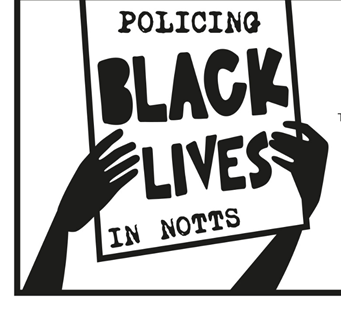
The Policing of Happiness: A Call for Equality and Justice

The Declaration of Independence proclaims, “We hold these truths to be self-evident, that all men are created equal, that they are endowed by their Creator with certain unalienable Rights, that among these are Life, Liberty, and the pursuit of Happiness.” These words have served as a foundational ideal of America, symbolizing the nation’s commitment to freedom, equality, and individual rights. However, while the eloquence of these words resonates throughout history, the reality for many, particularly Black Americans, has often been starkly different. The lofty ideals espoused in the Declaration were crafted in a historical context that excluded many, especially enslaved individuals and marginalized communities. As history progressed, this Declaration became a rallying cry for civil rights movements advocating for justice, equality, and inclusion. From the abolition of slavery to the fight for women’s rights and racial equality, the meanings of these rights have evolved and expanded. Yet, despite the progress we’ve made, the core issue remains: why are the rights of Black people still not fully enforced to benefit them? The policing of Black happiness is not merely a societal inconvenience; it reflects a pervasive systemic issue that affects the very essence of community life. Each time a gathering or celebration among Black individuals is interrupted by law enforcement, it speaks volumes about the insecurity of our right to life, liberty, and the pursuit of happiness. The police often show up at community events—block parties, cookouts, or simply neighbors enjoying time together—not out of protective concern, but with an underlying implication that our joy is somehow suspect. This reality creates a cycle of fear, whereby Black individuals must constantly navigate the paradox of existing in spaces meant for joy and connection while being aware that such moments can be deemed illegal. The notion that “if we are too happy, here comes the police” is not just an anecdote; it’s a lived experience for many. This policing transcends mere inconvenience—it is a grotesque manifestation of civil rights violations that roots itself in the fabric of systemic racism. Moreover, it is crucial to recognize that there are two justice systems at play, one that seems to protect and serve, and another that systematically undermines and criminalizes Black existence. Law enforcement officers often operate within a framework that grants them a license to kill without accountability, a reality starkly contrasted by how justice is meted out to other communities. When a Black person complains about an unjust encounter, they are frequently met with the dismissive retort: “That’s the law.” This blunt response strips the individual of their rights and dignity, forcing them into a position where their grievances are rendered invisible. When we examine the systemic violence that stems from these unjust practices, we must also consider the emotional toll it takes on Black communities. The constant threat of police intervention creates a climate of anxiety, where the simple act of enjoying life becomes a precarious endeavor. The fear of being stopped because one “fits a description” looms large, stifling the ability to engage fully in community life. This destruction of joy and the freedom to thrive creates a ripple effect with deeply entrenched consequences, limiting access to opportunities, hindering economic growth, and perpetuating cycles of poverty. As we continue to discuss the causes and effects of this policing of happiness, we must also look inward at the systemic structures that reinforce these injustices. It is essential to advocate for policy changes that genuinely uphold the principles outlined in the Declaration of Independence. The aim is not merely to reform the police but to dismantle the institutional barriers that keep Black people from enjoying equal rights and opportunities. The struggle for equality and a just society is ongoing, and as we look to the future, we must prioritize the enforcement of rights for all individuals, particularly those who have been historically marginalized. The call for justice cannot be one that accommodates discomfort. Rather, it should be a loud and unapologetic proclamation that Black happiness is not something to be policed but celebrated. It is a fundamental right to live freely, to enjoy the fruits of our labor, and to pursue that happiness guaranteed by the very document that serves as the cornerstone of American ideals. In conclusion, the path toward true equality requires commitment—from individuals, communities, and institutions alike—to actively challenge the status quo. It calls for a united front to raise awareness and advocate for reforms that ensure the rights outlined in the Declaration of Independence are not just empty words but real, enforced guarantees for everyone, regardless of race. We cannot allow the joy of any community to be policed. It is time to reclaim that joy and ensure it flourishes for every individual, free from shame, judgment, and fear. After all, it’s not merely a right; it’s an unalienable one.
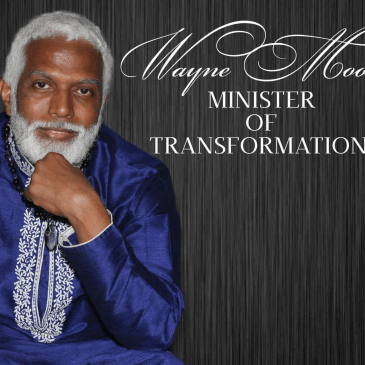

Wayne Moody: Building Dreams, Transforming Lives

My name is Wayne Albert Moody. Originally from Heaven but was dropped off in a piece of Heaven called Belize. Have been teaching since I’ve been 7/8 years old. Started my world changing journey at the age of 18 years old. Been an educator and disciple maker for over 44 years. Been a Certified Dream Builder Life Coach for over 6 years. I am a transformational teacher, motivational speaker, serving individuals, teaching what I’m living and living what I’m teaching, taking dreams from conception to manifestation! 

Wayne Moody’s journey into life coaching wasn’t just a career move—it was a calling. From his early experiences navigating personal growth to his deep commitment to helping others unlock their potential, Moody has built a legacy rooted in transformation and empowerment.

His path led him to create Dream Builders, a coaching initiative designed to guide individuals toward their aspirations with clarity and confidence. Through Dream Builders, Moody has cultivated a space where people can break through limitations, embrace change, and step into their fullest potential.

What started as a personal mission soon expanded into a thriving movement. Moody’s approach—grounded in spiritual awareness, resilience, and actionable strategies—has resonated with countless individuals seeking direction. His mentorship, alongside fellow Dream Builder coaches, has helped people redefine their paths, whether in business, relationships, or personal fulfillment.

As Dream Builders continues to grow, Moody remains committed to expanding its reach, ensuring that more people have access to the tools and guidance needed to build the lives they envision. His work stands as a testament to the power of belief, strategy, and unwavering dedication to personal transformation.

For more insights into his journey, check out his conversation on the LFTLR Podcast.

You can connect with Wayne via his website. Please click the link below


Minister of Transformation
   

#DreamBuilders #LifeCoaching #Transformation #WayneMoody

Awakening to the Truth: The Journey of Being Black in America

In a world where history is often rewritten or distorted, the truth about Black people in America must be reclaimed and celebrated. We are the first people on Earth, born from the rich soil of Mother Africa, a land that gave life not only to a continent but to humanity as a whole. Our roots run deep, tracing back to civilizations that flourished long before the arrival of colonial powers. Yet, how often do we reflect on this history, one marked by both profound loss and incredible resilience?

The Arrival: A Journey of Deception

For the thousands who were forcibly brought to America, the journey was not just physical but a deception that stripped away our identities. Lured here under false pretenses, enslaved people were thrust into a harsh reality. Those who stole this land sought to exploit its resources—both natural and human—under the guise of progress. They assumed that free labor could build an empire without consequence. As time unfolded, the harsh systems established for profit birthed generations of struggle, resilience, and ultimately transformation. The legacy of slavery has left scars that continue to affect Black lives today, evident in systemic inequalities, violence, and misrepresentation.

The Historical Context: Who Were the True Savages?

History as taught in schools often omits critical truths about the violent legacy of colonization. The Moors, who once taught hygiene and civilization to the untamed Europeans, challenged the oft-portrayed narrative of Black inferiority. This history reveals a broader context: one where sins of the past are projected onto Black communities—a mind game crafted to uphold a façade of supremacy while masking the brutal realities of oppression. The term “savage” has been weaponized to describe those who were displaced by violence and exploitation, obscuring the oppressive actions of the very same individuals who labeled them. Stripped of history and agency, Black people were and are still mischaracterized through a toxic, false lens that serves only to uphold a white-dominated hierarchy.

The Modern Struggle: Systemic Inequities

Fast forward to the 21st century, and the disparities are stark. Data illustrates the systemic inequalities faced by African Americans—disparities in incarceration rates, access to education, and economic opportunity persist. Black individuals are often subjected to harsher penalties for similar crimes committed by white counterparts. The implications of this injustice extend into everyday life, creating an environment where fear supersedes ambition. Yet, through this oppressive landscape, resilience shines through. More Black individuals are rising to the occasion, collaborating to create spaces that feel like home—a true Utopia borne of shared experiences and collective strength. We are learning to trust in our accomplishments and embrace a unified identity that honors our history.

Building a New Narrative: Together We Rise

A growing movement in the Black community seeks validation not from the oppressive systems that once marginalized us but from within ourselves. Experiences from the past guide our present and shape our future. A new generation of leaders, innovators, and activists is paving the way for profound cultural and political change. As we continue to rally together, we recognize the importance of self-education, understanding our historical narratives, and fostering solidarity. This movement is not merely about seeking equality but about reclaiming our narrative and building a future that reflects our truths.

The Vision for 2045: A New America

Looking ahead, we envision a time when America will truly reflect the diverse cultures and histories that comprise it. By 2045, demographic projections suggest that those who built this land will reclaim their role in its narrative. A new America, one that acknowledges the contributions of its Black citizens and elevates them to their rightful prominence, is on the horizon. Our aim is not revenge but restoration. We seek to display the beauty of Blackness, honor the struggles of those who came before us, and create systems that genuinely support our communities.

Conclusion: Embracing Our Legacy

Being Black in America is a journey colored by struggles, resilience, and an undeniable spirit of hope. As we navigate through our complex history, we reclaim our narrative—a story that celebrates our ancestry and acknowledges the deep wounds yet to heal. This journey forward isn’t a solitary endeavor; it requires unity and collaboration amongst ourselves and allies who recognize that true progress is about lifting each other up. As we stand on the brink of a new era, let us continue to build our narrative rooted in truth, strength, and solidarity. The world is vast, but Mother Africa’s legacy will continue to pulse through each of us, echoing the strength of our history as we move toward a brighter, more equitable future.

America’s Decline: A Nation at a Crossroads

Once heralded as the world’s leading superpower, America now finds itself at a crossroads—its global standing diminished, its principles abandoned, and its leadership failing to uphold the values it once championed. The country that once set the standard for democracy and influence has become a cautionary tale, a nation unraveling under the weight of its own contradictions.

The Betrayal of Founding Principles

America was built on ideals of freedom, equality, and opportunity, yet its history tells a different story—one of slavery, systemic oppression, and economic exploitation. While the nation classified itself as a beacon of conservatism, its actions have veered toward autocracy, with policies that increasingly resemble the authoritarian rule of regimes it once opposed. The shift toward extreme nationalism and suppression of dissent has left the country fractured, unable to reconcile its past with its present.

The Political Class and Their Obsession with Power

Many of America’s leaders—particularly those who align themselves with far-right ideologies—have openly admired authoritarian governments, seeking to mold the U.S. into a system that prioritizes control over democracy. The erosion of checks and balances, the targeting of truth-tellers, and the concentration of power in the hands of a few have created an environment where corruption thrives and accountability is nonexistent.

The Root of America’s Struggles: Hatred and Division

At the heart of America’s decline is its unwillingness to confront its deep-seated racial injustices. The hatred of Black people, the erasure of historical truths, and the refusal to acknowledge the contributions of marginalized communities have left the country in turmoil. Rather than addressing these issues, those in power have chosen to double down on oppression, ensuring that the cycle of inequality continues.

Yet, despite centuries of adversity, Black Americans have persevered, standing as a testament to resilience and strength. While others crumble under hardship, Black communities have faced struggle head-on, proving time and again that survival is not about privilege—it is about perseverance.

The Illusion of Entitlement

For generations, white entitlement has shielded many from the realities of struggle. The reliance on stolen wealth, systemic advantages, and historical manipulation has created a false sense of superiority—one that is now being challenged as the country faces economic instability, political unrest, and global ridicule. The inability to adapt, to work through hardship, and to build rather than take has exposed a fundamental weakness: survival requires resilience, not privilege.

The Higher Reckoning

As America teeters on the edge of collapse, the higher forces at play are calling for a reckoning. The lies, theft, and violence that have shaped the nation’s history can no longer be ignored. The time for change is now—whether through collective action, political awakening, or divine intervention, the old guard is being challenged, and a new era is on the horizon.

The question remains: Will America rise to meet this challenge, or will it continue down the path of destruction? The answer lies in the hands of those willing to fight for truth, justice, and the future of a nation that has lost its way.

America: The Newest Autocracy

For generations, the United States has prided itself on being the beacon of democracy, a nation built on the principles of freedom, justice, and the rule of law. Yet, in recent years, we have witnessed a disturbing transformation—one that has stripped away the rights of the people right before their eyes, while the government stands idly by, refusing to intervene.

The Silencing of Truth

Under the leadership of Donald Trump, the suppression of truth has become a defining characteristic of this new era. Journalists, whistleblowers, and activists who dare to expose corruption and misconduct are being targeted, harassed, and in some cases, prosecuted. The administration has made it clear: dissent will not be tolerated. Those who challenge the official narrative are met with intimidation, legal threats, and public vilification.

The Collapse of Checks and Balances

The executive branch, once held in check by the legislative and judicial branches, now operates with near-total impunity. Congress, which was designed to serve as a counterbalance to presidential power, has largely abandoned its duty to hold Trump accountable. The courts, once a bastion of impartial justice, have been stacked with loyalists who prioritize political allegiance over constitutional integrity. The result? A government that no longer serves the people but instead protects the interests of the powerful.

The ICE Raids and the Rise of Detention Camps

Perhaps one of the most chilling developments has been the ICE raids, where individuals—many of whom are legal residents or even U.S. citizens—are being rounded up and deported to countries like Venezuela. Families are torn apart, lives are upended, and communities are left in fear. Reports have surfaced of detention centers that bear an eerie resemblance to concentration camps, where detainees are subjected to inhumane conditions, denied basic rights, and left to languish in uncertainty.

A Betrayal of Expectations

Many who voted for Trump believed that his policies would primarily target Black Americans, reinforcing the systemic inequalities that have plagued the nation for centuries. However, as his administration’s actions unfold, it has become clear that his reach extends far beyond racial lines. Immigrants, activists, journalists, and even his own former supporters are now facing the consequences of unchecked power. The realization is stark: autocracy does not discriminate—it consumes all who stand in its way.

The Path Forward

America stands at a crossroads. Will we continue down this path of authoritarian rule, or will the people rise to reclaim their democracy? The answer lies in the collective will of the nation. Resistance, activism, and unwavering commitment to truth are the only weapons against tyranny. The time to act is now—before the last remnants of freedom are lost forever.

Navigating the Toxic Political Climate: A Call for Accountability and Awareness

In today’s rapidly evolving political landscape, the American public finds itself grappling with a toxic climate that undermines democracy and distorts reality. One of the most pressing issues we face is the failure of mainstream media to provide the necessary information and context for the serious matters that impact our daily lives. Instead of fostering an informed citizenry, many media outlets chase sensational headlines while neglecting substantial stories that need attention.

The Media’s Role in Informing the Public

Just recently, America experienced a significant downgrade in its credit rating, a critical issue that barely made headlines beyond a couple of days of reporting. Yet, this isn’t an isolated incident; it is emblematic of a broader trend in mainstream media’s inconsistency, where essential matters are often brushed aside for more sensational or trivial news coverage. The implications of a lower credit rating are far-reaching. It signals to investors and financial markets that the U.S. government may not be as reliable in meeting its financial obligations, raising concerns about economic stability. Reasons for the downgrade included a combination of insufficient revenue generation, failure to adequately manage national debt, and political gridlock, which hinders responsible fiscal policy. These issues should resonate deeply with all Americans, yet they slip through the cracks of mainstream discourse. When media chooses to disregard profound issues like credit downgrades and focuses on celebrity gossip or partisan attacks, it fosters a disconnection between the public and vital government operations. Consequently, trust in these outlets erodes, leaving citizens to rely on alternative sources—many of which lack the rigor and credibility necessary for sound understanding.

Economic Consequences for Everyday Americans

The deterioration of the nation’s credit rating isn’t just an abstract concept; it has tangible effects on the economy and everyday life. As the government’s reliability falters, we witness rising difficulties for individuals seeking loans, with increased interest rates becoming a norm. Higher borrowing costs mean that mortgages, auto loans, and credit cards become less accessible, creating a burden on families and individuals trying to make ends meet. Moreover, the current state of the U.S. economy is alarming. While the stock market may report gains, the job market tells a different story. Many Americans are experiencing job insecurity, fluctuating unemployment rates, and stagnant wages. The impacts of these challenges ripple through our society, contributing to growing inequality and straining families.

The Trade War and Rising Costs

Another factor exacerbating our economic woes is the ongoing trade war, marked by tariffs on goods imported from various countries. These tariffs have led to increased prices for everyday products, ranging from household items to electronics. As businesses grapple with rising costs, they often pass these expenses onto consumers, squeezing budgets further. The inconsistencies and lack of clarity surrounding media coverage of these matters only add to the public’s frustration. What should be a comprehensive discussion about economic policies, trade ramifications, and their societal impacts frequently devolves into political finger-pointing or sensationalism. This obscurity further alienates citizens who are trying to understand how these decisions affect their lives.

Addressing Leadership Incompetence

Amidst this chaos, President Donald Trump’s leadership set a tone of incompetence that continues to reverberate. His approach often prioritized divisive rhetoric over constructive governance, leading to exacerbated tensions in both domestic and international arenas. Trump’s decisions frequently involved addressing symptoms rather than root causes, contributing to an underlying atmosphere of distrust and conflict. The reluctance of mainstream media to hold leadership accountable amplifies this sentiment. Instead of focusing on constructive criticism and thorough analysis of policies, media often perpetuates the cycles of distraction that serve to muddle the real issues at hand.

Toward a More Informed Public

Ultimately, navigating this toxic political climate requires a collective effort to demand better from our media and our leaders. We must prioritize accountability, transparency, and rigorous reporting that sheds light on the issues affecting our economy and society. As the public, we must be vigilant in seeking out credible information and engage in informed discussions about the policies and leaders shaping our futures. In an era marked by misinformation and sensationalism, we have the power to reclaim our narrative by advocating for truth and fostering a more informed citizenry. As we celebrate democracy, let us also strive for an environment where serious issues, like economic stability, are covered comprehensively and with the respect they deserve. Only then can we work towards solutions that benefit all Americans.

Celebrating Pride Month: Honoring Black LGBTQ Trailblazers

As we celebrate Pride Month, it’s essential to reflect on the journey of the LGBTQ community, particularly the trailblazers from the Black community whose courage and creativity laid the groundwork for others to follow. These remarkable individuals not only fought for their rights but also shaped culture, literature, and social justice, leaving a lasting impact that resonates today.

Trailblazers of the Black LGBTQ Community

  1. James Baldwin (1924-1987)
    A celebrated novelist, playwright, and essayist, James Baldwin used his words to confront racial and sexual injustice. His groundbreaking works, such as “Go Tell It on the Mountain” and “The Fire Next Time,” explored the complexities of identity, race, and sexuality. Baldwin’s eloquence and bravery in discussing his own experiences as a gay Black man have inspired generations to embrace their truths.
  2. Marsha P. Johnson (1945-1992)
    A pivotal figure in the Stonewall uprising, Marsha P. Johnson was an activist, drag queen, and co-founder of the Street Transvestite Action Revolutionaries (STAR). Johnson dedicated her life to advocating for LGBTQ rights and providing support to homeless queer and transgender youth. Her fearless spirit and unwavering commitment to justice continue to inspire activists today.
  3. Audre Lorde (1934-1992)
    Poet, essayist, and civil rights activist, Audre Lorde fought tirelessly for social justice, embracing her identities as a Black woman, lesbian, feminist, and activist. Her powerful writings, including “Sister Outsider” and “The Black Unicorn,” challenge oppression and advocate for the inclusion of marginalized voices. Lorde’s conviction in using her voice as a tool for change remains a beacon of hope for many.
  4. Willie Ninja (1961-2006)
    Known as the “Godfather of Vogue,” Willie Ninja was a dancer and choreographer who brought prominence to the ballroom culture in New York City. His influence can be seen in the art of voguing, a dance form that celebrates individuality, confidence, and self-expression. Ninja’s legacy lives on through the countless performers he mentored and the vibrant LGBTQ culture he helped to cultivate.
  5. Stormé DeLarverie (1920-2014)
    Often referred to as the “Rosa Parks of the queer movement,” Stormé DeLarverie was a singer, bouncer, and activist who played a vital role in the Stonewall uprising. Her fearless defiance against harassment and discrimination inspired countless others to stand up for their rights. DeLarverie’s courage and resilience have solidified her place in history as an icon of the LGBTQ movement.
  6. Gladys Bentley (1907-1960)
    A trailblazing blues singer and performer, Gladys Bentley was known for her powerful voice and gender-fluid style in the 1920s and 1930s. Bentley broke barriers in a time when society deemed her behavior unacceptable. With her captivating performances, she challenged traditional gender roles and celebrated her identity with pride, paving the way for future artists.
  7. Bayard Rustin (1912-1987)
    An accomplished civil rights strategist, Bayard Rustin was instrumental in organizing the 1963 March on Washington. Rustin’s activism was grounded in his identity as a Black gay man, and he often spoke out about the intersectionality of race, class, and sexuality. His legacy calls for an understanding of the complexities within social justice movements, reminding us that all voices matter.
  8. Ernestine Eckstein (1933-2017)
    An influential advocate for LGBTQ rights, Ernestine Eckstein was one of the first Black organizations to use the term “gay” in its name. She was a key figure in the fight for gay rights and worked with organizations such as the Mattachine Society, influencing change within a movement that often sidelined people of color.
  9. Barbara Jordan (1936-1996)
    A groundbreaking politician and orator, Barbara Jordan was the first Black woman elected to the Texas Senate and the first Southern Black woman elected to the U.S. Congress. While she was primarily known for her political work, Jordan also stood as a proud figure in the LGBTQ community, pushing for inclusion and justice.
  10. Alvin Ailey (1931-1989)
    A revered choreographer and founder of the Alvin Ailey American Dance Theater, Ailey transformed the arts by showcasing African American cultural heritage through dance. His works often conveyed themes of struggle, love, and hope, reflecting his own experiences as a Black gay man. Ailey’s legacy continues to inspire dancers and artists around the globe.

The Struggles and Triumphs

While the contributions of these trailblazers are celebrated today, it’s critical to remember the repression that LGBTQ individuals have faced—and still face. Throughout history, the community has endured discrimination, violence, and marginalization. However, as we honor Pride Month, we see a community rising with strength, pride, and determination to reclaim their narratives and fight for equality. Today’s generation of Black LGBTQ men and women stands on the shoulders of these giants, embracing their identities and advocating for true representation and rights in all spheres of life. This Pride Month, let’s acknowledge the past, celebrate the present, and commit ourselves to a future of inclusivity and justice.

Unity and Love

As we reflect on this month, let us foster love for one another, understanding that our shared humanity transcends race, gender, and sexual orientation. The LGBTQ community is not just fighting for acceptance; it’s building alliances and working alongside the broader society to create a loving, inclusive world for everyone. Together, with the echoes of our trailblazers guiding us, we can forge a path toward equity and understanding, ensuring that every voice is uplifted, every story is told, and every identity celebrated. Happy Pride Month! Let’s honor our heroes, embrace our truth, and continue to champion love, respect, and unity for all.