Financial Insights: Navigating Tax Breaks in 2025

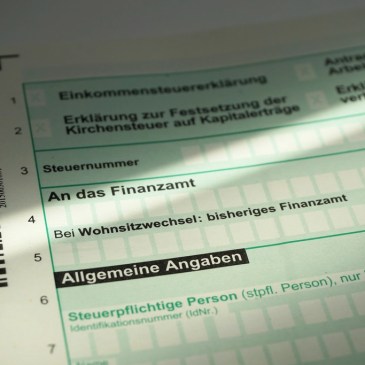
As we step into 2025, it’s crucial to stay informed about the tax breaks available across different income brackets and for businesses. This edition of “Financial Insights” will cover the tax breaks for the top one percent, middle class, and lower class, as well as those for businesses. We’ll also discuss the tax breaks that are set to expire and provide an outlook on the potential changes under a new presidential administration.

Tax Breaks for the Top One Percent

The top one percent of earners benefit from several tax breaks, including lower rates on capital gains and dividends, and various deductions and credits. The Tax Cuts and Jobs Act (TCJA) of 2017 significantly reduced the tax burden for high-income earners, with the top marginal tax rate dropping from 39.6% to 37%. However, many of these provisions are set to expire after 2025, potentially increasing the tax rates back to pre-TCJA levels2.

Tax Breaks for the Middle Class

Middle-class taxpayers have access to several tax breaks designed to ease their financial burden. These include the Earned Income Tax Credit (EITC), Child Tax Credit (CTC), and deductions for mortgage interest and state and local taxes (SALT). The TCJA also doubled the standard deduction, which has been beneficial for many middle-class families2. However, like the benefits for the top one percent, these provisions are also set to expire after 2025.

Tax Breaks for the Lower Class

Lower-income earners benefit from tax credits such as the EITC and the CTC, which can significantly reduce their tax liability. The American Rescue Plan Act (ARPA) temporarily expanded these credits, but these expansions are set to expire, potentially reducing the benefits available to lower-income families1.

Expiring Tax Breaks

Several key tax provisions are set to expire after 2025, including the lower individual income tax rates, the doubled standard deduction, and the expanded CTC. Unless Congress acts to extend these provisions, taxpayers could see higher tax rates and reduced deductions starting in 2025.

Tax Breaks for Businesses

Businesses can take advantage of various tax breaks, including deductions for salaries and wages, health insurance, and retirement plan contributions. The TCJA also introduced a 20% deduction for qualified business income, which has been beneficial for many small businesses2. However, this provision is also set to expire after 2025.

Outlook Under a New Presidential Administration

With the recent election of President Donald Trump for a second term, we can expect potential changes to the tax code. President Trump has proposed lowering the corporate tax rate from 21% to 20% and introducing new individual tax breaks, such as exempting Social Security payments from federal taxation. However, the exact details of these changes remain uncertain, and taxpayers should stay informed about potential legislative developments8.

In conclusion, staying informed about the available tax breaks and upcoming changes is crucial for effective financial planning. As we move forward, “Financial Insights” will continue to provide updates and guidance to help you navigate the evolving tax landscape.
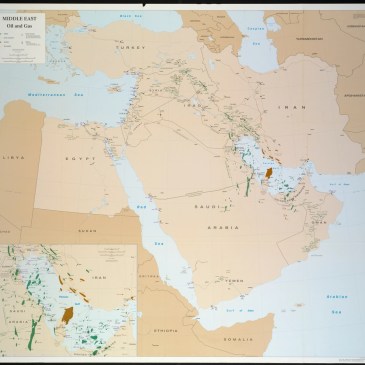

Middle East or East Africa?

The term “Middle East” is a relatively modern construct, coined by Western powers to describe a region that has long been a crossroads of civilizations. Historically, this area was often referred to as part of Africa, particularly the northeastern part of the continent. The name “Middle East” itself is a Eurocentric term that reflects the geopolitical interests of colonial powers rather than the cultural and historical realities of the region.

The people who have historically inhabited this land are diverse, with rich and varied cultures that have evolved over millennia. However, the arrival of European colonial powers in the 19th and 20th centuries brought significant changes. These powers imposed new borders, often disregarding the existing ethnic, cultural, and historical ties of the indigenous populations.

The colonial era saw the displacement of many indigenous peoples and the imposition of foreign rule. European settlers and administrators often claimed the land as their own, disregarding the rights and histories of the original inhabitants. This led to a loss of cultural heritage, as colonial powers sought to impose their own values and systems of governance.

In many cases, the occupiers appropriated the cultural symbols and practices of the indigenous peoples, often without acknowledgment or respect. This cultural theft has had lasting impacts, as the original cultures have been marginalized and their contributions to the region’s history and identity have been overlooked.

Today, the legacy of colonialism continues to shape the Middle East. The borders drawn by colonial powers have led to ongoing conflicts and tensions, as different groups struggle for recognition and autonomy. The cultural heritage of the region’s original inhabitants is still at risk, as modern political and social dynamics continue to marginalize their voices.

In conclusion, the term “Middle East” is a misnomer that reflects a colonial perspective rather than the true history and identity of the region. The people who have historically lived in this land have a rich and diverse cultural heritage that has been overshadowed by the legacy of colonialism. It is important to recognize and honor the contributions of these original inhabitants and to work towards a more inclusive and accurate understanding of the region’s history.

Crime Rates in America: A Steady Decline Over the Last Four Years

In recent years, the United States has witnessed a significant decline in crime rates, a trend that has brought a sense of relief to many communities across the nation. This blog post delves into the details of this decline, examining crime rates by race and gender for murders, robbery, and rape, and exploring the regional variations in crime rates.

A Steady Decline in Crime Rates

According to data compiled by the FBI and other sources, crime rates in the United States have been on a steady decline over the past four years. This trend is particularly notable given the spike in violent crime in 2020, largely attributed to the economic and social disruptions caused by the COVID-19 pandemic. Since then, the rates of violent crimes, including murder, robbery, and rape, have decreased significantly.

Crime Rates by Race and Gender

Understanding crime rates by race and gender provides a more nuanced view of the trends and disparities in criminal activity. Here are the statistics for murders, robbery, and rape:

Murders:

  • White: 45.8% of those arrested for murder were white.
  • Black or African American: 51.2% of those arrested for murder were Black or African American.
  • Other Races: The remaining percentage includes American Indian, Alaska Native, Asian, and Native Hawaiian or Other Pacific Islander.

Robbery:

  • White: 44.7% of those arrested for robbery were white.
  • Black or African American: 52.7% of those arrested for robbery were Black or African American.
  • Other Races: The remaining percentage includes American Indian, Alaska Native, Asian, and Native Hawaiian or Other Pacific Islander.

Rape:

  • White: 69.8% of those arrested for rape were white.
  • Black or African American: 26.7% of those arrested for rape were Black or African American.
  • Other Races: The remaining percentage includes American Indian, Alaska Native, Asian, and Native Hawaiian or Other Pacific Islander.

These statistics highlight the racial disparities in crime rates, with Black or African American individuals being disproportionately represented in arrests for murder and robbery.

Regional Variations in Crime Rates

Crime rates in the United States vary significantly by region, influenced by factors such as population density, economic conditions, and law enforcement effectiveness. Here are some key regional trends:

Northeast:

  • The Northeast has generally lower crime rates compared to other regions. States like Maine and New Hampshire have some of the lowest violent crime rates in the country.

Midwest:

  • The Midwest has seen a decline in crime rates, but certain states like Missouri and Michigan still report higher rates of violent crime compared to the national average.

South:

  • The South has some of the highest crime rates in the country. States like Louisiana and Tennessee have high rates of violent crime, including murder and robbery.

West:

  • The West has a mixed picture, with states like California and Nevada reporting higher crime rates, while states like Idaho and Utah have lower rates.

Conclusion

The steady decline in crime rates over the past four years is a positive development for the United States. However, the data also reveals significant disparities in crime rates by race and gender, as well as regional variations. Addressing these disparities requires a comprehensive approach that includes economic development, community engagement, and effective law enforcement strategies.

As we continue to monitor these trends, it is crucial to remain vigilant and proactive in our efforts to create safer and more equitable communities for all Americans.

The Danger of False Premises: Understanding the Consequences of Misinformed Influence

In today’s world, misinformation and false premises have become powerful tools that can shape public opinion and influence behavior. People who have been influenced under false premises often fail to grasp the gravity of living in a country where representatives sell secrets, unlawfully change the structure of government, and pit people against each other. This blog post explores why this lack of understanding is dangerous and the potential consequences for society.

The Power of Misinformation

Misinformation can spread rapidly, especially in the age of social media. When people are influenced by false premises, they may develop skewed perceptions of reality. This can lead to misguided beliefs and actions that undermine the principles of democracy and the rule of law.

Selling Secrets: A Breach of Trust

When representatives sell secrets, it constitutes a severe breach of trust. The public relies on elected officials to act in the best interest of the country, and selling secrets compromises national security and erodes public confidence. People influenced by false premises may not fully understand the implications of such actions, leading to a lack of accountability for those in power.

Unlawful Changes to Government Structure

Unlawfully changing the structure of government undermines the democratic process and the checks and balances that are essential for a functioning democracy. When people are misinformed, they may support or tolerate these changes without realizing the long-term consequences. This can lead to the erosion of democratic institutions and the concentration of power in the hands of a few.

Pitting People Against Each Other

Divisive rhetoric and actions that pit people against each other can create a deeply polarized society. When individuals are influenced by false premises, they may become more susceptible to manipulation and less likely to engage in constructive dialogue. This can lead to increased social unrest and a breakdown of community cohesion.

The Consequences for Society

The consequences of living in a country where representatives sell secrets, unlawfully change the structure of government, and pit people against each other are profound. It can lead to:

  • Erosion of Trust: Public trust in government and institutions is eroded, making it difficult to achieve consensus on important issues.
  • Political Instability: Unlawful changes to government structure can create political instability and undermine the rule of law.
  • Social Division: Divisive rhetoric can deepen social divisions and lead to increased conflict and violence.
  • Economic Impact: Political instability and lack of trust can negatively impact the economy, leading to reduced investment and economic growth.

Moving Forward

To address these challenges, it is essential to promote media literacy and critical thinking skills. People need to be equipped with the tools to discern fact from fiction and to hold their representatives accountable. Additionally, fostering open and respectful dialogue can help bridge divides and build a more cohesive society.

Your Thoughts

We want to hear from you. How do you feel about the impact of misinformation and false premises on society? What steps do you think are necessary to address these issues and protect the principles of democracy? Share your thoughts and solutions in the comments below.

By understanding the dangers of misinformation and the consequences of being influenced by false premises, we can work towards creating a more informed and resilient society. Let’s continue the conversation and work together to build a better future.

The Real Boogeymen: Elon Musk and Donald Trump

In the ever-evolving landscape of American politics and business, two figures have emerged as the real boogeymen: Elon Musk and Donald Trump. Their influence extends far beyond their respective domains, shaping the future of the country in ways that are both profound and unsettling. This blog post delves into why Musk and Trump are considered the real boogeymen, what this means for the American people, and the possible scenarios that could unfold over the next four years.

The Influence of Elon Musk

Elon Musk, the world’s richest man, has a hand in multiple industries, from electric vehicles and space exploration to social media and artificial intelligence. His influence is not just limited to his businesses; it extends into the political arena as well. Musk’s recent actions, such as his vocal opposition to government spending bills and his role in shaping policy through his advisory position in the Trump administration, have raised concerns about the concentration of power in the hands of a few wealthy individuals2.

Impact on the American People:

  • Economic Disparities: Musk’s wealth and influence highlight the growing economic disparities in the country. While he continues to amass wealth, many Americans struggle with economic instability and lack of access to basic resources.
  • Technological Control: Musk’s control over key technologies, such as social media platforms and space exploration, raises questions about the potential for monopolistic practices and the impact on free speech and innovation.

The Influence of Donald Trump

Donald Trump’s return to the political stage has been marked by controversy and division. His policies and rhetoric have often polarized the nation, and his influence on the Republican Party remains strong. Trump’s recent actions, such as his opposition to bipartisan budget negotiations and his alignment with Musk, have further deepened political divides4.

Impact on the American People:

  • Political Polarization: Trump’s divisive rhetoric and policies continue to polarize the nation, making it difficult to achieve consensus on critical issues.
  • Erosion of Trust: The constant barrage of misinformation and attacks on democratic institutions have eroded public trust in the government and the media.

Possible Scenarios for the Next Four Years

As we look ahead, several scenarios could unfold, each with significant implications for the American people:

  1. Increased Economic Inequality: The concentration of wealth and power in the hands of individuals like Musk and Trump could exacerbate economic inequalities, leading to greater social unrest and instability.
  2. Technological Monopolies: Musk’s control over key technologies could lead to monopolistic practices, stifling competition and innovation. This could also impact privacy and free speech, as control over social media platforms becomes more centralized.
  3. Political Instability: Trump’s influence on the Republican Party and his divisive rhetoric could lead to increased political instability, making it difficult to address critical issues such as healthcare, education, and climate change.
  4. Erosion of Democratic Norms: The continued erosion of trust in democratic institutions and the spread of misinformation could undermine the foundations of American democracy, leading to a more authoritarian and less accountable government.

Conclusion

Elon Musk and Donald Trump, the real boogeymen of our time, wield immense power and influence that shape the future of the country. Their actions and policies have far-reaching implications for the American people, from economic disparities and technological control to political polarization and the erosion of democratic norms. As we navigate the next four years, it is crucial for the American people to stay informed, engaged, and vigilant in order to protect the values and principles that underpin our democracy.

The Looming Crisis: What Happens if Congress Fails to Pass the Debt Ceiling Bill?

As the debate over the debt ceiling bill intensifies, the possibility of Congress failing to pass it looms large. The consequences of such a failure would be far-reaching, affecting every aspect of American life. This blog post explores the potential impacts on the American people, broken down by race, gender, family, and region, and highlights the possible suffering that could ensue.

Economic Turmoil and Financial Instability

If Congress fails to pass the debt ceiling bill, the U.S. government would be unable to meet its financial obligations, leading to a default. This would trigger a financial crisis, causing stock markets to plummet and interest rates to soar. The ripple effects would be felt across the economy, with businesses facing higher borrowing costs and consumers experiencing increased prices for goods and services.

Impact by Race

Black and Hispanic Communities: Historically marginalized communities would likely bear the brunt of the economic fallout. Black and Hispanic households, which already face higher unemployment rates and lower median incomes, would be disproportionately affected by job losses and reduced access to credit2. The wealth gap between these communities and their white counterparts would widen further, exacerbating existing inequalities.

White Communities: While white households generally have higher incomes and more wealth, they would not be immune to the economic downturn. Middle-class white families could see their savings and investments erode, and those living paycheck to paycheck would struggle to make ends meet.

Impact by Gender

Women: Women, particularly single mothers, would face significant challenges. Women are more likely to work in low-wage jobs and industries that are vulnerable to economic downturns. The loss of income and increased financial stress could lead to higher rates of poverty and food insecurity among women and their children.

Men: Men, especially those in blue-collar jobs, could also be severely impacted. Industries such as construction and manufacturing, which employ a large number of men, would likely see job cuts and reduced hours. This would lead to financial instability for many families reliant on these incomes.

Impact on Families

Low-Income Families: Families living below the poverty line would face the harshest consequences. With reduced access to social safety nets and increased costs of living, these families would struggle to afford basic necessities such as food, housing, and healthcare.

Middle-Class Families: The middle class would also feel the pinch. Savings and retirement accounts could take a hit, and the increased cost of borrowing could make it difficult for these families to finance major expenses such as home purchases or college education.

Regional Impact

Northeast: The Northeast, with its high cost of living and reliance on financial services, could see significant economic disruption. Job losses in the finance sector and increased living costs would strain households.

Midwest: The Midwest, known for its manufacturing base, could experience widespread job losses and economic stagnation. Communities dependent on manufacturing and agriculture would be particularly hard hit.

South: The South, with its higher poverty rates and lower median incomes, would face severe economic challenges. The region’s reliance on industries such as agriculture and energy could lead to significant job losses and financial instability.

West: The West, with its diverse economy, would also feel the impact. Tech hubs like Silicon Valley could see reduced investment, while rural areas dependent on agriculture and tourism could suffer from decreased economic activity.

Possible Suffering

The failure to pass the debt ceiling bill would lead to widespread suffering across the country. Families would face increased financial stress, with many struggling to afford basic necessities. The economic downturn could lead to higher rates of homelessness, food insecurity, and mental health issues. Communities already facing economic challenges would be pushed further into poverty, exacerbating existing inequalities.

Conclusion

The potential consequences of Congress failing to pass the debt ceiling bill are dire. The economic fallout would be felt across all demographics and regions, leading to widespread suffering and increased inequality. It is crucial for lawmakers to come together and pass the bill to prevent a financial catastrophe and protect the well-being of the American people.

Financial Insight Newsletter

The Corporate Transparency Act and Your Small Business

The Corporate Transparency Act (CTA) was enacted to combat money laundering and terrorist financing by requiring small businesses to report their beneficial owners to the Financial Crimes Enforcement Network (FinCEN). This law aims to close loopholes that allow criminals to hide their identities using shell companies2.

How It Works:

  • Small businesses must report information about individuals who own at least 25% of the company or exercise substantial control over it.
  • The required information includes the beneficial owner’s name, date of birth, address, and an identifying number from a government-issued ID.

Pros:

  • Enhances transparency and accountability in business operations.
  • Helps prevent illegal activities such as money laundering and terrorism financing.
  • Levels the playing field for law-abiding businesses.

Cons:

  • Imposes additional administrative burdens and costs on small businesses.
  • Raises privacy concerns due to the disclosure of personal information.

Impact on Different Economic Classes:

  • Rich: May face increased scrutiny and compliance costs but can afford the administrative burden.
  • Middle Class: Small business owners may struggle with the additional costs and administrative requirements.
  • Poor: Limited impact as they are less likely to own businesses affected by the CTA.

Health Care Costs in Retirement: Are You Prepared?

Health care costs in retirement can be a significant financial burden. It’s essential to plan ahead to ensure you have enough savings to cover these expenses.

How It Works:

  • Health care costs include premiums, deductibles, prescriptions, and out-of-pocket expenses.
  • Medicare provides coverage starting at age 65, but it doesn’t cover all expenses.

Pros:

  • Planning ahead can help you avoid financial stress in retirement.
  • Utilizing Health Savings Accounts (HSAs) can provide tax advantages and help cover medical expenses.

Cons:

  • Rising health care costs can be unpredictable and challenging to budget for.
  • Medicare coverage gaps may require additional insurance or out-of-pocket spending.

Impact on Different Economic Classes:

  • Rich: Better positioned to cover rising health care costs and can afford supplemental insurance.
  • Middle Class: May face financial strain if not adequately prepared for health care expenses.
  • Poor: Likely to rely more on government programs like Medicaid, which may not cover all needs.

Tax-Smart Ways to Gift Highly Appreciated Assets

Gifting highly appreciated assets can be a tax-efficient way to transfer wealth to family members or charities while reducing your tax burden.

How It Works:

  • You can gift appreciated assets such as stocks or real estate directly to family members or charities.
  • This allows you to avoid capital gains taxes on the appreciation and potentially reduce your taxable estate.

Pros:

  • Reduces your taxable estate and potential estate taxes.
  • Provides financial support to family members or charitable organizations.
  • Avoids capital gains taxes on appreciated assets.

Cons:

  • Gifting assets to family members may result in them paying capital gains taxes when they sell the assets.
  • Complex tax rules and potential changes in tax laws require careful planning.

Impact on Different Economic Classes:

  • Rich: Can significantly reduce estate taxes and provide substantial gifts to heirs or charities.
  • Middle Class: May benefit from tax savings but need to carefully plan to avoid unintended tax consequences.
  • Poor: Less likely to have highly appreciated assets to gift, so the impact is minimal.

By understanding these financial topics and their implications, you can make informed decisions to secure your financial future. We encourage you to share your thoughts and experiences with us. How do you feel about these issues, and what steps are you taking to prepare for them? Let us know in the comments below!

The Rise of Bitcoin: A New Era in Financial Markets

Since Donald Trump’s election, Bitcoin has experienced a meteoric rise, reaching unprecedented heights and reshaping the financial landscape. This surge has had significant effects on various markets, and its impact on investment portfolios is becoming increasingly evident. As Bitcoin continues to gain traction, it’s essential for the public to understand its potential benefits and risks, especially for those who may not have the means to invest.

Bitcoin’s Meteoric Rise

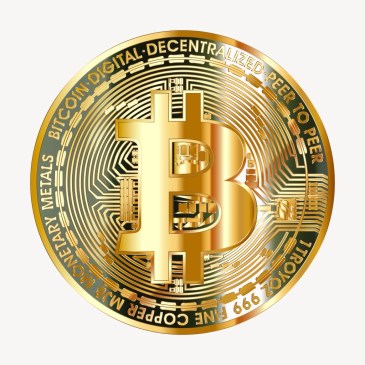
Bitcoin’s value has skyrocketed since Trump’s election, surpassing the $100,000 mark for the first time2. This surge can be attributed to several factors, including the administration’s pro-crypto stance and the appointment of cryptocurrency advocates to key positions. The idea of creating a strategic Bitcoin reserve has further fueled optimism, driving prices even higher1.

Impact on Financial Markets

The rise of Bitcoin has had a profound impact on various financial markets. Traditional assets like stocks and bonds have seen increased volatility as investors flock to cryptocurrencies. The influx of institutional investment has also played a significant role, with major financial institutions incorporating Bitcoin into their portfolios4. This shift has introduced new dynamics to the market, with Bitcoin emerging as a potential hedge against inflation and economic instability.

Bitcoin and Investment Portfolios

For investors, Bitcoin offers several potential benefits. It has historically enhanced portfolio returns and provided diversification benefits. However, its volatility remains a concern, and even a small allocation can significantly impact a portfolio’s risk profile6. Investors must weigh the potential for outsized returns against the inherent risks of investing in such a volatile asset.

The Importance of Public Participation

As Bitcoin continues to rise, it’s crucial for the public to consider participating in the market. The potential for significant returns and the growing acceptance of Bitcoin as a legitimate financial asset make it an attractive investment option. However, it’s essential to approach this market with caution and to invest only what one can afford to lose5.

Pros and Cons of Bitcoin

Pros:

  1. Store of Value: Bitcoin is often referred to as “digital gold” and is seen as a store of value, especially during inflationary times.
  2. High Returns: Bitcoin has been the best-performing asset class of the last decade, offering substantial returns for long-term investors.
  3. Decentralization: Bitcoin operates on a decentralized network, making it resistant to government interference and manipulation.
  4. Accessibility: Anyone can access the Bitcoin network, regardless of location or financial status.
  5. Security: Bitcoin’s public key cryptography ensures secure transactions.

Cons:

  1. Volatility: Bitcoin’s price is highly volatile, which can lead to significant losses.
  2. Regulatory Uncertainty: The regulatory environment for cryptocurrencies is still evolving, which can impact their value and legality.
  3. Energy Consumption: Bitcoin mining requires substantial energy, raising environmental concerns.
  4. Limited Use: Despite its growth, Bitcoin is still not widely accepted as a payment method.
  5. Risk of Loss: Without proper security measures, Bitcoin holdings can be lost or stolen.

Challenges for Those Who Can’t Afford to Invest

For many Americans, the high cost of Bitcoin can be a barrier to entry. The volatility and risk associated with cryptocurrency investments may also deter those with limited financial resources. It’s crucial for these individuals to seek financial education and explore alternative investment options that align with their risk tolerance and financial goals.

Conclusion

The rise of Bitcoin since Trump’s election has ushered in a new era in financial markets. While it offers significant potential benefits, it’s essential for investors to approach this market with caution and to understand the risks involved. For those who can’t afford to invest, financial education and exploring alternative investment options are key. As we move forward, the importance of public participation in the cryptocurrency market cannot be overstated.

The Trump Administration in 2025: A Troubling Forecast for America

As the Trump administration gears up for its second term in 2025, concerns are mounting about the potential negative impacts on America’s relationships with other countries, race relations within the country, the national debt, and the overall trust in government. This blog post delves into these issues and explores what needs to be done to prepare the American people for the 2028 election and the importance of down-ballot elections during the off years.

Strained International Relationships

The Trump administration’s foreign policy has been characterized by a unilateral approach, often alienating traditional allies and escalating tensions with adversaries. The administration’s aggressive stance on trade, particularly with China, is expected to continue, potentially leading to increased tariffs and trade wars. This could strain relationships with key trading partners and disrupt global markets.

Moreover, Trump’s “America First” policy may further isolate the United States on the international stage. The withdrawal from international agreements and organizations, such as the Paris Climate Accord and the World Health Organization, has already damaged America’s reputation as a global leader. Continued disengagement could weaken alliances and diminish the country’s influence in addressing global challenges.

Deteriorating Race Relations

Race relations in the United States have been a contentious issue, and the Trump administration’s rhetoric and policies have often exacerbated tensions. The administration’s stance on immigration, including mass deportations and restrictive policies, has disproportionately affected communities of color. Additionally, the lack of meaningful action to address police brutality and systemic racism has fueled protests and civil unrest.

The administration’s support for policies that undermine civil rights, such as attempts to ban critical race theory in schools and roll back protections for marginalized communities, further deepens racial divides. Without significant efforts to promote inclusivity and equity, race relations in the country are likely to worsen.

Escalating National Debt

The Trump administration’s economic policies, including tax cuts for the wealthy and increased military spending, have contributed to a growing national debt. The administration’s plans for further tax cuts and deregulation could exacerbate this issue, leading to higher deficits and long-term economic instability.

The potential for increased tariffs and trade wars could also negatively impact the economy, reducing revenue and increasing costs for American businesses and consumers. Addressing the national debt will require a balanced approach that includes responsible fiscal policies and investments in sustainable economic growth.

Misleading the American People

The Trump administration has been criticized for spreading misinformation and undermining public trust in government institutions. The administration’s handling of the COVID-19 pandemic, for example, was marked by conflicting messages and a lack of transparency. This pattern of misleading the public could continue, eroding confidence in government and democratic processes.

Preparing for the 2028 Election and Down-Ballot Elections

To address these challenges and prepare for the 2028 election, it is crucial for the American people to stay informed and engaged. Here are some steps to consider:

  1. Stay Informed: Keep up with reliable news sources and fact-check information to stay informed about current events and policy changes.
  2. Engage in Civic Activities: Participate in community meetings, town halls, and other civic activities to voice concerns and hold elected officials accountable.
  3. Vote in Down-Ballot Elections: Down-ballot elections, which include local and state races, are critical for shaping policies that directly impact communities. Voting in these elections ensures that local leaders who align with your values are elected.
  4. Support Grassroots Movements: Get involved with grassroots organizations that advocate for social justice, environmental protection, and other important issues.
  5. Educate Others: Share information and encourage others to participate in the democratic process.

By taking these steps, the American people can work towards a more equitable and just society, ensuring that their voices are heard in the 2028 election and beyond.

The Unyielding Grip of Systemic Racism: A Barrier to America’s Progress

From its inception, the United States has grappled with the pervasive issue of systemic racism. This deeply entrenched problem has not only hindered the nation’s progress but has also perpetuated the mistreatment of Black people, proving that the country will struggle to heal and move forward unless significant changes are made.

Historical Context and Ongoing Impact

Systemic racism in America dates back to the era of slavery, where Black people were forcibly brought to the country and subjected to inhumane treatment. The abolition of slavery did not mark the end of racial discrimination; instead, it evolved into new forms such as Jim Crow laws, segregation, and redlining. These practices systematically marginalized Black communities, denying them access to quality education, employment opportunities, and housing.

Even today, the remnants of these discriminatory practices are evident in various aspects of society. Black individuals are disproportionately affected by poverty, unemployment, and inadequate healthcare. The criminal justice system, too, reflects these disparities, with Black people being more likely to be arrested, convicted, and receive harsher sentences compared to their white counterparts.

The Proof of Persistent Mistreatment

The mistreatment of Black people is a stark reminder that systemic racism continues to plague the nation. High-profile cases of police brutality, such as the deaths of George Floyd and Breonna Taylor, have sparked nationwide protests and brought attention to the urgent need for reform. These incidents are not isolated; they are part of a broader pattern of racial violence and discrimination that Black communities face daily.

The economic disparities are equally troubling. Black families, on average, have significantly less wealth compared to white families. This wealth gap is a direct result of historical and ongoing discrimination in employment, education, and housing. The lack of economic opportunities perpetuates a cycle of poverty and limits the ability of Black individuals to achieve upward mobility.

What Needs to Happen

To address systemic racism and move towards a more equitable society, several key actions are necessary:

  1. Comprehensive Criminal Justice Reform: Implementing policies that address racial disparities in policing, sentencing, and incarceration is crucial. This includes banning practices like racial profiling and ensuring accountability for law enforcement officers.
  2. Economic Empowerment: Providing equal access to economic opportunities through initiatives such as affordable housing, quality education, and job training programs can help bridge the wealth gap and promote financial stability for Black communities.
  3. Healthcare Equity: Ensuring that Black individuals have access to quality healthcare is essential for addressing health disparities. This includes expanding healthcare coverage and addressing social determinants of health.
  4. Educational Reform: Investing in education and providing resources to underserved schools can help close the achievement gap and create pathways to success for Black students.
  5. Community Engagement: Encouraging dialogue and collaboration between communities, policymakers, and organizations can foster understanding and drive meaningful change.

Your Thoughts and Solutions

As we reflect on the impact of systemic racism and the steps needed to address it, it’s important to hear from you, the readers. How do you feel about the current state of racial inequality in America? What actions do you believe are necessary to create a more just and equitable society? Share your thoughts and solutions in the comments below.

By acknowledging the deep-rooted issue of systemic racism and taking concrete steps to address it, we can work towards healing the nation and creating a future where everyone has the opportunity to thrive. Let’s continue the conversation and work together to build a better America.