The Blue Wave Begins: Election Day 2025 as a Rebuke of Trump

By Charles Zackary King
Sources: Reporting by Caitlin Yilek, Joe Walsh, and Kathryn Watson for CBS News

Sources

  • Caitlin Yilek, Joe Walsh, Kathryn Watson, CBS News Election Day 2025 Coverage

A Night of Sweeping Democratic Victories
On November 5, 2025, voters across the country delivered a powerful message. Democrats swept four major races:

  • New York City Mayoral Race – Democratic socialist Zohran Mamdani defeated former governor Andrew Cuomo, who ran as an independent after losing the primary.
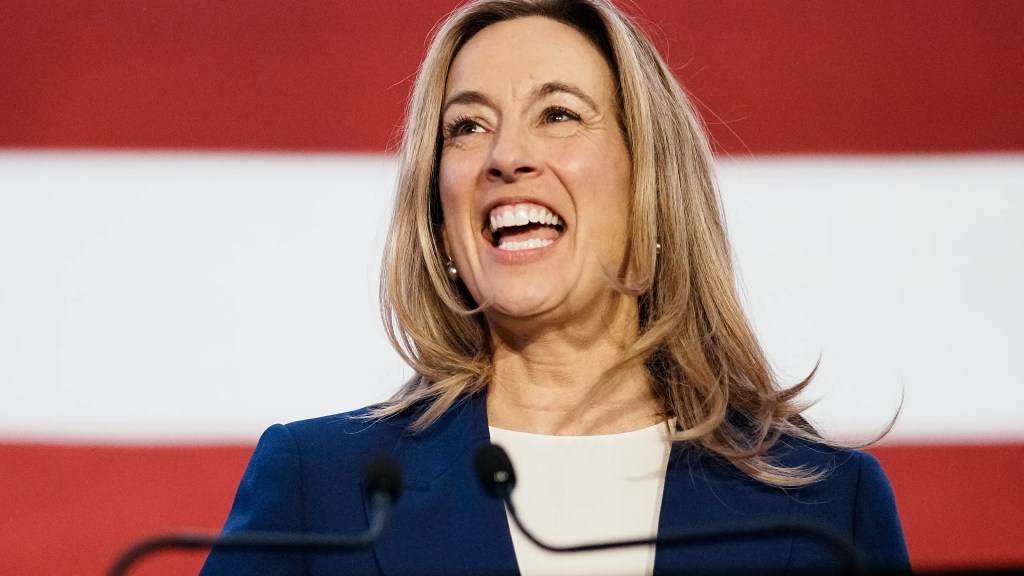
  • New Jersey Governor’s Race – Moderate Democrat Mikie Sherrill prevailed over Republican Jack Ciattarelli.
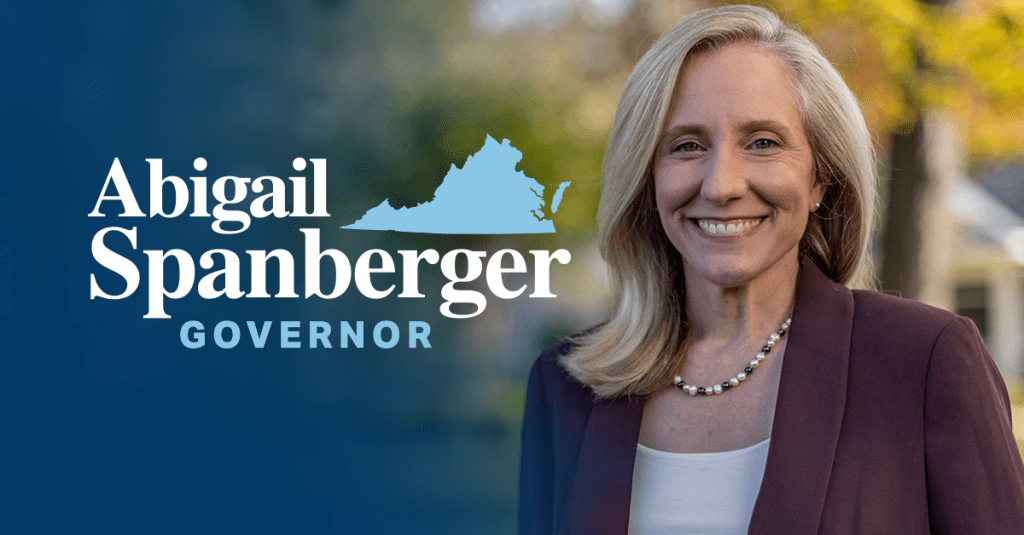
  • Virginia Governor’s Race – Moderate Democrat Abigail Spanberger defeated GOP candidate Winsome Earle-Sears.
  • California Proposition 50 – Voters approved a redistricting measure designed to counter GOP-led gerrymandering.

Exit polls revealed that voters were motivated by concerns about the economy and a broader discontent with the state of the nation. Yet beneath those concerns lay a deeper sentiment: a rejection of Donald Trump’s influence and his contribution to the erosion of democratic norms.
Trump’s Response: Defensiveness and Denial

In the aftermath, President Trump attempted to spin the losses. He told Fox News that Republicans “have to talk about” their successes, particularly on affordability and energy prices. He lamented Ciattarelli’s loss in New Jersey, noting that his endorsement “means a lot,” while distancing himself from Earle-Sears in Virginia.

Trump also lashed out at Mamdani, calling his victory speech “very angry” and warning that the new mayor should “be very nice to me.” He even suggested withholding federal funding from New York City, labeling Mamdani a “communist” despite his self-identification as a democratic socialist.

At the America Business Forum in Miami, Trump escalated his rhetoric, framing the 2026 midterms as a “choice between communism and common sense.” His words underscored the stark divide he seeks to create, one rooted in fear, division, and distortion.

What This Election Means

The victories of Sherrill, Spanberger, Mamdani, and the passage of Prop 50 represent more than just electoral wins. They symbolize a rebuke of Trumpism and a rejection of politics that “abandons the many and answers only to the few,” as Mamdani declared in his victory speech.
This moment is a reminder that when people think critically, organize, and vote, they can push back against the forces that strain our democracy. The results show that Americans are ready to rid themselves of the cancer that has weakened our institutions and divided our communities.
Historical Echoes

History teaches us that moments of democratic renewal often come after periods of deep division. Just as the Civil Rights Movement pushed back against segregation, and just as past waves of reform challenged corruption and inequality, Election Day 2025 signals a new chapter.

The parallels are clear: when citizens unite around shared values of justice, equity, and opportunity, they can overcome even the most entrenched forces of division. This election is not just about candidates, it is about reclaiming the soul of the nation.

The Coming Blue Wave

If Election Day 2025 is any indication, the Blue Wave is building momentum for the 2026 midterms. Voters are signaling that they want leaders who prioritize equity, justice, and opportunity, not fearmongering and authoritarianism.

This is a chance for the country to come together, to reflect on the damage done, and to chart a new path forward. The tide is turning, and the people are ready to save democracy from those who seek to dismantle it.

Call to Action

This blog is more than commentary; it’s a call to action. If you believe in saving our country, if you believe in democracy, equity, and justice, then join the conversation.

 Subscribe to the blog for updates.
 Comment below to share your thoughts.
 Let it be known: America can and will come together when people think, organize, and vote.

The Blue Wave is rising. Let’s make sure it carries us into 2026 and beyond.

Opinion: The NBA’s Gambling Scandal Isn’t Just About Billups and Rozier, It’s About a Broken System

By Charles Zackary King
Inspired by reporting from Will Gosner and USA Today, ESPN, and Free Press

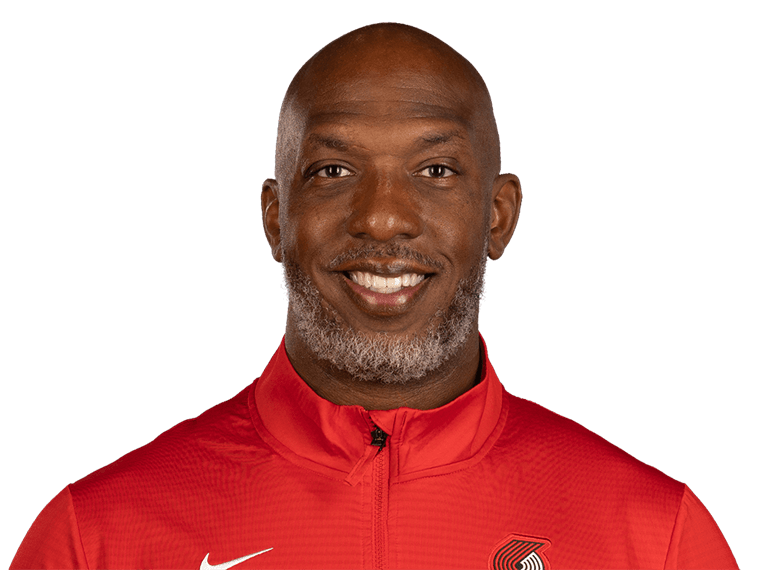
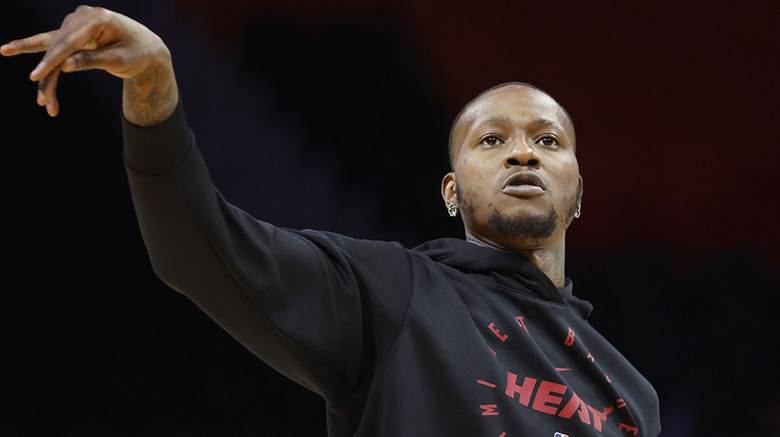
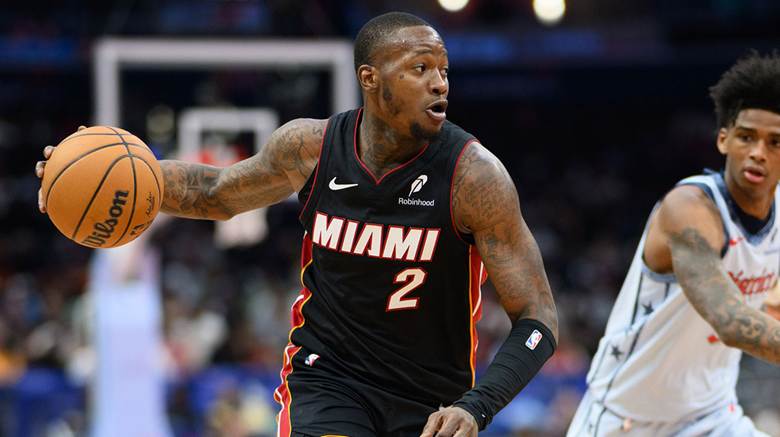
In October 2025, the NBA didn’t just suffer a scandal, it suffered a credibility crisis. The FBI arrested over 30 individuals, including Portland Trail Blazers head coach Chauncey Billups, Miami Heat guard Terry Rozier, and former player Damon Jones, in connection with two sweeping indictments involving Mafia-backed poker games and insider sports betting. The charges are explosive. But the implications? Even bigger.

The Billups Allegation: A Hall of Famer or a Fall Guy?

Federal prosecutors allege that Billups helped lure wealthy victims into rigged poker games run by the Bonanno, Gambino, and Genovese crime families. They claim he received wired payments after games where hidden cameras and altered shuffling machines were used to cheat unsuspecting players Detroit Free Press.

But here’s the twist: Billups is not accused of betting on basketball. His attorney calls the charges “absurd,” arguing that no man would risk a Hall of Fame legacy, a coaching career, and his freedom over a card game USA TODAY. And frankly, that’s hard to ignore. Could Billups have been used as bait, his name and presence weaponized to attract high rollers? That’s a question the public deserves to ask.

Rozier’s Case: Prop Bets and a LeBron Injury

Rozier’s indictment is more direct. He allegedly told an associate he would fake an injury during a 2023 game, allowing others to place “under” bets on his performance. The result? Nine people placed bets totaling $263,500 The Columbus Dispatch.

But what really raised eyebrows was the mention of LeBron James in the broader investigation. While not accused of wrongdoing, his injury status was reportedly used in insider betting schemes. That name alone may have triggered the FBI’s deeper probe ESPN.

The NFL Comparison: Why So Quiet?

Let’s talk about football. Every Sunday, fans complain about officiating, questionable calls, and suspicious outcomes. Yet the NFL seems untouched by scandal. Are they cleaner, or just better at covering tracks?

Since the 2018 Supreme Court decision (Murphy v. NCAA) legalized sports betting, the lines between competition and commerce have blurred. The NBA embraced gambling for sponsorship dollars. But now, the very integrity of the game is in question.

What We Need Now: Public Scrutiny

This isn’t just about two men. It’s about a system that incentivizes manipulation. It’s about a league that opened the door to gambling without building the safeguards. And it’s about fans who deserve transparency.

Read the indictments. Ask the hard questions. Demand accountability.

  • Was Billups a mastermind or a pawn?
  • Did Rozier act alone or was this part of a larger culture?
  • Why are other leagues, like the NFL, seemingly immune?

The NBA says it investigated Rozier in 2023 and found no rule violations USA TODAY. But now, federal prosecutors say otherwise. That contradiction alone deserves public attention.

🏽 Credit: Original reporting by Will Gosner, Encyclopaedia Britannica, and updates from USA Today, Dispatch, ESPN, Free Press, and Yahoo Sports

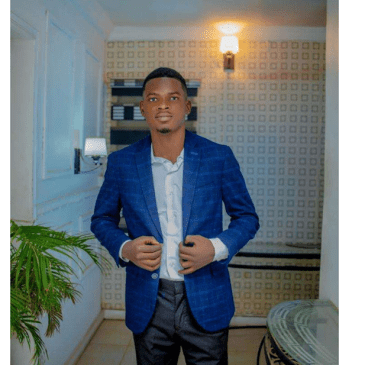
Samuel Adegboyega: Building Digital Bridges Between Stories, Strategy & Sales

In an era where digital presence defines influence, Samuel Adegboyega is helping brands and authors do more than just show up helping them stand out.

Since 2020, Samuel has worked across platforms like Fiverr, Upwork, and independent collaborations, empowering businesses and creatives to scale their online presence, drive consistent sales, and build lasting communities. His approach is rooted in strategy, creativity, and a deep respect for storytelling as a tool for transformation.

The Strategist Behind the Screen

Samuel’s digital marketing expertise is both broad and precise. He specializes in:

  • On-page SEO and backlink building to boost organic visibility
  • Content creation and social media management that spark engagement
  • Facebook and Instagram ads that convert attention into action

Whether launching a new product or revitalizing a legacy brand, Samuel blends organic growth with paid campaigns to deliver results that matter.

Championing Authors, One Page at a Time

For authors and publishing brands, Samuel is more than a marketer, he’s a partner in purpose. His services include:

  • Book editing, rewriting, and cover design
  • Cinematic book trailers and publishing support
  • Tailored marketing strategies to build readership and drive sales

He understands that every book is a legacy, and every author deserves a platform that honors their voice.

Visuals That Speak Volumes

With a creative edge in store design, photography, and digital art, Samuel crafts immersive brand experiences that resonate. His visuals don’t just look good, they tell stories, evoke emotion, and drive connection.

 Where Education Meets Innovation

Armed with a degree in Educational Technology from the University of Ilorin, Samuel integrates learning, tech, and marketing to deliver digital solutions that educate, inspire, and convert. His work reflects a belief that knowledge is power, and that power should be accessible, actionable, and beautifully delivered.

In a time of shifting trends and rising voices, Samuel Adegboyega is helping creators and businesses navigate the digital age with clarity, creativity, and conviction. Because in the end, it’s not just about being seen, it’s about being remembered.

Please connect with Samuel by clicking the links below:

fiverr.com/sammysprom

https://www.facebook.com/share/17pTW4ktYC/?mibextid=wwXIfr

“When Familiarity Becomes a Filter: CBS, Race, and the Cost of Corporate Realignment”

Credit: Original reporting by Ariel Zilber for the New York Post. Additional sourcing from Yahoo News, Deadline, and NewscastStudio. Radio & Television Business Report Yahoo NewscastStudio Deadline

In a moment that demands clarity, courage, and accountability, former CBS News associate producer Trey Sherman has ignited a firestorm with his viral TikTok alleging race-based layoffs at CBS News following sweeping cuts by its new parent company, Paramount Skydance. Sherman, who is Black, claims that every producer laid off from his team was a person of color, while white colleagues were reassigned or retained, a pattern he says reflects not just bias, but systemic exclusion.

This post is based on reporting by Ariel Zilber for the New York Post, and we encourage readers to review the original article for full context Yahoo.

https://www.facebook.com/reel/1499782587879656

Sherman’s allegations come on the heels of a corporate merger that has reshaped the media landscape. David Ellison, son of tech billionaire and Trump ally Larry Ellison, now serves as Chairman and CEO of Paramount, which controls a vast portfolio of media brands including:

  • CBS News
  • CBS Entertainment
  • CBS Sports
  • Paramount Pictures
  • Paramount Television
  • Nickelodeon
  • MTV
  • Paramount+
  • Pluto TV
  • Showtime Networks
  • CBS Media Ventures (home to Entertainment Tonight, Inside Edition, The Mike Douglas Show, and The Insider) Radio & Television Business Report NewscastStudio Deadline

The new executive team includes:

  • Jeff Shell – President
  • Andy Gordon – Chief Strategy Officer & COO
  • George Cheeks – Chair of TV Media
  • Dana Goldberg – Co-Chair of Paramount Pictures & Chair of Paramount Television
  • Josh Greenstein – Co-Chair of Paramount Pictures & Vice Chair of Platforms
  • Cindy Holland – Chair of Direct-to-Consumer
  • Stephanie Kyoko McKinnon – General Counsel
  • Jim Sterner – Chief People Officer
  • Melissa Zukerman – Chief Communications Officer
  • Andrew Warren – Interim CFO NewscastStudio Deadline

But the real story isn’t just about names, it’s about values.

Sherman’s account paints a troubling picture: a Race & Culture Unit dissolved, African coverage shifted from Johannesburg to London, and a CBS executive allegedly admitting that retention decisions were based on “familiarity”, not merit, not equity, not excellence. Familiarity, in this case, seems to have favored whiteness.

And while Bari Weiss, the newly appointed editor-in-chief of CBS News, claims she wasn’t involved in the layoffs, her public stance against DEI initiatives, calling them “illiberal” and “anti-merit”, aligns with the broader dismantling of diversity efforts across the network Yahoo.

This raises urgent questions:

  • Why wasn’t CBS sold to someone like Byron Allen, whose media empire centers Black voices and legacy storytelling?
  • Why are major networks increasingly aligning with conservative agendas, including what some describe as a “repression bid” by President Donald Trump?
  • What does it mean when legacy media platforms silence the very voices they once promised to uplift?

We invite our readers, especially those who care about equity, truth, and representation, to reflect and respond:

 Do you still support CBS, Paramount+, and their affiliated media brands?
 Do you believe these layoffs reflect racial bias or corporate pragmatism?
 Should we be demanding ownership shifts toward leaders who reflect our communities and values?

This isn’t just a media story. It’s a legacy story. And legacy, as we know at AMIBW, must be protected, not erased.

Let us know your thoughts. Comment below. Share widely. And stay tuned for more coverage in Changing Trends and Times, America in Black and White, and AMIBW The Magazine.

From Stokely to Kwame: The Revolutionary Journey of a Black Power Prophet

By Charles Zackary King
Changing Trends and Times | America in Black and White

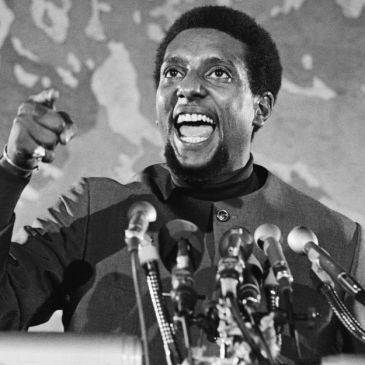
In the story of Black liberation, few names echo with as much fire and clarity as Stokely Carmichael, later known as Kwame Ture. His life was a masterclass in transformation: from immigrant child to civil rights warrior, from SNCC chairman to global Pan-Africanist. His journey was not just political, it was spiritual, cultural, and unapologetically Black.

Origins: From Trinidad to the Bronx

Born June 29, 1941, in Port of Spain, Trinidad and Tobago, Stokely Standiford Churchill Carmichael immigrated to Harlem at age 11 to reunite with his parents. Raised by his grandmother and aunts, he arrived in the U.S. with sharp intellect and sharper instincts. He later attended the prestigious Bronx High School of Science, where he began questioning the racial and social structures around him.

Awakening at Howard University

Carmichael enrolled at Howard University in 1960, studying philosophy and absorbing the teachings of professors like Sterling Brown and Toni Morrison. But it was outside the classroom, in the streets and churches of the South, that his activism took root. He joined the Student Nonviolent Coordinating Committee (SNCC) and became a Freedom Rider, risking his life to desegregate interstate travel.

Black Power Rises

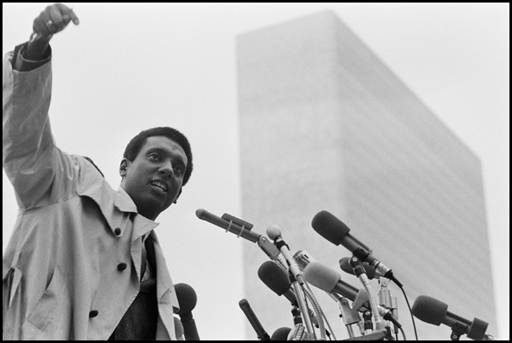
By 1966, Carmichael had become chairman of SNCC, succeeding John Lewis. That same year, during a march in Mississippi, he delivered the rallying cry that would define a generation:

“What we want is Black Power.”
This slogan wasn’t just rhetoric, it was a demand for self-determination, racial pride, and political autonomy. Carmichael’s stance marked a shift from integrationist strategies to radical resistance, challenging both white supremacy and liberal complacency.

What Mattered Most: Liberation Over Assimilation

For Carmichael, the Civil Rights fight was never just about access, it was about ownership. He believed that integration, as framed by white society, often meant assimilation into systems that were fundamentally anti-Black. What mattered most to him was:

  • Black control over Black communities—from schools and housing to policing and economics.
  • Political independence—building all-Black political organizations like the Lowndes County Freedom Organization.
  • Economic justice—shaking the foundations of exploitation and demanding reparative systems.
  • Cultural pride—rejecting the notion that whiteness was the standard and embracing African heritage unapologetically.
  • Global solidarity—connecting the Black struggle in America to liberation movements in Africa, the Caribbean, and beyond.

He once wrote:

“For racism to die, a totally different America must be born.”
This wasn’t a call for reform, it was a call for revolution.

The Name Change: Kwame Ture

In 1969, Carmichael left the U.S. and settled in Guinea, West Africa, alongside his then-wife, South African singer Miriam Makeba. There, he adopted the name Kwame Ture—a tribute to Kwame Nkrumah of Ghana and Sékou Touré of Guinea, two titans of Pan-Africanism.
The name change was more than symbolic. It marked a rebirth—a rejection of colonial identity and an embrace of African unity, revolutionary socialism, and global Black consciousness.

Building Pan-African Futures

In Guinea, Ture co-founded the All-African People’s Revolutionary Party (A-APRP), advocating for a united Africa free from imperialism. He traveled extensively, speaking in Cuba, Ghana, and across Europe, always centering the plight of oppressed peoples and the power of collective liberation.

Final Years and Enduring Legacy

Kwame Ture died of prostate cancer on November 15, 1998, in Conakry, Guinea, at age 57. But his voice still reverberates, in classrooms, protests, podcasts, and policy debates. His writings, including Stokely Speaks and Ready for Revolution, remain essential texts for understanding Black resistance and global solidarity.

Why Kwame Ture Still Matters

In today’s climate of racial reckoning and global unrest, Ture’s life offers a roadmap. He taught us that identity is political, that liberation is global, and that Black Power is not a moment, it’s a movement. His transformation from Stokely to Kwame wasn’t just personal, it was prophetic.

The Fire of Freedom: If Sékou Touré Had His Way

By Charles Zackary King
Changing Trends and Times | America in Black and White

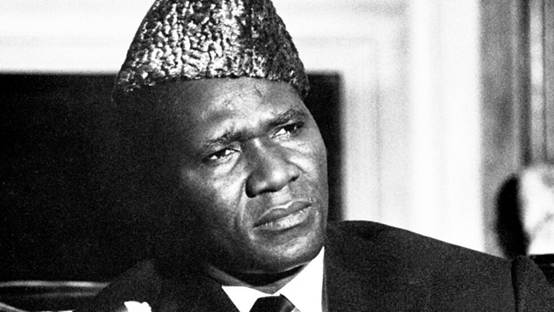
In the pantheon of Black liberation, President Ahmed Sékou Touré stands as both architect and agitator, a man who dared to dream of an Africa unshackled from colonial chains. As Guinea’s first president, Touré didn’t just lead a nation; he attempted to rewire its soul. But what if his vision had fully taken root? What if Guinea had become the model Pan-African republic he imagined?

Let’s step into that alternate reality.

Guinea Reimagined: Touré’s Dream Realized

Imagine a Guinea where African socialism flourished, not as a reaction to colonial abandonment, but as a proactive blueprint for communal prosperity. In this Guinea:

  • Education is free and Afrocentric, with children learning the legacies of Samori Touré, Nkrumah, and Harriet Tubman alongside math and science.
  • Healthcare is universal, rooted in both modern medicine and indigenous healing traditions.
  • Art and culture are sacred, with griots, dancers, and sculptors honored as national treasures.
  • Women lead, not just in homes but in parliament, academia, and diplomacy.
  • Pan-African unity is tangible, with open borders for African nations, shared currencies, and joint infrastructure projects.
  • Guinea becomes a cultural capital, hosting global festivals of Black art, music, and resistance.

In this version of history, Guinea is not isolated, it’s exalted. Touré’s rejection of neocolonialism inspires a domino effect. Senegal, Mali, Ghana, and Congo follow suit, forming a United States of Africa, with Guinea as its moral compass.

The Real Guinea: Courage and Contradiction

Of course, history took a different path. After Guinea’s bold “No” to France in 1958, Touré faced economic sabotage, diplomatic isolation, and internal dissent. His response was fierce: nationalization, cultural revival, and alignment with socialist allies. But his regime also became authoritarian. Dissenters were imprisoned, and Camp Boiro became a symbol of repression.

Touré’s dream was noble, but his methods, at times, were brutal. The Guinea that emerged was proud, but wounded. Independent, but surveilled.

Why Touré Still Matters

Today, as Black communities worldwide fight for autonomy, dignity, and representation, Touré’s legacy offers both inspiration and caution. His vision of self-reliance, cultural pride, and continental unity remains relevant. His flaws remind us that liberation must be paired with compassion and accountability.

For creatives and advocates like Jean-Patrick Guichard, Touré’s influence is personal. His insistence on cultural sovereignty echoes in every curated exhibit, every community dinner, and every act of legacy-building.

Conclusion: The Fire Still Burns

Touré died in 1984, in Cleveland, Ohio, while undergoing heart surgery. But the fire he lit still burns, in classrooms, galleries, protests, and podcasts. His story is not just history, it’s a mirror, a map, and a challenge.

If Touré had his way, Guinea might have become the heartbeat of a liberated Africa. But even in reality, his defiance carved a path that others still walk. And in that, his legacy lives on.

From Chains to Crowns: The Legacy of William Dorsey Swann

By Charles Zackary King
America in Black and White | Changing Trends and Times

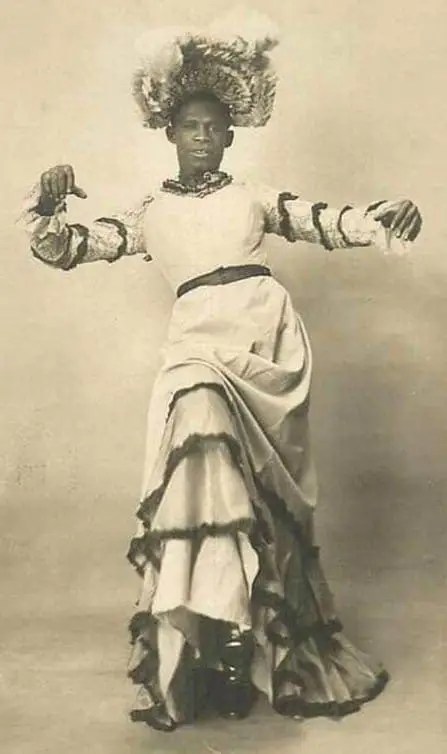
In the tapestry of Black history and LGBTQ+ resistance, few threads shine as defiantly as that of William Dorsey Swann. Born into slavery in March 1860 in Hancock, Maryland, Swann would become the first known American to self-identify as a “queen of drag”—and the first to lead a documented queer resistance group in the United States Wikipedia Smithsonian Magazine.

Childhood in Chains

Swann was the fifth of thirteen children in a Protestant family enslaved by Ann Murray. His mother, Mary Jane Younker, was a housekeeper, and his father, Andrew Jackson Swann, farmed wheat. After emancipation, the Swann family purchased land and began farming, but poverty and racial barriers loomed large. William, like many formerly enslaved children, was denied formal education and began working young Boundary Stones.

Early Adulthood & Convictions

In his twenties, Swann moved to Washington, D.C., working as a hotel waiter and janitor. He was arrested in 1882 for petty larceny—stealing books and household items—but his employers and even the sentencing judge vouched for his character, describing him as “industrious, refined, gentle, and courteous.” This moment revealed Swann’s hunger for knowledge and dignity, even in the face of criminalization Rediscovering Black History.

The Queen of Drag

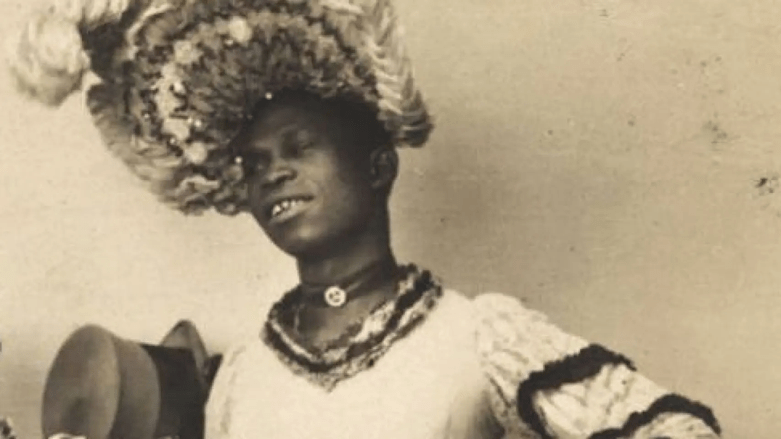
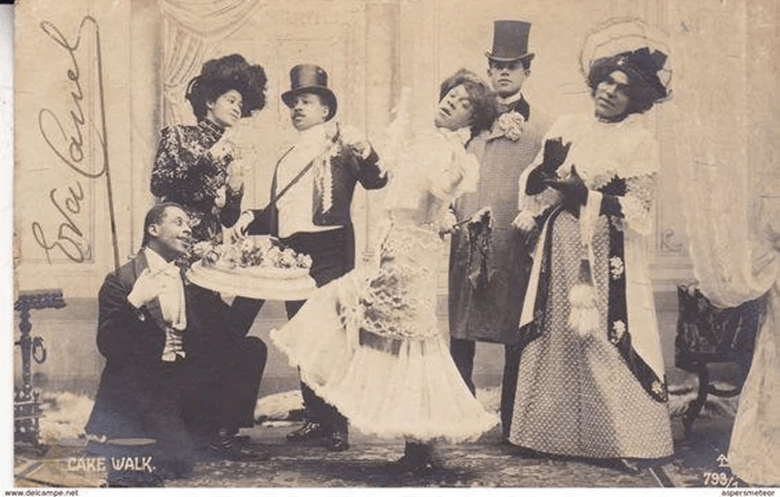
By the late 1880s, Swann was hosting secret drag balls in D.C.—lavish, defiant celebrations of identity and joy. These gatherings, attended by formerly enslaved Black men, featured silk gowns, corsets, and the iconic cakewalk dance, a precursor to modern voguing. Swann called himself the “queen of drag,” and his events became sanctuaries of self-expression and resistance Wikipedia Smithsonian Magazine.

On April 12, 1888, during his 30th birthday celebration, police raided the party. Swann, dressed in cream-colored satin, resisted arrest and famously declared to an officer, “You is no gentleman.” This act of defiance is now recognized as one of the earliest documented instances of queer resistance in U.S. history Wikipedia.

Legal Resistance & Legacy

In 1896, Swann was convicted of “keeping a disorderly house”—a euphemism for running a brothel, though he was simply hosting another drag ball. He petitioned President Grover Cleveland for a pardon, making him the first American to take legal action to defend the LGBTQ+ community’s right to gather. Though denied, his courage laid the groundwork for future civil rights battles Rediscovering Black History.

Swann’s later years were quieter, but his legacy endured. His brother Daniel continued making drag costumes for decades. Swann died around December 23, 1925, at age 65. After his death, local officials burned his home—a final act of erasure that history is now reversing Wikipedia.

Influence on Today’s LGBTQ+ Culture

Swann’s drag balls were the blueprint for the ballroom culture that flourished in Harlem and beyond. His use of the cakewalk, his unapologetic identity, and his insistence on joy and community in the face of oppression echo in today’s voguing, drag pageantry, and queer activism.

In an era where drag is both celebrated and politicized, Swann’s story reminds us that Black queer resistance is not new—it is foundational.

Mansa Musa: The Legacy of the Lion King of Mali

By Charles Zackary King
Founder & CEO, America in Black and White | Blogger, Changing Trends and Times

Introduction

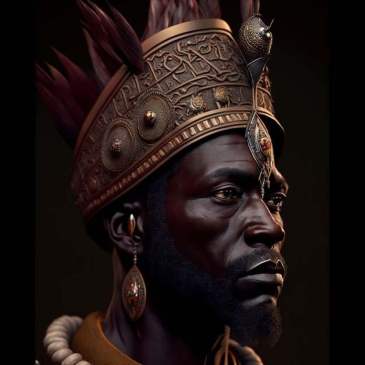
In a world where wealth is often measured by fleeting trends and digital valuations, the story of Mansa Musa stands as a timeless reminder of legacy, leadership, and cultural stewardship. Known as the richest man in recorded history, Musa’s reign over the Mali Empire in the 14th century was not just about gold, it was about vision, education, and the elevation of a people.

The Rise of a Legend

Mansa Musa ascended to power in 1312, inheriting an empire already rich in resources and influence. But under his leadership, Mali expanded its borders, deepened its cultural roots, and became a beacon of prosperity in West Africa. His empire stretched across modern-day Mali, Senegal, Guinea, Mauritania, and parts of Niger—making it one of the largest and most powerful of its time.

Wealth Beyond Imagination

Musa’s wealth was legendary. His empire controlled vast gold mines and taxed trans-Saharan trade routes dealing in salt, ivory, and other commodities. But it was his pilgrimage to Mecca in 1324 that truly stunned the world. Traveling with an entourage of 60,000 people and distributing gold so generously in Cairo that it disrupted the region’s economy for years, Musa’s journey was both a spiritual mission and a global statement.

A Builder of Culture and Faith

Upon returning from Mecca, Mansa Musa invested heavily in Islamic scholarship and architecture. He commissioned the construction of mosques, schools, and libraries—most notably the Djinguereber Mosque in Timbuktu. He invited scholars and architects from across the Muslim world, transforming Timbuktu into a center of learning and culture that would influence generations.

Legacy That Lives On

Mansa Musa died around 1337, but his legacy endures. He proved that African leadership could be visionary, global, and deeply rooted in cultural pride. His story challenges the erasure of African excellence from mainstream narratives and reminds us that wealth is not just material—it’s historical, intellectual, and communal.

Why Mansa Musa Matters Today

In the spirit of America in Black and White and Changing Trends and Times, Mansa Musa’s legacy speaks directly to our mission:

  • Civic education: His governance model emphasized justice, scholarship, and diplomacy.
  • Advocacy: He uplifted his people through infrastructure, faith, and international recognition.
  • Legacy-building: His impact was generational, not transactional.

As we continue to tell stories that empower and enlighten, let Mansa Musa be a reminder: Black history is global history. And legacy is built, not bought.

Derrick Jackson’s Bold Bid for Governor: Legacy, Leadership, and a Vision for Black Georgia

By Charles Zackary King
Founder, America in Black and White | AMIBW The Magazine

The original article titled “Derrick Jackson Discusses Campaign for Governor” was written by Christopher Smith and published on News & Talk WAOK.

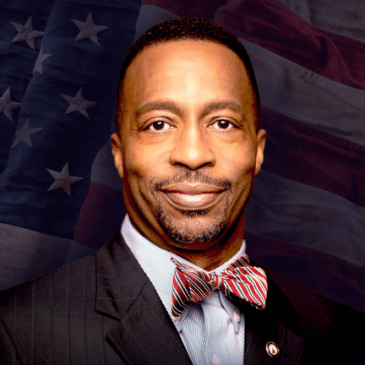
Georgia State Representative Derrick Jackson isn’t just running for governor, he’s running on legacy, lived experience, and a moral obligation to serve. With a 42-year career that spans military command, corporate leadership, and legislative advocacy, Jackson’s campaign is rooted in justice, equity, and empowerment for all Georgians, especially Black communities historically left behind.

A Life of Service and Strategy

Jackson is a husband, father of seven, and retired U.S. Navy Lieutenant Commander with 22 years of service, including seven deployments. After a decade in the corporate sector with General Electric, he transitioned into public service, winning election to the Georgia House of Representatives in 2016. He represented District 64 until 2023, and now serves District 68, marking nearly a decade of legislative leadership.

His record includes fighting for voting rights, women’s rights, LGBTQ+ protections, and small business support. But Jackson’s work in underserved communities goes deeper, he’s been a consistent voice for economic justice, healthcare access, and educational equity.

Legislative Impact: Raising the Floor for Black Georgians

Among Jackson’s most impactful legislative efforts is his sponsorship of a bill to raise Georgia’s minimum wage to $27/hour by 2028. The bill proposed a phased increase, starting at $15/hour and rising annually, designed to uplift working-class families, especially Black workers disproportionately affected by wage stagnation and attacks on diversity initiatives.

This legislation, though stalled in committee, remains a cornerstone of his campaign. It directly addresses the economic disparities that have long plagued Black communities in Georgia, where over half a million Black jobs were lost in the past year due to rollbacks in equity programs.

Campaign Agenda: A Georgia That Works for Us

Jackson’s gubernatorial platform is built on eight pillars, each designed to help Georgia families thrive. For Black Georgians, his agenda includes:

  • Medicaid Expansion to close healthcare gaps and prevent rural hospital closures
  • Repealing Harmful Laws like the six-week abortion ban and rent control restrictions
  • Investing in Black Farmers, Small Businesses, and Nonprofits with access to capital and policy inclusion
  • Environmental Justice to protect communities from pollution and neglect
  • Education Reform & Workforce Development with expanded access to trades, apprenticeships, and technical education
  • Reparations Advocacy, proposing 33% of Georgia’s $16B budget be allocated to Black families as a fulfillment of broken promises

Jackson’s message is clear: “We’re not just building a Georgia for business, we’re building a Georgia for families.”

Inspired by Legacy: John Lewis and the Spirit of Service

Jackson cites civil rights icon John Lewis as a moral compass for his campaign. “I have a moral obligation to run for governor,” he said on WAOK, invoking Lewis’s legacy of courage and conscience. His leadership style blends executive discipline with grassroots empathy, qualities he believes make him the only candidate truly qualified to serve as Georgia’s Commander-in-Chief.

A Call to Action

Jackson’s campaign isn’t powered by million-dollar donors, it’s powered by people. He urges Georgians to “Tell 10 to Tell 10,” mobilize their communities, and vote for a future rooted in dignity, equity, and opportunity.

For Black Georgians, this race is more than political, it’s generational. It’s about reclaiming the promise of Georgia and ensuring that every child, every elder, and every entrepreneur has a seat at the table.

When the Music Paused: Remembering D’Angelo’s Genius and Grace

By Charles Zackary King | America in Black and White

On October 14, 2025, the world lost one of its most enigmatic and electrifying voices. Michael Eugene Archer, known to us as D’Angelo, passed away at the age of 51 after a private and courageous battle with pancreatic cancer. His death marks not just the end of a life, but the silencing of a sound that redefined Black music for a generation.

The Rise of a Neo-Soul Prophet

Born in Richmond, Virginia, D’Angelo was raised in a deeply religious Pentecostal household. His musical gifts emerged early, nurtured by gospel traditions and sharpened by a hunger for authenticity. By 1995, he had already changed the game with Brown Sugar, a debut album that fused the rawness of hip-hop with the sensuality of classic soul. It wasn’t just music, it was a movement.

His follow-up, Voodoo (2000), was a masterclass in musical alchemy. Collaborating with the Soulquarians collective, D’Angelo summoned the spirits of Marvin Gaye, Jimi Hendrix, and Prince, while forging a sound entirely his own. The album’s standout track, “Untitled (How Does It Feel),” became iconic, not just for its stripped, down video, but for its emotional vulnerability and vocal brilliance.

But fame came with a price.

The Vanishing Act

After Voodoo, D’Angelo disappeared. The pressures of being a sex symbol, the weight of public expectation, and personal battles with addiction led him into a long hiatus. He became a recluse, rarely seen, often rumored, and deeply missed.

Then, in 2014, he returned with Black Messiah, an album that was both a political statement and a spiritual reckoning. Released during a time of social unrest, it became a soundtrack for resistance, echoing the cries of a community demanding justice.

The Father Behind the Fame

Though fiercely private, D’Angelo was a devoted father. He leaves behind three children:

  • Michael Archer Jr. (aka Swayvo Twain), his son with the late Angie Stone, who died in a tragic car accident in March 2025
  • Imani Archer, a gifted musician in her own right, who shared a touching tribute to her father after his passing
  • Morocco Archer, his youngest son, who has largely remained out of the public eye

His children now carry the torch of his legacy, not just in music, but in the quiet strength he modeled as a father.

Why the Industry Will Never Be the Same

D’Angelo didn’t flood the market with content. He gave us only three studio albums across three decades. But each one was seismic. He reminded us that Black music could be raw, spiritual, erotic, political, and timeless, all at once.

He was the heartbeat of neo-soul. A bridge between the sacred and the secular. A man who could make a Fender Rhodes whisper and a falsetto scream.

Artists like Lauryn Hill, Questlove, Raphael Saadiq, and Jay-Z collaborated with him, not just because of his talent, but because of his truth. He was one of one.

Rest in Power, D

D’Angelo’s passing leaves a void that no algorithm can fill. His music was never just about melody, it was about memory. About the ancestral pulse that lives in every chord, every lyric, every silence between the notes.

As we mourn, we also celebrate. Because D’Angelo didn’t just make music. He made moments. And those moments will echo for generations.

“We are eternally grateful for the legacy of extraordinarily moving music he leaves behind.” D’Angelo’s family