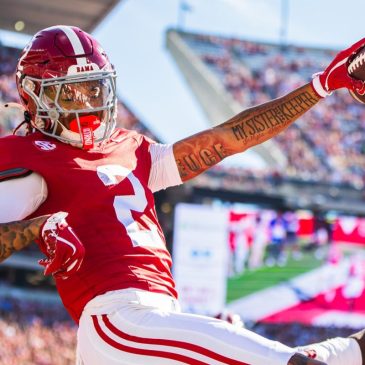
Alabama Football: Championships, Black Excellence, and the Head Coach They’ve Never Had

The University of Alabama’s football program, known as the Crimson Tide, is one of the most storied and successful in college football history, with 18 claimed national championships and 29 SEC titles spanning from its founding in 1892 to the modern era
Introduction
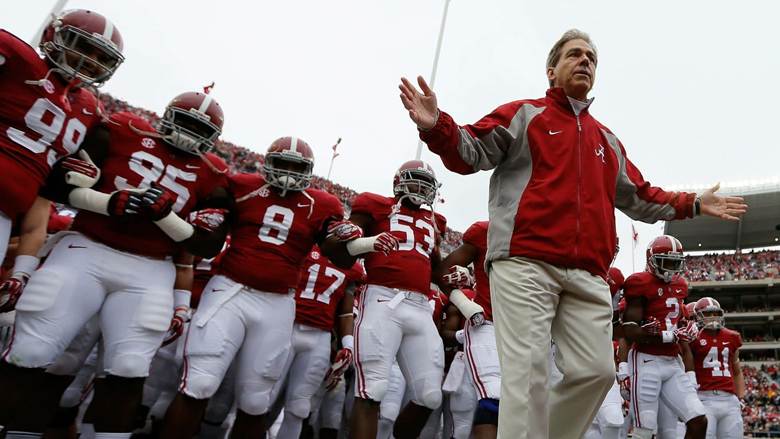
The University of Alabama football program is celebrated as one of the greatest dynasties in sports history. From Wallace Wade’s Rose Bowl triumph in 1925 to Nick Saban’s six national championships in the modern era, the Crimson Tide has defined college football dominance. But beneath the trophies and tradition lies a deeper story: the contributions of Black athletes who carried Alabama to glory, and the glaring absence of a Black head coach in its 133-year history.

Timeline of Success and Integration

  • 1892–1969: All-white rosters, 10 national championships.
  • 1970–71: Integration begins with Wilbur Jackson and John Mitchell.
  • 1970s–1980s: Black athletes rise to prominence, reaching ~40–50% of the roster.
  • 1992: Gene Stallings wins a title with a roster nearly half Black.
  • 2000s–Present: Nick Saban’s dynasty built on rosters ~60–75% Black, producing Heisman winners Mark Ingram, Derrick Henry, DeVonta Smith, and Bryce Young.

Timeline: Championships + Racial Integration

Era / CoachChampionshipsRacial Makeup
1892–1969 (Pre‑Integration)1925, 1926, 1930 (Wade); 1945 (Thomas); 1961, 1964, 1965, 1973, 1978, 1979 (Bryant)100% white players
1970–1971 (Integration Begins)1970: Wilbur Jackson signed (first Black scholarship player). 1971: Jackson & John Mitchell play (first Black varsity players).
1970s–1980s (Gradual Growth)By late 1970s, ~10–20% Black players. By 1980s, ~40–50%.
1992 (Gene Stallings)National Championship~40–50% Black players
2000s–Present (Nick Saban Era)2009, 2011, 2012, 2015, 2017, 2020~60–75% Black players; majority of roster, including Heisman winners Ingram, Henry, Smith, Young

The Contribution of Black Players

From Jackson and Mitchell breaking barriers in 1971 to Derrick Henry bulldozing his way to a Heisman in 2015, Black athletes have not only participated — they have defined Alabama football. They are the stars, the playmakers, the faces of the program. Without them, Alabama’s dynasty would not exist.
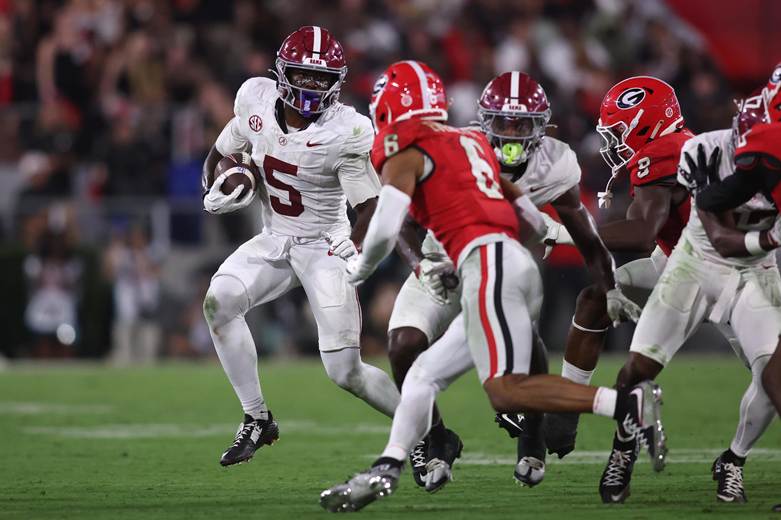
Yet, despite their central role, Alabama has never entrusted its program to a Black head coach. The message is clear: Black athletes are good enough to win games, sell tickets, and generate millions, but not to lead.
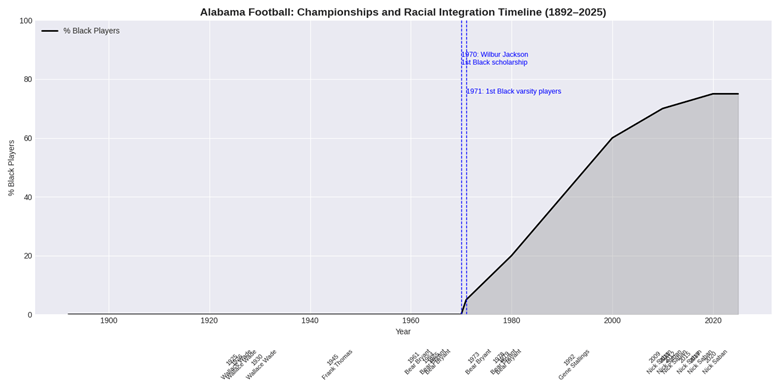
  • Layer 1 (Red dots): Marks championship years and the coach who led them.
  • Layer 2 (Black line): Shows the percentage of Black players, from 0% before 1970 to ~75% today.
  • Blue markers: Highlight the breakthrough years of Wilbur Jackson (1970) and John Mitchell (1971).

This visualization makes the contrast undeniable: Alabama’s dynasty was built on Black athletes after integration, yet leadership has remained exclusively white.

Why No Black Head Coach?

This is the uncomfortable truth. Alabama football thrives on the labor, talent, and brilliance of Black athletes, but leadership remains guarded by tradition. The program reflects a broader pattern in college football: Black players dominate the field, but white coaches dominate the sidelines.

Is this simply “tradition”? Or is it exploitation, using Black faces to win and profit, while denying them the authority to lead? As the saying goes: if you can get the milk for free, why buy the cow? Alabama has built its empire on Black excellence, but refuses to acknowledge that excellence in leadership.

  • Wallace Wade (1923–1930): 3 national titles, including the landmark 1925 Rose Bowl win.
  • Frank Thomas (1931–1946): Guided Alabama through WWII, winning the 1945 championship.
  • Bear Bryant (1958–1982): Built a dynasty with 6 national titles, cementing Alabama’s dominance.
  • Gene Stallings (1990–1996): Captured the 1992 championship, restoring Alabama’s glory.
  • Nick Saban (2007–2023): Another dynasty, with 6 national titles in the modern playoff era.

Call to Action

Football is supposed to be about unity, teamwork, and trust. But Alabama’s refusal to hire a Black head coach reveals a deeper fracture. If the Crimson Tide truly believes in “team,” then it must extend that belief beyond the field. Until then, the program’s legacy will remain incomplete, a dynasty built on Black talent but limited by old traditions.
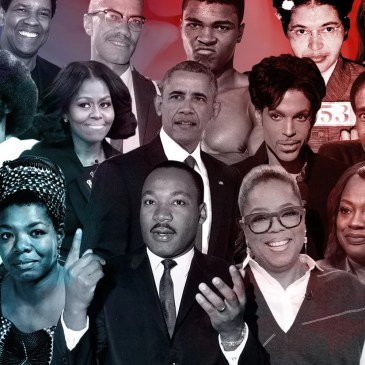
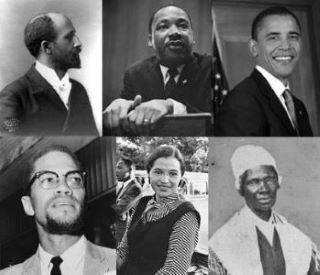
Black America: The Blueprint of Global Culture and Opportunity

Introduction

Black America has always been the heartbeat of democracy, culture, and progress. Yet, too often, our contributions are overlooked, minimized, or outright stolen. From the Civil Rights Movement to the African Diaspora, Black Americans have paved the way for immigrant communities, global liberation movements, and cultural revolutions. It is time to reclaim that truth.

Civil Rights Legacy and Immigration

The Civil Rights Movement, led by Malcolm X, Dr. Martin Luther King Jr., and countless others, did more than secure rights for Black Americans. It opened doors for immigrant communities. The Immigration and Nationality Act of 1965 was born out of the Civil Rights struggle, allowing Cubans, Latinos, Caribbeans, Nigerians, Asians, Somalians, and others to enter the U.S. in greater numbers. Without Black America, those opportunities would not exist.

Identity and Assimilation

Yet, many of these groups distance themselves from Blackness, seeking acceptance by aligning with whiteness. Statements like “I’m not Black, I’m Jamaican” or “I’m Nigerian, not African American” fracture solidarity. Assimilation for survival may be understandable, but denial of identity undermines collective power.

The Diaspora and World Culture

The African Diaspora is not just about migration, it is about influence. Black America is the epicenter of global culture. Hip-hop, born in the Bronx, is now the most consumed music genre worldwide. Jazz, gospel, and R&B shaped entire industries. Fashion trends rooted in Black creativity dominate global markets. Even social justice movements abroad borrow language and tactics from the Civil Rights Movement.

Cultural Appropriation vs. Scrutiny

Black culture is celebrated globally but often stolen and repackaged by others. TikTok dances created by Black teens go viral, but influencers from other groups profit. Streetwear, rooted in Black creativity, is now a billion-dollar industry. Meanwhile, Black youth are stereotyped as “criminals” for the same creativity. The hypocrisy is undeniable: the world profits from Black culture while vilifying Black people.

Politics and Immigration

Many immigrant groups supported Donald Trump, believing his promises. Yet, his administration deported thousands from Latin America, Africa, and Asia. The irony is sharp: communities that distanced themselves from Black solidarity were targeted by the same system they empowered.

Global Impact of Black America

Black America is not just a cultural force, it is a political and social catalyst. Civil rights victories inspired global liberation movements, from South Africa to the Caribbean. Marcus Garvey’s Pan-African vision, Dr. King’s dream of justice, and Malcolm X’s call for dignity continue to resonate worldwide.

Conclusion

Black America is the foundation, the heartbeat, and the blueprint. We are not just culture, we are culture. We paved the way for the world politically, socially, and culturally. It is time for the world to recognize, respect, and honor that legacy.

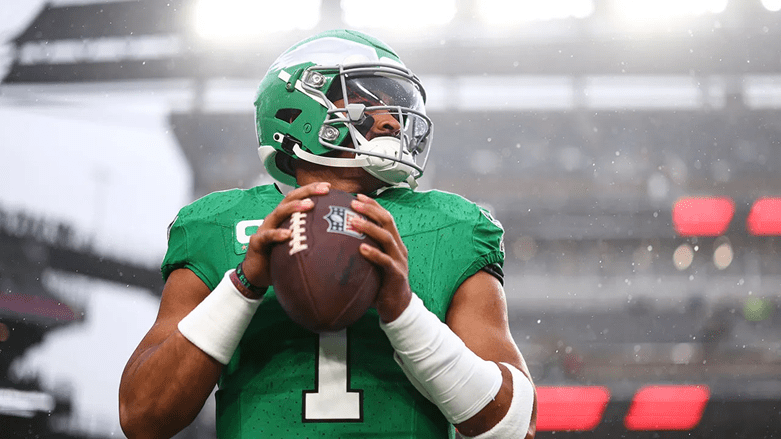
Jalen Hurts has become the face of the Philadelphia Eagles, but recent drama raises questions about the team’s unity. Is the organization truly behind its franchise quarterback, or are outside voices stirring unnecessary doubt?

Jalen Hurts: The Relentless Leader

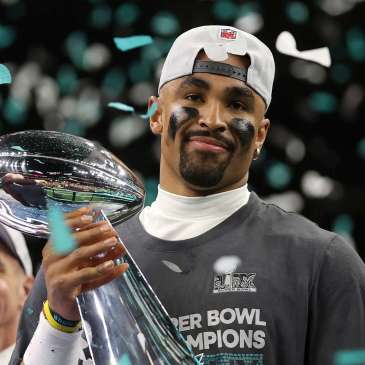
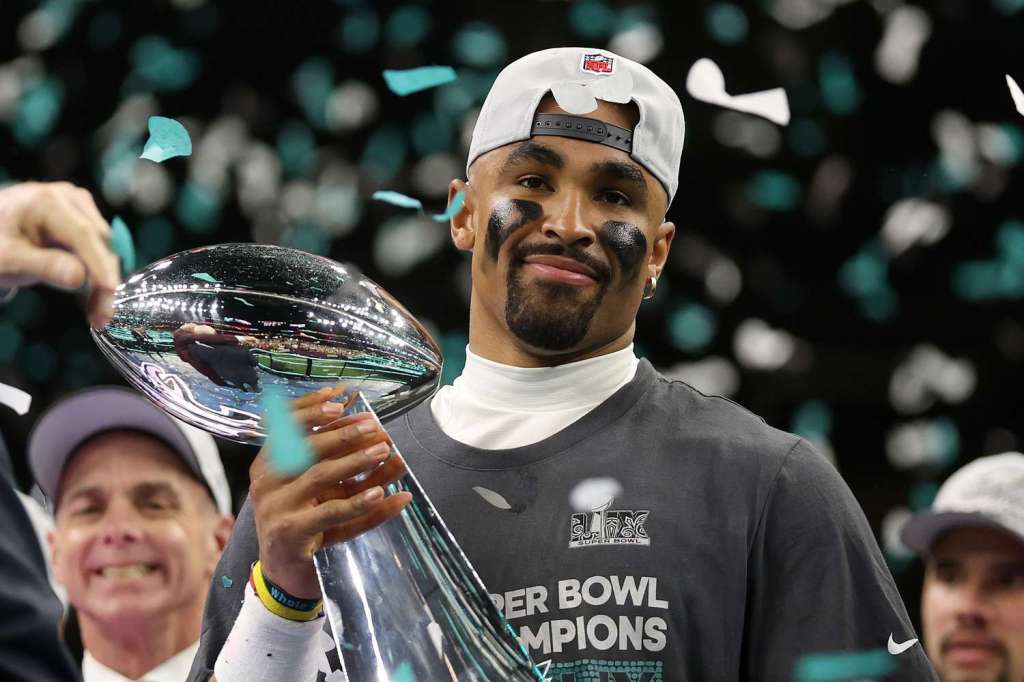
Since arriving in Philadelphia in 2020, Jalen Hurts has never had the same offensive coordinator in back-to-back seasons, a challenge dating back to his college days at Alabama and Oklahoma. Yet, he has never complained. Instead, he has put in the work, adapted, and excelled. His leadership carried the Eagles to two Super Bowl appearances in five years, including a Super Bowl LIX victory in 2025, where he was named Super Bowl MVP media.nfl.com The Hilltop.

AJ Brown vs. Team Unity

Fresh off that championship, wide receiver A.J. Brown has publicly voiced frustration about being left out of the offensive game plan Sports Illustrated. His complaints echo the infamous Terrell Owens saga with Donovan McNabb after the Eagles’ 2005 Super Bowl loss. Owens’ selfishness fractured the team, leading to Andy Reid’s firing, McNabb’s trade, and Owens’ departure.

Brown’s lack of effort on contested catches and his media outbursts have drawn criticism. Meanwhile, DeVonta Smith has emerged as a true WR1, battling for every ball and proving his reliability. The Eagles gambled by keeping Brown past the trade deadline, but his behavior continues to cast a shadow.

Outside Voices: Seth Joyner & LeSean McCoy

Former Eagles Seth Joyner and LeSean McCoy have suggested that some in the organization are unhappy with Hurts. But let’s be clear: letting Hurts walk would be unthinkable. Every other NFL team would break the bank to sign him. Joyner was a solid linebacker but never a game-changer, while McCoy’s career fizzled after early promise. Their critiques seem more rooted in bitterness than fact.

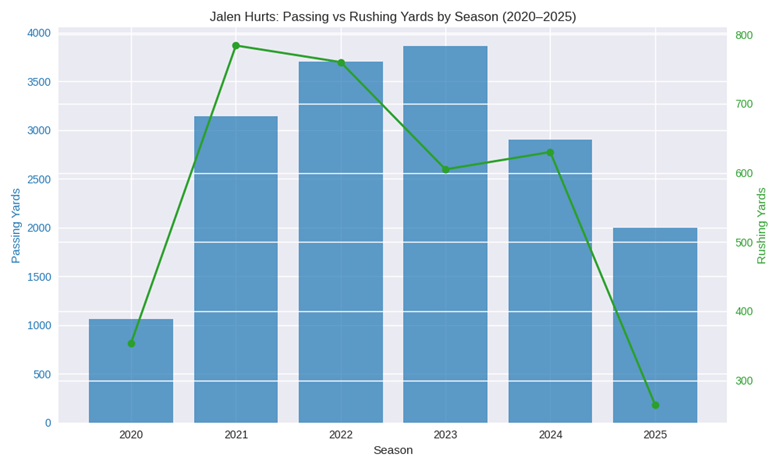
Jalen Hurts Career Stats (NFL) ESPN NFL Pro-Football-Reference.com

SeasonGPComp%Pass YardsTDINTRush YardsRush TD
20201552.0%1,061643543
20211561.3%3,14416978410
20221566.5%3,70122676013
20231765.4%3,858231560515
20241568.7%2,90318563014
20251066.9%1,9951612656
Career8764.7%16,662101403,39861

a chart comparing Jalen Hurts’ passing and rushing yards by season.

This dual-axis chart highlights how Hurts has balanced his game since entering the NFL. His passing yards steadily climbed from 2020 to 2023, peaking at nearly 3,900, while his rushing yards consistently added another dimension to the Eagles’ offense. Even in seasons with coordinator changes, Hurts adapted and delivered.

Jalen Hurts’ Accomplishments media.nfl.com Sportskeeda The Hilltop

  • Super Bowl LIX Champion & MVP (2025)
  • Super Bowl LVII appearance (2023)
  • 2× Pro Bowl selection (2022, 2023)
  • Second-team All-Pro (2022)
  • Bert Bell Award (2022)
  • Holds NFL record for most rushing TDs in a season by a QB (15)
  • Career playoff record: 5–3, with 1,592 passing yards and 9 rushing TDs

Final Thoughts

The Eagles’ success is inseparable from Jalen Hurts. He has proven himself as a franchise leader, overcoming instability at coordinator, silencing critics, and delivering championships. The real question isn’t whether Hurts is the problem, it’s whether the organization can keep the locker room united and silence distractions.

Readers, what do you think? Is Jalen Hurts the long-term answer for Philadelphia, or do the Eagles risk repeating history by letting drama overshadow their success? Comment below, subscribe, and join the conversation.

Sources: Sports Illustrated media.nfl.com Sportskeeda The Hilltop ESPN NFL Pro-Football-Reference.com

From Stokely to Kwame: The Revolutionary Journey of a Black Power Prophet

By Charles Zackary King
Changing Trends and Times | America in Black and White

In the story of Black liberation, few names echo with as much fire and clarity as Stokely Carmichael, later known as Kwame Ture. His life was a masterclass in transformation: from immigrant child to civil rights warrior, from SNCC chairman to global Pan-Africanist. His journey was not just political, it was spiritual, cultural, and unapologetically Black.

Origins: From Trinidad to the Bronx

Born June 29, 1941, in Port of Spain, Trinidad and Tobago, Stokely Standiford Churchill Carmichael immigrated to Harlem at age 11 to reunite with his parents. Raised by his grandmother and aunts, he arrived in the U.S. with sharp intellect and sharper instincts. He later attended the prestigious Bronx High School of Science, where he began questioning the racial and social structures around him.

Awakening at Howard University

Carmichael enrolled at Howard University in 1960, studying philosophy and absorbing the teachings of professors like Sterling Brown and Toni Morrison. But it was outside the classroom, in the streets and churches of the South, that his activism took root. He joined the Student Nonviolent Coordinating Committee (SNCC) and became a Freedom Rider, risking his life to desegregate interstate travel.

Black Power Rises

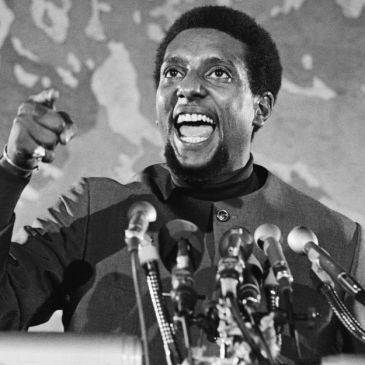
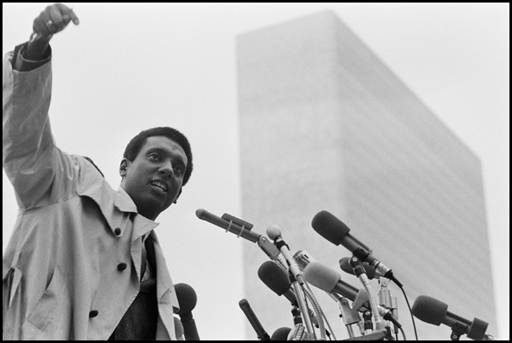
By 1966, Carmichael had become chairman of SNCC, succeeding John Lewis. That same year, during a march in Mississippi, he delivered the rallying cry that would define a generation:

“What we want is Black Power.”
This slogan wasn’t just rhetoric, it was a demand for self-determination, racial pride, and political autonomy. Carmichael’s stance marked a shift from integrationist strategies to radical resistance, challenging both white supremacy and liberal complacency.

What Mattered Most: Liberation Over Assimilation

For Carmichael, the Civil Rights fight was never just about access, it was about ownership. He believed that integration, as framed by white society, often meant assimilation into systems that were fundamentally anti-Black. What mattered most to him was:

  • Black control over Black communities—from schools and housing to policing and economics.
  • Political independence—building all-Black political organizations like the Lowndes County Freedom Organization.
  • Economic justice—shaking the foundations of exploitation and demanding reparative systems.
  • Cultural pride—rejecting the notion that whiteness was the standard and embracing African heritage unapologetically.
  • Global solidarity—connecting the Black struggle in America to liberation movements in Africa, the Caribbean, and beyond.

He once wrote:

“For racism to die, a totally different America must be born.”
This wasn’t a call for reform, it was a call for revolution.

The Name Change: Kwame Ture

In 1969, Carmichael left the U.S. and settled in Guinea, West Africa, alongside his then-wife, South African singer Miriam Makeba. There, he adopted the name Kwame Ture—a tribute to Kwame Nkrumah of Ghana and Sékou Touré of Guinea, two titans of Pan-Africanism.
The name change was more than symbolic. It marked a rebirth—a rejection of colonial identity and an embrace of African unity, revolutionary socialism, and global Black consciousness.

Building Pan-African Futures

In Guinea, Ture co-founded the All-African People’s Revolutionary Party (A-APRP), advocating for a united Africa free from imperialism. He traveled extensively, speaking in Cuba, Ghana, and across Europe, always centering the plight of oppressed peoples and the power of collective liberation.

Final Years and Enduring Legacy

Kwame Ture died of prostate cancer on November 15, 1998, in Conakry, Guinea, at age 57. But his voice still reverberates, in classrooms, protests, podcasts, and policy debates. His writings, including Stokely Speaks and Ready for Revolution, remain essential texts for understanding Black resistance and global solidarity.

Why Kwame Ture Still Matters

In today’s climate of racial reckoning and global unrest, Ture’s life offers a roadmap. He taught us that identity is political, that liberation is global, and that Black Power is not a moment, it’s a movement. His transformation from Stokely to Kwame wasn’t just personal, it was prophetic.

The Fire of Freedom: If Sékou Touré Had His Way

By Charles Zackary King
Changing Trends and Times | America in Black and White

In the pantheon of Black liberation, President Ahmed Sékou Touré stands as both architect and agitator, a man who dared to dream of an Africa unshackled from colonial chains. As Guinea’s first president, Touré didn’t just lead a nation; he attempted to rewire its soul. But what if his vision had fully taken root? What if Guinea had become the model Pan-African republic he imagined?

Let’s step into that alternate reality.

Guinea Reimagined: Touré’s Dream Realized

Imagine a Guinea where African socialism flourished, not as a reaction to colonial abandonment, but as a proactive blueprint for communal prosperity. In this Guinea:

  • Education is free and Afrocentric, with children learning the legacies of Samori Touré, Nkrumah, and Harriet Tubman alongside math and science.
  • Healthcare is universal, rooted in both modern medicine and indigenous healing traditions.

  • Art and culture are sacred, with griots, dancers, and sculptors honored as national treasures.
  • Women lead, not just in homes but in parliament, academia, and diplomacy.
  • Pan-African unity is tangible, with open borders for African nations, shared currencies, and joint infrastructure projects.
  • Guinea becomes a cultural capital, hosting global festivals of Black art, music, and resistance.

In this version of history, Guinea is not isolated, it’s exalted. Touré’s rejection of neocolonialism inspires a domino effect. Senegal, Mali, Ghana, and Congo follow suit, forming a United States of Africa, with Guinea as its moral compass.

The Real Guinea: Courage and Contradiction

Of course, history took a different path. After Guinea’s bold “No” to France in 1958, Touré faced economic sabotage, diplomatic isolation, and internal dissent. His response was fierce: nationalization, cultural revival, and alignment with socialist allies. But his regime also became authoritarian. Dissenters were imprisoned, and Camp Boiro became a symbol of repression.

Touré’s dream was noble, but his methods, at times, were brutal. The Guinea that emerged was proud, but wounded. Independent, but surveilled.

Why Touré Still Matters

Today, as Black communities worldwide fight for autonomy, dignity, and representation, Touré’s legacy offers both inspiration and caution. His vision of self-reliance, cultural pride, and continental unity remains relevant. His flaws remind us that liberation must be paired with compassion and accountability.

For creatives and advocates like Jean-Patrick Guichard, Touré’s influence is personal. His insistence on cultural sovereignty echoes in every curated exhibit, every community dinner, and every act of legacy-building.

Conclusion: The Fire Still Burns

Touré died in 1984, in Cleveland, Ohio, while undergoing heart surgery. But the fire he lit still burns, in classrooms, galleries, protests, and podcasts. His story is not just history, it’s a mirror, a map, and a challenge.

If Touré had his way, Guinea might have become the heartbeat of a liberated Africa. But even in reality, his defiance carved a path that others still walk. And in that, his legacy lives on.

Mansa Musa: The Legacy of the Lion King of Mali

By Charles Zackary King
Founder & CEO, America in Black and White | Blogger, Changing Trends and Times

Introduction

In a world where wealth is often measured by fleeting trends and digital valuations, the story of Mansa Musa stands as a timeless reminder of legacy, leadership, and cultural stewardship. Known as the richest man in recorded history, Musa’s reign over the Mali Empire in the 14th century was not just about gold, it was about vision, education, and the elevation of a people.

The Rise of a Legend

Mansa Musa ascended to power in 1312, inheriting an empire already rich in resources and influence. But under his leadership, Mali expanded its borders, deepened its cultural roots, and became a beacon of prosperity in West Africa. His empire stretched across modern-day Mali, Senegal, Guinea, Mauritania, and parts of Niger—making it one of the largest and most powerful of its time.

Wealth Beyond Imagination

Musa’s wealth was legendary. His empire controlled vast gold mines and taxed trans-Saharan trade routes dealing in salt, ivory, and other commodities. But it was his pilgrimage to Mecca in 1324 that truly stunned the world. Traveling with an entourage of 60,000 people and distributing gold so generously in Cairo that it disrupted the region’s economy for years, Musa’s journey was both a spiritual mission and a global statement.

A Builder of Culture and Faith

Upon returning from Mecca, Mansa Musa invested heavily in Islamic scholarship and architecture. He commissioned the construction of mosques, schools, and libraries—most notably the Djinguereber Mosque in Timbuktu. He invited scholars and architects from across the Muslim world, transforming Timbuktu into a center of learning and culture that would influence generations.

Legacy That Lives On

Mansa Musa died around 1337, but his legacy endures. He proved that African leadership could be visionary, global, and deeply rooted in cultural pride. His story challenges the erasure of African excellence from mainstream narratives and reminds us that wealth is not just material—it’s historical, intellectual, and communal.

Why Mansa Musa Matters Today

In the spirit of America in Black and White and Changing Trends and Times, Mansa Musa’s legacy speaks directly to our mission:

  • Civic education: His governance model emphasized justice, scholarship, and diplomacy.
  • Advocacy: He uplifted his people through infrastructure, faith, and international recognition.
  • Legacy-building: His impact was generational, not transactional.

As we continue to tell stories that empower and enlighten, let Mansa Musa be a reminder: Black history is global history. And legacy is built, not bought.

When the Music Paused: Remembering D’Angelo’s Genius and Grace

By Charles Zackary King | America in Black and White

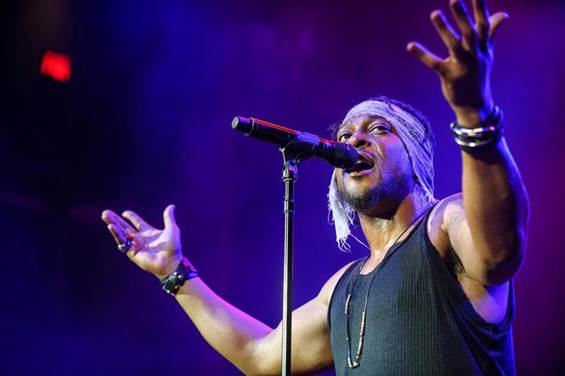
On October 14, 2025, the world lost one of its most enigmatic and electrifying voices. Michael Eugene Archer, known to us as D’Angelo, passed away at the age of 51 after a private and courageous battle with pancreatic cancer. His death marks not just the end of a life, but the silencing of a sound that redefined Black music for a generation.

The Rise of a Neo-Soul Prophet

Born in Richmond, Virginia, D’Angelo was raised in a deeply religious Pentecostal household. His musical gifts emerged early, nurtured by gospel traditions and sharpened by a hunger for authenticity. By 1995, he had already changed the game with Brown Sugar, a debut album that fused the rawness of hip-hop with the sensuality of classic soul. It wasn’t just music, it was a movement.

His follow-up, Voodoo (2000), was a masterclass in musical alchemy. Collaborating with the Soulquarians collective, D’Angelo summoned the spirits of Marvin Gaye, Jimi Hendrix, and Prince, while forging a sound entirely his own. The album’s standout track, “Untitled (How Does It Feel),” became iconic, not just for its stripped, down video, but for its emotional vulnerability and vocal brilliance.

But fame came with a price.

The Vanishing Act

After Voodoo, D’Angelo disappeared. The pressures of being a sex symbol, the weight of public expectation, and personal battles with addiction led him into a long hiatus. He became a recluse, rarely seen, often rumored, and deeply missed.

Then, in 2014, he returned with Black Messiah, an album that was both a political statement and a spiritual reckoning. Released during a time of social unrest, it became a soundtrack for resistance, echoing the cries of a community demanding justice.

The Father Behind the Fame

Though fiercely private, D’Angelo was a devoted father. He leaves behind three children:

  • Michael Archer Jr. (aka Swayvo Twain), his son with the late Angie Stone, who died in a tragic car accident in March 2025
  • Imani Archer, a gifted musician in her own right, who shared a touching tribute to her father after his passing
  • Morocco Archer, his youngest son, who has largely remained out of the public eye

His children now carry the torch of his legacy, not just in music, but in the quiet strength he modeled as a father.

Why the Industry Will Never Be the Same

D’Angelo didn’t flood the market with content. He gave us only three studio albums across three decades. But each one was seismic. He reminded us that Black music could be raw, spiritual, erotic, political, and timeless, all at once.

He was the heartbeat of neo-soul. A bridge between the sacred and the secular. A man who could make a Fender Rhodes whisper and a falsetto scream.

Artists like Lauryn Hill, Questlove, Raphael Saadiq, and Jay-Z collaborated with him, not just because of his talent, but because of his truth. He was one of one.

Rest in Power, D

D’Angelo’s passing leaves a void that no algorithm can fill. His music was never just about melody, it was about memory. About the ancestral pulse that lives in every chord, every lyric, every silence between the notes.

As we mourn, we also celebrate. Because D’Angelo didn’t just make music. He made moments. And those moments will echo for generations.

“We are eternally grateful for the legacy of extraordinarily moving music he leaves behind.” D’Angelo’s family

Bayard Rustin: The Architect Behind the Dream

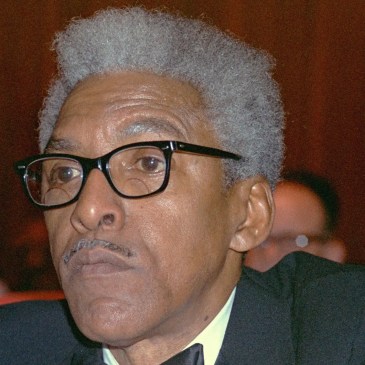
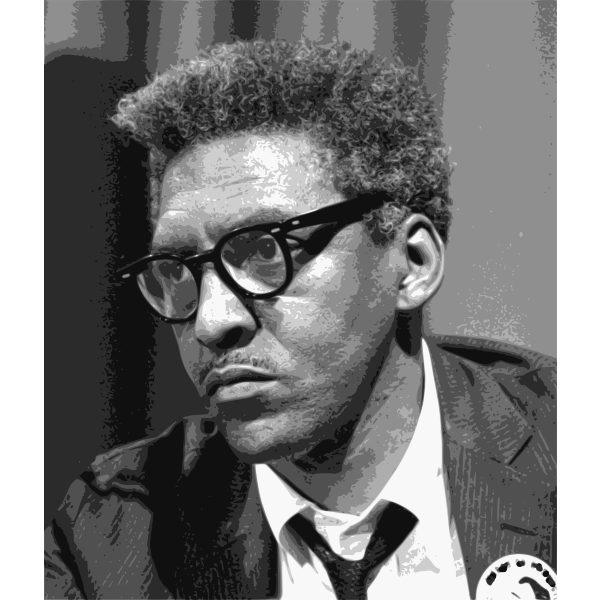
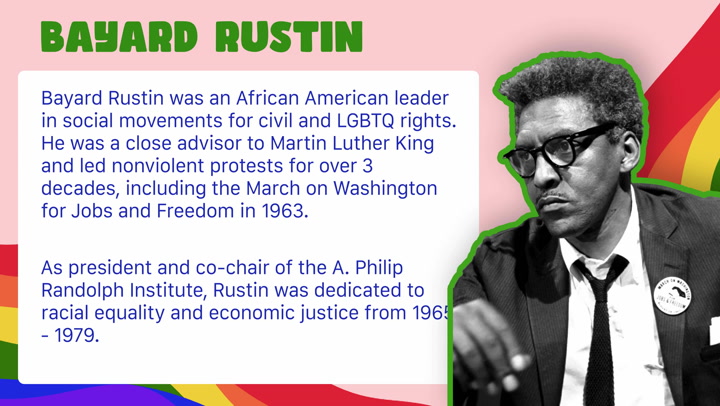
Bayard Rustin was a man whose brilliance shaped the Civil Rights Movement from behind the scenes. Though history often whispers his name, his impact roars through every march, every speech, and every act of justice that followed. Rustin was not only a master strategist, he was a Black, gay man whose courage and conviction laid the foundation for one of the most iconic moments in American history: Dr. Martin Luther King Jr.’s “I Have a Dream” speech.

Early Life & Identity

Born in 1912 in West Chester, Pennsylvania, Rustin was raised by his grandparents, who instilled in him Quaker values of nonviolence and equality. As a young man, he was deeply influenced by pacifist teachings and the writings of Gandhi, which later shaped his approach to activism.

Rustin’s identity as a gay man was never hidden, but it did make him a target of criticism, even within the movement he helped build. Despite this, he remained unapologetically himself, refusing to let prejudice silence his voice or diminish his contributions.

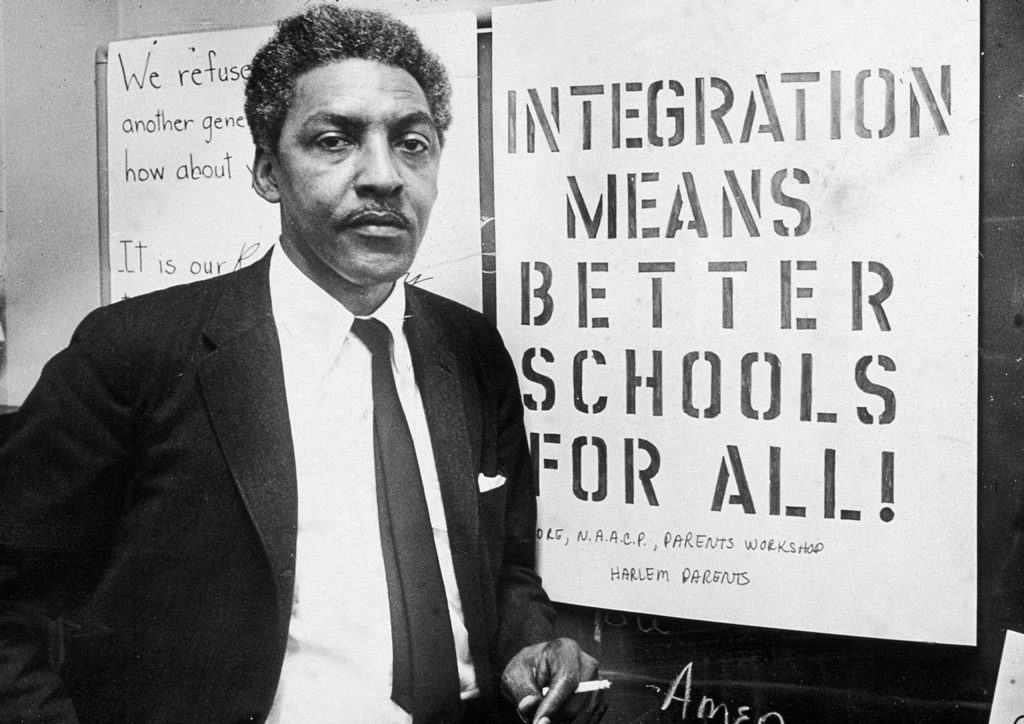
2nd February 1964: American civil rights activist Bayard Rustin (1912 – 1987), spokesman for the Citywide Committee for Integration, at the organization’s headquarters at Silcam Presbyterian Church, Brooklyn, New York City. (Photo by Patrick A. Burns/New York Times Co./Getty Images)

Becoming an Activist

Rustin’s activism began early. He organized freedom rides in the 1940s, worked with the Fellowship of Reconciliation, and was a key figure in the Congress of Racial Equality (CORE). His commitment to nonviolent protest and strategic planning made him indispensable, but also controversial due to his sexuality.

The March on Washington: Rustin’s Masterpiece

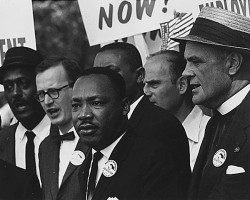
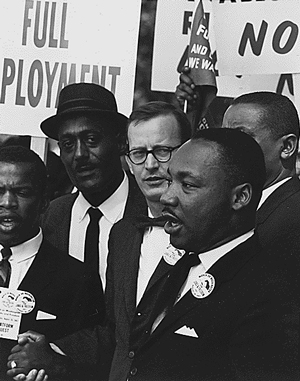
In 1963, Rustin orchestrated the March on Washington for Jobs and Freedom, where Dr. King delivered his legendary “I Have a Dream” speech. Rustin handled every logistical detail, from transportation and security to programming and press. Without Rustin, there would be no stage, no crowd, no moment.

He didn’t just plan the march. He engineered history.

LGBTQ+ Legacy

Rustin’s courage as a gay man in a time of deep societal repression paved the way for future generations. In 1986, he said:

“Gays are the new barometer for social change.”

His advocacy extended beyond race—he believed in justice for all. In 2013, President Barack Obama posthumously awarded him the Presidential Medal of Freedom, recognizing both his civil rights work and his trailblazing role in LGBTQ+ history.

Final Reflections

Bayard Rustin’s life reminds us that leadership doesn’t always come from the spotlight. Sometimes, it’s the architect behind the curtain who builds the stage for change. His legacy lives on in every movement that demands justice, dignity, and equality.

“The Fierce Urgency of Now: Reflecting on MLK’s Dream in Today’s America”

On August 28, 1963, Dr. Martin Luther King Jr. stood at the steps of the Lincoln Memorial and delivered a speech that would echo across generations. His “I Have a Dream” address wasn’t just poetic, it was prophetic. It was a call to conscience, a demand for justice, and a vision of unity that challenged America to live up to its founding creed: that all men are created equal.

The timing of the speech was no accident. It marked the anniversary of Emmett Till’s brutal murder in 1955, a reminder of the violence Black Americans endured. It was also the culmination of the March on Washington, where 250,000 people gathered to demand civil and economic rights. King’s words pierced through the heat of that summer day and into the soul of a nation.

Today, we revisit that dream not as a relic, but as a roadmap. In an era still marked by racial disparities, economic injustice, and political division, King’s message remains urgent. His warning against “the tranquilizing drug of gradualism” speaks directly to our moment. We cannot afford to wait. We must act.

For Black entrepreneurs, legacy builders, and community leaders, King’s dream is a mandate: to build platforms that empower, to tell stories that heal, and to create systems that honor dignity. His speech reminds us that freedom is not a gift, it’s a demand. And justice is not a destination, it’s a journey.

Let freedom ring from every media outlet, every business pitch, every youth-led initiative. Let it ring in our contracts, our content, our community partnerships. Let it ring in our refusal to settle for less than equity.

Dr. King dreamed of a world where character mattered more than color. Let us be the architects of that world, brick by brick, story by story, legacy by legacy.

From Pain to Purpose: How the Acre Boyzz Are Reclaiming Black Land and Legacy


In a quiet corner of the South, 31 acres of land hold stories that were never meant to be forgotten. Among the trees stands one in particular—a haunting witness to a brutal chapter in American history. It’s the site of lynchings, a place where Black lives were stolen in silence. But today, that land is no longer a symbol of terror. It’s a symbol of reclamation, resilience, and rebirth.

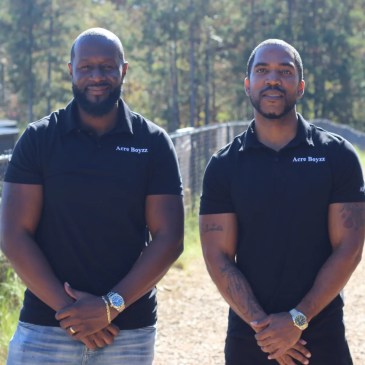
The Acre Boyzz, a group of visionary Black men committed to rewriting the narrative of land ownership, have purchased this sacred ground. And they’re not just farming it—they’re transforming it.


Honoring the Past Without Erasing It

The Acre Boyzz didn’t bulldoze the tree. They didn’t bury the history. Instead, they leaned into it. They’ve chosen to preserve the site as a living memorial—a place where truth is spoken, pain is acknowledged, and healing begins.

“We can’t build a future if we don’t confront the past,” one member shared. “This tree is a reminder of what was done to us. But now, it’s also a reminder of what we’re doing for ourselves.”

Their approach is not about forgetting—it’s about reclaiming. By turning a site of violence into a space of growth, they’re showing that legacy isn’t just inherited—it’s cultivated.


The Truth About Black Land Ownership

The Acre Boyzz are also dropping facts that shake the soul. In 1910, Black Americans owned over 14 million acres of farmland. Today, that number has plummeted to less than 1 million. Systemic racism, discriminatory lending practices, and generational dispossession have stripped Black families of land, wealth, and opportunity.

But the Acre Boyzz are flipping the script. They’re proving that land ownership is not just possible—it’s powerful.


Farming Isn’t as Hard as You Think

One of the biggest myths they’re busting is that farming is too complicated, too expensive, or too inaccessible. Through workshops, digital content, and hands-on mentorship, they’re showing that growing food, raising livestock, and managing land can be learned—and shared.

“Farming is freedom,” they say. “It’s not just about crops. It’s about control. It’s about feeding your family, your community, and your future.”

They’re building a model that’s replicable, scalable, and rooted in cultural pride.


What’s Next: Building Legacy

The Acre Boyzz aren’t stopping at 31 acres. Their vision includes:

  • Educational retreats for Black youth to learn agriculture, history, and entrepreneurship
  • Healing spaces for families and communities to gather, reflect, and grow
  • Partnerships with Black-owned businesses to create a sustainable ecosystem
  • A documentary series to share their journey and inspire others to reclaim land

Their goal is not just to farm—it’s to build a legacy. One rooted in truth, watered by resilience, and harvested with hope.


Final Thoughts

The Acre Boyzz are proof that pain can be transformed into purpose. That land can be more than soil—it can be sacred. And that legacy isn’t just what we leave behind—it’s what we live into.

As they walk the land where ancestors once suffered, they do so with reverence and resolve. Because they know: the future is planted in the past. And they’re here to make sure it grows.