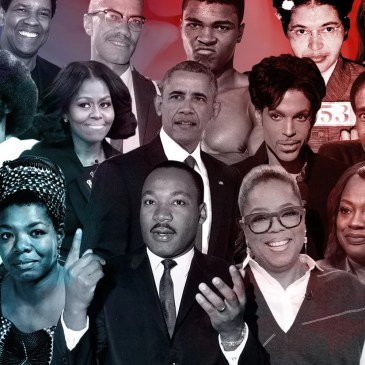
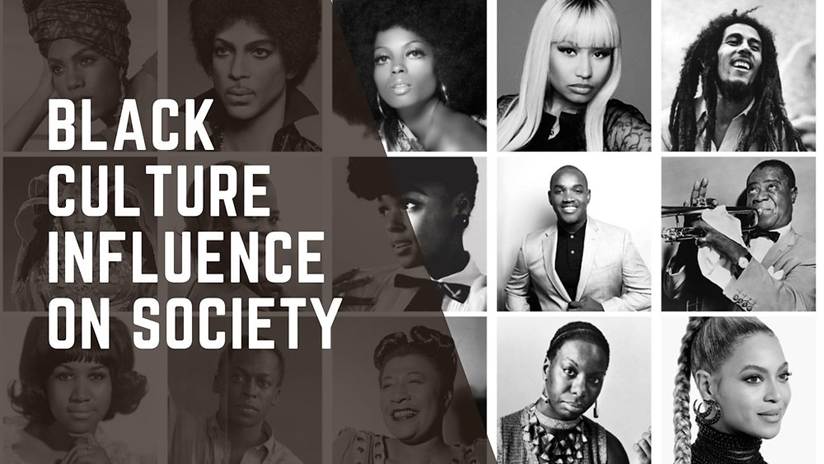
Black America has always been the heartbeat of democracy, culture, and progress. Yet, too often, our contributions are overlooked, minimized, or outright stolen. From the Civil Rights Movement to the African Diaspora, Black Americans have paved the way for immigrant communities, global liberation movements, and cultural revolutions. It is time to reclaim that truth.
Civil Rights Legacy and Immigration
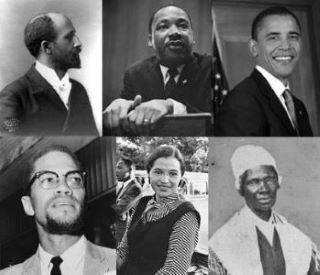
The Civil Rights Movement, led by Malcolm X, Dr. Martin Luther King Jr., and countless others, did more than secure rights for Black Americans. It opened doors for immigrant communities. The Immigration and Nationality Act of 1965 was born out of the Civil Rights struggle, allowing Cubans, Latinos, Caribbeans, Nigerians, Asians, Somalians, and others to enter the U.S. in greater numbers. Without Black America, those opportunities would not exist.
Identity and Assimilation
Yet, many of these groups distance themselves from Blackness, seeking acceptance by aligning with whiteness. Statements like “I’m not Black, I’m Jamaican” or “I’m Nigerian, not African American” fracture solidarity. Assimilation for survival may be understandable, but denial of identity undermines collective power.
The Diaspora and World Culture
The African Diaspora is not just about migration, it is about influence. Black America is the epicenter of global culture. Hip-hop, born in the Bronx, is now the most consumed music genre worldwide. Jazz, gospel, and R&B shaped entire industries. Fashion trends rooted in Black creativity dominate global markets. Even social justice movements abroad borrow language and tactics from the Civil Rights Movement.
Cultural Appropriation vs. Scrutiny
Black culture is celebrated globally but often stolen and repackaged by others. TikTok dances created by Black teens go viral, but influencers from other groups profit. Streetwear, rooted in Black creativity, is now a billion-dollar industry. Meanwhile, Black youth are stereotyped as “criminals” for the same creativity. The hypocrisy is undeniable: the world profits from Black culture while vilifying Black people.
Politics and Immigration
Many immigrant groups supported Donald Trump, believing his promises. Yet, his administration deported thousands from Latin America, Africa, and Asia. The irony is sharp: communities that distanced themselves from Black solidarity were targeted by the same system they empowered.
Global Impact of Black America
Black America is not just a cultural force, it is a political and social catalyst. Civil rights victories inspired global liberation movements, from South Africa to the Caribbean. Marcus Garvey’s Pan-African vision, Dr. King’s dream of justice, and Malcolm X’s call for dignity continue to resonate worldwide.
Conclusion
Black America is the foundation, the heartbeat, and the blueprint. We are not just culture, we are culture. We paved the way for the world politically, socially, and culturally. It is time for the world to recognize, respect, and honor that legacy.
By Tim Cocks (Reuters) Blog Commentary & Call to Action
South African President Cyril Ramaphosa recently sounded the alarm: ideas of white racial superiority are not only a threat to South Africa’s post-apartheid unity, but also to its sovereignty and international relations. Speaking at an ANC conference, Ramaphosa condemned false narratives of “white persecution” that continue to circulate in far-right spaces globally. These myths, he warned, have real consequences for diplomacy and national security.
Yet while Ramaphosa calls for global efforts to debunk these lies, U.S. President Donald Trump has chosen to amplify them. Trump boycotted the G20 summit in Johannesburg, alleging without evidence that South Africa mistreats its white minority. He claimed white farmers were being “slaughtered” and their land “illegally confiscated.” These claims have been widely debunked, but they continue to fuel white supremacist rhetoric worldwide.
Here’s the hypocrisy: Trump accuses South Africa of racism against whites yet remains silent on the systemic racism and repression of Black people in America. In South Africa, a wrong was made right, apartheid was dismantled, and the nation continues to strive for unity. In America, however, racism remains deeply entrenched. Black men are killed at alarming rates, the justice system turns a blind eye, and the trauma of racial injustice grows worse every day.
Before the pot calls the kettle black, America must look inward. Stop throwing stones when you live in a glass house. The U.S. government cannot credibly lecture others on racial justice while ignoring the oppression within its own borders.
Black people in America continue to face systemic racism and deadly police violence at rates far higher than other groups, making Donald Trump’s accusations against South Africa not only hypocritical but deeply offensive.
Police Violence Against Black Americans
In 2024 alone, U.S. police killed 1,365 people — the deadliest year on recordcampaignzero.org.
Of those, 248 were Black, despite Black Americans making up only about 13% of the population Statista.
The rate of fatal police shootings among Black Americans stood at 6.1 per million per year (2015–2024), more than double that of white Americans Statista.
Even after the global outcry following George Floyd’s murder in 2020, police killings of Black people have actually increased in recent years NBC News.
Data shows that unarmed Black men are disproportionately killed by police, highlighting systemic bias in law enforcement factually.co.
Examples of Systemic Racism in America
Systemic racism is not limited to policing, it permeates nearly every aspect of American life:
Education: Black students are more likely to attend underfunded schools and face harsher disciplinary actions Human Rights Careers.
Housing: Redlining and discriminatory lending practices have left Black families with far less generational wealth Human Rights Careers.
Employment: Black workers earn less on average and face higher unemployment rates than white counterparts Robert F. Smith News.
Healthcare: Black Americans experience worse health outcomes, higher maternal mortality rates, and less access to quality care Human Rights Careers.
Criminal Justice: Black people are incarcerated at nearly five times the rate of white people, often for similar offenses Human Rights Careers.
Taken together, these examples show that racism in America is not incidental, it is systemic, structural, and ongoing.
Blog Post Framing
South Africa, under Ramaphosa, is working to dismantle the legacy of apartheid and build unity. Meanwhile, America continues to deny or downplay its own racial injustices. For Donald Trump to accuse South Africa of racism against whites while ignoring the daily trauma of Black Americans is the ultimate hypocrisy.
Before the pot calls the kettle black, America must confront its own house of glass. Stop throwing stones abroad while ignoring the shattered lives at home.
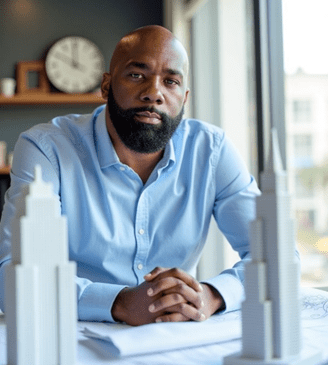
Dr. Keyimani Alford is more than a leader; he is a storyteller, healer, and advocate whose life’s work bridges the worlds of education, authorship, and empowerment. Born in Oakland, California, and raised in Milwaukee, Wisconsin, Dr. Alford grew up navigating instability, poverty, and family absence. Those early challenges shaped his belief that education is not only a pathway to freedom but also a tool for rewriting one’s story.
As a first-generation college graduate who went on to earn his Ph.D. in Education, Dr. Alford understands the barriers faced by students from marginalized backgrounds. His research focuses on retention and persistence for first-generation and minority male students at predominantly White institutions, emphasizing that relationships and belonging are critical to success. Today, as Associate Vice President of Student Access & Success at Madison College, he leads initiatives that help students overcome financial, systemic, and personal obstacles so they can thrive. His leadership is rooted in empathy, accountability, and the conviction that systems should serve students, not the other way around.
Championing Underserved Communities
Dr. Alford’s commitment extends far beyond campus walls. Through his involvement in organizations such as WASFAA, College Goal Wisconsin, and MASFAA (where he serves as President-Elect), he advocates for policies that expand access and equity in higher education. His work ensures that underserved students, veterans, first-generation learners, and minority communities, have the support they need to persist and graduate.
He also founded Keywords Unlocked, LLC, a publishing and coaching company designed to amplify everyday voices, particularly Black and underrepresented authors. By equipping writers with tools and strategies to move from manuscript to marketplace, Dr. Alford is dismantling barriers in the publishing industry and ensuring that marginalized stories are not only told but celebrated.
Author and Storyteller
Dr. Alford’s own catalog of books reflects the power of storytelling as a tool for healing and leadership:
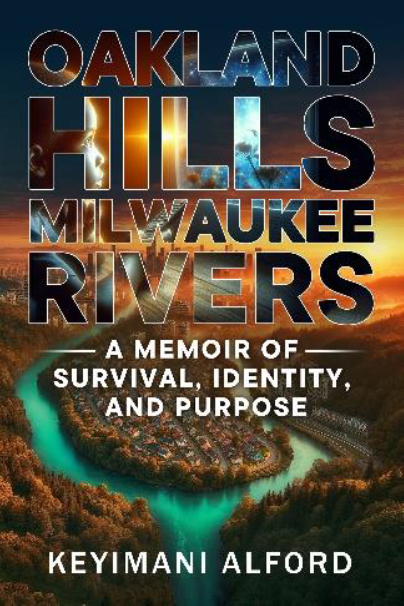
Oakland Hills, Milwaukee Rivers: A Memoir of Survival, Identity, and Purpose
In Oakland Hills, Milwaukee Rivers, I invite readers into the quiet rooms, crowded churches, and complicated family moments that shaped me as a Black boy learning to survive, belong, and believe in his own worth. This memoir walks through childhood trauma, father loss, religious shame, identity questions, and the hidden weight of silence, while tracing how grace kept showing up in unexpected people and places. It reads like sitting across from a friend who is finally telling the whole story, not the edited version.
Readers will see their own questions on these pages. The book helps them name what hurt, grieve what was taken, and begin to reclaim their voice with honesty and dignity. They walk away with language for things they have carried for years, a deeper understanding of how identity and faith can coexist with pain, and a renewed belief that their story is not over. This memoir becomes a mirror and a map for anyone who has ever felt unseen, misunderstood, or afraid to be fully themselves.
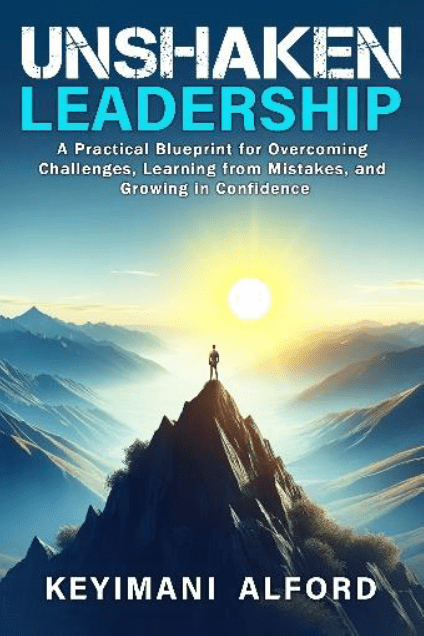
Unshaken Leadership: A Practical Blueprint for Overcoming Challenges, Learning from Mistakes, and Growing in Confidence
Unshaken Leadership pulls back the curtain on what leadership really feels like when the title sounds good, but the pressure is heavy. Drawing from more than two decades in higher education, community, and faith-based spaces, I walk readers through the unspoken realities of leading people, managing politics, navigating conflict, and making hard decisions when you still feel like you are figuring it out yourself. Each chapter blends story, reflection, and practical strategy so readers see the lessons in real situations, not just theory on a page.
This book is written for new and growing leaders who are tired of pretending they have it all together and are ready to lead with honesty, courage, and emotional intelligence. Readers gain language for the challenges they are facing, tools for balancing vision and boundaries, and frameworks they can immediately apply with their teams. The goal is simple: to help leaders stand firm when things shake around them, learn from their missteps without shame, and grow into a version of leadership that feels both effective and authentic.
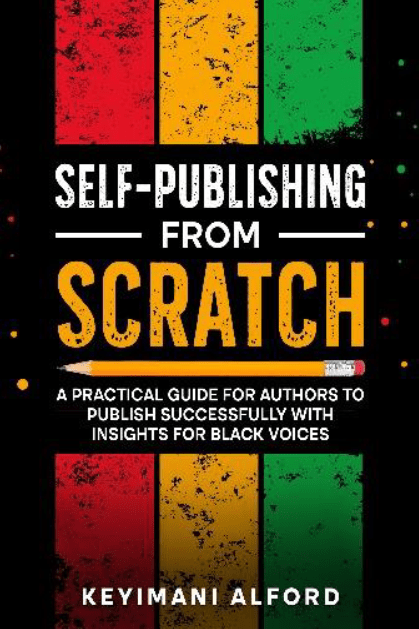
Self-Publishing from Scratch: A Practical Guide for Authors to Publish Successfully with Insights for Black Voices
Self-Publishing from Scratch is a step-by-step roadmap for everyday people who feel called to write a book and have no idea where to start. I walk readers through the full journey from idea to published book in plain language, breaking down what to write, how to edit, how to find a cover, how ISBNs work, what platforms to choose, and how to price and promote their work. Along the way, I share real stories, checklists, and behind-the-scenes lessons from my own publishing journey so readers avoid costly mistakes and gain the confidence to hit “publish” with clarity.
This book especially centers Black and underrepresented voices who have been told their stories are “too much,” “too specific,” or “too risky” for traditional publishing. Readers come away with practical tools, a realistic plan, and the encouragement that they do not have to wait for permission to become an author. By the end, they understand the business and the heart of self-publishing, and they know exactly what to do next to turn a manuscript, a journal, or even a set of notes on their phone into a book in readers’ hands.
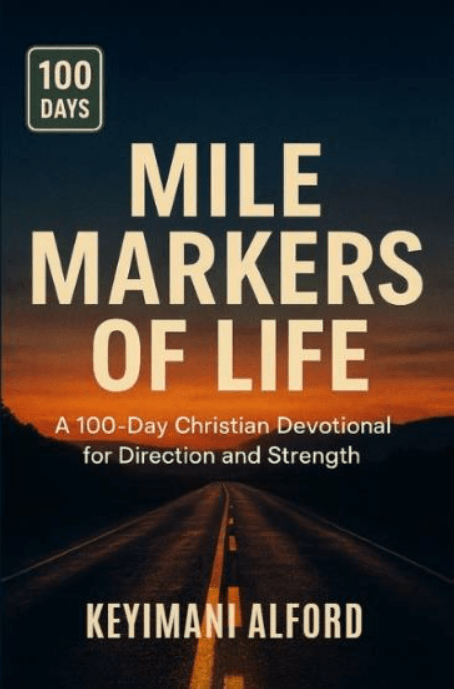
Mile Markers of Life: A 100-Day Christian Devotional for Direction and Strength
Mile Markers of Life is a 100-day devotional born from years of driving Wisconsin highways and noticing how the mile markers along the road mirrored the seasons of my own life. Each entry starts with a real-life scene and then connects it to Scripture, reflection, and a short prayer, helping readers see that God has been present in both the ordinary and painful parts of their journey. The readings are honest and accessible, designed for people who are carrying a lot and need encouragement that fits into real schedules and real emotions.
Readers will experience a devotional that speaks to fatigue, grief, uncertainty, hope, and new beginnings with gentle clarity. Every day offers direction for the heart and a small step they can take to move forward, whether that is letting something go, forgiving themselves, or daring to dream again. By the time they reach Day 100, they have traced their own “mile markers,” recognized how far they have come, and rediscovered that even in detours and delays, God has been guiding them toward healing and purpose.
A Voice of Hope and Action
Whether speaking in lecture halls, boardrooms, sanctuaries, or behind a microphone, Dr. Alford blends truth-telling with practical tools. His keynote themes, leadership with integrity, healing from trauma, equity in higher education, and empowering everyday voices, resonate because they are lived experiences, not abstract theories. Audiences leave not only inspired but equipped with frameworks and next steps to move forward.
Across every platform, Dr. Alford reminds people that their story still has chapters left and that hope is always within reach. His work as an author and advocate continues to light the way for underserved communities, proving that beginnings do not define destinies.
Adapted from reporting by Rachel Schraer, The Independent (Rethinking Global Aid Project)
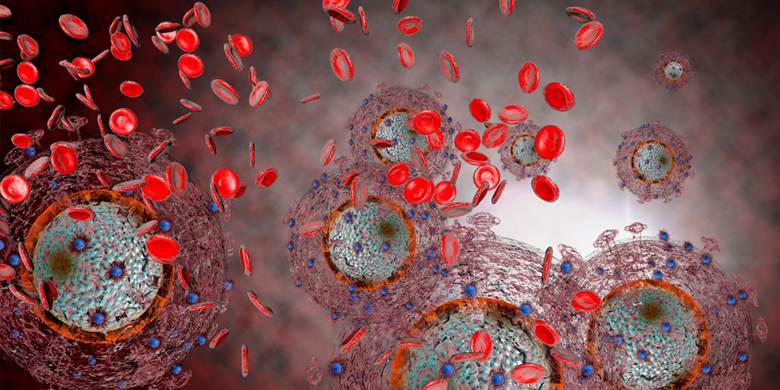
The closest thing we have to an HIV vaccine has finally arrived. Lenacapavir, a long-acting injectable medication that can prevent nearly 100% of HIV infections when administered twice yearly, is being hailed as revolutionary. Yet despite its promise, only a fraction of the people who need it will gain access.
The Numbers Behind the Breakthrough
Current plans by Gilead and international funders will provide lenacapavir to 2 million people over three years, about 666,000 annually.
Research by Dr. Andrew Hill (University of Liverpool) shows this rollout could avert 165,000 infections, but scaling up to 10 million people annually could prevent half a million infections and put us on track to ending HIV transmission.
The challenge: funding cuts, particularly from the U.S. under President Donald Trump, have left prevention efforts severely under-resourced.
The Cost and Access Challenge
In the U.S., a course of lenacapavir costs $28,000.
Thanks to advocacy and licensing agreements, the drug will be sold at no profit in low-income countries, with costs reduced to around $40 per person per year.
Gilead’s plan to reach 2 million people by 2028 is described as an “initial step,” with hopes that generic manufacturers will expand access further.
Why This Matters Globally
Anne Aslett, CEO of the Elton John AIDS Foundation, called the rollout “unprecedented,” noting that doses are arriving in Eswatini at the same time as in the U.S., a sharp contrast to the early AIDS crisis, when African nations waited more than a decade for antiretroviral drugs.
Still, she warns that funding gaps threaten progress. Vulnerable populations, young women, LGBTQ communities, sex workers, and people who use drugs, are often excluded from prevention services. Without reaching these groups, the epidemic cannot be contained.
Innovation in Delivery
Foundations are experimenting with drone deliveries of drugs and testing kits.
Digital pilots in London are making PrEP accessible directly to consumers, by passing traditional clinics.
Sub-Saharan Africa is now pioneering models of care that are more advanced than those in parts of the Global North.
🇬🇧 The UK’s Role
Mike Podmore, CEO of STOPAIDS, emphasizes that UK contributions are not just charity, they fuel domestic research and innovation. Agencies like Unitaid have invested £250m into UK universities over the past decade, strengthening both global and local HIV responses.
The UK has set a goal to end new HIV transmissions by 2030, and expanding access to lenacapavir will be critical to achieving it.
The Call to Action
Ending HIV is within reach, but only if global leaders step up. Dr. Hill and advocates worldwide are urging wealthy nations to contribute to a proposed $400m fund to expand access without undermining existing HIV programs.
This is a pivotal moment: decades of research and advocacy have brought us closer than ever to a cure. But without adequate funding, only 7% of those who need lenacapavir will receive it.
What you can do:
Sign petitions demanding governments protect and expand HIV funding.
Share this story widely to raise awareness.
Pressure policymakers to prioritize vulnerable populations in prevention programs.
Together, we can ensure that this breakthrough doesn’t stall at the starting line. Let’s end HIV and make life better for all.
Original reporting by Rachel Schraer, The Independent, as part of the “Rethinking Global Aid” project.
A German man known as “Berlin 2 (B2)” has remained in remission from HIV for six years after a stem cell transplant to treat leukemia. This marks the seventh known case of long-term HIV remission worldwide. Unlike earlier cases, B2’s donor carried only one copy of the CCR5 Δ32 mutation, previously thought insufficient for durable resistance. His remission challenges assumptions and opens new pathways for understanding how HIV reservoirs can be eliminated.
Globally, 40.8 million people were living with HIV in 2024, with 1.3 million new infections and 630,000 AIDS-related deaths. In the U.S., 39,201 new diagnoses were reported in 2023, disproportionately impacting Black and Latino communities, especially in the South.
These breakthroughs abroad raise urgent questions:
Why are Germany and Switzerland leading in remission cases, while the U.S. lags behind?
Why does America, supposedly the global leader in R&D, appear to be playing second fiddle in HIV cure research?
Is the lack of universal healthcare in the U.S. a factor in limiting access to experimental treatments?
Why does Big Pharma continue to prioritize lifelong drug regimens over potential cures?
For those living with HIV/AIDS, these questions are not abstract, they are about survival. If you are reading this and living with HIV, ask your doctor about the current status of cure research. Demand transparency.
Stem cell transplants are not scalable cures, but they prove that reservoir reduction, graft-versus-reservoir responses, and partial CCR5 protection can lead to remission. The challenge now is whether America will invest in replicating these mechanisms through gene editing and pharmaceutical innovation or continue to let others lead while its citizens wait.
World AIDS Day was first established in 1988 by the World Health Organization (WHO) and UNAIDS, making it the first-ever global health dayWikipediaBritannica. Its purpose is to raise awareness about HIV/AIDS, show solidarity with people living with HIV, and honor the millions who have died from AIDS-related illnesses. The red ribbon, adopted in 1991, remains the universal symbol of support and remembrance Britannica.
Each year, the day carries a theme. In 2025, the theme is “Overcoming disruption, transforming the AIDS response”, a reminder that funding cuts, stigma, and inequality threaten decades of progress Moneycontrol.
Historical Context and Data
In the 1980s and 1990s, HIV/AIDS was a rapidly escalating crisis. By 1997, new infections peaked at 3.3 million annually, and AIDS-related deaths peaked in 2004 at 2.1 million per yearBritannica.
Since then, antiretroviral therapy (ART) transformed HIV from a fatal disease into a manageable chronic condition, reducing deaths by more than 64% since 2004 Wikipedia.
As of 2024, an estimated 40.8 million people worldwide were living with HIV, with 1.3 million new infections and 630,000 AIDS-related deaths that year Business StandardMoneycontrol.
In the U.S., about 1.2 million people live with HIV, with ongoing disparities in testing and treatment Las Vegas Sun.
Strides in Treatment and Prevention
The fight against HIV/AIDS has seen remarkable progress:
ART advancements: From early AZT in 1987 to today’s single-pill regimens and long-acting injectables, treatment now allows near-normal lifespans Las Vegas Sun.
Prevention tools: Pre-exposure prophylaxis (PrEP) and post-exposure prophylaxis (PEP) have proven highly effective in preventing infection Business Standard.
U=U (Undetectable = Untransmittable): People on effective ART who maintain undetectable viral loads cannot sexually transmit HIV Business Standard.
Mother-to-child transmission: Once a major concern, it has been drastically reduced through targeted interventions Las Vegas Sun.
The Future Outlook
While progress is undeniable, challenges remain:
Funding cuts and inequality threaten to reverse gains, especially in vulnerable communities Moneycontrol.
Late diagnoses continue to hinder progress, with over half of new cases in Europe detected too late for optimal treatment News-Medical.Net.
Research breakthroughs offer hope: trials with engineered antibodies, CRISPR gene editing, and long-acting injectables like lenacapavir suggest that a functional cure may be within reach Smithsonian MagazineAIDS.ORG.
The global goal remains clear: end AIDS as a public health threat by 2030, a target set by UNAIDS and the UN Sustainable Development Goals BritannicaUNAIDS.
Closing Reflection
World AIDS Day is not just about remembrance, it is about renewed commitment. We have turned HIV from a death sentence into a chronic condition, but stigma, inequity, and funding gaps still stand in the way of ending the epidemic. The future depends on global solidarity, scientific innovation, and community-led action.
Ending AIDS is possible but only if we choose compassion, equity, and sustained investment.
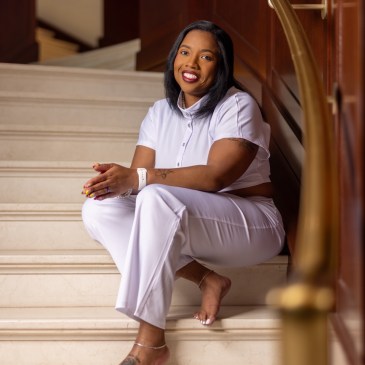
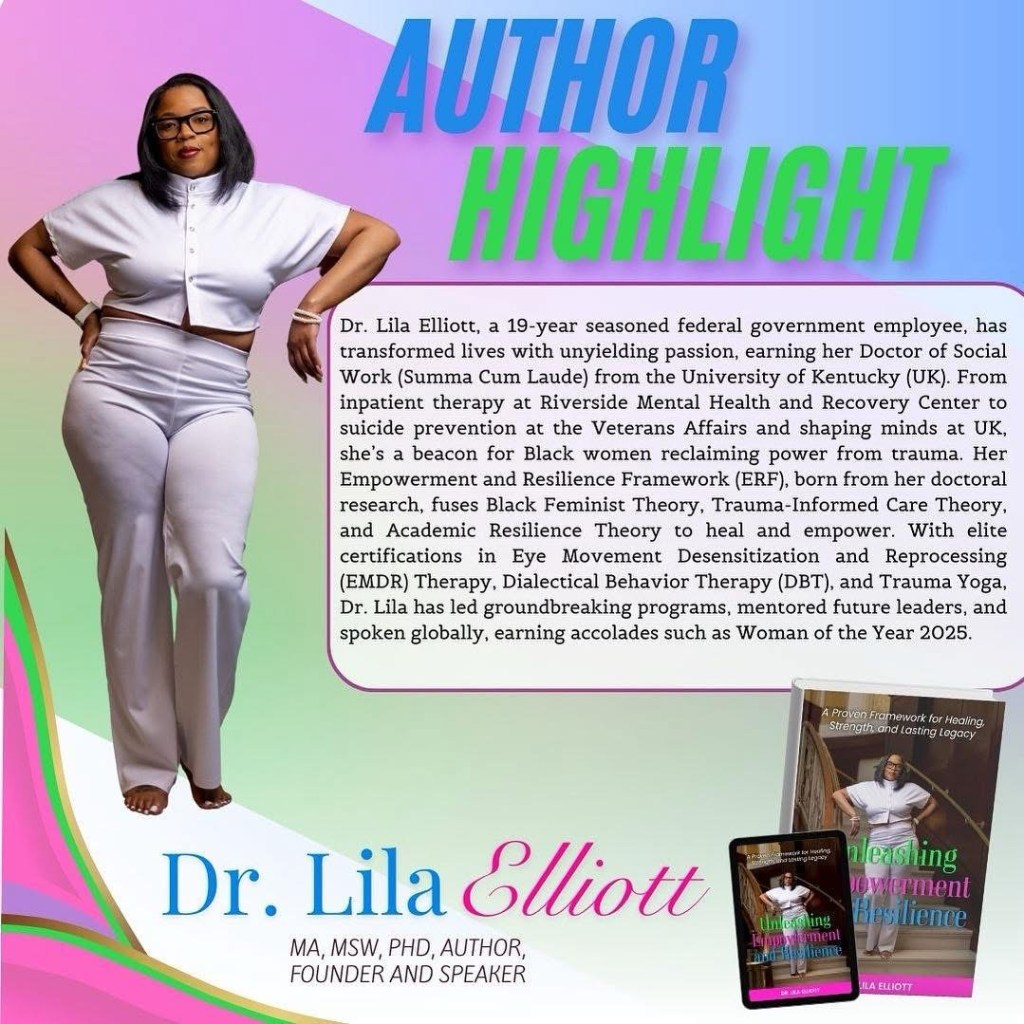
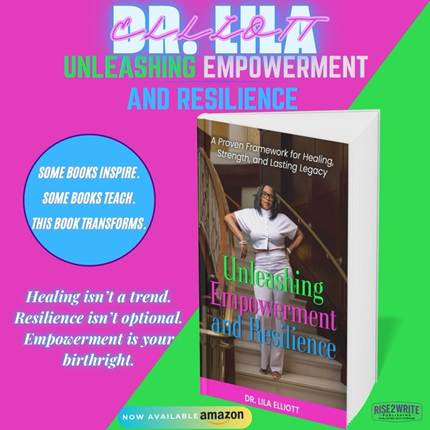
Climbers, y’all know I love amplifying powerful Black women who are doing transformational work and today I’m honored to spotlight my colleague, friend, and fellow doctor, Dr. Lila Elliott.
Her brand-new self-help journal, Unleashing Empowerment and Resilience, is officially OUT on Amazon and it is a must-have for anyone serious about healing, breaking cycles, and stepping into their birthright of strength.
Dr. Elliott is more than an author, she’s a visionary. With 19 years of clinical practice, research, and her doctoral capstone, she created the Empowerment and Resilience Framework (ERF), a groundbreaking model that blends Black Feminist Theory, Trauma-Informed Care, and Academic Resilience into a practical blueprint for real life.
This journal is not just for social workers or therapists. It’s for:
Black women healing childhood trauma
Corporate leaders rising above burnout
Teachers building safe spaces
Hairstylists listening to stories every day
Veterans, parents, and anyone ready to stop surviving and start thriving
Inside, you’ll find:
Practical strategies you can apply immediately
Journaling prompts to guide reflection and growth
Stories from women who reclaimed their power
Tools you can use in your home, workplace, community, and relationships
Dr. Elliott recently joined me on America in Black and White, where she shared how her work is rooted in truth-telling, resilience, and the power of Black women’s voices. Her insights reminded us that healing is not just personal, it’s communal, and it’s historical.
This book transforms you from the inside out. Imagine having a guide that teaches you to turn your pain into power, your voice into your weapon, and your story into a legacy. That’s exactly what Unleashing Empowerment and Resilience delivers.
If you have a sister, coworker, friend, or colleague who needs a reminder of who she is, gift her this journal. Healing starts with one choice. One self-help journal. One moment.
Let’s support this incredible Black woman author and help get this book into the hands of every person ready to rise.
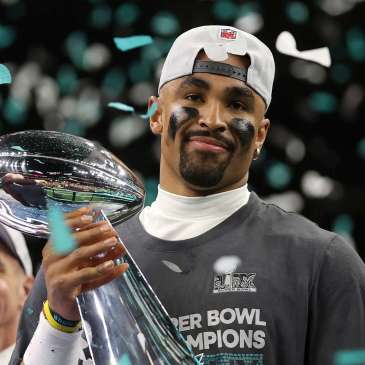
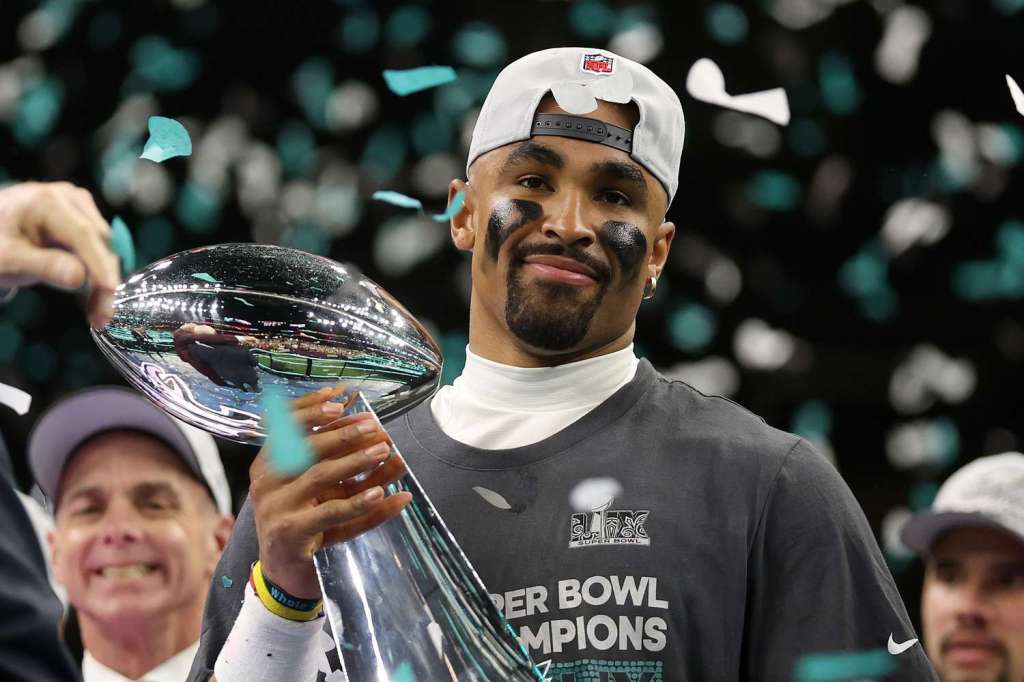
Since arriving in Philadelphia in 2020, Jalen Hurts has never had the same offensive coordinator in back-to-back seasons, a challenge dating back to his college days at Alabama and Oklahoma. Yet, he has never complained. Instead, he has put in the work, adapted, and excelled. His leadership carried the Eagles to two Super Bowl appearances in five years, including a Super Bowl LIX victory in 2025, where he was named Super Bowl MVPmedia.nfl.comThe Hilltop.
AJ Brown vs. Team Unity
Fresh off that championship, wide receiver A.J. Brown has publicly voiced frustration about being left out of the offensive game plan Sports Illustrated. His complaints echo the infamous Terrell Owens saga with Donovan McNabb after the Eagles’ 2005 Super Bowl loss. Owens’ selfishness fractured the team, leading to Andy Reid’s firing, McNabb’s trade, and Owens’ departure.
Brown’s lack of effort on contested catches and his media outbursts have drawn criticism. Meanwhile, DeVonta Smith has emerged as a true WR1, battling for every ball and proving his reliability. The Eagles gambled by keeping Brown past the trade deadline, but his behavior continues to cast a shadow.
Outside Voices: Seth Joyner & LeSean McCoy
Former Eagles Seth Joyner and LeSean McCoy have suggested that some in the organization are unhappy with Hurts. But let’s be clear: letting Hurts walk would be unthinkable. Every other NFL team would break the bank to sign him. Joyner was a solid linebacker but never a game-changer, while McCoy’s career fizzled after early promise. Their critiques seem more rooted in bitterness than fact.
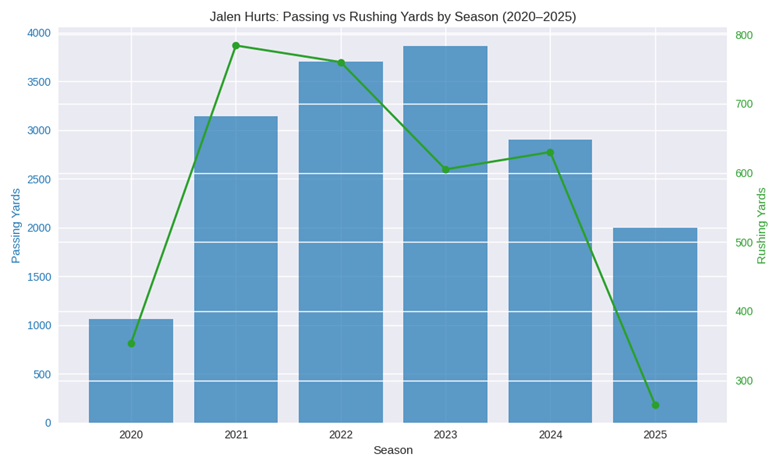
a chart comparing Jalen Hurts’ passing and rushing yards by season.
This dual-axis chart highlights how Hurts has balanced his game since entering the NFL. His passing yards steadily climbed from 2020 to 2023, peaking at nearly 3,900, while his rushing yards consistently added another dimension to the Eagles’ offense. Even in seasons with coordinator changes, Hurts adapted and delivered.
Holds NFL record for most rushing TDs in a season by a QB (15)
Career playoff record: 5–3, with 1,592 passing yards and 9 rushing TDs
Final Thoughts
The Eagles’ success is inseparable from Jalen Hurts. He has proven himself as a franchise leader, overcoming instability at coordinator, silencing critics, and delivering championships. The real question isn’t whether Hurts is the problem, it’s whether the organization can keep the locker room united and silence distractions.
Readers, what do you think? Is Jalen Hurts the long-term answer for Philadelphia, or do the Eagles risk repeating history by letting drama overshadow their success? Comment below, subscribe, and join the conversation.
By Charles Zackary King Founder/CEO of America in Black and White and AMIBW The Magazine
Introduction
To be a Black man in America is to live with a dual reality: one shaped by brilliance, resilience, and legacy, and another shaped by suspicion, exclusion, and systemic violence. It’s not just difficult. It’s deliberate. And yet, we continue to rise.
This post is not a cry for pity. It’s a declaration of truth.
The Burden of Being Seen
Criminalized Before We Speak: From childhood, we’re labeled “aggressive,” “disruptive,” or “dangerous.” Our tone is policed. Our presence is questioned. Our humanity is often denied.
Economic Gatekeeping: We are told to “work twice as hard,” but the doors still close. Black men face higher unemployment, lower wages, and fewer opportunities, regardless of education or experience.
Policing and Surveillance: We are over-policed, over-incarcerated, and under-protected. The justice system was not built to serve us, it was built to control us.
Emotional Suppression: Vulnerability is seen as weakness. We are expected to be silent, stoic, and strong, even when we’re breaking.
This is the example of being Black. Being Black is what happens when you are always stopped for no reason and then being asked “why are you up set”? “You must be guilty of something”, when you are just coming from work or going home from visiting family. The thing that makes this even worse is that you have other Black People including family that don’t believe you because the brain washing of the media has made them think you are guilty. There is nothing worse than having your Mother, Father, Brother, Sister, Wife/Girlfriend thinking you are guilty and refusing to support you because they can not give you the benefit of the doubt. None of these people can see the stress they are causing you but they want you to protect them and do what they need from you. Our own people can not see the harm they cause you. This adds to all kinds of pain and trauma and they still don’t see that.
When we talk about the Economic Gatekeeping we are talking about ever since the 70s when the PayScale represented the White Man, the White Woman, the Black Woman and then the Black Man. This causes your woman to look down on you and the others to think they can use you for pennies on the dollar and get the milk for free. Being put in this position is a major problem for your household but your wife/girlfriend does not see it that way. When you do what is necessary to please her, she complains but when you are not bringing in enough money she complains. Communication is bad and needs to improve because the wrong people have influenced your way of thinking and your love. What is still not seen is this man is struggling and is feeling trapped. This is the thing that has led to Single Parent Households.
The justice system has a precursor that states if you are a Black Man you must be guilty, and we can plant evidence against you and not worry about it. No one cares for you, and people will back the Blue when it comes to you. The bad part about this is some of the officers look just like you. Again, something that is adding to more stress than you can handle and it causes anxiety and mental health disorders. The question that is always there, “will they be here for me when I need them”? Please think about this.
As a Black Man we have pride and refuse to let anyone see us vulnerable. We cannot be weak, and we refuse to let others know we are hurting. The problem with this is Black Men have been carrying this jug of water for more than 100 years. We are not appreciated but are looked upon to protect and serve, we are not respected but expected to solve the most complex problems, and we are the real professionals with so much knowledge but never get the acknowledgement we deserve. All along we are the real strong leaders, thinkers and can do men on the earth that make a real difference.
The Truth They Don’t Teach
Black men are more likely to die prematurely due to systemic neglect in healthcare, housing, and mental health.
We are less likely to receive fair trials, adequate representation, or restorative justice.
Our stories are often told by others, flattened, filtered, and stripped of nuance.
Our health always come into play because we have to be involved in the things that happen to our communities, our families and our people in general. Our leadership is needed to work with the others in our communities instead of against them. In todays time it is all about leadership and we have lots of it. We will continue to provide this until the day we die.
We know we will never get a fair shake which is the thing that makes community and family so important to us. It is clear and evident what the justice system has in store for us but what do we do? This is why we have to make sure we build our communities and keep our families together because when there is no male figure in the household outsiders find ways to take advantage of our people.
This is being told from my eyes because it is important that we do what is necessary to work and build together. Outside ramble is just that but we got to continue to show that we are the real leaders of our people. We have to communicate better but met with the same demeanor from those in our community. No on or nothing is perfect and I know we can grow like everything was intended to be for us all.
This is not accidental. It’s structural.
The Legacy We Build Anyway
Despite it all, we lead. We mentor. We create. We heal. We build platforms like America in Black and White and AMIBW The Magazine to tell our stories on our terms.
We are not just survivors, we are architects of truth.
Personal Reflection
As a Black man, I’ve felt the sting of betrayal, the weight of expectation, and the silence of being misunderstood. I’ve been told to “tone it down,” “wait my turn,” and “be grateful.” But I’ve also seen the power of truth-telling, the healing in storytelling, and the strength in community.
I write this not just for myself, but for every Black man who’s been told he’s too loud, too angry, too ambitious, too Black.
Do what is necessary by your wife/Husband and Family and make sure you are documenting and telling your story. Don’t ever give up just keep pushing because as a Black Man you are really viewed as the KING you really are.
Call to Action
Listen to Black men. Not just when we’re in pain—but when we’re building.
Support Black-led platforms. Subscribe, share, and invest.
Challenge stereotypes. In your workplace, your media, your conversations.
Honor our humanity. Not just our struggle—but our joy, our creativity, our legacy.
In a world flooded with statements, pledges, and curated campaigns, it’s time to ask: who’s really representing Black communities? Because visibility without accountability is just performance. This post contrasts the hollow gestures of institutions with the lived truth of Black-led platforms and movements. It’s not just critique, it’s clarity.
The Performance of Representation
Corporate Statements vs. Community Investment Every February, companies roll out Black History Month graphics and events. But 53% of consumers believe these statements must be backed by real action, or they’re exploitative. Many corporations downsize DEI programs while spotlighting Black employees for one month.
Political Promises vs. Policy Impact Politicians invoke Black pain during campaigns, but policy rarely follows. The CBCF’s Executive Order Tracker shows how recent directives have rolled back civil rights protections, education equity, and economic opportunity for Black communities. Even well-intentioned promises often lack measurable equity outcomes.
Media Coverage vs. Media Ownership Black trauma is headline-worthy, but Black joy, innovation, and leadership are rarely centered. Only 3% of full-power TV stations are Black-owned. Without ownership, our stories are filtered, flattened, and often distorted.
A good example of this would be Stephen A. Smith and Van Jones that represent ESPN and CNN. These guys get on TV and perform for their masters stating that they represent Black People when their words tell us different. Stephen A who is loud and a obvious Republican talks out of both sides of his mouth. He lies about Black representation and how things affect him but at the same time supports Racist like Charlie Kirk and all the nasty things he has to say about Black People especially Black Women. This is not condoning Murder but why should Black People feel sorry for someone that was so divisive. Smith leads a failing network that I am shocked is still around. That network has problems for 25yrs running that has yet to be resolved but is standing on the a trickster like Smith that claims he wants to run for President as a Democrat. The funny thing about this is the Democratic Party is meeting with him!! I am finding this worse than appalling because one this should be condemned but not enough Black People are calling this out. This man makes a living off destroying Black Lives. This is performance but dangerous at the same time.
Van Jones who has had a failed show on CNN and was fired from the Obama Administration for ethics issues is another person that is performing for his Master. This man had the Gaul to get on CNN to tell the world that he got a text from Charlie Kirk and that he was a good man. When you think about this, what is good about a man that speaks about your culture as horrible as this individual did? Yes, we can have our difference but being an Original King, you don’t dare let someone insult you like that and you kiss their butt to say you talked to them. This man said on Anderson Coolper 360 that he was told by his team the day this man was killed that he reached out to him. Why would he do this and why would CNN let him on the air to say that? That is personal but has no place in todays society. Keep that to yourself. This performance was sad and hurtful but was supposed to represent the sentiment of Black People. Wrong, it does not and there is no place in the world for anyone to shoot and kill another person but I do not think the Black Community was accepting of that. Everything the 2 of them say in the media is never going to be favorable for Black People and the world needs to know that.
Authentic Advocacy and Legacy Work
Black-Led Platforms Speak Truth From AMIBW The Magazine to The Clarkson Collective, these platforms don’t just amplify, they dignify. They tell stories rooted in faith, resilience, and generational healing. Michelle Clarkson’s work bridges sacred and civic, reminding us that storytelling is sacred.
Community Organizers vs. Institutional Gatekeepers Real change comes from those who live the struggle. Black-led nonprofits like Movement for Black Lives, BlackPAC, and ABFE’s Black Funds Network are building coalitions, not careers off our pain.
Storytelling as Sacred Practice Michelle Clarkson’s prophetic voice reminds us: healing begins with truth, and transformation requires courage. Her work is a masterclass in narrative activism.
Truth Telling about our Past, Present and Future is very important. When you are used to a standard you must live by that standard. Censorship is a nonstarter.
The Danger of Misrepresentation
Outsiders dilute our demands.
Institutions tokenize our presence.
Media distorts our image, shaping public perception and policy in harmful ways.
When they speak for us, they silence us. We do not need other people speaking for us. We are more than capable of speaking for ourselves. We can do this because it is lived not a perception.
We Are the Authors
Black people are not a monolith, and we are not waiting for permission to tell our stories. We are the architects of our own legacy. We will no longer accept representation that is hollow, exploitative, or disconnected from our lived truth.
If you’re not building with us, you’re building against us.
Call to Action
Support Black-owned media. Share, subscribe, and fund platforms that honor our truth.
Hold institutions accountable. Ask where their money goes after February.
Elevate authentic voices. Follow, repost, and amplify Black-led movements.
Tell your story. Whether through podcast, blog, or pulpit, your truth matters.
Want to contribute to AMIBW The Magazine or share your story with The Clarkson Collective? Reach out. Let’s build legacy together.









 Changing Trends and Times