We don’t talk enough about what it means to love someone who is lying, not because they’re malicious, but because they’re terrified.
Terrified of being rejected. Terrified of losing family, career, community, or safety. Terrified of being fully seen.
In Dee Carr’s short “Loving a Liar,” we’re invited to look beyond the surface of deception and into the emotional architecture behind it. And when we connect this to the LGBTQ community, the conversation becomes even more urgent.
Because the truth is this:
Some people aren’t lying to deceive you. They’re lying to survive you.
The Code-Switching Closet
For many LGBTQ people, athletes, politicians, entertainers, clergy, business owners, and everyday folks, life becomes a constant performance. A carefully curated version of themselves is presented to the world, while their true identity stays tucked away, waiting for a safer moment that may never come.
This isn’t just “being private.” This is code-switching as self‑protection.
It’s the athlete who dates publicly but loves privately. The pastor who preaches authenticity but fears living his own. The business owner who avoids pronouns in every conversation. The entertainer who smiles on stage but cries in the dressing room. The everyday person who edits their life to fit someone else’s comfort.
And the people who love them? They often end up loving a version of someone that isn’t fully real, not because that person is dishonest, but because the world has taught them that honesty is dangerous.
The Emotional Cost
Loving someone who is hiding can feel like loving a ghost, present, but not fully here.
But imagine the cost on the other side:
Carrying two identities
Monitoring every word
Performing every day
Living in fear of exposure
Feeling unworthy of real love
This isn’t lying for manipulation. This is lying for survival.
And survival shouldn’t have to look like this.
What Does Love Look Like Here?
Love, in this context, becomes a bridge, not a demand.
It asks:
How can I make space for your truth?
How can I be a safe place for your becoming?
How can we build a relationship where honesty isn’t a risk?
Love doesn’t force someone out of hiding. Love creates a world where hiding is no longer necessary.
Let’s Talk About It
This is where you come in.
Have you ever loved someone who was afraid to be themselves? Have you ever BEEN that person? What does safety look like for you? What does honesty cost in your world?
Drop your thoughts in the comments, your voice might be the one someone else needs to hear.
And if conversations like this matter to you, hit subscribe so you don’t miss the next post in this series inspired by Dee Carr’s powerful shorts.
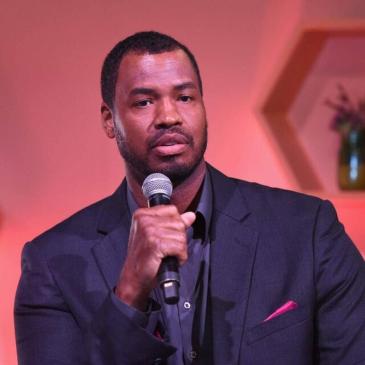
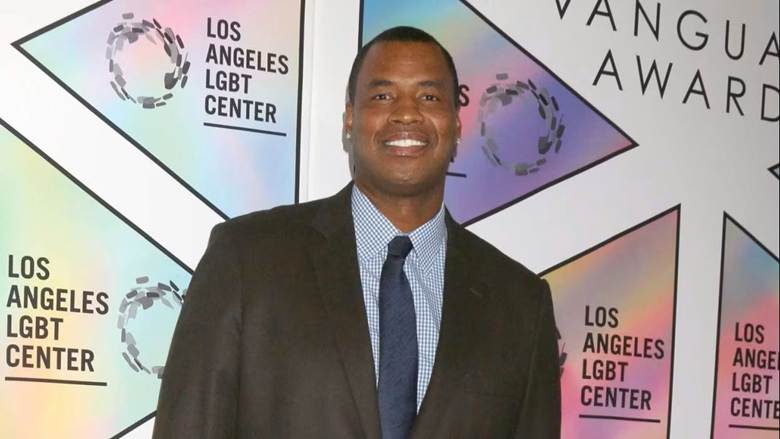
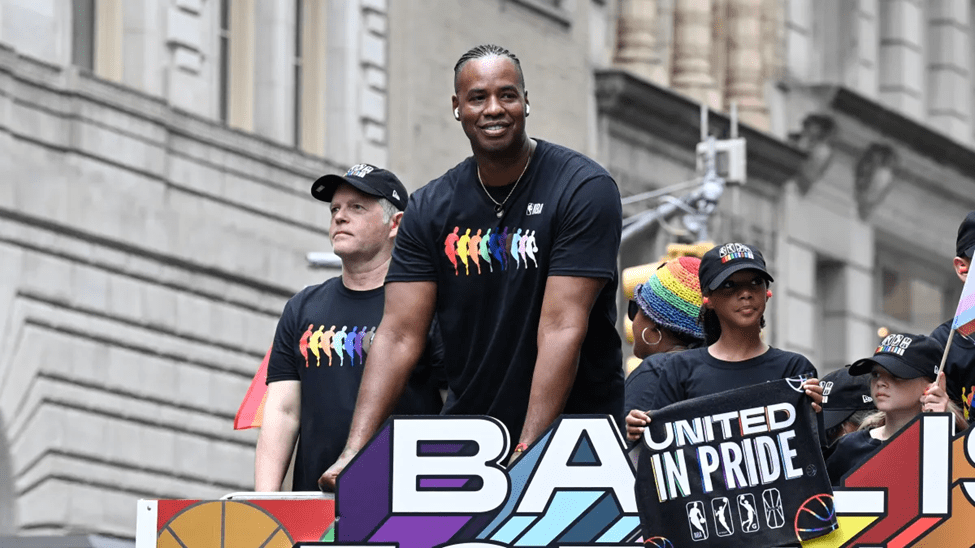
Jason Collins has always been a trailblazer. In 2013, he became the first openly gay active NBA player, shattering barriers and inspiring countless athletes and fans. Today, he faces another battle, Stage 4 glioblastoma, one of the most aggressive brain cancers known to medicine.
Collins first experienced symptoms in August 2025: confusion, memory lapses, and difficulty focusing. By September, his family announced he had a brain tumor. On December 11, Collins himself revealed the diagnosis in an ESPN essay, describing the cancer as a “monster with tentacles” spreading across his brain.
Despite the grim prognosis, median survival of 12–18 months, Collins has chosen to fight with the same toughness that defined his NBA career. Supported by his husband, Brunson Green, and buoyed by the love of his community, Collins is undergoing radiation, chemotherapy, and experimental therapies in Singapore.
Beyond basketball, Collins has always loved mentoring young athletes, advocating for LGBTQ rights, and building community. His resilience now reminds us that health is not guaranteed, and vigilance is essential.
Treatment Options
While there is no cure, treatments aim to slow tumor growth and improve quality of life:
Surgery: Removal of as much tumor as safely possible (not always feasible).
Radiation therapy: Often daily sessions over several weeks.
Chemotherapy: Typically combined with radiation.
Targeted therapy: Drugs that attack specific cancer cell mutations.
Treatments often cause side effects like fatigue, cognitive decline, or mood changes.
Delivering drugs is difficult because of the blood-brain barrier, which blocks many medications from reaching the tumor mdanderson.org.
In summary: Glioblastoma is one of the deadliest brain cancers, with rapid progression and limited treatment options. Jason Collins’ diagnosis highlights both the personal toll and the urgent need for continued research into more effective therapies.
Call to Action: We must stay on top of our health. Screenings save lives. Early detection matters. And for the LGBTQ community, rallying around Jason and his family is more than solidarity, it is a continuation of the movement he helped ignite.
Career Highlights:
13-year NBA career, playing for teams including the New Jersey Nets, Atlanta Hawks, and Washington Wizards.
Known for his defensive grit and leadership on and off the court.
In 2013, became the first openly gay active NBA player.
Post-retirement: advocate for LGBTQ rights, mentor, and public speaker.
Dr. Keyimani Alford is more than a leader; he is a storyteller, healer, and advocate whose life’s work bridges the worlds of education, authorship, and empowerment. Born in Oakland, California, and raised in Milwaukee, Wisconsin, Dr. Alford grew up navigating instability, poverty, and family absence. Those early challenges shaped his belief that education is not only a pathway to freedom but also a tool for rewriting one’s story.
As a first-generation college graduate who went on to earn his Ph.D. in Education, Dr. Alford understands the barriers faced by students from marginalized backgrounds. His research focuses on retention and persistence for first-generation and minority male students at predominantly White institutions, emphasizing that relationships and belonging are critical to success. Today, as Associate Vice President of Student Access & Success at Madison College, he leads initiatives that help students overcome financial, systemic, and personal obstacles so they can thrive. His leadership is rooted in empathy, accountability, and the conviction that systems should serve students, not the other way around.
Championing Underserved Communities
Dr. Alford’s commitment extends far beyond campus walls. Through his involvement in organizations such as WASFAA, College Goal Wisconsin, and MASFAA (where he serves as President-Elect), he advocates for policies that expand access and equity in higher education. His work ensures that underserved students, veterans, first-generation learners, and minority communities, have the support they need to persist and graduate.
He also founded Keywords Unlocked, LLC, a publishing and coaching company designed to amplify everyday voices, particularly Black and underrepresented authors. By equipping writers with tools and strategies to move from manuscript to marketplace, Dr. Alford is dismantling barriers in the publishing industry and ensuring that marginalized stories are not only told but celebrated.
Author and Storyteller
Dr. Alford’s own catalog of books reflects the power of storytelling as a tool for healing and leadership:
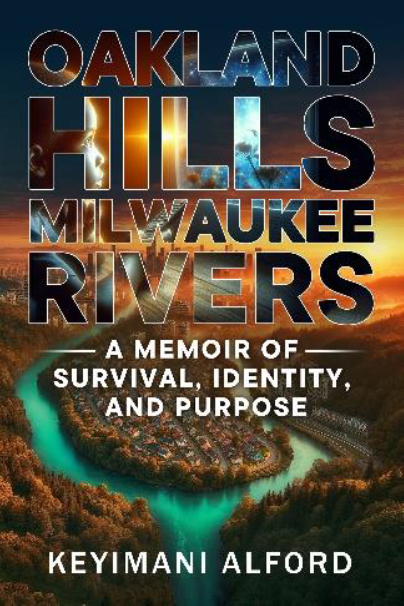
Oakland Hills, Milwaukee Rivers: A Memoir of Survival, Identity, and Purpose
In Oakland Hills, Milwaukee Rivers, I invite readers into the quiet rooms, crowded churches, and complicated family moments that shaped me as a Black boy learning to survive, belong, and believe in his own worth. This memoir walks through childhood trauma, father loss, religious shame, identity questions, and the hidden weight of silence, while tracing how grace kept showing up in unexpected people and places. It reads like sitting across from a friend who is finally telling the whole story, not the edited version.
Readers will see their own questions on these pages. The book helps them name what hurt, grieve what was taken, and begin to reclaim their voice with honesty and dignity. They walk away with language for things they have carried for years, a deeper understanding of how identity and faith can coexist with pain, and a renewed belief that their story is not over. This memoir becomes a mirror and a map for anyone who has ever felt unseen, misunderstood, or afraid to be fully themselves.
Unshaken Leadership: A Practical Blueprint for Overcoming Challenges, Learning from Mistakes, and Growing in Confidence
Unshaken Leadership pulls back the curtain on what leadership really feels like when the title sounds good, but the pressure is heavy. Drawing from more than two decades in higher education, community, and faith-based spaces, I walk readers through the unspoken realities of leading people, managing politics, navigating conflict, and making hard decisions when you still feel like you are figuring it out yourself. Each chapter blends story, reflection, and practical strategy so readers see the lessons in real situations, not just theory on a page.
This book is written for new and growing leaders who are tired of pretending they have it all together and are ready to lead with honesty, courage, and emotional intelligence. Readers gain language for the challenges they are facing, tools for balancing vision and boundaries, and frameworks they can immediately apply with their teams. The goal is simple: to help leaders stand firm when things shake around them, learn from their missteps without shame, and grow into a version of leadership that feels both effective and authentic.
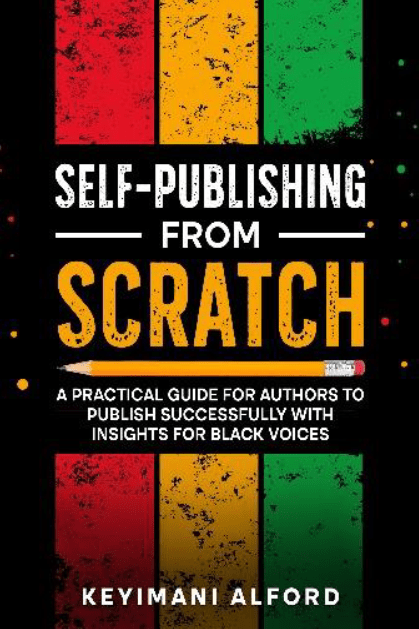
Self-Publishing from Scratch: A Practical Guide for Authors to Publish Successfully with Insights for Black Voices
Self-Publishing from Scratch is a step-by-step roadmap for everyday people who feel called to write a book and have no idea where to start. I walk readers through the full journey from idea to published book in plain language, breaking down what to write, how to edit, how to find a cover, how ISBNs work, what platforms to choose, and how to price and promote their work. Along the way, I share real stories, checklists, and behind-the-scenes lessons from my own publishing journey so readers avoid costly mistakes and gain the confidence to hit “publish” with clarity.
This book especially centers Black and underrepresented voices who have been told their stories are “too much,” “too specific,” or “too risky” for traditional publishing. Readers come away with practical tools, a realistic plan, and the encouragement that they do not have to wait for permission to become an author. By the end, they understand the business and the heart of self-publishing, and they know exactly what to do next to turn a manuscript, a journal, or even a set of notes on their phone into a book in readers’ hands.
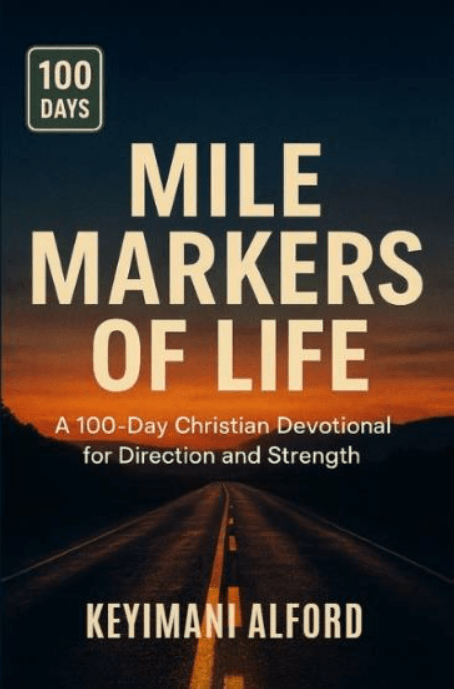
Mile Markers of Life: A 100-Day Christian Devotional for Direction and Strength
Mile Markers of Life is a 100-day devotional born from years of driving Wisconsin highways and noticing how the mile markers along the road mirrored the seasons of my own life. Each entry starts with a real-life scene and then connects it to Scripture, reflection, and a short prayer, helping readers see that God has been present in both the ordinary and painful parts of their journey. The readings are honest and accessible, designed for people who are carrying a lot and need encouragement that fits into real schedules and real emotions.
Readers will experience a devotional that speaks to fatigue, grief, uncertainty, hope, and new beginnings with gentle clarity. Every day offers direction for the heart and a small step they can take to move forward, whether that is letting something go, forgiving themselves, or daring to dream again. By the time they reach Day 100, they have traced their own “mile markers,” recognized how far they have come, and rediscovered that even in detours and delays, God has been guiding them toward healing and purpose.
A Voice of Hope and Action
Whether speaking in lecture halls, boardrooms, sanctuaries, or behind a microphone, Dr. Alford blends truth-telling with practical tools. His keynote themes, leadership with integrity, healing from trauma, equity in higher education, and empowering everyday voices, resonate because they are lived experiences, not abstract theories. Audiences leave not only inspired but equipped with frameworks and next steps to move forward.
Across every platform, Dr. Alford reminds people that their story still has chapters left and that hope is always within reach. His work as an author and advocate continues to light the way for underserved communities, proving that beginnings do not define destinies.
Adapted from reporting by Rachel Schraer, The Independent (Rethinking Global Aid Project)
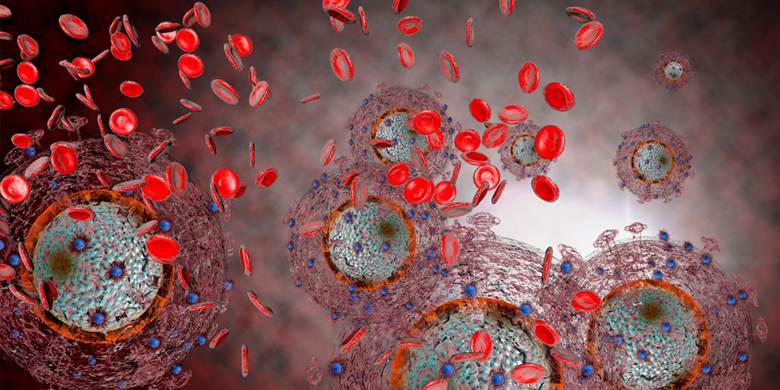
The closest thing we have to an HIV vaccine has finally arrived. Lenacapavir, a long-acting injectable medication that can prevent nearly 100% of HIV infections when administered twice yearly, is being hailed as revolutionary. Yet despite its promise, only a fraction of the people who need it will gain access.
The Numbers Behind the Breakthrough
Current plans by Gilead and international funders will provide lenacapavir to 2 million people over three years, about 666,000 annually.
Research by Dr. Andrew Hill (University of Liverpool) shows this rollout could avert 165,000 infections, but scaling up to 10 million people annually could prevent half a million infections and put us on track to ending HIV transmission.
The challenge: funding cuts, particularly from the U.S. under President Donald Trump, have left prevention efforts severely under-resourced.
The Cost and Access Challenge
In the U.S., a course of lenacapavir costs $28,000.
Thanks to advocacy and licensing agreements, the drug will be sold at no profit in low-income countries, with costs reduced to around $40 per person per year.
Gilead’s plan to reach 2 million people by 2028 is described as an “initial step,” with hopes that generic manufacturers will expand access further.
Why This Matters Globally
Anne Aslett, CEO of the Elton John AIDS Foundation, called the rollout “unprecedented,” noting that doses are arriving in Eswatini at the same time as in the U.S., a sharp contrast to the early AIDS crisis, when African nations waited more than a decade for antiretroviral drugs.
Still, she warns that funding gaps threaten progress. Vulnerable populations, young women, LGBTQ communities, sex workers, and people who use drugs, are often excluded from prevention services. Without reaching these groups, the epidemic cannot be contained.
Innovation in Delivery
Foundations are experimenting with drone deliveries of drugs and testing kits.
Digital pilots in London are making PrEP accessible directly to consumers, by passing traditional clinics.
Sub-Saharan Africa is now pioneering models of care that are more advanced than those in parts of the Global North.
🇬🇧 The UK’s Role
Mike Podmore, CEO of STOPAIDS, emphasizes that UK contributions are not just charity, they fuel domestic research and innovation. Agencies like Unitaid have invested £250m into UK universities over the past decade, strengthening both global and local HIV responses.
The UK has set a goal to end new HIV transmissions by 2030, and expanding access to lenacapavir will be critical to achieving it.
The Call to Action
Ending HIV is within reach, but only if global leaders step up. Dr. Hill and advocates worldwide are urging wealthy nations to contribute to a proposed $400m fund to expand access without undermining existing HIV programs.
This is a pivotal moment: decades of research and advocacy have brought us closer than ever to a cure. But without adequate funding, only 7% of those who need lenacapavir will receive it.
What you can do:
Sign petitions demanding governments protect and expand HIV funding.
Share this story widely to raise awareness.
Pressure policymakers to prioritize vulnerable populations in prevention programs.
Together, we can ensure that this breakthrough doesn’t stall at the starting line. Let’s end HIV and make life better for all.
Original reporting by Rachel Schraer, The Independent, as part of the “Rethinking Global Aid” project.
A German man known as “Berlin 2 (B2)” has remained in remission from HIV for six years after a stem cell transplant to treat leukemia. This marks the seventh known case of long-term HIV remission worldwide. Unlike earlier cases, B2’s donor carried only one copy of the CCR5 Δ32 mutation, previously thought insufficient for durable resistance. His remission challenges assumptions and opens new pathways for understanding how HIV reservoirs can be eliminated.
Globally, 40.8 million people were living with HIV in 2024, with 1.3 million new infections and 630,000 AIDS-related deaths. In the U.S., 39,201 new diagnoses were reported in 2023, disproportionately impacting Black and Latino communities, especially in the South.
These breakthroughs abroad raise urgent questions:
Why are Germany and Switzerland leading in remission cases, while the U.S. lags behind?
Why does America, supposedly the global leader in R&D, appear to be playing second fiddle in HIV cure research?
Is the lack of universal healthcare in the U.S. a factor in limiting access to experimental treatments?
Why does Big Pharma continue to prioritize lifelong drug regimens over potential cures?
For those living with HIV/AIDS, these questions are not abstract, they are about survival. If you are reading this and living with HIV, ask your doctor about the current status of cure research. Demand transparency.
Stem cell transplants are not scalable cures, but they prove that reservoir reduction, graft-versus-reservoir responses, and partial CCR5 protection can lead to remission. The challenge now is whether America will invest in replicating these mechanisms through gene editing and pharmaceutical innovation or continue to let others lead while its citizens wait.
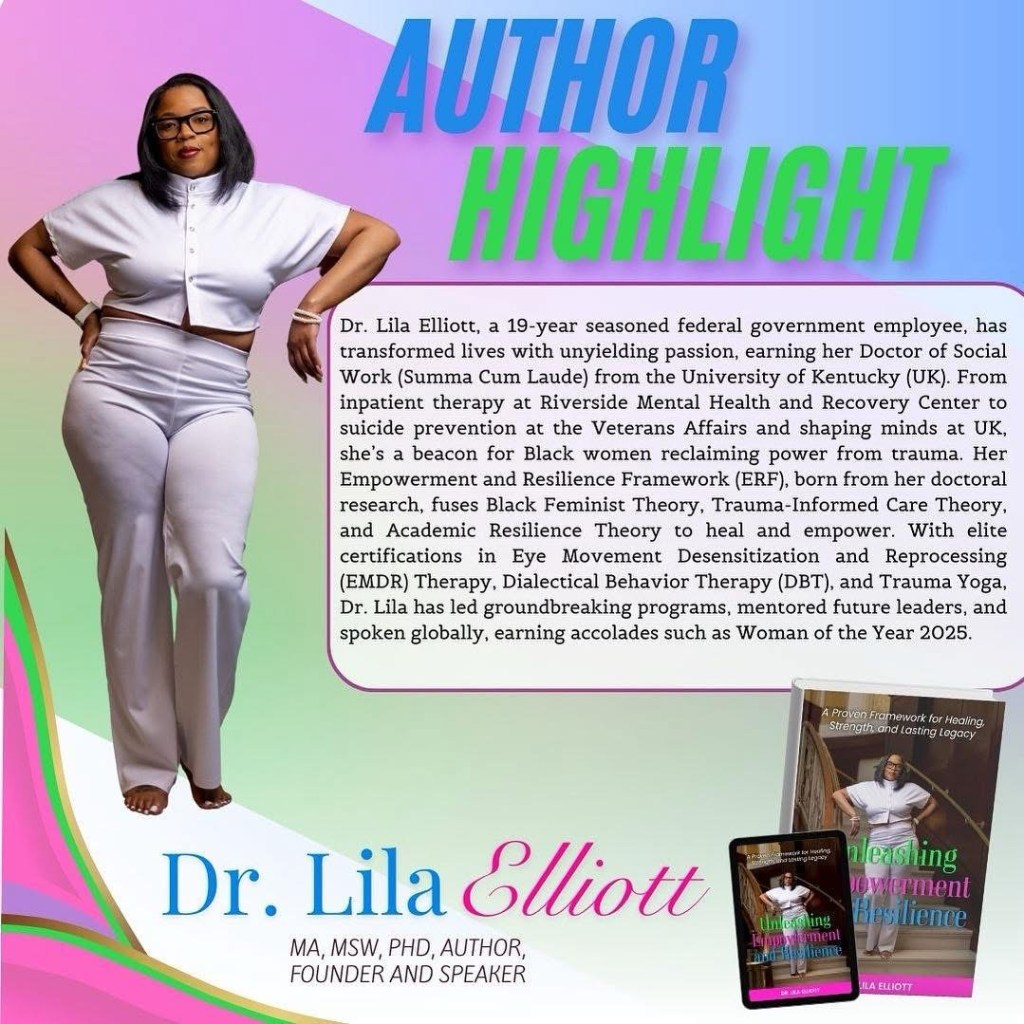
Climbers, y’all know I love amplifying powerful Black women who are doing transformational work and today I’m honored to spotlight my colleague, friend, and fellow doctor, Dr. Lila Elliott.
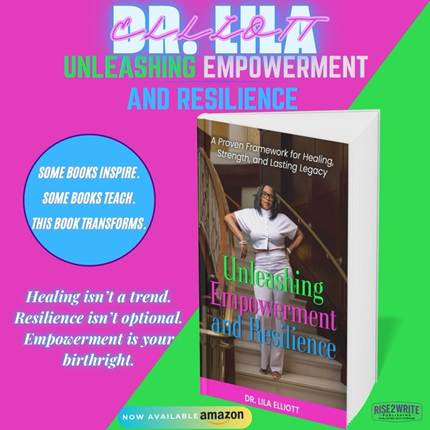
Her brand-new self-help journal, Unleashing Empowerment and Resilience, is officially OUT on Amazon and it is a must-have for anyone serious about healing, breaking cycles, and stepping into their birthright of strength.
Dr. Elliott is more than an author, she’s a visionary. With 19 years of clinical practice, research, and her doctoral capstone, she created the Empowerment and Resilience Framework (ERF), a groundbreaking model that blends Black Feminist Theory, Trauma-Informed Care, and Academic Resilience into a practical blueprint for real life.
This journal is not just for social workers or therapists. It’s for:
Black women healing childhood trauma
Corporate leaders rising above burnout
Teachers building safe spaces
Hairstylists listening to stories every day
Veterans, parents, and anyone ready to stop surviving and start thriving
Inside, you’ll find:
Practical strategies you can apply immediately
Journaling prompts to guide reflection and growth
Stories from women who reclaimed their power
Tools you can use in your home, workplace, community, and relationships
Dr. Elliott recently joined me on America in Black and White, where she shared how her work is rooted in truth-telling, resilience, and the power of Black women’s voices. Her insights reminded us that healing is not just personal, it’s communal, and it’s historical.
This book transforms you from the inside out. Imagine having a guide that teaches you to turn your pain into power, your voice into your weapon, and your story into a legacy. That’s exactly what Unleashing Empowerment and Resilience delivers.
If you have a sister, coworker, friend, or colleague who needs a reminder of who she is, gift her this journal. Healing starts with one choice. One self-help journal. One moment.
Let’s support this incredible Black woman author and help get this book into the hands of every person ready to rise.
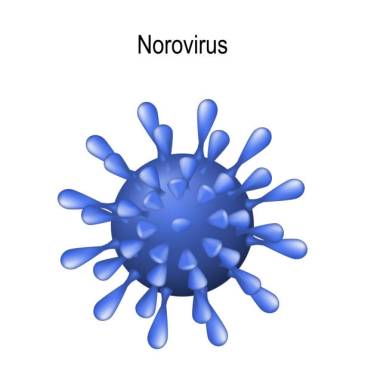
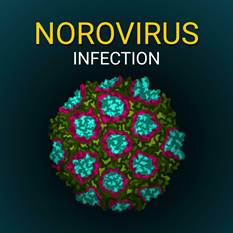
Norovirus: America’s “Winter Vomiting Disease” on the Rise
Norovirus, often called the “winter vomiting disease”, is once again sweeping across the country. Unlike other viruses with a fat-based envelope that alcohol sanitizers can break down, norovirus is encased in a rugged protein shell called a capsid, making it resistant to hand sanitizers. That means soap and water for at least 20 seconds is the most effective defense.
Current Trends and Data
CDC data shows nearly 14% of tests were positive for norovirus during the week ending Nov. 15, 2025, compared to just 7% three months earlier CBS NewsABC News.
Last December saw a record-breaking 25% positivity rate, and experts warn this winter could bring another harsh season Gizmodo.
Epic Research and WastewaterSCAN data highlight the hardest-hit states: Alabama, Nebraska, Oklahoma, Texas, Wyoming, Louisiana, Michigan, and IndianaNBC NewsABC NewsGizmodo.
Outbreaks are being reported in schools, cruise ships, and communities nationwide, with more than 200 passengers sickened aboard a luxury cruise ship this fall CBS News.
CDC Recommendations for Prevention
The CDC emphasizes several key steps to stop norovirus from spreading CDCCDC:
Wash hands thoroughly with soap and water for 20 seconds, especially after using the bathroom, changing diapers, or before preparing food.
Do not rely on hand sanitizer alone, it does not kill norovirus.
Avoid preparing food or caring for others while sick, and wait at least 48 hours after symptoms stop before resuming these activities.
Cook shellfish thoroughly to at least 145°F and wash fruits and vegetables well.
Clean and disinfect contaminated surfaces using bleach-based solutions or EPA-approved disinfectants effective against norovirus.
Wash contaminated laundry with hot water and detergent, then machine dry at high heat.
Why This Matters
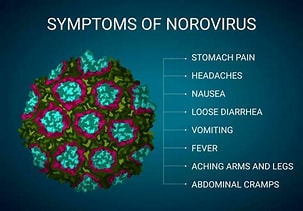
Norovirus is the leading cause of foodborne illness in the U.S., responsible for 20 million infections annually, over 100,000 hospitalizations, and nearly 900 deaths each yearCBS News. It spreads easily through contaminated food, water, surfaces, and person-to-person contact. Symptoms, nausea, vomiting, diarrhea, and stomach cramps, can appear within 12–48 hours and last 1–3 days. Vulnerable groups include young children, older adults, and those with weakened immune systems.
Community Call to Action
This surge is not just a public health issue, it’s a matter of community responsibility. By practicing rigorous hygiene, safe food handling, and responsible caregiving, we can protect ourselves and those most at risk. Norovirus thrives in close-contact environments, but prevention is in our hands, literally.
By Charles Zackary King | Inspired by reporting from Chris Bradford, The US Sun
In a chilling development that’s left seafood lovers reeling, the FDA has expanded its warning about potentially radioactive shrimp, this time targeting products sold at Kroger, Fred Meyer, and other affiliated stores. The recall follows earlier alerts involving Walmart and Sam’s Club, and now includes over 60,000 bags of frozen shrimp suspected of contamination with Cesium-137, a radioactive isotope known to damage DNA and increase cancer risk.
Among the recalled items:
Nearly 50,000 bags of Kroger’s Raw Colossal peel shrimp (blue band, best by April 2027)
Over 17,000 bags of AquaStar tail-on shrimp skewers
Around 18,000 bags of Kroger Mercado medium peeled tail-off shrimp (best before October 22–23, 2027)
These products were sold between June 12 and September 17 across California, Georgia, Oregon, Texas, Wisconsin, West Virginia, and Wyoming. Kroger-owned stores affected include Ralph’s, Fry’s, Fred Meyer, and Smith’s.
While no illnesses have been reported, the FDA and food safety experts urge consumers to take the recall seriously. Cesium-137 exposure can cause symptoms such as nausea, fatigue, and hair loss. Experts recommend:
Do not consume the affected shrimp
Do not donate or feed it to pets
If unopened, keep it sealed and return it for a refund
If opened, wash hands thoroughly with soap and warm water for 20 seconds
Walmart previously recalled three types of Great Value brand frozen shrimp with best by dates of March 15, 2027. Arctic Shores and Sand Bar shrimp were also pulled from shelves in August.
Walmart stated:
“We work swiftly to block the item from being sold and remove it from our stores and clubs.”
This isn’t just a food safety issue, it’s a consumer trust issue. As radioactive concerns ripple through the seafood supply chain, the question becomes: how did this happen, and how do we prevent it from happening again?
📝 Original reporting by Chris Bradford, The US Sun. Source: FoodSafety.gov
By Charles Zackary King | Inspired by reporting from Julia Gomez & Greta Cross, USA TODAY
For decades, Chagas disease, also known as “kissing bug” disease, was considered a threat confined to Latin America. But new research is challenging that assumption, urging the Centers for Disease Control and Prevention (CDC) to declare it endemic in the United States.
Since 2013, over 10,000 sightings of triatomine bugs (the blood-feeding insects that carry the parasite Trypanosoma cruzi) have been reported across 31 states. These bugs, nicknamed “kissing bugs” for their tendency to bite near the mouth, are more than a nuisance, they’re potential carriers of a deadly parasite. Alarmingly, 55% of the bugs tested in a nationwide Texas A&M University program were found to carry T. cruzi, the parasite responsible for Chagas disease.
What makes this moment urgent is the shift from imported cases to domestic transmission. In eight states, California, Texas, Arizona, Louisiana, Mississippi, Arkansas, Missouri, and Tennessee, humans have contracted Chagas disease locally, without international travel. That’s a seismic shift in how we understand vector-borne disease in America.
Chagas disease unfolds in two stages: acute and chronic. Early symptoms include fever, diarrhea, and swollen eyelids (known as Romaña’s sign). But the chronic phase can be far more devastating, leading to heart failure, digestive complications, and even sudden death. The CDC estimates that 20–30% of infected individuals will develop serious complications.
Despite this, Chagas remains underreported. It’s not a nationally notifiable disease, meaning healthcare providers aren’t required to report cases. This lack of surveillance leaves vulnerable communities, especially in the rural South, at risk and under-informed.
Animals, particularly dogs, are also susceptible. Cases have been documented in 18 states, including Georgia, Alabama, Florida, and the Carolinas. The parasite’s reach is expanding, and so must our awareness.
This isn’t just a health story, it’s a justice story. It’s about who gets protected, who gets ignored, and how we respond when the invisible becomes undeniable. As we confront the realities of climate change, migration, and neglected diseases, Chagas is a wake-up call.
It’s time to ask: What else is hiding in plain sight?
📝 Original reporting by Julia Gomez and Greta Cross, USA TODAY. Published September 25, 2025. Read the full article on NewsBreak.
In the heart of St. Louis during the 1950s and 1960s, a mysterious fog drifted through the streets of predominantly Black neighborhoods. Children played in it. Families breathed it in. And for decades, no one knew the truth: this was not just fog, it was a government experiment.
What Was Sprayed?
The U.S. Army admitted in 1994 to secretly spraying zinc cadmium sulfide, a compound containing cadmium, a known carcinogen, over areas like the Pruitt-Igoe housing complex. The tests were part of a Cold War program called “Large Area Coverage,” designed to simulate biological warfare dispersal patterns.
St. Louis was chosen because its urban layout resembled Moscow, making it a proxy for Soviet cities in case of attack. Army documents described the targeted area as a “densely populated slum district,” with about 75% of residents being Black.
How It Was Done
The chemical was dispersed from:
Motorized blowers atop high-rise buildings
Station wagons driving slowly through neighborhoods
Rooftops and schools, often by men in hazmat suits posing as maintenance workers
Residents recall a thick, sickening fog that clung to their skin and filled the air with a chemical tang. Some children ran through it, thinking it was harmless. Others fell ill immediately.
“It was such a sickening, nauseating, it was horrible. You couldn’t see through it.”, Jacquelyn Russell
Who Was Affected?
The long-term health consequences remain deeply troubling:
Doris Spates lost her father three months after her birth in 1955 and later watched four siblings die of cancer
Mary Helen Brindell, who lived in a mixed-race neighborhood, battled four types of cancer: breast, thyroid, skin, and uterine
Ben Phillips attended 10 funerals, with 7–8 cancer-related deaths among friends and neighbors
Dr. Michael Starks had part of his kidney removed due to cancer
Many residents believe their illnesses, including kidney, brain, and eye cancers, stem from exposure to the fog.
When Did Complaints Begin?
The truth began to surface in 1994, when the government declassified documents revealing the tests. Sociologist Lisa Martino-Taylor later published research in 2012 suggesting radioactive particles may have been mixed into the compound, though direct proof remains elusive.
Community leaders like Ben Phillips and Chester Deanes formed PHACTS (Pruitt-Igoe Historical Accounting, Compensation, and Truth Seeking) to demand justice.
What Was the Resolution?
In 1997, the National Research Council concluded that the tests did not expose residents to harmful levels—based on limited animal data
No follow-up studies were confirmed, and no compensation or formal apology has been issued to affected residents
In 2023, Senator Josh Hawley introduced legislation to expand Cold War-era compensation programs. Advocates are pushing to include Pruitt-Igoe victims in this effort
“We were experimented on. That was a plan. And it wasn’t an accident.” Ben Phillips
Why This Matters Today
This story is not just a historical footnote, it’s a call to action. It underscores the systemic disregard for Black lives, the legacy of environmental racism, and the urgent need for accountability. For Charles and others building platforms rooted in justice and legacy, this is a moment to amplify truth, honor resilience, and demand reparative action.








 Changing Trends and Times