In a disturbing development, the U.S. Food and Drug Administration (FDA) has issued a public health warning about radioactive contamination in frozen shrimp sold under Walmart’s Great Value brand. The culprit? Cesium-137—a radioactive isotope linked to nuclear fission and long-term cancer risk.
This isn’t just a food recall. It’s a wake-up call.
What’s Happening?
On August 19, the FDA confirmed Cesium-137 contamination in frozen shrimp processed by PT. Bahari Makmur Sejati (BMS Foods) of Indonesia. The radioactive material was first detected by U.S. Customs & Border Protection at ports in Los Angeles, Houston, Savannah, and Miami. Subsequent FDA testing revealed Cs-137 in one sample of breaded shrimp.
While the FDA states the contamination doesn’t pose an immediate hazard, repeated exposure could damage DNA and increase cancer risk over time. That’s not a risk anyone should take lightly.
Products Recalled
If you’ve purchased frozen shrimp from Walmart recently, check your freezer immediately. The following products are part of the recall:
Brand
Product Type
Lot Code
Best By Date
Great Value
Frozen Raw Shrimp
8005540-1
3/15/2027
Great Value
Frozen Raw Shrimp
8005538-1
3/15/2027
Great Value
Frozen Raw Shrimp
8005539-1
3/15/2027
States Affected
These products were sold in Walmart stores across 13 states:
Alabama
Arkansas
Florida
Georgia
Kentucky
Louisiana
Missouri
Mississippi
Ohio
Oklahoma
Pennsylvania
Texas
West Virginia
If you live in one of these states, please take this warning seriously.
Why This Matters
The FDA noted that the shrimp may have been “prepared, packed, or held under insanitary conditions.” That alone is cause for concern but the presence of Cesium-137 elevates this to a public health emergency.
This radioactive isotope is not naturally found in food. Its presence signals contamination from human activity, likely linked to nuclear processes. Even trace exposure over time can lead to serious health consequences.
What You Should Do
Check your freezer immediately.
If you find any of the recalled shrimp, throw it away.
Do NOT eat or serve it.
Share this information with your family, friends, and community.
Call to Action
We must protect our communities from hidden dangers. Food safety is not optional, it’s a right. If you’ve purchased Great Value frozen shrimp recently, act now. Don’t wait for symptoms. Don’t assume it’s safe. Spread the word.
Share this post. Alert your neighbors. Contact your local Walmart. Demand accountability.
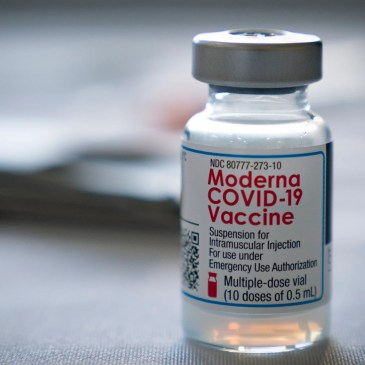
We’ve entered a new chapter in the COVID-19 story and it’s moving fast.
The latest variant, XFG nicknamed “Stratus” is now the dominant strain in the United States. In just a few short months, it’s gone from zero reported cases to accounting for nearly half of all infections nationwide. And while the headlines may feel familiar, the threat is real, and the timing couldn’t be worse.
A Surge We Can’t Ignore
Stratus has been confirmed in wastewater across 30 states, but the CDC believes cases are rising in 45 and not declining anywhere. Emergency room visits are up across all age groups, just as schools reopen and families return to crowded routines.
This isn’t a drill. It’s a late summer surge with serious implications.
What Makes Stratus Different?
Stratus is a hybrid of variants F.7 and LP.8.1.2, and it’s spreading globally. Scientists say it’s more transmissible than previous strains including the earlier Nimbus variant. It carries unique mutations in its spike protein that help it evade antibodies from prior infections and vaccinations.
That means even if you’ve had COVID before or are vaccinated you’re not immune to infection. The good news? Vaccines still help reduce the risk of severe illness. But prevention is key.
Where It’s Hitting Hard
While the national viral level is considered “moderate,” 14 states are seeing high or very high activity. California, Nevada, Utah, Colorado, Texas, Hawaii, and Louisiana are among the hardest hit and surrounding states aren’t far behind.
This isn’t isolated. It’s widespread. And it’s accelerating.
Symptoms to Watch For
Stratus symptoms mirror previous variants, but with a twist:
Less frequent loss of taste or smell
More common sore throat and hoarseness
Fatigue, congestion, and fever remain typical
If you feel “off,” don’t brush it off. Get tested. Mask up. Protect your circle.
Why This Matters
We’ve been here before. But complacency is dangerous. Lower reporting levels mean we’re flying blind in many areas. The virus is adapting. And we must respond with urgency, not indifference.
This is about protecting our elders, our children, our communities. It’s about staying informed, staying vigilant, and staying united.
What You Can Do Right Now
Get vaccinated or boosted if you haven’t already
Wear a mask in crowded or indoor spaces
Stay home if you’re sick even mildly
Check local health updates and CDC wastewater data
Support vulnerable neighbors with resources and care
We don’t need panic. We need preparation.
Final Word
Stratus is not just another variant it’s a reminder. A reminder that COVID-19 is still evolving. That our response must evolve with it. That our communities especially the most vulnerable deserve truth, protection, and action.
Let’s not wait for the numbers to spike. Let’s move now.
In recent months, the safety of the food supply in the United States has come under increasing scrutiny, particularly regarding egg recalls. Alarmingly, June has already seen three major recalls of eggs, with each incident becoming larger in scope. The most recent recall involved a distributor—whose name will remain anonymous for now—that sold eggs to multiple retailers, including Walmart, during the critical time frame of February 3rd to May 15th. It begs the question: How is it possible that in just a few months, the USDA and the FDA—the agencies tasked with protecting American consumers—seem to be dropping the ball on food safety?
Egg Recall Targets
The eggs in question have sell-by dates ranging from March 4th to June 4th, and one recall even includes dates as late as June 19th. These recalls are attributed to the presence of Salmonella, a bacteria that can be life-threatening, especially for vulnerable populations such as children, the elderly, and those with compromised immune systems. Alarmingly, this is the third major egg recall within the first half of the year. Despite the escalating risk, there has been no equivalent focus on recalls for chicken, even though birds are often the source of salmonella infections. How can it be that eggs have tested positive for Salmonella, yet there is no parallel investigation or recall concerning potentially infected chicken? This raises concerns about the oversight of poultry safety standards and the health risks posed to consumers.
A Pattern of Recalls and Inaction
The sheer volume of recalls presents a troubling pattern that makes one wonder about the current state of food safety in America. Walmart’s name has cropped up more than once in major food recalls, which raises eyebrows. While this article is not accusing Walmart or any retailer of intentional wrongdoing, the frequency of these incidents begs for scrutiny. In addition to the egg recalls, a slew of other food safety alerts have appeared. Just recently, Bornstein Seafoods issued a recall for 45,000 pounds of cooked and peeled shrimp meat due to potential Listeria contamination. This particular bacteria can also lead to serious infections, particularly in at-risk populations. Meanwhile, Coca-Cola’s Topo Chico Mineral Water was recalled for possible contamination with Pseudomonas, a bacterium naturally found in water sources that has the potential to cause serious infections.
A Call for Accountability
So, what is happening with the USDA and the FDA? Once regarded as the frontline defenders against foodborne illnesses and unsafe food practices, both agencies appear to be struggling with enforcement and rapid response to these issues. The question arises: Are regulatory standards being sufficiently upheld, or have they been diluted under the pressures of economic interests? The current administration brings back memories of the last time we saw significant regulatory rollbacks, which many believe have made the American public more vulnerable to foodborne illnesses. As recalls pile up, it is puzzling that the regulatory agencies haven’t taken visible, decisive actions to ensure consumer safety.
Trust in Our Food Supply
For consumers, the implications of these food recalls are nothing short of alarming. It raises trust issues surrounding the very systems put in place to ensure our food is safe. As we read about these recalls, it’s easy to feel overwhelmed or exposed to risks that should have been managed by authorities. Questions must be raised: Why are recalls happening at such a frequent pace? What can be done to bolster consumer protection? Where are the calls for regulatory reform to bring the USDA and FDA back to their original mandate of protecting the public? As the landscape of food safety continues to evolve, it is paramount that consumers remain vigilant, proactive, and informed. The time has come for a serious examination of our food safety regulations and for agencies to reassert their commitment to public health. The health and well-being of American consumers depend on it.
My name is Wayne Albert Moody. Originally from Heaven but was dropped off in a piece of Heaven called Belize. Have been teaching since I’ve been 7/8 years old. Started my world changing journey at the age of 18 years old. Been an educator and disciple maker for over 44 years. Been a Certified Dream Builder Life Coach for over 6 years. I am a transformational teacher, motivational speaker, serving individuals, teaching what I’m living and living what I’m teaching, taking dreams from conception to manifestation!
Wayne Moody’s journey into life coaching wasn’t just a career move—it was a calling. From his early experiences navigating personal growth to his deep commitment to helping others unlock their potential, Moody has built a legacy rooted in transformation and empowerment.
His path led him to create Dream Builders, a coaching initiative designed to guide individuals toward their aspirations with clarity and confidence. Through Dream Builders, Moody has cultivated a space where people can break through limitations, embrace change, and step into their fullest potential.
What started as a personal mission soon expanded into a thriving movement. Moody’s approach—grounded in spiritual awareness, resilience, and actionable strategies—has resonated with countless individuals seeking direction. His mentorship, alongside fellow Dream Builder coaches, has helped people redefine their paths, whether in business, relationships, or personal fulfillment.
As Dream Builders continues to grow, Moody remains committed to expanding its reach, ensuring that more people have access to the tools and guidance needed to build the lives they envision. His work stands as a testament to the power of belief, strategy, and unwavering dedication to personal transformation.
For more insights into his journey, check out his conversation on the LFTLR Podcast.
You can connect with Wayne via his website. Please click the link below
In a major stride for HIV prevention, the Biden administration announced recently that long-acting injectable PrEP, sold as Apretude by ViiV Healthcare, will now be covered without cost-sharing under the Affordable Care Act (ACA). This policy shift is significant in making HIV prevention tools more accessible. However, for many Black Americans and those living in rural areas, barriers to healthcare persist, limiting the full potential of this policy change.
The Disparity in Access to PrEP
While this new policy represents progress, the reality is that Black people—who are disproportionately affected by HIV—are still underrepresented among those using PrEP. Despite making up over 40% of new HIV diagnoses in the U.S., only about 11% of PrEP users are Black, according to the Centers for Disease Control and Prevention (CDC). These numbers reveal the systemic barriers that exist: financial challenges, healthcare access gaps, and lingering stigma that keep many from obtaining life-saving medication.
In States Like Georgia, Where Medicaid Has Yet to Expand, HIV Rates Remain Alarmingly High
In states like Georgia, where Medicaid has yet to expand under the Affordable Care Act (ACA), HIV infection rates remain among the highest in the nation. The consequences of this policy decision are staggering. According to the most recent CDC surveillance data from 2023, Georgia reported over 2,674 new HIV diagnoses, placing it at the forefront of the ongoing HIV epidemic in the United States.
Despite widespread advances in treatment, Georgia’s healthcare system continues to face significant challenges, particularly in achieving viral suppression among its population living with HIV. Roughly 72% of people living with HIV in the state have not reached viral suppression, a rate well above the national average of 58%. This failure not only heightens the risk of HIV transmission but also places Georgia’s most vulnerable populations in an untenable situation.
The city of Atlanta, in particular, bears the brunt of this crisis. Recent data from the CDC, the Georgia Department of Public Health, and AIDSVu place Atlanta as third in the nation for the highest number of people living with HIV, trailing only Miami and New York City. In specific communities, particularly those with large Black and Brown populations, infection rates are comparable to those seen in regions of sub-Saharan Africa. In some areas of Atlanta, the prevalence of HIV mirrors the situation in countries like South Africa or Eswatini, where access to healthcare resources remains limited and the virus continues to pose significant public health challenges.
In contrast, states like Louisiana, which expanded Medicaid in 2016, have seen significant improvements in their public health outcomes related to HIV. Louisiana’s experience demonstrates the impact that Medicaid expansion can have on populations affected by HIV. According to the Louisiana Department of Health, viral suppression rates in the state rose from 63% in 2016 to 82% by 2022, and new diagnoses dropped by 20%. Louisiana’s expansion allowed thousands more residents to access crucial services, including PrEP—pre-exposure prophylaxis, a life-saving medication that helps prevent HIV transmission.
However, in Georgia, thousands of residents remain uninsured and unable to afford these same preventative measures. The failure to adopt Medicaid expansion in the state has created a vacuum in the healthcare system, leaving vulnerable populations without the necessary tools to protect themselves or manage their conditions. This gap in coverage disproportionately affects Georgia’s Black and Brown communities, where socioeconomic factors exacerbate existing health disparities.
The lack of access to PrEP in Georgia is especially concerning. PrEP has been widely recognized as one of the most effective tools in preventing HIV transmission, but without access to affordable healthcare, many Georgians are unable to benefit from it. In states that have embraced Medicaid expansion, PrEP has been made more readily available to populations at risk, resulting in significant reductions in new HIV infections.
The contrast between Georgia and states like Louisiana underscores a broader public health failure. While Medicaid expansion has been proven to improve health outcomes and reduce the spread of HIV, Georgia remains one of the 10 states that have resisted expanding coverage. This resistance leaves the state’s residents at a higher risk of HIV transmission and prevents thousands of people from achieving viral suppression, perpetuating a cycle of preventable infections.
The urgency of this crisis cannot be overstated. Georgia’s decision not to expand Medicaid is contributing to an ongoing public health catastrophe. Without bold action from state leaders and policymakers, the state will continue to fall behind in addressing one of the most pressing healthcare issues of our time.
As the evidence from Louisiana shows, Medicaid expansion is not just a policy choice—it is a life-saving measure. By expanding access to healthcare, Georgia could prevent new infections, improve viral suppression rates, and offer a path forward for thousands of people living with HIV. The stakes are high, and the time for action is now.
The current situation in Georgia should serve as a wake-up call to policymakers and healthcare leaders across the country. As the state grapples with the consequences of inaction, the need for comprehensive healthcare reform becomes clearer with each passing day. Until Georgia expands Medicaid and prioritizes HIV prevention and care, it will continue to suffer the consequences of a public health system that leaves too many behind.
Breaking Barriers: The Role of PrEP in HIV Prevention
PrEP, or pre-exposure prophylaxis, is a critical tool in preventing the spread of HIV. For those at higher risk, particularly in marginalized communities, PrEP offers a way to stay HIV-negative. Yet, too few people who could benefit from this treatment are using it. Barriers such as cost, geographic location, and a lack of healthcare providers familiar with HIV prevention often make it difficult to access.
Take Darrell, a sex worker who faced significant barriers to accessing PrEP in his rural community. Before the Affordable Care Act mandated expanded access, Darrell, who knew he was at higher risk for HIV, couldn’t afford PrEP or find local clinics that offered it.
“I remember feeling like I had no options,” Darrell shares. “I was in an industry where the risk was high, but I didn’t have the resources to protect myself. Once I was able to get on PrEP, everything changed. I’m HIV-negative today, and I’m living my life without fear.”
Darrell’s story is not unique. Thousands of Black Americans, particularly in rural areas, face similar struggles. Even with the Biden administration’s new policy, ensuring access for everyone remains a significant challenge.
Rural America and the Gaps in Healthcare Access
The barriers to healthcare are particularly stark in rural communities.
In these areas, healthcare providers familiar with HIV prevention are few, and geographic isolation makes it harder for people to reach the services they need. For many, even if PrEP is available at no cost, they may still need to travel long distances to find a clinic or pharmacy that offers it.
This problem is compounded by many pharmacies in rural areas lacking the infrastructure to bill for Medicare Part B, which now covers injectable PrEP. The gap in services is a serious barrier to ensuring that rural residents, many of whom are Black or LGBTQ+, can benefit from the new policy.
States like Mississippi and Alabama—which have some of the highest rates of new HIV infections in the U.S.—are prime examples of the challenges rural populations face. In Mississippi, for example, less than 5% of those who could benefit from PrEP are currently using it, reflecting a critical need to address these access gaps.
Dr. Michael Saag from the University of Alabama at Birmingham’s 1917 Clinic highlights how stigma and long distances are key challenges: “People want to avoid being seen at clinics known for HIV care, so many end up traveling to other cities for privacy.” In Mississippi, Dr. Robert Brock of UMMC explains that patients may travel over 50 miles to find the nearest pharmacy or clinic capable of providing HIV treatment.
To address these gaps, programs like mobile testing units and expanded telemedicine have been instrumental in reducing the burden of travel and increasing access to care. Policy changes to better support rural pharmacies and clinics can also help ensure that residents in these underserved regions receive the care they need without the barriers of distance and stigma.
To be continued in Part Two…
“Miles Apart Confronting Stigma and Barriers in HIV Care for Rural America”
Dash Daggs
Community Activist | Business Consultant | Writer Director of Development & CommunicationPower Atlanta Inc.
“Empowering communities, one step at a time, for a future where every voice matters.” Email: poweredbydash@gmail.com
Please read this article because I know you know someone living with HIV. I want to thank Dash for writing this article and giving this update alluding to Public Health. This is so important.





 Changing Trends and Times