From Chains to Crowns: The Legacy of William Dorsey Swann

By Charles Zackary King
America in Black and White | Changing Trends and Times

In the tapestry of Black history and LGBTQ+ resistance, few threads shine as defiantly as that of William Dorsey Swann. Born into slavery in March 1860 in Hancock, Maryland, Swann would become the first known American to self-identify as a “queen of drag”—and the first to lead a documented queer resistance group in the United States Wikipedia Smithsonian Magazine.
Childhood in Chains

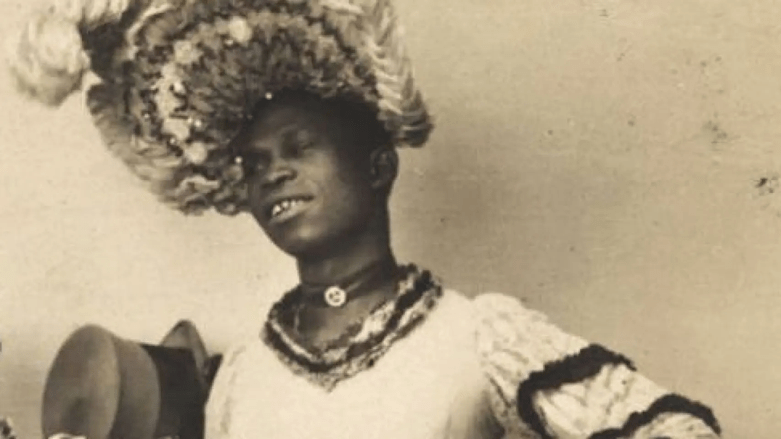
Swann was the fifth of thirteen children in a Protestant family enslaved by Ann Murray. His mother, Mary Jane Younker, was a housekeeper, and his father, Andrew Jackson Swann, farmed wheat. After emancipation, the Swann family purchased land and began farming, but poverty and racial barriers loomed large. William, like many formerly enslaved children, was denied formal education and began working young Boundary Stones.

Early Adulthood & Convictions

In his twenties, Swann moved to Washington, D.C., working as a hotel waiter and janitor. He was arrested in 1882 for petty larceny—stealing books and household items—but his employers and even the sentencing judge vouched for his character, describing him as “industrious, refined, gentle, and courteous.” This moment revealed Swann’s hunger for knowledge and dignity, even in the face of criminalization Rediscovering Black History.
The Queen of Drag

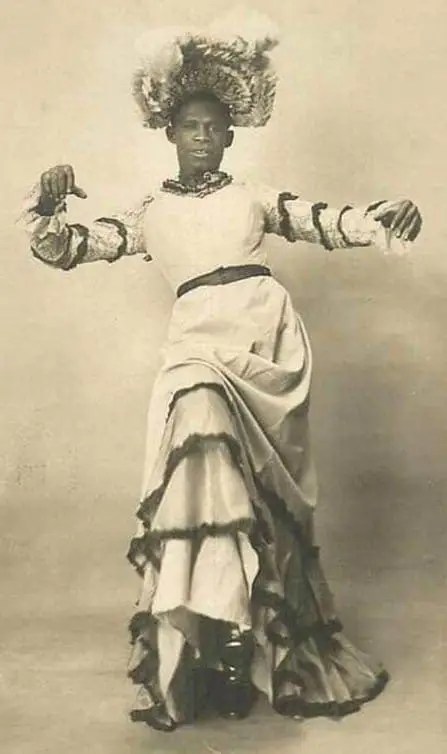
By the late 1880s, Swann was hosting secret drag balls in D.C.—lavish, defiant celebrations of identity and joy. These gatherings, attended by formerly enslaved Black men, featured silk gowns, corsets, and the iconic cakewalk dance, a precursor to modern voguing. Swann called himself the “queen of drag,” and his events became sanctuaries of self-expression and resistance Wikipedia Smithsonian Magazine.

On April 12, 1888, during his 30th birthday celebration, police raided the party. Swann, dressed in cream-colored satin, resisted arrest and famously declared to an officer, “You is no gentleman.” This act of defiance is now recognized as one of the earliest documented instances of queer resistance in U.S. history Wikipedia.

Legal Resistance & Legacy

In 1896, Swann was convicted of “keeping a disorderly house”—a euphemism for running a brothel, though he was simply hosting another drag ball. He petitioned President Grover Cleveland for a pardon, making him the first American to take legal action to defend the LGBTQ+ community’s right to gather. Though denied, his courage laid the groundwork for future civil rights battles Rediscovering Black History.

Swann’s later years were quieter, but his legacy endured. His brother Daniel continued making drag costumes for decades. Swann died around December 23, 1925, at age 65. After his death, local officials burned his home—a final act of erasure that history is now reversing Wikipedia.

Influence on Today’s LGBTQ+ Culture
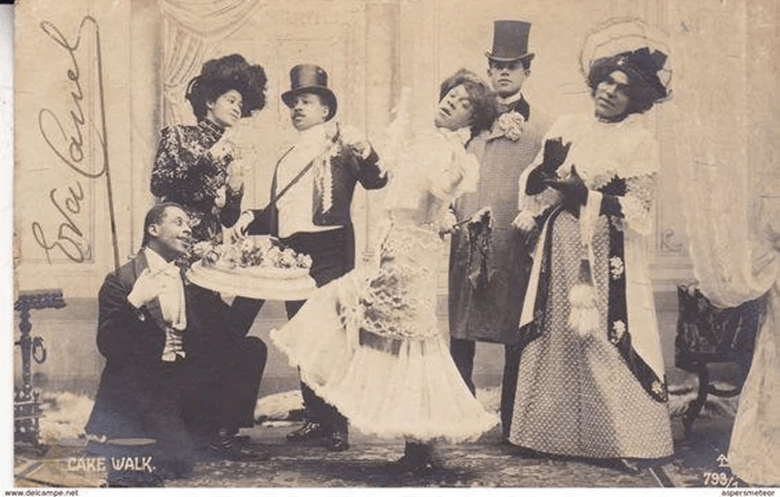
Swann’s drag balls were the blueprint for the ballroom culture that flourished in Harlem and beyond. His use of the cakewalk, his unapologetic identity, and his insistence on joy and community in the face of oppression echo in today’s voguing, drag pageantry, and queer activism.

In an era where drag is both celebrated and politicized, Swann’s story reminds us that Black queer resistance is not new—it is foundational.
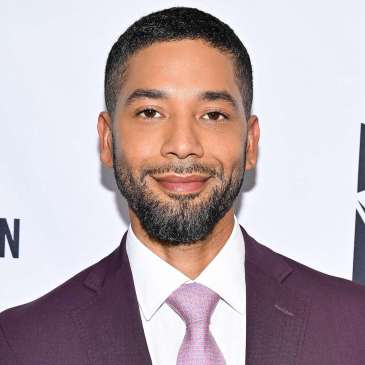
Jussie Smollett: From Scandal to Strength A Journey of Resilience, Artistry, and Truth

In the ever-evolving narrative of Black celebrity, few stories have been as polarizing and as quietly redemptive as that of Jussie Smollett. Once celebrated for his role as Jamal Lyon on Fox’s Empire, Smollett became the center of a national firestorm in 2019 after reporting a homophobic and racist attack in Chicago. What followed was a legal saga that tested the boundaries of justice, media bias, and public perception.

But today, Smollett stands not just as a survivor of controversy but as a creator, a truth-teller, and a proud voice within the Black LGBTQ+ community.

The Incident That Shook a Nation

In January 2019, Smollett alleged that he was assaulted by two men who hurled racial and homophobic slurs, poured a chemical substance on him, and tied a rope around his neck. The initial outpouring of support quickly turned into skepticism as Chicago police accused Smollett of staging the attack. He was charged with 16 felony counts of disorderly conduct for filing a false police report.

Though the charges were dropped in March 2019 after a plea agreement, Smollett was re-indicted in 2020. In 2021, he was convicted on five counts and sentenced to 150 days in jail, probation, and restitution. But in a dramatic turn, the Illinois Supreme Court reversed the conviction in 2024, ruling that Smollett had fulfilled the terms of his original plea deal.

Reclaiming the Narrative Through Art

Rather than retreat, Smollett returned to the public eye with purpose. He directed and starred in The Lost Holliday (2024), his first film since the controversy, showcasing his continued commitment to storytelling. He also participated in Jussie Smollett: Anatomy of a Hoax (2023), a provocative docuseries that examined the case from multiple angles.

But it was Netflix’s The Truth About Jussie Smollett? (August 2025) that marked his most personal and powerful comeback. In the documentary, Smollett shares his side of the story, unwavering in his claim of innocence and reflecting on the toll of public scrutiny. “My story has never changed,” he says. “Flaws and greatness, whatever you think, the fact is, I didn’t do that. And that’s all that matters”.

A Voice for the Queer Black Community

Throughout his journey, Smollett has remained deeply connected to the communities that shaped him. “It means a great deal to have the love and support of my queer Black community and equally to have the love and support of the Black community as a whole,” he told The Hollywood Reporter in 2024.

His resilience is a reminder that Black LGBTQ+ voices deserve not only visibility but grace, complexity, and space to heal.

Love, Healing, and What’s Next

In June 2025, Smollett announced his engagement to Jabari Redd, a moment of joy and affirmation after years of turmoil. He’s also set to appear in Season 3 of Fox’s Special Forces, continuing to push boundaries in entertainment and representation.

Legacy Beyond the Headlines

Jussie Smollett’s story is not just about scandal, it’s about survival, artistry, and the fight to reclaim one’s truth. It’s about the power of Black queer resilience in a system that often seeks to erase it.

At Changing Trends and Times, we honor stories like Smollett’s because they reflect the complexity of our humanity. They challenge us to look deeper, listen harder, and uplift those who dare to stand in their truth, even when the world turns its back.

Call to Action: Support, Share, Empower

Stream Jussie’s Projects
Watch The Truth About Jussie Smollett? on Netflix and The Lost Holliday on select streaming platforms. These works offer insight, healing, and a bold reclaiming of narrative.

Champion Black LGBTQ+ Creators
Support artists, entrepreneurs, and storytellers who reflect the richness of our community. Your engagement fuels visibility and legacy.

Share This Post
Let this story spark dialogue. Let it remind us that justice isn’t always linear but truth, when spoken boldly, can still rise.

Norris B. Herndon: A Quiet Force Behind Black Wealth and LGBTQ+ Legacy

In the tapestry of Black excellence, some threads shimmer quietly, woven not with fanfare, but with steadfast resilience and visionary leadership. Norris Bumstead Herndon, the second president of Atlanta Life Insurance Company, was one such thread. His story is not only one of business brilliance but also of quiet courage, lived identity, and a legacy that continues to empower generations of Black entrepreneurs and LGBTQ+ trailblazers.

Born Into Legacy, Raised With Expectation

Born in Atlanta, Georgia, in 1897, Norris Herndon was the only child of Adrienne McNeil and Alonzo Herndon, a formerly enslaved man who built Atlanta Life into one of the most successful Black-owned businesses in America. From a young age, Norris was immersed in the world of Black leadership, his father took him to the founding meeting of the Niagara Movement, a precursor to the NAACP, when he was just seven years old.

Educated at Atlanta University and later Harvard Business School (where he was one of only two Black graduates in his class), Herndon was groomed to inherit a legacy but he carried it with a quiet, complex grace.

A Business Titan in the Shadows

After his father’s death in 1927, Norris became president of Atlanta Life at just 28. Under his leadership, the company’s assets grew from $1 million to $84 million by the time he retired in 1973. He was a master of strategic growth, cautious investment, and philanthropic generosity. Yet, despite his towering business success, Herndon remained reclusive rarely seen by employees, seldom speaking publicly, and never marrying.

His silence wasn’t just personal, it was protective. Friends and biographers have noted that Herndon struggled with his sexuality in a time when being openly gay, especially as a Black man in the South, could mean social and professional exile. He lived privately, navigating the expectations of a stern father and a society that demanded conformity.

Quiet Courage, Loud Impact

Though Herndon never publicly identified as gay, his life speaks volumes about the quiet resilience of Black LGBTQ+ pioneers. He built and sustained one of the most powerful Black-owned businesses in the country while living authentically in the margins. His story reminds us that leadership doesn’t always roar, it sometimes whispers, survives, and uplifts from behind the curtain.

Herndon’s philanthropic legacy is vast: he founded the Alonzo F. and Norris B. Herndon Foundation, donated land and funds for Herndon Stadium at Atlanta University, and supported institutions like the NAACP, the National Urban League, and Morris Brown College. His giving was strategic, generous, and deeply rooted in community uplift.

The Herndon Home: A Living Testament

Today, the Herndon Home stands as a museum and monument to the family’s journey from slavery to Black business royalty. It’s also a quiet shrine to Norris’s legacy, a place where Black excellence, queer resilience, and generational wealth intersect.

For Black LGBTQ+ youth, entrepreneurs, and legacy-builders, Herndon’s life offers a blueprint: You don’t have to be loud to be legendary. You don’t have to be seen to be significant. You just have to be committed to your truth, your people, and your purpose.

Honoring the Unspoken Heroes

In celebrating Norris B. Herndon, we honor the countless Black LGBTQ+ leaders whose contributions have shaped our communities from behind the scenes. Their stories, often hidden, sometimes erased, are essential to the full picture of Black history and progress.

Herndon’s legacy lives on in every Black business that dares to dream, every queer leader who chooses authenticity, and every community that rises through collective empowerment.

Keep the Legacy Alive: Support, Visit, Empower

Norris B. Herndon’s life reminds us that legacy is not just inherited, it’s built, protected, and passed on with intention. His quiet strength and visionary leadership laid the foundation for Black wealth, community uplift, and the unspoken resilience of LGBTQ+ pioneers.

Support Black LGBTQ+ Entrepreneurs
Invest in businesses that reflect the brilliance and diversity of our community. Whether you’re booking services, sharing platforms, or offering mentorship, your support fuels generational change. Seek out creators, founders, and leaders whose stories deserve to be seen and celebrated.

Visit the Herndon Home Museum
Located in Atlanta, the Herndon Home is more than a historic site, it’s a living monument to Black excellence, entrepreneurship, and quiet resistance. Walk the halls where legacy was shaped, and honor the journey from slavery to success. Learn more and plan your visit through the Herndon Foundation.

Share This Story
Let Norris B. Herndon’s legacy echo beyond the pages. Share this post, spark conversations, and uplift the narratives that history too often silences. Because when we honor the past, we empower the future.