The Blue Wave Begins: Election Day 2025 as a Rebuke of Trump

By Charles Zackary King
Sources: Reporting by Caitlin Yilek, Joe Walsh, and Kathryn Watson for CBS News

Sources

  • Caitlin Yilek, Joe Walsh, Kathryn Watson, CBS News Election Day 2025 Coverage

A Night of Sweeping Democratic Victories

On November 5, 2025, voters across the country delivered a powerful message. Democrats swept four major races:

  • New York City Mayoral Race – Democratic socialist Zohran Mamdani defeated former governor Andrew Cuomo, who ran as an independent after losing the primary.
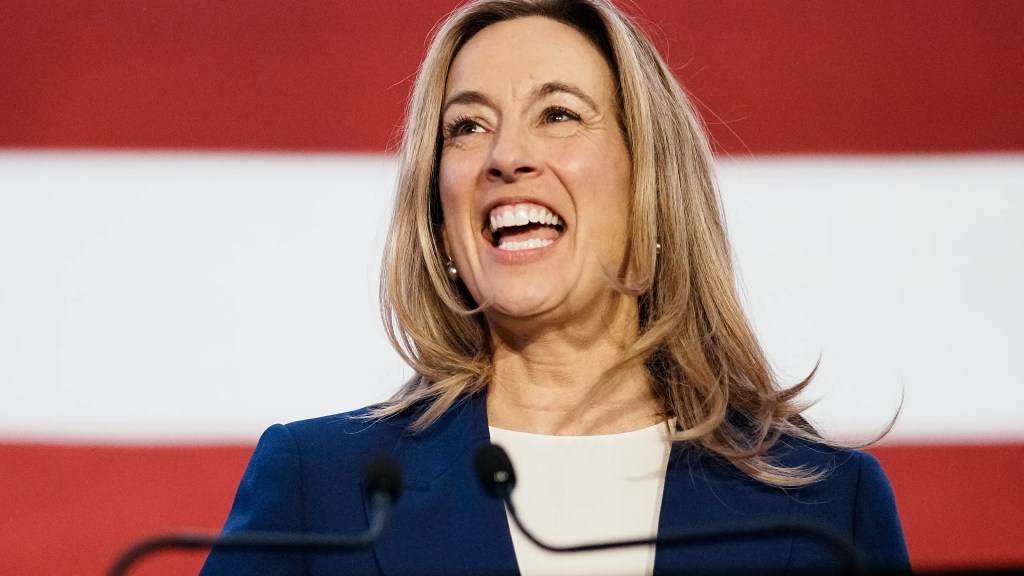
  • New Jersey Governor’s Race – Moderate Democrat Mikie Sherrill prevailed over Republican Jack Ciattarelli.
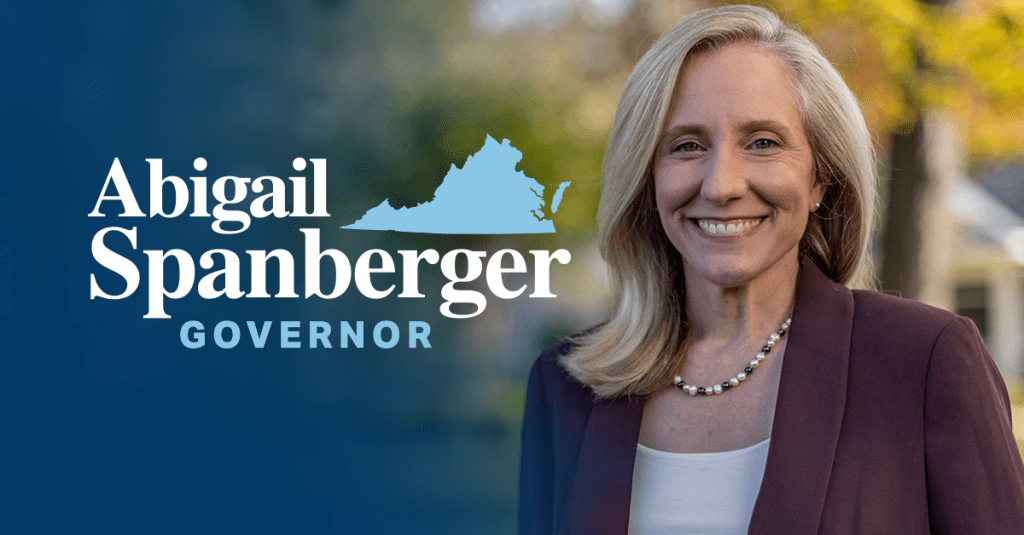
  • Virginia Governor’s Race – Moderate Democrat Abigail Spanberger defeated GOP candidate Winsome Earle-Sears.
  • California Proposition 50 – Voters approved a redistricting measure designed to counter GOP-led gerrymandering.

Exit polls revealed that voters were motivated by concerns about the economy and a broader discontent with the state of the nation. Yet beneath those concerns lay a deeper sentiment: a rejection of Donald Trump’s influence and his contribution to the erosion of democratic norms.
Trump’s Response: Defensiveness and Denial

In the aftermath, President Trump attempted to spin the losses. He told Fox News that Republicans “have to talk about” their successes, particularly on affordability and energy prices. He lamented Ciattarelli’s loss in New Jersey, noting that his endorsement “means a lot,” while distancing himself from Earle-Sears in Virginia.

Trump also lashed out at Mamdani, calling his victory speech “very angry” and warning that the new mayor should “be very nice to me.” He even suggested withholding federal funding from New York City, labeling Mamdani a “communist” despite his self-identification as a democratic socialist.

At the America Business Forum in Miami, Trump escalated his rhetoric, framing the 2026 midterms as a “choice between communism and common sense.” His words underscored the stark divide he seeks to create, one rooted in fear, division, and distortion.

What This Election Means

The victories of Sherrill, Spanberger, Mamdani, and the passage of Prop 50 represent more than just electoral wins. They symbolize a rebuke of Trumpism and a rejection of politics that “abandons the many and answers only to the few,” as Mamdani declared in his victory speech.
This moment is a reminder that when people think critically, organize, and vote, they can push back against the forces that strain our democracy. The results show that Americans are ready to rid themselves of the cancer that has weakened our institutions and divided our communities.
Historical Echoes

History teaches us that moments of democratic renewal often come after periods of deep division. Just as the Civil Rights Movement pushed back against segregation, and just as past waves of reform challenged corruption and inequality, Election Day 2025 signals a new chapter.

The parallels are clear: when citizens unite around shared values of justice, equity, and opportunity, they can overcome even the most entrenched forces of division. This election is not just about candidates, it is about reclaiming the soul of the nation.

The Coming Blue Wave

If Election Day 2025 is any indication, the Blue Wave is building momentum for the 2026 midterms. Voters are signaling that they want leaders who prioritize equity, justice, and opportunity, not fearmongering and authoritarianism.

This is a chance for the country to come together, to reflect on the damage done, and to chart a new path forward. The tide is turning, and the people are ready to save democracy from those who seek to dismantle it.

Call to Action

This blog is more than commentary; it’s a call to action. If you believe in saving our country, if you believe in democracy, equity, and justice, then join the conversation.

 Subscribe to the blog for updates.
 Comment below to share your thoughts.
 Let it be known: America can and will come together when people think, organize, and vote.

The Blue Wave is rising. Let’s make sure it carries us into 2026 and beyond.
Derrick Jackson’s Bold Bid for Governor: Legacy, Leadership, and a Vision for Black Georgia

By Charles Zackary King
Founder, America in Black and White | AMIBW The Magazine

The original article titled “Derrick Jackson Discusses Campaign for Governor” was written by Christopher Smith and published on News & Talk WAOK.

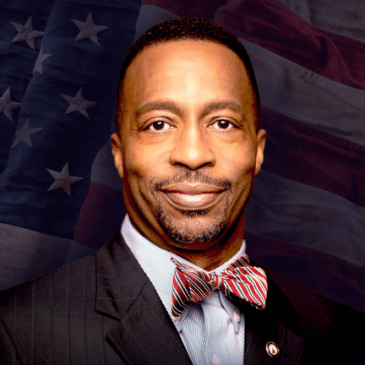
Georgia State Representative Derrick Jackson isn’t just running for governor, he’s running on legacy, lived experience, and a moral obligation to serve. With a 42-year career that spans military command, corporate leadership, and legislative advocacy, Jackson’s campaign is rooted in justice, equity, and empowerment for all Georgians, especially Black communities historically left behind.

A Life of Service and Strategy

Jackson is a husband, father of seven, and retired U.S. Navy Lieutenant Commander with 22 years of service, including seven deployments. After a decade in the corporate sector with General Electric, he transitioned into public service, winning election to the Georgia House of Representatives in 2016. He represented District 64 until 2023, and now serves District 68, marking nearly a decade of legislative leadership.

His record includes fighting for voting rights, women’s rights, LGBTQ+ protections, and small business support. But Jackson’s work in underserved communities goes deeper, he’s been a consistent voice for economic justice, healthcare access, and educational equity.

Legislative Impact: Raising the Floor for Black Georgians

Among Jackson’s most impactful legislative efforts is his sponsorship of a bill to raise Georgia’s minimum wage to $27/hour by 2028. The bill proposed a phased increase, starting at $15/hour and rising annually, designed to uplift working-class families, especially Black workers disproportionately affected by wage stagnation and attacks on diversity initiatives.

This legislation, though stalled in committee, remains a cornerstone of his campaign. It directly addresses the economic disparities that have long plagued Black communities in Georgia, where over half a million Black jobs were lost in the past year due to rollbacks in equity programs.

Campaign Agenda: A Georgia That Works for Us

Jackson’s gubernatorial platform is built on eight pillars, each designed to help Georgia families thrive. For Black Georgians, his agenda includes:

  • Medicaid Expansion to close healthcare gaps and prevent rural hospital closures
  • Repealing Harmful Laws like the six-week abortion ban and rent control restrictions
  • Investing in Black Farmers, Small Businesses, and Nonprofits with access to capital and policy inclusion
  • Environmental Justice to protect communities from pollution and neglect
  • Education Reform & Workforce Development with expanded access to trades, apprenticeships, and technical education
  • Reparations Advocacy, proposing 33% of Georgia’s $16B budget be allocated to Black families as a fulfillment of broken promises

Jackson’s message is clear: “We’re not just building a Georgia for business, we’re building a Georgia for families.”

Inspired by Legacy: John Lewis and the Spirit of Service

Jackson cites civil rights icon John Lewis as a moral compass for his campaign. “I have a moral obligation to run for governor,” he said on WAOK, invoking Lewis’s legacy of courage and conscience. His leadership style blends executive discipline with grassroots empathy, qualities he believes make him the only candidate truly qualified to serve as Georgia’s Commander-in-Chief.

A Call to Action

Jackson’s campaign isn’t powered by million-dollar donors, it’s powered by people. He urges Georgians to “Tell 10 to Tell 10,” mobilize their communities, and vote for a future rooted in dignity, equity, and opportunity.

For Black Georgians, this race is more than political, it’s generational. It’s about reclaiming the promise of Georgia and ensuring that every child, every elder, and every entrepreneur has a seat at the table.

“Shutdown Theater: When Government Fails the People It Claims to Serve”

By Charles Zackary King
Founder/CEO of America in Black and White and AMIBW The Magazine

Introduction

As the clock ticks toward midnight on September 30, 2025, the threat of a government shutdown looms large. And while politicians posture, negotiate, and blame each other, everyday Americans brace for impact. This isn’t just about budgets, it’s about broken trust.

Let’s be clear: a shutdown is not a technical glitch. It’s a choice. And it’s the people, not the power brokers who pay the price.

What’s Really at Stake

  • Federal workers face mass layoffs. Over 100,000 jobs could be lost, marking one of the largest federal workforce cuts in history.
  • Essential services will be stretched thin. Law enforcement, air traffic control, and immigration enforcement may continue, but without pay.
  • Healthcare hangs in the balance. Democrats are demanding restoration of $1 trillion in Medicaid cuts and extension of Obamacare subsidies for 3.8 million Americans.
  • Political theater replaces real leadership. Fake videos, partisan tantrums, and stalled negotiations dominate headlines while families worry about food, housing, and safety.

Opinion: This Is Not Governance, It’s Neglect

A government shutdown is not just a failure of policy, it’s a failure of moral responsibility. When elected officials treat funding negotiations like a game of chicken, they forget who’s in the car: teachers, veterans, single parents, federal workers, and vulnerable communities.

This is not about party lines. It’s about lifelines.

And when leadership becomes performance, the people become collateral.

 A Message to the People

We must stop accepting dysfunction as normal. We must demand more than soundbites and blame games. We must hold every elected official accountable, not just for what they say, but for what they do when the cameras are off and the deadlines are real.

Because if the government shuts down, it’s not because we failed. It’s because they did. True this is a dire situation but if we want to preserve our constitution it might be the best thing to shut down the government. Think about this, monies and budgets that have been passed have been abused in a way we have never seen before. The people in charge have proven they cannot govern, and the people are not important. Our government is for sale, and the occupier is working with the top 1% for them to be richer and they cause chaos and disorder at the bottom. What this means is the Occupier of the White House is sewing seeds to underserved/uneducated White People that Black People are stealing resources from them. We are in a climate where resources are scarce for all but creating a race war for those at the bottom makes this a problem for all of us. Point and case, we are all making do with what we have and some of us have found a way to escalate our resources that are putting us in good positions to do much better. Well, with the seeds being sown to cause racial tension makes it bad for us all. The people at the top are continuing to skim and steal from all of us but they have caused us all to think that it is one or the other. We have differences which is normal, but this violence is at a whole new level. This is do to the politicians that refuse to do their jobs. People of both parties are in the pocket of Million Dollar Donors and are controlled by that money. This puts the real light on the Democratic Party to show what they can do to preserve strength. There is no easy way to do this but they have to Shut the Government down. This is the only way to stop the abuse by the people in charge. They have no control of their President who is doing as he pleases. If they negotiate they are going to agree to cut more from the people that need all they can get and allow this man to continue stealing from this country. If they shut this down it means nothing can be done, “NOTHING AT ALL”. Now to be clear we all know that Democrats have Big Donors as well but will they be controlled by them? Must the get permission to save the government. For a lot of us this is not a good thing but is it worth this to keep the democracy in tact? Agreements do not help the common everyday person, just keep that in mind.

Call to Action

  • Contact your representatives. Demand transparency and urgency.
  • Support federal workers. Share resources, offer solidarity, and amplify their voices.
  • Stay informed. Don’t let political spin distract from real consequences.
  • Vote with clarity. Remember who showed up, and who didn’t.

Blog Title: “Justice, Not Theater: Judge Graf Refuses to Bow to Political Pressure in Charlie Kirk Case”

By Charles Zackary King
Inspired by reporting from Isabel Keane, The Independent, and the Associated Press (https://www.msn.com/en-us/news/crime/judge-in-charlie-kirk-shooter-case-appears-to-warn-trump-as-he-says-he-won-t-put-finger-on-scale-of-justice/ar-AA1NxwXL?ocid=msedgntp&pc=HCTS&cvid=68daf51be4604bd9a9ba88f63d048d4e&ei=22), and the Associated Press

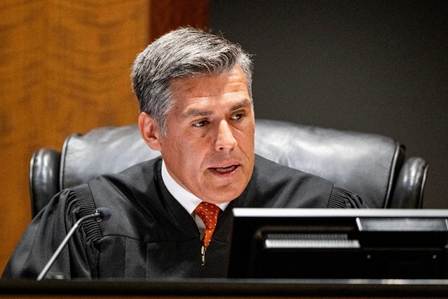
In a moment when political theater often overshadows legal truth, Judge Tony Graf made it clear: his courtroom is not a stage for partisan influence.

During a hearing in the high-profile case of Tyler Robinson—charged with the fatal shooting of conservative activist Charlie Kirk—Judge Graf issued a statement that cut through the noise. With cameras watching and pressure mounting from national figures including President Donald Trump and Vice President JD Vance, Graf stood firm:

“Let me be clear, I will not put my finger on the scale of justice,” he said.
“Counsel, regardless of who is watching, whether it is the nation or a single individual, we must fulfill our roles with integrity, civility, and diligence.”

That’s not just courtroom etiquette. That’s judicial courage.

The Case and the Climate

Tyler Robinson, 22, is accused of shooting Kirk from a sniper’s perch at a Utah college campus on September 10. Prosecutors say Robinson left behind texts and a note indicating intent, and they plan to seek the death penalty. The evidence is described as “voluminous,” and Robinson has not yet entered a plea.

But beyond the legal facts, the case has ignited political firestorms. Prominent Republicans have labeled the killing “politically motivated,” and some have demanded retaliation against those who mocked Kirk’s death online. Even late-night host Jimmy Kimmel faced suspension for his comments, later reinstated amid backlash.


A Judge Who Refused to Flinch

In this climate of outrage and polarization, Judge Graf’s words matter. He didn’t just speak to the attorneys in the room—he spoke to the nation. He reminded us that justice is not a partisan tool. It’s a sacred process.

Graf’s refusal to bend to political pressure is a rare act of judicial integrity. In an era where public opinion often tries to dictate verdicts, his stance is a reminder that the courtroom must remain a place of law—not influence.

Why This Moment Matters

  • It affirms the independence of the judiciary.
  • It challenges the weaponization of grief for political gain.
  • It reminds us that justice must be rooted in evidence, not emotion.

Whether you agree with Kirk’s politics or not, the process must be fair. And Judge Graf is making sure it stays that way.

Final Word

In a time when truth is often twisted to fit agendas, Judge Tony Graf deserves credit, not just for what he said, but for what he stood against. He didn’t just protect the integrity of one case. He protected the principle that justice must be blind to politics.

Let this be a reminder: real leadership isn’t loud. It’s principled.

 Call to Action

  • Share this post across platforms to affirm judicial independence.
  • Support media outlets that report with nuance and integrity.
  • Stay informed—and stay critical of those who try to politicize justice.

What’s Wrong with the Democratic Party: A Wake-Up Call from the Black Base

By Charles Zackary King


For decades, Black people have been the backbone of the Democratic Party showing up, voting in record numbers, organizing on the ground, and carrying the weight of civic responsibility while being promised change that never comes. And yet, when the dust settles and the power shifts, we’re left with empty speeches, symbolic gestures, and policies that barely scratch the surface of our real needs.

Let’s be clear: the Democratic Party has a leadership problem. Not just in strategy but in courage, conviction, and connection to the people who built their platform.

The Black Vote: Taken for Granted, Ignored in Practice

Every election cycle, the party rolls out gospel playlists, kente cloth photo ops, and vague promises of “equity.” But when it’s time to legislate, Black communities are sidelined. We don’t see sweeping criminal justice reform. We don’t see reparations. We don’t see economic investment in our neighborhoods. What we see is performative allyship and political cowardice.

This isn’t just neglect it’s betrayal. And it makes the Democratic Party look complicit with the very forces they claim to oppose.

Complicity with the Republican Agenda

While Republicans openly attack voting rights, education, and bodily autonomy, Democrats respond with press releases and hashtags. They lead from behind, always reacting, never initiating. They blame obstruction, but refuse to use the power they have when they have it.

When Democrats hold the House, Senate, and White House, they still hesitate. They compromise with extremists. They water down justice. And in doing so, they enable the erosion of democracy.

Silence in the face of injustice is complicity. And the Democratic Party’s silence—especially when it comes to Black lives, is deafening.

Real Leadership Builds, Not Begs

Real leadership doesn’t wait for permission. It doesn’t poll test morality. It listens to the people, acts with urgency, and stands firm in truth.

Leadership means:

  • Passing bold legislation that protects voting rights, ends police brutality, and invests in Black futures
  • Centering the voices of the marginalized, not just during election season but every day
  • Calling out racism and economic injustice, even when it’s politically inconvenient
  • Building coalitions, not just fundraising machines

The people are tired of leaders who whimper in the face of opposition. We need warriors, not weather vanes.

The Struggle Between Races and the Have-Nots

The Democratic Party’s failure to address racial and economic inequality head-on has deepened the divide. They speak of unity but ignore the systemic wounds that keep Black and poor communities locked out of opportunity.

By refusing to challenge capitalism, white supremacy, and mass incarceration, they perpetuate the very systems they claim to fight. Their inaction is not neutral it’s harmful.

What the People Want: A New Balance

We want more than representation—we want transformation.

  • Economic justice: Invest in Black-owned businesses, cancel student debt, and create pathways to generational wealth
  • Political accountability: Stop using our votes as leverage and start delivering real results
  • Community power: Fund grassroots movements, not just corporate campaigns
  • Truth-telling: Acknowledge the harm, repair the damage, and build policies that reflect lived experience

We are not asking for favors. We are demanding what we’ve earned.

Final Word

Black people have held this party up for too long, only to be spit on, sidelined, and silenced. The time for loyalty without reciprocity is over. If the Democratic Party wants to survive, it must evolve. It must lead. It must listen.

Because we are no longer waiting. We are building. We are rising. And we are ready to shift the balance—by any means necessary.

The $37 Trillion Wake-Up Call: What the Big Beautiful Bill Isn’t Telling Us


This week, the U.S. Treasury confirmed what many economists feared: the national debt has officially crossed the $37 trillion mark. That’s not just a number—it’s a flashing red light on America’s fiscal dashboard. And it’s happening years ahead of schedule, thanks to pandemic-era borrowing and a new wave of government spending.

But here’s the twist: this milestone arrives just weeks after the passage of the so-called “Big Beautiful Bill,” a budget law championed by President Trump that promises tax relief for overtime workers. On the surface, it sounds like a win for hardworking Americans. Dig deeper, though, and you’ll find a policy that’s more cosmetic than corrective.

Debt Is Rising—Fast

The Congressional Budget Office had projected we wouldn’t hit $37 trillion until after 2030. But between COVID-19 stimulus packages, economic recovery efforts, and now a $4.1 trillion tax-and-spending law signed earlier this year, we’ve accelerated into dangerous territory.

Michael Peterson of the Peter G. Peterson Foundation warns that we’re now adding a trillion dollars to the debt every five months—twice the rate of the last 25 years.

The Big Beautiful Bill: A Mirage of Relief

The “Big Beautiful Bill” was marketed as a game-changer: no federal income tax on overtime pay. Retroactive to January 2025, it promised workers a bigger slice of their paycheck. But the reality is far more limited:

  • Only the “half” portion of “time-and-a-half” pay is tax-free.
  • State and local taxes still apply.
  • Social Security and Medicare taxes are untouched.
  • There’s a cap: $12,500 per person annually.
  • High earners are excluded entirely.

In short, it’s a partial tax break wrapped in political branding. And while it may offer modest relief to some, it does little to address the structural issues driving our debt skyward.

What’s Really at Stake?

Unchecked debt has real consequences:

  • Higher interest rates on mortgages, car loans, and credit cards.
  • Lower wages as businesses scale back investment.
  • Reduced public services as interest payments crowd out funding for education, infrastructure, and healthcare.

Wendy Edelberg of Brookings warns that the new law means “we’re going to borrow a lot over the course of 2026, we’re going to borrow a lot over the course of 2027, and it’s just going to keep going”.

A Call for Real Reform

Maya MacGuineas of the Committee for a Responsible Federal Budget put it bluntly: “Hopefully this milestone is enough to wake up policymakers to the reality that we need to do something, and we need to do it quickly”.

Call to Action: From Debt to Dignity

This isn’t just about numbers—it’s about values. It’s about whether our government prioritizes short-term optics or long-term equity. If we want a future where economic justice is more than a slogan, we must demand:

  • Transparent fiscal policy that serves people, not politics.
  • Equitable tax reform that uplifts working families.
  • Community-centered budgeting that invests in education, housing, and health—not just interest payments.

Let’s raise our voices. Let’s organize. Let’s hold leaders accountable—not just for what they spend, but for who they serve.

Join the movement. Share this post. Start the conversation. And let’s build a future where our national budget reflects our national values.


America: The Newest Autocracy

For generations, the United States has prided itself on being the beacon of democracy, a nation built on the principles of freedom, justice, and the rule of law. Yet, in recent years, we have witnessed a disturbing transformation—one that has stripped away the rights of the people right before their eyes, while the government stands idly by, refusing to intervene.

The Silencing of Truth

Under the leadership of Donald Trump, the suppression of truth has become a defining characteristic of this new era. Journalists, whistleblowers, and activists who dare to expose corruption and misconduct are being targeted, harassed, and in some cases, prosecuted. The administration has made it clear: dissent will not be tolerated. Those who challenge the official narrative are met with intimidation, legal threats, and public vilification.

The Collapse of Checks and Balances

The executive branch, once held in check by the legislative and judicial branches, now operates with near-total impunity. Congress, which was designed to serve as a counterbalance to presidential power, has largely abandoned its duty to hold Trump accountable. The courts, once a bastion of impartial justice, have been stacked with loyalists who prioritize political allegiance over constitutional integrity. The result? A government that no longer serves the people but instead protects the interests of the powerful.

The ICE Raids and the Rise of Detention Camps

Perhaps one of the most chilling developments has been the ICE raids, where individuals—many of whom are legal residents or even U.S. citizens—are being rounded up and deported to countries like Venezuela. Families are torn apart, lives are upended, and communities are left in fear. Reports have surfaced of detention centers that bear an eerie resemblance to concentration camps, where detainees are subjected to inhumane conditions, denied basic rights, and left to languish in uncertainty.

A Betrayal of Expectations

Many who voted for Trump believed that his policies would primarily target Black Americans, reinforcing the systemic inequalities that have plagued the nation for centuries. However, as his administration’s actions unfold, it has become clear that his reach extends far beyond racial lines. Immigrants, activists, journalists, and even his own former supporters are now facing the consequences of unchecked power. The realization is stark: autocracy does not discriminate—it consumes all who stand in its way.

The Path Forward

America stands at a crossroads. Will we continue down this path of authoritarian rule, or will the people rise to reclaim their democracy? The answer lies in the collective will of the nation. Resistance, activism, and unwavering commitment to truth are the only weapons against tyranny. The time to act is now—before the last remnants of freedom are lost forever.

The End of Democracy As We Know It: A Disturbing Revelation

In an era where democracy stands as a beacon of hope and justice, the presidency of Donald Trump has cast a long shadow, threatening to undo the very fabric of our democratic institutions. For many who voted for Trump, the belief was that his presidency would signal the end of perceived advantages for Black people. However, the reality has unfolded in a way that is far more devastating and far-reaching.

The Unintended Consequences of Misplaced Trust

Many of Trump’s supporters believed that his administration would marginalize Black people, based on his inflammatory rhetoric during the campaign. Yet, what they did not foresee was a systematic dismantling of social programs that disproportionately affects the very demographic they hail from. Trump, alongside Elon Musk, has spearheaded efforts to cut SNAP, food stamps, welfare, and essential medical benefits—programs on which millions of Americans, especially in rural areas, rely.

The Devastating Impact of Social Program Cuts

It is a harsh reality that more White people benefit from these programs than any other demographic. Yet, the thought of depriving Black people has overshadowed the broader implications. The cuts to these vital programs are not just a matter of economic austerity; they represent a direct attack on the social safety nets that sustain countless lives. With the Affordable Care Act also under siege, the struggle to make ends meet has become a grim reality for anyone outside the top 1%.

The Fallout of Trump’s Deceptive Rhetoric

Trump’s campaign was peppered with racist rants that misled many into thinking Black people would be the primary targets of his policies. However, the brunt of his administration’s actions has fallen on his very own supporters. He has shown a blatant disregard for truth and integrity, revealing his true agenda only after gaining their trust. Immigrants, who sought a better life in America and initially supported Trump, are now facing mass deportations.

A Painful Awakening for Many

The bitter lesson is clear: those who harbored hopes of benefiting from Trump’s presidency are now grappling with the harsh consequences. This includes Black Trump supporters who now realize the gravity of their misplaced trust. As the administration cuts federal jobs and slashes Veterans Affairs funding, Trump and Musk, neither of whom have served this country, wield undue power over the livelihoods of countless Americans.

The Role of Elon Musk in a Dehumanizing Agenda

Elon Musk, a South African billionaire, plays a troubling role in deciding who keeps their Federal Jobs and who is fired. He is the one that is getting Billion Dollar Contracts from the Federal Government meaning stealing Billions of Dollars from the American People. The money leaving the Government is being done before our very eyes and we can do nothing about but watch the 3 branches of Government let this happen. No one is standing up and saying anything about this. We all want to be safe and happy but we do not know how this is going to unfold. I hope we get to vote again!!!

Reflecting on the 2024 Election: Lessons Learned

As we look back on the 2024 Presidential Election, it becomes clear that many voters miscalculated the impact of re-electing Donald Trump. This blog post examines why this decision was misguided, the misconceptions about monetary value in the entertainment industry and professional sports, and the broader consequences for education, employment, and criminal justice.

Misguided Monetary Priorities in Entertainment and Sports

During the 2024 election, many entertainers and professional athletes supported Trump’s campaign, believing it would protect and enhance their monetary value. However, this belief proved to be short-sighted. While these individuals might have substantial earnings, they are not immune to broader economic policies that favor the top 1%.

For entertainers and athletes who exploit those with less financial means, the consequences are the same. Tax cuts and regulatory rollbacks under Trump’s administration primarily benefit the wealthiest Americans, leaving the majority, including many entertainers and athletes, with little to show for their support. This miscalculation highlights the importance of understanding the broader economic implications of political decisions.

Widespread Consequences for the American Public

Education: Under Trump’s administration, the push for privatization and school choice led to decreased funding for public schools. This shift exacerbates educational inequalities, particularly affecting marginalized communities. The lack of investment in public education undermines the quality of schooling for millions of children, limiting their future opportunities.

Employment: The emphasis on deregulation and corporate tax cuts intended to spur job growth often resulted in increased corporate profits without corresponding wage growth for workers. This disparity widens the gap between the wealthy and the working class, leaving many Americans struggling to make ends meet despite a booming stock market.

Criminal Justice and Policing: One of the most contentious issues during Trump’s presidency was the lack of accountability in policing, particularly concerning the Black community. High-profile cases of police violence and systemic racism went largely unaddressed at the federal level, perpetuating a cycle of mistrust and injustice. The administration’s stance on law and order often prioritized punitive measures over meaningful reforms, further straining community-police relations.

Social Safety Nets: The potential dismantling of social safety nets like Social Security, Medicare, and Medicaid is particularly alarming. Trump’s administration repeatedly proposed cuts to these critical programs, jeopardizing the financial security and healthcare access for millions of Americans, particularly the elderly and low-income families.

The Aftermath and Reflection

As we reflect on Trump’s presidency, many voters may feel a sense of regret, realizing that their vote may have been against their own interests. The promises of economic prosperity and systemic reform often fell short, leaving many disillusioned. The inability to take back their vote underscores the importance of informed and thoughtful decision-making in the electoral process.

The lessons from this period are clear: voters must critically evaluate candidates’ policies and their long-term implications, beyond charismatic appeals and immediate benefits. The decisions made in the voting booth have far-reaching consequences, impacting not just individual lives but the fabric of society as a whole.

Moving Forward

As we look ahead to future elections, it’s crucial to learn from past experiences. Engaging in informed, thoughtful discussions about candidates and their policies can help ensure that future leaders are chosen based on their ability to address the needs and aspirations of all Americans, not just the privileged few.

By prioritizing education, fair employment practices, accountability in policing, and the preservation of social safety nets, we can work towards a more just and equitable society. It’s time to turn hindsight into foresight and make choices that reflect the collective well-being and long-term prosperity of the nation.

The Real Boogeymen: Elon Musk and Donald Trump

In the ever-evolving landscape of American politics and business, two figures have emerged as the real boogeymen: Elon Musk and Donald Trump. Their influence extends far beyond their respective domains, shaping the future of the country in ways that are both profound and unsettling. This blog post delves into why Musk and Trump are considered the real boogeymen, what this means for the American people, and the possible scenarios that could unfold over the next four years.

The Influence of Elon Musk

Elon Musk, the world’s richest man, has a hand in multiple industries, from electric vehicles and space exploration to social media and artificial intelligence. His influence is not just limited to his businesses; it extends into the political arena as well. Musk’s recent actions, such as his vocal opposition to government spending bills and his role in shaping policy through his advisory position in the Trump administration, have raised concerns about the concentration of power in the hands of a few wealthy individuals2.

Impact on the American People:

  • Economic Disparities: Musk’s wealth and influence highlight the growing economic disparities in the country. While he continues to amass wealth, many Americans struggle with economic instability and lack of access to basic resources.
  • Technological Control: Musk’s control over key technologies, such as social media platforms and space exploration, raises questions about the potential for monopolistic practices and the impact on free speech and innovation.

The Influence of Donald Trump

Donald Trump’s return to the political stage has been marked by controversy and division. His policies and rhetoric have often polarized the nation, and his influence on the Republican Party remains strong. Trump’s recent actions, such as his opposition to bipartisan budget negotiations and his alignment with Musk, have further deepened political divides4.

Impact on the American People:

  • Political Polarization: Trump’s divisive rhetoric and policies continue to polarize the nation, making it difficult to achieve consensus on critical issues.
  • Erosion of Trust: The constant barrage of misinformation and attacks on democratic institutions have eroded public trust in the government and the media.

Possible Scenarios for the Next Four Years

As we look ahead, several scenarios could unfold, each with significant implications for the American people:

  1. Increased Economic Inequality: The concentration of wealth and power in the hands of individuals like Musk and Trump could exacerbate economic inequalities, leading to greater social unrest and instability.
  2. Technological Monopolies: Musk’s control over key technologies could lead to monopolistic practices, stifling competition and innovation. This could also impact privacy and free speech, as control over social media platforms becomes more centralized.
  3. Political Instability: Trump’s influence on the Republican Party and his divisive rhetoric could lead to increased political instability, making it difficult to address critical issues such as healthcare, education, and climate change.
  4. Erosion of Democratic Norms: The continued erosion of trust in democratic institutions and the spread of misinformation could undermine the foundations of American democracy, leading to a more authoritarian and less accountable government.

Conclusion

Elon Musk and Donald Trump, the real boogeymen of our time, wield immense power and influence that shape the future of the country. Their actions and policies have far-reaching implications for the American people, from economic disparities and technological control to political polarization and the erosion of democratic norms. As we navigate the next four years, it is crucial for the American people to stay informed, engaged, and vigilant in order to protect the values and principles that underpin our democracy.