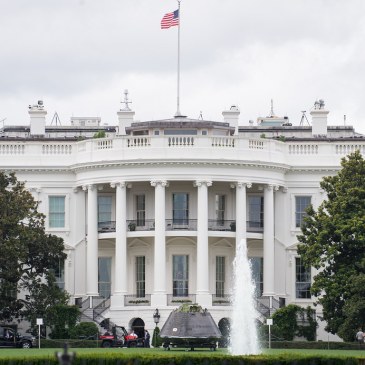
The Trump Administration in 2025: A Troubling Forecast for America

As the Trump administration gears up for its second term in 2025, concerns are mounting about the potential negative impacts on America’s relationships with other countries, race relations within the country, the national debt, and the overall trust in government. This blog post delves into these issues and explores what needs to be done to prepare the American people for the 2028 election and the importance of down-ballot elections during the off years.

Strained International Relationships

The Trump administration’s foreign policy has been characterized by a unilateral approach, often alienating traditional allies and escalating tensions with adversaries. The administration’s aggressive stance on trade, particularly with China, is expected to continue, potentially leading to increased tariffs and trade wars. This could strain relationships with key trading partners and disrupt global markets.

Moreover, Trump’s “America First” policy may further isolate the United States on the international stage. The withdrawal from international agreements and organizations, such as the Paris Climate Accord and the World Health Organization, has already damaged America’s reputation as a global leader. Continued disengagement could weaken alliances and diminish the country’s influence in addressing global challenges.

Deteriorating Race Relations

Race relations in the United States have been a contentious issue, and the Trump administration’s rhetoric and policies have often exacerbated tensions. The administration’s stance on immigration, including mass deportations and restrictive policies, has disproportionately affected communities of color. Additionally, the lack of meaningful action to address police brutality and systemic racism has fueled protests and civil unrest.

The administration’s support for policies that undermine civil rights, such as attempts to ban critical race theory in schools and roll back protections for marginalized communities, further deepens racial divides. Without significant efforts to promote inclusivity and equity, race relations in the country are likely to worsen.

Escalating National Debt

The Trump administration’s economic policies, including tax cuts for the wealthy and increased military spending, have contributed to a growing national debt. The administration’s plans for further tax cuts and deregulation could exacerbate this issue, leading to higher deficits and long-term economic instability.

The potential for increased tariffs and trade wars could also negatively impact the economy, reducing revenue and increasing costs for American businesses and consumers. Addressing the national debt will require a balanced approach that includes responsible fiscal policies and investments in sustainable economic growth.

Misleading the American People

The Trump administration has been criticized for spreading misinformation and undermining public trust in government institutions. The administration’s handling of the COVID-19 pandemic, for example, was marked by conflicting messages and a lack of transparency. This pattern of misleading the public could continue, eroding confidence in government and democratic processes.

Preparing for the 2028 Election and Down-Ballot Elections

To address these challenges and prepare for the 2028 election, it is crucial for the American people to stay informed and engaged. Here are some steps to consider:

  1. Stay Informed: Keep up with reliable news sources and fact-check information to stay informed about current events and policy changes.
  2. Engage in Civic Activities: Participate in community meetings, town halls, and other civic activities to voice concerns and hold elected officials accountable.
  3. Vote in Down-Ballot Elections: Down-ballot elections, which include local and state races, are critical for shaping policies that directly impact communities. Voting in these elections ensures that local leaders who align with your values are elected.
  4. Support Grassroots Movements: Get involved with grassroots organizations that advocate for social justice, environmental protection, and other important issues.
  5. Educate Others: Share information and encourage others to participate in the democratic process.

By taking these steps, the American people can work towards a more equitable and just society, ensuring that their voices are heard in the 2028 election and beyond.
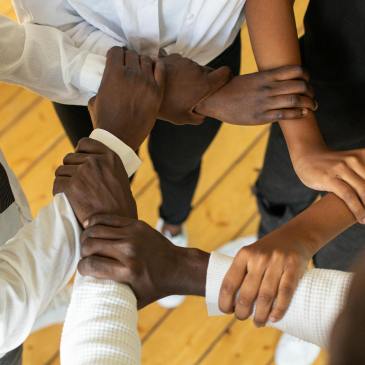

The Case for a New Political Party: Why African Americans Need to Forge Their Own Path

In the landscape of American politics, African Americans have historically aligned with the Democratic Party, believing it to be the champion of civil rights and social justice. However, the reality of unfulfilled promises and systemic neglect has led many to question whether this allegiance is still beneficial. As we confront the myriad challenges facing the African American community, it may be time to consider the establishment of a new political party that truly represents our interests and aspirations.

The Democratic Party: A Track Record of Unmet Promises

While the Democratic Party has made significant strides in advocating for civil rights, the effectiveness of these efforts has often fallen short. Here are several reasons why many African Americans feel let down by the party:

  • Failure to Address Systemic Inequities: Despite the Democratic Party’s claims to support racial equity, systemic issues like police brutality, housing discrimination, and economic inequality remain pervasive. The lack of concrete policy changes to address these problems fosters skepticism about their commitment to the African American community.
  • Unfulfilled Promises on Voting Rights: The Democratic Party has continuously campaigned on promises to safeguard and expand voting rights. Nevertheless, with critical legislation like the John Lewis Voting Rights Advancement Act stalled in Congress, many feel that their voices are being suppressed rather than protected.
  • Inadequate Economic Support: The economic fallout from the COVID-19 pandemic disproportionately impacted African Americans, yet the Democratic response has been perceived as insufficient. Promises of increased support for small businesses, job creation, and economic empowerment have not materialized in meaningful ways.
  • Neglecting Educational Equity: Education is a cornerstone for upward mobility, yet many predominantly Black schools remain underfunded. The Democratic Party has not prioritized policies that would ensure equitable funding and resources for these schools, leaving many children behind.
  • Health Disparities: African Americans continue to face significant health disparities, but initiatives to expand access to affordable healthcare have been lackluster. The Democratic Party’s inability to advocate for comprehensive healthcare reforms that specifically address these disparities is a glaring omission.

The Republican Party: A Divisive Alternative

While some may argue that the Republican Party offers an alternative, the reality is that this party often perpetuates racial divides and promotes rhetoric that is harmful to African Americans:

  • Promotion of Racial Divisiveness: The Republican Party has often used racially charged language and policies to rally their base. This approach not only alienates African Americans but also perpetuates systemic racism within the political landscape.
  • False Promises and Disillusionment: Republican leaders often present themselves as champions of opportunity and empowerment for African Americans. However, their policies, like tax cuts and deregulation, disproportionately benefit the wealthy and corporations while neglecting the needs of marginalized communities.
  • Tokenism and Lack of Genuine Representation: While some African Americans have found a place within the Republican Party, their representation often feels more like tokenism than a genuine commitment to addressing the concerns of the broader community. This superficial inclusion fails to result in substantive change.
  • Focus on Culture Wars: The Republican Party often centers its platform around culture wars that distract from the economic and social issues that truly affect African Americans. These distractions serve to divide rather than unite, leaving critical problems unaddressed.

The Need for an Independent African American Political Party

Given the shortcomings of both major parties, there is a growing sentiment that African Americans need to establish their own political party. Here are key reasons why this is essential:

  • Authentic Representation: An independent party can prioritize the voices, needs, and aspirations of the African American community, ensuring that policies are tailored to address systemic inequities.
  • Focused Policy Agenda: A new party could advocate for a clear and targeted policy agenda, including robust voting rights protections, equitable education funding, criminal justice reform, and economic empowerment initiatives.
  • Empowerment through Unity: A dedicated political party would encourage greater civic engagement and unity within the African American community, fostering collective action toward shared goals.
  • Breaking the Cycle of Dependency: By forming an independent party, African Americans can break free from the cycle of reliance on the Democratic Party, demanding accountability and tangible results from any political affiliation.
  • Building Strategic Alliances: An independent party could collaborate with other marginalized groups and movements to amplify voices and create a more inclusive coalition for social justice.

Conclusion: A Call to Action

As the political landscape continues to evolve, African Americans must reflect on the efficacy of their current affiliations and consider the potential of establishing an independent party that genuinely champions their interests. In a time when both major parties have failed to deliver on critical promises, the formation of a new political entity could provide a path toward empowerment, accountability, and authentic representation. The time has come for African Americans to take control of their political destiny. By uniting under a party that prioritizes their needs and aspirations, they can forge a more equitable future for themselves and generations to come.

Democrats and the Challenge of Securing Democracy: An Examination of Inaction

In recent years, the Democratic Party has positioned itself as the guardian of democracy and social justice. However, many critics argue that the party has fallen short in delivering on its promises. As we witness increasing threats to democratic institutions and essential social programs, it becomes crucial to examine how and why the Democrats are not fully embracing their responsibilities to secure democracy and protect the country.

The Voting Rights Dilemma

One of the most pressing issues facing American democracy is the struggle for voting rights. In the wake of numerous state-level laws designed to suppress voter turnout—particularly among marginalized groups—the urgency for federal voting rights legislation has never been greater. Despite the overwhelming public support for measures like the John Lewis Voting Rights Advancement Act, which aims to restore and strengthen provisions of the Voting Rights Act of 1965, Democrats have failed to pass meaningful legislation. The inability to secure voting rights raises serious concerns about the party’s commitment to protecting democratic processes. By not taking decisive action, the Democrats risk allowing partisan gerrymandering and voter suppression to undermine the very foundation of democracy. This reluctance may stem from a combination of political calculations and the filibuster’s constraints, but the result is a disillusioned electorate that feels its voice is not being heard.

Affordable Care Act: A Promise Unfulfilled

Another critical area where Democrats have struggled to demonstrate their commitment is in solidifying and expanding the Affordable Care Act (ACA). While the ACA expanded healthcare coverage to millions of Americans, ongoing challenges persist, including rising premiums, copays, and the exclusion of certain populations. Despite a clear mandate to improve healthcare accessibility, the party has hesitated to push for comprehensive reforms that would address these challenges. The failure to pursue a public option or negotiate drug prices has left many feeling that the party is not serious about providing affordable healthcare for all. This lack of urgency can be perceived as a betrayal of the party’s own values, further alienating voters who depend on these essential services.

The Child Care Act: A Missed Opportunity

In the realm of social safety nets, the Child Care Act has emerged as a vital piece of legislation that could significantly benefit working families. Affordable childcare is not just a convenience; it is a necessity for many parents who are trying to balance work and family responsibilities. However, despite a growing consensus on the importance of accessible childcare, Democrats have yet to pass comprehensive legislation that would ensure quality care for all children. The failure to secure funding and implement robust childcare programs signals a lack of commitment to supporting working families. This inaction not only affects economic stability for families but also has long-term implications for child development and future opportunities. The inability to showcase a serious commitment to such a critical issue raises questions about the party’s priorities and effectiveness.

The Need for Authentic Representation

For Democrats to regain the trust of the American people, they must demonstrate that they are serious about representing everyone—not just a select few. This means taking bold action on critical issues such as voting rights, healthcare, and family support. The party must move beyond rhetoric and show a willingness to make sacrifices and take risks to achieve meaningful change. Moreover, Democrats need to communicate a clear vision to the public that resonates with their needs and concerns. This requires not only legislative victories but also engaging citizens in the process, listening to their experiences, and addressing their anxieties. By fostering a genuine connection with constituents, the party can rebuild trust and demonstrate that they are committed to securing democracy for all Americans.

Conclusion: A Call to Action

As we reflect on the Democratic Party’s challenges in securing democracy and protecting the country, it is vital to hold elected officials accountable. Voters must demand action on critical issues that affect their lives, from voting rights to healthcare and childcare. The success of democracy hinges on active participation and a government that reflects the will of the people. If Democrats are to fulfill their promise of being champions for democracy and social justice, they must take decisive steps forward. The time for inaction has passed; the American people deserve a party that is willing to fight for their rights and well-being. Only through bold leadership and a genuine commitment to the issues at hand can the Democrats hope to restore faith in their ability to secure democracy and protect the interests of all citizens.

The Dystopian Reality of a Democracy in Decline: A Glimpse into 2030

As we approach the dawn of a new decade, the trajectory of our democracy raises alarm bells reminiscent of dystopian literature. While once a beacon of hope and liberty, the democratic ideals we cherish are increasingly tarnished by systemic corruption and unchecked criminal activities. The situation is becoming dire—where the very institutions meant to protect and serve the people have devolved into machinery of tyranny, leaving the most vulnerable in a state of perpetual fear and insecurity.

The Landscape of a Destroyed Democracy

Imagine stepping into the year 2030, a time when the fabric of our democracy has been irreparably frayed. The government has become a fortress for criminals, where elected officials collude with organized crime syndicates to exploit the populace for their gain. Corruption is no longer an aberration but the norm, with backdoor deals and bribery accepted as standard operating procedure. The government has turned against its citizens, and the social contract that binds us has been shattered. In this bleak future, the justice system—once a pillar of democracy—has become an impotent entity, unable to carry out its foundational duty of safeguarding justice. Law enforcement, compromised by bureaucratic inefficiencies and overt corruption, has transformed into an extension of the very criminal elements it was meant to combat. Crime rates soar unchecked, and the streets are ruled by fear-driven chaos. Citizens find themselves in a war zone, unable to defend their rights, their properties, or even their lives.

The Erosion of Civil Liberties and Rise of Authoritarianism

As rampant criminality and governmental corruption fester, so too do the erosions of civil liberties. The people, desperate for safety and security, turn to authoritarian solutions. Militarized police patrol the streets, and surveillance becomes pervasive, justifying the invasion of privacy under the guise of public safety. In this world, dissent is crushed, and voices of opposition silenced. The very essence of democracy—freedom of speech, the right to protest, and the ability to criticize the government—becomes a distant memory.

A Society Torn Apart by Racial Division

Perhaps the most insidious outcome of this deteriorating democracy is the exacerbation of racial tensions. As systemic inequalities deepen, racism evolves into a virulent force—what can only be described as “Racism on Steroids.” Socioeconomic disparities widen, with minority communities bearing the brunt of government neglect and police brutality. Discrimination is not only institutionalized but also normalized within the societal fabric. In this fractured society, racial profiling becomes routine, and marginalized groups find themselves disproportionately targeted by law enforcement. Public spaces become battlegrounds where the oppressed fight for their dignity amidst rampant hostility. Propaganda and divisive rhetoric from those in power further fuel the flames of hatred, perpetuating an environment where unity is impossible, and community bonds are shattered.

The Psychological Toll of a Broken Democracy

The psychological impact on citizens living in this reality is immense. Anxiety, distrust, and despair become the mental currency of the populace. People grapple with the haunting question: “Who can I trust?” As the government betrays its responsibility, the community’s social fabric begins to unravel. Support systems collapse, and individuals are left to fend for themselves in a hostile world. The psychological scars of living under a regime of fear can take generations to heal, if they ever do.

The Path Forward: A Call to Action

As we reflect on this potential future, we must recognize the urgency of our current situation. The warning signs of a democracy in decline are all around us. We must take action now to stave off this dystopian fate. This begins with holding our elected officials accountable, demanding transparency, and pushing for systemic reforms that prioritize the needs of the people over the interests of the powerful. Community engagement and grassroots movements must rise to counteract the destructive forces at play. By fostering dialogue and understanding among diverse groups, we can begin to mend the fractures in our society. Only by standing together can we reclaim our democracy from the clutches of corruption and ensure that future generations inherit a society that values justice, equality, and unity. In this pivotal moment, let us choose to fight for a future that aligns with the ideals of democracy rather than one that succumbs to chaos, division, and despair. The time to act is now, for the future of our democracy depends on it.

The Unseen Risks: Secret Service Lapses and Presidential Security

The Secret Service is tasked with the critical responsibility of protecting the President of the United States and former presidents. However, recent incidents have raised concerns about potential lapses in their security protocols, particularly involving former President Barack Obama. These events highlight the importance of unwavering vigilance and the potential consequences of security breaches.

The White House Breach: A Hypothetical Scenario

Imagine a scenario where an intruder manages to breach the White House security perimeter. This hypothetical situation could have dire consequences. The White House, despite its robust security measures, is not impervious to threats. An intruder gaining access to the residence could pose a significant risk to the President and their family.

In such a scenario, the intruder could potentially reach sensitive areas, compromising not only the safety of the President but also national security. The Secret Service’s rapid response would be crucial in neutralizing the threat and ensuring the President’s safety. However, any delay or lapse in their response could lead to catastrophic outcomes.

The Recent Incident: A Close Call

A more recent incident involving former President Obama has brought these concerns to the forefront. While attending an event in Los Angeles, an armed security guard unknowingly approached Obama’s SUV1. The guard, employed at a nearby event, noticed Secret Service activity and walked over to investigate. Upon realizing he was close to the former President, he quickly backed away, fearing he might be perceived as a threat1.

This incident raised public concern and criticism of the Secret Service’s protective measures. Although the agency denied any breach in security, calling the claims “inaccurate,” the situation highlighted potential vulnerabilities2The guard noted that no one covered the backside of the SUV or the stairwell he used to approach the vehicle, raising questions about the agency’s protocols1.

What Could Have Been

Had the guard been an actual threat, the outcome could have been drastically different. The proximity to the former President without immediate intervention from the Secret Service could have resulted in a dangerous situation. This incident underscores the importance of comprehensive and foolproof security measures to protect high-profile figures like President Obama.

Moving Forward

The Secret Service must continuously evaluate and enhance their security protocols to prevent such lapses. The safety of current and former presidents is paramount, and any breach, no matter how minor, must be addressed with utmost seriousness. Ensuring that every potential threat is swiftly neutralized is essential to maintaining the integrity of presidential security.

As we reflect on these incidents, it is a reminder of the ever-present risks faced by those in the highest offices and the critical role of the Secret Service in safeguarding their lives. Continuous improvement and vigilance are key to preventing future breaches and ensuring the safety of our leaders.


What are your thoughts on the recent security concerns? Do you think the Secret Service needs to make significant changes to their protocols?

New York’s New Voting Rights Act: A Step Towards Fairer Elections

On September 22, 2024, New York will take a significant step towards ensuring fair and equitable elections with the implementation of the New York Voting Rights Act (NYVRA). Signed into law by Governor Kathy Hochul in 2022, this landmark legislation aims to protect the voting rights of all New Yorkers, particularly those in historically marginalized communities.

The Essence of the NYVRA

The NYVRA is designed to prevent discriminatory practices in voting and to ensure that all eligible voters have equal access to the ballot box. One of the key provisions of this law is the requirement for certain local governments to obtain preclearance from the New York State Attorney General, Letitia James, before making any changes to their voting procedures. This includes changes to polling locations, voting hours, and redistricting plans.

The Role of Attorney General Letitia James

Attorney General Letitia James plays a crucial role in enforcing the NYVRA. Her office is responsible for reviewing and approving any proposed changes to voting procedures in covered jurisdictions. This process, known as preclearance, is intended to prevent discriminatory practices before they can take effect. The Attorney General’s office will scrutinize proposed changes to ensure they do not disproportionately affect minority voters or other protected groups.

Impact on Hotly Contested Districts

The NYVRA’s preclearance requirement is particularly significant for hotly contested districts such as Long Island and the Hudson Valley. These areas have seen intense political battles in recent years, and the new law aims to ensure that changes to voting procedures in these districts are fair and transparent.

For example, if a local government in Long Island wants to change the location of a polling place, it must first submit the proposed change to the Attorney General’s office for review. The Attorney General will then assess whether the change could potentially disenfranchise voters, particularly those from minority communities. Only after receiving approval can the change be implemented.

Effects on the People

The implementation of the NYVRA is expected to have a profound impact on the people of New York. By requiring preclearance for changes to voting procedures, the law aims to protect voters from discriminatory practices that could limit their access to the ballot box. This is especially important for minority communities, which have historically faced barriers to voting.

Moreover, the NYVRA promotes transparency and accountability in the electoral process. Voters can have greater confidence that changes to voting procedures are being made with fairness and equity in mind. This, in turn, can help to increase voter participation and strengthen democracy in New York.

Conclusion

The New York Voting Rights Act represents a significant step forward in the fight for fair and equitable elections. By empowering the Attorney General to review and approve changes to voting procedures, the law aims to protect the rights of all voters, particularly those in marginalized communities. As the NYVRA goes into effect on September 22, 2024, it holds the promise of a more inclusive and democratic electoral process for the people of New York.

The Dangerous Impact of False Media Postings: A Case Study from Ohio

In recent weeks, a disturbing and unfounded rumor has been circulating in Ohio, claiming that Haitian migrants are abducting and eating pets, leading to school closures due to violent threats against children. This false narrative has been amplified by certain political figures and media outlets, causing unnecessary panic and fear within the community.

The Origin of the Rumor

The rumor appears to have originated from unverified social media posts and was further propagated during a televised debate by former President Donald Trump1Trump, along with his running mate, Ohio Senator JD Vance, repeated these baseless claims, stating that Haitian immigrants in Springfield, Ohio, were responsible for these heinous acts12Despite these assertions, local officials, including the mayor and police, have confirmed that there is no evidence to support these allegations3.

The Role of Media in Spreading Misinformation

Media plays a crucial role in shaping public perception. Unfortunately, in this case, certain outlets and social media platforms have failed to verify the authenticity of these claims before broadcasting them. This has led to widespread fear and hostility towards the immigrant community in Springfield. The spread of such misinformation not only tarnishes the reputation of innocent individuals but also fosters an environment of distrust and xenophobia.

The Consequences of False Information

The repercussions of these false claims have been severe. Schools in the area have reported receiving violent threats, leading to heightened security measures and, in some cases, temporary closures2. This has disrupted the education and well-being of students, causing undue stress for families and educators alike. Moreover, the immigrant community has faced increased scrutiny and discrimination, further marginalizing an already vulnerable group.

The Importance of Responsible Reporting

This incident underscores the importance of responsible journalism and the need for media literacy among the public. It is essential for media outlets to fact-check information before dissemination and for individuals to critically evaluate the sources of their news. By doing so, we can prevent the spread of harmful misinformation and promote a more informed and inclusive society.

Moving Forward

As we move forward, it is crucial to address the root causes of such misinformation and work towards building a more resilient and informed community. This includes fostering open dialogues, promoting cultural understanding, and holding accountable those who spread false information for personal or political gain.

In conclusion, the false media postings about migrants in Ohio serve as a stark reminder of the power of misinformation and the importance of responsible reporting. By staying vigilant and informed, we can combat the spread of false narratives and ensure a safer, more inclusive society for all.

Republicans and more Ethical Violations

WHY KAMALA HARRIS WILL BE PRESIDENT OF THE UNITED STATES

One of the most significant factors working in Harris’ favor is her experience as Vice President. As the first woman, first Black woman, and first person of South Asian descent to hold this office, Harris has already made history and proven herself on a national stage. Her time in the White House has given her valuable insight into how government works and has allowed her to build relationships with other world leaders. In contrast, Trump’s presidency was marked by controversy and divisiveness, leading many Americans to question his ability to lead effectively.

Furthermore, Harris’ policies align more closely with the priorities of many American voters. She has been a vocal advocate for healthcare reform, climate change action, criminal justice reform, and immigration reform – all issues that resonate with a wide swath of voters across the political spectrum. On the other hand, Trump’s policies have often been perceived as divisive and catering primarily to his base.

Harris also brings diversity to the table – she represents a new generation of leadership that reflects America’s changing demographics. Her presence on the ticket could energize women and people of color who feel underrepresented in politics.

In terms of public perception, recent polling indicates that Harris is viewed more favorably than Trump among Americans overall. While both politicians have their share of critics and supporters alike, it seems that Harris may be better positioned to appeal to swing voters who will ultimately decide the outcome of an election.

One potential area where Trump could still hold an advantage is his base’s loyalty – he continues to command strong support from his die-hard followers who turn out en masse at rallies across America. However it remains unclear whether this level of enthusiasm can carry over into another presidential campaign four years after leaving office.

Ultimately though, if Kamala Harris decides to run for president herself, she will surely bring back together A coalition which proved itself victorious in 2020 and reaching out to Voters that Previously voted for Donald trump might become much easier.

VOTER SUPPRESION