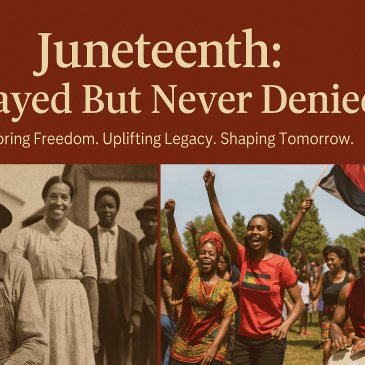
On June 19, 1865, Union troops arrived in Galveston, Texas, delivering a message that should have been old news: enslaved Black Americans were free. That message—long delayed—was not simply a declaration. It was liberation, finally delivered by force, not goodwill. And so, Juneteenth was born—not from celebration, but from necessity.
More than two years after Lincoln signed the Emancipation Proclamation, justice still hadn’t reached the last corners of this country. But when it did, it came with the force of righteous reckoning. Since then, Juneteenth has become a symbol not just of emancipation, but of resilience, delayed justice, and the unshakable spirit of a people who dared to dream of freedom in the shadow of slavery.
Today, we’re still reckoning. We’re still pushing against systems that delay freedom in more subtle forms—economic injustice, generational trauma, educational disparity. But just as our ancestors gathered to sing, feast, and speak names out loud that history tried to forget, we gather today not just to remember—but to reclaim.
So what does Juneteenth mean now, in this era of shifting cultural narratives and historical erasure? It means we double down on truth-telling. We turn platforms into pulpits. We ensure our stories aren’t just told—they’re owned.
At Changing Trends and Times, we aren’t simply observing a holiday—we’re honoring a movement. And through America in Black and White, we continue to highlight the voices, victories, and visions shaping our shared legacy.
This is not just history. These are the instructions. This is the blueprint. This is us.
This Juneteenth, the work continues. Through Changing Trends and Times and America in Black and White, we’re committed to remembering boldly, speaking truthfully, and uplifting relentlessly.
Subscribe to stay engaged. Listen to the stories that shape our struggle and celebrate our strength.
Share this post. Share the history. Share the torch.
Because freedom delayed… is a story still being written.
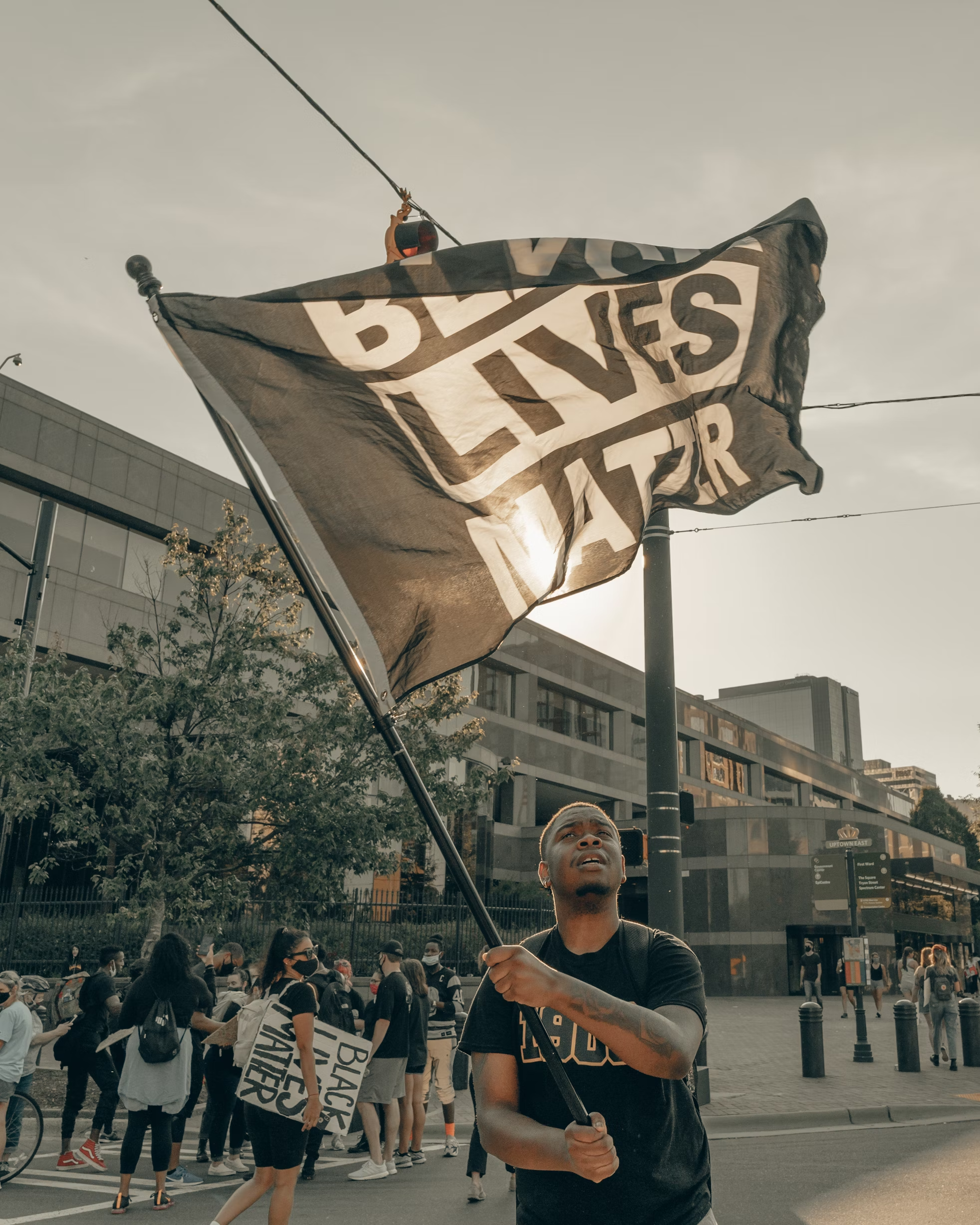
In the tapestry of American history, the struggles and triumphs of Black people are woven with threads of resilience, pain, and unmatched creativity. The journey began with the brutal enslavement of our ancestors, who were forcibly ripped from their homes and subjected to unimaginable horrors. Ever since, the legacy of those struggles has echoed through generations, shaping an identity that is rich, vibrant, and unyielding. Today, as we navigate the complexities of modern life, we stand in solidarity under the banner that Black Lives Matter—a reminder that our lives, our stories, and our culture deserve recognition and respect.
The Historical Context of the Black Struggle
The fight for Black liberation is a long and arduous road paved with countless sacrifices. From the shackles of slavery to the civil rights movement and the ongoing battles against systemic racism, we have witnessed a relentless cycle of oppression. Yet, in the face of such adversity, we have consistently demonstrated our capability to persevere. Many in our community juggle multiple jobs, often working 3-4 simultaneously, to provide for families under the constant pressure of financial insecurity and societal expectations. All while knowing that we remain targets of systemic injustice and violence.
An Ongoing Attack from Within and Without
Sadly, this struggle is not just against systemic barriers. It extends into the interactions with other minority groups. Whether it is Hispanic/Latino, Jewish, Asian, Haitian, Jamaican, or African communities, there exists a troubling tendency to overlook the unique narratives of Black history. Instead of solidarity, we often face competition and misunderstanding, sometimes leading to divisive rhetoric that exacerbates tensions. It’s a complex dynamic that needs addressing, but it is imperative to remind everyone that the Black narrative is rooted in struggle and resilience, not a commodity to be traded for convenience or perceived social capital.
Cultural Appropriation: The Theft of Black Creativity
The irony of our resilience is often overshadowed by a painful truth: the cultural contributions of Black Americans have been widely appropriated and capitalist entities have profited from our struggles. From the soul of Southern cooking to the rhythms of jazz, hip-hop, and R&B, our innovations have been co-opted by others who capitalize on our creativity while ignoring our struggles. The Hispanic/Latino community has, at points, engaged in this appropriation as well, often taking cultural elements like music, dance, and language styles from Black culture while not recognizing or acknowledging the original sources. Many popular artists and cultural icons have benefited from styles pioneered by Black entertainers without giving appropriate credit. Additionally, the adoption of Black slang, dance, and fashion trends by various groups often occurs without acknowledgment of their origins, leading to a sense of cultural dissonance.
The Political Landscape: A Fractured Community
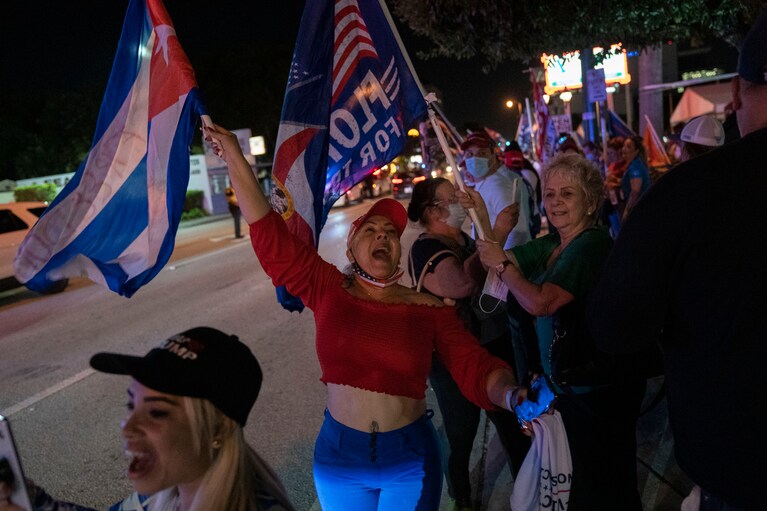
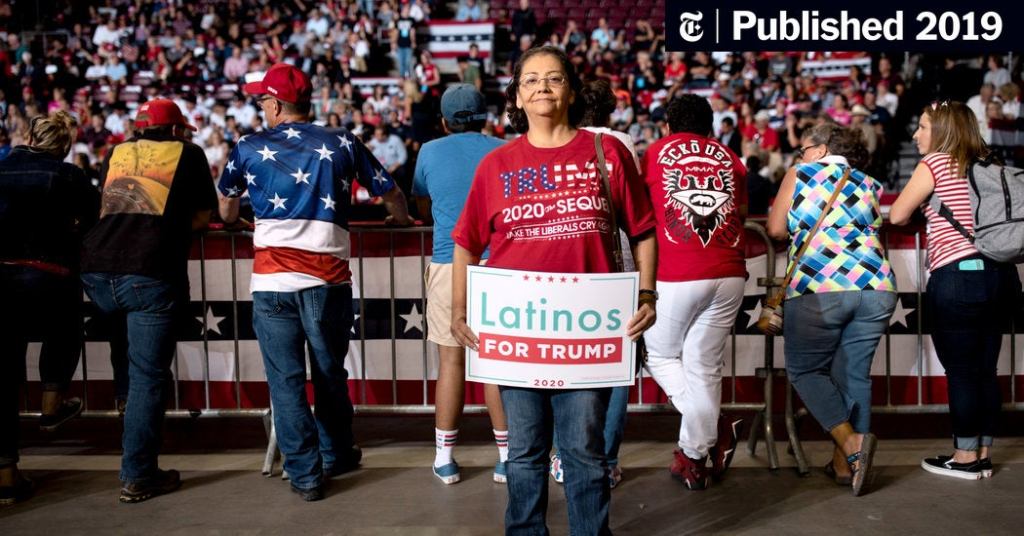
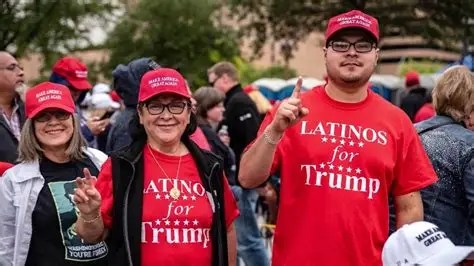
In the political arena, the decision by segments of the Hispanic community, notably Puerto Ricans, Dominicans, and Cubans, to align with candidates like Trump speaks volumes about the complexities of race relations in America. Many chose to support a figure who explicitly promised policies detrimental to Black lives, demonstrating a willingness to overlook the ramifications of their choices for the sake of perceived self-interest. When the consequences of those political decisions became apparent—rampant ICE raids, deportations, and a crackdown on immigrant rights—calls for solidarity towards Black individuals suddenly emerged. However, this raises profound questions: Why not reach out to influential figures within their own community like Jennifer Lopez, Gloria Estefan, and Eva Longoria? These figures, often championed for their success, remain conspicuously silent when it comes to the struggles faced by the broader community, especially Black individuals.
The Call for Unity and Accountability
As we stand firmly in our identity, it is crucial to confront this divide honestly. We must ask: How can healing occur from wounds inflicted by political choices and cultural theft? What message does it send when communities do not support their own representatives, leaving those in dire situations seeking help from groups they once turned their backs on? In moving forward, understanding and trust must be rebuilt on both sides. The Black community has been more than willing to support others in their struggles, but we need to have honest conversations about accountability and the reckoning that comes with shared space.
Conclusion: Can We Make it Make Sense?
This post serves as an invitation for dialogue—a chance to clarify misunderstandings and foster genuine connections. Together, we can address the historical wounds and work towards a future that celebrates diversity without appropriation, solidarity without betrayal. Let’s engage, respond, and reflect on how we can move from division to unity. The time for honest conversations is now; the future of our communities depends on it. Black Lives Matter, and so does the truth of our culture. Let’s make it count.
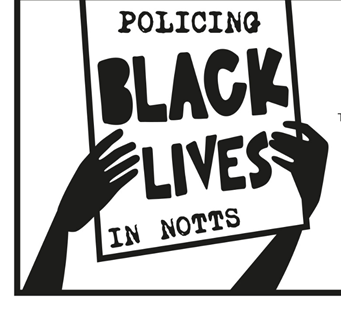
The Declaration of Independence proclaims, “We hold these truths to be self-evident, that all men are created equal, that they are endowed by their Creator with certain unalienable Rights, that among these are Life, Liberty, and the pursuit of Happiness.” These words have served as a foundational ideal of America, symbolizing the nation’s commitment to freedom, equality, and individual rights. However, while the eloquence of these words resonates throughout history, the reality for many, particularly Black Americans, has often been starkly different. The lofty ideals espoused in the Declaration were crafted in a historical context that excluded many, especially enslaved individuals and marginalized communities. As history progressed, this Declaration became a rallying cry for civil rights movements advocating for justice, equality, and inclusion. From the abolition of slavery to the fight for women’s rights and racial equality, the meanings of these rights have evolved and expanded. Yet, despite the progress we’ve made, the core issue remains: why are the rights of Black people still not fully enforced to benefit them? The policing of Black happiness is not merely a societal inconvenience; it reflects a pervasive systemic issue that affects the very essence of community life. Each time a gathering or celebration among Black individuals is interrupted by law enforcement, it speaks volumes about the insecurity of our right to life, liberty, and the pursuit of happiness. The police often show up at community events—block parties, cookouts, or simply neighbors enjoying time together—not out of protective concern, but with an underlying implication that our joy is somehow suspect. This reality creates a cycle of fear, whereby Black individuals must constantly navigate the paradox of existing in spaces meant for joy and connection while being aware that such moments can be deemed illegal. The notion that “if we are too happy, here comes the police” is not just an anecdote; it’s a lived experience for many. This policing transcends mere inconvenience—it is a grotesque manifestation of civil rights violations that roots itself in the fabric of systemic racism. Moreover, it is crucial to recognize that there are two justice systems at play, one that seems to protect and serve, and another that systematically undermines and criminalizes Black existence. Law enforcement officers often operate within a framework that grants them a license to kill without accountability, a reality starkly contrasted by how justice is meted out to other communities. When a Black person complains about an unjust encounter, they are frequently met with the dismissive retort: “That’s the law.” This blunt response strips the individual of their rights and dignity, forcing them into a position where their grievances are rendered invisible. When we examine the systemic violence that stems from these unjust practices, we must also consider the emotional toll it takes on Black communities. The constant threat of police intervention creates a climate of anxiety, where the simple act of enjoying life becomes a precarious endeavor. The fear of being stopped because one “fits a description” looms large, stifling the ability to engage fully in community life. This destruction of joy and the freedom to thrive creates a ripple effect with deeply entrenched consequences, limiting access to opportunities, hindering economic growth, and perpetuating cycles of poverty. As we continue to discuss the causes and effects of this policing of happiness, we must also look inward at the systemic structures that reinforce these injustices. It is essential to advocate for policy changes that genuinely uphold the principles outlined in the Declaration of Independence. The aim is not merely to reform the police but to dismantle the institutional barriers that keep Black people from enjoying equal rights and opportunities. The struggle for equality and a just society is ongoing, and as we look to the future, we must prioritize the enforcement of rights for all individuals, particularly those who have been historically marginalized. The call for justice cannot be one that accommodates discomfort. Rather, it should be a loud and unapologetic proclamation that Black happiness is not something to be policed but celebrated. It is a fundamental right to live freely, to enjoy the fruits of our labor, and to pursue that happiness guaranteed by the very document that serves as the cornerstone of American ideals. In conclusion, the path toward true equality requires commitment—from individuals, communities, and institutions alike—to actively challenge the status quo. It calls for a united front to raise awareness and advocate for reforms that ensure the rights outlined in the Declaration of Independence are not just empty words but real, enforced guarantees for everyone, regardless of race. We cannot allow the joy of any community to be policed. It is time to reclaim that joy and ensure it flourishes for every individual, free from shame, judgment, and fear. After all, it’s not merely a right; it’s an unalienable one.
In a world where history is often rewritten or distorted, the truth about Black people in America must be reclaimed and celebrated. We are the first people on Earth, born from the rich soil of Mother Africa, a land that gave life not only to a continent but to humanity as a whole. Our roots run deep, tracing back to civilizations that flourished long before the arrival of colonial powers. Yet, how often do we reflect on this history, one marked by both profound loss and incredible resilience?
The Arrival: A Journey of Deception
For the thousands who were forcibly brought to America, the journey was not just physical but a deception that stripped away our identities. Lured here under false pretenses, enslaved people were thrust into a harsh reality. Those who stole this land sought to exploit its resources—both natural and human—under the guise of progress. They assumed that free labor could build an empire without consequence. As time unfolded, the harsh systems established for profit birthed generations of struggle, resilience, and ultimately transformation. The legacy of slavery has left scars that continue to affect Black lives today, evident in systemic inequalities, violence, and misrepresentation.
The Historical Context: Who Were the True Savages?
History as taught in schools often omits critical truths about the violent legacy of colonization. The Moors, who once taught hygiene and civilization to the untamed Europeans, challenged the oft-portrayed narrative of Black inferiority. This history reveals a broader context: one where sins of the past are projected onto Black communities—a mind game crafted to uphold a façade of supremacy while masking the brutal realities of oppression. The term “savage” has been weaponized to describe those who were displaced by violence and exploitation, obscuring the oppressive actions of the very same individuals who labeled them. Stripped of history and agency, Black people were and are still mischaracterized through a toxic, false lens that serves only to uphold a white-dominated hierarchy.
The Modern Struggle: Systemic Inequities
Fast forward to the 21st century, and the disparities are stark. Data illustrates the systemic inequalities faced by African Americans—disparities in incarceration rates, access to education, and economic opportunity persist. Black individuals are often subjected to harsher penalties for similar crimes committed by white counterparts. The implications of this injustice extend into everyday life, creating an environment where fear supersedes ambition. Yet, through this oppressive landscape, resilience shines through. More Black individuals are rising to the occasion, collaborating to create spaces that feel like home—a true Utopia borne of shared experiences and collective strength. We are learning to trust in our accomplishments and embrace a unified identity that honors our history.
Building a New Narrative: Together We Rise
A growing movement in the Black community seeks validation not from the oppressive systems that once marginalized us but from within ourselves. Experiences from the past guide our present and shape our future. A new generation of leaders, innovators, and activists is paving the way for profound cultural and political change. As we continue to rally together, we recognize the importance of self-education, understanding our historical narratives, and fostering solidarity. This movement is not merely about seeking equality but about reclaiming our narrative and building a future that reflects our truths.
The Vision for 2045: A New America
Looking ahead, we envision a time when America will truly reflect the diverse cultures and histories that comprise it. By 2045, demographic projections suggest that those who built this land will reclaim their role in its narrative. A new America, one that acknowledges the contributions of its Black citizens and elevates them to their rightful prominence, is on the horizon. Our aim is not revenge but restoration. We seek to display the beauty of Blackness, honor the struggles of those who came before us, and create systems that genuinely support our communities.
Conclusion: Embracing Our Legacy
Being Black in America is a journey colored by struggles, resilience, and an undeniable spirit of hope. As we navigate through our complex history, we reclaim our narrative—a story that celebrates our ancestry and acknowledges the deep wounds yet to heal. This journey forward isn’t a solitary endeavor; it requires unity and collaboration amongst ourselves and allies who recognize that true progress is about lifting each other up. As we stand on the brink of a new era, let us continue to build our narrative rooted in truth, strength, and solidarity. The world is vast, but Mother Africa’s legacy will continue to pulse through each of us, echoing the strength of our history as we move toward a brighter, more equitable future.
Once heralded as the world’s leading superpower, America now finds itself at a crossroads—its global standing diminished, its principles abandoned, and its leadership failing to uphold the values it once championed. The country that once set the standard for democracy and influence has become a cautionary tale, a nation unraveling under the weight of its own contradictions.
The Betrayal of Founding Principles
America was built on ideals of freedom, equality, and opportunity, yet its history tells a different story—one of slavery, systemic oppression, and economic exploitation. While the nation classified itself as a beacon of conservatism, its actions have veered toward autocracy, with policies that increasingly resemble the authoritarian rule of regimes it once opposed. The shift toward extreme nationalism and suppression of dissent has left the country fractured, unable to reconcile its past with its present.
The Political Class and Their Obsession with Power
Many of America’s leaders—particularly those who align themselves with far-right ideologies—have openly admired authoritarian governments, seeking to mold the U.S. into a system that prioritizes control over democracy. The erosion of checks and balances, the targeting of truth-tellers, and the concentration of power in the hands of a few have created an environment where corruption thrives and accountability is nonexistent.
The Root of America’s Struggles: Hatred and Division
At the heart of America’s decline is its unwillingness to confront its deep-seated racial injustices. The hatred of Black people, the erasure of historical truths, and the refusal to acknowledge the contributions of marginalized communities have left the country in turmoil. Rather than addressing these issues, those in power have chosen to double down on oppression, ensuring that the cycle of inequality continues.
Yet, despite centuries of adversity, Black Americans have persevered, standing as a testament to resilience and strength. While others crumble under hardship, Black communities have faced struggle head-on, proving time and again that survival is not about privilege—it is about perseverance.
The Illusion of Entitlement
For generations, white entitlement has shielded many from the realities of struggle. The reliance on stolen wealth, systemic advantages, and historical manipulation has created a false sense of superiority—one that is now being challenged as the country faces economic instability, political unrest, and global ridicule. The inability to adapt, to work through hardship, and to build rather than take has exposed a fundamental weakness: survival requires resilience, not privilege.
The Higher Reckoning
As America teeters on the edge of collapse, the higher forces at play are calling for a reckoning. The lies, theft, and violence that have shaped the nation’s history can no longer be ignored. The time for change is now—whether through collective action, political awakening, or divine intervention, the old guard is being challenged, and a new era is on the horizon.
The question remains: Will America rise to meet this challenge, or will it continue down the path of destruction? The answer lies in the hands of those willing to fight for truth, justice, and the future of a nation that has lost its way.
As we celebrate Pride Month, it’s essential to reflect on the journey of the LGBTQ community, particularly the trailblazers from the Black community whose courage and creativity laid the groundwork for others to follow. These remarkable individuals not only fought for their rights but also shaped culture, literature, and social justice, leaving a lasting impact that resonates today.
Trailblazers of the Black LGBTQ Community
James Baldwin (1924-1987) A celebrated novelist, playwright, and essayist, James Baldwin used his words to confront racial and sexual injustice. His groundbreaking works, such as “Go Tell It on the Mountain” and “The Fire Next Time,” explored the complexities of identity, race, and sexuality. Baldwin’s eloquence and bravery in discussing his own experiences as a gay Black man have inspired generations to embrace their truths.
Marsha P. Johnson (1945-1992) A pivotal figure in the Stonewall uprising, Marsha P. Johnson was an activist, drag queen, and co-founder of the Street Transvestite Action Revolutionaries (STAR). Johnson dedicated her life to advocating for LGBTQ rights and providing support to homeless queer and transgender youth. Her fearless spirit and unwavering commitment to justice continue to inspire activists today.
Audre Lorde (1934-1992) Poet, essayist, and civil rights activist, Audre Lorde fought tirelessly for social justice, embracing her identities as a Black woman, lesbian, feminist, and activist. Her powerful writings, including “Sister Outsider” and “The Black Unicorn,” challenge oppression and advocate for the inclusion of marginalized voices. Lorde’s conviction in using her voice as a tool for change remains a beacon of hope for many.
Willie Ninja (1961-2006) Known as the “Godfather of Vogue,” Willie Ninja was a dancer and choreographer who brought prominence to the ballroom culture in New York City. His influence can be seen in the art of voguing, a dance form that celebrates individuality, confidence, and self-expression. Ninja’s legacy lives on through the countless performers he mentored and the vibrant LGBTQ culture he helped to cultivate.
Stormé DeLarverie (1920-2014) Often referred to as the “Rosa Parks of the queer movement,” Stormé DeLarverie was a singer, bouncer, and activist who played a vital role in the Stonewall uprising. Her fearless defiance against harassment and discrimination inspired countless others to stand up for their rights. DeLarverie’s courage and resilience have solidified her place in history as an icon of the LGBTQ movement.
Gladys Bentley (1907-1960) A trailblazing blues singer and performer, Gladys Bentley was known for her powerful voice and gender-fluid style in the 1920s and 1930s. Bentley broke barriers in a time when society deemed her behavior unacceptable. With her captivating performances, she challenged traditional gender roles and celebrated her identity with pride, paving the way for future artists.
Bayard Rustin (1912-1987) An accomplished civil rights strategist, Bayard Rustin was instrumental in organizing the 1963 March on Washington. Rustin’s activism was grounded in his identity as a Black gay man, and he often spoke out about the intersectionality of race, class, and sexuality. His legacy calls for an understanding of the complexities within social justice movements, reminding us that all voices matter.
Ernestine Eckstein (1933-2017) An influential advocate for LGBTQ rights, Ernestine Eckstein was one of the first Black organizations to use the term “gay” in its name. She was a key figure in the fight for gay rights and worked with organizations such as the Mattachine Society, influencing change within a movement that often sidelined people of color.
Barbara Jordan (1936-1996) A groundbreaking politician and orator, Barbara Jordan was the first Black woman elected to the Texas Senate and the first Southern Black woman elected to the U.S. Congress. While she was primarily known for her political work, Jordan also stood as a proud figure in the LGBTQ community, pushing for inclusion and justice.
Alvin Ailey (1931-1989) A revered choreographer and founder of the Alvin Ailey American Dance Theater, Ailey transformed the arts by showcasing African American cultural heritage through dance. His works often conveyed themes of struggle, love, and hope, reflecting his own experiences as a Black gay man. Ailey’s legacy continues to inspire dancers and artists around the globe.
The Struggles and Triumphs
While the contributions of these trailblazers are celebrated today, it’s critical to remember the repression that LGBTQ individuals have faced—and still face. Throughout history, the community has endured discrimination, violence, and marginalization. However, as we honor Pride Month, we see a community rising with strength, pride, and determination to reclaim their narratives and fight for equality. Today’s generation of Black LGBTQ men and women stands on the shoulders of these giants, embracing their identities and advocating for true representation and rights in all spheres of life. This Pride Month, let’s acknowledge the past, celebrate the present, and commit ourselves to a future of inclusivity and justice.
Unity and Love
As we reflect on this month, let us foster love for one another, understanding that our shared humanity transcends race, gender, and sexual orientation. The LGBTQ community is not just fighting for acceptance; it’s building alliances and working alongside the broader society to create a loving, inclusive world for everyone. Together, with the echoes of our trailblazers guiding us, we can forge a path toward equity and understanding, ensuring that every voice is uplifted, every story is told, and every identity celebrated. Happy Pride Month! Let’s honor our heroes, embrace our truth, and continue to champion love, respect, and unity for all.
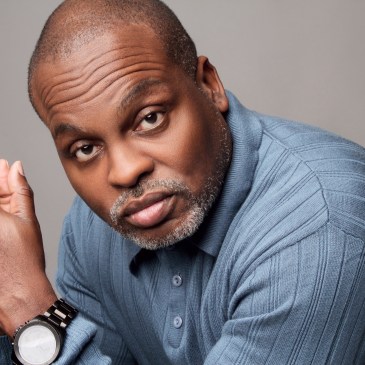
In a world where so many voices get lost in the noise, America in Black and White emerges as a beacon of clarity and understanding. Hosted by the dynamic Charles King, this podcast is not just another entry in the crowded audio landscape; it’s a masterclass in dialogue, connection, and community building that you simply cannot afford to miss.
Meet the Maestro: Charles King
Charles King is not your average host. With an impeccable style of interviewing, he has a rare gift for drawing out the essence of his guests. He approaches each conversation as a unique opportunity to explore the complexities of race, culture, and community in America. His deep understanding of the issues at hand, combined with his engaging approach, leaves both guests and listeners eager for more. It’s no wonder that both audiences and guest speakers keep returning for the rich discussions and insights that only Charles can provide.
What’s on the Table?
The topics tackled on America in Black and White are nothing short of essential. While the show dives deep into current events and the voices that often go unheard, Charles also highlights the narratives around history, identity, and societal issues that are deeply relevant to our current landscape. From thought-provoking interviews with influential leaders to candid discussions about race relations, community challenges, and personal triumphs, the show is a relentless pursuit of truth and connection. Charles is not just looking to create dialogue; he’s on a mission to build communities. He understands that the only way to move forward is through inclusive conversations that genuinely bring people together, bridging the gaps that society has too long let divide us.
The Platform and the Audience
America in Black and White is built for anyone who seeks to expand their understanding of the world around them. Whether you’re looking for thought leadership, a fresh perspective on contemporary issues, or a safe space to engage in challenging conversations, this podcast is your answer. Its target audience is broad yet defined—anyone who yearns for a deeper connection with their community and a more profound understanding of the cultural dynamics at play in our society.
Join the Journey
Finding the show is simple—head over to your favorite podcast platform and delve into the episodes waiting for you. Follow America in Black and White on social media for regular updates and insights. Your support is crucial. By subscribing, following, and sharing this show, you’re not just uplifting Charles; you’re contributing to a movement of awareness, understanding, and community-building that is so desperately needed today.
Be a Part of Something Bigger
Charles King truly wants to include you in this journey. He believes that every listener is a vital part of this mission, and your engagement can help amplify these critical conversations. By participating in the community that America in Black and White fosters, you become an agent for change—someone who can help dismantle barriers and build bridges. So why wait? Listen to American in Black and White today, and become part of a conversation that matters. Your voice, your support, and your engagement can make a difference, and together, we can shape a brighter future. Don’t just sit on the sidelines; jump into the dialogue, challenge your perspectives, and help uplift Charles and the community he strives to build. This is more than a podcast; it’s a movement, and you are invited to be a part of it.
Hello, dear readers and fans! I hope this message finds you well and excited! As we journey together through the world of storytelling, I wanted to take a moment to update you on the progress of my upcoming projects. There’s a lot happening behind the scenes, and I can’t wait to share it with you!
A Deep Dive into the Series
First off, I’m thrilled to announce that the journey of my 6-part book series has officially begun! The first installment is already out, and I’m so grateful for the positive feedback you’ve shared. Your enthusiasm fuels my passion to keep going! Currently, I have Books 2 and 3 completed and ready to go. However, I’ve decided to hold off on sending them to the publishing company for now. This is due to some logistical challenges and a few disturbances with my current publishing partner. I want to ensure that we have the right approach before moving forward. I promise that this series will keep you on the edge of your seat, drawing you deeper into the world I’ve created with every turn of the page!
Future Projects on the Horizon
Beyond the ongoing series, I have a treasure trove of ideas! There are 10 other book projects lined up on my shelf, each crafted with care and creativity, waiting to be perfected. My goal is to create stories that resonate with all segments of our great nation. And for those of you who love a twist of imagination, I am excited to dip my toes into Science Fiction! The technological era we’re living in provides such a rich canvas for creativity, and I can’t wait to explore it. Additionally, I’m working on my autobiography, which will be released in two parts. Sharing my journey with you has been a dream of mine, and I hope to provide insights into both the challenges and triumphs that have shaped who I am today.
I am also in the process of starting up my Book Club. For those of you that love reading and get excited about what we read, I want you especially to join the club. For all of you that are ready to connect and ready to read, lets do it. We will decide together what we will read and go forward. Please connect with me by emailing me at ckstoriesfromtheheart@gmail.com.
The Screenwriting Adventure
In exciting news, I’m also venturing into the realm of screenwriting! I’m currently developing scripts for both movies and television. One of these scripts is based on my first book series, and I can assure you it’s bursting with excitement and potential. The adaptation process is thrilling, and I can’t wait for you to see how it all comes to life on screen!
Stay Updated!
As you can see, there’s a lot in the pipeline, and I’m committed to making each project the best it can be. I encourage you to follow along for updates as they happen. Your support means everything to me, and it keeps my creativity alive. I can promise you that the finished products will be just what the doctor ordered—entertaining, engaging, and unparalleled in the worlds they create. Thank you for your unwavering support. I can’t wait to continue this journey with you, and I look forward to sharing more snippets of my work as we move forward. Let’s stay connected! Warmest regards, Charles Zackary King
On July 1, 2023, the long-debated “Cop City,” officially known as the Public Safety Training Center, opened its doors in Atlanta, igniting intense discussions about policing, community safety, and the future of urban areas across the city. While proponents tout it as a necessary step toward enhanced police training and accountability, many marginalized communities view its inception as a harbinger of military-style enforcement tactics that threaten to deepen existing inequalities.
A Step Backward Amidst Protests
The journey to the opening of Cop City was fraught with public outcry and dissent. Activists rallied against the development, arguing that resources should be allocated to community services rather than militarized policing. Protesters highlighted how increased funding for law enforcement detracts from essential services like education, healthcare, and housing. Despite these fervent protests, which included direct actions and community organizing against the facility, the city proceeded with its plans, raising concerns about the disregard for community voices and lived experiences. Tragically, the protests surrounding Cop City became synonymous with violence, culminating in the fatal shooting of activist Manuel Paez Teran by police during a raid in January 2023. The incident sparked outrage, highlighting the severe power imbalances in how law enforcement interacts with communities of color. Critics argue that this militarized response only exemplifies the systemic disregard for black and brown lives, raising questions about the ethical implications of maintaining a heavily armed police force equipped with the latest training techniques while vulnerable communities continue to face socioeconomic challenges.
The Shadow of Militarization
The opening of Cop City signals a shift in how policing will be carried out in urban Atlanta. With specialized training that emphasizes a militaristic approach, residents fear they will bear the brunt of aggressive tactics that come with purportedly enhanced officer preparedness. The facility is designed to teach law enforcement advanced techniques, including tactical maneuvers and crowd control, raising alarm bells about potential overreach and brutality in handling situations in marginalized neighborhoods. Persistent fear looms over communities already grappling with high levels of police presence and aggression. With Cop City operational, there is a growing apprehension that its implications will exacerbate racial profiling, wrongful arrests, and instances of violence – continuing the cycle of distrust between law enforcement and the very communities they are meant to serve. Residents of Atlanta’s marginalized communities are left questioning the consequences of militarized policing when they were already experiencing systemic oppression.
The Broader Impact on Urban Areas
The repercussions of Cop City extend beyond Atlanta into urban areas nationwide. The facility serves as a template for cities considering similar initiatives, regardless of the detrimental effects experienced in communities subjected to over-policing. In recent years, the cries for police reform and defunding have taken center stage, calling for a reevaluation of public safety priorities. The emergence of Cop City represents a contradictory narrative; rather than redirecting funds into community development and social services, the city has chosen to solidify its commitment to a more militarized approach to policing. With cities across America grappling with issues of systemic racism and inequality, the opening of Cop City could inspire a nationwide trend where cities move away from community-centric solutions. Urban areas might find themselves at a crossroads, where priorities shift toward protecting property and maintaining order over addressing the root causes of crime, such as poverty and lack of access to education.
A Call for Accountability and Change
As the community navigates the reality of a new training facility designed to bolster policing practices, it is imperative to continue advocating for accountability and reform. Residents must pressure local officials to ensure that Cop City does not become a tool for further marginalization but rather a catalyst for meaningful dialogue about safety, equity, and justice. The ongoing conversation surrounding public safety requires a comprehensive approach that prioritizes community input, resources for grassroots organizations, and effective solutions that promise real change. As Atlanta moves forward, it stands as a crucial moment for the city’s leadership to reevaluate its stance on policing and consider innovative approaches that empower, rather than intimidate, its diverse communities. In conclusion, while Cop City signifies a new era of law enforcement training, the implications of this shift must be critically examined. Elected officials must prioritize the voices and experiences of marginalized communities while holding law enforcement accountable to prevent a dystopian future where militarization rules over community welfare—before it’s too late.
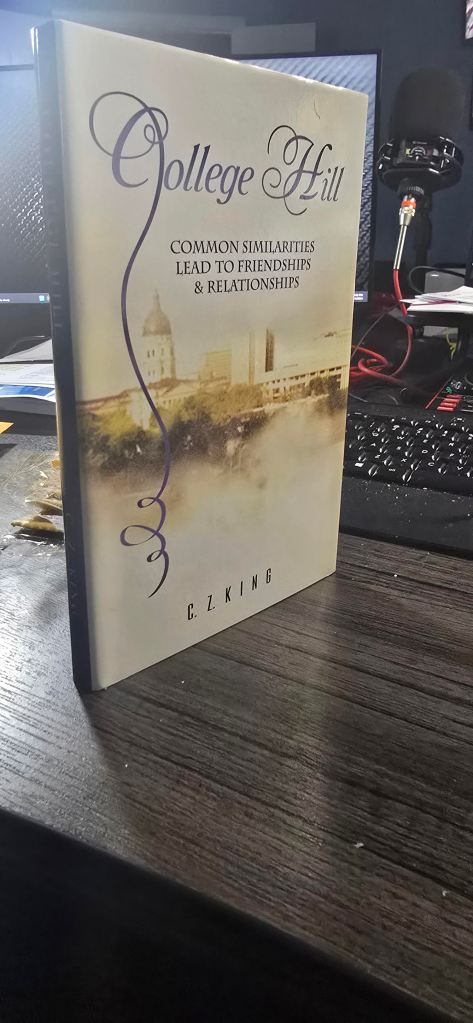
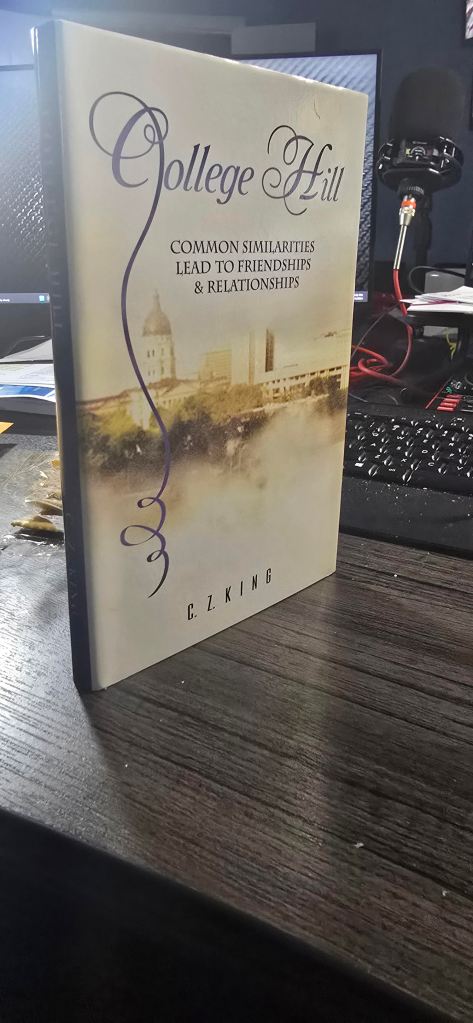
C.Z. King’s College Hill is more than just a story—it’s a heart-stirring tribute to the power of community, the resilience of the human spirit, and the profound meaning of love. This captivating book shines a spotlight on a small town brimming with promise, and the young men and women who dared to dream of something greater. It’s a story of homecoming, transformation, and the extraordinary impact of collective vision.
College Hill introduces us to a cast of dynamic characters who embody the essence of love—not just the romantic kind, but a deeper, enduring love for their roots, their community, and the people who shaped them. As these young adults navigate their personal journeys, they grapple with universal themes of identity, ambition, and connection. The town of College Hill becomes a character in its own right, symbolizing both the challenges and opportunities that come with revitalization.
But College Hill is just the beginning. The series unfolds over five additional books, each delving into the intricate lives of those who returned home to rebuild their town. Readers will follow gripping tales of sacrifice, resilience, and triumph as these characters work together to transform College Hill into a national model of economic growth and community pride.
From the visionary entrepreneur who turns a struggling local business into a thriving enterprise, to the educator who revolutionizes the school system, to the activist who inspires a movement for social justice—each book weaves an unforgettable narrative of growth and possibility. The series explores how love, in all its forms, can be the driving force behind profound change. Together, these young leaders redefine what it means to belong, to lead, and to dream.
With every page, you’ll find yourself yearning to know how College Hill rose from its humble beginnings to become a beacon of hope and innovation. How did these characters overcome their doubts, their failures, and their fears? What sparked their collective determination to turn their hometown into a symbol of possibility for the entire nation?
C.Z. King’s series is not just a compelling literary journey—it’s an invitation to reflect on the meaning of community and the boundless potential of love to reshape our world. Are you ready to embark on this transformative journey? The story of College Hill is waiting to inspire you.
The book is available on Amazon, Barnes and Noble and other outlets where you purchase your books.
You can also purchase the book from the Author C. Z. King with an Autograph
Ways you can contact C. Z. King and connect with him:



 Changing Trends and Times