Why IMTv360.io Is the All-in-One CRM 

Ai-Eco System Your Business Has Been Waiting For

In today’s fast-paced digital world, running a business without automation is like navigating a storm without a compass. If you’re looking for a smarter, faster way to engage with customers, book appointments, manage leads, and boost your online presence, IMTv360.io is your new best friend.

Whether you’re a small business owner, a service pro, or an entrepreneur managing multiple brands, IMTv360.io brings all your marketing, CRM, and customer engagement tools under one smart, easy-to-use platform. Let’s break down why this all-in-one marketing suite is quickly becoming the secret weapon for local businesses nationwide.


🌟 What Is IMTv360.io?

IMTv360.io is a full-stack digital marketing and automation platform that gives businesses the power to acquire customers on autopilot using artificial intelligence and real-time engagement tools. Think of it as your very own virtual marketing department—just without the overhead.

At its core, the platform is built to help you:

✅ Capture more leads
✅ Convert conversations into clients
✅ Automate follow-ups and scheduling
✅ Enhance your reputation with online reviews
✅ Reactivate old clients with targeted campaigns
✅ Never miss a call, message, or appointment again


🛠️ IMTv360 Features – What You Get Inside

1. AI Receptionist (Your 24/7 Customer Service Star)

Tired of missing calls or having leads fall through the cracks? The AI Receptionist is trained to handle real-time conversations, book appointments, respond to questions, and even follow up with potential clients—all without lifting a finger.

👉 Live Demo: https://whop.com/prime-ai-business


2. Unified Inbox for All Messages

Text, email, Facebook, Google Messages, Instagram DMs—it’s a lot to juggle. IMTv360 brings all your conversations into one place so you never miss a beat.


3. Webchat + Google Chat Integration

Turn every visitor into a customer by installing a smart chat widget on your site. With built-in AI, it can respond instantly and direct leads straight into your CRM.


4. Missed Call Text-Back & Call Recording

When someone calls and no one answers, the system sends an instant SMS follow-up. Plus, every call is tracked and recorded—perfect for training or quality assurance.


5. Automated Email + SMS Marketing

Reignite cold leads, send review requests, or launch promos automatically. With smart campaigns, your past clients will feel like you never forgot them.


6. Reputation Management Tools

Send review requests via text or email and manage Google and Facebook reviews from one dashboard. Get more 5-star ratings and turn happy customers into loyal fans.


7. Appointment Booking & Calendar Sync

Say goodbye to back-and-forth scheduling. Clients can book time on your calendar directly through text, website chat, or your social media.


📲 Try the AI Receptionist in Action

Want to see how powerful the AI tools really are? Visit the live demo and watch the AI Receptionist handle tasks like a pro:

👉 Demo Page: https://whop.com/prime-ai-business


📞 Got Questions? We’ve Got Answers!

Have questions or need help deciding if IMTv360.io is right for your business? Text or call us directly at:

📱 (701) 620-3759

We’re happy to walk you through the features or even schedule a private onboarding session.


🔗 Follow IMTv360 on Social Media

Stay in the loop with updates, live training, feature rollouts, and customer success stories:


💡 Final Thoughts

IMTv360.io isn’t just another CRM—it’s an entire marketing ecosystem designed to help you thrive in today’s digital-first economy. Whether you’re scaling a service-based business or building a brand from the ground up, this platform is built to grow with you.

If you’re ready to automate your hustle and finally get ahead, IMTv360.io is where you start.

 IMTv360 The Basement Krew Overview Promo 3.21.2025 7.24pm.mp4

IMTv360.io is an all-in-one online marketing platform designed to help local businesses acquire customers on autopilot by leveraging automation and artificial intelligence (AI). The platform offers a comprehensive suite of tools aimed at streamlining customer acquisition, engagement, and retention processes.

Key Features of IMTv360.io:

  • Lead Capture: Utilize tools like web chat widgets, Google Business Chat, and call-to-action forms to capture leads from your website, social media, and Google.
  • Nurture & Convert: Manage all your communications—including Facebook Messenger, email, SMS, webchat, and Google Messaging—through a unified inbox. The mobile app facilitates easy communication from your device, while features like missed-call text-back and video messaging enhance customer engagement.
  • Online Reviews: Effortlessly send review requests and respond to feedback from platforms like Google and Facebook within the same interface, helping to boost your online reputation.
  • Reactivation Campaigns: Re-engage your existing customer database through email and SMS campaigns, turning past clients into repeat customers. 
  • https://whop.com/prime-ai-business
  • AI Receptionist: Implement an AI-powered assistant to manage leads, book appointments, and handle customer inquiries, ensuring that no opportunity is missed.

AI Receptionist Demo:

Experience the capabilities of the AI Receptionist by visiting the demo page:

Contact Information:

  • Phone Number: (701) 620-3759 
  • By integrating these features, IMTv360.io aims to provide businesses with the tools necessary to automate customer interactions, enhance engagement, and drive growth through innovative AI solutions.


Unlock Success with a Systematic Approach: A Dive into Antonio Sherrell’s Visionary Guide

In a world buzzing with distractions and endless to-do lists, finding clarity and achieving goals can feel like an uphill battle. Enter Antonio Sherrell’s Systematic: How to Get a System Mindset, a transformative guide that has been making waves among readers eager to take control of their lives, businesses, and aspirations.

At its core, Systematic is not just a book; it’s a blueprint for rethinking how we approach challenges. Sherrell introduces the concept of the “system mindset”—a structured, intentional way of thinking that shifts the focus from isolated efforts to cohesive strategies. Whether you’re an entrepreneur looking to streamline operations, a professional navigating career growth, or simply someone striving for personal development, this book provides the tools to turn aspirations into achievable realities.

Why Should You Read Systematic?

  1. Practical Wisdom: Sherrell breaks down complex ideas into actionable steps, making it accessible for readers from all walks of life.
  2. Real-World Examples: The book is packed with relatable anecdotes and success stories that inspire and motivate.
  3. Holistic Perspective: It’s not just about systems; it’s about creating harmony between your mindset, habits, and goals.

One of the standout features of Sherrell’s approach is his emphasis on the power of consistency and adaptability. Life is unpredictable, but with a system in place, you can navigate uncertainties with confidence. As Sherrell wisely notes, “A system mindset isn’t about perfection—it’s about progress.”

Who Is This Book For?

  • The dreamer ready to turn visions into reality.
  • The overwhelmed professional seeking balance and efficiency.
  • The go-getter aiming for long-term success, not just short-term wins.

Join the System Mindset Movement

Antonio Sherrell’s Systematic is more than a book—it’s a call to action. It’s an invitation to embrace a mindset that empowers you to thrive in the face of challenges. Whether you’re setting out on a new journey or refining your current path, this book will equip you with the knowledge and inspiration to succeed.

So, what are you waiting for? Grab your copy of Systematic: How to Get a System Mindset today and start building the life you’ve always envisioned. Your future self will thank you!

You can purchase the book on Amazon: https://www.amazon.com/Systematic-How-Get-System-Mindset/dp/1480980595

Please follow on Social Media and connect:

IG @sherrell_legacy.

LinkedIn Antonio Sherrell MBA

FB @Antonio Sherrell

Understanding DEI and Affirmative Action: Key Differences and Broad Impacts

In recent years, the terms Diversity, Equity, and Inclusion (DEI) and Affirmative Action have become central to discussions about social justice and equality in the United States. While both initiatives aim to address systemic inequalities, they differ in scope, approach, and impact. This blog post explores the distinctions between DEI and Affirmative Action, their effects on various genders, ethnicities, and cultures, and how these initiatives place America in a complex position. Finally, we’ll discuss potential options to address these challenges and move towards a more equitable society.

What is Affirmative Action?

Affirmative Action refers to policies and practices aimed at increasing the representation of historically marginalized groups in areas such as education and employment. Initiated during the Civil Rights Movement, these policies focus on providing opportunities to individuals from underrepresented racial, ethnic, and gender groups by considering these factors in admissions, hiring, and promotion decisions.

Key Characteristics:

  • Focus on race, ethnicity, and gender.
  • Applies to specific areas like college admissions and workplace hiring.
  • Emphasizes creating opportunities for historically marginalized groups.

What is Diversity, Equity, and Inclusion (DEI)?

DEI is a broader framework that encompasses not only race, ethnicity, and gender but also other dimensions of identity, such as age, sexual orientation, disability, and socioeconomic status. DEI initiatives aim to create environments where all individuals feel valued, respected, and included. The focus is on fostering a culture of belonging and ensuring equitable access to opportunities and resources.

Key Characteristics:

  • Inclusive of multiple identity dimensions (e.g., race, gender, sexual orientation, disability).
  • Emphasizes creating a culture of belonging and respect.
  • Focuses on long-term systemic change and equity.

Broad Impacts on Genders, Ethnicities, and Cultures

Genders: Both DEI and Affirmative Action have significant implications for gender equality. Affirmative Action policies have historically aimed to increase the representation of women in education and the workforce. DEI initiatives expand this focus to include non-binary and transgender individuals, promoting gender diversity and addressing systemic barriers.

Ethnicities: Affirmative Action has played a crucial role in increasing the representation of racial and ethnic minorities in higher education and employment. DEI initiatives go further by addressing intersectionality—how race intersects with other identities—and creating inclusive environments that recognize and celebrate cultural differences.

Cultures: DEI initiatives emphasize the importance of cultural competence and awareness, fostering environments where diverse cultural perspectives are valued. This approach helps to dismantle stereotypes, reduce biases, and promote cross-cultural understanding.

The Complex Position of America

The implementation of DEI and Affirmative Action initiatives places America in a complex and sometimes contentious position. On one hand, these efforts are essential for addressing historical injustices and promoting equality. On the other hand, they can lead to resistance and backlash, with some arguing that such policies result in reverse discrimination or undermine meritocracy.

Potential Options for Moving Forward

  1. Education and Awareness: Increasing public understanding of the benefits and goals of DEI and Affirmative Action can help mitigate resistance. Educational campaigns and open dialogues can foster empathy and support for these initiatives.
  2. Policy Refinement: Continuously refining and evaluating policies to ensure they are fair, effective, and transparent can build trust and reduce perceptions of unfairness.
  3. Inclusive Leadership: Encouraging diverse leadership at all levels can model the values of DEI and Affirmative Action, demonstrating their positive impact on organizational culture and decision-making.
  4. Community Engagement: Involving communities in the development and implementation of DEI and Affirmative Action policies ensures that they reflect the needs and perspectives of those they aim to support.
  5. Data-Driven Approaches: Using data to track progress and identify areas for improvement can enhance the effectiveness of DEI and Affirmative Action initiatives, ensuring they achieve their intended outcomes.

Conclusion

DEI and Affirmative Action are crucial for addressing systemic inequalities and promoting a more inclusive society. While their implementation can be complex and sometimes controversial, the benefits of creating environments where all individuals feel valued and respected are undeniable. By educating the public, refining policies, promoting inclusive leadership, engaging communities, and using data-driven approaches, America can navigate these challenges and move towards a more equitable future.

Federal Judge Blocks Elon Musk and DOGE from Accessing Treasury Department Payment System

In a significant legal development, U.S. District Judge Paul Engelmayer issued a preliminary injunction blocking Elon Musk’s Department of Government Efficiency (DOGE) from accessing the U.S. Department of Treasury’s payment system. This decision came after a lawsuit was filed by 19 Democratic attorneys general, led by New York Attorney General Letitia James.

The lawsuit argued that Musk’s team, which was granted “full access” to the Treasury’s payment systems, violated federal law. These systems contain sensitive personal data, including Social Security numbers, Medicare information, veterans’ benefits, and tax refund details1. The attorneys general contended that President Donald Trump did not have the authority to grant such access and that it posed significant cybersecurity risks.

Judge Engelmayer’s ruling highlighted the potential for “irreparable harm” due to the risk of sensitive information disclosure and increased vulnerability to hacking. He ordered that any downloaded material from the Treasury systems be immediately destroyed3.

The Department of Government Efficiency, also known as DOGE, was established to identify and eliminate wasteful government spending. However, critics argue that granting DOGE access to the Treasury’s payment systems could lead to unauthorized freezes on federal funds and compromise the privacy of millions of Americans1.

Elon Musk has defended the access, stating that it is necessary to ensure accountability and traceability of government spending. Despite his objections, the judge’s decision stands, and a hearing on the matter is scheduled for February 143.

This case underscores the ongoing debate over the balance between government efficiency and the protection of citizens’ private information. As the legal proceedings continue, the implications for both government transparency and cybersecurity remain at the forefront of public concern.

1Fox Business | MSN
2CNN | MSN
3The Associated Press | MSN
4www.foxbusiness.com

Unleash Your Potential with Anthony Potter Jr.’s “Paycheck to Purpose”

In a world where finding purpose in your career can feel like a daunting quest, Anthony Potter Jr. emerges as a guiding light with his transformative new book, Paycheck to Purpose. This isn’t just another self-help manual; it’s a journey—a call to action for anyone feeling stuck in the rut of a monotonous job, craving more meaning and fulfillment in their professional life.

Discover the Path from Paycheck to Purpose

Anthony Potter Jr. shares his personal journey from a life of ordinary paychecks to one brimming with purpose and passion. Through candid storytelling and actionable advice, he empowers readers to recognize and harness their unique strengths, align their careers with their core values, and ultimately transform their lives.

What to Expect from the Book?

  • Insightful Anecdotes: Anthony draws from his own experiences and those of others who have successfully navigated the transition from a job to a calling.
  • Practical Strategies: Step-by-step guidance to help you identify your passions, set meaningful goals, and create a roadmap to achieve them.
  • Inspiring Quotes and Reflections: Motivational insights to keep you focused and energized on your journey to purpose

Who Should Read This Book?

  • Career Seekers: If you’re just starting out and want to ensure your career path aligns with your passions, this book is for you.
  • Mid-Career Professionals: Feeling burnt out or unfulfilled? Anthony’s guidance will help you reignite your passion and find renewed purpose.
  • Aspiring Entrepreneurs: Discover how to turn your purpose into a business, creating work that doesn’t just pay the bills but also enriches your life.

Why “Paycheck to Purpose” Matters

In today’s fast-paced world, it’s easy to lose sight of what truly matters. Paycheck to Purpose is a timely reminder that our careers should be more than just a means to an end. Anthony Potter Jr. challenges us to reflect, re-evaluate, and reimagine our professional lives, urging us to seek fulfillment and joy in the work we do.

Join the Movement

Embark on a journey of self-discovery and professional fulfillment with Paycheck to Purpose. Whether you’re looking to make a career change, find greater meaning in your current job, or start a new venture, Anthony Potter Jr.’s insights and strategies will inspire and guide you every step of the way.

Get Your Copy Today!

Don’t wait another day to start your journey from paycheck to purpose. Grab your copy of Paycheck to Purpose now and take the first step towards a more meaningful and fulfilling career. Let Anthony Potter Jr. be your guide to discovering the work you were meant to do.

From $27 Paycheck to Purpose is your ultimate guide to embracing personal growth, finding your purpose, and taking actionable steps to create a life of fulfillment. This engaging and practical book walks you through a 7-step journey, sharing real-life stories and proven strategies to help you overcome obstacles, shift your mindset, and invest in yourself. Packed with empowering insights and tools. From $27 Paycheck to Purpose will inspire you to take charge of your destiny and turn every challenge into an opportunity for growth.

Follow Anthony Potter Jr.

Stay connected with Anthony for more inspiration and practical advice:

Transforming The Minds of Men: A Must-Read for Personal Growth and Empowerment

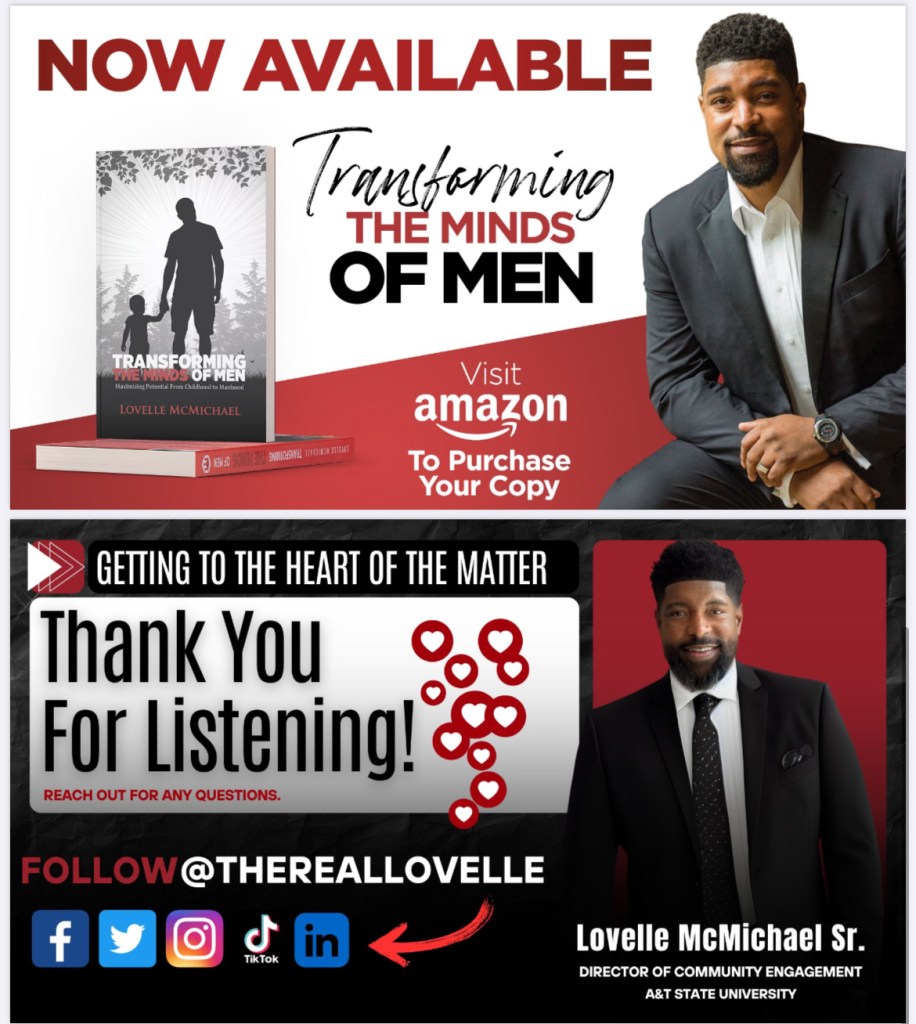
In a world where the journey from childhood to manhood is often fraught with challenges, Lovelle McMichael Sr.’s book, “Transforming The Minds of Men: Maximizing Potential from Childhood to Manhood,” stands as a beacon of hope and guidance. Available on Amazon, this powerful book is a must-read for anyone seeking to unlock their full potential and navigate the complexities of life with confidence and purpose.

“Transforming the Minds of Men: Maximizing Potential from Childhood to Manhood is in its 10th year! This book is a powerful guide to help men unlock their true potential, break cycles, and grow into their purpose-driven selves. My life’s mission is simple: reaching to rescue, teaching to transform, and impacting lives for purpose. Join me on this journey of transformation and empowerment—grab your copy today and take the first step toward a brighter future!”

Let’s change lives together! 

#TransformingMinds #MaximizingPotential #MenWithPurpose #PersonalGrowth #LifeTransformation #Inspiration #ManhoodRedefined #AmazonBooks #SelfDevelopment 

 Available now on Amazon: 

Why This Book Matters

Lovelle McMichael Sr. delves deep into the impact of fatherlessness among young men, particularly young black men in America. He addresses this pressing issue with compassion and insight, offering practical advice and strategies to help young men overcome the obstacles they face. The book is not just a critique of societal issues but a roadmap to personal growth and empowerment.

Key Takeaways

  1. Understanding Fatherlessness: McMichael Sr. explores the root causes and effects of fatherlessness, providing a comprehensive understanding of its impact on young men.
  2. Maximizing Potential: The book offers actionable steps to help young men maximize their potential, from childhood to manhood.
  3. Empowerment and Growth: Readers will find inspiration and motivation to take control of their lives and make positive changes.
  4. Community and Support: McMichael Sr. emphasizes the importance of community and support systems in the journey to manhood.

Who Should Read This Book?

“Transforming The Minds of Men” is a valuable resource for:

  • Young men seeking guidance and inspiration.
  • Parents and guardians looking to support their sons.
  • Educators and mentors working with young men.
  • Community leaders and advocates for youth empowerment.

How to Get Your Copy

Don’t miss out on this transformative read. “Transforming The Minds of Men” is available for purchase on Amazon. Whether you choose the Kindle version or the paperback, this book is a worthy addition to your personal library.

Join the Conversation

Have you read “Transforming The Minds of Men”? Share your thoughts and experiences in the comments below. Let’s start a conversation about the importance of empowering young men and building a brighter future for all.

What Black People Can Do to Take Back Their Communities: The Importance of Home Ownership

A Historical Perspective: 18th, 19th, and 20th Centuries

18th Century: During the 18th century, Black people in America faced the brutal reality of slavery. Home ownership was an unattainable dream as they were considered property themselves. The lack of freedom and rights meant that building a community or owning property was impossible.

19th Century: The 19th century saw the end of slavery with the Emancipation Proclamation in 1863. However, the promise of “40 acres and a mule” was never fulfilled, leaving many freed Black people without land or resources. The rise of Jim Crow laws further restricted their rights, including the ability to own property. Despite these challenges, Black communities began to form, with a focus on mutual aid and support.

20th Century: The 20th century brought both progress and setbacks. The Great Migration saw millions of Black people move from the rural South to urban areas in the North, seeking better opportunities. However, discriminatory practices like redlining and restrictive covenants prevented many from purchasing homes in desirable neighborhoods. The Civil Rights Movement of the 1960s brought significant changes, but economic disparities and systemic racism continued to hinder Black home ownership.

Building a Community: The Importance of Family

A strong community is built on the foundation of family. By fostering close-knit relationships and supporting one another, Black people can create a sense of belonging and security. Home ownership plays a crucial role in this process, as it provides stability and a place for families to grow and thrive. When families own their homes, they have greater control over their environment and can ensure that their community remains safe and welcoming.

Controlling What Comes In and What Goes Out

Home ownership allows Black people to have a say in what enters and leaves their community. By owning property, they can influence local policies, support Black-owned businesses, and create spaces that reflect their culture and values. This control helps to preserve the integrity of the community and ensures that it remains a place where Black people can flourish.

Employment and the Value of Money

Economic empowerment is essential for taking back communities. By understanding the value of money and making informed financial decisions, Black people can build wealth and create opportunities for future generations. Home ownership is a key component of this process, as it provides a valuable asset that can appreciate over time. Additionally, supporting Black-owned businesses and pursuing entrepreneurship can help to create jobs and stimulate economic growth within the community.

Conclusion

Taking back Black communities requires a multifaceted approach that includes home ownership, building strong family ties, controlling the community’s environment, and fostering economic empowerment. By understanding the historical challenges and working together to overcome them, Black people can create thriving, self-sufficient communities that provide a better future for all.

Addressing Key Issues in the Black Community

The Black community, like any other, faces a unique set of challenges and dynamics. Among these are the tensions between Black men and Black women, the lack of support for Black businesses, and the broader issue of supporting other ethnicities over their own. Understanding these issues and working towards unity is crucial for the community’s growth and prosperity.

The Feud Between Black Men and Black Women

One of the most pressing issues is the perceived feud between Black men and Black women. This tension often manifests in negative stereotypes, mutual distrust, and a lack of support for one another. Several factors contribute to this discord:

  1. Historical Trauma: The legacy of slavery, segregation, and systemic racism has left deep scars. These historical traumas have disrupted family structures and created a cycle of mistrust and resentment.
  2. Media Representation: Negative portrayals of Black men and women in the media perpetuate harmful stereotypes. These portrayals can influence how individuals perceive and interact with each other.
  3. Economic Pressures: Economic disparities and job insecurity can strain relationships. When individuals are struggling to make ends meet, it can lead to frustration and conflict within the community.

To address these issues, it’s essential to foster open and honest communication, promote positive representations, and support economic empowerment initiatives that benefit both Black men and women.

Lack of Support for Black Businesses

Another significant issue is the lack of support for Black-owned businesses. Despite the growing number of Black entrepreneurs, many Black businesses struggle to thrive due to limited patronage from their own community. Several reasons contribute to this phenomenon:

  1. Awareness: Many people are simply unaware of the Black-owned businesses in their area. Increasing visibility through social media, community events, and directories can help.
  2. Trust: There may be a lack of trust in the quality or reliability of Black-owned businesses. Building a reputation for excellence and reliability is crucial.
  3. Economic Barriers: Black-owned businesses often face challenges in accessing capital and resources. Supporting initiatives that provide financial assistance and mentorship can make a significant difference.

Encouraging the community to prioritize supporting Black-owned businesses can lead to economic growth and self-sufficiency.

Supporting Other Ethnicities Over Their Own

It’s not uncommon to see members of the Black community supporting businesses and initiatives from other ethnicities more than their own. This can be attributed to several factors:

  1. Perceived Quality: There may be a perception that businesses from other ethnicities offer better quality or value. Addressing this requires Black-owned businesses to consistently deliver high-quality products and services.
  2. Cultural Influence: The influence of other cultures through media and marketing can sway consumer preferences. Promoting and celebrating Black culture can help shift this dynamic.
  3. Accessibility: Sometimes, businesses from other ethnicities are more accessible or convenient. Ensuring that Black-owned businesses are easily accessible and well-marketed is essential.

Moving Forward Together

To overcome these challenges and foster unity within the Black community, several steps can be taken:

  1. Promote Positive Representation: Highlighting positive stories and role models within the community can help combat negative stereotypes and build mutual respect.
  2. Support Economic Empowerment: Investing in Black-owned businesses and encouraging entrepreneurship can create economic opportunities and reduce disparities.
  3. Foster Open Dialogue: Creating spaces for open and honest conversations about the issues facing the community can lead to greater understanding and collaboration.
  4. Celebrate Black Culture: Embracing and celebrating Black culture through events, media, and education can strengthen community bonds and pride.

By addressing these issues and working together, the Black community can build a stronger, more united future. It’s a collective effort that requires commitment, empathy, and a shared vision for progress.

Reflecting on the Anniversary of the U.S. Capitol Insurrection

Today marks the anniversary of the insurrection at the U.S. Capitol, a day that will forever be etched in the annals of American history. On January 6, 2021, a mob of supporters of then-President Donald Trump stormed the Capitol in an attempt to overturn the results of the 2020 presidential election. This unprecedented attack on the heart of American democracy resulted in significant damage, loss of life, and a profound impact on the nation’s psyche.

The Numbers and Charges

In the aftermath of the insurrection, the Department of Justice (DOJ) launched one of the largest investigations in its history. As of today, approximately 1,583 individuals have been charged with federal crimes related to the events of January 6. These charges range from misdemeanors to serious felonies, including assaulting law enforcement officers, using deadly or dangerous weapons, and seditious conspiracy1.

The most egregious charges have been brought against leaders of extremist groups like the Oath Keepers and the Proud Boys, who were convicted of seditious conspiracy for their roles in plotting to use violence to disrupt the peaceful transfer of power. Other individuals have faced charges for assaulting police officers with makeshift weapons, including flagpoles and stolen police batons3.

The Department of Justice’s Shortcomings

Despite the extensive efforts to hold those responsible accountable, many believe that the DOJ has failed the American people. Critics argue that the DOJ’s actions have not been sufficient to address the full scope of the insurrection and its aftermath. The perception of leniency and the slow pace of prosecutions have left a stain on the nation’s justice system and raised questions about the commitment to upholding the rule of law.

The DOJ’s handling of the insurrection has also been criticized for its inability to prevent the attack in the first place. The lack of preparedness and the failure to act on intelligence warnings have been seen as significant lapses that allowed the insurrection to occur. This has led to a loss of trust in the DOJ’s ability to protect the nation’s democratic institutions.

Historical Context

The insurrection at the U.S. Capitol is not an isolated event in American history. The Capitol has been the site of violence and attacks before, most notably during the Civil War era. In the 19th century, Congress witnessed numerous violent clashes, including the infamous caning of Senator Charles Sumner by Representative Preston Brooks in 1856. These historical events serve as a reminder of the deep divisions that have existed in the country and the challenges of maintaining a stable democracy.

However, the events of January 6, 2021, stand out due to their scale and the direct attack on the democratic process. The insurrection was a stark reminder of the fragility of democracy and the importance of safeguarding it against threats from within.

Moving Forward

As we reflect on the anniversary of the insurrection, it is crucial to remember the lessons learned and to continue the work of healing and rebuilding trust in our democratic institutions. The DOJ must redouble its efforts to hold all those responsible accountable and to restore faith in the justice system. Only through a commitment to justice and the rule of law can the nation move forward and prevent such an attack from happening again.

The stain left by the insurrection on the U.S. Capitol and the country as a whole is a sobering reminder of the work that remains to be done. It is a call to action for all Americans to stand united in defense of democracy and to ensure that the events of January 6, 2021, are never repeated.

: ABC News
: PBS News
: KTVB
: Capitol History

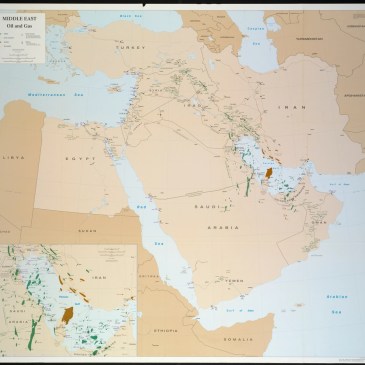
Middle East or East Africa?

The term “Middle East” is a relatively modern construct, coined by Western powers to describe a region that has long been a crossroads of civilizations. Historically, this area was often referred to as part of Africa, particularly the northeastern part of the continent. The name “Middle East” itself is a Eurocentric term that reflects the geopolitical interests of colonial powers rather than the cultural and historical realities of the region.

The people who have historically inhabited this land are diverse, with rich and varied cultures that have evolved over millennia. However, the arrival of European colonial powers in the 19th and 20th centuries brought significant changes. These powers imposed new borders, often disregarding the existing ethnic, cultural, and historical ties of the indigenous populations.

The colonial era saw the displacement of many indigenous peoples and the imposition of foreign rule. European settlers and administrators often claimed the land as their own, disregarding the rights and histories of the original inhabitants. This led to a loss of cultural heritage, as colonial powers sought to impose their own values and systems of governance.

In many cases, the occupiers appropriated the cultural symbols and practices of the indigenous peoples, often without acknowledgment or respect. This cultural theft has had lasting impacts, as the original cultures have been marginalized and their contributions to the region’s history and identity have been overlooked.

Today, the legacy of colonialism continues to shape the Middle East. The borders drawn by colonial powers have led to ongoing conflicts and tensions, as different groups struggle for recognition and autonomy. The cultural heritage of the region’s original inhabitants is still at risk, as modern political and social dynamics continue to marginalize their voices.

In conclusion, the term “Middle East” is a misnomer that reflects a colonial perspective rather than the true history and identity of the region. The people who have historically lived in this land have a rich and diverse cultural heritage that has been overshadowed by the legacy of colonialism. It is important to recognize and honor the contributions of these original inhabitants and to work towards a more inclusive and accurate understanding of the region’s history.