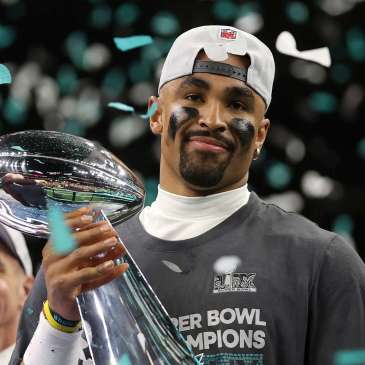
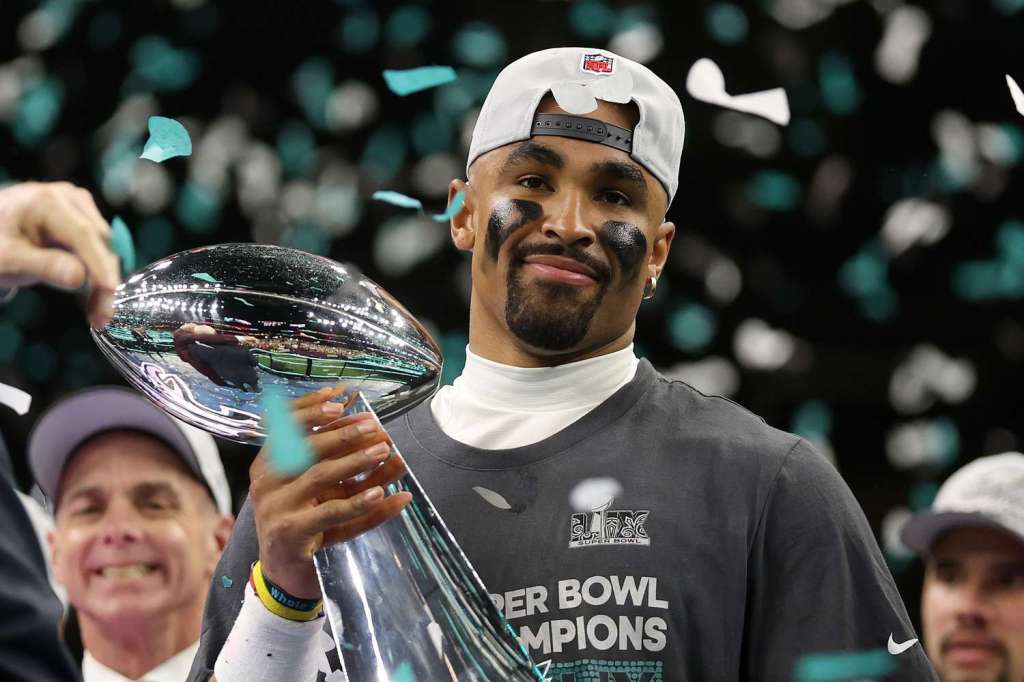
Since arriving in Philadelphia in 2020, Jalen Hurts has never had the same offensive coordinator in back-to-back seasons, a challenge dating back to his college days at Alabama and Oklahoma. Yet, he has never complained. Instead, he has put in the work, adapted, and excelled. His leadership carried the Eagles to two Super Bowl appearances in five years, including a Super Bowl LIX victory in 2025, where he was named Super Bowl MVPmedia.nfl.comThe Hilltop.
AJ Brown vs. Team Unity
Fresh off that championship, wide receiver A.J. Brown has publicly voiced frustration about being left out of the offensive game plan Sports Illustrated. His complaints echo the infamous Terrell Owens saga with Donovan McNabb after the Eagles’ 2005 Super Bowl loss. Owens’ selfishness fractured the team, leading to Andy Reid’s firing, McNabb’s trade, and Owens’ departure.
Brown’s lack of effort on contested catches and his media outbursts have drawn criticism. Meanwhile, DeVonta Smith has emerged as a true WR1, battling for every ball and proving his reliability. The Eagles gambled by keeping Brown past the trade deadline, but his behavior continues to cast a shadow.
Outside Voices: Seth Joyner & LeSean McCoy
Former Eagles Seth Joyner and LeSean McCoy have suggested that some in the organization are unhappy with Hurts. But let’s be clear: letting Hurts walk would be unthinkable. Every other NFL team would break the bank to sign him. Joyner was a solid linebacker but never a game-changer, while McCoy’s career fizzled after early promise. Their critiques seem more rooted in bitterness than fact.
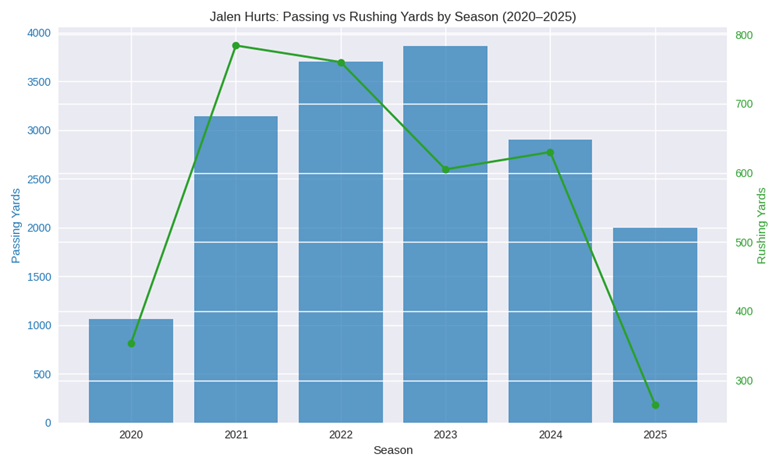
a chart comparing Jalen Hurts’ passing and rushing yards by season.
This dual-axis chart highlights how Hurts has balanced his game since entering the NFL. His passing yards steadily climbed from 2020 to 2023, peaking at nearly 3,900, while his rushing yards consistently added another dimension to the Eagles’ offense. Even in seasons with coordinator changes, Hurts adapted and delivered.
Holds NFL record for most rushing TDs in a season by a QB (15)
Career playoff record: 5–3, with 1,592 passing yards and 9 rushing TDs
Final Thoughts
The Eagles’ success is inseparable from Jalen Hurts. He has proven himself as a franchise leader, overcoming instability at coordinator, silencing critics, and delivering championships. The real question isn’t whether Hurts is the problem, it’s whether the organization can keep the locker room united and silence distractions.
Readers, what do you think? Is Jalen Hurts the long-term answer for Philadelphia, or do the Eagles risk repeating history by letting drama overshadow their success? Comment below, subscribe, and join the conversation.
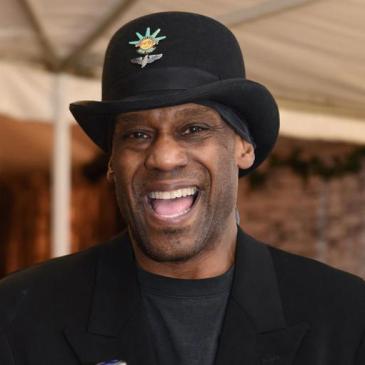
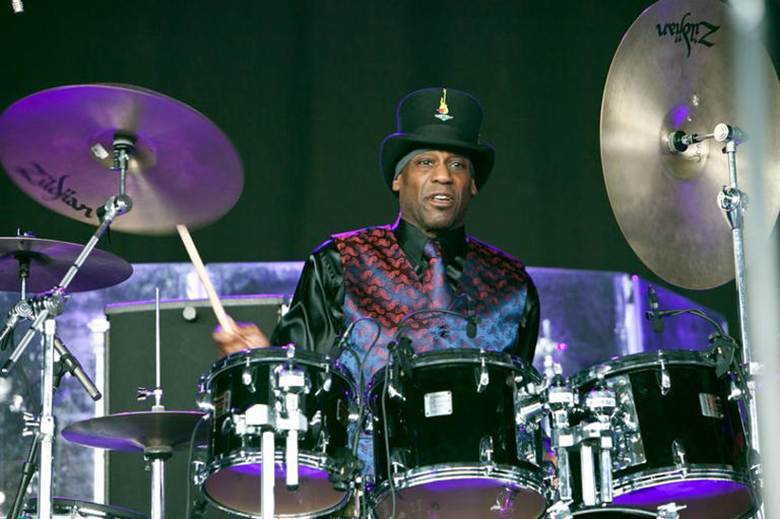
Garry George “Jellybean” Johnson, legendary drummer, guitarist, producer, and founding member of The Time, has passed away at the age of 69, just two days after celebrating his birthday. His sudden death marks the loss of one of the architects of the Minneapolis Sound, a genre-defining fusion of funk, rock, R&B, and new wave that continues to influence music today Rolling StoneFOX 9 Minneapolis-St. PaulWikipediaBring Me The News.
Honoring His Legacy
Jellybean Johnson was born in Chicago in 1956 and moved to Minneapolis at age 13. It was there that he befriended future icons like Prince, Morris Day, Jimmy Jam, and Terry Lewis, forming the creative nucleus that would shape an entire era of music Rolling StoneFOX 9 Minneapolis-St. Paul.
The Time (1981–1984): Johnson was the original and only drummer for Prince’s band The Time, appearing in Purple Rain and helping deliver hits like 777-9311, Jungle Love, and The Bird. His drumming style became a cornerstone of the Minneapolis Sound Rolling StoneYahooWikipedia.
The Family (1985): After The Time split, Johnson joined Prince’s short-lived project The Family, which released the original version of Nothing Compares 2 UAOLWikipedia.
Graffiti Bridge & Pandemonium (1990): Johnson reunited with The Time for Prince’s film Graffiti Bridge and their album Pandemonium, which included the chart-topping single Jerk OutAOLWikipedia.
Collaborations & Production: Beyond Prince, Johnson worked with Janet Jackson (Black Cat), New Edition (Crucial), Alexander O’Neal (Criticize), Mint Condition (Breakin’ My Heart), and Nona Hendryx (Why Should I Cry) WikipediaDiscogs. His versatility as both drummer and guitarist made him an in-demand session musician and producer.
Solo Work: In 2021, he released his long-awaited solo album Get Experienced: The Jellybean Johnson Experience, showcasing his guitar artistry WikipediaBring Me The News.
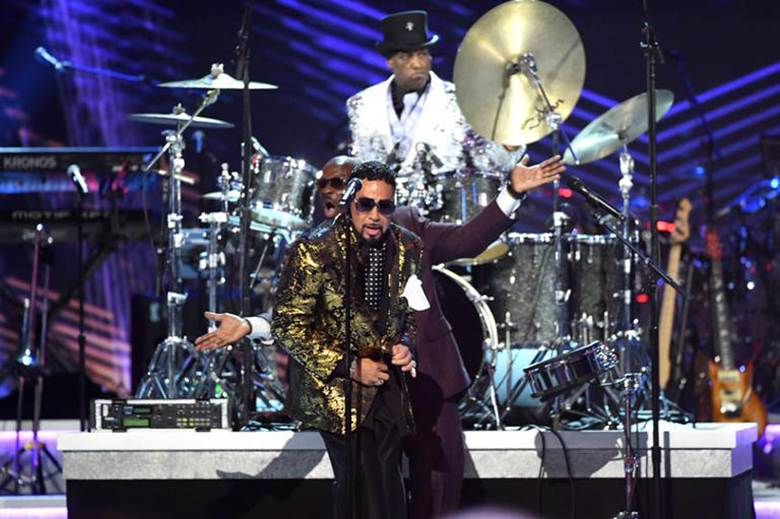
Later Performances: Johnson performed with The Time and Rihanna at the 2008 Grammys, and returned for Prince tributes in 2017 and 2020 BillboardWikipedia.
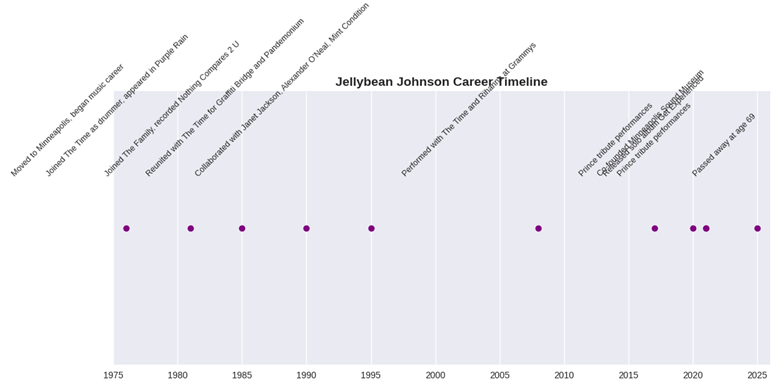
Visual Timeline of His Career
Here’s a timeline chart capturing his milestones from 1976 to 2025:
Preserving the Minneapolis Sound
Johnson’s vision extended beyond performance. In 2021, he co-founded the Minneapolis Sound Museum, dedicated to preserving the history and cultural impact of the genre he helped pioneer Bring Me The News. His final reflections on legacy emphasized community, mentorship, and ensuring future generations had access to creative spaces like those that shaped him North NewsBring Me The News.
Tributes
Musicians and fans alike have poured out tributes. Morris Day called him “more like a brother than a bandmate,” while Sheila E. remembered him as “a kind human being, extremely talented and funny.” Susannah Melvoin described him as “the master of loving you like no brother could” Rolling StoneYahooInternational Business Times UK.
Closing Thoughts
Jellybean Johnson’s artistry was not confined to the stage—it was embedded in the DNA of modern pop and R&B. His drumming, guitar work, and production shaped hits across decades, while his mentorship and museum project ensured the Minneapolis Sound will live on.
*This piece is inspired by the original reporting of Lauren Mascarenhas for CNN.*
In a time when the debate over immigration and law enforcement remains as heated as ever, one figure stands out in the community of Charlotte, North Carolina. Sheriff Garry McFadden, a former homicide detective and a recognizable face from the television screen, is not just any sheriff; he is a guardian aiming to protect his citizens while navigating the complexities of immigration enforcement.
A Robust Background
Garry McFadden’s journey to becoming a sheriff is one marked by resilience and dedication. Before stepping into his role as the sheriff, McFadden served as a homicide detective for over 20 years. This experience armed him with a deep understanding of criminal justice, empathy for victims, and an eye for the broader implications of crime in society. His work in law enforcement was complemented by his appearances on the A&E network’s “The First 48,” where he showcased his investigative skills and humanity as he handled sensitive cases.
This unique combination of experience behind the badge and in front of the camera has endeared McFadden to citizens and given him a platform to address issues affecting the community. His tenure in law enforcement has shaped his perspective, particularly towards the immigrant population.
Standing Firm Against ICE
Sheriff McFadden has made headlines for his staunch opposition to the practices of U.S. Immigration and Customs Enforcement (ICE). His approach centers around the belief that local law enforcement should not act as an extension of federal immigration authorities. This stance is not merely a political statement; it is a reflection of his commitment to protecting all citizens, regardless of their immigration status. He understands that fear of deportation can prevent crime victims and witnesses from coming forward, ultimately putting the entire community at risk.
McFadden’s advocacy extends beyond rhetoric; he actively seeks to build bridges between the sheriff’s department and marginalized communities. He often emphasizes the importance of community trust in law enforcement. By not cooperating with ICE on low-level offenses, he aims to nurture an environment where all residents feel safe reporting crimes.
A Community Focus
The strength of Sheriff McFadden lies not only in his dedication to fair policing but also in his community involvement. He frequently attends local events, engages with residents, and tackles various issues affecting Charlotte’s neighborhoods. From youth mentorship programs to initiatives aimed at curbing domestic violence, McFadden’s leadership goes beyond traditional law enforcement.
His command is marked by transparency, as he is unafraid to discuss the complexities of policing in public forums. He listens to constituents’ concerns, making residents feel heard and valued, thereby strengthening the ties between citizens and their sheriff’s office.
Embracing A New Era of Leadership
Sheriff Garry McFadden’s approach to leadership represents a new era in law enforcement where community protection and civil rights intersect. By standing firm against ICE, he not only protects vulnerable populations but also fosters a culture of inclusivity and trust. In a world often divided by policy and opinion, McFadden stands as an emblem of a law enforcement official who is not just about enforcing the law but about serving the community.
With a commitment to transparency and community engagement, McFadden continues to impact Charlotte positively. His background as a detective, his experience in the spotlight, and his unwavering dedication to protecting all citizens have come together to form a sheriff who embodies strength, compassion, and resolve.
As we witness the evolving landscape of immigration enforcement and community relations, Sheriff McFadden serves as an inspiring example of how one individual’s leadership can make a profound difference.
By Charles Zackary King – America in Black and White / AMIBW The Magazine
The holidays are a time of joy, connection, and celebration. But for many in underserved, marginalized, and LGBTQ communities, they can also bring financial stress. Rising costs, economic uncertainty, and the pressure to “keep up” can make this season feel overwhelming. The truth is: prosperity isn’t about how much you spend, it’s about how wisely you manage what you have.
Here are 7 smart holiday spending tips to help you celebrate without financial regret:
1️⃣ Set a Holiday Budget, and Stick to It
Decide how much you can realistically spend before shopping.
Break it down into categories: gifts, food, travel, and entertainment.
Remember: a budget is not a restriction, it’s a roadmap to peace of mind.
2️⃣ Prioritize Meaning Over Money
The most valuable gifts are time, love, and presence.
Consider homemade gifts, shared experiences, or community service.
Focus on creating memories, not debt.
3️⃣ Avoid Credit Card Traps
High-interest debt can linger long after the holidays.
Use cash or debit when possible to stay grounded in reality.
If you must use credit, pay it off quickly to avoid long-term costs.
4️⃣ Shop Smart and Early
Compare prices online before buying.
Take advantage of community markets and small businesses that often offer affordable, unique items.
Avoid last-minute shopping, it leads to overspending.
5️⃣ Protect Your Future Goals
Don’t let holiday spending derail long-term plans like saving for a home, investing, or retirement.
Ask yourself: Will this purchase bring lasting value, or just temporary satisfaction?
Keep your financial priorities front and center.
6️⃣ Build Community Wealth
Support local LGBTQ-owned and minority-owned businesses.
Every dollar spent in your community strengthens its future.
Think of holiday spending as an investment in legacy.
7️⃣ Plan for the New Year
Start January with a financial reset: review what worked and what didn’t.
Set savings goals early to avoid repeating holiday stress.
Remember: prosperity is a journey, not a one-time event.
Closing Thought
This season, let’s choose prosperity over pressure. Being smart with your money is not just about surviving uncertain times, it’s about building a future where our communities thrive. Joy doesn’t come from overspending; it comes from knowing we are protecting our legacy, our families, and our futures.
On November 6th, nine Black women gathered at the Cork and Bull Chophouse in Chesapeake, Virginia for what was meant to be a joyful Friendsgiving celebration. Instead, their evening turned into humiliation and pain.
According to reporting by Jeroslyn JoVonn, a fight broke out between two women who were not part of their group. Yet, despite having no involvement, the nine friends were told to leave. When one of them asked why, a manager allegedly responded: “Because you all like to fight.”
The women, who had simply come together for fellowship, were forced to stand up in front of other patrons and exit the restaurant, while the actual individuals involved in the altercation had already left. As one of the women, Shakoya Holt, explained, “We were all put in a negative spotlight in that moment. It was all eyes on us, very embarrassing.”
Now, the group has hired attorney Joyvan Malbon-Griffin, who has stated that this treatment was discriminatory and violated their rights. “All nine of these women were treated more harshly than the two people who were actually engaged in the misdemeanor action,” Malbon-Griffin said. The women are seeking accountability and justice.
The Bigger Picture
This incident is not isolated. It reflects a broader pattern of how Black people, especially Black women, continue to be disrespected, stereotyped, and discriminated against in public spaces. To assume guilt based on race, and to punish those who were minding their own business, is not only unjust but deeply harmful.
How do you justify removing nine women who were not involved, while excusing the actual participants in the fight? How do you justify humiliating them in front of an entire restaurant?
This is not just bad judgment, it is systemic bias. And when establishments act this way, they are not only violating the dignity of their customers, but also potentially violating constitutional protections and the Commerce Clause, which ensures equal access and fair treatment in public accommodations.
The Questions We Must Ask
When does this stop?
When will establishments be held accountable for discriminatory actions?
How many more incidents must occur before businesses recognize that treating customers with dignity and respect is not optional, it is a legal and moral obligation?
A Call for Accountability
The women involved have said “enough is enough.” And they are right. We must demand accountability from businesses that perpetuate discrimination. We must call out injustice when we see it. And we must remind every establishment: Black women, and all marginalized communities, deserve respect, safety, and dignity.
Until accountability is enforced, these incidents will continue. But by shining a light on them, by refusing to stay silent, and by demanding justice, we can push for change.
Closing Thought
This is about more than one restaurant. It is about a culture that too often stereotypes and mistreats Black people. It is about ensuring that our communities are not humiliated, dismissed, or denied their rights.
Treat your customers with dignity and respect. Period.
Credit: Original reporting by Joe Walker (@joewalkr, The Independent)
Atlanta rapper B Green, born Linton Blackwell, was shot and killed on October 11th outside Five Paces Inn in Buckhead. The autopsy revealed a chilling truth: he was shot 17 times in the back by off-duty police officer Gerald Walker, who was working security at the bar.
Police claim Walker was responding to reports of a “disruptive person.” They allege that Green attempted to re-enter the bar through a rear entrance and later placed an item in the small of his back. Commands were issued “in reference to a gun,” and moments later, Green was gunned down. Investigators later found a firearm, but the autopsy makes clear: every single bullet entered his back.
Green’s manager and friend, Timothy Coleman, expressed disbelief: “I just couldn’t believe it was 17 times in the back. There’s not one shot in the front. If he wasn’t pointing a gun at you or doing anything, what does that have to do with shooting him in the back 17 times? That means he wasn’t facing you. He wasn’t a threat.”
Green was a father of twin girls, a family man, and an artist who left behind a legacy, including his final album PTSD: Vietnam Vet released in 2020.
The Larger Issue
This is not just about one man. This is about a system that continues to allow police officers, sworn to protect, to kill Black men with impunity.
Seventeen shots in the back is not self-defense. It is execution.
When officers fire this many times, it reveals not fear, but intent.
The justice system has repeatedly failed to hold officers accountable, creating what feels like a license to kill.
And what makes this even more painful is the reality that Black officers, too, have participated in this cycle of violence against their own communities. The badge, in too many cases, has become a shield for abuse rather than a symbol of protection.
The Questions We Must Confront
What will make a person shoot another human being 17 times in the back?
How can the justice system continue to justify these killings?
Why are Black men still being killed, while the officers responsible walk free?
When will police departments stop operating like mafia hit squads, taking lives whenever they feel like it?
A Call for Accountability
It is long past time to demand change. Calls to “defund” are not about chaos, they are about redirecting resources away from militarized policing and toward community safety, mental health, education, and opportunity.
Every time another Black man is killed, we are reminded that reform alone is not enough. Accountability must be real. Justice must be enforced. And communities must be empowered to protect themselves from the very institutions that claim to serve them.
Timeline of Police Killings of Black Men (2014–2025)
2014 – Michael Brown (Ferguson, Missouri)
Shot and killed by Officer Darren Wilson.
His death sparked nationwide protests and helped ignite the Black Lives Matter movement Statista.
2015 – Walter Scott (North Charleston, South Carolina)
Shot five times in the back while fleeing a traffic stop.
Officer Michael Slager was eventually sentenced to 20 years in prison CBC.
2016 – Alton Sterling (Baton Rouge, Louisiana)
Shot outside a convenience store while pinned to the ground.
Federal prosecutors declined to charge the officers involved CBC.
2016 – Philando Castile (Falcon Heights, Minnesota)
Shot during a traffic stop after informing the officer he was legally carrying a firearm.
The aftermath was streamed live on Facebook by his girlfriend. Officer Jeronimo Yanez was acquitted CBC.
2016 – Terence Crutcher (Tulsa, Oklahoma)
Shot while his hands were raised near his stalled vehicle.
Officer Betty Shelby was acquitted of manslaughter CBC.
2020 – George Floyd (Minneapolis, Minnesota)
Murdered when Officer Derek Chauvin knelt on his neck for over nine minutes.
His death sparked global protests against police brutality Wikipedia.
2020 – Rayshard Brooks (Atlanta, Georgia)
Shot in the back by police after being found asleep in his car at a Wendy’s drive-thru.
His killing reignited protests in Atlanta Wikipedia.
2022 – Patrick Lyoya (Grand Rapids, Michigan)
Shot in the back of the head during a traffic stop.
Officer Christopher Schurr was charged with second-degree murder Wikipedia.
Pattern of excessive force: From Ferguson to Atlanta, Black men are disproportionately killed by police.
Lack of accountability: Many officers are acquitted or never charged, reinforcing systemic impunity.
Escalation of violence: Shooting someone 17 times in the back, as in B Green’s case, is not policing — it is execution.
Community impact: Each killing leaves families devastated and communities traumatized, fueling mistrust of law enforcement.
Closing Thought
This timeline makes clear: B Green’s killing is not an isolated tragedy. It is part of a decades-long crisis of police violence against Black men. Until accountability is real and systemic change is enforced, these killings will continue.
B Green’s death is not just a tragedy, it is a symptom of a system that continues to devalue Black lives. Seventeen shots in the back is not policing. It is murder.
The question remains: When will justice finally come?
Credit: Original reporting by Jacob Shamsian (Business Insider)
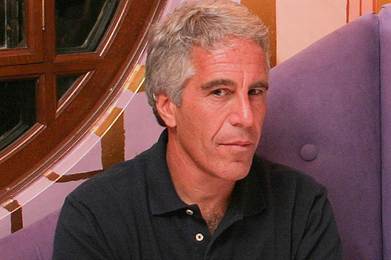
For 22 years, Harry Beller served as Jeffrey Epstein’s personal accountant. He wasn’t one of the boldfaced names splashed across Epstein’s social calendar, not a Jes Staley, Bill Clinton, Donald Trump, or Prince Andrew. But Beller was entrusted with managing some of the most delicate parts of Epstein’s financial life.
Court records and Suspicious Activity Reports (SARs) filed by JPMorgan Chase reveal that Beller personally withdrew tens of thousands of dollars in cash from Epstein’s accounts, sometimes in structured amounts just under the $10,000 reporting threshold. These withdrawals raised alarms inside JPMorgan as early as 2002, long before Epstein’s abuse of girls was publicly investigated. Yet, despite repeated red flags, Epstein continued to bank with JPMorgan until 2013.
Congressional investigators now want answers. Democrats on the House Oversight Committee are seeking subpoenas for bank records tied to Beller and others in Epstein’s orbit. Senator Ron Wyden has demanded records from the Treasury Department and JPMorgan CEO Jamie Dimon. Civil lawsuits have already revealed that HBRK, a company managed by Beller and Epstein’s top accountant Richard Kahn, facilitated Epstein’s trafficking operation.
Here’s a Sidebar Timeline of Epstein’s Financial Enablers that you can integrate into your blog post. It highlights the network of individuals and institutions who sustained Epstein’s empire, showing readers how deep this goes.
Sidebar Timeline: Epstein’s Financial Enablers
1990s – Early Foundations
Richard Kahn – Epstein’s top in-house accountant. Oversaw financial structures and directed Harry Beller’s work.
Harry Beller – Personal accountant for 22 years. Managed cash withdrawals, corporate filings, and tax documents tied to Epstein and Ghislaine Maxwell.
2000s – Banking Relationships
JPMorgan Chase – Epstein’s primary bank until 2013. Filed multiple Suspicious Activity Reports (SARs) over large cash withdrawals but continued servicing his accounts.
Jes Staley – Former Barclays CEO and senior JPMorgan executive. Maintained close ties with Epstein, exchanging hundreds of emails, some with disturbing undertones.
2008 – First Conviction
Epstein pleads guilty to sex crimes in Florida. Despite this, financial institutions and associates continue to work with him.
HBRK Company – Managed by Beller and Kahn. Allegedly facilitated Epstein’s trafficking operation through financial structures.
2010s – Continued Influence
Ghislaine Maxwell – Partner and enabler. Her tax forms and corporate records repeatedly list Beller’s involvement. Convicted in 2021 of trafficking girls to Epstein.
Political & Social Connections – Names like Bill Clinton, Donald Trump, and Prince Andrew appear in Epstein’s social calendar and flight logs, raising questions about proximity and influence.
2013 – JPMorgan Breaks Ties
JPMorgan finally severs its relationship with Epstein, citing concerns over frequent cash withdrawals.
By then, Epstein had already built a vast network of companies and accounts, many tied to Beller’s management.
2019 – Epstein’s Death
Epstein dies in jail while awaiting trial on sex-trafficking charges.
Investigations intensify into his financial enablers, but many remain shielded from prosecution.
2020s – Ongoing Investigations
Congressional Oversight – Lawmakers demand records from JPMorgan and the Treasury Department related to Epstein’s accounts.
Civil Lawsuits – The US Virgin Islands and survivors push for accountability, exposing more of Epstein’s financial network.
Harry Beller – Though not charged, his role as Epstein’s accountant is now under scrutiny for enabling decades of suspicious financial activity.
What This Timeline Shows
Epstein’s empire was not sustained alone it required accountants, bankers, executives, and institutions.
Red flags were raised repeatedly, yet ignored, showing how wealth and influence shield predators.
Accountability has been partial at best, with many enablers still untouched by the justice system.
What This Reveals
This story is not just about one accountant. It is about the top 1 percent of America’s wealth pyramid, men with power, influence, and connections, who are implicated in a child trafficking ring yet shielded from accountability.
Two justice systems: When crimes are committed by the wealthy and connected, banks, institutions, and even governments look the other way. When crimes are committed by the poor or marginalized, punishment is swift and unforgiving.
Blindfold removed: Lady Justice is supposed to be blind. But in America, she peeks beneath the blindfold when the accused are billionaires, politicians, or royalty.
Hypocrisy exposed: The same voices that went “bizirk” over the baseless PizzaGate conspiracy, claiming Democrats were eating children in a pizza shop basement, are silent when real evidence of trafficking emerges among the wealthy elite. This shows they don’t care about children; they care about weaponizing lies for political gain.
The Questions We Must Ask
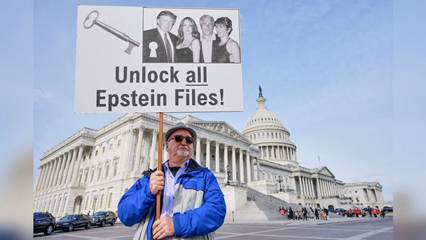
Why are these files being hidden from the public?
Why are banks like JPMorgan not held accountable for enabling Epstein’s financial crimes?
Why are politicians fighting so hard to avoid releasing records that could expose the depth of this trafficking network?
How deep does this go, and how many powerful names are being protected?
A Call for Accountability
If these individuals are not prosecuted, then every official who obstructs justice should be relieved of their duties and jailed for dereliction of duty. The protection of predators at the highest levels of wealth and power is not just corruption, it is complicity.
This is not about partisan politics. It is about human rights, justice, and the protection of children. If America cannot hold its wealthiest accountable, then the very foundation of justice collapses.
Closing Thought
Harry Beller may not be a household name, but his role in Epstein’s financial empire reveals the machinery that allowed trafficking to flourish unchecked. The question is not whether Epstein was guilty, that is settled. The question is: Will America finally confront the powerful men who enabled him, or will the blindfold of justice continue to slip when wealth and influence are involved?
Shutdown Politics: Eight Senators, One Decision, and the Fallout for Millions
On November 10th, 2025, history was written in the most painful way. Eight Democratic-aligned senators broke ranks, joined Republicans, and ended a 40-day government shutdown, but in doing so, they may have jeopardized healthcare for more than 60 million Americans. For weeks, people believed Democrats were fighting for them, holding the line until the Midterms. Instead, what unfolded was a compromise that restored paychecks and food assistance but sacrificed the Affordable Care Act subsidies that millions depend on. This post lays out the facts, the charts, the history, and the names, so you can see for yourself, make your own assessment, and decide what this moment means for our future.
The 8 Democratic Senators that Defected and caused Millions to lose Healthcare:
The Context
In November 2025, eight Democratic-aligned senators joined Republicans to end a 40-day government shutdown. Their decision reopened government services, restored pay for federal workers, and ensured SNAP food assistance continued, but it came at the cost of losing guaranteed leverage on Affordable Care Act (ACA) subsidies.
Context of the Vote
The Senate voted 60–40 to advance a short-term funding bill that reopened the government through January 30, 2026.
The compromise included full funding for SNAP food assistance, reversal of federal worker layoffs, and back pay for affected employees.
However, it did not guarantee an extension of Affordable Care Act (ACA) subsidies, which had been a major demand of Democratic leadership.
Who They Were
Senator
State
Justification
Political Reaction
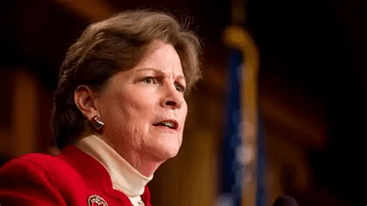
Jeanne Shaheen
NH
Urgency of reopening services; pragmatic choice
Progressives criticized; Republicans praised
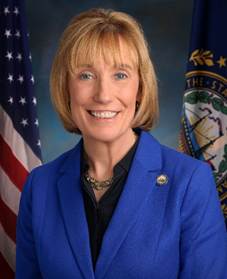
Maggie Hassan
NH
Economic disruption in NH; compromise to protect jobs
Moderate pragmatism; progressive backlash
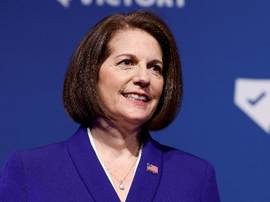
Catherine Cortez Masto
NV
Protecting SNAP recipients and families
Local praise; national criticism
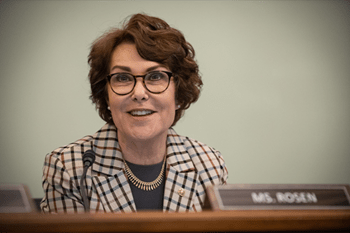
Jacky Rosen
NV
Families shouldn’t be collateral damage
Moderate approval; progressive disappointment
Dick Durbin
IL
Imperfect deal but reopening was priority
Seen as statesmanlike exit
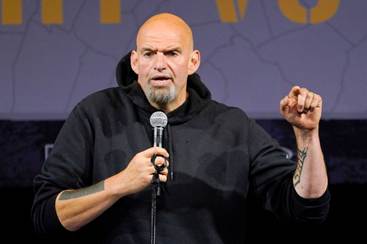
John Fetterman
PA
“Stop playing games with paychecks”
Worker focus respected, but seen as cave-in
Tim Kaine
VA
Shutdown devastating for federal workforce
Constituents relieved; progressives frustrated
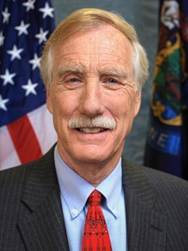
Angus King (I)
ME
Shutdown “senseless”; pragmatism over leverage
Consistent with independent brand
Senator
Status 2026
Outlook
Shaheen
Retiring
Legacy-driven pragmatism
Hassan
Vulnerable
Purple-state risk
Cortez Masto
Safe until 2028
No immediate risk
Rosen
Vulnerable
Nevada swing state
Durbin
Retiring
Statesmanlike exit
Fetterman
Safe until 2028
Worker-first shield
Kaine
Vulnerable
Federal workforce priority
King
Vulnerable
Independent pragmatism
Here’s a breakdown of the eight senators:
Jeanne Shaheen (D-NH) – Retiring; helped lead negotiations.
Maggie Hassan (D-NH) – Former governor, moderate voice.
Jacky Rosen (D-NV) – Moderate Democrat, joined compromise.
Dick Durbin (D-IL) – Senate Democratic Whip, announced retirement in 2026.
John Fetterman (D-PA) – Vocal about ending shutdown harm to workers.
Tim Kaine (D-VA) – Stressed SNAP funding and guaranteed vote on ACA subsidies.
Angus King (I-ME) – Independent caucusing with Democrats, pragmatic stance.
Why They Did It
Motivation: To stop the harm caused by the shutdown, unpaid federal workers, SNAP recipients at risk, and disruptions to air travel and public services.
Concession: They accepted only a promise of a future vote on ACA subsidies, not a guaranteed extension.
Political Positioning: Most of these senators are moderates, former governors, or retiring, meaning they faced less electoral pressure in 2026.
Reaction
Democratic Leadership: Criticized the move as a betrayal of leverage on health care subsidies.
Progressives: Figures like Sen. Bernie Sanders and Rep. Ro Khanna condemned the vote as “pathetic” and called for stronger resistance.
Republicans: Praised the defectors for “putting principle over politics”.
Jeanne Shaheen (NH) – Emphasized the urgency of reopening government services for families and federal workers in New Hampshire. She framed it as a pragmatic choice to stop harm immediately.
Maggie Hassan (NH) – Pointed to the economic disruption in her state, especially for airports and federal contractors. She argued that compromise was necessary to protect jobs.
Catherine Cortez Masto (NV) – Highlighted the impact on working families and SNAP recipients in Nevada. She said ending the shutdown was about “keeping food on the table.”
Jacky Rosen (NV) – Echoed Masto’s concerns, stressing that families shouldn’t be collateral damage in partisan fights.
Dick Durbin (IL) – As Democratic Whip, he acknowledged the deal was imperfect but insisted that reopening government was the priority. He noted his retirement gave him freedom to act pragmatically.
John Fetterman (PA) – Spoke bluntly about the harm to federal workers and the need to “stop playing games with people’s paychecks.” He wanted to end the pain quickly.
Tim Kaine (VA) – Representing a state with a huge federal workforce, he argued that the shutdown was devastating for Virginians. He accepted the promise of a future ACA subsidy vote as a workable compromise.
Angus King (ME, Independent) – True to his independent streak, he said the shutdown was “senseless” and that ending it was more important than partisan leverage.
Common Themes
Immediate harm prevention: All eight cited the damage to federal workers, SNAP recipients, and public services.
Pragmatism over leverage: They accepted a weaker deal (no guaranteed ACA subsidy extension) in exchange for reopening government.
Moderate/independent positioning: Most are moderates, former governors, or retiring less bound by progressive pressure.
Political Fallout
Progressives blasted them for giving up leverage, calling it a “pathetic cave-in.”
Republicans praised them for “putting country over party.”
Leadership tension: Their votes exposed a rift between pragmatists and progressives
Senator
State
Justification for Vote
Political Reaction
Jeanne Shaheen
NH
Urgency of reopening services for families and federal workers; pragmatic choice
Progressives criticized as surrender; Republicans praised pragmatism
Maggie Hassan
NH
Economic disruption in NH (airports, contractors); compromise needed to protect jobs
Seen as moderate pragmatism; backlash from progressive activists
Catherine Cortez Masto
NV
Protecting SNAP recipients and working families; “keeping food on the table”
Praised locally for family focus; criticized nationally for weakening leverage
Jacky Rosen
NV
Families shouldn’t be collateral damage in partisan fights
Similar to Masto; moderate approval, progressive disappointment
Dick Durbin
IL
Imperfect deal but reopening government was priority; retirement gave freedom
Leadership tension noted; Republicans welcomed his pragmatism
John Fetterman
PA
Federal workers’ paychecks at risk; blunt call to “stop playing games”
Progressives split (some respected his worker focus, others saw cave-in)
Tim Kaine
VA
Shutdown devastating for federal workforce in VA; accepted promise of ACA vote
Shutdown “senseless”; ending it more important than partisan leverage
Consistent with independent streak; Republicans praised, progressives frustrated
Key Takeaways
Shared Theme: All eight emphasized immediate harm prevention (workers, SNAP, public services).
Political Positioning: Moderates, independents, or retiring senators less bound by progressive pressure.
Fallout: Progressives condemned the move as weakening leverage; Republicans praised it as bipartisan pragmatism.
Here’s a 2026 electoral outlook table for the eight senators who broke ranks, showing whether they’re retiring, safe, or vulnerable in reelection:
Senator
State
Status for 2026
Electoral Outlook
Jeanne Shaheen
NH
Retiring
No reelection pressure; vote seen as legacy-driven pragmatism
Maggie Hassan
NH
Up for reelection
NH is purple; could face GOP challenge, but incumbency helps. Vulnerable if progressives stay cold
Catherine Cortez Masto
NV
Not up until 2028
Safe for now; Nevada is swingy, but no immediate electoral risk
Jacky Rosen
NV
Up for reelection
Vulnerable; Nevada is competitive. Her pragmatism may appeal to moderates but risks progressive backlash
Dick Durbin
IL
Retiring in 2026
No reelection pressure; vote framed as statesmanlike exit
John Fetterman
PA
Not up until 2028
Safe for now; Pennsylvania is swingy, but his blunt worker-first justification shields him
Tim Kaine
VA
Up for reelection
Virginia leans blue but has large federal workforce; his vote may resonate locally. Moderate vulnerability
Angus King (I)
ME
Up for reelection
Independent brand helps; Maine voters value pragmatism. Moderate but not high vulnerability
Key Insights
Retiring Senators (Shaheen, Durbin): Free to vote pragmatically without electoral consequences.
Safe Senators (Cortez Masto, Fetterman): Not facing voters until 2028, so little immediate risk.
Vulnerable Senators (Hassan, Rosen, Kaine, King): Facing reelection in 2026. Their votes could be framed as bipartisan pragmatism or as betrayal, depending on the narrative in their states.
Political Calculus
Moderates in swing states (Hassan, Rosen, Kaine, King) likely judged that ending the shutdown would resonate with independents and moderates, even if progressives were upset.
Retirees (Shaheen, Durbin) acted with legacy in mind, prioritizing governance over party leverage.
Safe-term senators (Cortez Masto, Fetterman) could afford to take the hit, betting that the immediate worker relief would outweigh progressive anger by 2028.
This shows how electoral timing shaped their willingness to break ranks. Those not facing voters soon or retiring had more freedom, while those up in 2026 took calculated risks.
political identities alongside electoral timing so you can see how ideology + reelection pressure shaped their decisions:
Senator
State
Ideological Identity
2026 Status
How Identity + Timing Shaped Vote
Jeanne Shaheen
NH
Moderate Democrat, pragmatic dealmaker
Retiring
Free to act pragmatically without electoral risk; legacy-driven choice
Maggie Hassan
NH
Centrist, former governor, consensus-builder
Up for reelection
Purple-state vulnerability pushed her toward bipartisan pragmatism to appeal to independents
Catherine Cortez Masto
NV
Moderate liberal, strong on family/economic issues
Safe until 2028
Could afford to prioritize immediate harm prevention without fear of electoral backlash
Jacky Rosen
NV
Centrist, business-friendly Democrat
Up for reelection
Nevada swing state forced her to balance progressive anger with moderate appeal
Dick Durbin
IL
Establishment Democrat, leadership figure
Retiring
Legacy vote; framed as statesmanlike pragmatism, no reelection pressure
His worker-centered justification shielded him from progressive anger despite breaking ranks
Tim Kaine
VA
Moderate Democrat, pragmatic, federal workforce advocate
Up for reelection
Virginia’s large federal workforce made ending shutdown a local priority; moderate positioning helped
Angus King (I)
ME
Independent centrist, pragmatic problem-solver
Up for reelection
Maine voters value independence; his brand made bipartisan pragmatism consistent with identity
Patterns
Moderates & centrists (Hassan, Rosen, Kaine, King): Their votes aligned with their brand of pragmatism, but electoral timing made them more vulnerable to progressive backlash.
Retirees (Shaheen, Durbin): Legacy-driven, free to act without electoral consequences.
Safe-term senators (Cortez Masto, Fetterman): Could afford to take the hit, betting that worker/family justification would resonate long-term.
Big Picture
This wasn’t just about ending the shutdown, it was a collision of ideology and timing:
Moderates leaned into pragmatism to appeal to swing voters.
Progressives saw it as surrender.
Retirees and safe-term senators had freedom to prioritize governance over leverage.
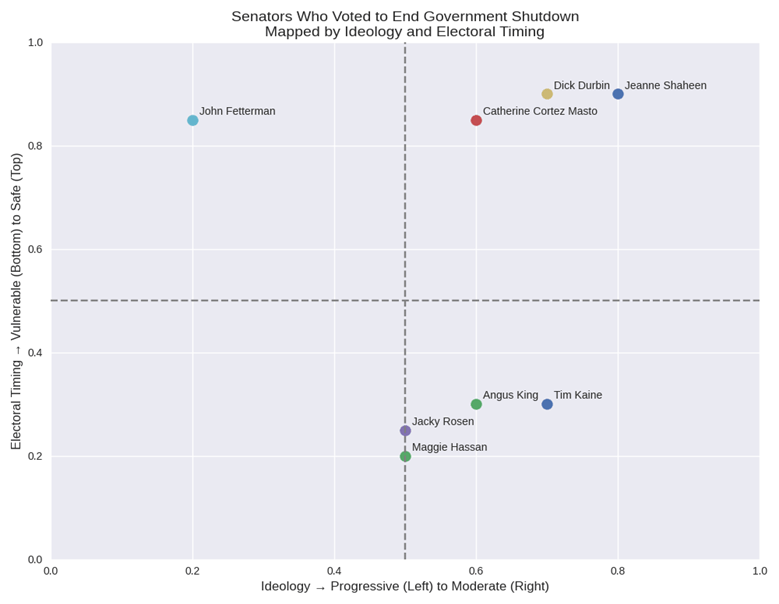
quadrant chart maps the eight senators by ideology (Progressive ↔ Moderate) and electoral timing (Safe ↔ Vulnerable).
How to Read the Chart
Horizontal Axis (Ideology): Progressive voices are on the left, moderates on the right.
Vertical Axis (Electoral Timing): Senators safe from reelection pressure are toward the top, while those vulnerable in 2026 are toward the bottom.
Key Observations
Safe Progressives: John Fetterman sits in the upper-left quadrant — progressive style, but safe until 2028.
Safe Moderates: Shaheen and Durbin (both retiring) plus Cortez Masto (safe until 2028) cluster in the upper-right quadrant. They had freedom to act pragmatically.
Vulnerable Moderates: Hassan, Rosen, Kaine, and King fall into the lower-right quadrant. Their centrist identities plus reelection pressure pushed them toward compromise, but they risk progressive backlash.
Big Picture
This visualization shows the collision of ideology and timing:
Retirees and safe-term senators had freedom to prioritize governance.
Vulnerable moderates leaned into pragmatism to appeal to swing voters, even at the cost of party unity.
Progressives safe from reelection could afford to take risks without immediate electoral consequences.
quadrant chart visualization it maps the eight senators by Ideology (Progressive ↔ Moderate) and Electoral Timing (Safe ↔ Vulnerable).
Quadrant Chart: Senators by Ideology & Timing
Quadrant
Senators
Why They’re Here
Safe + Progressive
John Fetterman (PA)
Populist-progressive style, safe until 2028. His worker-first justification shields him from backlash.
Safe + Moderate
Jeanne Shaheen (NH), Dick Durbin (IL), Catherine Cortez Masto (NV)
Retirees (Shaheen, Durbin) free to act pragmatically; Cortez Masto safe until 2028, moderate liberal.
Vulnerable + Moderate
Maggie Hassan (NH), Jacky Rosen (NV), Tim Kaine (VA), Angus King (ME, I)
Facing reelection in 2026. Centrist identities pushed them toward compromise, but risked progressive backlash.
Vulnerable + Progressive
(None)
No progressive senators broke ranks; only moderates and independents did.
Insights
Retirees & Safe-term senators had freedom to prioritize governance over leverage.
Vulnerable moderates leaned into pragmatism to appeal to swing voters, even at the cost of party unity.
Progressives safe from reelection (Fetterman) could afford to take risks without immediate electoral consequences.
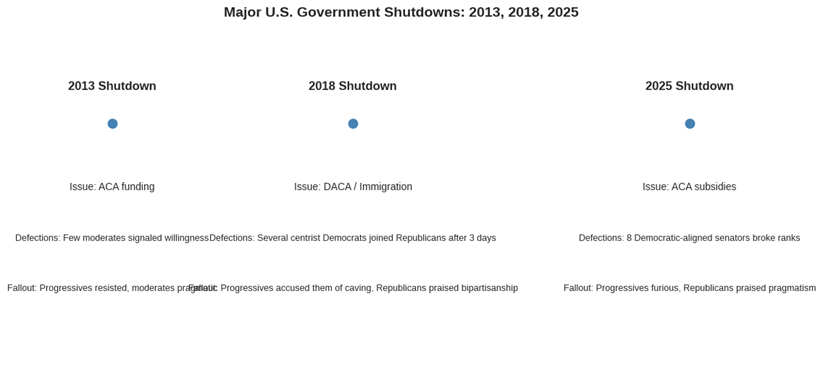
historical comparison: moderates breaking ranks in shutdown votes has been a recurring theme, in 2013, 2018, and now 2025.
Historical Parallels
2013 Shutdown (Affordable Care Act fight)
Context: Republicans demanded defunding of the ACA; Democrats resisted.
Defections: A handful of moderate Democrats signaled willingness to negotiate, though most stayed unified.
Pattern: Even then, moderates in purple states emphasized ending harm to workers and families over holding firm on leverage.
2018 Shutdown (Immigration/DACA fight)
Context: The shutdown centered on immigration and DACA protections.
Defections: Several centrist Democrats joined Republicans to reopen government after just three days.
Justification: They argued that prolonged shutdowns hurt federal workers and services, and promised to fight immigration battles separately.
Reaction: Progressives accused them of “caving” and weakening bargaining power.
2025 Shutdown (ACA subsidies fight)
Context: Democrats demanded extension of ACA subsidies; Republicans resisted.
Defections: Eight Democratic-aligned senators (Shaheen, Hassan, Cortez Masto, Rosen, Durbin, Fetterman, Kaine, King) broke ranks to end the 40-day shutdown.
Justification: Immediate harm prevention (SNAP, federal workers, air travel).
Reaction: Progressives furious, Republicans praised them as pragmatic.
Big Picture
Across 2013, 2018, and 2025, the same pattern repeats:
Moderates in swing states or retiring senators are most likely to defect.
Justification is always pragmatic: ending harm to workers, families, and services.
Progressive backlash is consistent: defectors are accused of weakening leverage.
Republican praise is consistent: defectors are hailed as bipartisan problem-solvers.
Progressives furious at loss of leverage; Republicans praised pragmatism
Patterns Across Eras
Moderates under pressure consistently defect to end shutdowns.
Justification repeats: ending harm to workers, families, and services.
Fallout is consistent: progressives condemn, Republicans praise.
Retirees or safe-term senators have freedom to act pragmatically.
Forward-Looking Projection
Based on these parallels, Democratic leadership may:
Tighten discipline in future shutdowns, trying to prevent defections by offering stronger internal incentives.
Accept defections as inevitable, focusing instead on shaping the narrative so moderates are seen as protecting families rather than weakening leverage.
Strategically plan messaging so progressives maintain pressure while moderates provide cover for ending shutdown harm.
Strategic Playbook for Shutdown Politics (For Democrats)
1. Pre‑Shutdown Discipline
Unified Messaging: Leadership should set clear red lines early (e.g., ACA subsidies, DACA, SNAP) so moderates know the stakes.
Whip Team Engagement: Assign senior figures (like the Whip or retiring senators) to privately reassure moderates that their concerns will be addressed.
Constituent Framing: Provide moderates with talking points that emphasize protecting families and workers while still holding firm on leverage.
2. During the Shutdown
Dual Track Strategy:
Progressives: Apply maximum pressure, frame the fight as moral and urgent.
Moderates: Emphasize harm prevention, but stay aligned with leadership until a compromise is truly necessary.
Visible Unity: Publicly, Democrats should appear unified. Internal debates should be kept behind closed doors to avoid signaling weakness.
Targeted Relief Messaging: Highlight the real-world impact (workers unpaid, SNAP disruption, air travel chaos) to build public support for ending the shutdown on Democratic terms.
3. Managing Defections
Controlled Breaks: If moderates defect, leadership should frame it as part of a broader strategy rather than betrayal.
Narrative Control: Position defectors as “protecting families” rather than “weakening leverage.”
Progressive Counterbalance: Progressives should continue pushing for long-term gains, ensuring the party base sees resistance even if moderates compromise.
4. Post‑Shutdown Strategy
Leverage Wins: Even if concessions are lost, highlight what was gained (worker pay restored, SNAP funded).
Promise Future Fights: Assure progressives that unresolved issues (like ACA subsidies) will be revisited in standalone legislation.
Electoral Shielding: Provide vulnerable moderates with campaign support to protect them from GOP attacks and progressive primary challenges.
Big Picture
This playbook balances progressive leverage (to keep pressure on Republicans) with moderate pragmatism (to end harm quickly). The key is framing defections as family-first pragmatism while ensuring progressives maintain momentum for long-term goals.
Your Turn
So what do you think?
Were these senators protecting families or weakening leverage?
Should Democrats tighten discipline next time, or accept defections as inevitable?
How should progressives and moderates balance each other in future fights?
Drop your thoughts in the comments. Let’s make this a conversation.
By Charles Zackary King Source: Reporting from The Associated Press
Why Proposition 50 Matters
On Election Day 2025, California voters approved Proposition 50, a measure that redraws congressional district boundaries in favor of Democrats. This wasn’t just about maps, it was about the future of American democracy.
The measure gives Democrats a chance to win as many as five additional House seats in 2026, directly countering Republican-led gerrymandering efforts in Texas. With Republicans currently holding a slim majority (219–213), those seats could determine control of the U.S. House, and with it, the ability to advance or block President Donald Trump’s agenda.
The Reason and the Why
Redistricting is often seen as a technical process, but in reality, it’s about power and representation. Texas Republicans, at Trump’s urging, moved to redraw their maps to secure five new GOP seats. California’s Proposition 50 was a direct response, a way to blunt that move and ensure Democrats remain competitive in the fight for the House.
Governor Gavin Newsom framed the measure as essential to saving democracy. He argued that without action, Trump and his allies would continue to manipulate electoral maps to entrench their power. Newsom’s words were clear: “If Democrats win the House majority, they can end Donald Trump’s presidency as we know it. It is all on the line, a bright line, in 2026.”
The Who
Governor Gavin Newsom spearheaded the campaign, throwing the full weight of his political operation behind it. His leadership made the measure possible, and his success here is seen as a test of his national viability ahead of a potential 2028 presidential run.
Former President Barack Obama lent his voice, urging Californians to stop Republicans “in their tracks” and warning against unchecked power.
California voters themselves made the decisive choice, approving the measure despite criticism that it undermines the independent commission created in 2008.
Critics like former Governor Arnold Schwarzenegger argued that fighting Trump by adopting partisan maps “takes the power away from the people.” But supporters countered that failing to act would allow Trump and GOP-led states to rig the system unchecked.
Why This Was Possible
California is deeply blue, with strong Democratic infrastructure and voter turnout. Opponents of Proposition 50 struggled to raise money in one of the nation’s most expensive media markets, leaving Newsom and his allies to dominate the airwaves. Republican congressmen whose districts will be reshaped largely stayed silent, further weakening opposition.
The result was a lopsided campaign that foreshadowed the vote: a decisive victory for Democrats and a symbolic rejection of Trump’s attempts to manipulate democracy.
Saving Democracy
Proposition 50 is more than a state-level measure. It represents a broader national rejection of Trumpism and a commitment to protecting democratic institutions. Newsom appears to be one of the few governors willing to take bold, structural action to stop Trump from bending the rules to his advantage.
This fight is not over. The 2026 midterms will determine whether Democrats can seize control of the House and block Trump’s agenda. California’s move shows that when leaders act decisively, and when voters recognize the stakes, democracy can be defended.
Call to Action
This is a moment for reflection and action. Are we ready to defend democracy from manipulation? Are we ready to support leaders who take bold steps to protect fairness and representation?
Subscribe to the blog for updates. Comment below to share your perspective. Let it be known: America can and will come together when people think, organize, and vote.
The Blue Wave is rising. Let’s make sure it carries us into 2026 and beyond.
Timeline Concept: Defending Democracy
Stage 1: Texas Redraw (2025) Republicans, at Trump’s urging, redraw maps to secure 5 new GOP seats. Theme: Manipulation of democracy.
Stage 2: California Response (2025) Voters approve Proposition 50, giving Democrats a chance to win 5 seats. Theme: Counteraction, protecting representation.
Stage 3: 2026 Midterms Control of the U.S. House is on the line. Theme: Choice between democracy and authoritarianism.
Stage 4: House Control Democrats can seize majority, block Trump’s agenda, and restore balance. Theme: Power shifts toward accountability.
Stage 5: Democracy at Stake The fight is bigger than maps — it’s about saving democracy itself. Theme: The Blue Wave rising.
By Charles Zackary King Source: Reporting by Gabriel Hays, Fox News
Mamdani’s Stand on BDS
In a recent interview on MSNBC’s Morning Joe, New York City mayor-elect Zohran Mamdani defended his support for the Boycott, Divestment, and Sanctions (BDS) movement. Mamdani explained that his support is rooted in the belief that BDS is a non-violent way to pressure Israel to comply with international law.
“I support BDS because this is a movement that is looking for that kind of compliance. We haven’t seen it,” Mamdani said.
When asked how he could reconcile his support for BDS with his promise to represent Jewish New Yorkers, Mamdani clarified: “Critiques of the state of Israel are critiques of a government, as opposed to critiques of a people and of a faith. My job is to represent every single New Yorker.”
The Debate Over Accountability
Jewish leaders in New York, including Rabbi Elliot Cosgrove of Park Avenue Synagogue, have expressed concern that Mamdani’s positions pose a threat to the city’s Jewish community. His opponents, Andrew Cuomo and Curtis Sliwa, echoed those concerns during the campaign.
But Mamdani’s supporters argue that his stance is about holding governments accountable, not targeting communities. They see his position as part of a broader call to end displacement, violence, and policies that perpetuate inequality.
This debate reflects a larger tension: communities want protection and safety, but there must also be space to question policies that contribute to suffering in places like Gaza. Mamdani’s insistence on representing all New Yorkers, regardless of their views on Israel and Palestine, is a reminder that leadership requires nuance, courage, and a commitment to fairness.
A Larger Context
The controversy surrounding Mamdani is not just about New York City politics. It’s about how America engages with global issues of justice, displacement, and human rights. Critics argue that U.S. support for Israeli policies has enabled ongoing harm in Gaza. Supporters of BDS see it as a way to demand accountability without violence.
Mamdani’s election signals that many New Yorkers are ready for leadership that challenges entrenched interests and gatekeepers. His open-minded approach is exactly what democracy needs: a willingness to confront uncomfortable truths while promising to serve every constituent.
Call to Action
This is a moment for reflection. Are we ready to hold governments accountable for displacement and violence? Are we ready to support leaders who promise to represent everyone — even when their positions challenge powerful interests?
Subscribe to the blog for updates. Comment below to share your perspective. Let’s keep the conversation alive about justice, accountability, and democracy.












 Changing Trends and Times