“Shutdown Theater: When Government Fails the People It Claims to Serve”

By Charles Zackary King
Founder/CEO of America in Black and White and AMIBW The Magazine

Introduction

As the clock ticks toward midnight on September 30, 2025, the threat of a government shutdown looms large. And while politicians posture, negotiate, and blame each other, everyday Americans brace for impact. This isn’t just about budgets, it’s about broken trust.

Let’s be clear: a shutdown is not a technical glitch. It’s a choice. And it’s the people, not the power brokers who pay the price.

What’s Really at Stake

  • Federal workers face mass layoffs. Over 100,000 jobs could be lost, marking one of the largest federal workforce cuts in history.
  • Essential services will be stretched thin. Law enforcement, air traffic control, and immigration enforcement may continue, but without pay.
  • Healthcare hangs in the balance. Democrats are demanding restoration of $1 trillion in Medicaid cuts and extension of Obamacare subsidies for 3.8 million Americans.
  • Political theater replaces real leadership. Fake videos, partisan tantrums, and stalled negotiations dominate headlines while families worry about food, housing, and safety.

Opinion: This Is Not Governance, It’s Neglect

A government shutdown is not just a failure of policy, it’s a failure of moral responsibility. When elected officials treat funding negotiations like a game of chicken, they forget who’s in the car: teachers, veterans, single parents, federal workers, and vulnerable communities.

This is not about party lines. It’s about lifelines.

And when leadership becomes performance, the people become collateral.

 A Message to the People

We must stop accepting dysfunction as normal. We must demand more than soundbites and blame games. We must hold every elected official accountable, not just for what they say, but for what they do when the cameras are off and the deadlines are real.

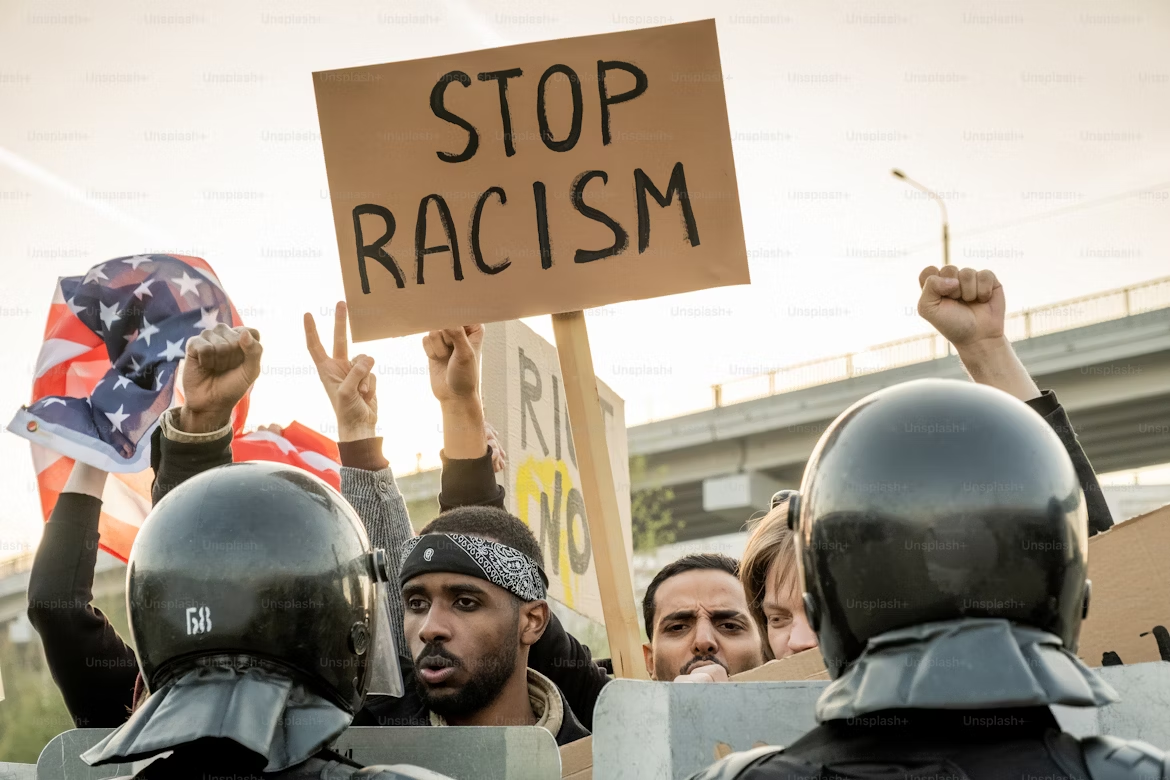
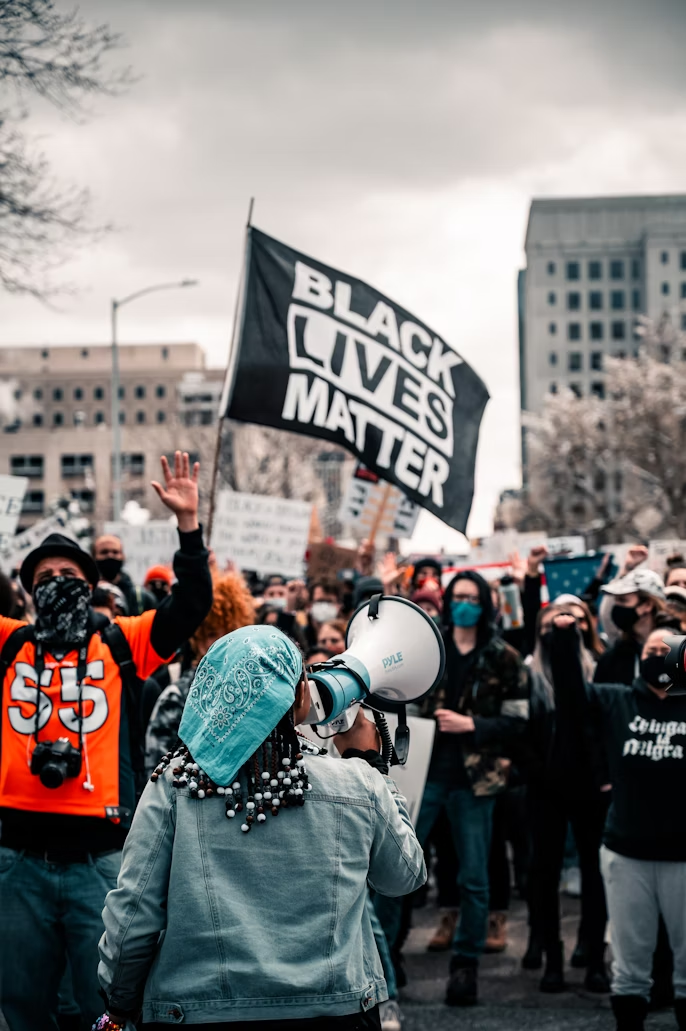
Because if the government shuts down, it’s not because we failed. It’s because they did. True this is a dire situation but if we want to preserve our constitution it might be the best thing to shut down the government. Think about this, monies and budgets that have been passed have been abused in a way we have never seen before. The people in charge have proven they cannot govern, and the people are not important. Our government is for sale, and the occupier is working with the top 1% for them to be richer and they cause chaos and disorder at the bottom. What this means is the Occupier of the White House is sewing seeds to underserved/uneducated White People that Black People are stealing resources from them. We are in a climate where resources are scarce for all but creating a race war for those at the bottom makes this a problem for all of us. Point and case, we are all making do with what we have and some of us have found a way to escalate our resources that are putting us in good positions to do much better. Well, with the seeds being sown to cause racial tension makes it bad for us all. The people at the top are continuing to skim and steal from all of us but they have caused us all to think that it is one or the other. We have differences which is normal, but this violence is at a whole new level. This is do to the politicians that refuse to do their jobs. People of both parties are in the pocket of Million Dollar Donors and are controlled by that money. This puts the real light on the Democratic Party to show what they can do to preserve strength. There is no easy way to do this but they have to Shut the Government down. This is the only way to stop the abuse by the people in charge. They have no control of their President who is doing as he pleases. If they negotiate they are going to agree to cut more from the people that need all they can get and allow this man to continue stealing from this country. If they shut this down it means nothing can be done, “NOTHING AT ALL”. Now to be clear we all know that Democrats have Big Donors as well but will they be controlled by them? Must the get permission to save the government. For a lot of us this is not a good thing but is it worth this to keep the democracy in tact? Agreements do not help the common everyday person, just keep that in mind.

Call to Action

  • Contact your representatives. Demand transparency and urgency.
  • Support federal workers. Share resources, offer solidarity, and amplify their voices.
  • Stay informed. Don’t let political spin distract from real consequences.
  • Vote with clarity. Remember who showed up, and who didn’t.

“To Be a Black Man in America: The Weight We Carry, The Truth We Live”

By Charles Zackary King
Founder/CEO of America in Black and White and AMIBW The Magazine

Introduction

To be a Black man in America is to live with a dual reality: one shaped by brilliance, resilience, and legacy, and another shaped by suspicion, exclusion, and systemic violence. It’s not just difficult. It’s deliberate. And yet, we continue to rise.

This post is not a cry for pity. It’s a declaration of truth.

The Burden of Being Seen

  • Criminalized Before We Speak:
    From childhood, we’re labeled “aggressive,” “disruptive,” or “dangerous.” Our tone is policed. Our presence is questioned. Our humanity is often denied.
  • Economic Gatekeeping:
    We are told to “work twice as hard,” but the doors still close. Black men face higher unemployment, lower wages, and fewer opportunities, regardless of education or experience.
  • Policing and Surveillance:
    We are over-policed, over-incarcerated, and under-protected. The justice system was not built to serve us, it was built to control us.
  • Emotional Suppression:
    Vulnerability is seen as weakness. We are expected to be silent, stoic, and strong, even when we’re breaking.

This is the example of being Black. Being Black is what happens when you are always stopped for no reason and then being asked “why are you up set”? “You must be guilty of something”, when you are just coming from work or going home from visiting family. The thing that makes this even worse is that you have other Black People including family that don’t believe you because the brain washing of the media has made them think you are guilty. There is nothing worse than having your Mother, Father, Brother, Sister, Wife/Girlfriend thinking you are guilty and refusing to support you because they can not give you the benefit of the doubt. None of these people can see the stress they are causing you but they want you to protect them and do what they need from you. Our own people can not see the harm they cause you. This adds to all kinds of pain and trauma and they still don’t see that.

When we talk about the Economic Gatekeeping we are talking about ever since the 70s when the PayScale represented the White Man, the White Woman, the Black Woman and then the Black Man. This causes your woman to look down on you and the others to think they can use you for pennies on the dollar and get the milk for free. Being put in this position is a major problem for your household but your wife/girlfriend does not see it that way. When you do what is necessary to please her, she complains but when you are not bringing in enough money she complains. Communication is bad and needs to improve because the wrong people have influenced your way of thinking and your love. What is still not seen is this man is struggling and is feeling trapped. This is the thing that has led to Single Parent Households.

The justice system has a precursor that states if you are a Black Man you must be guilty, and we can plant evidence against you and not worry about it. No one cares for you, and people will back the Blue when it comes to you. The bad part about this is some of the officers look just like you. Again, something that is adding to more stress than you can handle and it causes anxiety and mental health disorders. The question that is always there, “will they be here for me when I need them”? Please think about this.

As a Black Man we have pride and refuse to let anyone see us vulnerable. We cannot be weak, and we refuse to let others know we are hurting. The problem with this is Black Men have been carrying this jug of water for more than 100 years. We are not appreciated but are looked upon to protect and serve, we are not respected but expected to solve the most complex problems, and we are the real professionals with so much knowledge but never get the acknowledgement we deserve.  All along we are the real strong leaders, thinkers and can do men on the earth that make a real difference.

The Truth They Don’t Teach

  • Black men are more likely to die prematurely due to systemic neglect in healthcare, housing, and mental health.
  • We are less likely to receive fair trials, adequate representation, or restorative justice.
  • Our stories are often told by others, flattened, filtered, and stripped of nuance.

Our health always come into play because we have to be involved in the things that happen to our communities, our families and our people in general. Our leadership is needed to work with the others in our communities instead of against them. In todays time it is all about leadership and we have lots of it. We will continue to provide this until the day we die.

We know we will never get a fair shake which is the thing that makes community and family so important to us. It is clear and evident what the justice system has in store for us but what do we do? This is why we have to make sure we build our communities and keep our families together because when there is no male figure in the household outsiders find ways to take advantage of our people.

This is being told from my eyes because it is important that we do what is necessary to work and build together. Outside ramble is just that but we got to continue to show that we are the real leaders of our people. We have to communicate better but met with the same demeanor from those in our community. No on or nothing is perfect and I know we can grow like everything was intended to be for us all.

This is not accidental. It’s structural.

The Legacy We Build Anyway

Despite it all, we lead. We mentor. We create. We heal. We build platforms like America in Black and White and AMIBW The Magazine to tell our stories on our terms.

We are not just survivors, we are architects of truth.

Personal Reflection

As a Black man, I’ve felt the sting of betrayal, the weight of expectation, and the silence of being misunderstood. I’ve been told to “tone it down,” “wait my turn,” and “be grateful.” But I’ve also seen the power of truth-telling, the healing in storytelling, and the strength in community.

I write this not just for myself, but for every Black man who’s been told he’s too loud, too angry, too ambitious, too Black.

Do what is necessary by your wife/Husband and Family and make sure you are documenting and telling your story. Don’t ever give up just keep pushing because as a Black Man you are really viewed as the KING you really are.

Call to Action

  • Listen to Black men. Not just when we’re in pain—but when we’re building.
  • Support Black-led platforms. Subscribe, share, and invest.
  • Challenge stereotypes. In your workplace, your media, your conversations.
  • Honor our humanity. Not just our struggle—but our joy, our creativity, our legacy.

Citations

Blog Title: “Justice, Not Theater: Judge Graf Refuses to Bow to Political Pressure in Charlie Kirk Case”

By Charles Zackary King
Inspired by reporting from Isabel Keane, The Independent, and the Associated Press (https://www.msn.com/en-us/news/crime/judge-in-charlie-kirk-shooter-case-appears-to-warn-trump-as-he-says-he-won-t-put-finger-on-scale-of-justice/ar-AA1NxwXL?ocid=msedgntp&pc=HCTS&cvid=68daf51be4604bd9a9ba88f63d048d4e&ei=22), and the Associated Press

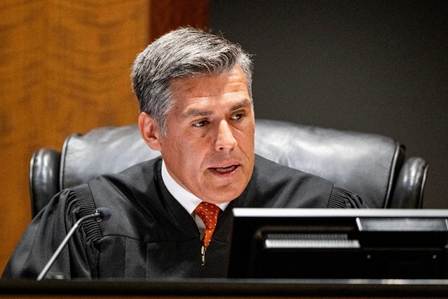
In a moment when political theater often overshadows legal truth, Judge Tony Graf made it clear: his courtroom is not a stage for partisan influence.

During a hearing in the high-profile case of Tyler Robinson—charged with the fatal shooting of conservative activist Charlie Kirk—Judge Graf issued a statement that cut through the noise. With cameras watching and pressure mounting from national figures including President Donald Trump and Vice President JD Vance, Graf stood firm:

“Let me be clear, I will not put my finger on the scale of justice,” he said.
“Counsel, regardless of who is watching, whether it is the nation or a single individual, we must fulfill our roles with integrity, civility, and diligence.”

That’s not just courtroom etiquette. That’s judicial courage.

The Case and the Climate

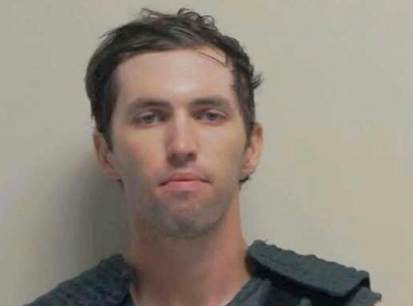
Tyler Robinson, 22, is accused of shooting Kirk from a sniper’s perch at a Utah college campus on September 10. Prosecutors say Robinson left behind texts and a note indicating intent, and they plan to seek the death penalty. The evidence is described as “voluminous,” and Robinson has not yet entered a plea.

But beyond the legal facts, the case has ignited political firestorms. Prominent Republicans have labeled the killing “politically motivated,” and some have demanded retaliation against those who mocked Kirk’s death online. Even late-night host Jimmy Kimmel faced suspension for his comments, later reinstated amid backlash.


A Judge Who Refused to Flinch

In this climate of outrage and polarization, Judge Graf’s words matter. He didn’t just speak to the attorneys in the room—he spoke to the nation. He reminded us that justice is not a partisan tool. It’s a sacred process.

Graf’s refusal to bend to political pressure is a rare act of judicial integrity. In an era where public opinion often tries to dictate verdicts, his stance is a reminder that the courtroom must remain a place of law—not influence.

Why This Moment Matters

  • It affirms the independence of the judiciary.
  • It challenges the weaponization of grief for political gain.
  • It reminds us that justice must be rooted in evidence, not emotion.

Whether you agree with Kirk’s politics or not, the process must be fair. And Judge Graf is making sure it stays that way.

Final Word

In a time when truth is often twisted to fit agendas, Judge Tony Graf deserves credit, not just for what he said, but for what he stood against. He didn’t just protect the integrity of one case. He protected the principle that justice must be blind to politics.

Let this be a reminder: real leadership isn’t loud. It’s principled.

 Call to Action

  • Share this post across platforms to affirm judicial independence.
  • Support media outlets that report with nuance and integrity.
  • Stay informed—and stay critical of those who try to politicize justice.

“They Speak, But Not For Us: The Cost of Misrepresentation in Black America”

Introduction

In a world flooded with statements, pledges, and curated campaigns, it’s time to ask: who’s really representing Black communities? Because visibility without accountability is just performance. This post contrasts the hollow gestures of institutions with the lived truth of Black-led platforms and movements. It’s not just critique, it’s clarity.

 The Performance of Representation

  • Corporate Statements vs. Community Investment
    Every February, companies roll out Black History Month graphics and events. But 53% of consumers believe these statements must be backed by real action, or they’re exploitative. Many corporations downsize DEI programs while spotlighting Black employees for one month.
  • Political Promises vs. Policy Impact
    Politicians invoke Black pain during campaigns, but policy rarely follows. The CBCF’s Executive Order Tracker shows how recent directives have rolled back civil rights protections, education equity, and economic opportunity for Black communities. Even well-intentioned promises often lack measurable equity outcomes.
  • Media Coverage vs. Media Ownership
    Black trauma is headline-worthy, but Black joy, innovation, and leadership are rarely centered. Only 3% of full-power TV stations are Black-owned. Without ownership, our stories are filtered, flattened, and often distorted.

A good example of this would be Stephen A. Smith and Van Jones that represent ESPN and CNN. These guys get on TV and perform for their masters stating that they represent Black People when their words tell us different. Stephen A who is loud and a obvious Republican talks out of both sides of his mouth. He lies about Black representation and how things affect him but at the same time supports Racist like Charlie Kirk and all the nasty things he has to say about Black People especially Black Women. This is not condoning Murder but why should Black People feel sorry for someone that was so divisive. Smith leads a failing network that I am shocked is still around. That network has problems for 25yrs running that has yet to be resolved but is standing on the a trickster like Smith that claims he wants to run for President as a Democrat. The funny thing about this is the Democratic Party is meeting with him!! I am finding this worse than appalling because one this should be condemned but not enough Black People are calling this out. This man makes a living off destroying Black Lives. This is performance but dangerous at the same time.

Van Jones who has had a failed show on CNN and was fired from the Obama Administration for ethics issues is another person that is performing for his Master. This man had the Gaul to get on CNN to tell the world that he got a text from Charlie Kirk and that he was a good man. When you think about this, what is good about a man that speaks about your culture as horrible as this individual did? Yes, we can have our difference but being an Original King, you don’t dare let someone insult you like that and you kiss their butt to say you talked to them. This man said on Anderson Coolper 360 that he was told by his team the day this man was killed that he reached out to him. Why would he do this and why would CNN let him on the air to say that? That is personal but has no place in todays society. Keep that to yourself. This performance was sad and hurtful but was supposed to represent the sentiment of Black People. Wrong, it does not and there is no place in the world for anyone to shoot and kill another person but I do not think the Black Community was accepting of that. Everything the 2 of them say in the media is never going to be favorable for Black People and the world needs to know that.

 Authentic Advocacy and Legacy Work

  • Black-Led Platforms Speak Truth
    From AMIBW The Magazine to The Clarkson Collective, these platforms don’t just amplify, they dignify. They tell stories rooted in faith, resilience, and generational healing. Michelle Clarkson’s work bridges sacred and civic, reminding us that storytelling is sacred.
  • Community Organizers vs. Institutional Gatekeepers
    Real change comes from those who live the struggle. Black-led nonprofits like Movement for Black Lives, BlackPAC, and ABFE’s Black Funds Network are building coalitions, not careers off our pain.
  • Storytelling as Sacred Practice
    Michelle Clarkson’s prophetic voice reminds us: healing begins with truth, and transformation requires courage. Her work is a masterclass in narrative activism.

Truth Telling about our Past, Present and Future is very important. When you are used to a standard you must live by that standard. Censorship is a nonstarter.

The Danger of Misrepresentation

  • Outsiders dilute our demands.
  • Institutions tokenize our presence.
  • Media distorts our image, shaping public perception and policy in harmful ways.

When they speak for us, they silence us. We do not need other people speaking for us. We are more than capable of speaking for ourselves. We can do this because it is lived not a perception.

We Are the Authors

Black people are not a monolith, and we are not waiting for permission to tell our stories. We are the architects of our own legacy. We will no longer accept representation that is hollow, exploitative, or disconnected from our lived truth.

If you’re not building with us, you’re building against us.

 Call to Action

  • Support Black-owned media. Share, subscribe, and fund platforms that honor our truth.
  • Hold institutions accountable. Ask where their money goes after February.
  • Elevate authentic voices. Follow, repost, and amplify Black-led movements.
  • Tell your story. Whether through podcast, blog, or pulpit, your truth matters.

Want to contribute to AMIBW The Magazine or share your story with The Clarkson Collective? Reach out. Let’s build legacy together.

The NFL vs. The BFL: A Call to Legacy, Ownership, and Truth

By Charles Zackary King

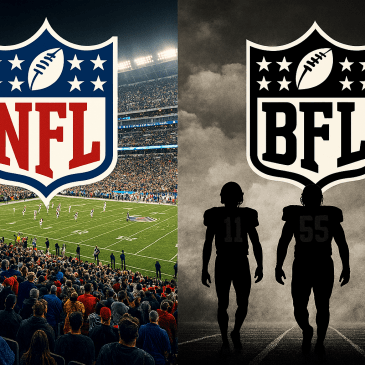
For decades, Black athletes have been the soul of American football—yet they remain excluded from ownership, leadership, and legacy. It’s time to change that. It’s time for the BFL.

For nearly a century, the NFL has stood as a billion-dollar monument to American sports culture. But beneath the glitz and glamour lies a legacy rooted in exclusion, exploitation, and racial hierarchy. The league was built on the premise that only White men were fit to play, lead, and be celebrated. Black men were not just excluded, they were deemed incapable, inferior, and unworthy of the spotlight.

As the game evolved in the 1950s and ’60s, Black athletes were slowly integrated, not to be honored, but to protect and elevate White players. Quarterbacks, wide receivers, and running backs were shielded by Black bodies, while the myth of White superiority remained intact. Even as Black players electrified the sport and filled stadiums, they were paid less, respected less, and denied the recognition they deserved.

Let’s be clear: this wasn’t just about football. It was about power. It was about ownership. It was about maintaining a system where Black excellence was commodified but never truly valued.

Take Joe Gilliam and James Harris, two quarterbacks whose talent was undeniable, yet whose careers were stifled by a league that refused to see them as leaders. Gilliam backed up Terry Bradshaw, a man Hollywood Henderson famously called “dumb as rocks.” Harris sat behind Dan Fouts and Joe Namath, despite outplaying them in key moments. These weren’t isolated incidents. They were systemic.

Fast forward to today: the NFL is 85% African American. Black athletes are the heartbeat of the league. They are the reason fans tune in, the reason merchandise flies off shelves, the reason billions are made. And yet, there are still no Black owners. Still only a handful of Black head coaches. Still a media machine that uplifts White leadership while undermining Black brilliance.

So I ask: if the people come to see you, why not own the stage?

Why not build the BFL, the Black Football League?

A league where Black athletes are paid their true worth.
A league where Colin Kaepernick’s knee is honored, not punished.
A league where free speech isn’t a liability, but a right.
A league where ownership reflects the talent on the field.
A league where legacy is built by those who live it.

A league where you do not have to celebrate a racist like Charlie Kirk.

This isn’t just a dream. It’s a call to action.

To every player who’s ever been told they weren’t smart enough, weren’t good enough, weren’t “marketable” enough—this is your moment. To every fan who sees the truth and wants change—this is your movement.

Let’s stop asking for seats at tables built to exclude us. Let’s build our own.

The NFL vs. BFL isn’t just a competition. It’s a reckoning.
It’s time.

Call to Action

A powerful call to action for Black athletes to reclaim ownership, legacy, and truth in a sport built on exclusion. Charles Zackary King challenges the NFL’s historical and ongoing racial dynamics and proposes a bold alternative: the BFL.

If you believe in this vision, share this post.
Tag your favorite players.
Challenge the status quo.
Let the world know: we’re ready.

“Silencing Dissent: The NFL’s Power Play Against Cary McNair and the Cost of Speaking Truth”

Based on original reporting by Jared Ochacher for CBS News. All credit to the author and outlet for the foundational story.

Robert Cary McNair Jr., son of Houston Texans co-founders Janice and the late Robert McNair, has filed a lawsuit against the National Football League for alleged “tortious interference”, a legal claim that the league wrongfully and intentionally disrupted his role in the McNair family business. According to the lawsuit, McNair Jr. was sidelined after raising concerns about player scandals that “potentially implicated the NFL, its personnel, and its decision-making process”.

The suit alleges a coordinated effort between the NFL and McNair Jr.’s brother, Cal McNair, to restructure the family trust and remove Cary from his CEO position, effectively silencing him from NFL-related matters. He is suing for $60 Million.

But this isn’t just a family dispute, it’s a chilling example of how powerful institutions suppress internal dissent. The NFL’s alleged actions reflect a broader pattern: rewarding loyalty to its political and cultural status quo while punishing those who challenge it.

This same league has honored figures like Charlie Kirk, whose rhetoric has been widely condemned as racist and inflammatory. When team owners go along with such endorsements and refuse to stand up for justice, they send a clear message: silence is safer than truth.

What does this mean for teams and owners who dare to think differently?
It means exclusion. It means being cut out of influence. It means being punished for asking the hard questions.

And for fans?
It means supporting a league that values control over conscience.

Call to Action:

If you believe in free speech, accountability, and ethical leadership—think twice before cheering for a league that silences its own. Demand transparency. Demand integrity. Demand better.

Radioactive Shrimp Recall Expands: FDA Warns Kroger and Fred Meyer Shoppers

By Charles Zackary King | Inspired by reporting from Chris Bradford, The US Sun

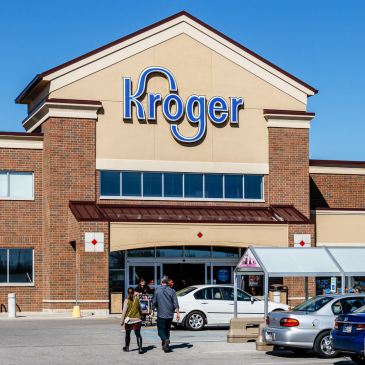
In a chilling development that’s left seafood lovers reeling, the FDA has expanded its warning about potentially radioactive shrimp, this time targeting products sold at Kroger, Fred Meyer, and other affiliated stores. The recall follows earlier alerts involving Walmart and Sam’s Club, and now includes over 60,000 bags of frozen shrimp suspected of contamination with Cesium-137, a radioactive isotope known to damage DNA and increase cancer risk.

Among the recalled items:

  • Nearly 50,000 bags of Kroger’s Raw Colossal peel shrimp (blue band, best by April 2027)
  • Over 17,000 bags of AquaStar tail-on shrimp skewers
  • Around 18,000 bags of Kroger Mercado medium peeled tail-off shrimp (best before October 22–23, 2027)

These products were sold between June 12 and September 17 across California, Georgia, Oregon, Texas, Wisconsin, West Virginia, and Wyoming. Kroger-owned stores affected include Ralph’s, Fry’s, Fred Meyer, and Smith’s.

While no illnesses have been reported, the FDA and food safety experts urge consumers to take the recall seriously. Cesium-137 exposure can cause symptoms such as nausea, fatigue, and hair loss. Experts recommend:

  • Do not consume the affected shrimp
  • Do not donate or feed it to pets
  • If unopened, keep it sealed and return it for a refund
  • If opened, wash hands thoroughly with soap and warm water for 20 seconds

Walmart previously recalled three types of Great Value brand frozen shrimp with best by dates of March 15, 2027. Arctic Shores and Sand Bar shrimp were also pulled from shelves in August.

Walmart stated:

“We work swiftly to block the item from being sold and remove it from our stores and clubs.”

This isn’t just a food safety issue, it’s a consumer trust issue. As radioactive concerns ripple through the seafood supply chain, the question becomes: how did this happen, and how do we prevent it from happening again?

📝 Original reporting by Chris Bradford, The US Sun. Source: FoodSafety.gov

The Rise of Chagas: Why ‘Kissing Bug’ Disease May Be America’s Next Endemic

By Charles Zackary King | Inspired by reporting from Julia Gomez & Greta Cross, USA TODAY

For decades, Chagas disease, also known as “kissing bug” disease, was considered a threat confined to Latin America. But new research is challenging that assumption, urging the Centers for Disease Control and Prevention (CDC) to declare it endemic in the United States.

Since 2013, over 10,000 sightings of triatomine bugs (the blood-feeding insects that carry the parasite Trypanosoma cruzi) have been reported across 31 states. These bugs, nicknamed “kissing bugs” for their tendency to bite near the mouth, are more than a nuisance, they’re potential carriers of a deadly parasite. Alarmingly, 55% of the bugs tested in a nationwide Texas A&M University program were found to carry T. cruzi, the parasite responsible for Chagas disease.

What makes this moment urgent is the shift from imported cases to domestic transmission. In eight states, California, Texas, Arizona, Louisiana, Mississippi, Arkansas, Missouri, and Tennessee, humans have contracted Chagas disease locally, without international travel. That’s a seismic shift in how we understand vector-borne disease in America.

Chagas disease unfolds in two stages: acute and chronic. Early symptoms include fever, diarrhea, and swollen eyelids (known as Romaña’s sign). But the chronic phase can be far more devastating, leading to heart failure, digestive complications, and even sudden death. The CDC estimates that 20–30% of infected individuals will develop serious complications.

Despite this, Chagas remains underreported. It’s not a nationally notifiable disease, meaning healthcare providers aren’t required to report cases. This lack of surveillance leaves vulnerable communities, especially in the rural South, at risk and under-informed.

Animals, particularly dogs, are also susceptible. Cases have been documented in 18 states, including Georgia, Alabama, Florida, and the Carolinas. The parasite’s reach is expanding, and so must our awareness.

This isn’t just a health story, it’s a justice story. It’s about who gets protected, who gets ignored, and how we respond when the invisible becomes undeniable. As we confront the realities of climate change, migration, and neglected diseases, Chagas is a wake-up call.

It’s time to ask: What else is hiding in plain sight?

📝 Original reporting by Julia Gomez and Greta Cross, USA TODAY. Published September 25, 2025. Read the full article on NewsBreak.

Tap Into These 10 Black Tech Titans: Innovation, Legacy & Lessons for the Future

The U.S. tech industry has a diversity problem. Despite being the engine of global innovation, it remains staggeringly homogeneous. Black professionals make up just 7–9% of the workforce, and less than 5% of leadership roles at giants like Google, Microsoft, and Meta. But beyond the boardrooms and algorithms, a powerful movement is reshaping the narrative—Black tech entrepreneurs who are building billion-dollar companies, transforming industries, and mentoring the next generation.

These ten trailblazers didn’t wait for permission. They built platforms, raised capital, and created space for others. If you’re serious about learning from the best, these are the minds to follow, study, and connect with.

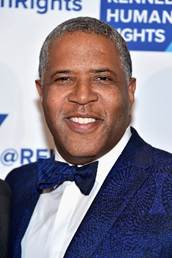
Robert F. Smith — Vista Equity Partners

  • Title: Founder, Chairman & CEO
  • Company: Vista Equity Partners
  • Contact: rsmith@vistaequitypartners.com | admin@robertfredericksmith.com
  • Why Learn From Him: Smith has overseen over 600 transactions totaling $330B. His investment philosophy centers on operational excellence and long-term value creation. He’s also a philanthropic force, eliminating student debt for Morehouse grads and launching the Student Freedom Initiative.
  • Legacy Lesson: Learn how to scale with precision and give back with purpose.

David Steward — World Wide Technology

  • Title: Founder & Chairman
  • Company: World Wide Technology
  • Contact: d***@wwt.com | (314) 569-7000
  • Why Learn From Him: Steward built the largest Black-owned tech company in the U.S., valued at $11.4B. His leadership blends faith, strategy, and community uplift.
  • Legacy Lesson: Steward proves that values-driven leadership can scale globally.

Tope Awotona — Calendly

  • Title: Founder & CEO
  • Company: Calendly
  • Contact: Not publicly listed; connect via LinkedIn
  • Why Learn From Him: Awotona bootstrapped Calendly into a $3B unicorn. His story is one of grit, vision, and refusing to settle for mediocrity.
  • Legacy Lesson: Simplicity and user obsession can disrupt entire industries.

Dr. Iman Abuzeid — Incredible Health

  • Title: Co-founder & CEO
  • Company: Incredible Health
  • Contact: Not publicly listed; connect via LinkedIn
  • Why Learn From Her: A Sudanese-American physician turned tech CEO, Abuzeid built a $1.65B platform that’s revolutionizing healthcare hiring.
  • Legacy Lesson: Expertise + empathy = scalable impact.

Freddie Figgers — Figgers Wireless

  • Title: Founder & CEO
  • Company: Figgers Wireless
  • Contact: f***@figgers.com | (800) 223-5435
  • Why Learn From Him: Figgers is the youngest American to hold an FCC license and the only Black-owned telecom provider. His inventions are rooted in personal care and community need.
  • Legacy Lesson: Innovation starts with solving problems close to home.

Iddris Sandu — Spatial Labs

  • Title: Founder & CEO
  • Company: Spatial Labs
  • Contact: Not publicly listed; connect via LinkedIn
  • Why Learn From Him: Sandu blends culture, fashion, and blockchain to create “phygital” experiences. Backed by Jay-Z’s Marcy Venture Partners, he’s redefining tech’s cultural interface.
  • Legacy Lesson: Tech isn’t just code, it’s culture.

Tristan Walker — Walker & Company Brands

  • Title: Founder & CEO
  • Company: Walker & Company
  • Contact: Not publicly listed; connect via LinkedIn
  • Why Learn From Him: Walker built Bevel to solve real grooming issues for Black men, then sold it to Procter & Gamble. He’s now a board member at Foot Locker and Shake Shack.
  • Legacy Lesson: Build for your community, and the world will follow.

Jessica O. Matthews — Uncharted Power

  • Title: Founder & CEO
  • Company: Uncharted Power
  • Contact: Not publicly listed; connect via LinkedIn
  • Why Learn From Her: Matthews turned a soccer ball into a power source and now builds smart infrastructure. Her Harlem-based company is redefining energy access.
  • Legacy Lesson: Play can power progress.

Chris Bennett — Wonderschool

  • Title: Founder & CEO
  • Company: Wonderschool
  • Contact: chris@wonderschool.com | +1.855.554.7843
  • Why Learn From Him: Bennett’s platform helps educators launch childcare programs, solving a national crisis while empowering entrepreneurs.
  • Legacy Lesson: Childhood education is a tech frontier.

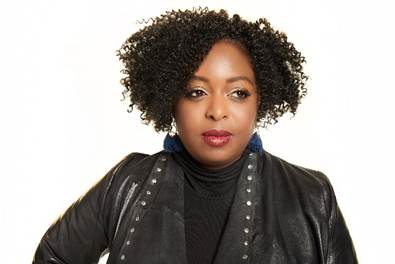
Kimberly Bryant — Black Girls Code & Black Innovation Lab

  • Title: Founder
  • Company: Black Innovation Lab
  • Contact: Not publicly listed; connect via LinkedIn
  • Why Learn From Her: Bryant introduced over 100,000 girls to coding and now builds tech ecosystems in the South. Her upcoming book Ascending will be a must-read.
  • Legacy Lesson: Inclusion isn’t optional, it’s revolutionary.

Why These Titans Matter

These leaders aren’t just building companies, they’re building legacies. They’ve faced systemic barriers, yet created platforms that uplift communities, challenge norms, and redefine what’s possible. Whether you’re an aspiring founder, investor, educator, or storyteller, these are the minds to learn from.

  • They’ve built billion-dollar companies with limited access to capital.
  • They’ve scaled ideas rooted in personal pain and community need.
  • They’ve created ecosystems that center Black excellence and innovation.

Final Word

In a world that often overlooks Black brilliance, these tech titans are impossible to ignore. They are the architects of a new future, one where innovation is inclusive, legacy is intentional, and impact is non-negotiable.

Want to build something that lasts? Start by studying those who already have.

A Chilling Week for Black Students—Racist Threats, Campus Lockdowns, and the Urgency of Action

This week, Black students across the United States were forced to confront a terrifying reality: coordinated racist death threats targeting their campuses and communities. At least eight historically Black colleges and universities (HBCUs) were placed under emergency lockdowns following a wave of terroristic threats that came just one day after the murder of far-right activist Charlie Kirk at Utah Valley University.

While the shooter, Tyler Robinson, a 22-year-old white man, was arrested and charged with aggravated murder, the aftermath has taken a disturbing turn. Instead of mourning Kirk’s death or focusing on the facts of the case, extremist groups appear to be weaponizing the tragedy to target Black students, falsely linking them to the violence and unleashing a wave of racist threats.

HBCUs Under Siege

The following institutions were forced into lockdowns due to credible threats of violence:

  • Alabama State University
  • Virginia State University
  • Hampton University
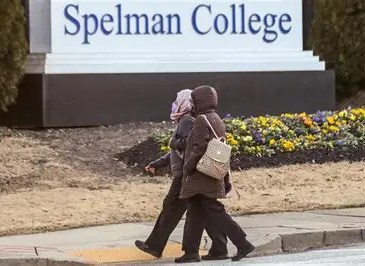
  • Spelman College
  • Southern University and A&M College
  • Clark Atlanta University
  • Morehouse College
  • Bethune-Cookman University

At Virginia State University, President Makola M. Abdullah stated, “Today, Virginia State University, along with several other Historically Black Colleges and Universities, received a threat intended to disrupt, intimidate and instill fear in our community.”

Southern University enacted the most extensive lockdown, restricting access across the entire Baton Rouge landmass, including its law center, agricultural research and extension center, and laboratory school. Hampton University canceled all classes and activities through Friday, while Alabama State University suspended operations “out of an abundance of caution.”

NYU and the Manifesto of Hate

At New York University, Black students received a grotesque and violent manifesto that explicitly threatened gun violence against them. The document reportedly stated the author was “coming for only n******,” and claimed that Black students were “taking away from a safe space for white people.”

The NYU Black Student Union condemned the university’s response, noting that administrators waited over six hours before informing students that the manifesto specifically targeted Black students. This delay left many feeling vulnerable, betrayed, and unprotected.

The Kirk Shooting and the Dangerous Narrative

Charlie Kirk was shot by a white man who, according to court documents, believed Kirk “spread too much hate”. The shooter had no known ties to Black communities or HBCUs. Yet, in the wake of his death, racist extremists have twisted the narrative to justify targeting Black students, despite the fact that they were not involved.

This is not just misinformation. It’s weaponized racism.

The FBI has acknowledged that many of these threats may be hoaxes, but emphasized that they are still dangerous and disruptive. “The FBI takes these threats very seriously because it puts innocent people at risk,” the agency stated.

The Emotional Toll on Students

For Black students, this week has been a nightmare. Many were forced to shelter in place, cancel classes, and live under the shadow of fear. The psychological impact is profound, students are reporting anxiety, trauma, and a deep sense of being unsafe in spaces that are supposed to nurture and protect them.

Call to Action: Stand Up for Black Students

This is a moment for solidarity, truth, and action. We must:

  • Demand transparency and accountability from university officials
  • Support mental health resources for affected students
  • Pressure law enforcement to investigate these threats as hate crimes
  • Amplify the voices of Black student unions and advocacy groups
  • Refuse to let racist narratives go unchecked

Silence is complicity. Let’s be loud, clear, and united.