The Illusion of Integrity: What the NFL Doesn’t Want You to See


It’s that time of year again, football season. High school lights are flickering, college rivalries are heating up, and the NFL is back to dominate screens, headlines, and barbershop debates. For many men and now women, this is the season of passion, pride, and prediction. From fantasy leagues to betting odds, fans are all in. But beneath the roar of the crowd and the glitter of primetime matchups lies a truth that’s harder to swallow: the NFL isn’t just a sport. It’s a production. And its integrity is on trial.


NFL Entertainment LLC: The Fine Print That Says It All

Before kickoff, before the anthem, before the first snap—look closely. The NFL logo doesn’t just represent a league. It represents a brand: NFL Entertainment LLC. That’s not a coincidence. It’s a declaration. Like WWE, the NFL is a scripted spectacle where narratives are curated, stars are manufactured, and outcomes are influenced—not always by talent, but by agenda.


Jalen Hurts and the Bias of Broadcast

Let’s talk about last year’s Super Bowl. The Philadelphia Eagles and Jalen Hurts didn’t just show up—they dominated. They dismantled the Kansas City Chiefs and Patrick Mahomes. Yet, the media spin was relentless. ESPN analysts and FS1 commentators downplayed Hurts’ performance, calling him a “system quarterback.” But here’s the truth: every quarterback is a system quarterback. The difference? Hurts has had three offensive coordinators in three years and still made it to two Super Bowls—winning one, losing one—both against the so-called dynasty in Kansas City.

Meanwhile, Josh Allen, Lamar Jackson, Justin Herbert, and Joe Burrow are praised endlessly despite lacking championship hardware. Allen has never been to a Super Bowl. Herbert has one playoff appearance in eight seasons. Jackson and Burrow have MVPs and stats, but no rings. Hurts? He’s 4-for-5 in playoff appearances and has proven he can carry a team when it matters most. Yet, he’s paid less and respected less. Why?


The Double Standard of Greatness

Let’s be real. The NFL has a history of rewriting the definition of greatness to fit its preferred narrative. Jim Kelly never won a Super Bowl but made it to Canton. Tom Brady was caught deflating footballs and still crowned the GOAT. Bill Belichick filmed opposing teams’ practices and stole signals—but was never banned. Meanwhile, other coaches and players are penalized for far less.

The hypocrisy is staggering. Belichick’s assistant was fired for cheating, rehired, then rewarded with another head coaching job—only to fail again. Jim Harbaugh, now the highest-paid coach in NFL history, left Michigan under a cloud of scandal and a looming 10-year penalty. Yet, he faces no consequences. Integrity? Where?


Suggestions for the Conscious Fan

If you’re tired of the manipulation, the bias, and the selective accountability, here’s how you can reclaim your power as a fan:

  • Watch with discernment: Don’t just consume the broadcast—question it. Who’s being elevated? Who’s being erased?
  • Support independent sports media: Seek out voices that tell the full story, not just the league-approved version.
  • Celebrate players for impact, not just image: Jalen Hurts, Patrick Mahomes, and others who show up in big moments deserve more than stats—they deserve respect.
  • Hold networks accountable: Demand balanced coverage. Call out bias. Share your voice.
  • Remember: it’s entertainment: The NFL is a business. Don’t confuse production with purity.

Final Word: The Game Behind the Game

Football is supposed to be about competition, grit, and glory. But when cheating is rewarded, truth is twisted, and narratives are bought and sold, we must ask: what are we really watching?

The NFL may be the biggest stage in sports, but it’s also one of the most manipulated. Until integrity becomes more than a slogan, fans must be the ones to demand better. Because if we don’t, the game we love will become just another scripted show—and the players, pawns in a billion-dollar performance.
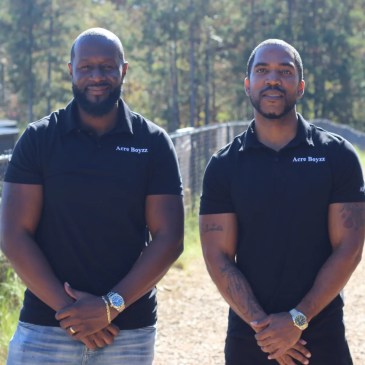

From Pain to Purpose: How the Acre Boyzz Are Reclaiming Black Land and Legacy


In a quiet corner of the South, 31 acres of land hold stories that were never meant to be forgotten. Among the trees stands one in particular—a haunting witness to a brutal chapter in American history. It’s the site of lynchings, a place where Black lives were stolen in silence. But today, that land is no longer a symbol of terror. It’s a symbol of reclamation, resilience, and rebirth.

The Acre Boyzz, a group of visionary Black men committed to rewriting the narrative of land ownership, have purchased this sacred ground. And they’re not just farming it—they’re transforming it.


Honoring the Past Without Erasing It

The Acre Boyzz didn’t bulldoze the tree. They didn’t bury the history. Instead, they leaned into it. They’ve chosen to preserve the site as a living memorial—a place where truth is spoken, pain is acknowledged, and healing begins.

“We can’t build a future if we don’t confront the past,” one member shared. “This tree is a reminder of what was done to us. But now, it’s also a reminder of what we’re doing for ourselves.”

Their approach is not about forgetting—it’s about reclaiming. By turning a site of violence into a space of growth, they’re showing that legacy isn’t just inherited—it’s cultivated.


The Truth About Black Land Ownership

The Acre Boyzz are also dropping facts that shake the soul. In 1910, Black Americans owned over 14 million acres of farmland. Today, that number has plummeted to less than 1 million. Systemic racism, discriminatory lending practices, and generational dispossession have stripped Black families of land, wealth, and opportunity.

But the Acre Boyzz are flipping the script. They’re proving that land ownership is not just possible—it’s powerful.


Farming Isn’t as Hard as You Think

One of the biggest myths they’re busting is that farming is too complicated, too expensive, or too inaccessible. Through workshops, digital content, and hands-on mentorship, they’re showing that growing food, raising livestock, and managing land can be learned—and shared.

“Farming is freedom,” they say. “It’s not just about crops. It’s about control. It’s about feeding your family, your community, and your future.”

They’re building a model that’s replicable, scalable, and rooted in cultural pride.


What’s Next: Building Legacy

The Acre Boyzz aren’t stopping at 31 acres. Their vision includes:

  • Educational retreats for Black youth to learn agriculture, history, and entrepreneurship
  • Healing spaces for families and communities to gather, reflect, and grow
  • Partnerships with Black-owned businesses to create a sustainable ecosystem
  • A documentary series to share their journey and inspire others to reclaim land

Their goal is not just to farm—it’s to build a legacy. One rooted in truth, watered by resilience, and harvested with hope.


Final Thoughts

The Acre Boyzz are proof that pain can be transformed into purpose. That land can be more than soil—it can be sacred. And that legacy isn’t just what we leave behind—it’s what we live into.

As they walk the land where ancestors once suffered, they do so with reverence and resolve. Because they know: the future is planted in the past. And they’re here to make sure it grows.


FDA Issues Urgent Recall: Radioactive Shrimp Sold at Walmart: Here’s What You Need to Know

In a disturbing development, the U.S. Food and Drug Administration (FDA) has issued a public health warning about radioactive contamination in frozen shrimp sold under Walmart’s Great Value brand. The culprit? Cesium-137—a radioactive isotope linked to nuclear fission and long-term cancer risk.

This isn’t just a food recall. It’s a wake-up call.

What’s Happening?

On August 19, the FDA confirmed Cesium-137 contamination in frozen shrimp processed by PT. Bahari Makmur Sejati (BMS Foods) of Indonesia. The radioactive material was first detected by U.S. Customs & Border Protection at ports in Los Angeles, Houston, Savannah, and Miami. Subsequent FDA testing revealed Cs-137 in one sample of breaded shrimp.

While the FDA states the contamination doesn’t pose an immediate hazard, repeated exposure could damage DNA and increase cancer risk over time. That’s not a risk anyone should take lightly.

Products Recalled

If you’ve purchased frozen shrimp from Walmart recently, check your freezer immediately. The following products are part of the recall:

BrandProduct TypeLot CodeBest By Date
Great ValueFrozen Raw Shrimp8005540-13/15/2027
Great ValueFrozen Raw Shrimp8005538-13/15/2027
Great ValueFrozen Raw Shrimp8005539-13/15/2027

States Affected

These products were sold in Walmart stores across 13 states:

  • Alabama
  • Arkansas
  • Florida
  • Georgia
  • Kentucky
  • Louisiana
  • Missouri
  • Mississippi
  • Ohio
  • Oklahoma
  • Pennsylvania
  • Texas
  • West Virginia

If you live in one of these states, please take this warning seriously.

Why This Matters

The FDA noted that the shrimp may have been “prepared, packed, or held under insanitary conditions.” That alone is cause for concern but the presence of Cesium-137 elevates this to a public health emergency.

This radioactive isotope is not naturally found in food. Its presence signals contamination from human activity, likely linked to nuclear processes. Even trace exposure over time can lead to serious health consequences.

What You Should Do

  • Check your freezer immediately.
  • If you find any of the recalled shrimp, throw it away.
  • Do NOT eat or serve it.
  • Share this information with your family, friends, and community.

Call to Action

We must protect our communities from hidden dangers. Food safety is not optional, it’s a right. If you’ve purchased Great Value frozen shrimp recently, act now. Don’t wait for symptoms. Don’t assume it’s safe. Spread the word.

Share this post. Alert your neighbors. Contact your local Walmart. Demand accountability.

From Bondage to Brotherhood: The Enduring Legacy of Lyon Farm and the Unhealed Wounds of Slavery

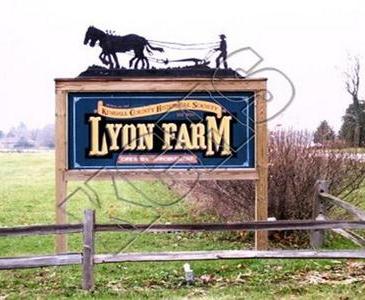
In the quiet hills of Georgia’s Arabia Mountain National Heritage Area stands Lyon Farm—a place where pain and perseverance are etched into the soil. What began as a site of bondage in the 1820s became the birthplace of Flat Rock, one of Georgia’s oldest African American communities. But beneath the triumph of survival lies a deeper truth: slavery leaves a scar that time cannot erase.

A Farm Built on Forced Labor

Joseph Emmanuel Lyon, a former British soldier turned landowner, won his property through the Georgia Land Lottery. He brought 17 enslaved Africans to toil on his farm, forcing them to build the very home they were crammed into. For nearly four decades, Lyon Farm produced cotton, apples, muscadines, and sorghum—all harvested through the brutal labor of people denied their humanity.

This was not just agriculture. It was exploitation. It was trauma. And it was the beginning of a legacy that would shape generations.

Freedom Came—But So Did Hard Choices

When the Civil War ended and the Emancipation Proclamation took effect, the enslaved people of Lyon Farm faced a cruel paradox: freedom in a land that had never treated them as free. Many chose to stay—not out of comfort, but out of necessity. They clung to the only land they knew, forming a tight-knit community for protection and survival.

That decision birthed Flat Rock—a place where Black families built schools, churches, and civic groups during Reconstruction. But even as they laid the foundation for progress, the shadow of slavery loomed large.

Building Community Amidst Hostility

The newly freed families shared everything—tools, knowledge, labor. They turned sharecropping into a lifeline and created informal networks of support. Families like the Hill Lyons, Shumakes, Christians, and Syphos migrated to Flat Rock, drawn by whispers of safety and solidarity.

Flat Rock Methodist Episcopal Church, founded in 1896, became the heartbeat of the community. It wasn’t just a place of worship—it was a school, a meeting hall, a sanctuary from the racism that surrounded them.

Yet even education was a battleground. White Georgians opposed Black literacy, and when Flat Rock School was burned down in the 1930s, the community refused to surrender. They kept teaching, kept learning, kept resisting.

Land Ownership as Liberation

In the 1920s, Theodore Arthur Bryant Sr. changed the game. He bought 45 acres from a former slave-owning family and sold parcels to neighbors at fair prices. His vision was clear: keep families together, build wealth, and fight the tide of the Great Migration that threatened to empty the South of its Black soul.

Bryant’s farm was burned down by jealous white neighbors—but he rebuilt. Because land wasn’t just property. It was power. It was proof that Black people could own, thrive, and lead.

Joy, Resistance, and Legacy

Weekend baseball games, church picnics, and community gatherings became acts of joy and resistance. Spenser Bryant rented the field to Atlanta churches, turning recreation into revenue. These moments of celebration were not distractions—they were declarations of dignity.

Today, the Flat Rock Archives preserve this story. Founded by T.A. Bryant Jr. and Johnny Waits, the museum stands in the very house Bryant Sr. built in 1917. Visitors walk through slave quarters, view family photographs, and trace the lineage of a people who refused to be erased.

Why Slavery Still Hurts

Slavery wasn’t just physical bondage—it was psychological warfare. It stripped generations of their names, their languages, their gods, and their dreams. Even after emancipation, Black communities faced systemic barriers designed to keep them poor, uneducated, and invisible.

The scars of slavery show up in housing disparities, educational gaps, health outcomes, and the criminal justice system. They show up in the trauma passed down through stories, silences, and survival strategies.

Flat Rock is a miracle—but it’s also a reminder. A reminder that the resilience of Black people does not erase the cruelty they endured. That healing requires truth-telling. And that honoring the past means confronting the pain, not just celebrating the progress.

Stratus Is Here: The New COVID Variant Sweeping the Nation

By Charles Zackary King

We’ve entered a new chapter in the COVID-19 story and it’s moving fast.

The latest variant, XFG nicknamed “Stratus” is now the dominant strain in the United States. In just a few short months, it’s gone from zero reported cases to accounting for nearly half of all infections nationwide. And while the headlines may feel familiar, the threat is real, and the timing couldn’t be worse.

A Surge We Can’t Ignore

Stratus has been confirmed in wastewater across 30 states, but the CDC believes cases are rising in 45 and not declining anywhere. Emergency room visits are up across all age groups, just as schools reopen and families return to crowded routines.

This isn’t a drill. It’s a late summer surge with serious implications.

What Makes Stratus Different?

Stratus is a hybrid of variants F.7 and LP.8.1.2, and it’s spreading globally. Scientists say it’s more transmissible than previous strains including the earlier Nimbus variant. It carries unique mutations in its spike protein that help it evade antibodies from prior infections and vaccinations.

That means even if you’ve had COVID before or are vaccinated you’re not immune to infection. The good news? Vaccines still help reduce the risk of severe illness. But prevention is key.

Where It’s Hitting Hard

While the national viral level is considered “moderate,” 14 states are seeing high or very high activity. California, Nevada, Utah, Colorado, Texas, Hawaii, and Louisiana are among the hardest hit and surrounding states aren’t far behind.

This isn’t isolated. It’s widespread. And it’s accelerating.

Symptoms to Watch For

Stratus symptoms mirror previous variants, but with a twist:

  • Less frequent loss of taste or smell
  • More common sore throat and hoarseness
  • Fatigue, congestion, and fever remain typical

If you feel “off,” don’t brush it off. Get tested. Mask up. Protect your circle.

Why This Matters

We’ve been here before. But complacency is dangerous. Lower reporting levels mean we’re flying blind in many areas. The virus is adapting. And we must respond with urgency, not indifference.

This is about protecting our elders, our children, our communities. It’s about staying informed, staying vigilant, and staying united.

What You Can Do Right Now

  • Get vaccinated or boosted if you haven’t already
  • Wear a mask in crowded or indoor spaces
  • Stay home if you’re sick even mildly
  • Check local health updates and CDC wastewater data
  • Support vulnerable neighbors with resources and care

We don’t need panic. We need preparation.

Final Word

Stratus is not just another variant it’s a reminder. A reminder that COVID-19 is still evolving. That our response must evolve with it. That our communities especially the most vulnerable deserve truth, protection, and action.

Let’s not wait for the numbers to spike. Let’s move now.

Because when we act together, we save lives.

What’s Wrong with the Democratic Party: A Wake-Up Call from the Black Base

By Charles Zackary King


For decades, Black people have been the backbone of the Democratic Party showing up, voting in record numbers, organizing on the ground, and carrying the weight of civic responsibility while being promised change that never comes. And yet, when the dust settles and the power shifts, we’re left with empty speeches, symbolic gestures, and policies that barely scratch the surface of our real needs.

Let’s be clear: the Democratic Party has a leadership problem. Not just in strategy but in courage, conviction, and connection to the people who built their platform.

The Black Vote: Taken for Granted, Ignored in Practice

Every election cycle, the party rolls out gospel playlists, kente cloth photo ops, and vague promises of “equity.” But when it’s time to legislate, Black communities are sidelined. We don’t see sweeping criminal justice reform. We don’t see reparations. We don’t see economic investment in our neighborhoods. What we see is performative allyship and political cowardice.

This isn’t just neglect it’s betrayal. And it makes the Democratic Party look complicit with the very forces they claim to oppose.

Complicity with the Republican Agenda

While Republicans openly attack voting rights, education, and bodily autonomy, Democrats respond with press releases and hashtags. They lead from behind, always reacting, never initiating. They blame obstruction, but refuse to use the power they have when they have it.

When Democrats hold the House, Senate, and White House, they still hesitate. They compromise with extremists. They water down justice. And in doing so, they enable the erosion of democracy.

Silence in the face of injustice is complicity. And the Democratic Party’s silence—especially when it comes to Black lives, is deafening.

Real Leadership Builds, Not Begs

Real leadership doesn’t wait for permission. It doesn’t poll test morality. It listens to the people, acts with urgency, and stands firm in truth.

Leadership means:

  • Passing bold legislation that protects voting rights, ends police brutality, and invests in Black futures
  • Centering the voices of the marginalized, not just during election season but every day
  • Calling out racism and economic injustice, even when it’s politically inconvenient
  • Building coalitions, not just fundraising machines

The people are tired of leaders who whimper in the face of opposition. We need warriors, not weather vanes.

The Struggle Between Races and the Have-Nots

The Democratic Party’s failure to address racial and economic inequality head-on has deepened the divide. They speak of unity but ignore the systemic wounds that keep Black and poor communities locked out of opportunity.

By refusing to challenge capitalism, white supremacy, and mass incarceration, they perpetuate the very systems they claim to fight. Their inaction is not neutral it’s harmful.

What the People Want: A New Balance

We want more than representation—we want transformation.

  • Economic justice: Invest in Black-owned businesses, cancel student debt, and create pathways to generational wealth
  • Political accountability: Stop using our votes as leverage and start delivering real results
  • Community power: Fund grassroots movements, not just corporate campaigns
  • Truth-telling: Acknowledge the harm, repair the damage, and build policies that reflect lived experience

We are not asking for favors. We are demanding what we’ve earned.

Final Word

Black people have held this party up for too long, only to be spit on, sidelined, and silenced. The time for loyalty without reciprocity is over. If the Democratic Party wants to survive, it must evolve. It must lead. It must listen.

Because we are no longer waiting. We are building. We are rising. And we are ready to shift the balance—by any means necessary.

Why Education Is a Cornerstone in the Black Community: A Call to Unity and Generational Wealth

By Charles Zackary King


In every movement for justice, every march toward freedom, and every prayer for healing, education has stood as both a weapon and a shield. For the Black community, it is not just a pathway to opportunity—it is a sacred tool for survival, liberation, and legacy.

The Historical Weight of Education

From the days of slavery, when reading was forbidden, to the fight for desegregated schools, education has always been a battleground. Our ancestors understood its power. They risked their lives to learn, to teach, and to pass knowledge down like heirlooms. Because they knew: education is the difference between being silenced and being heard.

Today, that truth remains. But the stakes are higher.

The Impact on Marginalized Communities

Marginalized communities, especially Black, Brown, and Indigenous populations continue to face systemic barriers: underfunded schools, biased curricula, and limited access to higher education. These inequities don’t just stunt academic growth they perpetuate cycles of poverty, trauma, and disenfranchisement.

When education is denied or diluted, entire communities suffer. But when it is reclaimed, reimagined, and rooted in truth, it becomes a force of transformation.

Why We Must Work Together

Unity among marginalized communities isn’t just a nice idea—it’s a necessity. Our struggles are interconnected. Our victories must be, too.

When we collaborate across cultures and causes, we amplify our voices. We build coalitions that challenge oppressive systems. We share resources, strategies, and stories that empower the next generation to rise stronger than the last.

Together, we are unstoppable.

From Knowledge to Generational Wealth

Education is the first step—but it cannot be the last. We must move from learning to earning, from surviving to thriving.

Generational wealth isn’t just about money. It’s about ownership. Land. Businesses. Intellectual property. It’s about passing down assets, values, and visions that outlive us.

To build generational wealth, we must:

  • Invest in financial literacy from a young age
  • Support Black-owned businesses and institutions
  • Create platforms that celebrate and monetize our stories
  • Mentor and uplift youth with tools for entrepreneurship and innovation

Education gives us the blueprint. Unity gives us the strength. Wealth gives us the freedom.

Final Word

We are the architects of our future. Every book we read, every lesson we teach, every young mind we inspire—these are bricks in the foundation of a new legacy.

Let us educate. Let us unify. Let us build.

Because when the Black community rises, the world shifts.


Democracy on Trial: Louisiana, the Supreme Court, and the Fight for Voting Rights

By Charles Zackary King | August 17, 2025


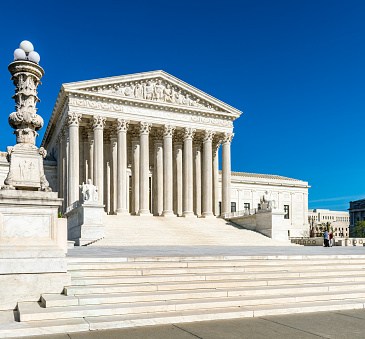
The Supreme Court has once again placed the Voting Rights Act on the operating table—this time in a case out of Louisiana that could redefine how race is considered in redistricting. The Court has requested supplemental briefs and scheduled a re-argument for the fall term, asking whether the creation of a second majority-Black district violates the Fourteenth or Fifteenth Amendments.

Let’s be clear: this is not just a legal debate. It’s a moral reckoning.

Civil rights groups and legal scholars have sounded the alarm. If the Court narrows protections under Section 2 of the Voting Rights Act—the last remaining shield after Shelby County v. Holder gutted Section 5—we could see a rollback of minority voting power across the South. Alabama, Louisiana, Mississippi, and South Carolina are already in the crosshairs. And while some federal courts have upheld the need for race-conscious remedies, the Supreme Court’s posture suggests a willingness to revisit—and potentially reverse—decades of precedent.

What the People Are Saying

Public sentiment is growing restless. Many voters, especially in Black communities, feel betrayed by a system that seems more invested in preserving power than protecting rights. Legal experts warn that the Court’s actions could “turn the clock back to the early 1960s,” as Professor Richard Hasen put it. Justice Elena Kagan cautioned that unchecked gerrymandering could “irreparably damage our system of government.”

And yet, where is the outrage from Democratic governors? Where is the coordinated resistance from blue states that claim to champion equity and justice?

California has taken steps to protect minority representation. Texas, under Trump-aligned leadership, continues to redraw maps with impunity. But too many Democratic-led states remain silent, watching from the sidelines as the foundation of democracy is chipped away.

A Call to Action

We cannot afford complacency. This is a moment for moral courage—not political calculation.

  • To Democratic Governors: Use your platforms. File amicus briefs. Mobilize your legal teams. Speak out publicly.
  • To Civil Rights Organizations: Amplify the voices of those most affected. Host town halls. Educate communities.
  • To Everyday Citizens: Call your representatives. Share this story. Demand accountability.
  • To Faith Leaders and Advocates: Remind the nation that justice is not negotiable. That silence is complicity.

This is not just about Louisiana. It’s about every voter whose voice is being diluted, dismissed, or denied. It’s about the soul of our democracy.

Let us not wait for history to judge us. Let us act now—boldly, unapologetically, and together.


Bill Gates Says Goodbye to Smartphones—Hello to Electronic Tattoos?


In a tech twist that feels straight out of science fiction, Bill Gates has declared the smartphone era is on its way out. The replacement? Not foldable screens or augmented reality glasses—but electronic tattoos.

Yes, tattoos. Not the inked kind that express your personality, but smart, skin-integrated tech that could revolutionize how we communicate, monitor health, and interact with the digital world.

The End of an Era

Smartphones have been our digital lifelines for over a decade. They’ve shaped our routines, relationships, and even our identities. But Gates believes their reign is nearing its end. According to reports, he’s betting on electronic tattoos, developed by Chaotic Moon and acquired by Accenture, as the next leap in personal tech.

These tattoos aren’t just wearable—they’re embeddable. Imagine a device that lives on your skin, powered by nanocapacitors, requiring no bulky batteries or screens. You could send messages, browse the web, unlock doors, or monitor your heart rate—all with a gesture.

How Do They Work?

Electronic tattoos use smart ink filled with nanocapacitors. They’re temporary, invisible, and interactive. Think of them as ultra-thin, skin-level sensors that communicate with nearby devices. They can track vital signs, detect health anomalies, and even serve as biometric keys.

In theory, they could eliminate the need for:

  • Passwords
  • Credit cards
  • Physical keys
  • Fitness trackers

It’s seamless, sleek, and deeply integrated. But is it too much integration?

The Ethical Dilemma

Here’s where things get murky. These tattoos would collect intimate data—location, health metrics, biometric identifiers. Who owns that data? How is it protected? Could it be hacked?

The idea of biometric tech embedded in your skin raises serious questions:

  • Could someone clone your identity through your tattoo?
  • What happens if the tech malfunctions?
  • Will governments or corporations use it for surveillance?

The promise of convenience comes with a potential cost to privacy and autonomy.

A Wellness Revolution—or a Digital Divide?

On the upside, these tattoos could transform wellness. Real-time health tracking could catch issues before they escalate. And without screens, we might finally break free from digital addiction.

But there’s a catch: accessibility. Will this tech be affordable? Or will it deepen the digital divide, giving only the privileged access to next-gen health and security?

Final Thoughts

Bill Gates’s vision is bold, and it’s already stirring debate. Are electronic tattoos the future of tech—or a dystopian detour? Will they empower us or expose us?

One thing’s clear: the conversation is just beginning.


The $37 Trillion Wake-Up Call: What the Big Beautiful Bill Isn’t Telling Us


This week, the U.S. Treasury confirmed what many economists feared: the national debt has officially crossed the $37 trillion mark. That’s not just a number—it’s a flashing red light on America’s fiscal dashboard. And it’s happening years ahead of schedule, thanks to pandemic-era borrowing and a new wave of government spending.

But here’s the twist: this milestone arrives just weeks after the passage of the so-called “Big Beautiful Bill,” a budget law championed by President Trump that promises tax relief for overtime workers. On the surface, it sounds like a win for hardworking Americans. Dig deeper, though, and you’ll find a policy that’s more cosmetic than corrective.

Debt Is Rising—Fast

The Congressional Budget Office had projected we wouldn’t hit $37 trillion until after 2030. But between COVID-19 stimulus packages, economic recovery efforts, and now a $4.1 trillion tax-and-spending law signed earlier this year, we’ve accelerated into dangerous territory.

Michael Peterson of the Peter G. Peterson Foundation warns that we’re now adding a trillion dollars to the debt every five months—twice the rate of the last 25 years.

The Big Beautiful Bill: A Mirage of Relief

The “Big Beautiful Bill” was marketed as a game-changer: no federal income tax on overtime pay. Retroactive to January 2025, it promised workers a bigger slice of their paycheck. But the reality is far more limited:

  • Only the “half” portion of “time-and-a-half” pay is tax-free.
  • State and local taxes still apply.
  • Social Security and Medicare taxes are untouched.
  • There’s a cap: $12,500 per person annually.
  • High earners are excluded entirely.

In short, it’s a partial tax break wrapped in political branding. And while it may offer modest relief to some, it does little to address the structural issues driving our debt skyward.

What’s Really at Stake?

Unchecked debt has real consequences:

  • Higher interest rates on mortgages, car loans, and credit cards.
  • Lower wages as businesses scale back investment.
  • Reduced public services as interest payments crowd out funding for education, infrastructure, and healthcare.

Wendy Edelberg of Brookings warns that the new law means “we’re going to borrow a lot over the course of 2026, we’re going to borrow a lot over the course of 2027, and it’s just going to keep going”.

A Call for Real Reform

Maya MacGuineas of the Committee for a Responsible Federal Budget put it bluntly: “Hopefully this milestone is enough to wake up policymakers to the reality that we need to do something, and we need to do it quickly”.

Call to Action: From Debt to Dignity

This isn’t just about numbers—it’s about values. It’s about whether our government prioritizes short-term optics or long-term equity. If we want a future where economic justice is more than a slogan, we must demand:

  • Transparent fiscal policy that serves people, not politics.
  • Equitable tax reform that uplifts working families.
  • Community-centered budgeting that invests in education, housing, and health—not just interest payments.

Let’s raise our voices. Let’s organize. Let’s hold leaders accountable—not just for what they spend, but for who they serve.

Join the movement. Share this post. Start the conversation. And let’s build a future where our national budget reflects our national values.