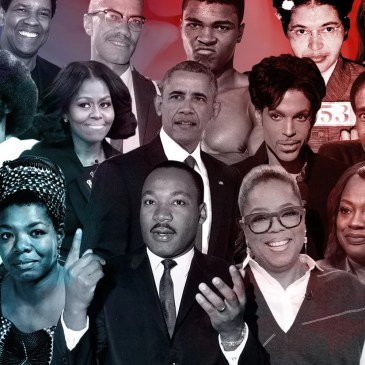
Black America: The Blueprint of Global Culture and Opportunity

Introduction

Black America has always been the heartbeat of democracy, culture, and progress. Yet, too often, our contributions are overlooked, minimized, or outright stolen. From the Civil Rights Movement to the African Diaspora, Black Americans have paved the way for immigrant communities, global liberation movements, and cultural revolutions. It is time to reclaim that truth.

Civil Rights Legacy and Immigration

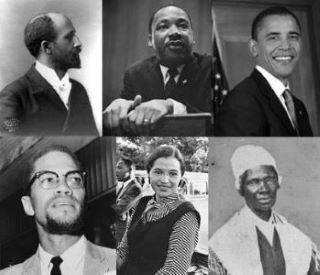
The Civil Rights Movement, led by Malcolm X, Dr. Martin Luther King Jr., and countless others, did more than secure rights for Black Americans. It opened doors for immigrant communities. The Immigration and Nationality Act of 1965 was born out of the Civil Rights struggle, allowing Cubans, Latinos, Caribbeans, Nigerians, Asians, Somalians, and others to enter the U.S. in greater numbers. Without Black America, those opportunities would not exist.
Identity and Assimilation

Yet, many of these groups distance themselves from Blackness, seeking acceptance by aligning with whiteness. Statements like “I’m not Black, I’m Jamaican” or “I’m Nigerian, not African American” fracture solidarity. Assimilation for survival may be understandable, but denial of identity undermines collective power.
The Diaspora and World Culture

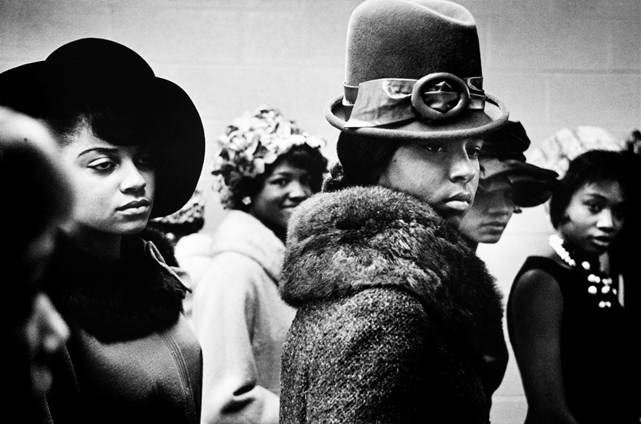
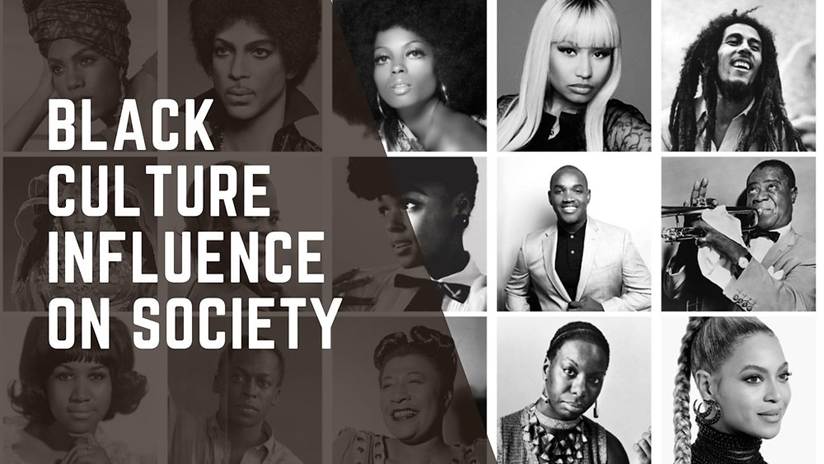
The African Diaspora is not just about migration, it is about influence. Black America is the epicenter of global culture. Hip-hop, born in the Bronx, is now the most consumed music genre worldwide. Jazz, gospel, and R&B shaped entire industries. Fashion trends rooted in Black creativity dominate global markets. Even social justice movements abroad borrow language and tactics from the Civil Rights Movement.
Cultural Appropriation vs. Scrutiny

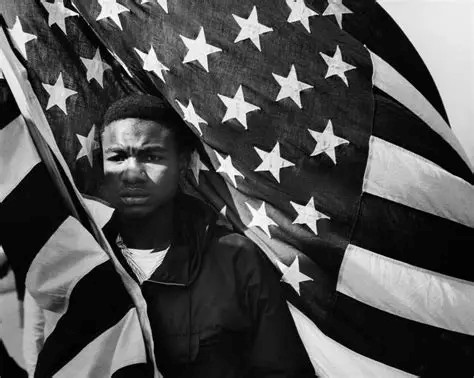
Black culture is celebrated globally but often stolen and repackaged by others. TikTok dances created by Black teens go viral, but influencers from other groups profit. Streetwear, rooted in Black creativity, is now a billion-dollar industry. Meanwhile, Black youth are stereotyped as “criminals” for the same creativity. The hypocrisy is undeniable: the world profits from Black culture while vilifying Black people.
Politics and Immigration

Many immigrant groups supported Donald Trump, believing his promises. Yet, his administration deported thousands from Latin America, Africa, and Asia. The irony is sharp: communities that distanced themselves from Black solidarity were targeted by the same system they empowered.
Global Impact of Black America

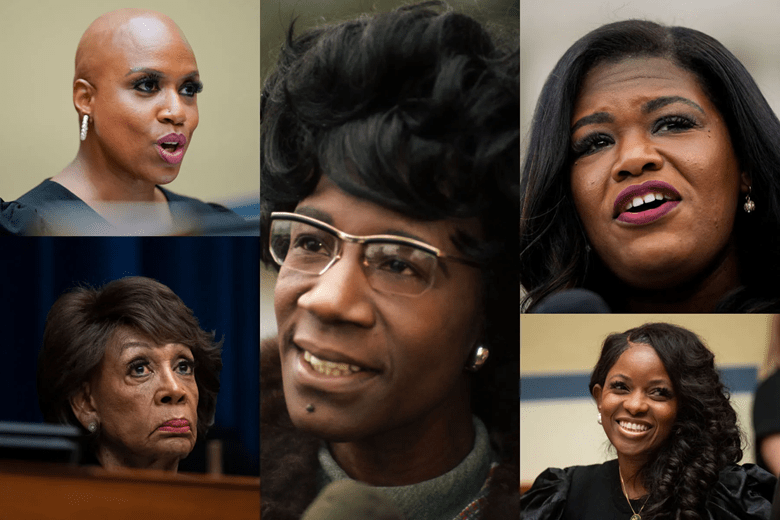
Black America is not just a cultural force, it is a political and social catalyst. Civil rights victories inspired global liberation movements, from South Africa to the Caribbean. Marcus Garvey’s Pan-African vision, Dr. King’s dream of justice, and Malcolm X’s call for dignity continue to resonate worldwide.

Conclusion

Black America is the foundation, the heartbeat, and the blueprint. We are not just culture, we are culture. We paved the way for the world politically, socially, and culturally. It is time for the world to recognize, respect, and honor that legacy.

White Supremacy Threatens South Africa’s Sovereignty, But What About America?

By Tim Cocks (Reuters)
Blog Commentary & Call to Action

South African President Cyril Ramaphosa recently sounded the alarm: ideas of white racial superiority are not only a threat to South Africa’s post-apartheid unity, but also to its sovereignty and international relations. Speaking at an ANC conference, Ramaphosa condemned false narratives of “white persecution” that continue to circulate in far-right spaces globally. These myths, he warned, have real consequences for diplomacy and national security.

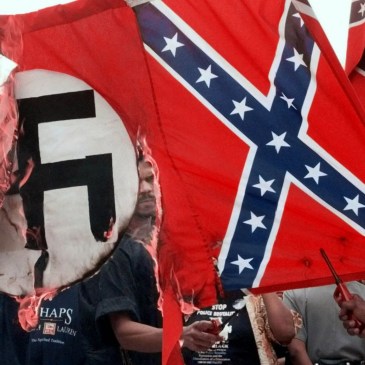
Yet while Ramaphosa calls for global efforts to debunk these lies, U.S. President Donald Trump has chosen to amplify them. Trump boycotted the G20 summit in Johannesburg, alleging without evidence that South Africa mistreats its white minority. He claimed white farmers were being “slaughtered” and their land “illegally confiscated.” These claims have been widely debunked, but they continue to fuel white supremacist rhetoric worldwide.

Here’s the hypocrisy: Trump accuses South Africa of racism against whites yet remains silent on the systemic racism and repression of Black people in America. In South Africa, a wrong was made right, apartheid was dismantled, and the nation continues to strive for unity. In America, however, racism remains deeply entrenched. Black men are killed at alarming rates, the justice system turns a blind eye, and the trauma of racial injustice grows worse every day.

Before the pot calls the kettle black, America must look inward. Stop throwing stones when you live in a glass house. The U.S. government cannot credibly lecture others on racial justice while ignoring the oppression within its own borders.

Black people in America continue to face systemic racism and deadly police violence at rates far higher than other groups, making Donald Trump’s accusations against South Africa not only hypocritical but deeply offensive.

Police Violence Against Black Americans

  • In 2024 alone, U.S. police killed 1,365 people — the deadliest year on record campaignzero.org.
  • Of those, 248 were Black, despite Black Americans making up only about 13% of the population Statista.
  • The rate of fatal police shootings among Black Americans stood at 6.1 per million per year (2015–2024), more than double that of white Americans Statista.
  • Even after the global outcry following George Floyd’s murder in 2020, police killings of Black people have actually increased in recent years NBC News.
  • Data shows that unarmed Black men are disproportionately killed by police, highlighting systemic bias in law enforcement factually.co.

Examples of Systemic Racism in America

Systemic racism is not limited to policing, it permeates nearly every aspect of American life:

  • Education: Black students are more likely to attend underfunded schools and face harsher disciplinary actions Human Rights Careers.
  • Housing: Redlining and discriminatory lending practices have left Black families with far less generational wealth Human Rights Careers.
  • Employment: Black workers earn less on average and face higher unemployment rates than white counterparts Robert F. Smith News.
  • Healthcare: Black Americans experience worse health outcomes, higher maternal mortality rates, and less access to quality care Human Rights Careers.
  • Criminal Justice: Black people are incarcerated at nearly five times the rate of white people, often for similar offenses Human Rights Careers.

Taken together, these examples show that racism in America is not incidental, it is systemic, structural, and ongoing.

Blog Post Framing

South Africa, under Ramaphosa, is working to dismantle the legacy of apartheid and build unity. Meanwhile, America continues to deny or downplay its own racial injustices. For Donald Trump to accuse South Africa of racism against whites while ignoring the daily trauma of Black Americans is the ultimate hypocrisy.

Before the pot calls the kettle black, America must confront its own house of glass. Stop throwing stones abroad while ignoring the shattered lives at home.

Sources: Statista factually.co NBC News campaignzero.org Human Rights Careers Robert F. Smith News

Call to Action

It’s time to:

  • Expose and dismantle white supremacist lies globally.
  • Hold U.S. leaders accountable for systemic racism and police violence.
  • Unite Black communities worldwide in solidarity and resistance.

So I ask again: Should Donald Trump and the U.S. government be called out for this hypocrisy? The answer seems clear, yes, loudly and globally.

Rallying Cry

No more silence, no more lies, 

We see the truth with open eyes. 

From Soweto to Harlem streets, 

Black voices rise, we won’t retreat. 

Justice delayed is justice denied, 

Too many brothers have already died. 

Glass houses crack when stones are thrown, 

America fix the rot in your own. 

Unite the people, across the land, 

Together in strength, we take a stand. 

From Cape Town’s shore to Detroit’s fight, 

Black power united will set things right. 

From Stokely to Kwame: The Revolutionary Journey of a Black Power Prophet

By Charles Zackary King
Changing Trends and Times | America in Black and White

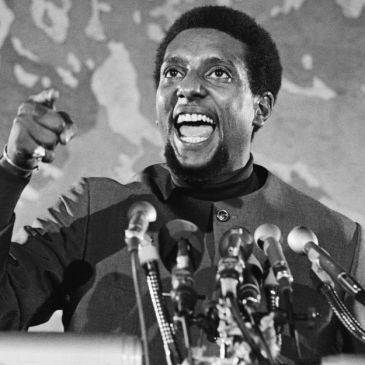
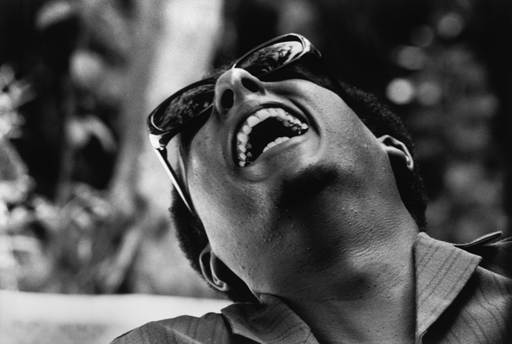
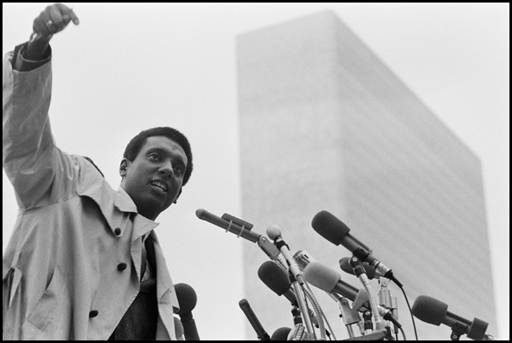
In the story of Black liberation, few names echo with as much fire and clarity as Stokely Carmichael, later known as Kwame Ture. His life was a masterclass in transformation: from immigrant child to civil rights warrior, from SNCC chairman to global Pan-Africanist. His journey was not just political, it was spiritual, cultural, and unapologetically Black.

Origins: From Trinidad to the Bronx

Born June 29, 1941, in Port of Spain, Trinidad and Tobago, Stokely Standiford Churchill Carmichael immigrated to Harlem at age 11 to reunite with his parents. Raised by his grandmother and aunts, he arrived in the U.S. with sharp intellect and sharper instincts. He later attended the prestigious Bronx High School of Science, where he began questioning the racial and social structures around him.

Awakening at Howard University

Carmichael enrolled at Howard University in 1960, studying philosophy and absorbing the teachings of professors like Sterling Brown and Toni Morrison. But it was outside the classroom, in the streets and churches of the South, that his activism took root. He joined the Student Nonviolent Coordinating Committee (SNCC) and became a Freedom Rider, risking his life to desegregate interstate travel.

Black Power Rises

By 1966, Carmichael had become chairman of SNCC, succeeding John Lewis. That same year, during a march in Mississippi, he delivered the rallying cry that would define a generation:

“What we want is Black Power.”
This slogan wasn’t just rhetoric, it was a demand for self-determination, racial pride, and political autonomy. Carmichael’s stance marked a shift from integrationist strategies to radical resistance, challenging both white supremacy and liberal complacency.

What Mattered Most: Liberation Over Assimilation

For Carmichael, the Civil Rights fight was never just about access, it was about ownership. He believed that integration, as framed by white society, often meant assimilation into systems that were fundamentally anti-Black. What mattered most to him was:

  • Black control over Black communities—from schools and housing to policing and economics.
  • Political independence—building all-Black political organizations like the Lowndes County Freedom Organization.
  • Economic justice—shaking the foundations of exploitation and demanding reparative systems.
  • Cultural pride—rejecting the notion that whiteness was the standard and embracing African heritage unapologetically.
  • Global solidarity—connecting the Black struggle in America to liberation movements in Africa, the Caribbean, and beyond.

He once wrote:

“For racism to die, a totally different America must be born.”
This wasn’t a call for reform, it was a call for revolution.

The Name Change: Kwame Ture

In 1969, Carmichael left the U.S. and settled in Guinea, West Africa, alongside his then-wife, South African singer Miriam Makeba. There, he adopted the name Kwame Ture—a tribute to Kwame Nkrumah of Ghana and Sékou Touré of Guinea, two titans of Pan-Africanism.
The name change was more than symbolic. It marked a rebirth—a rejection of colonial identity and an embrace of African unity, revolutionary socialism, and global Black consciousness.

Building Pan-African Futures

In Guinea, Ture co-founded the All-African People’s Revolutionary Party (A-APRP), advocating for a united Africa free from imperialism. He traveled extensively, speaking in Cuba, Ghana, and across Europe, always centering the plight of oppressed peoples and the power of collective liberation.

Final Years and Enduring Legacy

Kwame Ture died of prostate cancer on November 15, 1998, in Conakry, Guinea, at age 57. But his voice still reverberates, in classrooms, protests, podcasts, and policy debates. His writings, including Stokely Speaks and Ready for Revolution, remain essential texts for understanding Black resistance and global solidarity.

Why Kwame Ture Still Matters

In today’s climate of racial reckoning and global unrest, Ture’s life offers a roadmap. He taught us that identity is political, that liberation is global, and that Black Power is not a moment, it’s a movement. His transformation from Stokely to Kwame wasn’t just personal, it was prophetic.

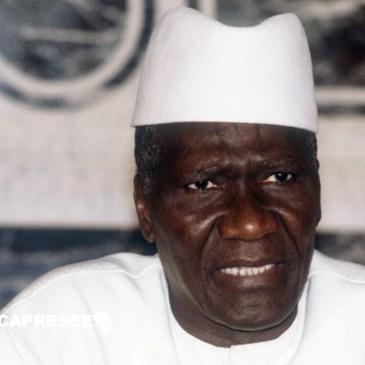
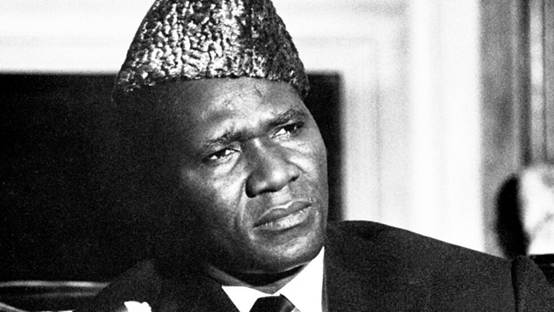
The Fire of Freedom: If Sékou Touré Had His Way

By Charles Zackary King
Changing Trends and Times | America in Black and White

In the pantheon of Black liberation, President Ahmed Sékou Touré stands as both architect and agitator, a man who dared to dream of an Africa unshackled from colonial chains. As Guinea’s first president, Touré didn’t just lead a nation; he attempted to rewire its soul. But what if his vision had fully taken root? What if Guinea had become the model Pan-African republic he imagined?

Let’s step into that alternate reality.

Guinea Reimagined: Touré’s Dream Realized

Imagine a Guinea where African socialism flourished, not as a reaction to colonial abandonment, but as a proactive blueprint for communal prosperity. In this Guinea:

  • Education is free and Afrocentric, with children learning the legacies of Samori Touré, Nkrumah, and Harriet Tubman alongside math and science.
  • Healthcare is universal, rooted in both modern medicine and indigenous healing traditions.
  • Art and culture are sacred, with griots, dancers, and sculptors honored as national treasures.
  • Women lead, not just in homes but in parliament, academia, and diplomacy.
  • Pan-African unity is tangible, with open borders for African nations, shared currencies, and joint infrastructure projects.
  • Guinea becomes a cultural capital, hosting global festivals of Black art, music, and resistance.

In this version of history, Guinea is not isolated, it’s exalted. Touré’s rejection of neocolonialism inspires a domino effect. Senegal, Mali, Ghana, and Congo follow suit, forming a United States of Africa, with Guinea as its moral compass.

The Real Guinea: Courage and Contradiction

Of course, history took a different path. After Guinea’s bold “No” to France in 1958, Touré faced economic sabotage, diplomatic isolation, and internal dissent. His response was fierce: nationalization, cultural revival, and alignment with socialist allies. But his regime also became authoritarian. Dissenters were imprisoned, and Camp Boiro became a symbol of repression.

Touré’s dream was noble, but his methods, at times, were brutal. The Guinea that emerged was proud, but wounded. Independent, but surveilled.

Why Touré Still Matters

Today, as Black communities worldwide fight for autonomy, dignity, and representation, Touré’s legacy offers both inspiration and caution. His vision of self-reliance, cultural pride, and continental unity remains relevant. His flaws remind us that liberation must be paired with compassion and accountability.

For creatives and advocates like Jean-Patrick Guichard, Touré’s influence is personal. His insistence on cultural sovereignty echoes in every curated exhibit, every community dinner, and every act of legacy-building.

Conclusion: The Fire Still Burns

Touré died in 1984, in Cleveland, Ohio, while undergoing heart surgery. But the fire he lit still burns, in classrooms, galleries, protests, and podcasts. His story is not just history, it’s a mirror, a map, and a challenge.

If Touré had his way, Guinea might have become the heartbeat of a liberated Africa. But even in reality, his defiance carved a path that others still walk. And in that, his legacy lives on.

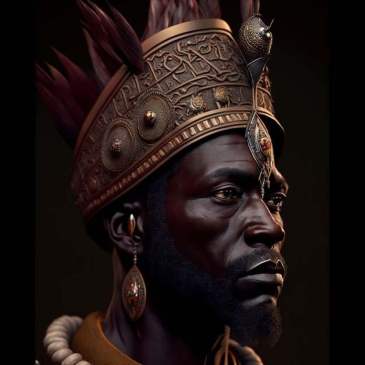
Mansa Musa: The Legacy of the Lion King of Mali

By Charles Zackary King
Founder & CEO, America in Black and White | Blogger, Changing Trends and Times

Introduction

In a world where wealth is often measured by fleeting trends and digital valuations, the story of Mansa Musa stands as a timeless reminder of legacy, leadership, and cultural stewardship. Known as the richest man in recorded history, Musa’s reign over the Mali Empire in the 14th century was not just about gold, it was about vision, education, and the elevation of a people.

The Rise of a Legend

Mansa Musa ascended to power in 1312, inheriting an empire already rich in resources and influence. But under his leadership, Mali expanded its borders, deepened its cultural roots, and became a beacon of prosperity in West Africa. His empire stretched across modern-day Mali, Senegal, Guinea, Mauritania, and parts of Niger—making it one of the largest and most powerful of its time.

Wealth Beyond Imagination

Musa’s wealth was legendary. His empire controlled vast gold mines and taxed trans-Saharan trade routes dealing in salt, ivory, and other commodities. But it was his pilgrimage to Mecca in 1324 that truly stunned the world. Traveling with an entourage of 60,000 people and distributing gold so generously in Cairo that it disrupted the region’s economy for years, Musa’s journey was both a spiritual mission and a global statement.

A Builder of Culture and Faith

Upon returning from Mecca, Mansa Musa invested heavily in Islamic scholarship and architecture. He commissioned the construction of mosques, schools, and libraries—most notably the Djinguereber Mosque in Timbuktu. He invited scholars and architects from across the Muslim world, transforming Timbuktu into a center of learning and culture that would influence generations.

Legacy That Lives On

Mansa Musa died around 1337, but his legacy endures. He proved that African leadership could be visionary, global, and deeply rooted in cultural pride. His story challenges the erasure of African excellence from mainstream narratives and reminds us that wealth is not just material—it’s historical, intellectual, and communal.

Why Mansa Musa Matters Today

In the spirit of America in Black and White and Changing Trends and Times, Mansa Musa’s legacy speaks directly to our mission:

  • Civic education: His governance model emphasized justice, scholarship, and diplomacy.
  • Advocacy: He uplifted his people through infrastructure, faith, and international recognition.
  • Legacy-building: His impact was generational, not transactional.

As we continue to tell stories that empower and enlighten, let Mansa Musa be a reminder: Black history is global history. And legacy is built, not bought.

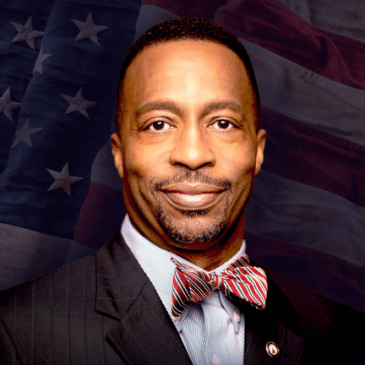
Derrick Jackson’s Bold Bid for Governor: Legacy, Leadership, and a Vision for Black Georgia

By Charles Zackary King
Founder, America in Black and White | AMIBW The Magazine

The original article titled “Derrick Jackson Discusses Campaign for Governor” was written by Christopher Smith and published on News & Talk WAOK.

Georgia State Representative Derrick Jackson isn’t just running for governor, he’s running on legacy, lived experience, and a moral obligation to serve. With a 42-year career that spans military command, corporate leadership, and legislative advocacy, Jackson’s campaign is rooted in justice, equity, and empowerment for all Georgians, especially Black communities historically left behind.

A Life of Service and Strategy

Jackson is a husband, father of seven, and retired U.S. Navy Lieutenant Commander with 22 years of service, including seven deployments. After a decade in the corporate sector with General Electric, he transitioned into public service, winning election to the Georgia House of Representatives in 2016. He represented District 64 until 2023, and now serves District 68, marking nearly a decade of legislative leadership.

His record includes fighting for voting rights, women’s rights, LGBTQ+ protections, and small business support. But Jackson’s work in underserved communities goes deeper, he’s been a consistent voice for economic justice, healthcare access, and educational equity.

Legislative Impact: Raising the Floor for Black Georgians

Among Jackson’s most impactful legislative efforts is his sponsorship of a bill to raise Georgia’s minimum wage to $27/hour by 2028. The bill proposed a phased increase, starting at $15/hour and rising annually, designed to uplift working-class families, especially Black workers disproportionately affected by wage stagnation and attacks on diversity initiatives.

This legislation, though stalled in committee, remains a cornerstone of his campaign. It directly addresses the economic disparities that have long plagued Black communities in Georgia, where over half a million Black jobs were lost in the past year due to rollbacks in equity programs.

Campaign Agenda: A Georgia That Works for Us

Jackson’s gubernatorial platform is built on eight pillars, each designed to help Georgia families thrive. For Black Georgians, his agenda includes:

  • Medicaid Expansion to close healthcare gaps and prevent rural hospital closures
  • Repealing Harmful Laws like the six-week abortion ban and rent control restrictions
  • Investing in Black Farmers, Small Businesses, and Nonprofits with access to capital and policy inclusion
  • Environmental Justice to protect communities from pollution and neglect
  • Education Reform & Workforce Development with expanded access to trades, apprenticeships, and technical education
  • Reparations Advocacy, proposing 33% of Georgia’s $16B budget be allocated to Black families as a fulfillment of broken promises

Jackson’s message is clear: “We’re not just building a Georgia for business, we’re building a Georgia for families.”

Inspired by Legacy: John Lewis and the Spirit of Service

Jackson cites civil rights icon John Lewis as a moral compass for his campaign. “I have a moral obligation to run for governor,” he said on WAOK, invoking Lewis’s legacy of courage and conscience. His leadership style blends executive discipline with grassroots empathy, qualities he believes make him the only candidate truly qualified to serve as Georgia’s Commander-in-Chief.

A Call to Action

Jackson’s campaign isn’t powered by million-dollar donors, it’s powered by people. He urges Georgians to “Tell 10 to Tell 10,” mobilize their communities, and vote for a future rooted in dignity, equity, and opportunity.

For Black Georgians, this race is more than political, it’s generational. It’s about reclaiming the promise of Georgia and ensuring that every child, every elder, and every entrepreneur has a seat at the table.

“They Speak, But Not For Us: The Cost of Misrepresentation in Black America”

Introduction

In a world flooded with statements, pledges, and curated campaigns, it’s time to ask: who’s really representing Black communities? Because visibility without accountability is just performance. This post contrasts the hollow gestures of institutions with the lived truth of Black-led platforms and movements. It’s not just critique, it’s clarity.

 The Performance of Representation

  • Corporate Statements vs. Community Investment
    Every February, companies roll out Black History Month graphics and events. But 53% of consumers believe these statements must be backed by real action, or they’re exploitative. Many corporations downsize DEI programs while spotlighting Black employees for one month.
  • Political Promises vs. Policy Impact
    Politicians invoke Black pain during campaigns, but policy rarely follows. The CBCF’s Executive Order Tracker shows how recent directives have rolled back civil rights protections, education equity, and economic opportunity for Black communities. Even well-intentioned promises often lack measurable equity outcomes.
  • Media Coverage vs. Media Ownership
    Black trauma is headline-worthy, but Black joy, innovation, and leadership are rarely centered. Only 3% of full-power TV stations are Black-owned. Without ownership, our stories are filtered, flattened, and often distorted.

A good example of this would be Stephen A. Smith and Van Jones that represent ESPN and CNN. These guys get on TV and perform for their masters stating that they represent Black People when their words tell us different. Stephen A who is loud and a obvious Republican talks out of both sides of his mouth. He lies about Black representation and how things affect him but at the same time supports Racist like Charlie Kirk and all the nasty things he has to say about Black People especially Black Women. This is not condoning Murder but why should Black People feel sorry for someone that was so divisive. Smith leads a failing network that I am shocked is still around. That network has problems for 25yrs running that has yet to be resolved but is standing on the a trickster like Smith that claims he wants to run for President as a Democrat. The funny thing about this is the Democratic Party is meeting with him!! I am finding this worse than appalling because one this should be condemned but not enough Black People are calling this out. This man makes a living off destroying Black Lives. This is performance but dangerous at the same time.

Van Jones who has had a failed show on CNN and was fired from the Obama Administration for ethics issues is another person that is performing for his Master. This man had the Gaul to get on CNN to tell the world that he got a text from Charlie Kirk and that he was a good man. When you think about this, what is good about a man that speaks about your culture as horrible as this individual did? Yes, we can have our difference but being an Original King, you don’t dare let someone insult you like that and you kiss their butt to say you talked to them. This man said on Anderson Coolper 360 that he was told by his team the day this man was killed that he reached out to him. Why would he do this and why would CNN let him on the air to say that? That is personal but has no place in todays society. Keep that to yourself. This performance was sad and hurtful but was supposed to represent the sentiment of Black People. Wrong, it does not and there is no place in the world for anyone to shoot and kill another person but I do not think the Black Community was accepting of that. Everything the 2 of them say in the media is never going to be favorable for Black People and the world needs to know that.

 Authentic Advocacy and Legacy Work

  • Black-Led Platforms Speak Truth
    From AMIBW The Magazine to The Clarkson Collective, these platforms don’t just amplify, they dignify. They tell stories rooted in faith, resilience, and generational healing. Michelle Clarkson’s work bridges sacred and civic, reminding us that storytelling is sacred.
  • Community Organizers vs. Institutional Gatekeepers
    Real change comes from those who live the struggle. Black-led nonprofits like Movement for Black Lives, BlackPAC, and ABFE’s Black Funds Network are building coalitions, not careers off our pain.
  • Storytelling as Sacred Practice
    Michelle Clarkson’s prophetic voice reminds us: healing begins with truth, and transformation requires courage. Her work is a masterclass in narrative activism.

Truth Telling about our Past, Present and Future is very important. When you are used to a standard you must live by that standard. Censorship is a nonstarter.

The Danger of Misrepresentation

  • Outsiders dilute our demands.
  • Institutions tokenize our presence.
  • Media distorts our image, shaping public perception and policy in harmful ways.

When they speak for us, they silence us. We do not need other people speaking for us. We are more than capable of speaking for ourselves. We can do this because it is lived not a perception.

We Are the Authors

Black people are not a monolith, and we are not waiting for permission to tell our stories. We are the architects of our own legacy. We will no longer accept representation that is hollow, exploitative, or disconnected from our lived truth.

If you’re not building with us, you’re building against us.

 Call to Action

  • Support Black-owned media. Share, subscribe, and fund platforms that honor our truth.
  • Hold institutions accountable. Ask where their money goes after February.
  • Elevate authentic voices. Follow, repost, and amplify Black-led movements.
  • Tell your story. Whether through podcast, blog, or pulpit, your truth matters.

Want to contribute to AMIBW The Magazine or share your story with The Clarkson Collective? Reach out. Let’s build legacy together.

America in Black and White Hits 100: A Legacy of Truth-Telling and Transformation

On August 28th, America in Black and White will air its landmark 100th episode of Season 3, Episode 100 with none other than Dr. David Banks as its featured guest. This moment isn’t just a milestone. It’s a movement.

From its humble beginnings to its current status as a trusted voice in Black media, America in Black and White has grown into a platform that doesn’t just inform it ignites. Hosted by Charles Zackary King, the show has become a sanctuary for truth-tellers, change-makers, and legacy-builders across the diaspora.

Season 1: Laying the Foundation

Season 1 was raw, urgent, and necessary. It tackled the hard truths of police brutality, systemic racism, economic exclusion, and the erasure of Black narratives. Each episode was a mirror and a megaphone, reflecting lived realities while amplifying voices that too often go unheard. From grassroots organizers to policy experts, the show carved out space for real talk and real solutions.

Highlights included:

  • A gripping roundtable on mass incarceration and restorative justice
  • Interviews with Black entrepreneurs redefining wealth and ownership
  • A tribute to unsung community elders whose wisdom shaped generations

Season 2: Building Bridges

Season 2 expanded the lens. It brought in artists, educators, and spiritual leaders to explore the intersections of culture, healing, and resistance. The show’s production quality leveled up, and so did its reach. With new partnerships and a growing audience, America in Black and White began to feel less like a show and more like a movement.

Key moments included:

  • A powerful episode on Black mental health and generational trauma
  • A spotlight on HBCU innovation and student activism
  • A deep dive into Black media ownership and representation

Season 3: Legacy in Motion

Now in Season 3, the show has hit its stride. With over 99 episodes aired, America in Black and White continues to evolve, bringing sharper commentary, broader perspectives, and deeper spiritual grounding. This season has featured entrepreneurs, scholars, and cultural architects who are shaping the future of Black America.

And now, Episode 100 arrives with a guest who embodies the show’s mission: Dr. David Banks.

About Dr. David Banks

Dr. Banks is a visionary educator, thought leader, and advocate for equity in public education. His work in transforming urban school systems and empowering youth through culturally responsive pedagogy has made him a national figure in education reform. His appearance on America in Black and White promises to be a masterclass in leadership, legacy, and liberation.

Please join us live August 28th at 6PM EST by clicking the link above. Please subscribe and get all the notifications for the channel

Why August 28th Matters

The date itself is symbolic. August 28th marks the anniversary of the 1963 March on Washington, a day when Dr. King declared his dream to the world. It’s a day etched into the soul of Black history. And now, it becomes the backdrop for a new kind of declaration: one rooted in media, mentorship, and movement-building.

What’s Next

As America in Black and White steps into its next chapter, the vision remains clear: to uplift, to educate, and to empower. With Changing Trends and Times as its publishing partner, the show continues to be a beacon for those who believe in legacy-driven storytelling and unapologetic truth.

Episode 100 is more than a celebration. It’s a call to action.

Tune in. Share the message. Be part of the movement.

https://www.youtube.com/@americainblackandwhite8299/featured

Please subscribe to our YouTube channel and get all the notifications

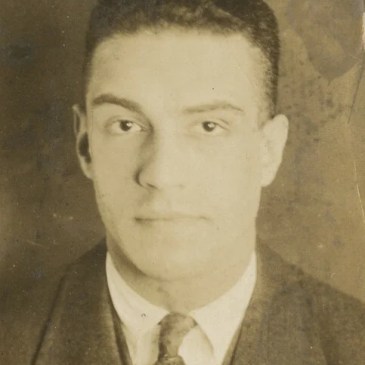
Norris B. Herndon: A Quiet Force Behind Black Wealth and LGBTQ+ Legacy

In the tapestry of Black excellence, some threads shimmer quietly, woven not with fanfare, but with steadfast resilience and visionary leadership. Norris Bumstead Herndon, the second president of Atlanta Life Insurance Company, was one such thread. His story is not only one of business brilliance but also of quiet courage, lived identity, and a legacy that continues to empower generations of Black entrepreneurs and LGBTQ+ trailblazers.

Born Into Legacy, Raised With Expectation

Born in Atlanta, Georgia, in 1897, Norris Herndon was the only child of Adrienne McNeil and Alonzo Herndon, a formerly enslaved man who built Atlanta Life into one of the most successful Black-owned businesses in America. From a young age, Norris was immersed in the world of Black leadership, his father took him to the founding meeting of the Niagara Movement, a precursor to the NAACP, when he was just seven years old.

Educated at Atlanta University and later Harvard Business School (where he was one of only two Black graduates in his class), Herndon was groomed to inherit a legacy but he carried it with a quiet, complex grace.

A Business Titan in the Shadows

After his father’s death in 1927, Norris became president of Atlanta Life at just 28. Under his leadership, the company’s assets grew from $1 million to $84 million by the time he retired in 1973. He was a master of strategic growth, cautious investment, and philanthropic generosity. Yet, despite his towering business success, Herndon remained reclusive rarely seen by employees, seldom speaking publicly, and never marrying.

His silence wasn’t just personal, it was protective. Friends and biographers have noted that Herndon struggled with his sexuality in a time when being openly gay, especially as a Black man in the South, could mean social and professional exile. He lived privately, navigating the expectations of a stern father and a society that demanded conformity.

Quiet Courage, Loud Impact

Though Herndon never publicly identified as gay, his life speaks volumes about the quiet resilience of Black LGBTQ+ pioneers. He built and sustained one of the most powerful Black-owned businesses in the country while living authentically in the margins. His story reminds us that leadership doesn’t always roar, it sometimes whispers, survives, and uplifts from behind the curtain.

Herndon’s philanthropic legacy is vast: he founded the Alonzo F. and Norris B. Herndon Foundation, donated land and funds for Herndon Stadium at Atlanta University, and supported institutions like the NAACP, the National Urban League, and Morris Brown College. His giving was strategic, generous, and deeply rooted in community uplift.

The Herndon Home: A Living Testament

Today, the Herndon Home stands as a museum and monument to the family’s journey from slavery to Black business royalty. It’s also a quiet shrine to Norris’s legacy, a place where Black excellence, queer resilience, and generational wealth intersect.

For Black LGBTQ+ youth, entrepreneurs, and legacy-builders, Herndon’s life offers a blueprint: You don’t have to be loud to be legendary. You don’t have to be seen to be significant. You just have to be committed to your truth, your people, and your purpose.

Honoring the Unspoken Heroes

In celebrating Norris B. Herndon, we honor the countless Black LGBTQ+ leaders whose contributions have shaped our communities from behind the scenes. Their stories, often hidden, sometimes erased, are essential to the full picture of Black history and progress.

Herndon’s legacy lives on in every Black business that dares to dream, every queer leader who chooses authenticity, and every community that rises through collective empowerment.

Keep the Legacy Alive: Support, Visit, Empower

Norris B. Herndon’s life reminds us that legacy is not just inherited, it’s built, protected, and passed on with intention. His quiet strength and visionary leadership laid the foundation for Black wealth, community uplift, and the unspoken resilience of LGBTQ+ pioneers.

Support Black LGBTQ+ Entrepreneurs
Invest in businesses that reflect the brilliance and diversity of our community. Whether you’re booking services, sharing platforms, or offering mentorship, your support fuels generational change. Seek out creators, founders, and leaders whose stories deserve to be seen and celebrated.

Visit the Herndon Home Museum
Located in Atlanta, the Herndon Home is more than a historic site, it’s a living monument to Black excellence, entrepreneurship, and quiet resistance. Walk the halls where legacy was shaped, and honor the journey from slavery to success. Learn more and plan your visit through the Herndon Foundation.

Share This Story
Let Norris B. Herndon’s legacy echo beyond the pages. Share this post, spark conversations, and uplift the narratives that history too often silences. Because when we honor the past, we empower the future.

From Bondage to Brotherhood: The Enduring Legacy of Lyon Farm and the Unhealed Wounds of Slavery

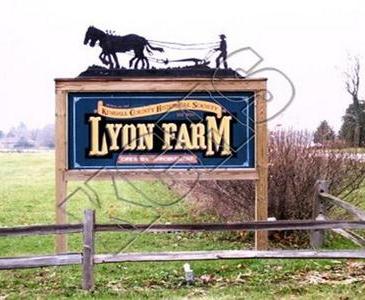
In the quiet hills of Georgia’s Arabia Mountain National Heritage Area stands Lyon Farm—a place where pain and perseverance are etched into the soil. What began as a site of bondage in the 1820s became the birthplace of Flat Rock, one of Georgia’s oldest African American communities. But beneath the triumph of survival lies a deeper truth: slavery leaves a scar that time cannot erase.

A Farm Built on Forced Labor

Joseph Emmanuel Lyon, a former British soldier turned landowner, won his property through the Georgia Land Lottery. He brought 17 enslaved Africans to toil on his farm, forcing them to build the very home they were crammed into. For nearly four decades, Lyon Farm produced cotton, apples, muscadines, and sorghum—all harvested through the brutal labor of people denied their humanity.

This was not just agriculture. It was exploitation. It was trauma. And it was the beginning of a legacy that would shape generations.

Freedom Came—But So Did Hard Choices

When the Civil War ended and the Emancipation Proclamation took effect, the enslaved people of Lyon Farm faced a cruel paradox: freedom in a land that had never treated them as free. Many chose to stay—not out of comfort, but out of necessity. They clung to the only land they knew, forming a tight-knit community for protection and survival.

That decision birthed Flat Rock—a place where Black families built schools, churches, and civic groups during Reconstruction. But even as they laid the foundation for progress, the shadow of slavery loomed large.

Building Community Amidst Hostility

The newly freed families shared everything—tools, knowledge, labor. They turned sharecropping into a lifeline and created informal networks of support. Families like the Hill Lyons, Shumakes, Christians, and Syphos migrated to Flat Rock, drawn by whispers of safety and solidarity.

Flat Rock Methodist Episcopal Church, founded in 1896, became the heartbeat of the community. It wasn’t just a place of worship—it was a school, a meeting hall, a sanctuary from the racism that surrounded them.

Yet even education was a battleground. White Georgians opposed Black literacy, and when Flat Rock School was burned down in the 1930s, the community refused to surrender. They kept teaching, kept learning, kept resisting.

Land Ownership as Liberation

In the 1920s, Theodore Arthur Bryant Sr. changed the game. He bought 45 acres from a former slave-owning family and sold parcels to neighbors at fair prices. His vision was clear: keep families together, build wealth, and fight the tide of the Great Migration that threatened to empty the South of its Black soul.

Bryant’s farm was burned down by jealous white neighbors—but he rebuilt. Because land wasn’t just property. It was power. It was proof that Black people could own, thrive, and lead.

Joy, Resistance, and Legacy

Weekend baseball games, church picnics, and community gatherings became acts of joy and resistance. Spenser Bryant rented the field to Atlanta churches, turning recreation into revenue. These moments of celebration were not distractions—they were declarations of dignity.

Today, the Flat Rock Archives preserve this story. Founded by T.A. Bryant Jr. and Johnny Waits, the museum stands in the very house Bryant Sr. built in 1917. Visitors walk through slave quarters, view family photographs, and trace the lineage of a people who refused to be erased.

Why Slavery Still Hurts

Slavery wasn’t just physical bondage—it was psychological warfare. It stripped generations of their names, their languages, their gods, and their dreams. Even after emancipation, Black communities faced systemic barriers designed to keep them poor, uneducated, and invisible.

The scars of slavery show up in housing disparities, educational gaps, health outcomes, and the criminal justice system. They show up in the trauma passed down through stories, silences, and survival strategies.

Flat Rock is a miracle—but it’s also a reminder. A reminder that the resilience of Black people does not erase the cruelty they endured. That healing requires truth-telling. And that honoring the past means confronting the pain, not just celebrating the progress.