The War on Truth: How the American Education System Continues to Betray Black History


Since the founding of America, the education system has served not as a beacon of truth, but as a tool of erasure. For generations, Black children have sat in classrooms designed not to empower, but to mislead—shaped by curricula that glorify European conquest while silencing African legacy.

Let’s be clear: the lie began with religion. American schools rarely teach that Christianity’s origins trace back to Ethiopia, where the oldest known Bible—written in Ge’ez—is preserved. Instead, they peddle the King James Version, a European interpretation that paints Jesus as white and frames whiteness as divine. This isn’t just a distortion; it’s a calculated form of supremacy. When Black children are taught this version of faith, it sets the stage for self-erasure and the normalization of inequality.

And then there’s history—or rather, the selective fragments of it. American slavery, one of the most defining atrocities in this nation’s past, is either sanitized or omitted entirely. Books that tell the raw truth about lynching, rape, and systemic theft are being banned under the guise of “protecting children.” But who is really being protected? Not the descendants of enslaved people—who need these stories to understand their power and their pain—but the descendants of oppressors, who fear the reckoning.

Here’s what they won’t teach:

  • Black civilizations predate European ones by thousands of years.
  • Moors taught Europeans hygiene, mathematics, and architecture during their rule in Spain.
  • Black inventors have created technologies that power daily American life, from traffic lights to gas masks.
  • The first university in the world, Sankore in Timbuktu, was built by Black scholars.
  • Wall Street was built over the bones of enslaved Africans.

Despite centuries of displacement, sabotage, and systemic violence, Black people continue to persevere. Black students outperform their peers when given equitable resources. Black culture—music, fashion, language, innovation—is mimicked globally. And Black resilience has turned survival into excellence.

So why teach European history as American heritage? Why frame the Holocaust as more relevant than the Transatlantic Slave Trade? Why amplify other cultures while silencing the truth about Black royalty, Black intellect, and Black triumph?

Because truth dismantles power.

When we know we are descendants of kings and queens—not the enslaved, but the enslaved AND the builders, dreamers, warriors, scientists, healers, and revolutionaries—the entire system of white supremacy begins to crack.

It’s no accident that books are banned. That accurate history is replaced by propaganda. That educational standards are manipulated to mask brilliance. This is an ideological war, and its battlefield is the mind.


Call to Action:

We must challenge our schools. Demand real curricula. Sponsor Black-led educational initiatives. Teach your children at home, in communities, in churches and mosques. Tell the story your ancestors didn’t get to tell.

Knowledge is the most radical form of resistance. And in a system built on lies, telling the truth is a revolution.


#RealBlackHistory #UnbanBlackBooks #EducationNotErasure #BlackExcellence #AfricanLegacy #RewriteTheCurriculum #TeachTheTruth #BlackIntellectMatters #TruthToPower #DecolonizeEducation #AmericaInBlackAndWhite #SankofaWisdom #BlackKingsAndQueens
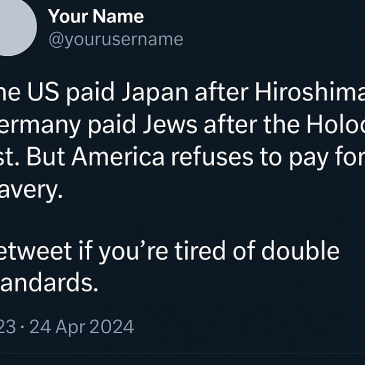
“What America Refuses to Owe: The Price of Black Suffering”


“What America Refuses to Owe: The Price of Black Suffering”

In the heart of every empire lies a contradiction. In America, it is this: We teach about justice, but we rarely practice it for the people who built the foundation of this country—enslaved Africans and their descendants.

America has written checks for tragedies abroad. But for slavery—a horror that happened here, in the soil, sweat, and blood of the South—there is no apology, no compensation, no closure.

When Injustice Was International, America Opened Its Wallet

Let’s look at the historical receipts.

  • After the U.S. dropped the atomic bomb on Hiroshima, Japan received billions in aid, development grants, and favorable trade agreements. A nation devastated by American military might was helped back onto its feet.
  • Following the Holocaust, Germany began reparations in 1952. To date, it has paid over $90 billion to Holocaust survivors and the Israeli state. An atrocity committed in Europe.
  • Even Japanese Americans, who were unjustly interned during WWII on U.S. soil, received a formal apology and $20,000 per survivor in 1988.

Yet descendants of enslaved Africans—whose entire existence was commodified and whose labor built the wealth of the United States—have received nothing.

Why?

The American Lie: That Slavery Is Over, And Therefore Forgotten

Slavery was not merely a period—it was a system of trauma. For 246 years, Black people were whipped, raped, auctioned, beaten, and banned from reading and writing. Their children were sold. Their backs bore the burden of a nation’s ascent.

But the injustice didn’t stop in 1865. It mutated.
From Jim Crow laws to redlining, from COINTELPRO to mass incarceration, America has continued to extract from Black communities while denying restitution.

Meanwhile, schoolchildren are more likely to learn the names of European dictators than the enslaved people who shaped their country’s highways, railroads, and economy. To add insult to injury, in some states, teachers are banned from even discussing this legacy with nuance.

We are forced to learn about atrocities that happened elsewhere, while those that happened here are buried beneath patriotic myth.

How Much Is Owed? The Rough Numbers Tell a Billion-Dollar Truth

Economists and scholars, including Dr. William Darity, estimate that the U.S. government owes Black Americans anywhere from $13 trillion to $17 trillion when adjusting for stolen labor, compounded over centuries, and exclusion from land ownership and wealth accumulation.

Compare that to the $90 billion Germany has paid for the Holocaust—an atrocity the U.S. had no direct part in causing.

Let’s be clear: reparations for one people should never preclude reparations for another. But the refusal to acknowledge Black suffering while uplifting other global tragedies reveals a truth too many are afraid to face:

America is more comfortable condemning crimes it didn’t commit than atoning for the ones it did.

What Can Be Done? Here’s Where the Cry Gets Louder

If we want justice, we must demand it. Silence has never saved us. Politeness never bought us freedom. We need more than conversations—we need disruption.

Take Action:

  • Email your representatives: Demand support for reparations legislation like H.R. 40.
  • Speak up locally: Press school boards and libraries to teach the full truth of slavery and Reconstruction.
  • Vote with purpose: Elect candidates who aren’t afraid to talk about systemic repair.
  • Support Black-led orgs fighting for economic equity and educational justice.
  • Use your platform—podcast, IG, YouTube, or block parties—to spread truth, not silence.

🖤 America doesn’t have an amnesia problem—it has an empathy problem.
And until this country sees Black pain as worthy of repair, the debt remains.

Let the cry get louder.


Juneteenth: The Freedom That Echoed Late, but Never Lost Power

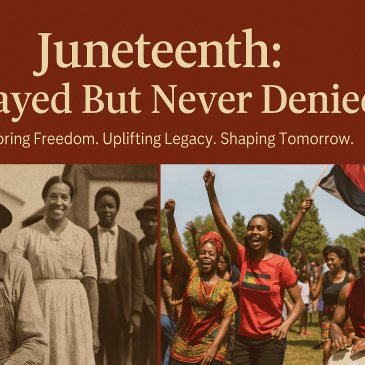
On June 19, 1865, Union troops arrived in Galveston, Texas, delivering a message that should have been old news: enslaved Black Americans were free. That message—long delayed—was not simply a declaration. It was liberation, finally delivered by force, not goodwill. And so, Juneteenth was born—not from celebration, but from necessity.

More than two years after Lincoln signed the Emancipation Proclamation, justice still hadn’t reached the last corners of this country. But when it did, it came with the force of righteous reckoning. Since then, Juneteenth has become a symbol not just of emancipation, but of resilience, delayed justice, and the unshakable spirit of a people who dared to dream of freedom in the shadow of slavery.

Today, we’re still reckoning. We’re still pushing against systems that delay freedom in more subtle forms—economic injustice, generational trauma, educational disparity. But just as our ancestors gathered to sing, feast, and speak names out loud that history tried to forget, we gather today not just to remember—but to reclaim.

So what does Juneteenth mean now, in this era of shifting cultural narratives and historical erasure? It means we double down on truth-telling. We turn platforms into pulpits. We ensure our stories aren’t just told—they’re owned.

At Changing Trends and Times, we aren’t simply observing a holiday—we’re honoring a movement. And through America in Black and White, we continue to highlight the voices, victories, and visions shaping our shared legacy.

This is not just history. These are the instructions. This is the blueprint. This is us.

This Juneteenth, the work continues. Through Changing Trends and Times and America in Black and White, we’re committed to remembering boldly, speaking truthfully, and uplifting relentlessly.

Subscribe to stay engaged. Listen to the stories that shape our struggle and celebrate our strength.

Share this post. Share the history. Share the torch.

Because freedom delayed… is a story still being written.

#Juneteenth #ChangingTrendsAndTimes #LegacyOfLiberation #AmericaInBlackAndWhite #TruthTellers #BlackHistory365

[🔗 Link to Podcast Episode]

June 19, 2025, @6PM EST PT1 Just click to join the show live

June 20, 2025, @6PM EST PT2 Just click to join the show live

[🔗 Link to Subscribe]

Please follow/subscribe/get all notifications on our YouTube Channels:

Each Channel broadcasts the show live

@americainblackandwhite8299

@ChangingTrendsandTimes-zx8te

@CKStoriesFromTheHeart

The Enduring Truth: Black Lives Matter and the Resilience of Black Culture

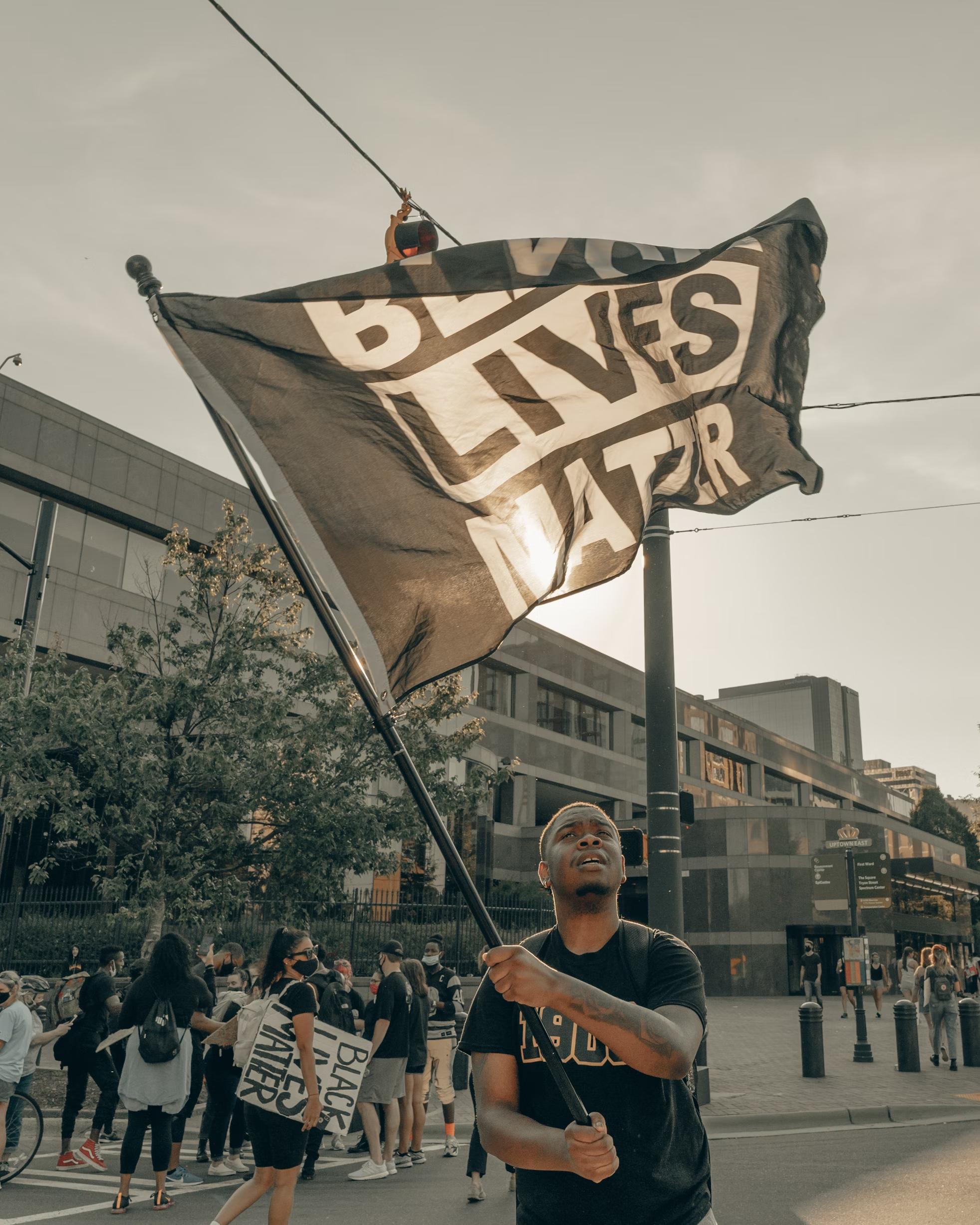
In the tapestry of American history, the struggles and triumphs of Black people are woven with threads of resilience, pain, and unmatched creativity. The journey began with the brutal enslavement of our ancestors, who were forcibly ripped from their homes and subjected to unimaginable horrors. Ever since, the legacy of those struggles has echoed through generations, shaping an identity that is rich, vibrant, and unyielding. Today, as we navigate the complexities of modern life, we stand in solidarity under the banner that Black Lives Matter—a reminder that our lives, our stories, and our culture deserve recognition and respect.

The Historical Context of the Black Struggle

The fight for Black liberation is a long and arduous road paved with countless sacrifices. From the shackles of slavery to the civil rights movement and the ongoing battles against systemic racism, we have witnessed a relentless cycle of oppression. Yet, in the face of such adversity, we have consistently demonstrated our capability to persevere. Many in our community juggle multiple jobs, often working 3-4 simultaneously, to provide for families under the constant pressure of financial insecurity and societal expectations. All while knowing that we remain targets of systemic injustice and violence.

An Ongoing Attack from Within and Without

Sadly, this struggle is not just against systemic barriers. It extends into the interactions with other minority groups. Whether it is Hispanic/Latino, Jewish, Asian, Haitian, Jamaican, or African communities, there exists a troubling tendency to overlook the unique narratives of Black history. Instead of solidarity, we often face competition and misunderstanding, sometimes leading to divisive rhetoric that exacerbates tensions. It’s a complex dynamic that needs addressing, but it is imperative to remind everyone that the Black narrative is rooted in struggle and resilience, not a commodity to be traded for convenience or perceived social capital.

Cultural Appropriation: The Theft of Black Creativity

The irony of our resilience is often overshadowed by a painful truth: the cultural contributions of Black Americans have been widely appropriated and capitalist entities have profited from our struggles. From the soul of Southern cooking to the rhythms of jazz, hip-hop, and R&B, our innovations have been co-opted by others who capitalize on our creativity while ignoring our struggles. The Hispanic/Latino community has, at points, engaged in this appropriation as well, often taking cultural elements like music, dance, and language styles from Black culture while not recognizing or acknowledging the original sources. Many popular artists and cultural icons have benefited from styles pioneered by Black entertainers without giving appropriate credit. Additionally, the adoption of Black slang, dance, and fashion trends by various groups often occurs without acknowledgment of their origins, leading to a sense of cultural dissonance.

The Political Landscape: A Fractured Community

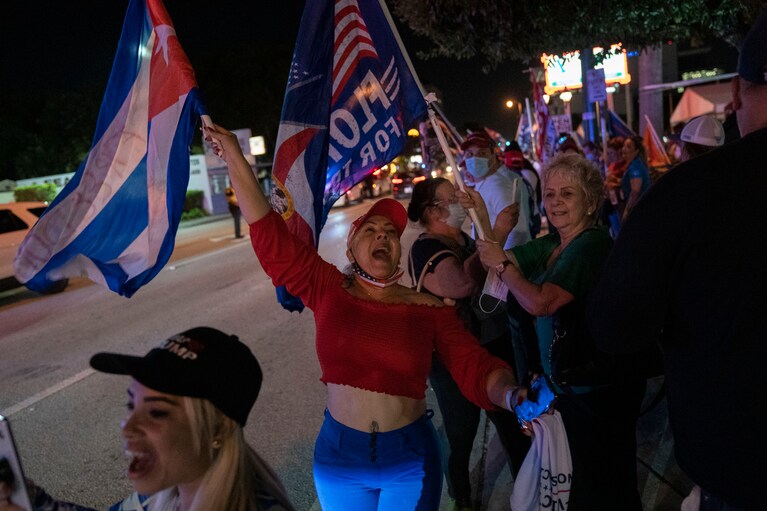
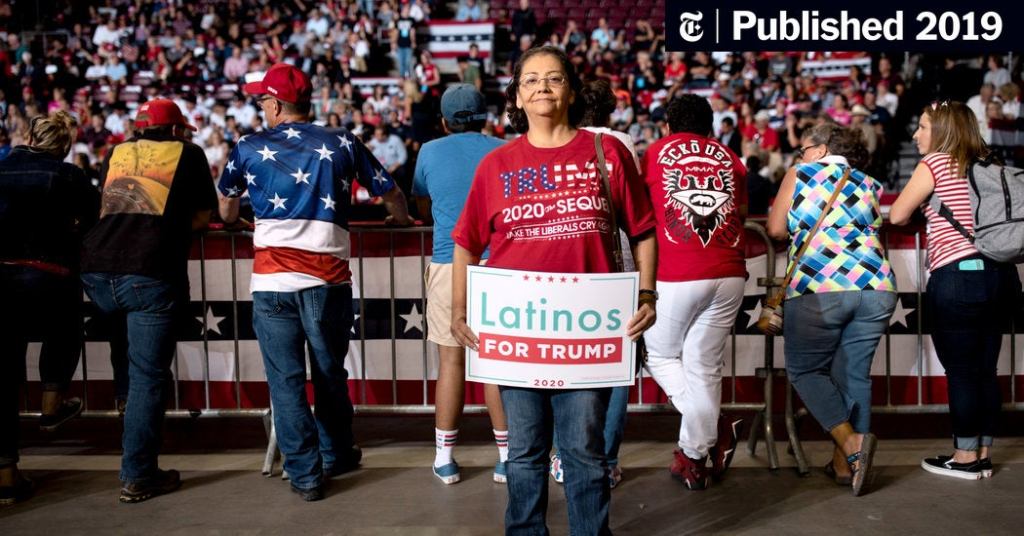
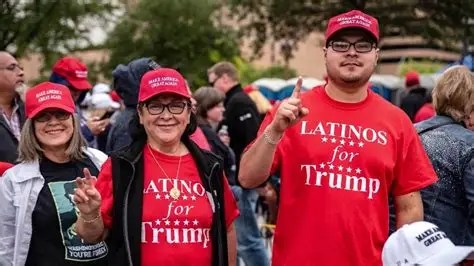
In the political arena, the decision by segments of the Hispanic community, notably Puerto Ricans, Dominicans, and Cubans, to align with candidates like Trump speaks volumes about the complexities of race relations in America. Many chose to support a figure who explicitly promised policies detrimental to Black lives, demonstrating a willingness to overlook the ramifications of their choices for the sake of perceived self-interest. When the consequences of those political decisions became apparent—rampant ICE raids, deportations, and a crackdown on immigrant rights—calls for solidarity towards Black individuals suddenly emerged. However, this raises profound questions: Why not reach out to influential figures within their own community like Jennifer Lopez, Gloria Estefan, and Eva Longoria? These figures, often championed for their success, remain conspicuously silent when it comes to the struggles faced by the broader community, especially Black individuals.

The Call for Unity and Accountability

As we stand firmly in our identity, it is crucial to confront this divide honestly. We must ask: How can healing occur from wounds inflicted by political choices and cultural theft? What message does it send when communities do not support their own representatives, leaving those in dire situations seeking help from groups they once turned their backs on? In moving forward, understanding and trust must be rebuilt on both sides. The Black community has been more than willing to support others in their struggles, but we need to have honest conversations about accountability and the reckoning that comes with shared space.

Conclusion: Can We Make it Make Sense?

This post serves as an invitation for dialogue—a chance to clarify misunderstandings and foster genuine connections. Together, we can address the historical wounds and work towards a future that celebrates diversity without appropriation, solidarity without betrayal. Let’s engage, respond, and reflect on how we can move from division to unity. The time for honest conversations is now; the future of our communities depends on it. Black Lives Matter, and so does the truth of our culture. Let’s make it count.

Awakening to the Truth: The Journey of Being Black in America

In a world where history is often rewritten or distorted, the truth about Black people in America must be reclaimed and celebrated. We are the first people on Earth, born from the rich soil of Mother Africa, a land that gave life not only to a continent but to humanity as a whole. Our roots run deep, tracing back to civilizations that flourished long before the arrival of colonial powers. Yet, how often do we reflect on this history, one marked by both profound loss and incredible resilience?

The Arrival: A Journey of Deception

For the thousands who were forcibly brought to America, the journey was not just physical but a deception that stripped away our identities. Lured here under false pretenses, enslaved people were thrust into a harsh reality. Those who stole this land sought to exploit its resources—both natural and human—under the guise of progress. They assumed that free labor could build an empire without consequence. As time unfolded, the harsh systems established for profit birthed generations of struggle, resilience, and ultimately transformation. The legacy of slavery has left scars that continue to affect Black lives today, evident in systemic inequalities, violence, and misrepresentation.

The Historical Context: Who Were the True Savages?

History as taught in schools often omits critical truths about the violent legacy of colonization. The Moors, who once taught hygiene and civilization to the untamed Europeans, challenged the oft-portrayed narrative of Black inferiority. This history reveals a broader context: one where sins of the past are projected onto Black communities—a mind game crafted to uphold a façade of supremacy while masking the brutal realities of oppression. The term “savage” has been weaponized to describe those who were displaced by violence and exploitation, obscuring the oppressive actions of the very same individuals who labeled them. Stripped of history and agency, Black people were and are still mischaracterized through a toxic, false lens that serves only to uphold a white-dominated hierarchy.

The Modern Struggle: Systemic Inequities

Fast forward to the 21st century, and the disparities are stark. Data illustrates the systemic inequalities faced by African Americans—disparities in incarceration rates, access to education, and economic opportunity persist. Black individuals are often subjected to harsher penalties for similar crimes committed by white counterparts. The implications of this injustice extend into everyday life, creating an environment where fear supersedes ambition. Yet, through this oppressive landscape, resilience shines through. More Black individuals are rising to the occasion, collaborating to create spaces that feel like home—a true Utopia borne of shared experiences and collective strength. We are learning to trust in our accomplishments and embrace a unified identity that honors our history.

Building a New Narrative: Together We Rise

A growing movement in the Black community seeks validation not from the oppressive systems that once marginalized us but from within ourselves. Experiences from the past guide our present and shape our future. A new generation of leaders, innovators, and activists is paving the way for profound cultural and political change. As we continue to rally together, we recognize the importance of self-education, understanding our historical narratives, and fostering solidarity. This movement is not merely about seeking equality but about reclaiming our narrative and building a future that reflects our truths.

The Vision for 2045: A New America

Looking ahead, we envision a time when America will truly reflect the diverse cultures and histories that comprise it. By 2045, demographic projections suggest that those who built this land will reclaim their role in its narrative. A new America, one that acknowledges the contributions of its Black citizens and elevates them to their rightful prominence, is on the horizon. Our aim is not revenge but restoration. We seek to display the beauty of Blackness, honor the struggles of those who came before us, and create systems that genuinely support our communities.

Conclusion: Embracing Our Legacy

Being Black in America is a journey colored by struggles, resilience, and an undeniable spirit of hope. As we navigate through our complex history, we reclaim our narrative—a story that celebrates our ancestry and acknowledges the deep wounds yet to heal. This journey forward isn’t a solitary endeavor; it requires unity and collaboration amongst ourselves and allies who recognize that true progress is about lifting each other up. As we stand on the brink of a new era, let us continue to build our narrative rooted in truth, strength, and solidarity. The world is vast, but Mother Africa’s legacy will continue to pulse through each of us, echoing the strength of our history as we move toward a brighter, more equitable future.

What Black People Can Do to Take Back Their Communities: The Importance of Home Ownership

A Historical Perspective: 18th, 19th, and 20th Centuries

18th Century: During the 18th century, Black people in America faced the brutal reality of slavery. Home ownership was an unattainable dream as they were considered property themselves. The lack of freedom and rights meant that building a community or owning property was impossible.

19th Century: The 19th century saw the end of slavery with the Emancipation Proclamation in 1863. However, the promise of “40 acres and a mule” was never fulfilled, leaving many freed Black people without land or resources. The rise of Jim Crow laws further restricted their rights, including the ability to own property. Despite these challenges, Black communities began to form, with a focus on mutual aid and support.

20th Century: The 20th century brought both progress and setbacks. The Great Migration saw millions of Black people move from the rural South to urban areas in the North, seeking better opportunities. However, discriminatory practices like redlining and restrictive covenants prevented many from purchasing homes in desirable neighborhoods. The Civil Rights Movement of the 1960s brought significant changes, but economic disparities and systemic racism continued to hinder Black home ownership.

Building a Community: The Importance of Family

A strong community is built on the foundation of family. By fostering close-knit relationships and supporting one another, Black people can create a sense of belonging and security. Home ownership plays a crucial role in this process, as it provides stability and a place for families to grow and thrive. When families own their homes, they have greater control over their environment and can ensure that their community remains safe and welcoming.

Controlling What Comes In and What Goes Out

Home ownership allows Black people to have a say in what enters and leaves their community. By owning property, they can influence local policies, support Black-owned businesses, and create spaces that reflect their culture and values. This control helps to preserve the integrity of the community and ensures that it remains a place where Black people can flourish.

Employment and the Value of Money

Economic empowerment is essential for taking back communities. By understanding the value of money and making informed financial decisions, Black people can build wealth and create opportunities for future generations. Home ownership is a key component of this process, as it provides a valuable asset that can appreciate over time. Additionally, supporting Black-owned businesses and pursuing entrepreneurship can help to create jobs and stimulate economic growth within the community.

Conclusion

Taking back Black communities requires a multifaceted approach that includes home ownership, building strong family ties, controlling the community’s environment, and fostering economic empowerment. By understanding the historical challenges and working together to overcome them, Black people can create thriving, self-sufficient communities that provide a better future for all.