The Rise of Chagas: Why ‘Kissing Bug’ Disease May Be America’s Next Endemic

By Charles Zackary King | Inspired by reporting from Julia Gomez & Greta Cross, USA TODAY

For decades, Chagas disease, also known as “kissing bug” disease, was considered a threat confined to Latin America. But new research is challenging that assumption, urging the Centers for Disease Control and Prevention (CDC) to declare it endemic in the United States.

Since 2013, over 10,000 sightings of triatomine bugs (the blood-feeding insects that carry the parasite Trypanosoma cruzi) have been reported across 31 states. These bugs, nicknamed “kissing bugs” for their tendency to bite near the mouth, are more than a nuisance, they’re potential carriers of a deadly parasite. Alarmingly, 55% of the bugs tested in a nationwide Texas A&M University program were found to carry T. cruzi, the parasite responsible for Chagas disease.

What makes this moment urgent is the shift from imported cases to domestic transmission. In eight states, California, Texas, Arizona, Louisiana, Mississippi, Arkansas, Missouri, and Tennessee, humans have contracted Chagas disease locally, without international travel. That’s a seismic shift in how we understand vector-borne disease in America.

Chagas disease unfolds in two stages: acute and chronic. Early symptoms include fever, diarrhea, and swollen eyelids (known as Romaña’s sign). But the chronic phase can be far more devastating, leading to heart failure, digestive complications, and even sudden death. The CDC estimates that 20–30% of infected individuals will develop serious complications.

Despite this, Chagas remains underreported. It’s not a nationally notifiable disease, meaning healthcare providers aren’t required to report cases. This lack of surveillance leaves vulnerable communities, especially in the rural South, at risk and under-informed.

Animals, particularly dogs, are also susceptible. Cases have been documented in 18 states, including Georgia, Alabama, Florida, and the Carolinas. The parasite’s reach is expanding, and so must our awareness.

This isn’t just a health story, it’s a justice story. It’s about who gets protected, who gets ignored, and how we respond when the invisible becomes undeniable. As we confront the realities of climate change, migration, and neglected diseases, Chagas is a wake-up call.

It’s time to ask: What else is hiding in plain sight?

📝 Original reporting by Julia Gomez and Greta Cross, USA TODAY. Published September 25, 2025. Read the full article on NewsBreak.

Tap Into These 10 Black Tech Titans: Innovation, Legacy & Lessons for the Future

The U.S. tech industry has a diversity problem. Despite being the engine of global innovation, it remains staggeringly homogeneous. Black professionals make up just 7–9% of the workforce, and less than 5% of leadership roles at giants like Google, Microsoft, and Meta. But beyond the boardrooms and algorithms, a powerful movement is reshaping the narrative—Black tech entrepreneurs who are building billion-dollar companies, transforming industries, and mentoring the next generation.

These ten trailblazers didn’t wait for permission. They built platforms, raised capital, and created space for others. If you’re serious about learning from the best, these are the minds to follow, study, and connect with.

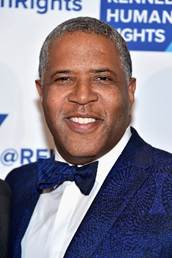
Robert F. Smith — Vista Equity Partners

  • Title: Founder, Chairman & CEO
  • Company: Vista Equity Partners
  • Contact: rsmith@vistaequitypartners.com | admin@robertfredericksmith.com
  • Why Learn From Him: Smith has overseen over 600 transactions totaling $330B. His investment philosophy centers on operational excellence and long-term value creation. He’s also a philanthropic force, eliminating student debt for Morehouse grads and launching the Student Freedom Initiative.
  • Legacy Lesson: Learn how to scale with precision and give back with purpose.

David Steward — World Wide Technology

  • Title: Founder & Chairman
  • Company: World Wide Technology
  • Contact: d***@wwt.com | (314) 569-7000
  • Why Learn From Him: Steward built the largest Black-owned tech company in the U.S., valued at $11.4B. His leadership blends faith, strategy, and community uplift.
  • Legacy Lesson: Steward proves that values-driven leadership can scale globally.

Tope Awotona — Calendly

  • Title: Founder & CEO
  • Company: Calendly
  • Contact: Not publicly listed; connect via LinkedIn
  • Why Learn From Him: Awotona bootstrapped Calendly into a $3B unicorn. His story is one of grit, vision, and refusing to settle for mediocrity.
  • Legacy Lesson: Simplicity and user obsession can disrupt entire industries.

Dr. Iman Abuzeid — Incredible Health

  • Title: Co-founder & CEO
  • Company: Incredible Health
  • Contact: Not publicly listed; connect via LinkedIn
  • Why Learn From Her: A Sudanese-American physician turned tech CEO, Abuzeid built a $1.65B platform that’s revolutionizing healthcare hiring.
  • Legacy Lesson: Expertise + empathy = scalable impact.

Freddie Figgers — Figgers Wireless

  • Title: Founder & CEO
  • Company: Figgers Wireless
  • Contact: f***@figgers.com | (800) 223-5435
  • Why Learn From Him: Figgers is the youngest American to hold an FCC license and the only Black-owned telecom provider. His inventions are rooted in personal care and community need.
  • Legacy Lesson: Innovation starts with solving problems close to home.

Iddris Sandu — Spatial Labs

  • Title: Founder & CEO
  • Company: Spatial Labs
  • Contact: Not publicly listed; connect via LinkedIn
  • Why Learn From Him: Sandu blends culture, fashion, and blockchain to create “phygital” experiences. Backed by Jay-Z’s Marcy Venture Partners, he’s redefining tech’s cultural interface.
  • Legacy Lesson: Tech isn’t just code, it’s culture.

Tristan Walker — Walker & Company Brands

  • Title: Founder & CEO
  • Company: Walker & Company
  • Contact: Not publicly listed; connect via LinkedIn
  • Why Learn From Him: Walker built Bevel to solve real grooming issues for Black men, then sold it to Procter & Gamble. He’s now a board member at Foot Locker and Shake Shack.
  • Legacy Lesson: Build for your community, and the world will follow.

Jessica O. Matthews — Uncharted Power

  • Title: Founder & CEO
  • Company: Uncharted Power
  • Contact: Not publicly listed; connect via LinkedIn
  • Why Learn From Her: Matthews turned a soccer ball into a power source and now builds smart infrastructure. Her Harlem-based company is redefining energy access.
  • Legacy Lesson: Play can power progress.

Chris Bennett — Wonderschool

  • Title: Founder & CEO
  • Company: Wonderschool
  • Contact: chris@wonderschool.com | +1.855.554.7843
  • Why Learn From Him: Bennett’s platform helps educators launch childcare programs, solving a national crisis while empowering entrepreneurs.
  • Legacy Lesson: Childhood education is a tech frontier.

Kimberly Bryant — Black Girls Code & Black Innovation Lab

  • Title: Founder
  • Company: Black Innovation Lab
  • Contact: Not publicly listed; connect via LinkedIn
  • Why Learn From Her: Bryant introduced over 100,000 girls to coding and now builds tech ecosystems in the South. Her upcoming book Ascending will be a must-read.
  • Legacy Lesson: Inclusion isn’t optional, it’s revolutionary.

Why These Titans Matter

These leaders aren’t just building companies, they’re building legacies. They’ve faced systemic barriers, yet created platforms that uplift communities, challenge norms, and redefine what’s possible. Whether you’re an aspiring founder, investor, educator, or storyteller, these are the minds to learn from.

  • They’ve built billion-dollar companies with limited access to capital.
  • They’ve scaled ideas rooted in personal pain and community need.
  • They’ve created ecosystems that center Black excellence and innovation.

Final Word

In a world that often overlooks Black brilliance, these tech titans are impossible to ignore. They are the architects of a new future, one where innovation is inclusive, legacy is intentional, and impact is non-negotiable.

Want to build something that lasts? Start by studying those who already have.

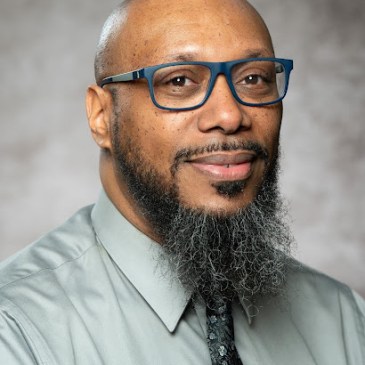
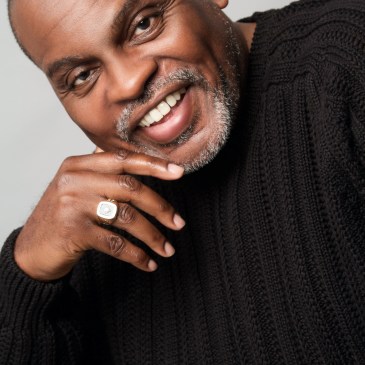
Troy Long: Champion for CTE, Equity, and Workforce Readiness

In a time when education systems are being reimagined to meet the demands of a rapidly evolving workforce, one name stands out as a beacon of innovation, equity, and empowerment: Troy Long.

From his early days as a CTE student to his current role as County Director, Troy Long has lived the journey he now helps others navigate. His story is not just one of personal success—it’s a blueprint for how Career and Technical Education can transform lives, especially in communities that have long been underserved and overlooked.

From Student to System Builder: A Life Rooted in CTE

Troy’s journey began in the very classrooms he now leads. As a CTE student, he discovered the power of hands-on learning and real-world application. That spark ignited a lifelong mission: to ensure every student—regardless of zip code—has access to education that leads to opportunity.

As a teacher, he inspired students to see beyond limitations and build practical skills for the future. As a Department Chairperson and Vice Principal, he aligned programs with workforce needs, secured cutting-edge resources, and fostered collaboration among educators. Today, as a County Director, he mentors emerging leaders, oversees regional initiatives, and drives policy that positions CTE as a pathway to equity.

Impact in Underserved Communities

Troy’s work is especially vital in marginalized communities where traditional academic pathways often fall short. His approach to CTE is not just about job readiness—it’s about dignity, access, and transformation.

  • Empowering Students of Color: Troy’s programs center cultural relevance and representation, helping students see themselves in future careers.
  • Breaking Cycles of Poverty: By connecting students to high-demand industries, Troy opens doors to generational wealth and stability.
  • Restoring Hope: In communities where education has felt like a dead end, CTE becomes the hook—engaging students who’ve been written off and giving them a reason to believe again.

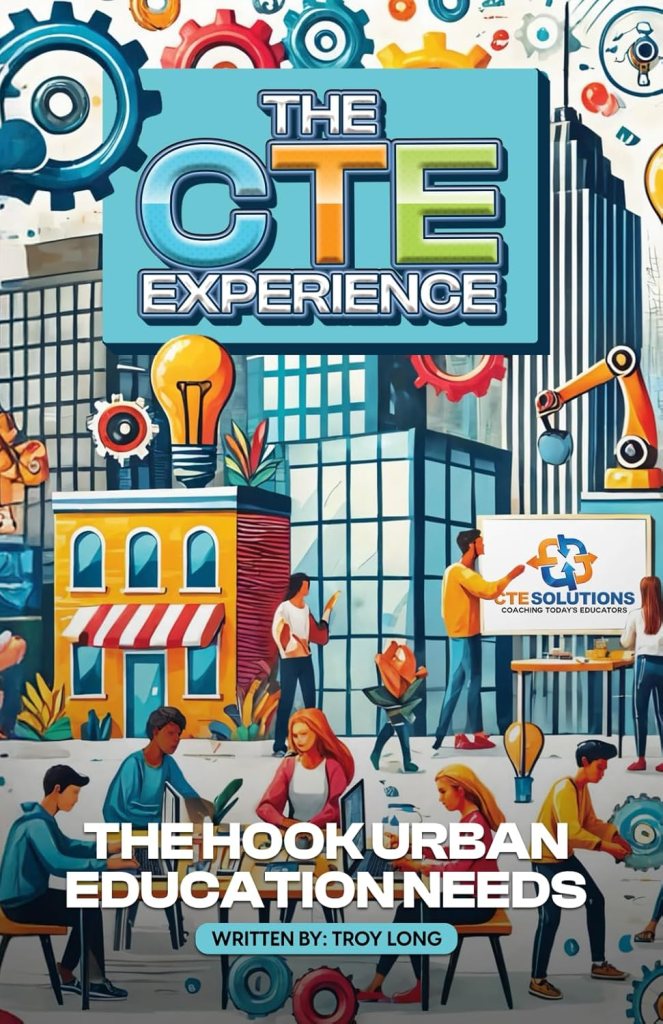
Spotlight: The CTE Experience – The Hook Urban Education Needs

Troy’s book is more than a memoir, it’s a manifesto. The CTE Experience dives deep into the systemic barriers urban students face and offers a bold, actionable framework for change. It’s a must-read for educators, policymakers, and community leaders who want to understand how CTE can be the lever that lifts entire communities.

“Urban education doesn’t need another reform, it needs relevance. CTE is the hook. It’s how we catch students before they fall through the cracks.”  Troy Long

Thought Leadership & Advocacy

Troy’s voice is resonating across the country:

  • Keynote Speaker: DC CTE 4th Annual Professional Development Conference
  • Presenter: ACTE National Conference
  • Podcast Guest: America in Black and White, MaiaLearning Inc., Global CTE Learning
  • Policy Advocate: Secured New Jersey’s Expanding Career Pathways in Artificial Intelligence grant

His message is clear: CTE isn’t just an option, it’s the future of equitable education.

Call to Action: Why Organizations Must Partner Now

Local districts, state agencies, and national nonprofits, this is your moment. Partnering with Troy Long means aligning with a proven leader who understands the classroom, the boardroom, and the community.

Here’s why you should act now:

  •  Design CTE programs that reflect real workforce needs
  •  Engage students through culturally relevant, hands-on learning
  •  Build partnerships that expand access and equity
  •  Train educators to become champions of career readiness

Whether you’re launching a new initiative or scaling an existing program, Troy brings the insight, strategy, and heart to make it succeed.

Connect with Troy Long

Troy Long is delivering the message districts need right now: CTE is not a detour, it’s the main road to equity, opportunity, and future-ready success. Let’s build that road together.

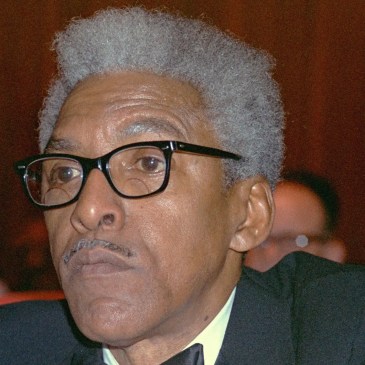
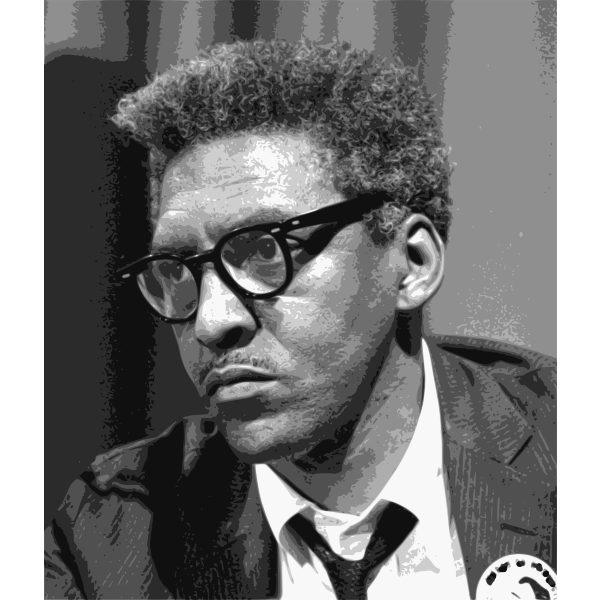
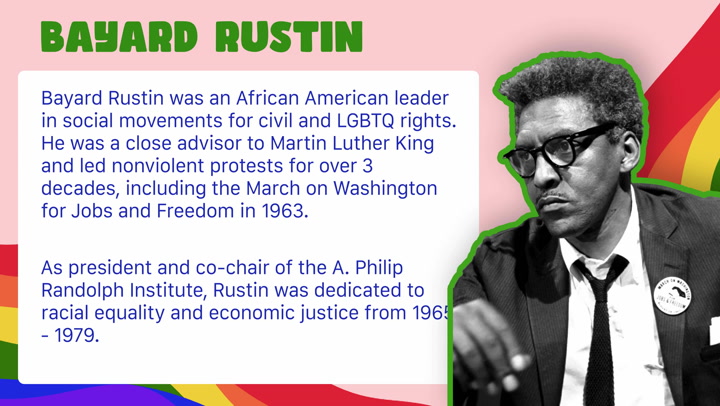
Bayard Rustin: The Architect Behind the Dream

Bayard Rustin was a man whose brilliance shaped the Civil Rights Movement from behind the scenes. Though history often whispers his name, his impact roars through every march, every speech, and every act of justice that followed. Rustin was not only a master strategist, he was a Black, gay man whose courage and conviction laid the foundation for one of the most iconic moments in American history: Dr. Martin Luther King Jr.’s “I Have a Dream” speech.

Early Life & Identity

Born in 1912 in West Chester, Pennsylvania, Rustin was raised by his grandparents, who instilled in him Quaker values of nonviolence and equality. As a young man, he was deeply influenced by pacifist teachings and the writings of Gandhi, which later shaped his approach to activism.

Rustin’s identity as a gay man was never hidden, but it did make him a target of criticism, even within the movement he helped build. Despite this, he remained unapologetically himself, refusing to let prejudice silence his voice or diminish his contributions.

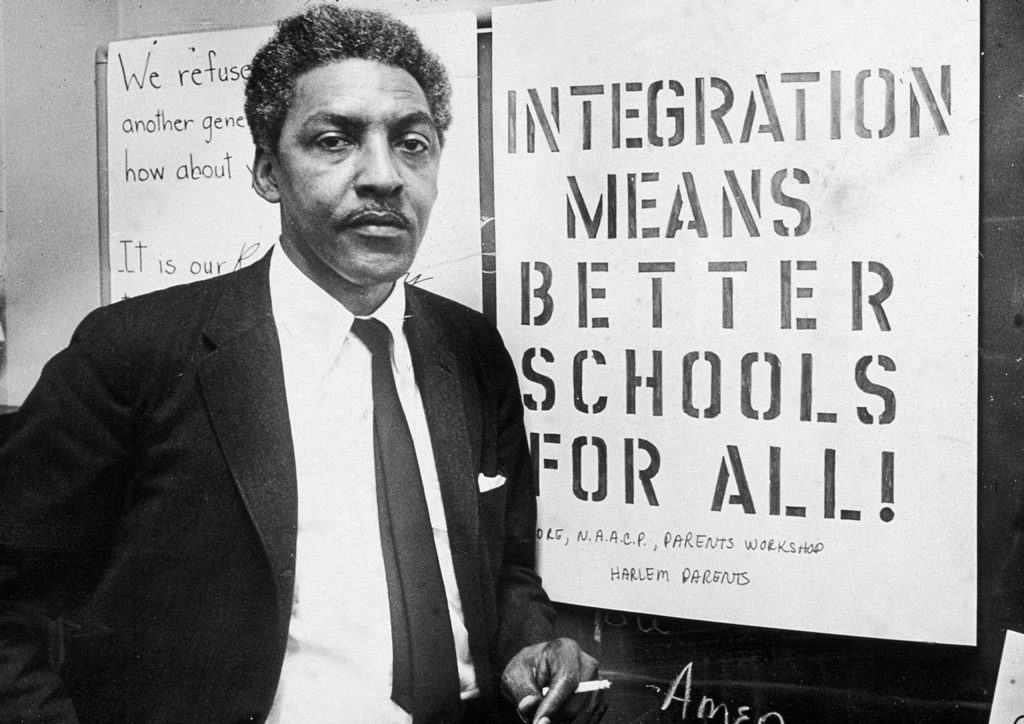
2nd February 1964: American civil rights activist Bayard Rustin (1912 – 1987), spokesman for the Citywide Committee for Integration, at the organization’s headquarters at Silcam Presbyterian Church, Brooklyn, New York City. (Photo by Patrick A. Burns/New York Times Co./Getty Images)

Becoming an Activist

Rustin’s activism began early. He organized freedom rides in the 1940s, worked with the Fellowship of Reconciliation, and was a key figure in the Congress of Racial Equality (CORE). His commitment to nonviolent protest and strategic planning made him indispensable, but also controversial due to his sexuality.

The March on Washington: Rustin’s Masterpiece

In 1963, Rustin orchestrated the March on Washington for Jobs and Freedom, where Dr. King delivered his legendary “I Have a Dream” speech. Rustin handled every logistical detail, from transportation and security to programming and press. Without Rustin, there would be no stage, no crowd, no moment.

He didn’t just plan the march. He engineered history.

LGBTQ+ Legacy

Rustin’s courage as a gay man in a time of deep societal repression paved the way for future generations. In 1986, he said:

“Gays are the new barometer for social change.”

His advocacy extended beyond race—he believed in justice for all. In 2013, President Barack Obama posthumously awarded him the Presidential Medal of Freedom, recognizing both his civil rights work and his trailblazing role in LGBTQ+ history.

Final Reflections

Bayard Rustin’s life reminds us that leadership doesn’t always come from the spotlight. Sometimes, it’s the architect behind the curtain who builds the stage for change. His legacy lives on in every movement that demands justice, dignity, and equality.

“The Fierce Urgency of Now: Reflecting on MLK’s Dream in Today’s America”

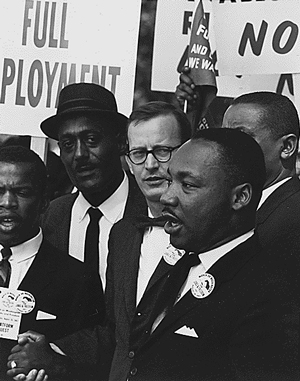
On August 28, 1963, Dr. Martin Luther King Jr. stood at the steps of the Lincoln Memorial and delivered a speech that would echo across generations. His “I Have a Dream” address wasn’t just poetic, it was prophetic. It was a call to conscience, a demand for justice, and a vision of unity that challenged America to live up to its founding creed: that all men are created equal.

The timing of the speech was no accident. It marked the anniversary of Emmett Till’s brutal murder in 1955, a reminder of the violence Black Americans endured. It was also the culmination of the March on Washington, where 250,000 people gathered to demand civil and economic rights. King’s words pierced through the heat of that summer day and into the soul of a nation.

Today, we revisit that dream not as a relic, but as a roadmap. In an era still marked by racial disparities, economic injustice, and political division, King’s message remains urgent. His warning against “the tranquilizing drug of gradualism” speaks directly to our moment. We cannot afford to wait. We must act.

For Black entrepreneurs, legacy builders, and community leaders, King’s dream is a mandate: to build platforms that empower, to tell stories that heal, and to create systems that honor dignity. His speech reminds us that freedom is not a gift, it’s a demand. And justice is not a destination, it’s a journey.

Let freedom ring from every media outlet, every business pitch, every youth-led initiative. Let it ring in our contracts, our content, our community partnerships. Let it ring in our refusal to settle for less than equity.

Dr. King dreamed of a world where character mattered more than color. Let us be the architects of that world, brick by brick, story by story, legacy by legacy.

America in Black and White Hits 100: A Legacy of Truth-Telling and Transformation

On August 28th, America in Black and White will air its landmark 100th episode of Season 3, Episode 100 with none other than Dr. David Banks as its featured guest. This moment isn’t just a milestone. It’s a movement.

From its humble beginnings to its current status as a trusted voice in Black media, America in Black and White has grown into a platform that doesn’t just inform it ignites. Hosted by Charles Zackary King, the show has become a sanctuary for truth-tellers, change-makers, and legacy-builders across the diaspora.

Season 1: Laying the Foundation

Season 1 was raw, urgent, and necessary. It tackled the hard truths of police brutality, systemic racism, economic exclusion, and the erasure of Black narratives. Each episode was a mirror and a megaphone, reflecting lived realities while amplifying voices that too often go unheard. From grassroots organizers to policy experts, the show carved out space for real talk and real solutions.

Highlights included:

  • A gripping roundtable on mass incarceration and restorative justice
  • Interviews with Black entrepreneurs redefining wealth and ownership
  • A tribute to unsung community elders whose wisdom shaped generations

Season 2: Building Bridges

Season 2 expanded the lens. It brought in artists, educators, and spiritual leaders to explore the intersections of culture, healing, and resistance. The show’s production quality leveled up, and so did its reach. With new partnerships and a growing audience, America in Black and White began to feel less like a show and more like a movement.

Key moments included:

  • A powerful episode on Black mental health and generational trauma
  • A spotlight on HBCU innovation and student activism
  • A deep dive into Black media ownership and representation

Season 3: Legacy in Motion

Now in Season 3, the show has hit its stride. With over 99 episodes aired, America in Black and White continues to evolve, bringing sharper commentary, broader perspectives, and deeper spiritual grounding. This season has featured entrepreneurs, scholars, and cultural architects who are shaping the future of Black America.

And now, Episode 100 arrives with a guest who embodies the show’s mission: Dr. David Banks.

About Dr. David Banks

Dr. Banks is a visionary educator, thought leader, and advocate for equity in public education. His work in transforming urban school systems and empowering youth through culturally responsive pedagogy has made him a national figure in education reform. His appearance on America in Black and White promises to be a masterclass in leadership, legacy, and liberation.

Please join us live August 28th at 6PM EST by clicking the link above. Please subscribe and get all the notifications for the channel

Why August 28th Matters

The date itself is symbolic. August 28th marks the anniversary of the 1963 March on Washington, a day when Dr. King declared his dream to the world. It’s a day etched into the soul of Black history. And now, it becomes the backdrop for a new kind of declaration: one rooted in media, mentorship, and movement-building.

What’s Next

As America in Black and White steps into its next chapter, the vision remains clear: to uplift, to educate, and to empower. With Changing Trends and Times as its publishing partner, the show continues to be a beacon for those who believe in legacy-driven storytelling and unapologetic truth.

Episode 100 is more than a celebration. It’s a call to action.

Tune in. Share the message. Be part of the movement.

https://www.youtube.com/@americainblackandwhite8299/featured

Please subscribe to our YouTube channel and get all the notifications

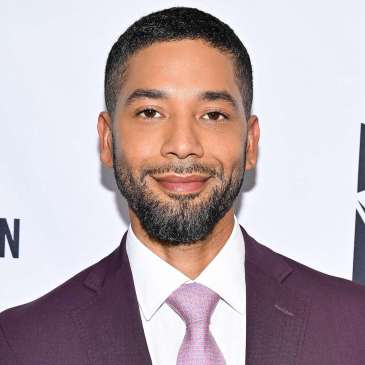
Jussie Smollett: From Scandal to Strength A Journey of Resilience, Artistry, and Truth

In the ever-evolving narrative of Black celebrity, few stories have been as polarizing and as quietly redemptive as that of Jussie Smollett. Once celebrated for his role as Jamal Lyon on Fox’s Empire, Smollett became the center of a national firestorm in 2019 after reporting a homophobic and racist attack in Chicago. What followed was a legal saga that tested the boundaries of justice, media bias, and public perception.

But today, Smollett stands not just as a survivor of controversy but as a creator, a truth-teller, and a proud voice within the Black LGBTQ+ community.

The Incident That Shook a Nation

In January 2019, Smollett alleged that he was assaulted by two men who hurled racial and homophobic slurs, poured a chemical substance on him, and tied a rope around his neck. The initial outpouring of support quickly turned into skepticism as Chicago police accused Smollett of staging the attack. He was charged with 16 felony counts of disorderly conduct for filing a false police report.

Though the charges were dropped in March 2019 after a plea agreement, Smollett was re-indicted in 2020. In 2021, he was convicted on five counts and sentenced to 150 days in jail, probation, and restitution. But in a dramatic turn, the Illinois Supreme Court reversed the conviction in 2024, ruling that Smollett had fulfilled the terms of his original plea deal.

Reclaiming the Narrative Through Art

Rather than retreat, Smollett returned to the public eye with purpose. He directed and starred in The Lost Holliday (2024), his first film since the controversy, showcasing his continued commitment to storytelling. He also participated in Jussie Smollett: Anatomy of a Hoax (2023), a provocative docuseries that examined the case from multiple angles.

But it was Netflix’s The Truth About Jussie Smollett? (August 2025) that marked his most personal and powerful comeback. In the documentary, Smollett shares his side of the story, unwavering in his claim of innocence and reflecting on the toll of public scrutiny. “My story has never changed,” he says. “Flaws and greatness, whatever you think, the fact is, I didn’t do that. And that’s all that matters”.

A Voice for the Queer Black Community

Throughout his journey, Smollett has remained deeply connected to the communities that shaped him. “It means a great deal to have the love and support of my queer Black community and equally to have the love and support of the Black community as a whole,” he told The Hollywood Reporter in 2024.

His resilience is a reminder that Black LGBTQ+ voices deserve not only visibility but grace, complexity, and space to heal.

Love, Healing, and What’s Next

In June 2025, Smollett announced his engagement to Jabari Redd, a moment of joy and affirmation after years of turmoil. He’s also set to appear in Season 3 of Fox’s Special Forces, continuing to push boundaries in entertainment and representation.

Legacy Beyond the Headlines

Jussie Smollett’s story is not just about scandal, it’s about survival, artistry, and the fight to reclaim one’s truth. It’s about the power of Black queer resilience in a system that often seeks to erase it.

At Changing Trends and Times, we honor stories like Smollett’s because they reflect the complexity of our humanity. They challenge us to look deeper, listen harder, and uplift those who dare to stand in their truth, even when the world turns its back.

Call to Action: Support, Share, Empower

Stream Jussie’s Projects
Watch The Truth About Jussie Smollett? on Netflix and The Lost Holliday on select streaming platforms. These works offer insight, healing, and a bold reclaiming of narrative.

Champion Black LGBTQ+ Creators
Support artists, entrepreneurs, and storytellers who reflect the richness of our community. Your engagement fuels visibility and legacy.

Share This Post
Let this story spark dialogue. Let it remind us that justice isn’t always linear but truth, when spoken boldly, can still rise.

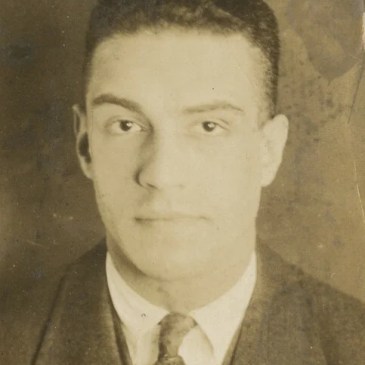
Norris B. Herndon: A Quiet Force Behind Black Wealth and LGBTQ+ Legacy

In the tapestry of Black excellence, some threads shimmer quietly, woven not with fanfare, but with steadfast resilience and visionary leadership. Norris Bumstead Herndon, the second president of Atlanta Life Insurance Company, was one such thread. His story is not only one of business brilliance but also of quiet courage, lived identity, and a legacy that continues to empower generations of Black entrepreneurs and LGBTQ+ trailblazers.

Born Into Legacy, Raised With Expectation

Born in Atlanta, Georgia, in 1897, Norris Herndon was the only child of Adrienne McNeil and Alonzo Herndon, a formerly enslaved man who built Atlanta Life into one of the most successful Black-owned businesses in America. From a young age, Norris was immersed in the world of Black leadership, his father took him to the founding meeting of the Niagara Movement, a precursor to the NAACP, when he was just seven years old.

Educated at Atlanta University and later Harvard Business School (where he was one of only two Black graduates in his class), Herndon was groomed to inherit a legacy but he carried it with a quiet, complex grace.

A Business Titan in the Shadows

After his father’s death in 1927, Norris became president of Atlanta Life at just 28. Under his leadership, the company’s assets grew from $1 million to $84 million by the time he retired in 1973. He was a master of strategic growth, cautious investment, and philanthropic generosity. Yet, despite his towering business success, Herndon remained reclusive rarely seen by employees, seldom speaking publicly, and never marrying.

His silence wasn’t just personal, it was protective. Friends and biographers have noted that Herndon struggled with his sexuality in a time when being openly gay, especially as a Black man in the South, could mean social and professional exile. He lived privately, navigating the expectations of a stern father and a society that demanded conformity.

Quiet Courage, Loud Impact

Though Herndon never publicly identified as gay, his life speaks volumes about the quiet resilience of Black LGBTQ+ pioneers. He built and sustained one of the most powerful Black-owned businesses in the country while living authentically in the margins. His story reminds us that leadership doesn’t always roar, it sometimes whispers, survives, and uplifts from behind the curtain.

Herndon’s philanthropic legacy is vast: he founded the Alonzo F. and Norris B. Herndon Foundation, donated land and funds for Herndon Stadium at Atlanta University, and supported institutions like the NAACP, the National Urban League, and Morris Brown College. His giving was strategic, generous, and deeply rooted in community uplift.

The Herndon Home: A Living Testament

Today, the Herndon Home stands as a museum and monument to the family’s journey from slavery to Black business royalty. It’s also a quiet shrine to Norris’s legacy, a place where Black excellence, queer resilience, and generational wealth intersect.

For Black LGBTQ+ youth, entrepreneurs, and legacy-builders, Herndon’s life offers a blueprint: You don’t have to be loud to be legendary. You don’t have to be seen to be significant. You just have to be committed to your truth, your people, and your purpose.

Honoring the Unspoken Heroes

In celebrating Norris B. Herndon, we honor the countless Black LGBTQ+ leaders whose contributions have shaped our communities from behind the scenes. Their stories, often hidden, sometimes erased, are essential to the full picture of Black history and progress.

Herndon’s legacy lives on in every Black business that dares to dream, every queer leader who chooses authenticity, and every community that rises through collective empowerment.

Keep the Legacy Alive: Support, Visit, Empower

Norris B. Herndon’s life reminds us that legacy is not just inherited, it’s built, protected, and passed on with intention. His quiet strength and visionary leadership laid the foundation for Black wealth, community uplift, and the unspoken resilience of LGBTQ+ pioneers.

Support Black LGBTQ+ Entrepreneurs
Invest in businesses that reflect the brilliance and diversity of our community. Whether you’re booking services, sharing platforms, or offering mentorship, your support fuels generational change. Seek out creators, founders, and leaders whose stories deserve to be seen and celebrated.

Visit the Herndon Home Museum
Located in Atlanta, the Herndon Home is more than a historic site, it’s a living monument to Black excellence, entrepreneurship, and quiet resistance. Walk the halls where legacy was shaped, and honor the journey from slavery to success. Learn more and plan your visit through the Herndon Foundation.

Share This Story
Let Norris B. Herndon’s legacy echo beyond the pages. Share this post, spark conversations, and uplift the narratives that history too often silences. Because when we honor the past, we empower the future.

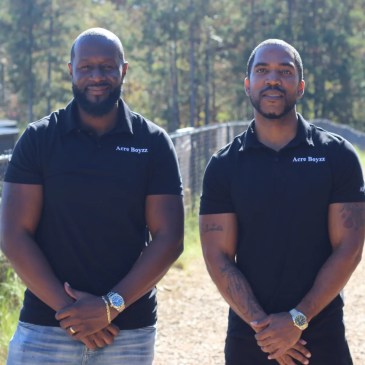
From Pain to Purpose: How the Acre Boyzz Are Reclaiming Black Land and Legacy


In a quiet corner of the South, 31 acres of land hold stories that were never meant to be forgotten. Among the trees stands one in particular—a haunting witness to a brutal chapter in American history. It’s the site of lynchings, a place where Black lives were stolen in silence. But today, that land is no longer a symbol of terror. It’s a symbol of reclamation, resilience, and rebirth.

The Acre Boyzz, a group of visionary Black men committed to rewriting the narrative of land ownership, have purchased this sacred ground. And they’re not just farming it—they’re transforming it.


Honoring the Past Without Erasing It

The Acre Boyzz didn’t bulldoze the tree. They didn’t bury the history. Instead, they leaned into it. They’ve chosen to preserve the site as a living memorial—a place where truth is spoken, pain is acknowledged, and healing begins.

“We can’t build a future if we don’t confront the past,” one member shared. “This tree is a reminder of what was done to us. But now, it’s also a reminder of what we’re doing for ourselves.”

Their approach is not about forgetting—it’s about reclaiming. By turning a site of violence into a space of growth, they’re showing that legacy isn’t just inherited—it’s cultivated.


The Truth About Black Land Ownership

The Acre Boyzz are also dropping facts that shake the soul. In 1910, Black Americans owned over 14 million acres of farmland. Today, that number has plummeted to less than 1 million. Systemic racism, discriminatory lending practices, and generational dispossession have stripped Black families of land, wealth, and opportunity.

But the Acre Boyzz are flipping the script. They’re proving that land ownership is not just possible—it’s powerful.


Farming Isn’t as Hard as You Think

One of the biggest myths they’re busting is that farming is too complicated, too expensive, or too inaccessible. Through workshops, digital content, and hands-on mentorship, they’re showing that growing food, raising livestock, and managing land can be learned—and shared.

“Farming is freedom,” they say. “It’s not just about crops. It’s about control. It’s about feeding your family, your community, and your future.”

They’re building a model that’s replicable, scalable, and rooted in cultural pride.


What’s Next: Building Legacy

The Acre Boyzz aren’t stopping at 31 acres. Their vision includes:

  • Educational retreats for Black youth to learn agriculture, history, and entrepreneurship
  • Healing spaces for families and communities to gather, reflect, and grow
  • Partnerships with Black-owned businesses to create a sustainable ecosystem
  • A documentary series to share their journey and inspire others to reclaim land

Their goal is not just to farm—it’s to build a legacy. One rooted in truth, watered by resilience, and harvested with hope.


Final Thoughts

The Acre Boyzz are proof that pain can be transformed into purpose. That land can be more than soil—it can be sacred. And that legacy isn’t just what we leave behind—it’s what we live into.

As they walk the land where ancestors once suffered, they do so with reverence and resolve. Because they know: the future is planted in the past. And they’re here to make sure it grows.


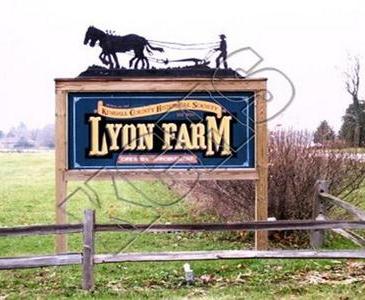
From Bondage to Brotherhood: The Enduring Legacy of Lyon Farm and the Unhealed Wounds of Slavery

In the quiet hills of Georgia’s Arabia Mountain National Heritage Area stands Lyon Farm—a place where pain and perseverance are etched into the soil. What began as a site of bondage in the 1820s became the birthplace of Flat Rock, one of Georgia’s oldest African American communities. But beneath the triumph of survival lies a deeper truth: slavery leaves a scar that time cannot erase.

A Farm Built on Forced Labor

Joseph Emmanuel Lyon, a former British soldier turned landowner, won his property through the Georgia Land Lottery. He brought 17 enslaved Africans to toil on his farm, forcing them to build the very home they were crammed into. For nearly four decades, Lyon Farm produced cotton, apples, muscadines, and sorghum—all harvested through the brutal labor of people denied their humanity.

This was not just agriculture. It was exploitation. It was trauma. And it was the beginning of a legacy that would shape generations.

Freedom Came—But So Did Hard Choices

When the Civil War ended and the Emancipation Proclamation took effect, the enslaved people of Lyon Farm faced a cruel paradox: freedom in a land that had never treated them as free. Many chose to stay—not out of comfort, but out of necessity. They clung to the only land they knew, forming a tight-knit community for protection and survival.

That decision birthed Flat Rock—a place where Black families built schools, churches, and civic groups during Reconstruction. But even as they laid the foundation for progress, the shadow of slavery loomed large.

Building Community Amidst Hostility

The newly freed families shared everything—tools, knowledge, labor. They turned sharecropping into a lifeline and created informal networks of support. Families like the Hill Lyons, Shumakes, Christians, and Syphos migrated to Flat Rock, drawn by whispers of safety and solidarity.

Flat Rock Methodist Episcopal Church, founded in 1896, became the heartbeat of the community. It wasn’t just a place of worship—it was a school, a meeting hall, a sanctuary from the racism that surrounded them.

Yet even education was a battleground. White Georgians opposed Black literacy, and when Flat Rock School was burned down in the 1930s, the community refused to surrender. They kept teaching, kept learning, kept resisting.

Land Ownership as Liberation

In the 1920s, Theodore Arthur Bryant Sr. changed the game. He bought 45 acres from a former slave-owning family and sold parcels to neighbors at fair prices. His vision was clear: keep families together, build wealth, and fight the tide of the Great Migration that threatened to empty the South of its Black soul.

Bryant’s farm was burned down by jealous white neighbors—but he rebuilt. Because land wasn’t just property. It was power. It was proof that Black people could own, thrive, and lead.

Joy, Resistance, and Legacy

Weekend baseball games, church picnics, and community gatherings became acts of joy and resistance. Spenser Bryant rented the field to Atlanta churches, turning recreation into revenue. These moments of celebration were not distractions—they were declarations of dignity.

Today, the Flat Rock Archives preserve this story. Founded by T.A. Bryant Jr. and Johnny Waits, the museum stands in the very house Bryant Sr. built in 1917. Visitors walk through slave quarters, view family photographs, and trace the lineage of a people who refused to be erased.

Why Slavery Still Hurts

Slavery wasn’t just physical bondage—it was psychological warfare. It stripped generations of their names, their languages, their gods, and their dreams. Even after emancipation, Black communities faced systemic barriers designed to keep them poor, uneducated, and invisible.

The scars of slavery show up in housing disparities, educational gaps, health outcomes, and the criminal justice system. They show up in the trauma passed down through stories, silences, and survival strategies.

Flat Rock is a miracle—but it’s also a reminder. A reminder that the resilience of Black people does not erase the cruelty they endured. That healing requires truth-telling. And that honoring the past means confronting the pain, not just celebrating the progress.