Across the country, a quiet but powerful movement is reshaping classrooms, libraries, and the educational experience of millions of young people. Book bans and educational restrictions, once rare and widely condemned, have surged into mainstream policy debates. And the consequences reach far beyond the walls of any single school.
What’s Happening Across the Country
In state after state, we’re seeing: • Books removed from school libraries, often without transparent review • Restrictions on teaching topics related to race, gender, identity, and systemic injustice • Pressure on educators to avoid “controversial” or “sensitive” subjects • Increased political polarization around curriculum decisions
Many of the books being targeted are written by Black, Brown, LGBTQ+, or marginalized authors, voices that have historically been underrepresented in education.
Why This Matters
Education is more than memorizing facts. It’s how young people learn to think, question, empathize, and understand the world around them. When we limit what students can read or discuss, we limit their intellectual freedom.
Censorship narrows the lens through which students see themselves and others. It restricts imagination. It weakens critical thinking. And it denies communities the opportunity to engage in honest, sometimes uncomfortable, but necessary conversations.
The Real‑World Impact
The effects are already visible: • Teachers feel pressure, fear retaliation, or self‑censor to avoid conflict • Students lose access to diverse perspectives that help them grow • Parents become more polarized as misinformation spreads • Historical understanding becomes fragmented, incomplete, and distorted
When we sanitize history, we fail to learn from it. When we silence stories, we silence people.
The Freedom Angle
At its core, this issue is about freedom, not politics. • The freedom to learn without fear • The freedom to read widely and critically • The freedom to understand history fully, not selectively • The freedom to grow into informed citizens capable of shaping the future
A society that restricts knowledge restricts its own potential.
Where We Go From Here
Communities must stay engaged. Parents, educators, and leaders must advocate for open access to information and resist efforts to narrow the educational experience. Protecting intellectual freedom is not optional, it’s essential to democracy, equity, and the future of our children.
The conversation isn’t about left or right. It’s about truth, freedom, and the responsibility we share to ensure that every young person has access to the full story of who we are as a nation.
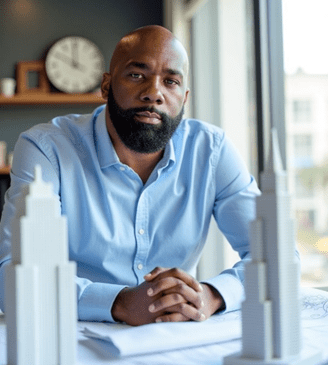
Dr. Keyimani Alford is more than a leader; he is a storyteller, healer, and advocate whose life’s work bridges the worlds of education, authorship, and empowerment. Born in Oakland, California, and raised in Milwaukee, Wisconsin, Dr. Alford grew up navigating instability, poverty, and family absence. Those early challenges shaped his belief that education is not only a pathway to freedom but also a tool for rewriting one’s story.
As a first-generation college graduate who went on to earn his Ph.D. in Education, Dr. Alford understands the barriers faced by students from marginalized backgrounds. His research focuses on retention and persistence for first-generation and minority male students at predominantly White institutions, emphasizing that relationships and belonging are critical to success. Today, as Associate Vice President of Student Access & Success at Madison College, he leads initiatives that help students overcome financial, systemic, and personal obstacles so they can thrive. His leadership is rooted in empathy, accountability, and the conviction that systems should serve students, not the other way around.
Championing Underserved Communities
Dr. Alford’s commitment extends far beyond campus walls. Through his involvement in organizations such as WASFAA, College Goal Wisconsin, and MASFAA (where he serves as President-Elect), he advocates for policies that expand access and equity in higher education. His work ensures that underserved students, veterans, first-generation learners, and minority communities, have the support they need to persist and graduate.
He also founded Keywords Unlocked, LLC, a publishing and coaching company designed to amplify everyday voices, particularly Black and underrepresented authors. By equipping writers with tools and strategies to move from manuscript to marketplace, Dr. Alford is dismantling barriers in the publishing industry and ensuring that marginalized stories are not only told but celebrated.
Author and Storyteller
Dr. Alford’s own catalog of books reflects the power of storytelling as a tool for healing and leadership:
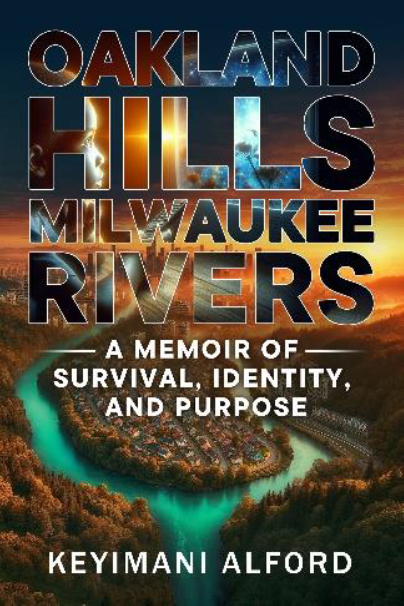
Oakland Hills, Milwaukee Rivers: A Memoir of Survival, Identity, and Purpose
In Oakland Hills, Milwaukee Rivers, I invite readers into the quiet rooms, crowded churches, and complicated family moments that shaped me as a Black boy learning to survive, belong, and believe in his own worth. This memoir walks through childhood trauma, father loss, religious shame, identity questions, and the hidden weight of silence, while tracing how grace kept showing up in unexpected people and places. It reads like sitting across from a friend who is finally telling the whole story, not the edited version.
Readers will see their own questions on these pages. The book helps them name what hurt, grieve what was taken, and begin to reclaim their voice with honesty and dignity. They walk away with language for things they have carried for years, a deeper understanding of how identity and faith can coexist with pain, and a renewed belief that their story is not over. This memoir becomes a mirror and a map for anyone who has ever felt unseen, misunderstood, or afraid to be fully themselves.
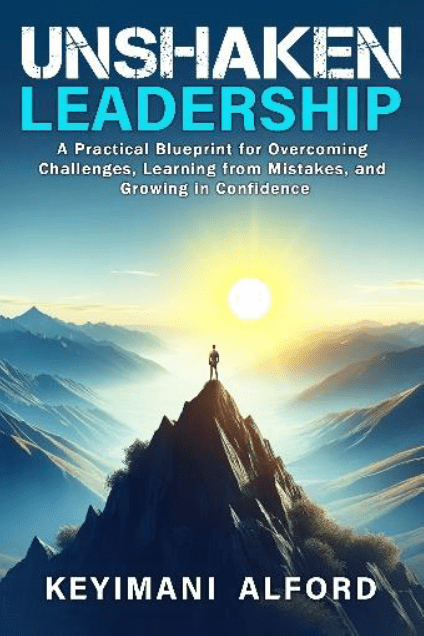
Unshaken Leadership: A Practical Blueprint for Overcoming Challenges, Learning from Mistakes, and Growing in Confidence
Unshaken Leadership pulls back the curtain on what leadership really feels like when the title sounds good, but the pressure is heavy. Drawing from more than two decades in higher education, community, and faith-based spaces, I walk readers through the unspoken realities of leading people, managing politics, navigating conflict, and making hard decisions when you still feel like you are figuring it out yourself. Each chapter blends story, reflection, and practical strategy so readers see the lessons in real situations, not just theory on a page.
This book is written for new and growing leaders who are tired of pretending they have it all together and are ready to lead with honesty, courage, and emotional intelligence. Readers gain language for the challenges they are facing, tools for balancing vision and boundaries, and frameworks they can immediately apply with their teams. The goal is simple: to help leaders stand firm when things shake around them, learn from their missteps without shame, and grow into a version of leadership that feels both effective and authentic.
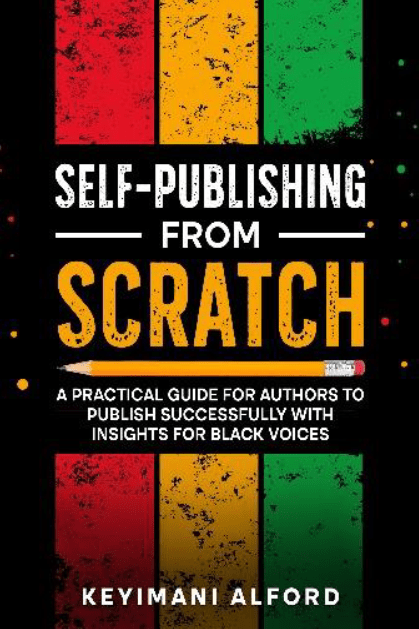
Self-Publishing from Scratch: A Practical Guide for Authors to Publish Successfully with Insights for Black Voices
Self-Publishing from Scratch is a step-by-step roadmap for everyday people who feel called to write a book and have no idea where to start. I walk readers through the full journey from idea to published book in plain language, breaking down what to write, how to edit, how to find a cover, how ISBNs work, what platforms to choose, and how to price and promote their work. Along the way, I share real stories, checklists, and behind-the-scenes lessons from my own publishing journey so readers avoid costly mistakes and gain the confidence to hit “publish” with clarity.
This book especially centers Black and underrepresented voices who have been told their stories are “too much,” “too specific,” or “too risky” for traditional publishing. Readers come away with practical tools, a realistic plan, and the encouragement that they do not have to wait for permission to become an author. By the end, they understand the business and the heart of self-publishing, and they know exactly what to do next to turn a manuscript, a journal, or even a set of notes on their phone into a book in readers’ hands.
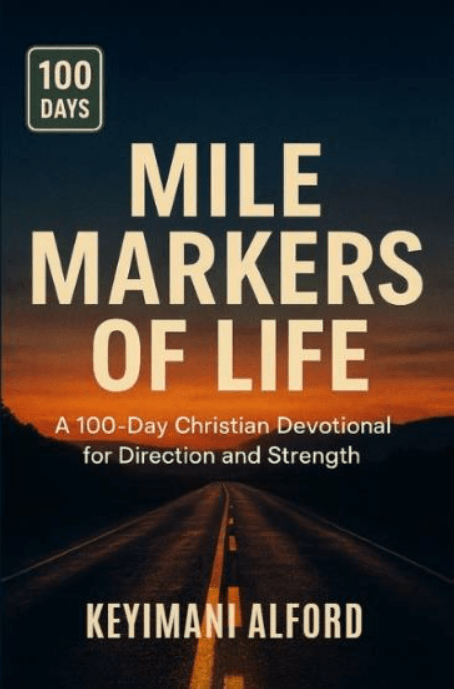
Mile Markers of Life: A 100-Day Christian Devotional for Direction and Strength
Mile Markers of Life is a 100-day devotional born from years of driving Wisconsin highways and noticing how the mile markers along the road mirrored the seasons of my own life. Each entry starts with a real-life scene and then connects it to Scripture, reflection, and a short prayer, helping readers see that God has been present in both the ordinary and painful parts of their journey. The readings are honest and accessible, designed for people who are carrying a lot and need encouragement that fits into real schedules and real emotions.
Readers will experience a devotional that speaks to fatigue, grief, uncertainty, hope, and new beginnings with gentle clarity. Every day offers direction for the heart and a small step they can take to move forward, whether that is letting something go, forgiving themselves, or daring to dream again. By the time they reach Day 100, they have traced their own “mile markers,” recognized how far they have come, and rediscovered that even in detours and delays, God has been guiding them toward healing and purpose.
A Voice of Hope and Action
Whether speaking in lecture halls, boardrooms, sanctuaries, or behind a microphone, Dr. Alford blends truth-telling with practical tools. His keynote themes, leadership with integrity, healing from trauma, equity in higher education, and empowering everyday voices, resonate because they are lived experiences, not abstract theories. Audiences leave not only inspired but equipped with frameworks and next steps to move forward.
Across every platform, Dr. Alford reminds people that their story still has chapters left and that hope is always within reach. His work as an author and advocate continues to light the way for underserved communities, proving that beginnings do not define destinies.
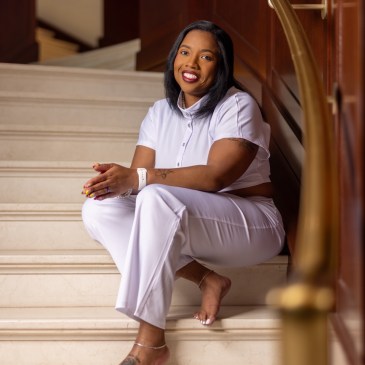
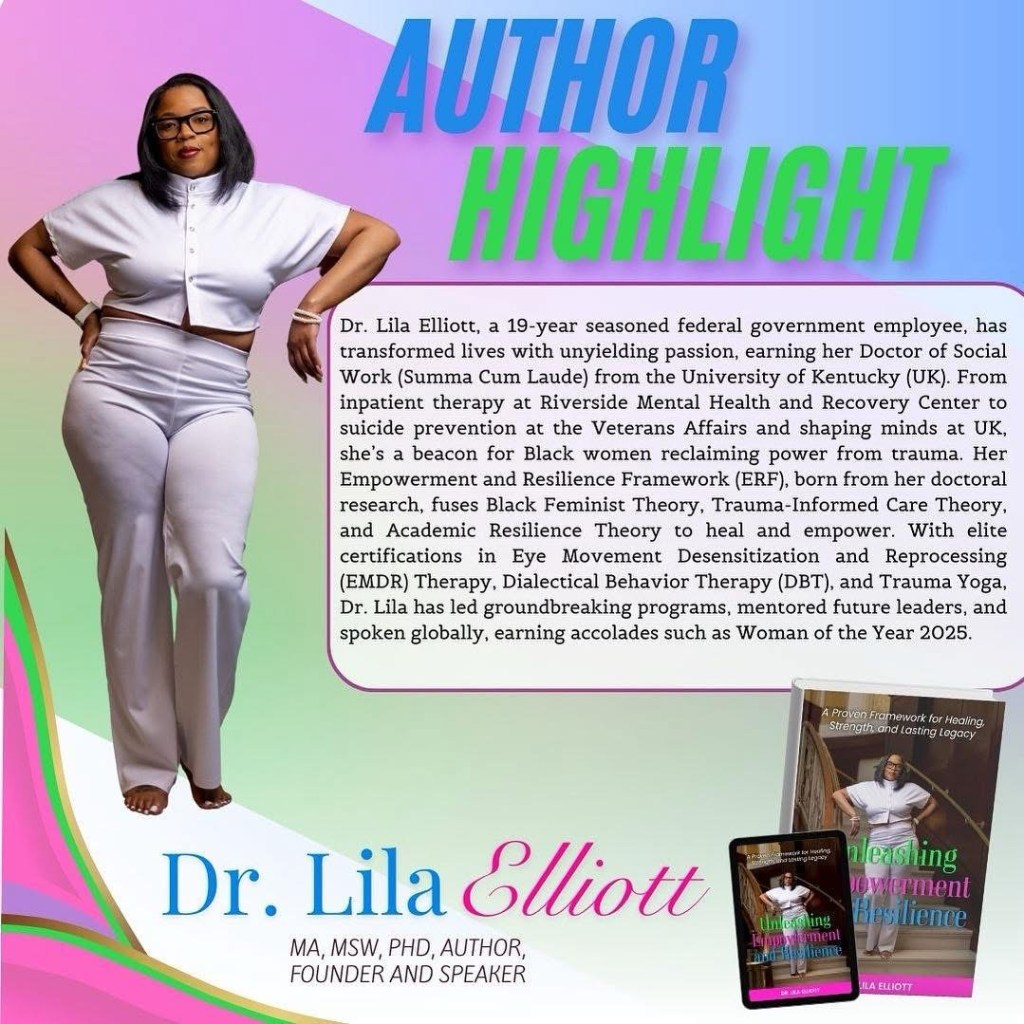
Climbers, y’all know I love amplifying powerful Black women who are doing transformational work and today I’m honored to spotlight my colleague, friend, and fellow doctor, Dr. Lila Elliott.
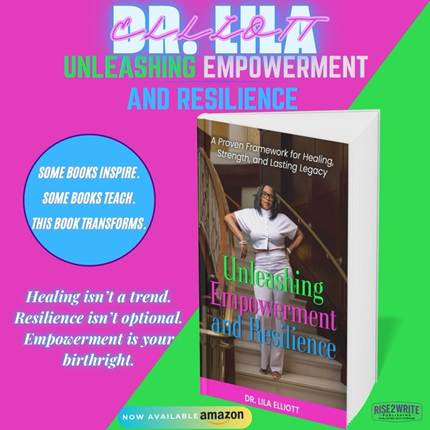
Her brand-new self-help journal, Unleashing Empowerment and Resilience, is officially OUT on Amazon and it is a must-have for anyone serious about healing, breaking cycles, and stepping into their birthright of strength.
Dr. Elliott is more than an author, she’s a visionary. With 19 years of clinical practice, research, and her doctoral capstone, she created the Empowerment and Resilience Framework (ERF), a groundbreaking model that blends Black Feminist Theory, Trauma-Informed Care, and Academic Resilience into a practical blueprint for real life.
This journal is not just for social workers or therapists. It’s for:
Black women healing childhood trauma
Corporate leaders rising above burnout
Teachers building safe spaces
Hairstylists listening to stories every day
Veterans, parents, and anyone ready to stop surviving and start thriving
Inside, you’ll find:
Practical strategies you can apply immediately
Journaling prompts to guide reflection and growth
Stories from women who reclaimed their power
Tools you can use in your home, workplace, community, and relationships
Dr. Elliott recently joined me on America in Black and White, where she shared how her work is rooted in truth-telling, resilience, and the power of Black women’s voices. Her insights reminded us that healing is not just personal, it’s communal, and it’s historical.
This book transforms you from the inside out. Imagine having a guide that teaches you to turn your pain into power, your voice into your weapon, and your story into a legacy. That’s exactly what Unleashing Empowerment and Resilience delivers.
If you have a sister, coworker, friend, or colleague who needs a reminder of who she is, gift her this journal. Healing starts with one choice. One self-help journal. One moment.
Let’s support this incredible Black woman author and help get this book into the hands of every person ready to rise.
Credit: Original reporting by Joe Walker (@joewalkr, The Independent)
Atlanta rapper B Green, born Linton Blackwell, was shot and killed on October 11th outside Five Paces Inn in Buckhead. The autopsy revealed a chilling truth: he was shot 17 times in the back by off-duty police officer Gerald Walker, who was working security at the bar.
Police claim Walker was responding to reports of a “disruptive person.” They allege that Green attempted to re-enter the bar through a rear entrance and later placed an item in the small of his back. Commands were issued “in reference to a gun,” and moments later, Green was gunned down. Investigators later found a firearm, but the autopsy makes clear: every single bullet entered his back.
Green’s manager and friend, Timothy Coleman, expressed disbelief: “I just couldn’t believe it was 17 times in the back. There’s not one shot in the front. If he wasn’t pointing a gun at you or doing anything, what does that have to do with shooting him in the back 17 times? That means he wasn’t facing you. He wasn’t a threat.”
Green was a father of twin girls, a family man, and an artist who left behind a legacy, including his final album PTSD: Vietnam Vet released in 2020.
The Larger Issue
This is not just about one man. This is about a system that continues to allow police officers, sworn to protect, to kill Black men with impunity.
Seventeen shots in the back is not self-defense. It is execution.
When officers fire this many times, it reveals not fear, but intent.
The justice system has repeatedly failed to hold officers accountable, creating what feels like a license to kill.
And what makes this even more painful is the reality that Black officers, too, have participated in this cycle of violence against their own communities. The badge, in too many cases, has become a shield for abuse rather than a symbol of protection.
The Questions We Must Confront
What will make a person shoot another human being 17 times in the back?
How can the justice system continue to justify these killings?
Why are Black men still being killed, while the officers responsible walk free?
When will police departments stop operating like mafia hit squads, taking lives whenever they feel like it?
A Call for Accountability
It is long past time to demand change. Calls to “defund” are not about chaos, they are about redirecting resources away from militarized policing and toward community safety, mental health, education, and opportunity.
Every time another Black man is killed, we are reminded that reform alone is not enough. Accountability must be real. Justice must be enforced. And communities must be empowered to protect themselves from the very institutions that claim to serve them.
Timeline of Police Killings of Black Men (2014–2025)
2014 – Michael Brown (Ferguson, Missouri)
Shot and killed by Officer Darren Wilson.
His death sparked nationwide protests and helped ignite the Black Lives Matter movement Statista.
2015 – Walter Scott (North Charleston, South Carolina)
Shot five times in the back while fleeing a traffic stop.
Officer Michael Slager was eventually sentenced to 20 years in prison CBC.
2016 – Alton Sterling (Baton Rouge, Louisiana)
Shot outside a convenience store while pinned to the ground.
Federal prosecutors declined to charge the officers involved CBC.
2016 – Philando Castile (Falcon Heights, Minnesota)
Shot during a traffic stop after informing the officer he was legally carrying a firearm.
The aftermath was streamed live on Facebook by his girlfriend. Officer Jeronimo Yanez was acquitted CBC.
2016 – Terence Crutcher (Tulsa, Oklahoma)
Shot while his hands were raised near his stalled vehicle.
Officer Betty Shelby was acquitted of manslaughter CBC.
2020 – George Floyd (Minneapolis, Minnesota)
Murdered when Officer Derek Chauvin knelt on his neck for over nine minutes.
His death sparked global protests against police brutality Wikipedia.
2020 – Rayshard Brooks (Atlanta, Georgia)
Shot in the back by police after being found asleep in his car at a Wendy’s drive-thru.
His killing reignited protests in Atlanta Wikipedia.
2022 – Patrick Lyoya (Grand Rapids, Michigan)
Shot in the back of the head during a traffic stop.
Officer Christopher Schurr was charged with second-degree murder Wikipedia.
Pattern of excessive force: From Ferguson to Atlanta, Black men are disproportionately killed by police.
Lack of accountability: Many officers are acquitted or never charged, reinforcing systemic impunity.
Escalation of violence: Shooting someone 17 times in the back, as in B Green’s case, is not policing — it is execution.
Community impact: Each killing leaves families devastated and communities traumatized, fueling mistrust of law enforcement.
Closing Thought
This timeline makes clear: B Green’s killing is not an isolated tragedy. It is part of a decades-long crisis of police violence against Black men. Until accountability is real and systemic change is enforced, these killings will continue.
B Green’s death is not just a tragedy, it is a symptom of a system that continues to devalue Black lives. Seventeen shots in the back is not policing. It is murder.
The question remains: When will justice finally come?
By Charles Zackary King Changing Trends and Times | America in Black and White
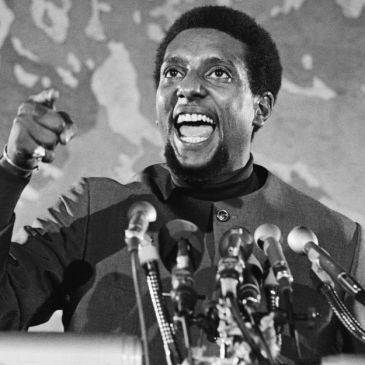
In the story of Black liberation, few names echo with as much fire and clarity as Stokely Carmichael, later known as Kwame Ture. His life was a masterclass in transformation: from immigrant child to civil rights warrior, from SNCC chairman to global Pan-Africanist. His journey was not just political, it was spiritual, cultural, and unapologetically Black.
Origins: From Trinidad to the Bronx
Born June 29, 1941, in Port of Spain, Trinidad and Tobago, Stokely Standiford Churchill Carmichael immigrated to Harlem at age 11 to reunite with his parents. Raised by his grandmother and aunts, he arrived in the U.S. with sharp intellect and sharper instincts. He later attended the prestigious Bronx High School of Science, where he began questioning the racial and social structures around him.
Awakening at Howard University
Carmichael enrolled at Howard University in 1960, studying philosophy and absorbing the teachings of professors like Sterling Brown and Toni Morrison. But it was outside the classroom, in the streets and churches of the South, that his activism took root. He joined the Student Nonviolent Coordinating Committee (SNCC) and became a Freedom Rider, risking his life to desegregate interstate travel.
Black Power Rises
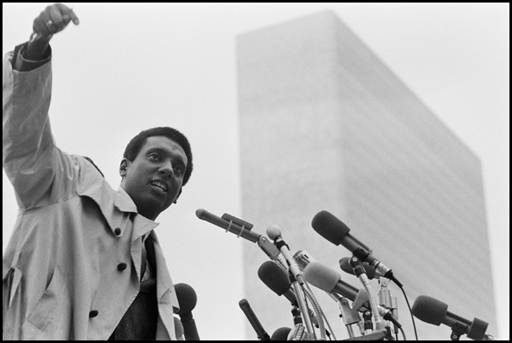
By 1966, Carmichael had become chairman of SNCC, succeeding John Lewis. That same year, during a march in Mississippi, he delivered the rallying cry that would define a generation:
“What we want is Black Power.” This slogan wasn’t just rhetoric, it was a demand for self-determination, racial pride, and political autonomy. Carmichael’s stance marked a shift from integrationist strategies to radical resistance, challenging both white supremacy and liberal complacency.
What Mattered Most: Liberation Over Assimilation
For Carmichael, the Civil Rights fight was never just about access, it was about ownership. He believed that integration, as framed by white society, often meant assimilation into systems that were fundamentally anti-Black. What mattered most to him was:
Black control over Black communities—from schools and housing to policing and economics.
Political independence—building all-Black political organizations like the Lowndes County Freedom Organization.
Economic justice—shaking the foundations of exploitation and demanding reparative systems.
Cultural pride—rejecting the notion that whiteness was the standard and embracing African heritage unapologetically.
Global solidarity—connecting the Black struggle in America to liberation movements in Africa, the Caribbean, and beyond.
He once wrote:
“For racism to die, a totally different America must be born.” This wasn’t a call for reform, it was a call for revolution.
The Name Change: Kwame Ture
In 1969, Carmichael left the U.S. and settled in Guinea, West Africa, alongside his then-wife, South African singer Miriam Makeba. There, he adopted the name Kwame Ture—a tribute to Kwame Nkrumah of Ghana and Sékou Touré of Guinea, two titans of Pan-Africanism. The name change was more than symbolic. It marked a rebirth—a rejection of colonial identity and an embrace of African unity, revolutionary socialism, and global Black consciousness.
Building Pan-African Futures
In Guinea, Ture co-founded the All-African People’s Revolutionary Party (A-APRP), advocating for a united Africa free from imperialism. He traveled extensively, speaking in Cuba, Ghana, and across Europe, always centering the plight of oppressed peoples and the power of collective liberation.
Final Years and Enduring Legacy
Kwame Ture died of prostate cancer on November 15, 1998, in Conakry, Guinea, at age 57. But his voice still reverberates, in classrooms, protests, podcasts, and policy debates. His writings, including Stokely Speaks and Ready for Revolution, remain essential texts for understanding Black resistance and global solidarity.
Why Kwame Ture Still Matters
In today’s climate of racial reckoning and global unrest, Ture’s life offers a roadmap. He taught us that identity is political, that liberation is global, and that Black Power is not a moment, it’s a movement. His transformation from Stokely to Kwame wasn’t just personal, it was prophetic.
By Charles Zackary King America in Black and White | Changing Trends and Times
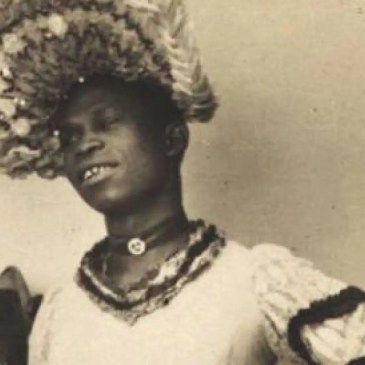
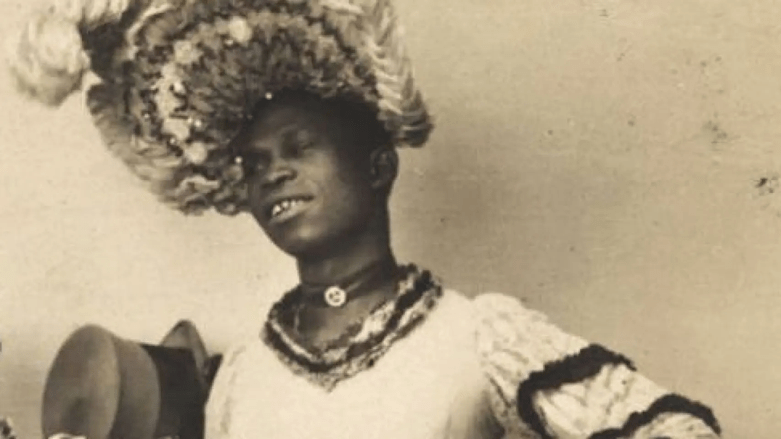
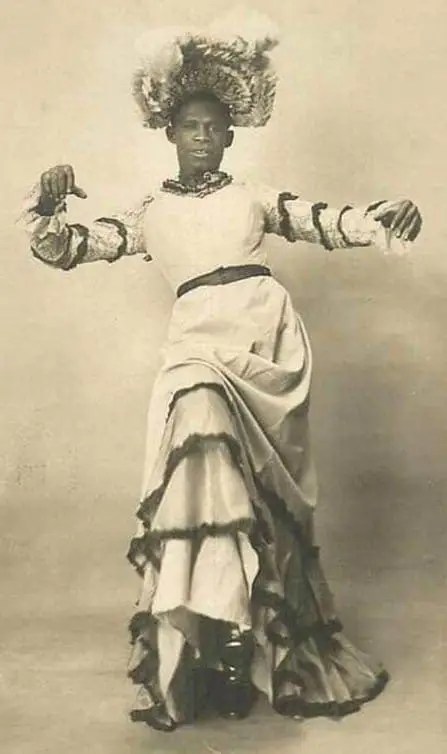
In the tapestry of Black history and LGBTQ+ resistance, few threads shine as defiantly as that of William Dorsey Swann. Born into slavery in March 1860 in Hancock, Maryland, Swann would become the first known American to self-identify as a “queen of drag”—and the first to lead a documented queer resistance group in the United States WikipediaSmithsonian Magazine.
Childhood in Chains
Swann was the fifth of thirteen children in a Protestant family enslaved by Ann Murray. His mother, Mary Jane Younker, was a housekeeper, and his father, Andrew Jackson Swann, farmed wheat. After emancipation, the Swann family purchased land and began farming, but poverty and racial barriers loomed large. William, like many formerly enslaved children, was denied formal education and began working young Boundary Stones.
Early Adulthood & Convictions
In his twenties, Swann moved to Washington, D.C., working as a hotel waiter and janitor. He was arrested in 1882 for petty larceny—stealing books and household items—but his employers and even the sentencing judge vouched for his character, describing him as “industrious, refined, gentle, and courteous.” This moment revealed Swann’s hunger for knowledge and dignity, even in the face of criminalization Rediscovering Black History.
The Queen of Drag
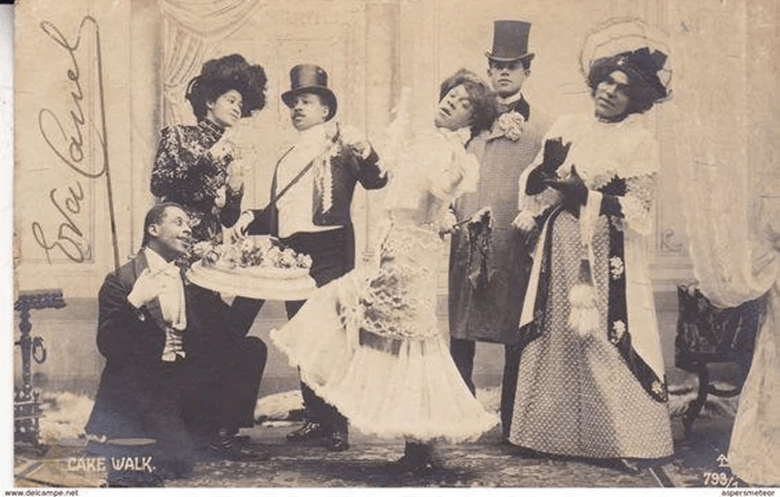
By the late 1880s, Swann was hosting secret drag balls in D.C.—lavish, defiant celebrations of identity and joy. These gatherings, attended by formerly enslaved Black men, featured silk gowns, corsets, and the iconic cakewalk dance, a precursor to modern voguing. Swann called himself the “queen of drag,” and his events became sanctuaries of self-expression and resistance WikipediaSmithsonian Magazine.
On April 12, 1888, during his 30th birthday celebration, police raided the party. Swann, dressed in cream-colored satin, resisted arrest and famously declared to an officer, “You is no gentleman.” This act of defiance is now recognized as one of the earliest documented instances of queer resistance in U.S. history Wikipedia.
Legal Resistance & Legacy
In 1896, Swann was convicted of “keeping a disorderly house”—a euphemism for running a brothel, though he was simply hosting another drag ball. He petitioned President Grover Cleveland for a pardon, making him the first American to take legal action to defend the LGBTQ+ community’s right to gather. Though denied, his courage laid the groundwork for future civil rights battles Rediscovering Black History.
Swann’s later years were quieter, but his legacy endured. His brother Daniel continued making drag costumes for decades. Swann died around December 23, 1925, at age 65. After his death, local officials burned his home—a final act of erasure that history is now reversing Wikipedia.
Influence on Today’s LGBTQ+ Culture
Swann’s drag balls were the blueprint for the ballroom culture that flourished in Harlem and beyond. His use of the cakewalk, his unapologetic identity, and his insistence on joy and community in the face of oppression echo in today’s voguing, drag pageantry, and queer activism.
In an era where drag is both celebrated and politicized, Swann’s story reminds us that Black queer resistance is not new—it is foundational.
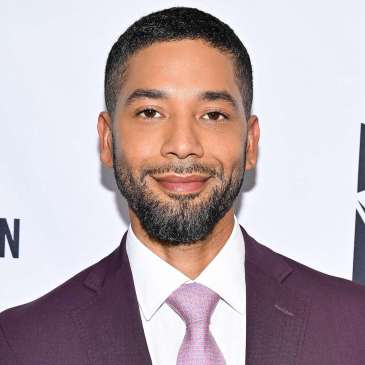
In the ever-evolving narrative of Black celebrity, few stories have been as polarizing and as quietly redemptive as that of Jussie Smollett. Once celebrated for his role as Jamal Lyon on Fox’s Empire, Smollett became the center of a national firestorm in 2019 after reporting a homophobic and racist attack in Chicago. What followed was a legal saga that tested the boundaries of justice, media bias, and public perception.
But today, Smollett stands not just as a survivor of controversy but as a creator, a truth-teller, and a proud voice within the Black LGBTQ+ community.
The Incident That Shook a Nation
In January 2019, Smollett alleged that he was assaulted by two men who hurled racial and homophobic slurs, poured a chemical substance on him, and tied a rope around his neck. The initial outpouring of support quickly turned into skepticism as Chicago police accused Smollett of staging the attack. He was charged with 16 felony counts of disorderly conduct for filing a false police report.
Though the charges were dropped in March 2019 after a plea agreement, Smollett was re-indicted in 2020. In 2021, he was convicted on five counts and sentenced to 150 days in jail, probation, and restitution. But in a dramatic turn, the Illinois Supreme Court reversed the conviction in 2024, ruling that Smollett had fulfilled the terms of his original plea deal.
Reclaiming the Narrative Through Art
Rather than retreat, Smollett returned to the public eye with purpose. He directed and starred in The Lost Holliday (2024), his first film since the controversy, showcasing his continued commitment to storytelling. He also participated in Jussie Smollett: Anatomy of a Hoax (2023), a provocative docuseries that examined the case from multiple angles.
But it was Netflix’s The Truth About Jussie Smollett? (August 2025) that marked his most personal and powerful comeback. In the documentary, Smollett shares his side of the story, unwavering in his claim of innocence and reflecting on the toll of public scrutiny. “My story has never changed,” he says. “Flaws and greatness, whatever you think, the fact is, I didn’t do that. And that’s all that matters”.
A Voice for the Queer Black Community
Throughout his journey, Smollett has remained deeply connected to the communities that shaped him. “It means a great deal to have the love and support of my queer Black community and equally to have the love and support of the Black community as a whole,” he told The Hollywood Reporter in 2024.
His resilience is a reminder that Black LGBTQ+ voices deserve not only visibility but grace, complexity, and space to heal.
Love, Healing, and What’s Next
In June 2025, Smollett announced his engagement to Jabari Redd, a moment of joy and affirmation after years of turmoil. He’s also set to appear in Season 3 of Fox’s Special Forces, continuing to push boundaries in entertainment and representation.
Legacy Beyond the Headlines
Jussie Smollett’s story is not just about scandal, it’s about survival, artistry, and the fight to reclaim one’s truth. It’s about the power of Black queer resilience in a system that often seeks to erase it.
At Changing Trends and Times, we honor stories like Smollett’s because they reflect the complexity of our humanity. They challenge us to look deeper, listen harder, and uplift those who dare to stand in their truth, even when the world turns its back.
Call to Action: Support, Share, Empower
Stream Jussie’s Projects Watch The Truth About Jussie Smollett? on Netflix and The Lost Holliday on select streaming platforms. These works offer insight, healing, and a bold reclaiming of narrative.
Champion Black LGBTQ+ Creators Support artists, entrepreneurs, and storytellers who reflect the richness of our community. Your engagement fuels visibility and legacy.
Share This Post Let this story spark dialogue. Let it remind us that justice isn’t always linear but truth, when spoken boldly, can still rise.
The Jacksonville Sheriff’s Office (JSO) has long been under scrutiny for its violent encounters with Black men. From documented incidents going back to 2000, a troubling pattern emerges—one that has evolved, not toward accountability, but toward escalating brutality. The recent case of William McNeil Jr. is a chilling reminder of how state-sanctioned violence against Black citizens continues with impunity.
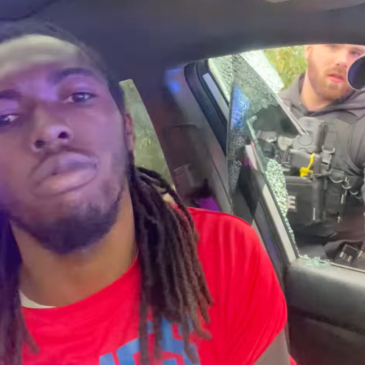
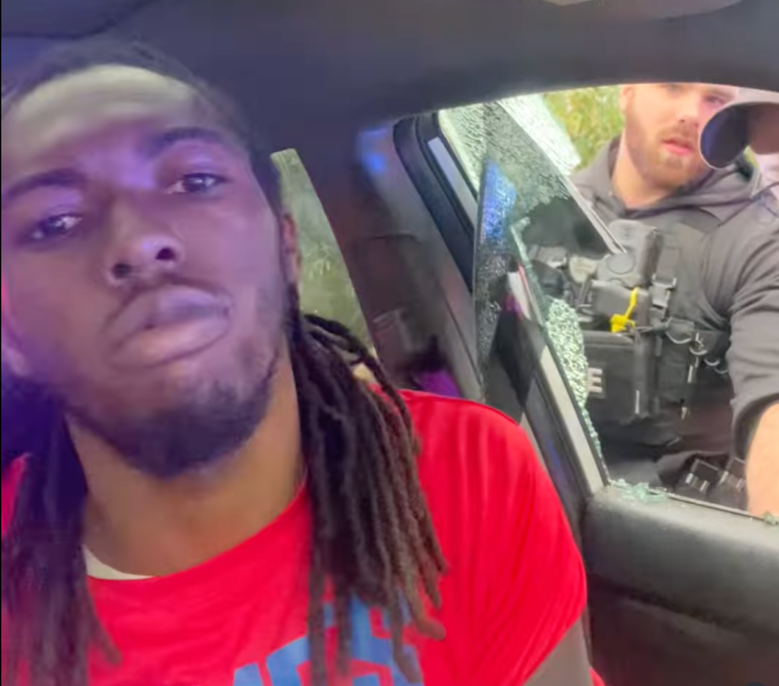
McNeil, a biology student and member of his college marching band, was pulled over by JSO deputies for allegedly not having his daylight running lights on—a minor infraction that spiraled into terror. Footage clearly shows McNeil requesting a supervisor out of fear for his life. Instead, deputies smashed his driver-side window, punched him, forcibly opened his door, unbuckled his seatbelt, dragged him out, and savagely beat him. And despite all this, authorities declared the deputies’ actions “justified.”
Please click the link below
This is what systemic racism looks like in action. When the justice system consistently rules in favor of law enforcement—regardless of the trauma inflicted—it sends a clear message: Black pain is permissible. Black fear is ignored. Black voices are muted. And white juries, time and again, reinforce this silence through verdicts that deny humanity.
Governor Ron DeSantis’s dismissive remarks, suggesting that the viral video was merely a “narrative,” reflect an even deeper issue—one where elected officials defend brutality instead of defending the Constitution.
What does it say about a society when brutality becomes routine for one race, and due diligence is reserved for another? What does it say when cultural theft is dismissed, but cultural survival is criminalized?
This is not justice. This is normalized abuse—endorsed by silence and strengthened by indifference.
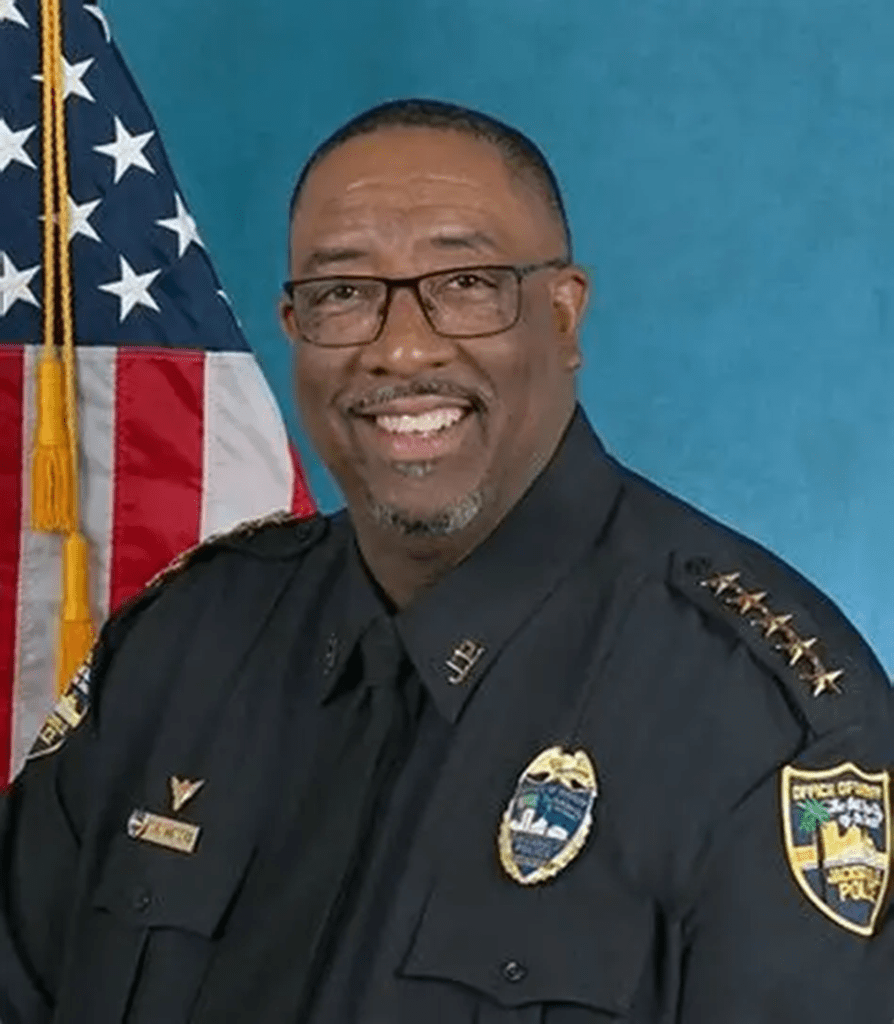
This is the Sheriff at JSO who stated in the press conference that the Deputies did their jobs properly:
Should Black People in Jacksonville be afraid for their lives? According to this man yes they should because there is no way these guys should be getting away with this. It is ok until it hits home!!!
Please click the link below
Call to Action:
We cannot afford to be spectators to injustice. It is time to mobilize. Raise your voice. Share this story. Demand independent investigations. Push for civilian review boards. Insist on diversifying juries and ending qualified immunity. Support organizations fighting for accountability and justice.
Most importantly: Organize within your community. Build networks of trust. Invest in Black-led platforms and amplify Black voices—like those of William McNeil Jr., who deserve to be heard, not brutalized.
In a world where so many voices get lost in the noise, America in Black and White emerges as a beacon of clarity and understanding. Hosted by the dynamic Charles King, this podcast is not just another entry in the crowded audio landscape; it’s a masterclass in dialogue, connection, and community building that you simply cannot afford to miss.
Meet the Maestro: Charles King
Charles King is not your average host. With an impeccable style of interviewing, he has a rare gift for drawing out the essence of his guests. He approaches each conversation as a unique opportunity to explore the complexities of race, culture, and community in America. His deep understanding of the issues at hand, combined with his engaging approach, leaves both guests and listeners eager for more. It’s no wonder that both audiences and guest speakers keep returning for the rich discussions and insights that only Charles can provide.
What’s on the Table?
The topics tackled on America in Black and White are nothing short of essential. While the show dives deep into current events and the voices that often go unheard, Charles also highlights the narratives around history, identity, and societal issues that are deeply relevant to our current landscape. From thought-provoking interviews with influential leaders to candid discussions about race relations, community challenges, and personal triumphs, the show is a relentless pursuit of truth and connection. Charles is not just looking to create dialogue; he’s on a mission to build communities. He understands that the only way to move forward is through inclusive conversations that genuinely bring people together, bridging the gaps that society has too long let divide us.
The Platform and the Audience
America in Black and White is built for anyone who seeks to expand their understanding of the world around them. Whether you’re looking for thought leadership, a fresh perspective on contemporary issues, or a safe space to engage in challenging conversations, this podcast is your answer. Its target audience is broad yet defined—anyone who yearns for a deeper connection with their community and a more profound understanding of the cultural dynamics at play in our society.
Join the Journey
Finding the show is simple—head over to your favorite podcast platform and delve into the episodes waiting for you. Follow America in Black and White on social media for regular updates and insights. Your support is crucial. By subscribing, following, and sharing this show, you’re not just uplifting Charles; you’re contributing to a movement of awareness, understanding, and community-building that is so desperately needed today.
Be a Part of Something Bigger
Charles King truly wants to include you in this journey. He believes that every listener is a vital part of this mission, and your engagement can help amplify these critical conversations. By participating in the community that America in Black and White fosters, you become an agent for change—someone who can help dismantle barriers and build bridges. So why wait? Listen to American in Black and White today, and become part of a conversation that matters. Your voice, your support, and your engagement can make a difference, and together, we can shape a brighter future. Don’t just sit on the sidelines; jump into the dialogue, challenge your perspectives, and help uplift Charles and the community he strives to build. This is more than a podcast; it’s a movement, and you are invited to be a part of it.
Hello, dear readers and fans! I hope this message finds you well and excited! As we journey together through the world of storytelling, I wanted to take a moment to update you on the progress of my upcoming projects. There’s a lot happening behind the scenes, and I can’t wait to share it with you!
A Deep Dive into the Series
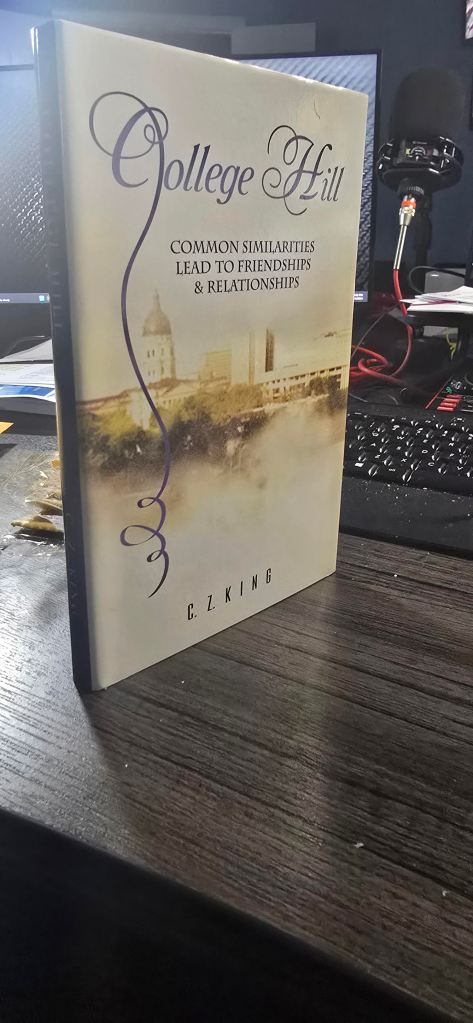
First off, I’m thrilled to announce that the journey of my 6-part book series has officially begun! The first installment is already out, and I’m so grateful for the positive feedback you’ve shared. Your enthusiasm fuels my passion to keep going! Currently, I have Books 2 and 3 completed and ready to go. However, I’ve decided to hold off on sending them to the publishing company for now. This is due to some logistical challenges and a few disturbances with my current publishing partner. I want to ensure that we have the right approach before moving forward. I promise that this series will keep you on the edge of your seat, drawing you deeper into the world I’ve created with every turn of the page!
Future Projects on the Horizon
Beyond the ongoing series, I have a treasure trove of ideas! There are 10 other book projects lined up on my shelf, each crafted with care and creativity, waiting to be perfected. My goal is to create stories that resonate with all segments of our great nation. And for those of you who love a twist of imagination, I am excited to dip my toes into Science Fiction! The technological era we’re living in provides such a rich canvas for creativity, and I can’t wait to explore it. Additionally, I’m working on my autobiography, which will be released in two parts. Sharing my journey with you has been a dream of mine, and I hope to provide insights into both the challenges and triumphs that have shaped who I am today.
I am also in the process of starting up my Book Club. For those of you that love reading and get excited about what we read, I want you especially to join the club. For all of you that are ready to connect and ready to read, lets do it. We will decide together what we will read and go forward. Please connect with me by emailing me at ckstoriesfromtheheart@gmail.com.
The Screenwriting Adventure
In exciting news, I’m also venturing into the realm of screenwriting! I’m currently developing scripts for both movies and television. One of these scripts is based on my first book series, and I can assure you it’s bursting with excitement and potential. The adaptation process is thrilling, and I can’t wait for you to see how it all comes to life on screen!
Stay Updated!
As you can see, there’s a lot in the pipeline, and I’m committed to making each project the best it can be. I encourage you to follow along for updates as they happen. Your support means everything to me, and it keeps my creativity alive. I can promise you that the finished products will be just what the doctor ordered—entertaining, engaging, and unparalleled in the worlds they create. Thank you for your unwavering support. I can’t wait to continue this journey with you, and I look forward to sharing more snippets of my work as we move forward. Let’s stay connected! Warmest regards, Charles Zackary King



 Changing Trends and Times