Blog Title: “Justice, Not Theater: Judge Graf Refuses to Bow to Political Pressure in Charlie Kirk Case”

By Charles Zackary King
Inspired by reporting from Isabel Keane, The Independent, and the Associated Press (https://www.msn.com/en-us/news/crime/judge-in-charlie-kirk-shooter-case-appears-to-warn-trump-as-he-says-he-won-t-put-finger-on-scale-of-justice/ar-AA1NxwXL?ocid=msedgntp&pc=HCTS&cvid=68daf51be4604bd9a9ba88f63d048d4e&ei=22), and the Associated Press

In a moment when political theater often overshadows legal truth, Judge Tony Graf made it clear: his courtroom is not a stage for partisan influence.

During a hearing in the high-profile case of Tyler Robinson—charged with the fatal shooting of conservative activist Charlie Kirk—Judge Graf issued a statement that cut through the noise. With cameras watching and pressure mounting from national figures including President Donald Trump and Vice President JD Vance, Graf stood firm:

“Let me be clear, I will not put my finger on the scale of justice,” he said.
“Counsel, regardless of who is watching, whether it is the nation or a single individual, we must fulfill our roles with integrity, civility, and diligence.”

That’s not just courtroom etiquette. That’s judicial courage.

The Case and the Climate

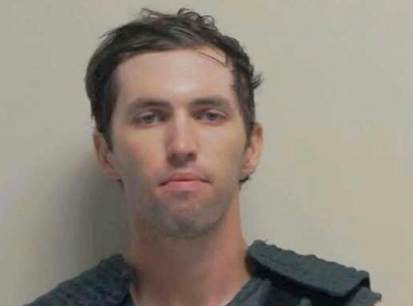
Tyler Robinson, 22, is accused of shooting Kirk from a sniper’s perch at a Utah college campus on September 10. Prosecutors say Robinson left behind texts and a note indicating intent, and they plan to seek the death penalty. The evidence is described as “voluminous,” and Robinson has not yet entered a plea.
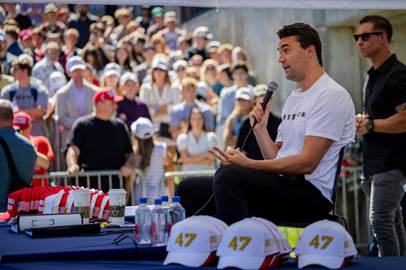
But beyond the legal facts, the case has ignited political firestorms. Prominent Republicans have labeled the killing “politically motivated,” and some have demanded retaliation against those who mocked Kirk’s death online. Even late-night host Jimmy Kimmel faced suspension for his comments, later reinstated amid backlash.


A Judge Who Refused to Flinch

In this climate of outrage and polarization, Judge Graf’s words matter. He didn’t just speak to the attorneys in the room—he spoke to the nation. He reminded us that justice is not a partisan tool. It’s a sacred process.
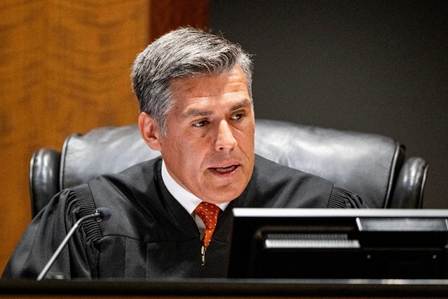
Graf’s refusal to bend to political pressure is a rare act of judicial integrity. In an era where public opinion often tries to dictate verdicts, his stance is a reminder that the courtroom must remain a place of law—not influence.

Why This Moment Matters

  • It affirms the independence of the judiciary.
  • It challenges the weaponization of grief for political gain.
  • It reminds us that justice must be rooted in evidence, not emotion.

Whether you agree with Kirk’s politics or not, the process must be fair. And Judge Graf is making sure it stays that way.

Final Word

In a time when truth is often twisted to fit agendas, Judge Tony Graf deserves credit, not just for what he said, but for what he stood against. He didn’t just protect the integrity of one case. He protected the principle that justice must be blind to politics.

Let this be a reminder: real leadership isn’t loud. It’s principled.

 Call to Action

  • Share this post across platforms to affirm judicial independence.
  • Support media outlets that report with nuance and integrity.
  • Stay informed—and stay critical of those who try to politicize justice.
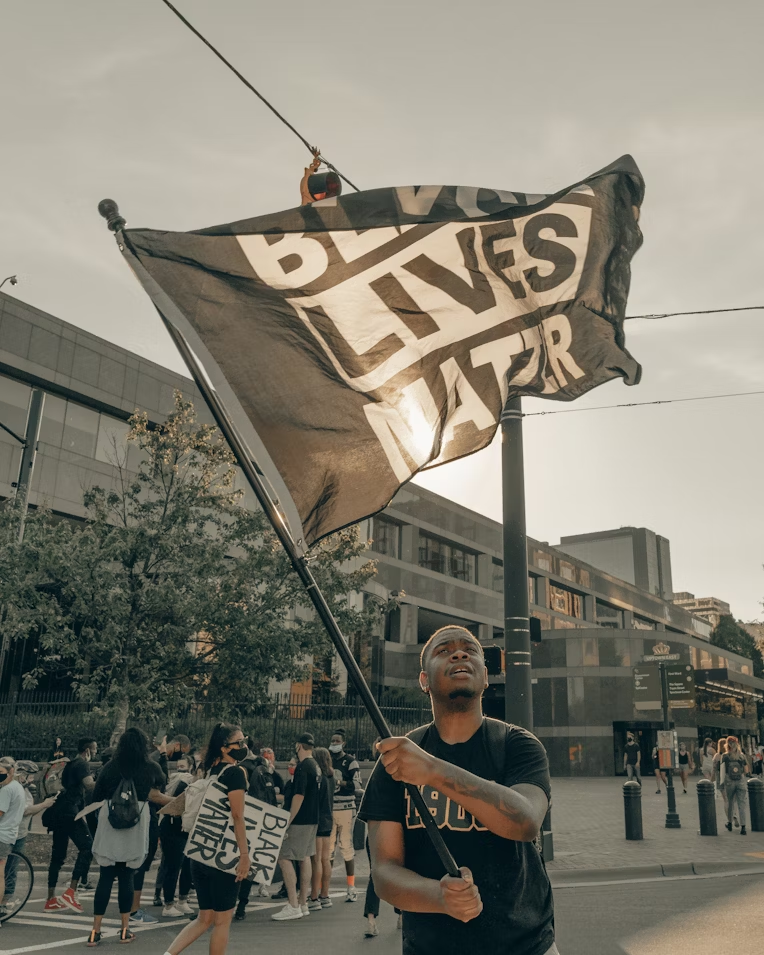
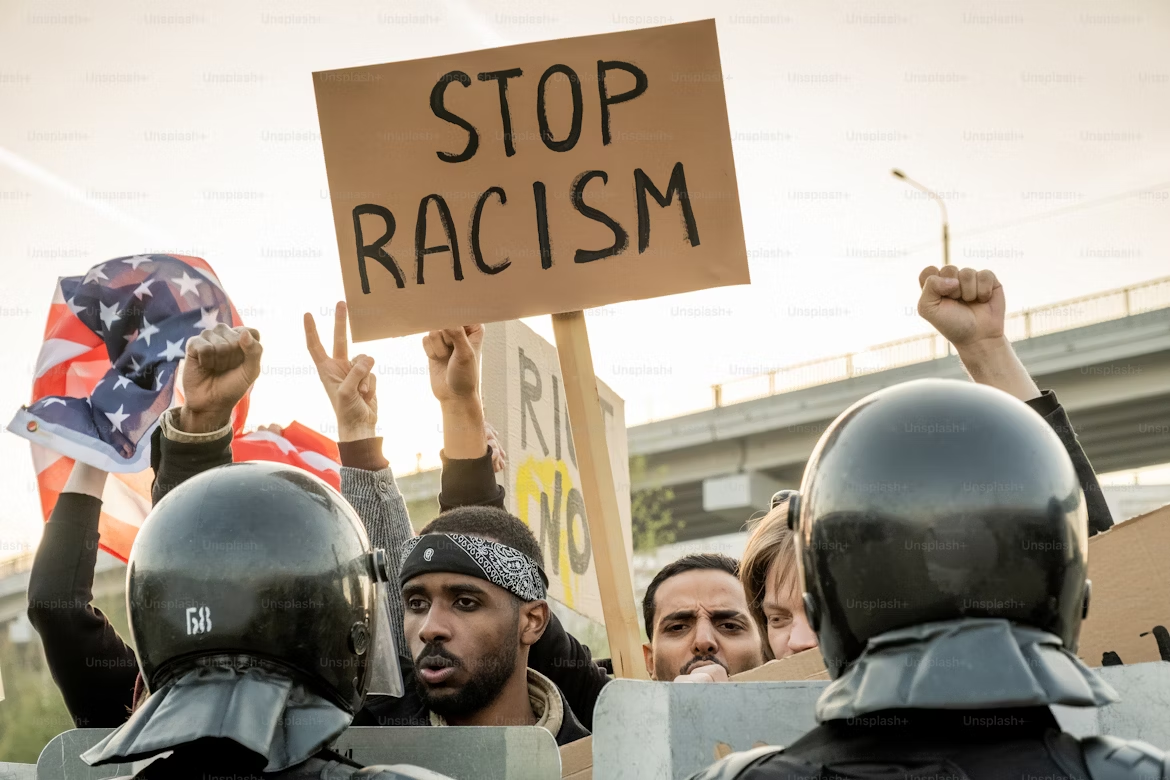
A Chilling Week for Black Students—Racist Threats, Campus Lockdowns, and the Urgency of Action

This week, Black students across the United States were forced to confront a terrifying reality: coordinated racist death threats targeting their campuses and communities. At least eight historically Black colleges and universities (HBCUs) were placed under emergency lockdowns following a wave of terroristic threats that came just one day after the murder of far-right activist Charlie Kirk at Utah Valley University.

While the shooter, Tyler Robinson, a 22-year-old white man, was arrested and charged with aggravated murder, the aftermath has taken a disturbing turn. Instead of mourning Kirk’s death or focusing on the facts of the case, extremist groups appear to be weaponizing the tragedy to target Black students, falsely linking them to the violence and unleashing a wave of racist threats.

HBCUs Under Siege

The following institutions were forced into lockdowns due to credible threats of violence:

  • Alabama State University
  • Virginia State University
  • Hampton University
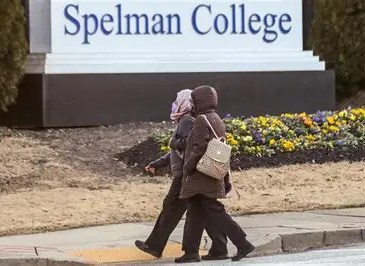
  • Spelman College
  • Southern University and A&M College
  • Clark Atlanta University
  • Morehouse College
  • Bethune-Cookman University

At Virginia State University, President Makola M. Abdullah stated, “Today, Virginia State University, along with several other Historically Black Colleges and Universities, received a threat intended to disrupt, intimidate and instill fear in our community.”

Southern University enacted the most extensive lockdown, restricting access across the entire Baton Rouge landmass, including its law center, agricultural research and extension center, and laboratory school. Hampton University canceled all classes and activities through Friday, while Alabama State University suspended operations “out of an abundance of caution.”

NYU and the Manifesto of Hate

At New York University, Black students received a grotesque and violent manifesto that explicitly threatened gun violence against them. The document reportedly stated the author was “coming for only n******,” and claimed that Black students were “taking away from a safe space for white people.”

The NYU Black Student Union condemned the university’s response, noting that administrators waited over six hours before informing students that the manifesto specifically targeted Black students. This delay left many feeling vulnerable, betrayed, and unprotected.

The Kirk Shooting and the Dangerous Narrative

Charlie Kirk was shot by a white man who, according to court documents, believed Kirk “spread too much hate”. The shooter had no known ties to Black communities or HBCUs. Yet, in the wake of his death, racist extremists have twisted the narrative to justify targeting Black students, despite the fact that they were not involved.

This is not just misinformation. It’s weaponized racism.

The FBI has acknowledged that many of these threats may be hoaxes, but emphasized that they are still dangerous and disruptive. “The FBI takes these threats very seriously because it puts innocent people at risk,” the agency stated.

The Emotional Toll on Students

For Black students, this week has been a nightmare. Many were forced to shelter in place, cancel classes, and live under the shadow of fear. The psychological impact is profound, students are reporting anxiety, trauma, and a deep sense of being unsafe in spaces that are supposed to nurture and protect them.

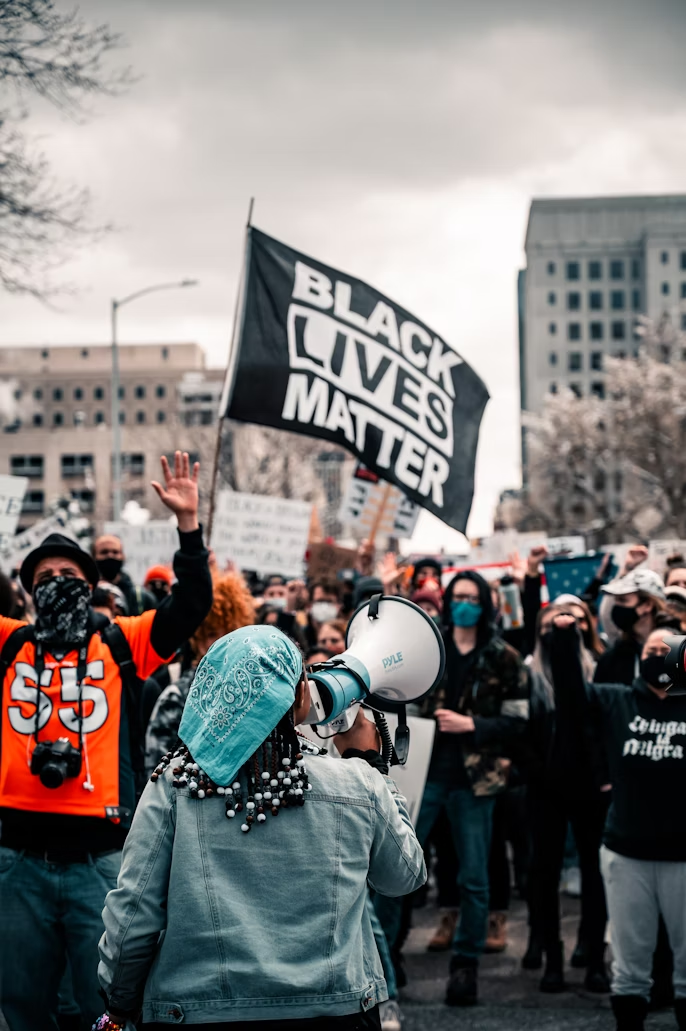
Call to Action: Stand Up for Black Students

This is a moment for solidarity, truth, and action. We must:

  • Demand transparency and accountability from university officials
  • Support mental health resources for affected students
  • Pressure law enforcement to investigate these threats as hate crimes
  • Amplify the voices of Black student unions and advocacy groups
  • Refuse to let racist narratives go unchecked

Silence is complicity. Let’s be loud, clear, and united.