
The Opening of Cop City: Implications for Urban Communities in Atlanta

On July 1, 2023, the long-debated “Cop City,” officially known as the Public Safety Training Center, opened its doors in Atlanta, igniting intense discussions about policing, community safety, and the future of urban areas across the city. While proponents tout it as a necessary step toward enhanced police training and accountability, many marginalized communities view its inception as a harbinger of military-style enforcement tactics that threaten to deepen existing inequalities.

A Step Backward Amidst Protests

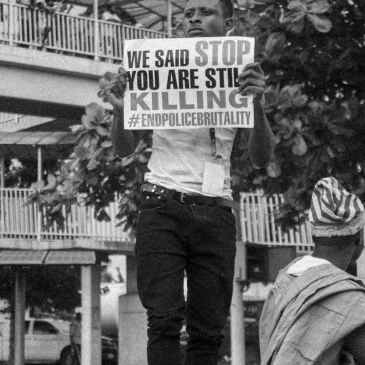
The journey to the opening of Cop City was fraught with public outcry and dissent. Activists rallied against the development, arguing that resources should be allocated to community services rather than militarized policing. Protesters highlighted how increased funding for law enforcement detracts from essential services like education, healthcare, and housing. Despite these fervent protests, which included direct actions and community organizing against the facility, the city proceeded with its plans, raising concerns about the disregard for community voices and lived experiences. Tragically, the protests surrounding Cop City became synonymous with violence, culminating in the fatal shooting of activist Manuel Paez Teran by police during a raid in January 2023. The incident sparked outrage, highlighting the severe power imbalances in how law enforcement interacts with communities of color. Critics argue that this militarized response only exemplifies the systemic disregard for black and brown lives, raising questions about the ethical implications of maintaining a heavily armed police force equipped with the latest training techniques while vulnerable communities continue to face socioeconomic challenges.

The Shadow of Militarization

The opening of Cop City signals a shift in how policing will be carried out in urban Atlanta. With specialized training that emphasizes a militaristic approach, residents fear they will bear the brunt of aggressive tactics that come with purportedly enhanced officer preparedness. The facility is designed to teach law enforcement advanced techniques, including tactical maneuvers and crowd control, raising alarm bells about potential overreach and brutality in handling situations in marginalized neighborhoods. Persistent fear looms over communities already grappling with high levels of police presence and aggression. With Cop City operational, there is a growing apprehension that its implications will exacerbate racial profiling, wrongful arrests, and instances of violence – continuing the cycle of distrust between law enforcement and the very communities they are meant to serve. Residents of Atlanta’s marginalized communities are left questioning the consequences of militarized policing when they were already experiencing systemic oppression.

The Broader Impact on Urban Areas

The repercussions of Cop City extend beyond Atlanta into urban areas nationwide. The facility serves as a template for cities considering similar initiatives, regardless of the detrimental effects experienced in communities subjected to over-policing. In recent years, the cries for police reform and defunding have taken center stage, calling for a reevaluation of public safety priorities. The emergence of Cop City represents a contradictory narrative; rather than redirecting funds into community development and social services, the city has chosen to solidify its commitment to a more militarized approach to policing. With cities across America grappling with issues of systemic racism and inequality, the opening of Cop City could inspire a nationwide trend where cities move away from community-centric solutions. Urban areas might find themselves at a crossroads, where priorities shift toward protecting property and maintaining order over addressing the root causes of crime, such as poverty and lack of access to education.

A Call for Accountability and Change

As the community navigates the reality of a new training facility designed to bolster policing practices, it is imperative to continue advocating for accountability and reform. Residents must pressure local officials to ensure that Cop City does not become a tool for further marginalization but rather a catalyst for meaningful dialogue about safety, equity, and justice. The ongoing conversation surrounding public safety requires a comprehensive approach that prioritizes community input, resources for grassroots organizations, and effective solutions that promise real change. As Atlanta moves forward, it stands as a crucial moment for the city’s leadership to reevaluate its stance on policing and consider innovative approaches that empower, rather than intimidate, its diverse communities. In conclusion, while Cop City signifies a new era of law enforcement training, the implications of this shift must be critically examined. Elected officials must prioritize the voices and experiences of marginalized communities while holding law enforcement accountable to prevent a dystopian future where militarization rules over community welfare—before it’s too late.

Crime Rates in America: A Steady Decline Over the Last Four Years

In recent years, the United States has witnessed a significant decline in crime rates, a trend that has brought a sense of relief to many communities across the nation. This blog post delves into the details of this decline, examining crime rates by race and gender for murders, robbery, and rape, and exploring the regional variations in crime rates.

A Steady Decline in Crime Rates

According to data compiled by the FBI and other sources, crime rates in the United States have been on a steady decline over the past four years. This trend is particularly notable given the spike in violent crime in 2020, largely attributed to the economic and social disruptions caused by the COVID-19 pandemic. Since then, the rates of violent crimes, including murder, robbery, and rape, have decreased significantly.

Crime Rates by Race and Gender

Understanding crime rates by race and gender provides a more nuanced view of the trends and disparities in criminal activity. Here are the statistics for murders, robbery, and rape:

Murders:

  • White: 45.8% of those arrested for murder were white.
  • Black or African American: 51.2% of those arrested for murder were Black or African American.
  • Other Races: The remaining percentage includes American Indian, Alaska Native, Asian, and Native Hawaiian or Other Pacific Islander.

Robbery:

  • White: 44.7% of those arrested for robbery were white.
  • Black or African American: 52.7% of those arrested for robbery were Black or African American.
  • Other Races: The remaining percentage includes American Indian, Alaska Native, Asian, and Native Hawaiian or Other Pacific Islander.

Rape:

  • White: 69.8% of those arrested for rape were white.
  • Black or African American: 26.7% of those arrested for rape were Black or African American.
  • Other Races: The remaining percentage includes American Indian, Alaska Native, Asian, and Native Hawaiian or Other Pacific Islander.

These statistics highlight the racial disparities in crime rates, with Black or African American individuals being disproportionately represented in arrests for murder and robbery.

Regional Variations in Crime Rates

Crime rates in the United States vary significantly by region, influenced by factors such as population density, economic conditions, and law enforcement effectiveness. Here are some key regional trends:

Northeast:

  • The Northeast has generally lower crime rates compared to other regions. States like Maine and New Hampshire have some of the lowest violent crime rates in the country.

Midwest:

  • The Midwest has seen a decline in crime rates, but certain states like Missouri and Michigan still report higher rates of violent crime compared to the national average.

South:

  • The South has some of the highest crime rates in the country. States like Louisiana and Tennessee have high rates of violent crime, including murder and robbery.

West:

  • The West has a mixed picture, with states like California and Nevada reporting higher crime rates, while states like Idaho and Utah have lower rates.

Conclusion

The steady decline in crime rates over the past four years is a positive development for the United States. However, the data also reveals significant disparities in crime rates by race and gender, as well as regional variations. Addressing these disparities requires a comprehensive approach that includes economic development, community engagement, and effective law enforcement strategies.

As we continue to monitor these trends, it is crucial to remain vigilant and proactive in our efforts to create safer and more equitable communities for all Americans.

The Lingering Shadow of Racial Violence: Hangings in the US in 2024

In 2024, the United States witnessed a series of tragic hangings that have once again brought to light the deep-seated racial animosity towards Black people in America. These incidents are not just isolated acts of violence but are reflective of a broader, systemic issue that continues to plague the nation. The names of the victims and the circumstances surrounding their deaths serve as a stark reminder of the work that still needs to be done to achieve true racial equality.

Victims of 2024

Among the victims of these heinous acts were:

  • Willie James Pye: Executed on March 20, 2024, in Georgia.
  • Keith Edmund Gavin: Executed on July 18, 2024, in Alabama.
  • Freddie Eugene Owens: Executed on September 20, 2024, in South Carolina.
  • Emmanuel Antonio Littlejohn: Executed on September 26, 2024, in Oklahoma.
  • Garcia Glen White: Executed on October 1, 2024, in Texas.
  • Richard Bernard Moore: Executed on November 1, 2024, in South Carolina.

These individuals were among the 21 people executed in the United States in 2024, with a significant number being Black men. The racial disparities in the application of the death penalty are glaring, with Black individuals disproportionately represented on death row and among those executed.

Racial Animosity and Its Impact

The racial animosity towards Black people in America is not a new phenomenon. It is deeply rooted in the country’s history, from the era of slavery to the Jim Crow laws, and continues to manifest in various forms today. The hangings of 2024 are a grim reminder of this ongoing issue. These acts of violence are not just about the individuals who were executed but are indicative of a broader societal problem.

The impact of such racial violence on the Black community is profound. It perpetuates a cycle of fear, trauma, and mistrust towards the justice system and society at large. The emotional and psychological toll on the families and communities of the victims is immeasurable. Moreover, these incidents highlight the urgent need for systemic reforms to address racial disparities in the criminal justice system.

Statistical Analysis and Future Outlook

The statistics surrounding racial violence and the death penalty in the United States paint a troubling picture. According to data, Black individuals make up approximately 12.47% of the US population but are disproportionately represented among those executed. This disparity is a clear indication of the racial biases that exist within the justice system.

Looking ahead to 2025, the likelihood of continued racial violence remains high unless significant changes are made. The systemic issues that contribute to racial disparities in the application of the death penalty and other forms of violence must be addressed. This includes comprehensive reforms in policing, sentencing, and the overall criminal justice system.

Conclusion

The hangings of 2024 serve as a stark reminder of the racial animosity that continues to exist in America. The names of the victims and the circumstances of their deaths highlight the urgent need for systemic reforms to address racial disparities and ensure justice for all. As we move forward, it is crucial to acknowledge these issues and work towards creating a society where racial violence is no longer a reality.

Understanding Crime Rates in America: Trends and Hotspots

Crime rates in America have always been a topic of significant interest and concern. With recent data shedding light on the current trends, it’s essential to understand where crime rates are higher and how they have evolved over time.

National Trends

According to the latest FBI crime statistics, violent crime in the United States has seen a notable decrease. In 2023, violent crime, including murder, rape, assault, and robbery, dropped by 3%1This decline is part of a broader trend observed over the past few years, with murder and non-negligent manslaughter seeing an 11.6% decrease, the largest drop in decades2.

Regional Variations

Crime rates vary significantly across different regions and cities in the U.S. For instance, urban areas tend to have higher crime rates compared to rural areas. Major cities like Chicago, Los Angeles, and New York have historically reported higher instances of violent crimes. However, recent data indicates that some of these cities have also experienced declines in certain types of crime.

High Crime Areas

Certain areas continue to struggle with higher crime rates. For example:

  • Chicago: Despite overall improvements, Chicago still faces challenges with gun violence and homicides.
  • Baltimore: Known for its high rates of violent crime, particularly homicides.
  • St. Louis: Often cited for having one of the highest murder rates per capita in the country.

Property Crimes vs. Violent Crimes

Property crimes, such as burglary, larceny-theft, and motor vehicle theft, are more common than violent crimes. In 2022, the FBI reported 1,954.4 property crimes per 100,000 people compared to 380.7 violent crimes per 100,000 people3Aggravated assault remains the most common violent crime, followed by robbery, rape, and murder/non-negligent manslaughter4.

Factors Influencing Crime Rates

Several factors influence crime rates, including economic conditions, law enforcement practices, community programs, and social dynamics. For instance, areas with higher poverty rates often see higher crime rates. Conversely, effective community policing and social intervention programs can contribute to reducing crime.

Looking Ahead

As we move forward, it’s crucial to continue monitoring these trends and implementing strategies that address the root causes of crime. Community engagement, economic development, and effective law enforcement are key components in creating safer environments.

Understanding the nuances of crime rates and their trends helps in formulating policies and interventions that can make a real difference. By staying informed and proactive, we can work towards a safer and more secure America.


1FBI Crime Statistics Reveal Last Year’s Trend in Violent Crimes 2FBI Statistics Find 3 Percent Drop in Violent Crime 3U.S. Crime Rates and Trends — Analysis of FBI Crime Statistics 4Crime in the U.S.: Key Questions Answered