Black America: The Blueprint of Global Culture and Opportunity

Introduction

Black America has always been the heartbeat of democracy, culture, and progress. Yet, too often, our contributions are overlooked, minimized, or outright stolen. From the Civil Rights Movement to the African Diaspora, Black Americans have paved the way for immigrant communities, global liberation movements, and cultural revolutions. It is time to reclaim that truth.

Civil Rights Legacy and Immigration

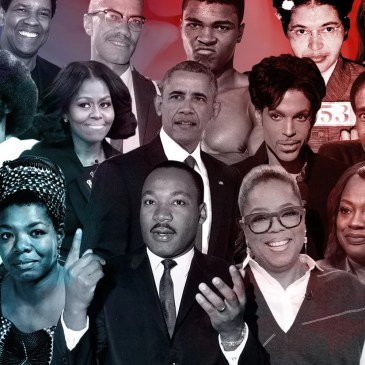
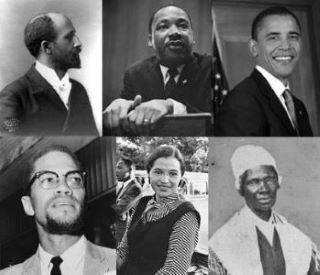
The Civil Rights Movement, led by Malcolm X, Dr. Martin Luther King Jr., and countless others, did more than secure rights for Black Americans. It opened doors for immigrant communities. The Immigration and Nationality Act of 1965 was born out of the Civil Rights struggle, allowing Cubans, Latinos, Caribbeans, Nigerians, Asians, Somalians, and others to enter the U.S. in greater numbers. Without Black America, those opportunities would not exist.
Identity and Assimilation

Yet, many of these groups distance themselves from Blackness, seeking acceptance by aligning with whiteness. Statements like “I’m not Black, I’m Jamaican” or “I’m Nigerian, not African American” fracture solidarity. Assimilation for survival may be understandable, but denial of identity undermines collective power.
The Diaspora and World Culture

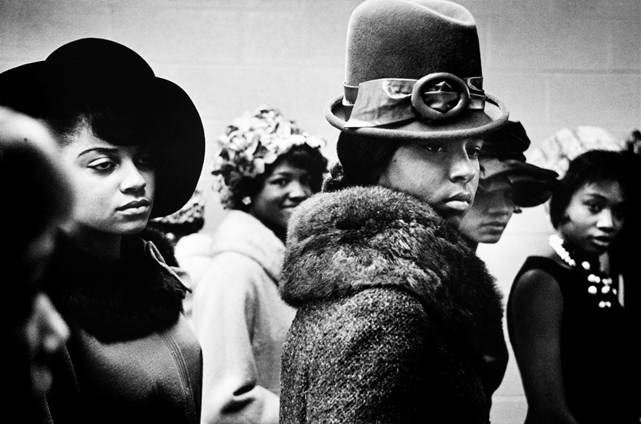
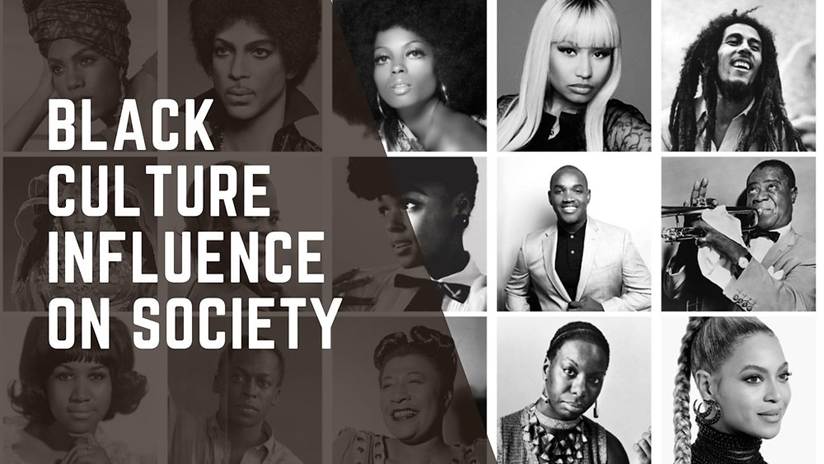
The African Diaspora is not just about migration, it is about influence. Black America is the epicenter of global culture. Hip-hop, born in the Bronx, is now the most consumed music genre worldwide. Jazz, gospel, and R&B shaped entire industries. Fashion trends rooted in Black creativity dominate global markets. Even social justice movements abroad borrow language and tactics from the Civil Rights Movement.
Cultural Appropriation vs. Scrutiny

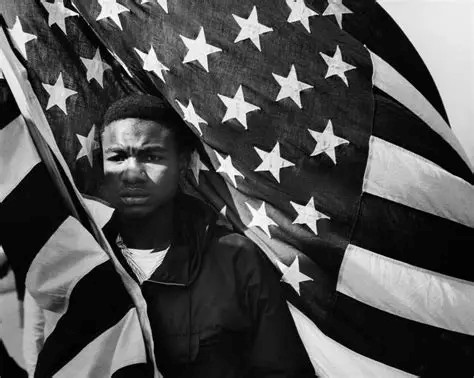
Black culture is celebrated globally but often stolen and repackaged by others. TikTok dances created by Black teens go viral, but influencers from other groups profit. Streetwear, rooted in Black creativity, is now a billion-dollar industry. Meanwhile, Black youth are stereotyped as “criminals” for the same creativity. The hypocrisy is undeniable: the world profits from Black culture while vilifying Black people.
Politics and Immigration

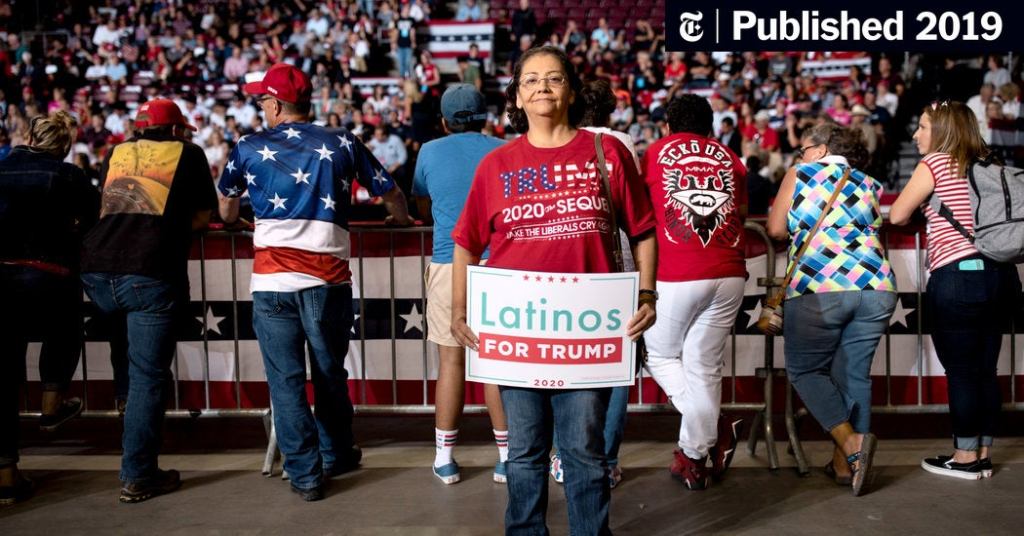
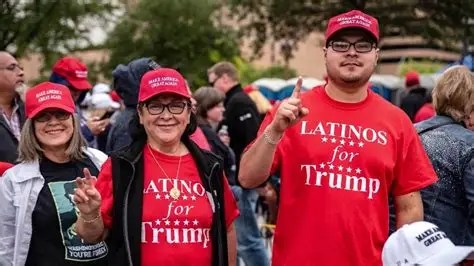
Many immigrant groups supported Donald Trump, believing his promises. Yet, his administration deported thousands from Latin America, Africa, and Asia. The irony is sharp: communities that distanced themselves from Black solidarity were targeted by the same system they empowered.
Global Impact of Black America

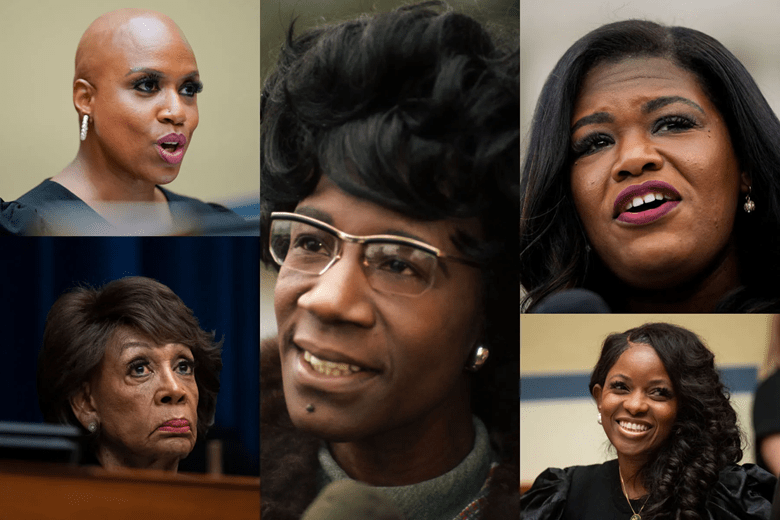
Black America is not just a cultural force, it is a political and social catalyst. Civil rights victories inspired global liberation movements, from South Africa to the Caribbean. Marcus Garvey’s Pan-African vision, Dr. King’s dream of justice, and Malcolm X’s call for dignity continue to resonate worldwide.

Conclusion

Black America is the foundation, the heartbeat, and the blueprint. We are not just culture, we are culture. We paved the way for the world politically, socially, and culturally. It is time for the world to recognize, respect, and honor that legacy.
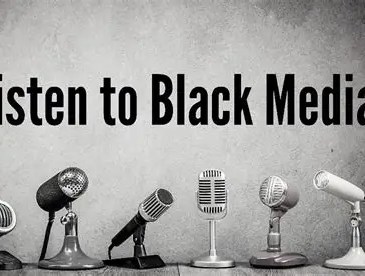
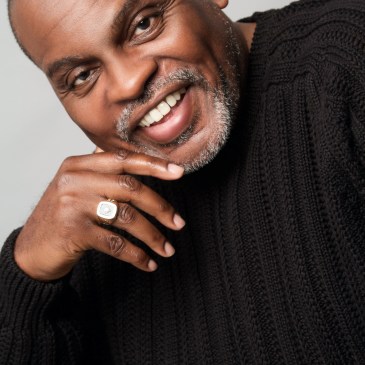
“They Speak, But Not For Us: The Cost of Misrepresentation in Black America”

Introduction

In a world flooded with statements, pledges, and curated campaigns, it’s time to ask: who’s really representing Black communities? Because visibility without accountability is just performance. This post contrasts the hollow gestures of institutions with the lived truth of Black-led platforms and movements. It’s not just critique, it’s clarity.

 The Performance of Representation

  • Corporate Statements vs. Community Investment
    Every February, companies roll out Black History Month graphics and events. But 53% of consumers believe these statements must be backed by real action, or they’re exploitative. Many corporations downsize DEI programs while spotlighting Black employees for one month.
  • Political Promises vs. Policy Impact
    Politicians invoke Black pain during campaigns, but policy rarely follows. The CBCF’s Executive Order Tracker shows how recent directives have rolled back civil rights protections, education equity, and economic opportunity for Black communities. Even well-intentioned promises often lack measurable equity outcomes.
  • Media Coverage vs. Media Ownership
    Black trauma is headline-worthy, but Black joy, innovation, and leadership are rarely centered. Only 3% of full-power TV stations are Black-owned. Without ownership, our stories are filtered, flattened, and often distorted.

A good example of this would be Stephen A. Smith and Van Jones that represent ESPN and CNN. These guys get on TV and perform for their masters stating that they represent Black People when their words tell us different. Stephen A who is loud and a obvious Republican talks out of both sides of his mouth. He lies about Black representation and how things affect him but at the same time supports Racist like Charlie Kirk and all the nasty things he has to say about Black People especially Black Women. This is not condoning Murder but why should Black People feel sorry for someone that was so divisive. Smith leads a failing network that I am shocked is still around. That network has problems for 25yrs running that has yet to be resolved but is standing on the a trickster like Smith that claims he wants to run for President as a Democrat. The funny thing about this is the Democratic Party is meeting with him!! I am finding this worse than appalling because one this should be condemned but not enough Black People are calling this out. This man makes a living off destroying Black Lives. This is performance but dangerous at the same time.

Van Jones who has had a failed show on CNN and was fired from the Obama Administration for ethics issues is another person that is performing for his Master. This man had the Gaul to get on CNN to tell the world that he got a text from Charlie Kirk and that he was a good man. When you think about this, what is good about a man that speaks about your culture as horrible as this individual did? Yes, we can have our difference but being an Original King, you don’t dare let someone insult you like that and you kiss their butt to say you talked to them. This man said on Anderson Coolper 360 that he was told by his team the day this man was killed that he reached out to him. Why would he do this and why would CNN let him on the air to say that? That is personal but has no place in todays society. Keep that to yourself. This performance was sad and hurtful but was supposed to represent the sentiment of Black People. Wrong, it does not and there is no place in the world for anyone to shoot and kill another person but I do not think the Black Community was accepting of that. Everything the 2 of them say in the media is never going to be favorable for Black People and the world needs to know that.

 Authentic Advocacy and Legacy Work

  • Black-Led Platforms Speak Truth
    From AMIBW The Magazine to The Clarkson Collective, these platforms don’t just amplify, they dignify. They tell stories rooted in faith, resilience, and generational healing. Michelle Clarkson’s work bridges sacred and civic, reminding us that storytelling is sacred.
  • Community Organizers vs. Institutional Gatekeepers
    Real change comes from those who live the struggle. Black-led nonprofits like Movement for Black Lives, BlackPAC, and ABFE’s Black Funds Network are building coalitions, not careers off our pain.
  • Storytelling as Sacred Practice
    Michelle Clarkson’s prophetic voice reminds us: healing begins with truth, and transformation requires courage. Her work is a masterclass in narrative activism.

Truth Telling about our Past, Present and Future is very important. When you are used to a standard you must live by that standard. Censorship is a nonstarter.

The Danger of Misrepresentation

  • Outsiders dilute our demands.
  • Institutions tokenize our presence.
  • Media distorts our image, shaping public perception and policy in harmful ways.

When they speak for us, they silence us. We do not need other people speaking for us. We are more than capable of speaking for ourselves. We can do this because it is lived not a perception.

We Are the Authors

Black people are not a monolith, and we are not waiting for permission to tell our stories. We are the architects of our own legacy. We will no longer accept representation that is hollow, exploitative, or disconnected from our lived truth.

If you’re not building with us, you’re building against us.

 Call to Action

  • Support Black-owned media. Share, subscribe, and fund platforms that honor our truth.
  • Hold institutions accountable. Ask where their money goes after February.
  • Elevate authentic voices. Follow, repost, and amplify Black-led movements.
  • Tell your story. Whether through podcast, blog, or pulpit, your truth matters.

Want to contribute to AMIBW The Magazine or share your story with The Clarkson Collective? Reach out. Let’s build legacy together.

America in Black and White Hits 100: A Legacy of Truth-Telling and Transformation

On August 28th, America in Black and White will air its landmark 100th episode of Season 3, Episode 100 with none other than Dr. David Banks as its featured guest. This moment isn’t just a milestone. It’s a movement.

From its humble beginnings to its current status as a trusted voice in Black media, America in Black and White has grown into a platform that doesn’t just inform it ignites. Hosted by Charles Zackary King, the show has become a sanctuary for truth-tellers, change-makers, and legacy-builders across the diaspora.

Season 1: Laying the Foundation

Season 1 was raw, urgent, and necessary. It tackled the hard truths of police brutality, systemic racism, economic exclusion, and the erasure of Black narratives. Each episode was a mirror and a megaphone, reflecting lived realities while amplifying voices that too often go unheard. From grassroots organizers to policy experts, the show carved out space for real talk and real solutions.

Highlights included:

  • A gripping roundtable on mass incarceration and restorative justice
  • Interviews with Black entrepreneurs redefining wealth and ownership
  • A tribute to unsung community elders whose wisdom shaped generations

Season 2: Building Bridges

Season 2 expanded the lens. It brought in artists, educators, and spiritual leaders to explore the intersections of culture, healing, and resistance. The show’s production quality leveled up, and so did its reach. With new partnerships and a growing audience, America in Black and White began to feel less like a show and more like a movement.

Key moments included:

  • A powerful episode on Black mental health and generational trauma
  • A spotlight on HBCU innovation and student activism
  • A deep dive into Black media ownership and representation

Season 3: Legacy in Motion

Now in Season 3, the show has hit its stride. With over 99 episodes aired, America in Black and White continues to evolve, bringing sharper commentary, broader perspectives, and deeper spiritual grounding. This season has featured entrepreneurs, scholars, and cultural architects who are shaping the future of Black America.

And now, Episode 100 arrives with a guest who embodies the show’s mission: Dr. David Banks.

About Dr. David Banks

Dr. Banks is a visionary educator, thought leader, and advocate for equity in public education. His work in transforming urban school systems and empowering youth through culturally responsive pedagogy has made him a national figure in education reform. His appearance on America in Black and White promises to be a masterclass in leadership, legacy, and liberation.

Please join us live August 28th at 6PM EST by clicking the link above. Please subscribe and get all the notifications for the channel

Why August 28th Matters

The date itself is symbolic. August 28th marks the anniversary of the 1963 March on Washington, a day when Dr. King declared his dream to the world. It’s a day etched into the soul of Black history. And now, it becomes the backdrop for a new kind of declaration: one rooted in media, mentorship, and movement-building.

What’s Next

As America in Black and White steps into its next chapter, the vision remains clear: to uplift, to educate, and to empower. With Changing Trends and Times as its publishing partner, the show continues to be a beacon for those who believe in legacy-driven storytelling and unapologetic truth.

Episode 100 is more than a celebration. It’s a call to action.

Tune in. Share the message. Be part of the movement.

https://www.youtube.com/@americainblackandwhite8299/featured

Please subscribe to our YouTube channel and get all the notifications

The Enduring Truth: Black Lives Matter and the Resilience of Black Culture

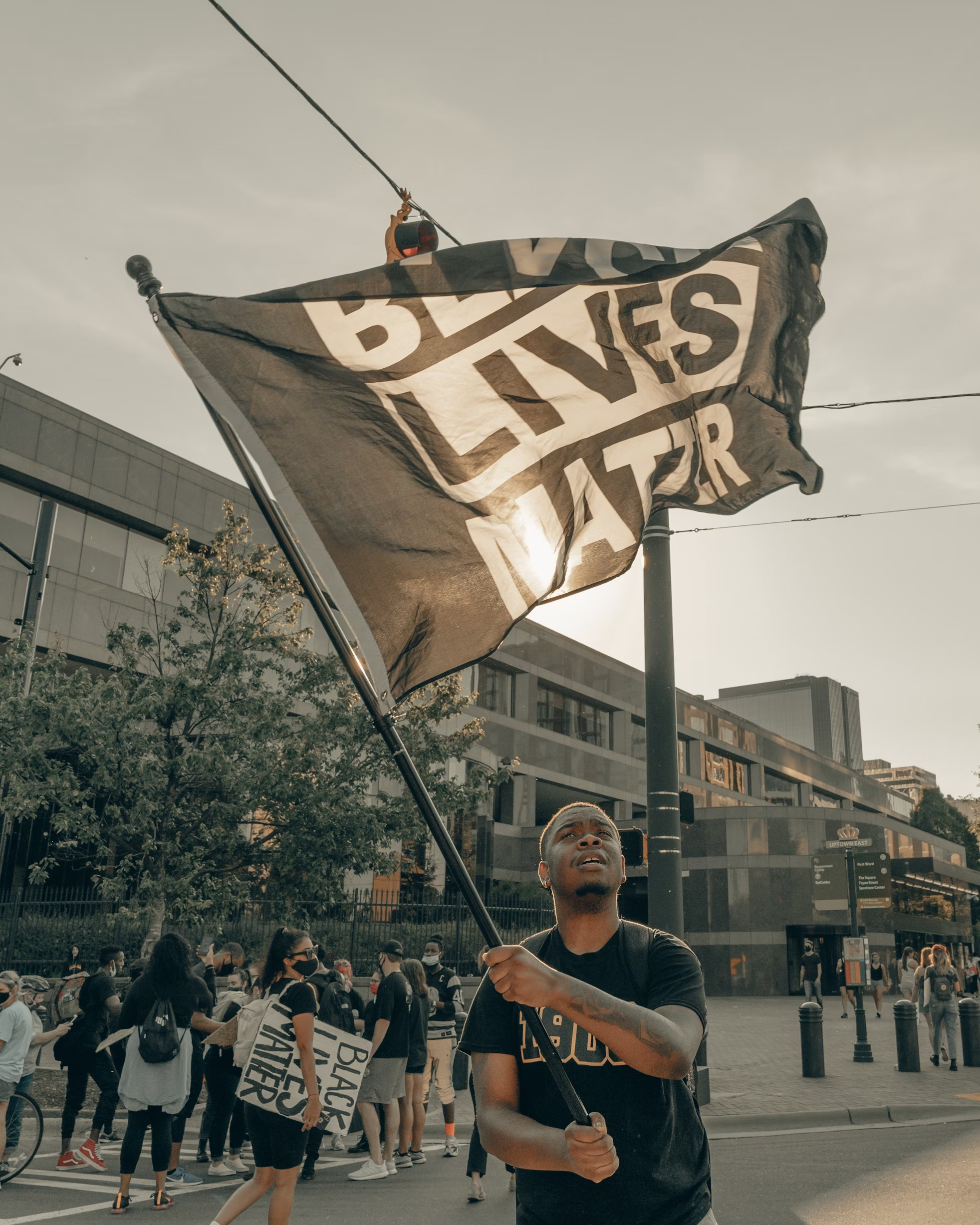
In the tapestry of American history, the struggles and triumphs of Black people are woven with threads of resilience, pain, and unmatched creativity. The journey began with the brutal enslavement of our ancestors, who were forcibly ripped from their homes and subjected to unimaginable horrors. Ever since, the legacy of those struggles has echoed through generations, shaping an identity that is rich, vibrant, and unyielding. Today, as we navigate the complexities of modern life, we stand in solidarity under the banner that Black Lives Matter—a reminder that our lives, our stories, and our culture deserve recognition and respect.

The Historical Context of the Black Struggle

The fight for Black liberation is a long and arduous road paved with countless sacrifices. From the shackles of slavery to the civil rights movement and the ongoing battles against systemic racism, we have witnessed a relentless cycle of oppression. Yet, in the face of such adversity, we have consistently demonstrated our capability to persevere. Many in our community juggle multiple jobs, often working 3-4 simultaneously, to provide for families under the constant pressure of financial insecurity and societal expectations. All while knowing that we remain targets of systemic injustice and violence.

An Ongoing Attack from Within and Without

Sadly, this struggle is not just against systemic barriers. It extends into the interactions with other minority groups. Whether it is Hispanic/Latino, Jewish, Asian, Haitian, Jamaican, or African communities, there exists a troubling tendency to overlook the unique narratives of Black history. Instead of solidarity, we often face competition and misunderstanding, sometimes leading to divisive rhetoric that exacerbates tensions. It’s a complex dynamic that needs addressing, but it is imperative to remind everyone that the Black narrative is rooted in struggle and resilience, not a commodity to be traded for convenience or perceived social capital.

Cultural Appropriation: The Theft of Black Creativity

The irony of our resilience is often overshadowed by a painful truth: the cultural contributions of Black Americans have been widely appropriated and capitalist entities have profited from our struggles. From the soul of Southern cooking to the rhythms of jazz, hip-hop, and R&B, our innovations have been co-opted by others who capitalize on our creativity while ignoring our struggles. The Hispanic/Latino community has, at points, engaged in this appropriation as well, often taking cultural elements like music, dance, and language styles from Black culture while not recognizing or acknowledging the original sources. Many popular artists and cultural icons have benefited from styles pioneered by Black entertainers without giving appropriate credit. Additionally, the adoption of Black slang, dance, and fashion trends by various groups often occurs without acknowledgment of their origins, leading to a sense of cultural dissonance.

The Political Landscape: A Fractured Community

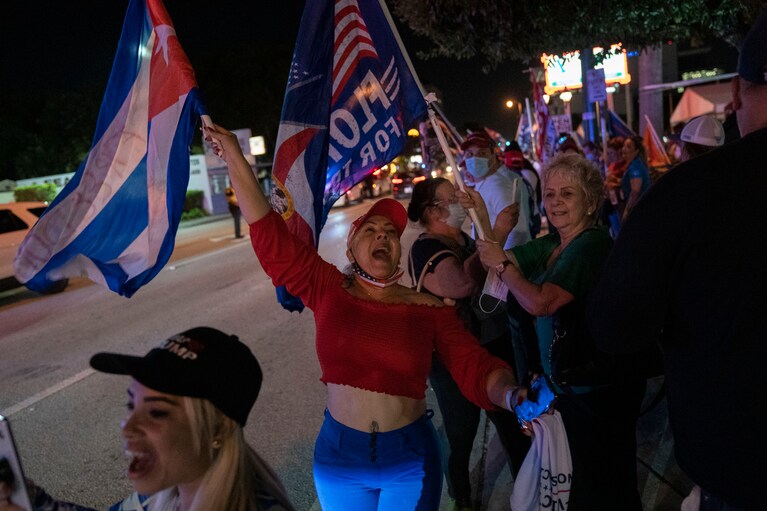
In the political arena, the decision by segments of the Hispanic community, notably Puerto Ricans, Dominicans, and Cubans, to align with candidates like Trump speaks volumes about the complexities of race relations in America. Many chose to support a figure who explicitly promised policies detrimental to Black lives, demonstrating a willingness to overlook the ramifications of their choices for the sake of perceived self-interest. When the consequences of those political decisions became apparent—rampant ICE raids, deportations, and a crackdown on immigrant rights—calls for solidarity towards Black individuals suddenly emerged. However, this raises profound questions: Why not reach out to influential figures within their own community like Jennifer Lopez, Gloria Estefan, and Eva Longoria? These figures, often championed for their success, remain conspicuously silent when it comes to the struggles faced by the broader community, especially Black individuals.

The Call for Unity and Accountability

As we stand firmly in our identity, it is crucial to confront this divide honestly. We must ask: How can healing occur from wounds inflicted by political choices and cultural theft? What message does it send when communities do not support their own representatives, leaving those in dire situations seeking help from groups they once turned their backs on? In moving forward, understanding and trust must be rebuilt on both sides. The Black community has been more than willing to support others in their struggles, but we need to have honest conversations about accountability and the reckoning that comes with shared space.

Conclusion: Can We Make it Make Sense?

This post serves as an invitation for dialogue—a chance to clarify misunderstandings and foster genuine connections. Together, we can address the historical wounds and work towards a future that celebrates diversity without appropriation, solidarity without betrayal. Let’s engage, respond, and reflect on how we can move from division to unity. The time for honest conversations is now; the future of our communities depends on it. Black Lives Matter, and so does the truth of our culture. Let’s make it count.

Awakening to the Truth: The Journey of Being Black in America

In a world where history is often rewritten or distorted, the truth about Black people in America must be reclaimed and celebrated. We are the first people on Earth, born from the rich soil of Mother Africa, a land that gave life not only to a continent but to humanity as a whole. Our roots run deep, tracing back to civilizations that flourished long before the arrival of colonial powers. Yet, how often do we reflect on this history, one marked by both profound loss and incredible resilience?

The Arrival: A Journey of Deception

For the thousands who were forcibly brought to America, the journey was not just physical but a deception that stripped away our identities. Lured here under false pretenses, enslaved people were thrust into a harsh reality. Those who stole this land sought to exploit its resources—both natural and human—under the guise of progress. They assumed that free labor could build an empire without consequence. As time unfolded, the harsh systems established for profit birthed generations of struggle, resilience, and ultimately transformation. The legacy of slavery has left scars that continue to affect Black lives today, evident in systemic inequalities, violence, and misrepresentation.

The Historical Context: Who Were the True Savages?

History as taught in schools often omits critical truths about the violent legacy of colonization. The Moors, who once taught hygiene and civilization to the untamed Europeans, challenged the oft-portrayed narrative of Black inferiority. This history reveals a broader context: one where sins of the past are projected onto Black communities—a mind game crafted to uphold a façade of supremacy while masking the brutal realities of oppression. The term “savage” has been weaponized to describe those who were displaced by violence and exploitation, obscuring the oppressive actions of the very same individuals who labeled them. Stripped of history and agency, Black people were and are still mischaracterized through a toxic, false lens that serves only to uphold a white-dominated hierarchy.

The Modern Struggle: Systemic Inequities

Fast forward to the 21st century, and the disparities are stark. Data illustrates the systemic inequalities faced by African Americans—disparities in incarceration rates, access to education, and economic opportunity persist. Black individuals are often subjected to harsher penalties for similar crimes committed by white counterparts. The implications of this injustice extend into everyday life, creating an environment where fear supersedes ambition. Yet, through this oppressive landscape, resilience shines through. More Black individuals are rising to the occasion, collaborating to create spaces that feel like home—a true Utopia borne of shared experiences and collective strength. We are learning to trust in our accomplishments and embrace a unified identity that honors our history.

Building a New Narrative: Together We Rise

A growing movement in the Black community seeks validation not from the oppressive systems that once marginalized us but from within ourselves. Experiences from the past guide our present and shape our future. A new generation of leaders, innovators, and activists is paving the way for profound cultural and political change. As we continue to rally together, we recognize the importance of self-education, understanding our historical narratives, and fostering solidarity. This movement is not merely about seeking equality but about reclaiming our narrative and building a future that reflects our truths.

The Vision for 2045: A New America

Looking ahead, we envision a time when America will truly reflect the diverse cultures and histories that comprise it. By 2045, demographic projections suggest that those who built this land will reclaim their role in its narrative. A new America, one that acknowledges the contributions of its Black citizens and elevates them to their rightful prominence, is on the horizon. Our aim is not revenge but restoration. We seek to display the beauty of Blackness, honor the struggles of those who came before us, and create systems that genuinely support our communities.

Conclusion: Embracing Our Legacy

Being Black in America is a journey colored by struggles, resilience, and an undeniable spirit of hope. As we navigate through our complex history, we reclaim our narrative—a story that celebrates our ancestry and acknowledges the deep wounds yet to heal. This journey forward isn’t a solitary endeavor; it requires unity and collaboration amongst ourselves and allies who recognize that true progress is about lifting each other up. As we stand on the brink of a new era, let us continue to build our narrative rooted in truth, strength, and solidarity. The world is vast, but Mother Africa’s legacy will continue to pulse through each of us, echoing the strength of our history as we move toward a brighter, more equitable future.

Dr. Richard A. Cross is Building Black Men

LinkedIn: https://www.linkedin.com/in/richardacross/

Facebook: https://www.facebook.com/RichardACross13/

Instagram: https://www.instagram.com/dr.richardacross/