Democracy on Trial: Louisiana, the Supreme Court, and the Fight for Voting Rights

By Charles Zackary King | August 17, 2025


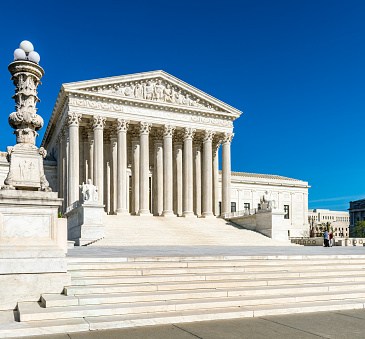
The Supreme Court has once again placed the Voting Rights Act on the operating table—this time in a case out of Louisiana that could redefine how race is considered in redistricting. The Court has requested supplemental briefs and scheduled a re-argument for the fall term, asking whether the creation of a second majority-Black district violates the Fourteenth or Fifteenth Amendments.

Let’s be clear: this is not just a legal debate. It’s a moral reckoning.

Civil rights groups and legal scholars have sounded the alarm. If the Court narrows protections under Section 2 of the Voting Rights Act—the last remaining shield after Shelby County v. Holder gutted Section 5—we could see a rollback of minority voting power across the South. Alabama, Louisiana, Mississippi, and South Carolina are already in the crosshairs. And while some federal courts have upheld the need for race-conscious remedies, the Supreme Court’s posture suggests a willingness to revisit—and potentially reverse—decades of precedent.

What the People Are Saying

Public sentiment is growing restless. Many voters, especially in Black communities, feel betrayed by a system that seems more invested in preserving power than protecting rights. Legal experts warn that the Court’s actions could “turn the clock back to the early 1960s,” as Professor Richard Hasen put it. Justice Elena Kagan cautioned that unchecked gerrymandering could “irreparably damage our system of government.”

And yet, where is the outrage from Democratic governors? Where is the coordinated resistance from blue states that claim to champion equity and justice?

California has taken steps to protect minority representation. Texas, under Trump-aligned leadership, continues to redraw maps with impunity. But too many Democratic-led states remain silent, watching from the sidelines as the foundation of democracy is chipped away.

A Call to Action

We cannot afford complacency. This is a moment for moral courage—not political calculation.

  • To Democratic Governors: Use your platforms. File amicus briefs. Mobilize your legal teams. Speak out publicly.
  • To Civil Rights Organizations: Amplify the voices of those most affected. Host town halls. Educate communities.
  • To Everyday Citizens: Call your representatives. Share this story. Demand accountability.
  • To Faith Leaders and Advocates: Remind the nation that justice is not negotiable. That silence is complicity.

This is not just about Louisiana. It’s about every voter whose voice is being diluted, dismissed, or denied. It’s about the soul of our democracy.

Let us not wait for history to judge us. Let us act now—boldly, unapologetically, and together.

America’s Decline: A Nation at a Crossroads

Once heralded as the world’s leading superpower, America now finds itself at a crossroads—its global standing diminished, its principles abandoned, and its leadership failing to uphold the values it once championed. The country that once set the standard for democracy and influence has become a cautionary tale, a nation unraveling under the weight of its own contradictions.

The Betrayal of Founding Principles

America was built on ideals of freedom, equality, and opportunity, yet its history tells a different story—one of slavery, systemic oppression, and economic exploitation. While the nation classified itself as a beacon of conservatism, its actions have veered toward autocracy, with policies that increasingly resemble the authoritarian rule of regimes it once opposed. The shift toward extreme nationalism and suppression of dissent has left the country fractured, unable to reconcile its past with its present.

The Political Class and Their Obsession with Power

Many of America’s leaders—particularly those who align themselves with far-right ideologies—have openly admired authoritarian governments, seeking to mold the U.S. into a system that prioritizes control over democracy. The erosion of checks and balances, the targeting of truth-tellers, and the concentration of power in the hands of a few have created an environment where corruption thrives and accountability is nonexistent.

The Root of America’s Struggles: Hatred and Division

At the heart of America’s decline is its unwillingness to confront its deep-seated racial injustices. The hatred of Black people, the erasure of historical truths, and the refusal to acknowledge the contributions of marginalized communities have left the country in turmoil. Rather than addressing these issues, those in power have chosen to double down on oppression, ensuring that the cycle of inequality continues.

Yet, despite centuries of adversity, Black Americans have persevered, standing as a testament to resilience and strength. While others crumble under hardship, Black communities have faced struggle head-on, proving time and again that survival is not about privilege—it is about perseverance.

The Illusion of Entitlement

For generations, white entitlement has shielded many from the realities of struggle. The reliance on stolen wealth, systemic advantages, and historical manipulation has created a false sense of superiority—one that is now being challenged as the country faces economic instability, political unrest, and global ridicule. The inability to adapt, to work through hardship, and to build rather than take has exposed a fundamental weakness: survival requires resilience, not privilege.

The Higher Reckoning

As America teeters on the edge of collapse, the higher forces at play are calling for a reckoning. The lies, theft, and violence that have shaped the nation’s history can no longer be ignored. The time for change is now—whether through collective action, political awakening, or divine intervention, the old guard is being challenged, and a new era is on the horizon.

The question remains: Will America rise to meet this challenge, or will it continue down the path of destruction? The answer lies in the hands of those willing to fight for truth, justice, and the future of a nation that has lost its way.

America: The Newest Autocracy

For generations, the United States has prided itself on being the beacon of democracy, a nation built on the principles of freedom, justice, and the rule of law. Yet, in recent years, we have witnessed a disturbing transformation—one that has stripped away the rights of the people right before their eyes, while the government stands idly by, refusing to intervene.

The Silencing of Truth

Under the leadership of Donald Trump, the suppression of truth has become a defining characteristic of this new era. Journalists, whistleblowers, and activists who dare to expose corruption and misconduct are being targeted, harassed, and in some cases, prosecuted. The administration has made it clear: dissent will not be tolerated. Those who challenge the official narrative are met with intimidation, legal threats, and public vilification.

The Collapse of Checks and Balances

The executive branch, once held in check by the legislative and judicial branches, now operates with near-total impunity. Congress, which was designed to serve as a counterbalance to presidential power, has largely abandoned its duty to hold Trump accountable. The courts, once a bastion of impartial justice, have been stacked with loyalists who prioritize political allegiance over constitutional integrity. The result? A government that no longer serves the people but instead protects the interests of the powerful.

The ICE Raids and the Rise of Detention Camps

Perhaps one of the most chilling developments has been the ICE raids, where individuals—many of whom are legal residents or even U.S. citizens—are being rounded up and deported to countries like Venezuela. Families are torn apart, lives are upended, and communities are left in fear. Reports have surfaced of detention centers that bear an eerie resemblance to concentration camps, where detainees are subjected to inhumane conditions, denied basic rights, and left to languish in uncertainty.

A Betrayal of Expectations

Many who voted for Trump believed that his policies would primarily target Black Americans, reinforcing the systemic inequalities that have plagued the nation for centuries. However, as his administration’s actions unfold, it has become clear that his reach extends far beyond racial lines. Immigrants, activists, journalists, and even his own former supporters are now facing the consequences of unchecked power. The realization is stark: autocracy does not discriminate—it consumes all who stand in its way.

The Path Forward

America stands at a crossroads. Will we continue down this path of authoritarian rule, or will the people rise to reclaim their democracy? The answer lies in the collective will of the nation. Resistance, activism, and unwavering commitment to truth are the only weapons against tyranny. The time to act is now—before the last remnants of freedom are lost forever.

Navigating the Toxic Political Climate: A Call for Accountability and Awareness

In today’s rapidly evolving political landscape, the American public finds itself grappling with a toxic climate that undermines democracy and distorts reality. One of the most pressing issues we face is the failure of mainstream media to provide the necessary information and context for the serious matters that impact our daily lives. Instead of fostering an informed citizenry, many media outlets chase sensational headlines while neglecting substantial stories that need attention.

The Media’s Role in Informing the Public

Just recently, America experienced a significant downgrade in its credit rating, a critical issue that barely made headlines beyond a couple of days of reporting. Yet, this isn’t an isolated incident; it is emblematic of a broader trend in mainstream media’s inconsistency, where essential matters are often brushed aside for more sensational or trivial news coverage. The implications of a lower credit rating are far-reaching. It signals to investors and financial markets that the U.S. government may not be as reliable in meeting its financial obligations, raising concerns about economic stability. Reasons for the downgrade included a combination of insufficient revenue generation, failure to adequately manage national debt, and political gridlock, which hinders responsible fiscal policy. These issues should resonate deeply with all Americans, yet they slip through the cracks of mainstream discourse. When media chooses to disregard profound issues like credit downgrades and focuses on celebrity gossip or partisan attacks, it fosters a disconnection between the public and vital government operations. Consequently, trust in these outlets erodes, leaving citizens to rely on alternative sources—many of which lack the rigor and credibility necessary for sound understanding.

Economic Consequences for Everyday Americans

The deterioration of the nation’s credit rating isn’t just an abstract concept; it has tangible effects on the economy and everyday life. As the government’s reliability falters, we witness rising difficulties for individuals seeking loans, with increased interest rates becoming a norm. Higher borrowing costs mean that mortgages, auto loans, and credit cards become less accessible, creating a burden on families and individuals trying to make ends meet. Moreover, the current state of the U.S. economy is alarming. While the stock market may report gains, the job market tells a different story. Many Americans are experiencing job insecurity, fluctuating unemployment rates, and stagnant wages. The impacts of these challenges ripple through our society, contributing to growing inequality and straining families.

The Trade War and Rising Costs

Another factor exacerbating our economic woes is the ongoing trade war, marked by tariffs on goods imported from various countries. These tariffs have led to increased prices for everyday products, ranging from household items to electronics. As businesses grapple with rising costs, they often pass these expenses onto consumers, squeezing budgets further. The inconsistencies and lack of clarity surrounding media coverage of these matters only add to the public’s frustration. What should be a comprehensive discussion about economic policies, trade ramifications, and their societal impacts frequently devolves into political finger-pointing or sensationalism. This obscurity further alienates citizens who are trying to understand how these decisions affect their lives.

Addressing Leadership Incompetence

Amidst this chaos, President Donald Trump’s leadership set a tone of incompetence that continues to reverberate. His approach often prioritized divisive rhetoric over constructive governance, leading to exacerbated tensions in both domestic and international arenas. Trump’s decisions frequently involved addressing symptoms rather than root causes, contributing to an underlying atmosphere of distrust and conflict. The reluctance of mainstream media to hold leadership accountable amplifies this sentiment. Instead of focusing on constructive criticism and thorough analysis of policies, media often perpetuates the cycles of distraction that serve to muddle the real issues at hand.

Toward a More Informed Public

Ultimately, navigating this toxic political climate requires a collective effort to demand better from our media and our leaders. We must prioritize accountability, transparency, and rigorous reporting that sheds light on the issues affecting our economy and society. As the public, we must be vigilant in seeking out credible information and engage in informed discussions about the policies and leaders shaping our futures. In an era marked by misinformation and sensationalism, we have the power to reclaim our narrative by advocating for truth and fostering a more informed citizenry. As we celebrate democracy, let us also strive for an environment where serious issues, like economic stability, are covered comprehensively and with the respect they deserve. Only then can we work towards solutions that benefit all Americans.

Democrats and the Challenge of Securing Democracy: An Examination of Inaction

In recent years, the Democratic Party has positioned itself as the guardian of democracy and social justice. However, many critics argue that the party has fallen short in delivering on its promises. As we witness increasing threats to democratic institutions and essential social programs, it becomes crucial to examine how and why the Democrats are not fully embracing their responsibilities to secure democracy and protect the country.

The Voting Rights Dilemma

One of the most pressing issues facing American democracy is the struggle for voting rights. In the wake of numerous state-level laws designed to suppress voter turnout—particularly among marginalized groups—the urgency for federal voting rights legislation has never been greater. Despite the overwhelming public support for measures like the John Lewis Voting Rights Advancement Act, which aims to restore and strengthen provisions of the Voting Rights Act of 1965, Democrats have failed to pass meaningful legislation. The inability to secure voting rights raises serious concerns about the party’s commitment to protecting democratic processes. By not taking decisive action, the Democrats risk allowing partisan gerrymandering and voter suppression to undermine the very foundation of democracy. This reluctance may stem from a combination of political calculations and the filibuster’s constraints, but the result is a disillusioned electorate that feels its voice is not being heard.

Affordable Care Act: A Promise Unfulfilled

Another critical area where Democrats have struggled to demonstrate their commitment is in solidifying and expanding the Affordable Care Act (ACA). While the ACA expanded healthcare coverage to millions of Americans, ongoing challenges persist, including rising premiums, copays, and the exclusion of certain populations. Despite a clear mandate to improve healthcare accessibility, the party has hesitated to push for comprehensive reforms that would address these challenges. The failure to pursue a public option or negotiate drug prices has left many feeling that the party is not serious about providing affordable healthcare for all. This lack of urgency can be perceived as a betrayal of the party’s own values, further alienating voters who depend on these essential services.

The Child Care Act: A Missed Opportunity

In the realm of social safety nets, the Child Care Act has emerged as a vital piece of legislation that could significantly benefit working families. Affordable childcare is not just a convenience; it is a necessity for many parents who are trying to balance work and family responsibilities. However, despite a growing consensus on the importance of accessible childcare, Democrats have yet to pass comprehensive legislation that would ensure quality care for all children. The failure to secure funding and implement robust childcare programs signals a lack of commitment to supporting working families. This inaction not only affects economic stability for families but also has long-term implications for child development and future opportunities. The inability to showcase a serious commitment to such a critical issue raises questions about the party’s priorities and effectiveness.

The Need for Authentic Representation

For Democrats to regain the trust of the American people, they must demonstrate that they are serious about representing everyone—not just a select few. This means taking bold action on critical issues such as voting rights, healthcare, and family support. The party must move beyond rhetoric and show a willingness to make sacrifices and take risks to achieve meaningful change. Moreover, Democrats need to communicate a clear vision to the public that resonates with their needs and concerns. This requires not only legislative victories but also engaging citizens in the process, listening to their experiences, and addressing their anxieties. By fostering a genuine connection with constituents, the party can rebuild trust and demonstrate that they are committed to securing democracy for all Americans.

Conclusion: A Call to Action

As we reflect on the Democratic Party’s challenges in securing democracy and protecting the country, it is vital to hold elected officials accountable. Voters must demand action on critical issues that affect their lives, from voting rights to healthcare and childcare. The success of democracy hinges on active participation and a government that reflects the will of the people. If Democrats are to fulfill their promise of being champions for democracy and social justice, they must take decisive steps forward. The time for inaction has passed; the American people deserve a party that is willing to fight for their rights and well-being. Only through bold leadership and a genuine commitment to the issues at hand can the Democrats hope to restore faith in their ability to secure democracy and protect the interests of all citizens.

The Dystopian Reality of a Democracy in Decline: A Glimpse into 2030

As we approach the dawn of a new decade, the trajectory of our democracy raises alarm bells reminiscent of dystopian literature. While once a beacon of hope and liberty, the democratic ideals we cherish are increasingly tarnished by systemic corruption and unchecked criminal activities. The situation is becoming dire—where the very institutions meant to protect and serve the people have devolved into machinery of tyranny, leaving the most vulnerable in a state of perpetual fear and insecurity.

The Landscape of a Destroyed Democracy

Imagine stepping into the year 2030, a time when the fabric of our democracy has been irreparably frayed. The government has become a fortress for criminals, where elected officials collude with organized crime syndicates to exploit the populace for their gain. Corruption is no longer an aberration but the norm, with backdoor deals and bribery accepted as standard operating procedure. The government has turned against its citizens, and the social contract that binds us has been shattered. In this bleak future, the justice system—once a pillar of democracy—has become an impotent entity, unable to carry out its foundational duty of safeguarding justice. Law enforcement, compromised by bureaucratic inefficiencies and overt corruption, has transformed into an extension of the very criminal elements it was meant to combat. Crime rates soar unchecked, and the streets are ruled by fear-driven chaos. Citizens find themselves in a war zone, unable to defend their rights, their properties, or even their lives.

The Erosion of Civil Liberties and Rise of Authoritarianism

As rampant criminality and governmental corruption fester, so too do the erosions of civil liberties. The people, desperate for safety and security, turn to authoritarian solutions. Militarized police patrol the streets, and surveillance becomes pervasive, justifying the invasion of privacy under the guise of public safety. In this world, dissent is crushed, and voices of opposition silenced. The very essence of democracy—freedom of speech, the right to protest, and the ability to criticize the government—becomes a distant memory.

A Society Torn Apart by Racial Division

Perhaps the most insidious outcome of this deteriorating democracy is the exacerbation of racial tensions. As systemic inequalities deepen, racism evolves into a virulent force—what can only be described as “Racism on Steroids.” Socioeconomic disparities widen, with minority communities bearing the brunt of government neglect and police brutality. Discrimination is not only institutionalized but also normalized within the societal fabric. In this fractured society, racial profiling becomes routine, and marginalized groups find themselves disproportionately targeted by law enforcement. Public spaces become battlegrounds where the oppressed fight for their dignity amidst rampant hostility. Propaganda and divisive rhetoric from those in power further fuel the flames of hatred, perpetuating an environment where unity is impossible, and community bonds are shattered.

The Psychological Toll of a Broken Democracy

The psychological impact on citizens living in this reality is immense. Anxiety, distrust, and despair become the mental currency of the populace. People grapple with the haunting question: “Who can I trust?” As the government betrays its responsibility, the community’s social fabric begins to unravel. Support systems collapse, and individuals are left to fend for themselves in a hostile world. The psychological scars of living under a regime of fear can take generations to heal, if they ever do.

The Path Forward: A Call to Action

As we reflect on this potential future, we must recognize the urgency of our current situation. The warning signs of a democracy in decline are all around us. We must take action now to stave off this dystopian fate. This begins with holding our elected officials accountable, demanding transparency, and pushing for systemic reforms that prioritize the needs of the people over the interests of the powerful. Community engagement and grassroots movements must rise to counteract the destructive forces at play. By fostering dialogue and understanding among diverse groups, we can begin to mend the fractures in our society. Only by standing together can we reclaim our democracy from the clutches of corruption and ensure that future generations inherit a society that values justice, equality, and unity. In this pivotal moment, let us choose to fight for a future that aligns with the ideals of democracy rather than one that succumbs to chaos, division, and despair. The time to act is now, for the future of our democracy depends on it.

New York’s New Voting Rights Act: A Step Towards Fairer Elections

On September 22, 2024, New York will take a significant step towards ensuring fair and equitable elections with the implementation of the New York Voting Rights Act (NYVRA). Signed into law by Governor Kathy Hochul in 2022, this landmark legislation aims to protect the voting rights of all New Yorkers, particularly those in historically marginalized communities.

The Essence of the NYVRA

The NYVRA is designed to prevent discriminatory practices in voting and to ensure that all eligible voters have equal access to the ballot box. One of the key provisions of this law is the requirement for certain local governments to obtain preclearance from the New York State Attorney General, Letitia James, before making any changes to their voting procedures. This includes changes to polling locations, voting hours, and redistricting plans.

The Role of Attorney General Letitia James

Attorney General Letitia James plays a crucial role in enforcing the NYVRA. Her office is responsible for reviewing and approving any proposed changes to voting procedures in covered jurisdictions. This process, known as preclearance, is intended to prevent discriminatory practices before they can take effect. The Attorney General’s office will scrutinize proposed changes to ensure they do not disproportionately affect minority voters or other protected groups.

Impact on Hotly Contested Districts

The NYVRA’s preclearance requirement is particularly significant for hotly contested districts such as Long Island and the Hudson Valley. These areas have seen intense political battles in recent years, and the new law aims to ensure that changes to voting procedures in these districts are fair and transparent.

For example, if a local government in Long Island wants to change the location of a polling place, it must first submit the proposed change to the Attorney General’s office for review. The Attorney General will then assess whether the change could potentially disenfranchise voters, particularly those from minority communities. Only after receiving approval can the change be implemented.

Effects on the People

The implementation of the NYVRA is expected to have a profound impact on the people of New York. By requiring preclearance for changes to voting procedures, the law aims to protect voters from discriminatory practices that could limit their access to the ballot box. This is especially important for minority communities, which have historically faced barriers to voting.

Moreover, the NYVRA promotes transparency and accountability in the electoral process. Voters can have greater confidence that changes to voting procedures are being made with fairness and equity in mind. This, in turn, can help to increase voter participation and strengthen democracy in New York.

Conclusion

The New York Voting Rights Act represents a significant step forward in the fight for fair and equitable elections. By empowering the Attorney General to review and approve changes to voting procedures, the law aims to protect the rights of all voters, particularly those in marginalized communities. As the NYVRA goes into effect on September 22, 2024, it holds the promise of a more inclusive and democratic electoral process for the people of New York.