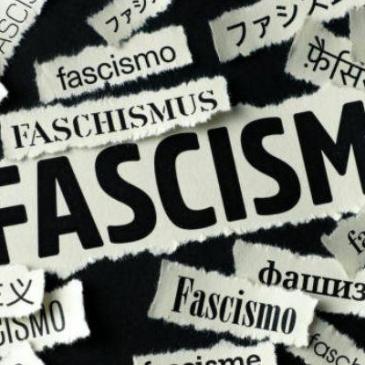
America: The Newest Autocracy

For generations, the United States has prided itself on being the beacon of democracy, a nation built on the principles of freedom, justice, and the rule of law. Yet, in recent years, we have witnessed a disturbing transformation—one that has stripped away the rights of the people right before their eyes, while the government stands idly by, refusing to intervene.

The Silencing of Truth

Under the leadership of Donald Trump, the suppression of truth has become a defining characteristic of this new era. Journalists, whistleblowers, and activists who dare to expose corruption and misconduct are being targeted, harassed, and in some cases, prosecuted. The administration has made it clear: dissent will not be tolerated. Those who challenge the official narrative are met with intimidation, legal threats, and public vilification.

The Collapse of Checks and Balances

The executive branch, once held in check by the legislative and judicial branches, now operates with near-total impunity. Congress, which was designed to serve as a counterbalance to presidential power, has largely abandoned its duty to hold Trump accountable. The courts, once a bastion of impartial justice, have been stacked with loyalists who prioritize political allegiance over constitutional integrity. The result? A government that no longer serves the people but instead protects the interests of the powerful.

The ICE Raids and the Rise of Detention Camps

Perhaps one of the most chilling developments has been the ICE raids, where individuals—many of whom are legal residents or even U.S. citizens—are being rounded up and deported to countries like Venezuela. Families are torn apart, lives are upended, and communities are left in fear. Reports have surfaced of detention centers that bear an eerie resemblance to concentration camps, where detainees are subjected to inhumane conditions, denied basic rights, and left to languish in uncertainty.

A Betrayal of Expectations

Many who voted for Trump believed that his policies would primarily target Black Americans, reinforcing the systemic inequalities that have plagued the nation for centuries. However, as his administration’s actions unfold, it has become clear that his reach extends far beyond racial lines. Immigrants, activists, journalists, and even his own former supporters are now facing the consequences of unchecked power. The realization is stark: autocracy does not discriminate—it consumes all who stand in its way.

The Path Forward

America stands at a crossroads. Will we continue down this path of authoritarian rule, or will the people rise to reclaim their democracy? The answer lies in the collective will of the nation. Resistance, activism, and unwavering commitment to truth are the only weapons against tyranny. The time to act is now—before the last remnants of freedom are lost forever.
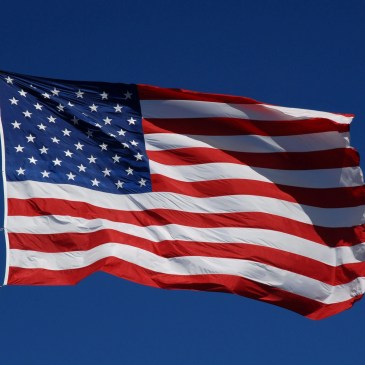

The Fragile State of American Democracy: Navigating Economic and Social Turmoil

The United States has long been a beacon of democracy, resilience, and economic strength. Yet, recent years have seen a growing sense of unease among Americans as the nation grapples with significant challenges. From trade wars to economic instability, the cracks in the foundation of American democracy are becoming increasingly visible. The 2025 landscape paints a picture of a country at a crossroads, where the decisions of leadership have far-reaching consequences.

Trade Wars and Economic Fallout

The trade wars initiated by President Donald Trump have sent shockwaves through the economy. Tariffs on imports from major trading partners like China and Mexico have disrupted supply chains, leading to higher prices for everyday goods. Retail giants such as Walmart, Target, and Home Depot have voiced their concerns, warning that these policies could result in empty shelves and financial strain for consumers2. The ripple effects of these tariffs have been felt across industries, with businesses struggling to adapt to the new economic reality.

As the economy teeters on the brink of a depression and recession simultaneously, the impact on ordinary Americans is profound. Rising unemployment, stagnant wages, and skyrocketing living costs have left many families unable to make ends meet. The growing homeless population is a stark reminder of the human cost of economic instability4.

The Human Toll

For many who voted for Trump, the promise of economic revitalization was a key factor in their decision. However, as the reality of these policies sets in, some are beginning to question their choice. Polls indicate that nearly one in four Trump voters have expressed doubts about their decision, citing concerns over the administration’s handling of the economy and its broader implications6. The sense of betrayal among these voters underscores the disconnect between campaign promises and governance.

Civil Discourse and Division

The current state of civil discourse in America reflects a nation deeply divided. The polarization of political ideologies has created an environment where meaningful dialogue is increasingly rare. This division is exacerbated by the economic challenges facing the country, as individuals and communities struggle to find common ground.

Charting a Path Forward

To address these challenges and restore faith in American democracy, a collective effort is required. Policymakers must prioritize economic stability, social equity, and transparent governance. Engaging in open and respectful dialogue is essential to bridging the divides that threaten the nation’s unity. By focusing on shared values and common goals, Americans can work together to navigate these turbulent times and build a brighter future.

The road ahead is undoubtedly challenging, but the resilience and determination of the American people remain a source of hope. By learning from the past and embracing a spirit of collaboration, the United States can overcome its current struggles and emerge stronger than ever.

The End of Democracy As We Know It: A Disturbing Revelation

In an era where democracy stands as a beacon of hope and justice, the presidency of Donald Trump has cast a long shadow, threatening to undo the very fabric of our democratic institutions. For many who voted for Trump, the belief was that his presidency would signal the end of perceived advantages for Black people. However, the reality has unfolded in a way that is far more devastating and far-reaching.

The Unintended Consequences of Misplaced Trust

Many of Trump’s supporters believed that his administration would marginalize Black people, based on his inflammatory rhetoric during the campaign. Yet, what they did not foresee was a systematic dismantling of social programs that disproportionately affects the very demographic they hail from. Trump, alongside Elon Musk, has spearheaded efforts to cut SNAP, food stamps, welfare, and essential medical benefits—programs on which millions of Americans, especially in rural areas, rely.

The Devastating Impact of Social Program Cuts

It is a harsh reality that more White people benefit from these programs than any other demographic. Yet, the thought of depriving Black people has overshadowed the broader implications. The cuts to these vital programs are not just a matter of economic austerity; they represent a direct attack on the social safety nets that sustain countless lives. With the Affordable Care Act also under siege, the struggle to make ends meet has become a grim reality for anyone outside the top 1%.

The Fallout of Trump’s Deceptive Rhetoric

Trump’s campaign was peppered with racist rants that misled many into thinking Black people would be the primary targets of his policies. However, the brunt of his administration’s actions has fallen on his very own supporters. He has shown a blatant disregard for truth and integrity, revealing his true agenda only after gaining their trust. Immigrants, who sought a better life in America and initially supported Trump, are now facing mass deportations.

A Painful Awakening for Many

The bitter lesson is clear: those who harbored hopes of benefiting from Trump’s presidency are now grappling with the harsh consequences. This includes Black Trump supporters who now realize the gravity of their misplaced trust. As the administration cuts federal jobs and slashes Veterans Affairs funding, Trump and Musk, neither of whom have served this country, wield undue power over the livelihoods of countless Americans.

The Role of Elon Musk in a Dehumanizing Agenda

Elon Musk, a South African billionaire, plays a troubling role in deciding who keeps their Federal Jobs and who is fired. He is the one that is getting Billion Dollar Contracts from the Federal Government meaning stealing Billions of Dollars from the American People. The money leaving the Government is being done before our very eyes and we can do nothing about but watch the 3 branches of Government let this happen. No one is standing up and saying anything about this. We all want to be safe and happy but we do not know how this is going to unfold. I hope we get to vote again!!!

Federal Judge Blocks Elon Musk and DOGE from Accessing Treasury Department Payment System

In a significant legal development, U.S. District Judge Paul Engelmayer issued a preliminary injunction blocking Elon Musk’s Department of Government Efficiency (DOGE) from accessing the U.S. Department of Treasury’s payment system. This decision came after a lawsuit was filed by 19 Democratic attorneys general, led by New York Attorney General Letitia James.

The lawsuit argued that Musk’s team, which was granted “full access” to the Treasury’s payment systems, violated federal law. These systems contain sensitive personal data, including Social Security numbers, Medicare information, veterans’ benefits, and tax refund details1. The attorneys general contended that President Donald Trump did not have the authority to grant such access and that it posed significant cybersecurity risks.

Judge Engelmayer’s ruling highlighted the potential for “irreparable harm” due to the risk of sensitive information disclosure and increased vulnerability to hacking. He ordered that any downloaded material from the Treasury systems be immediately destroyed3.

The Department of Government Efficiency, also known as DOGE, was established to identify and eliminate wasteful government spending. However, critics argue that granting DOGE access to the Treasury’s payment systems could lead to unauthorized freezes on federal funds and compromise the privacy of millions of Americans1.

Elon Musk has defended the access, stating that it is necessary to ensure accountability and traceability of government spending. Despite his objections, the judge’s decision stands, and a hearing on the matter is scheduled for February 143.

This case underscores the ongoing debate over the balance between government efficiency and the protection of citizens’ private information. As the legal proceedings continue, the implications for both government transparency and cybersecurity remain at the forefront of public concern.

1Fox Business | MSN
2CNN | MSN
3The Associated Press | MSN
4www.foxbusiness.com

Reflecting on the 2024 Election: Lessons Learned

As we look back on the 2024 Presidential Election, it becomes clear that many voters miscalculated the impact of re-electing Donald Trump. This blog post examines why this decision was misguided, the misconceptions about monetary value in the entertainment industry and professional sports, and the broader consequences for education, employment, and criminal justice.

Misguided Monetary Priorities in Entertainment and Sports

During the 2024 election, many entertainers and professional athletes supported Trump’s campaign, believing it would protect and enhance their monetary value. However, this belief proved to be short-sighted. While these individuals might have substantial earnings, they are not immune to broader economic policies that favor the top 1%.

For entertainers and athletes who exploit those with less financial means, the consequences are the same. Tax cuts and regulatory rollbacks under Trump’s administration primarily benefit the wealthiest Americans, leaving the majority, including many entertainers and athletes, with little to show for their support. This miscalculation highlights the importance of understanding the broader economic implications of political decisions.

Widespread Consequences for the American Public

Education: Under Trump’s administration, the push for privatization and school choice led to decreased funding for public schools. This shift exacerbates educational inequalities, particularly affecting marginalized communities. The lack of investment in public education undermines the quality of schooling for millions of children, limiting their future opportunities.

Employment: The emphasis on deregulation and corporate tax cuts intended to spur job growth often resulted in increased corporate profits without corresponding wage growth for workers. This disparity widens the gap between the wealthy and the working class, leaving many Americans struggling to make ends meet despite a booming stock market.

Criminal Justice and Policing: One of the most contentious issues during Trump’s presidency was the lack of accountability in policing, particularly concerning the Black community. High-profile cases of police violence and systemic racism went largely unaddressed at the federal level, perpetuating a cycle of mistrust and injustice. The administration’s stance on law and order often prioritized punitive measures over meaningful reforms, further straining community-police relations.

Social Safety Nets: The potential dismantling of social safety nets like Social Security, Medicare, and Medicaid is particularly alarming. Trump’s administration repeatedly proposed cuts to these critical programs, jeopardizing the financial security and healthcare access for millions of Americans, particularly the elderly and low-income families.

The Aftermath and Reflection

As we reflect on Trump’s presidency, many voters may feel a sense of regret, realizing that their vote may have been against their own interests. The promises of economic prosperity and systemic reform often fell short, leaving many disillusioned. The inability to take back their vote underscores the importance of informed and thoughtful decision-making in the electoral process.

The lessons from this period are clear: voters must critically evaluate candidates’ policies and their long-term implications, beyond charismatic appeals and immediate benefits. The decisions made in the voting booth have far-reaching consequences, impacting not just individual lives but the fabric of society as a whole.

Moving Forward

As we look ahead to future elections, it’s crucial to learn from past experiences. Engaging in informed, thoughtful discussions about candidates and their policies can help ensure that future leaders are chosen based on their ability to address the needs and aspirations of all Americans, not just the privileged few.

By prioritizing education, fair employment practices, accountability in policing, and the preservation of social safety nets, we can work towards a more just and equitable society. It’s time to turn hindsight into foresight and make choices that reflect the collective well-being and long-term prosperity of the nation.

Reflecting on the Anniversary of the U.S. Capitol Insurrection

Today marks the anniversary of the insurrection at the U.S. Capitol, a day that will forever be etched in the annals of American history. On January 6, 2021, a mob of supporters of then-President Donald Trump stormed the Capitol in an attempt to overturn the results of the 2020 presidential election. This unprecedented attack on the heart of American democracy resulted in significant damage, loss of life, and a profound impact on the nation’s psyche.

The Numbers and Charges

In the aftermath of the insurrection, the Department of Justice (DOJ) launched one of the largest investigations in its history. As of today, approximately 1,583 individuals have been charged with federal crimes related to the events of January 6. These charges range from misdemeanors to serious felonies, including assaulting law enforcement officers, using deadly or dangerous weapons, and seditious conspiracy1.

The most egregious charges have been brought against leaders of extremist groups like the Oath Keepers and the Proud Boys, who were convicted of seditious conspiracy for their roles in plotting to use violence to disrupt the peaceful transfer of power. Other individuals have faced charges for assaulting police officers with makeshift weapons, including flagpoles and stolen police batons3.

The Department of Justice’s Shortcomings

Despite the extensive efforts to hold those responsible accountable, many believe that the DOJ has failed the American people. Critics argue that the DOJ’s actions have not been sufficient to address the full scope of the insurrection and its aftermath. The perception of leniency and the slow pace of prosecutions have left a stain on the nation’s justice system and raised questions about the commitment to upholding the rule of law.

The DOJ’s handling of the insurrection has also been criticized for its inability to prevent the attack in the first place. The lack of preparedness and the failure to act on intelligence warnings have been seen as significant lapses that allowed the insurrection to occur. This has led to a loss of trust in the DOJ’s ability to protect the nation’s democratic institutions.

Historical Context

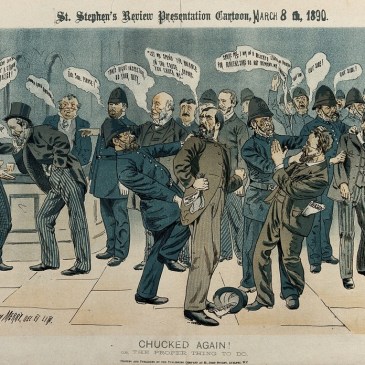
The insurrection at the U.S. Capitol is not an isolated event in American history. The Capitol has been the site of violence and attacks before, most notably during the Civil War era. In the 19th century, Congress witnessed numerous violent clashes, including the infamous caning of Senator Charles Sumner by Representative Preston Brooks in 1856. These historical events serve as a reminder of the deep divisions that have existed in the country and the challenges of maintaining a stable democracy.

However, the events of January 6, 2021, stand out due to their scale and the direct attack on the democratic process. The insurrection was a stark reminder of the fragility of democracy and the importance of safeguarding it against threats from within.

Moving Forward

As we reflect on the anniversary of the insurrection, it is crucial to remember the lessons learned and to continue the work of healing and rebuilding trust in our democratic institutions. The DOJ must redouble its efforts to hold all those responsible accountable and to restore faith in the justice system. Only through a commitment to justice and the rule of law can the nation move forward and prevent such an attack from happening again.

The stain left by the insurrection on the U.S. Capitol and the country as a whole is a sobering reminder of the work that remains to be done. It is a call to action for all Americans to stand united in defense of democracy and to ensure that the events of January 6, 2021, are never repeated.

: ABC News
: PBS News
: KTVB
: Capitol History

The Real Boogeymen: Elon Musk and Donald Trump

In the ever-evolving landscape of American politics and business, two figures have emerged as the real boogeymen: Elon Musk and Donald Trump. Their influence extends far beyond their respective domains, shaping the future of the country in ways that are both profound and unsettling. This blog post delves into why Musk and Trump are considered the real boogeymen, what this means for the American people, and the possible scenarios that could unfold over the next four years.

The Influence of Elon Musk

Elon Musk, the world’s richest man, has a hand in multiple industries, from electric vehicles and space exploration to social media and artificial intelligence. His influence is not just limited to his businesses; it extends into the political arena as well. Musk’s recent actions, such as his vocal opposition to government spending bills and his role in shaping policy through his advisory position in the Trump administration, have raised concerns about the concentration of power in the hands of a few wealthy individuals2.

Impact on the American People:

  • Economic Disparities: Musk’s wealth and influence highlight the growing economic disparities in the country. While he continues to amass wealth, many Americans struggle with economic instability and lack of access to basic resources.
  • Technological Control: Musk’s control over key technologies, such as social media platforms and space exploration, raises questions about the potential for monopolistic practices and the impact on free speech and innovation.

The Influence of Donald Trump

Donald Trump’s return to the political stage has been marked by controversy and division. His policies and rhetoric have often polarized the nation, and his influence on the Republican Party remains strong. Trump’s recent actions, such as his opposition to bipartisan budget negotiations and his alignment with Musk, have further deepened political divides4.

Impact on the American People:

  • Political Polarization: Trump’s divisive rhetoric and policies continue to polarize the nation, making it difficult to achieve consensus on critical issues.
  • Erosion of Trust: The constant barrage of misinformation and attacks on democratic institutions have eroded public trust in the government and the media.

Possible Scenarios for the Next Four Years

As we look ahead, several scenarios could unfold, each with significant implications for the American people:

  1. Increased Economic Inequality: The concentration of wealth and power in the hands of individuals like Musk and Trump could exacerbate economic inequalities, leading to greater social unrest and instability.
  2. Technological Monopolies: Musk’s control over key technologies could lead to monopolistic practices, stifling competition and innovation. This could also impact privacy and free speech, as control over social media platforms becomes more centralized.
  3. Political Instability: Trump’s influence on the Republican Party and his divisive rhetoric could lead to increased political instability, making it difficult to address critical issues such as healthcare, education, and climate change.
  4. Erosion of Democratic Norms: The continued erosion of trust in democratic institutions and the spread of misinformation could undermine the foundations of American democracy, leading to a more authoritarian and less accountable government.

Conclusion

Elon Musk and Donald Trump, the real boogeymen of our time, wield immense power and influence that shape the future of the country. Their actions and policies have far-reaching implications for the American people, from economic disparities and technological control to political polarization and the erosion of democratic norms. As we navigate the next four years, it is crucial for the American people to stay informed, engaged, and vigilant in order to protect the values and principles that underpin our democracy.

The Trump Administration in 2025: A Troubling Forecast for America

As the Trump administration gears up for its second term in 2025, concerns are mounting about the potential negative impacts on America’s relationships with other countries, race relations within the country, the national debt, and the overall trust in government. This blog post delves into these issues and explores what needs to be done to prepare the American people for the 2028 election and the importance of down-ballot elections during the off years.

Strained International Relationships

The Trump administration’s foreign policy has been characterized by a unilateral approach, often alienating traditional allies and escalating tensions with adversaries. The administration’s aggressive stance on trade, particularly with China, is expected to continue, potentially leading to increased tariffs and trade wars. This could strain relationships with key trading partners and disrupt global markets.

Moreover, Trump’s “America First” policy may further isolate the United States on the international stage. The withdrawal from international agreements and organizations, such as the Paris Climate Accord and the World Health Organization, has already damaged America’s reputation as a global leader. Continued disengagement could weaken alliances and diminish the country’s influence in addressing global challenges.

Deteriorating Race Relations

Race relations in the United States have been a contentious issue, and the Trump administration’s rhetoric and policies have often exacerbated tensions. The administration’s stance on immigration, including mass deportations and restrictive policies, has disproportionately affected communities of color. Additionally, the lack of meaningful action to address police brutality and systemic racism has fueled protests and civil unrest.

The administration’s support for policies that undermine civil rights, such as attempts to ban critical race theory in schools and roll back protections for marginalized communities, further deepens racial divides. Without significant efforts to promote inclusivity and equity, race relations in the country are likely to worsen.

Escalating National Debt

The Trump administration’s economic policies, including tax cuts for the wealthy and increased military spending, have contributed to a growing national debt. The administration’s plans for further tax cuts and deregulation could exacerbate this issue, leading to higher deficits and long-term economic instability.

The potential for increased tariffs and trade wars could also negatively impact the economy, reducing revenue and increasing costs for American businesses and consumers. Addressing the national debt will require a balanced approach that includes responsible fiscal policies and investments in sustainable economic growth.

Misleading the American People

The Trump administration has been criticized for spreading misinformation and undermining public trust in government institutions. The administration’s handling of the COVID-19 pandemic, for example, was marked by conflicting messages and a lack of transparency. This pattern of misleading the public could continue, eroding confidence in government and democratic processes.

Preparing for the 2028 Election and Down-Ballot Elections

To address these challenges and prepare for the 2028 election, it is crucial for the American people to stay informed and engaged. Here are some steps to consider:

  1. Stay Informed: Keep up with reliable news sources and fact-check information to stay informed about current events and policy changes.
  2. Engage in Civic Activities: Participate in community meetings, town halls, and other civic activities to voice concerns and hold elected officials accountable.
  3. Vote in Down-Ballot Elections: Down-ballot elections, which include local and state races, are critical for shaping policies that directly impact communities. Voting in these elections ensures that local leaders who align with your values are elected.
  4. Support Grassroots Movements: Get involved with grassroots organizations that advocate for social justice, environmental protection, and other important issues.
  5. Educate Others: Share information and encourage others to participate in the democratic process.

By taking these steps, the American people can work towards a more equitable and just society, ensuring that their voices are heard in the 2028 election and beyond.

The Case for a New Political Party: Why African Americans Need to Forge Their Own Path

In the landscape of American politics, African Americans have historically aligned with the Democratic Party, believing it to be the champion of civil rights and social justice. However, the reality of unfulfilled promises and systemic neglect has led many to question whether this allegiance is still beneficial. As we confront the myriad challenges facing the African American community, it may be time to consider the establishment of a new political party that truly represents our interests and aspirations.

The Democratic Party: A Track Record of Unmet Promises

While the Democratic Party has made significant strides in advocating for civil rights, the effectiveness of these efforts has often fallen short. Here are several reasons why many African Americans feel let down by the party:

  • Failure to Address Systemic Inequities: Despite the Democratic Party’s claims to support racial equity, systemic issues like police brutality, housing discrimination, and economic inequality remain pervasive. The lack of concrete policy changes to address these problems fosters skepticism about their commitment to the African American community.
  • Unfulfilled Promises on Voting Rights: The Democratic Party has continuously campaigned on promises to safeguard and expand voting rights. Nevertheless, with critical legislation like the John Lewis Voting Rights Advancement Act stalled in Congress, many feel that their voices are being suppressed rather than protected.
  • Inadequate Economic Support: The economic fallout from the COVID-19 pandemic disproportionately impacted African Americans, yet the Democratic response has been perceived as insufficient. Promises of increased support for small businesses, job creation, and economic empowerment have not materialized in meaningful ways.
  • Neglecting Educational Equity: Education is a cornerstone for upward mobility, yet many predominantly Black schools remain underfunded. The Democratic Party has not prioritized policies that would ensure equitable funding and resources for these schools, leaving many children behind.
  • Health Disparities: African Americans continue to face significant health disparities, but initiatives to expand access to affordable healthcare have been lackluster. The Democratic Party’s inability to advocate for comprehensive healthcare reforms that specifically address these disparities is a glaring omission.

The Republican Party: A Divisive Alternative

While some may argue that the Republican Party offers an alternative, the reality is that this party often perpetuates racial divides and promotes rhetoric that is harmful to African Americans:

  • Promotion of Racial Divisiveness: The Republican Party has often used racially charged language and policies to rally their base. This approach not only alienates African Americans but also perpetuates systemic racism within the political landscape.
  • False Promises and Disillusionment: Republican leaders often present themselves as champions of opportunity and empowerment for African Americans. However, their policies, like tax cuts and deregulation, disproportionately benefit the wealthy and corporations while neglecting the needs of marginalized communities.
  • Tokenism and Lack of Genuine Representation: While some African Americans have found a place within the Republican Party, their representation often feels more like tokenism than a genuine commitment to addressing the concerns of the broader community. This superficial inclusion fails to result in substantive change.
  • Focus on Culture Wars: The Republican Party often centers its platform around culture wars that distract from the economic and social issues that truly affect African Americans. These distractions serve to divide rather than unite, leaving critical problems unaddressed.

The Need for an Independent African American Political Party

Given the shortcomings of both major parties, there is a growing sentiment that African Americans need to establish their own political party. Here are key reasons why this is essential:

  • Authentic Representation: An independent party can prioritize the voices, needs, and aspirations of the African American community, ensuring that policies are tailored to address systemic inequities.
  • Focused Policy Agenda: A new party could advocate for a clear and targeted policy agenda, including robust voting rights protections, equitable education funding, criminal justice reform, and economic empowerment initiatives.
  • Empowerment through Unity: A dedicated political party would encourage greater civic engagement and unity within the African American community, fostering collective action toward shared goals.
  • Breaking the Cycle of Dependency: By forming an independent party, African Americans can break free from the cycle of reliance on the Democratic Party, demanding accountability and tangible results from any political affiliation.
  • Building Strategic Alliances: An independent party could collaborate with other marginalized groups and movements to amplify voices and create a more inclusive coalition for social justice.

Conclusion: A Call to Action

As the political landscape continues to evolve, African Americans must reflect on the efficacy of their current affiliations and consider the potential of establishing an independent party that genuinely champions their interests. In a time when both major parties have failed to deliver on critical promises, the formation of a new political entity could provide a path toward empowerment, accountability, and authentic representation. The time has come for African Americans to take control of their political destiny. By uniting under a party that prioritizes their needs and aspirations, they can forge a more equitable future for themselves and generations to come.

Democrats and the Challenge of Securing Democracy: An Examination of Inaction

In recent years, the Democratic Party has positioned itself as the guardian of democracy and social justice. However, many critics argue that the party has fallen short in delivering on its promises. As we witness increasing threats to democratic institutions and essential social programs, it becomes crucial to examine how and why the Democrats are not fully embracing their responsibilities to secure democracy and protect the country.

The Voting Rights Dilemma

One of the most pressing issues facing American democracy is the struggle for voting rights. In the wake of numerous state-level laws designed to suppress voter turnout—particularly among marginalized groups—the urgency for federal voting rights legislation has never been greater. Despite the overwhelming public support for measures like the John Lewis Voting Rights Advancement Act, which aims to restore and strengthen provisions of the Voting Rights Act of 1965, Democrats have failed to pass meaningful legislation. The inability to secure voting rights raises serious concerns about the party’s commitment to protecting democratic processes. By not taking decisive action, the Democrats risk allowing partisan gerrymandering and voter suppression to undermine the very foundation of democracy. This reluctance may stem from a combination of political calculations and the filibuster’s constraints, but the result is a disillusioned electorate that feels its voice is not being heard.

Affordable Care Act: A Promise Unfulfilled

Another critical area where Democrats have struggled to demonstrate their commitment is in solidifying and expanding the Affordable Care Act (ACA). While the ACA expanded healthcare coverage to millions of Americans, ongoing challenges persist, including rising premiums, copays, and the exclusion of certain populations. Despite a clear mandate to improve healthcare accessibility, the party has hesitated to push for comprehensive reforms that would address these challenges. The failure to pursue a public option or negotiate drug prices has left many feeling that the party is not serious about providing affordable healthcare for all. This lack of urgency can be perceived as a betrayal of the party’s own values, further alienating voters who depend on these essential services.

The Child Care Act: A Missed Opportunity

In the realm of social safety nets, the Child Care Act has emerged as a vital piece of legislation that could significantly benefit working families. Affordable childcare is not just a convenience; it is a necessity for many parents who are trying to balance work and family responsibilities. However, despite a growing consensus on the importance of accessible childcare, Democrats have yet to pass comprehensive legislation that would ensure quality care for all children. The failure to secure funding and implement robust childcare programs signals a lack of commitment to supporting working families. This inaction not only affects economic stability for families but also has long-term implications for child development and future opportunities. The inability to showcase a serious commitment to such a critical issue raises questions about the party’s priorities and effectiveness.

The Need for Authentic Representation

For Democrats to regain the trust of the American people, they must demonstrate that they are serious about representing everyone—not just a select few. This means taking bold action on critical issues such as voting rights, healthcare, and family support. The party must move beyond rhetoric and show a willingness to make sacrifices and take risks to achieve meaningful change. Moreover, Democrats need to communicate a clear vision to the public that resonates with their needs and concerns. This requires not only legislative victories but also engaging citizens in the process, listening to their experiences, and addressing their anxieties. By fostering a genuine connection with constituents, the party can rebuild trust and demonstrate that they are committed to securing democracy for all Americans.

Conclusion: A Call to Action

As we reflect on the Democratic Party’s challenges in securing democracy and protecting the country, it is vital to hold elected officials accountable. Voters must demand action on critical issues that affect their lives, from voting rights to healthcare and childcare. The success of democracy hinges on active participation and a government that reflects the will of the people. If Democrats are to fulfill their promise of being champions for democracy and social justice, they must take decisive steps forward. The time for inaction has passed; the American people deserve a party that is willing to fight for their rights and well-being. Only through bold leadership and a genuine commitment to the issues at hand can the Democrats hope to restore faith in their ability to secure democracy and protect the interests of all citizens.