
Financial Insight

Navigating the Economy: Paycheck to Paycheck and Retirement Accounts

Introduction
As we close out 2025, the economy continues to send mixed signals. For many Americans living paycheck to paycheck, rising costs and uncertain job markets make financial stability feel out of reach. At the same time, those with retirement accounts are watching U.S. stocks, fixed income, and international markets closely, trying to understand how global and domestic trends will shape their future security.

Living Paycheck to Paycheck: The Everyday Economy

  • Inflation pressures: While headline inflation has cooled from pandemic highs, essentials like food, housing, and healthcare remain stubbornly expensive.
  • Wages vs. costs: Wage growth has slowed, leaving many households stretched thin. The reality is that even small increases in rent or utilities can destabilize budgets.
  • Resilience strategies: Families are relying more on credit cards, gig work, and community support networks to bridge gaps. This reflects both resilience and vulnerability in the current economy.

U.S. Stocks and the Economy

  • Market performance: U.S. equities have shown resilience, with tech and healthcare sectors leading gains. However, volatility remains high as investors weigh interest rate policy and geopolitical risks.
  • Retirement accounts: For those with 401(k)s or IRAs, diversification has been key. Growth stocks have rebounded, but defensive sectors (utilities, consumer staples) continue to provide stability.
  • Outlook: Analysts expect moderate growth in 2026, but caution that earnings may be pressured if consumer spending weakens further.

Fixed Income and the Economy

  • Bond yields: Higher interest rates have made fixed income more attractive than in recent years. Treasury yields remain elevated, offering safer returns for conservative investors.
  • Impact on households: For paycheck-to-paycheck families, higher rates mean more expensive borrowing, from mortgages to credit cards. For retirees, however, fixed income provides a welcome cushion.
  • Strategy: Laddering bonds or using short-term instruments can help balance risk while capturing yield.

International Stocks and the Economy

  • Global growth: Emerging markets have struggled with currency volatility and debt burdens, while developed markets in Europe and Asia face slower growth.
  • Opportunities: International diversification remains important. Sectors tied to energy transition, healthcare innovation, and infrastructure are showing promise abroad.
  • Risks: Geopolitical tensions and trade disruptions continue to weigh on investor confidence.

Practical Tips

For Those Living Paycheck to Paycheck

  • Track spending weekly to identify small savings opportunities.
  • Prioritize essentials (housing, food, healthcare) before discretionary expenses.
  • Build a small emergency fund, even $20–$50 per paycheck, to reduce reliance on credit.
  • Explore community resources (food banks, utility assistance) to ease immediate burdens.

For Retirement Investors

  • Rebalance portfolios annually to maintain diversification.
  • Consider increasing exposure to fixed income for stability in a high-rate environment.
  • Keep some international exposure to hedge against U.S. market volatility.
  • Avoid panic selling, long-term discipline is more valuable than short-term reactions.

Takeaway

The economy is a tale of two realities:

  • For those living paycheck to paycheck, the struggle is immediate, rising costs, stagnant wages, and limited safety nets.
  • For those with retirement accounts, the challenge is long-term, navigating volatile markets, balancing risk, and securing stability.

Whether you’re focused on today’s bills or tomorrow’s nest egg, the message is clear: adaptability is essential. Staying informed, diversifying investments, and advocating for policies that support working families will be critical as we move into 2026.

Closing Note

At the end of the day, numbers tell us part of the story, but people tell us the rest. Whether you are stretching every paycheck to cover essentials or watching the markets to protect your retirement, the common thread is resilience. The economy may shift, interest rates may rise, and global markets may wobble, but our ability to adapt, to plan, and to advocate for fairness remains constant.

Financial insight is not just about dollars and cents, it’s about dignity, security, and legacy. My commitment is to keep you informed, to connect the dots between policy and people, and to remind you that even in uncertain times, knowledge is power. Let’s carry that power into 2026, not only to survive the economy, but to shape it for ourselves and for the generations that follow.

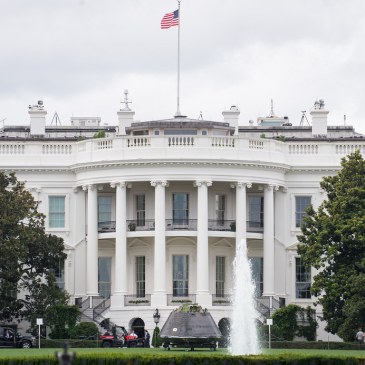
The $37 Trillion Wake-Up Call: What the Big Beautiful Bill Isn’t Telling Us


This week, the U.S. Treasury confirmed what many economists feared: the national debt has officially crossed the $37 trillion mark. That’s not just a number—it’s a flashing red light on America’s fiscal dashboard. And it’s happening years ahead of schedule, thanks to pandemic-era borrowing and a new wave of government spending.

But here’s the twist: this milestone arrives just weeks after the passage of the so-called “Big Beautiful Bill,” a budget law championed by President Trump that promises tax relief for overtime workers. On the surface, it sounds like a win for hardworking Americans. Dig deeper, though, and you’ll find a policy that’s more cosmetic than corrective.

Debt Is Rising—Fast

The Congressional Budget Office had projected we wouldn’t hit $37 trillion until after 2030. But between COVID-19 stimulus packages, economic recovery efforts, and now a $4.1 trillion tax-and-spending law signed earlier this year, we’ve accelerated into dangerous territory.

Michael Peterson of the Peter G. Peterson Foundation warns that we’re now adding a trillion dollars to the debt every five months—twice the rate of the last 25 years.

The Big Beautiful Bill: A Mirage of Relief

The “Big Beautiful Bill” was marketed as a game-changer: no federal income tax on overtime pay. Retroactive to January 2025, it promised workers a bigger slice of their paycheck. But the reality is far more limited:

  • Only the “half” portion of “time-and-a-half” pay is tax-free.
  • State and local taxes still apply.
  • Social Security and Medicare taxes are untouched.
  • There’s a cap: $12,500 per person annually.
  • High earners are excluded entirely.

In short, it’s a partial tax break wrapped in political branding. And while it may offer modest relief to some, it does little to address the structural issues driving our debt skyward.

What’s Really at Stake?

Unchecked debt has real consequences:

  • Higher interest rates on mortgages, car loans, and credit cards.
  • Lower wages as businesses scale back investment.
  • Reduced public services as interest payments crowd out funding for education, infrastructure, and healthcare.

Wendy Edelberg of Brookings warns that the new law means “we’re going to borrow a lot over the course of 2026, we’re going to borrow a lot over the course of 2027, and it’s just going to keep going”.

A Call for Real Reform

Maya MacGuineas of the Committee for a Responsible Federal Budget put it bluntly: “Hopefully this milestone is enough to wake up policymakers to the reality that we need to do something, and we need to do it quickly”.

Call to Action: From Debt to Dignity

This isn’t just about numbers—it’s about values. It’s about whether our government prioritizes short-term optics or long-term equity. If we want a future where economic justice is more than a slogan, we must demand:

  • Transparent fiscal policy that serves people, not politics.
  • Equitable tax reform that uplifts working families.
  • Community-centered budgeting that invests in education, housing, and health—not just interest payments.

Let’s raise our voices. Let’s organize. Let’s hold leaders accountable—not just for what they spend, but for who they serve.

Join the movement. Share this post. Start the conversation. And let’s build a future where our national budget reflects our national values.


The Big Beautiful Bill: A Blueprint for Economic Devastation


The Big Beautiful Bill is poised to wreak havoc on the American economy — not in subtle ways, but through deep, direct harm that will ripple through generations. From cuts to essential social programs to permanent tax handouts for the ultra-rich, this bill isn’t just bad policy. It’s a betrayal of the very people who make America work.

Seniors and Struggling Families on the Chopping Block

Let’s be clear: slashing Medicare, Medicaid, and SNAP will devastate seniors, retirees, low-income families, and the working poor. These programs are often lifelines — not luxuries.

  • Without Medicare and Medicaid, many seniors and low-income individuals will be left untreated, unfed, and unseen.
  • Without SNAP, families will go hungry, children will suffer, and local economies will crumble.
  • Retirement communities will face collapse as residents can no longer afford housing, healthcare, or basic needs.

America was built on the promise of caring for its people. This bill burns that promise to the ground.

Unraveling the Fabric of Society

Social programs form the social safety net — a system designed to prevent mass poverty and homelessness. Cutting them unleashes a domino effect:

  • Homelessness surges.
  • Families fall into survival mode.
  • Local economies suffer as spending power disappears.

This is not a hypothetical future. The fear is real, and the inevitable collapse is knocking on the door.

Economic Breakdown: Micro and Macro Impacts

To understand the gravity of this bill, we must look at how economies function:

Microeconomics: The Individual Fallout

Microeconomics examines the decisions and well-being of individuals, families, and small businesses.

  • Cutting support means reduced consumer spending, fewer economic choices, and mounting financial stress.
  • Local shops, health clinics, and services will feel the squeeze as their customers disappear.

Macroeconomics: National Consequences

Macroeconomics evaluates the economy as a whole — GDP, unemployment, inflation.

  • Slashing aid while handing tax breaks to the rich shrinks national demand, risking recession.
  • GDP falls, inequality rises, and the country’s economic health deteriorates.

The Policy That Fuels the Fire

Let’s break down the mechanisms driving this bill’s destructive force:

Fiscal Policy: Taxation and Spending

Fiscal policy should drive growth through strategic spending and fair taxation.

  • This bill entrenches a regressive system, privileging the elite while pushing the working class deeper into survival mode.
  • Instead of stimulating economic resilience, it funnels wealth upward, leaving the rest to crumble.

Monetary Policy: Too Little, Too Late

Monetary policy affects interest rates and money supply — but it can’t fix poor fiscal choices.

  • Even if the Federal Reserve lowers rates, it won’t restore SNAP or ensure Grandma can afford her insulin.
  • In short: the Fed can’t repair a shredded safety net.

⚠️ A Warning to America

Many who voted for Donald Trump are facing the stark reality of broken promises. He told us what he intended to do — and now it’s happening. Whether you feel blindsided or not, the truth is here.

This bill also:

  • Makes tax cuts for the top 1% permanent, pushing the burden to the middle class and poor.
  • Downgrades America’s credit rating by worsening debt and killing revenue.
  • Weakens small businesses despite enshrining their tax structure — temporary relief, permanent pain.
  • Undermines manufacturing through misguided tariffs, slowing production and raising costs.

Time to Rise

We must organize, advocate, and demand accountability. The everyday man and woman — the teachers, caregivers, cashiers, veterans, and dreamers — must come together to fix what’s being broken in plain sight.


#EconomicJustice #TruthInPolitics #BigBeautifulBill #AmericanEconomy
#FiscalFailure #SurvivalOfTheFittest #SeniorsMatter #EndPovertyCuts
#SpeakTruthToPower #WakeUpAmerica #BuyersRemorse #JusticeForAll


The Impact of 7 Percent Mortgage Interest Rates on the Economy

As mortgage interest rates climb above 7 percent, the housing market faces significant challenges. This increase, the highest since May 2024, has created a tough environment for prospective home buyers. Despite the Federal Reserve’s recent rate cuts, mortgage rates have continued to rise due to factors such as inflation and the yield on 10-year Treasury bonds1. Historically, mortgage rates have been higher, but the recent surge is a stark contrast to the low rates seen in early 2021.

Higher mortgage rates can lead to reduced affordability for home buyers, potentially slowing down the housing market. This slowdown can have a ripple effect on the broader economy, as the housing market is a key driver of economic growth. With higher rates, fewer people can afford to buy homes, leading to decreased demand for housing-related goods and services. This can result in slower economic growth and potentially higher unemployment rates in sectors related to housing.

The Effects of Donald Trump’s Presidency

Donald Trump’s presidency has been marked by significant policy changes and economic impacts. His administration’s tax cuts, deregulation efforts, and trade policies have had both positive and negative effects on the economy. Trump’s approach to governing was unconventional, often leading to deep partisan divisions and significant societal shifts3.

During his first term, Trump implemented major corporate tax cuts, which boosted corporate profits and stock market performance. However, these policies also contributed to increased income inequality and higher federal deficits3. Trump’s trade policies, particularly the trade war with China, had mixed results, with some industries benefiting while others faced increased costs and uncertainty.

The Timing of the Rate Hike Before Trump’s Inauguration

The recent hike in mortgage rates comes just days before Donald Trump’s second inauguration as President of the United States. This timing adds another layer of complexity to the economic landscape as Trump prepares to take office. The inauguration, scheduled for January 20, 2025, marks the beginning of Trump’s second term, during which he plans to implement further policy changes4.

The rate hike’s proximity to the inauguration highlights the challenges the new administration will face in addressing economic issues. With higher mortgage rates and a potentially slowing housing market, the Trump administration will need to navigate these challenges while implementing its policy agenda.

I hope this blog post provides a comprehensive overview of the current economic situation and the potential impacts of these factors. If you have any feedback or need further information, feel free to let me know!

The External Revenue Service: A New Agency with Potentially Harmful Consequences

President-elect Donald Trump has recently announced plans to create a new agency called the “External Revenue Service” (ERS) to collect tariffs and other revenues from foreign nations. While this proposal might sound like a step towards economic reform, it raises significant concerns about its potential impact on the American public.

What is the External Revenue Service?

The ERS is intended to function similarly to the Internal Revenue Service (IRS), but with a focus on collecting tariffs, duties, and revenues from foreign sources. Trump has stated that this new agency will ensure that those who benefit from trade with the United States will start paying their fair share2. However, the creation of this agency requires an act of Congress, and it overlaps with the functions of existing agencies like the Commerce Department and U.S. Customs and Border Protection.

Potential Harmful Effects

  1. Increased Tax Burden on the Public: Economists warn that the cost of tariffs will likely be passed on to consumers, leading to higher prices for goods and services. This could disproportionately affect low- and middle-income families, making it harder for them to afford basic necessities.
  2. Widening the Wealth Gap: Critics argue that the ERS could exacerbate the divide between the rich and the poor. By shifting the tax burden onto tariffs, the wealthy may find ways to avoid paying their fair share, while the average American bears the brunt of the costs.
  3. Economic Inefficiency: Tariffs are generally considered an inefficient way for governments to raise revenue and promote prosperity. The creation of a new agency to handle these functions may lead to bureaucratic inefficiencies and increased government spending, contrary to Trump’s promise to shrink the size of government1.
  4. Impact on Trade Relations: The imposition of high tariffs on key trading partners like Canada, Mexico, and China could strain international relations and lead to retaliatory measures. This could further harm the U.S. economy and disrupt global trade.

Conclusion

While the idea of an External Revenue Service might seem like a bold move towards economic reform, it is essential to consider the potential adverse effects on the American public. Higher prices, increased tax burdens, and a widening wealth gap are just a few of the concerns that need to be addressed. As the proposal moves forward, it is crucial for lawmakers and the public to scrutinize its implications and advocate for policies that genuinely benefit all Americans.

The Looming Crisis: What Happens if Congress Fails to Pass the Debt Ceiling Bill?

As the debate over the debt ceiling bill intensifies, the possibility of Congress failing to pass it looms large. The consequences of such a failure would be far-reaching, affecting every aspect of American life. This blog post explores the potential impacts on the American people, broken down by race, gender, family, and region, and highlights the possible suffering that could ensue.

Economic Turmoil and Financial Instability

If Congress fails to pass the debt ceiling bill, the U.S. government would be unable to meet its financial obligations, leading to a default. This would trigger a financial crisis, causing stock markets to plummet and interest rates to soar. The ripple effects would be felt across the economy, with businesses facing higher borrowing costs and consumers experiencing increased prices for goods and services.

Impact by Race

Black and Hispanic Communities: Historically marginalized communities would likely bear the brunt of the economic fallout. Black and Hispanic households, which already face higher unemployment rates and lower median incomes, would be disproportionately affected by job losses and reduced access to credit2. The wealth gap between these communities and their white counterparts would widen further, exacerbating existing inequalities.

White Communities: While white households generally have higher incomes and more wealth, they would not be immune to the economic downturn. Middle-class white families could see their savings and investments erode, and those living paycheck to paycheck would struggle to make ends meet.

Impact by Gender

Women: Women, particularly single mothers, would face significant challenges. Women are more likely to work in low-wage jobs and industries that are vulnerable to economic downturns. The loss of income and increased financial stress could lead to higher rates of poverty and food insecurity among women and their children.

Men: Men, especially those in blue-collar jobs, could also be severely impacted. Industries such as construction and manufacturing, which employ a large number of men, would likely see job cuts and reduced hours. This would lead to financial instability for many families reliant on these incomes.

Impact on Families

Low-Income Families: Families living below the poverty line would face the harshest consequences. With reduced access to social safety nets and increased costs of living, these families would struggle to afford basic necessities such as food, housing, and healthcare.

Middle-Class Families: The middle class would also feel the pinch. Savings and retirement accounts could take a hit, and the increased cost of borrowing could make it difficult for these families to finance major expenses such as home purchases or college education.

Regional Impact

Northeast: The Northeast, with its high cost of living and reliance on financial services, could see significant economic disruption. Job losses in the finance sector and increased living costs would strain households.

Midwest: The Midwest, known for its manufacturing base, could experience widespread job losses and economic stagnation. Communities dependent on manufacturing and agriculture would be particularly hard hit.

South: The South, with its higher poverty rates and lower median incomes, would face severe economic challenges. The region’s reliance on industries such as agriculture and energy could lead to significant job losses and financial instability.

West: The West, with its diverse economy, would also feel the impact. Tech hubs like Silicon Valley could see reduced investment, while rural areas dependent on agriculture and tourism could suffer from decreased economic activity.

Possible Suffering

The failure to pass the debt ceiling bill would lead to widespread suffering across the country. Families would face increased financial stress, with many struggling to afford basic necessities. The economic downturn could lead to higher rates of homelessness, food insecurity, and mental health issues. Communities already facing economic challenges would be pushed further into poverty, exacerbating existing inequalities.

Conclusion

The potential consequences of Congress failing to pass the debt ceiling bill are dire. The economic fallout would be felt across all demographics and regions, leading to widespread suffering and increased inequality. It is crucial for lawmakers to come together and pass the bill to prevent a financial catastrophe and protect the well-being of the American people.

Jamie Dimon says the ‘Buffett Rule’ approach to taxing the wealthy could solve America’s debt problem

Story by fdemott@insider.com (Filip De Mott)

  • On PBS, Jamie Dimon described the Buffett Rule as a good idea for clamping down on US debt.
  • It says richer households shouldn’t pay taxes on a smaller share of income than middle-class ones.
  • He argued that if the US followed this, it could continue spending while still reducing debt.

JPMorgan CEO Jamie Dimon has put forth a solution to unrestrained US debt: Tax the rich at the same rate as middle-class people, or at a higher rate.

The bank executive told “PBS News Hour” in August that the country could clamp down on runaway borrowing without eliminating spending. Dimon said he expects that reducing the debt while still investing in the right initiatives is “doable.”

“I would spend the money that helps make it a better country, so some of this is infrastructure, earned-income tax credits, military,” he said. “I would have a competitive national tax system, and then I would maximize growth.”

Dimon added, “And then you’ll have a little bit of a deficit, and you would maybe just raise taxes a little bit — like the Warren Buffett type of rule, I would do that.”

This rule posits that no household making above $1 million a year should pay taxes on a lower share of their income than middle-class earners. It earned its name from the billionaire investor Warren Buffett, who famously criticized the fact that his secretary paid a higher tax rate than he did.

Calls for wealthier Americans to pay higher taxes have grown louder in the past year as economists have searched for answers to the federal government’s skyrocketing debt.

Anxiety has grown as the government’s debt pile has ballooned to a record $35 trillion. The Congressional Budget Office has projected that it could make up 6% of US GDP by the end of this year, which would far outpace the 50-year average of 3.7%.

If debt remains unchecked amid high interest rates, the government will face higher borrowing costs. Some say that this might compound debt levels and that the US could eventually spiral into a default.

Otherwise, higher borrowing costs mean Washington will have less to spend on social initiatives. A recent report from the Peter G. Peterson Foundation pointed out that the Congressional Budget Office has estimated that by 2054, interest payments on the debt will triple Washington’s historical spending on research and development, infrastructure, and education.

Dimon has been among Wall Street’s most consistent voices to raise the alarm, frequently saying runaway borrowing will amplify inflation and interest-rate pressures through the coming decade.

Not everyone shares Dimon’s optimism that tax hikes alone can solve this problem. Though some commentators have pushed for tax-hike proposals that embrace all income levels, others have urged both Democrats and Republicans to consider spending cuts as well.

However, speaking with PBS, Dimon argued that the US should continue to spend money that helps maintain its economic strength and creates a more equitable income environment.