Across the country, a quiet but powerful movement is reshaping classrooms, libraries, and the educational experience of millions of young people. Book bans and educational restrictions, once rare and widely condemned, have surged into mainstream policy debates. And the consequences reach far beyond the walls of any single school.
What’s Happening Across the Country
In state after state, we’re seeing: • Books removed from school libraries, often without transparent review • Restrictions on teaching topics related to race, gender, identity, and systemic injustice • Pressure on educators to avoid “controversial” or “sensitive” subjects • Increased political polarization around curriculum decisions
Many of the books being targeted are written by Black, Brown, LGBTQ+, or marginalized authors, voices that have historically been underrepresented in education.
Why This Matters
Education is more than memorizing facts. It’s how young people learn to think, question, empathize, and understand the world around them. When we limit what students can read or discuss, we limit their intellectual freedom.
Censorship narrows the lens through which students see themselves and others. It restricts imagination. It weakens critical thinking. And it denies communities the opportunity to engage in honest, sometimes uncomfortable, but necessary conversations.
The Real‑World Impact
The effects are already visible: • Teachers feel pressure, fear retaliation, or self‑censor to avoid conflict • Students lose access to diverse perspectives that help them grow • Parents become more polarized as misinformation spreads • Historical understanding becomes fragmented, incomplete, and distorted
When we sanitize history, we fail to learn from it. When we silence stories, we silence people.
The Freedom Angle
At its core, this issue is about freedom, not politics. • The freedom to learn without fear • The freedom to read widely and critically • The freedom to understand history fully, not selectively • The freedom to grow into informed citizens capable of shaping the future
A society that restricts knowledge restricts its own potential.
Where We Go From Here
Communities must stay engaged. Parents, educators, and leaders must advocate for open access to information and resist efforts to narrow the educational experience. Protecting intellectual freedom is not optional, it’s essential to democracy, equity, and the future of our children.
The conversation isn’t about left or right. It’s about truth, freedom, and the responsibility we share to ensure that every young person has access to the full story of who we are as a nation.
By Charles Zackary King Founder, America in Black and White | AMIBW The Magazine
The original article titled “Derrick Jackson Discusses Campaign for Governor” was written by Christopher Smith and published on News & Talk WAOK.
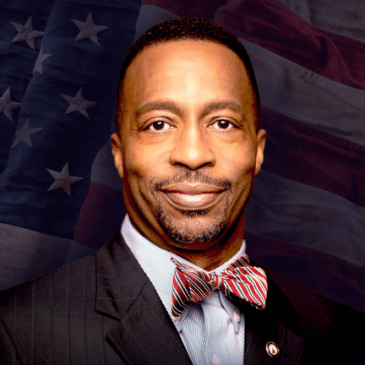
Georgia State Representative Derrick Jackson isn’t just running for governor, he’s running on legacy, lived experience, and a moral obligation to serve. With a 42-year career that spans military command, corporate leadership, and legislative advocacy, Jackson’s campaign is rooted in justice, equity, and empowerment for all Georgians, especially Black communities historically left behind.
A Life of Service and Strategy
Jackson is a husband, father of seven, and retired U.S. Navy Lieutenant Commander with 22 years of service, including seven deployments. After a decade in the corporate sector with General Electric, he transitioned into public service, winning election to the Georgia House of Representatives in 2016. He represented District 64 until 2023, and now serves District 68, marking nearly a decade of legislative leadership.
His record includes fighting for voting rights, women’s rights, LGBTQ+ protections, and small business support. But Jackson’s work in underserved communities goes deeper, he’s been a consistent voice for economic justice, healthcare access, and educational equity.
Legislative Impact: Raising the Floor for Black Georgians
Among Jackson’s most impactful legislative efforts is his sponsorship of a bill to raise Georgia’s minimum wage to $27/hour by 2028. The bill proposed a phased increase, starting at $15/hour and rising annually, designed to uplift working-class families, especially Black workers disproportionately affected by wage stagnation and attacks on diversity initiatives.
This legislation, though stalled in committee, remains a cornerstone of his campaign. It directly addresses the economic disparities that have long plagued Black communities in Georgia, where over half a million Black jobs were lost in the past year due to rollbacks in equity programs.
Campaign Agenda: A Georgia That Works for Us
Jackson’s gubernatorial platform is built on eight pillars, each designed to help Georgia families thrive. For Black Georgians, his agenda includes:
Medicaid Expansion to close healthcare gaps and prevent rural hospital closures
Repealing Harmful Laws like the six-week abortion ban and rent control restrictions
Investing in Black Farmers, Small Businesses, and Nonprofits with access to capital and policy inclusion
Environmental Justice to protect communities from pollution and neglect
Education Reform & Workforce Development with expanded access to trades, apprenticeships, and technical education
Reparations Advocacy, proposing 33% of Georgia’s $16B budget be allocated to Black families as a fulfillment of broken promises
Jackson’s message is clear: “We’re not just building a Georgia for business, we’re building a Georgia for families.”
Inspired by Legacy: John Lewis and the Spirit of Service
Jackson cites civil rights icon John Lewis as a moral compass for his campaign. “I have a moral obligation to run for governor,” he said on WAOK, invoking Lewis’s legacy of courage and conscience. His leadership style blends executive discipline with grassroots empathy, qualities he believes make him the only candidate truly qualified to serve as Georgia’s Commander-in-Chief.
A Call to Action
Jackson’s campaign isn’t powered by million-dollar donors, it’s powered by people. He urges Georgians to “Tell 10 to Tell 10,” mobilize their communities, and vote for a future rooted in dignity, equity, and opportunity.
For Black Georgians, this race is more than political, it’s generational. It’s about reclaiming the promise of Georgia and ensuring that every child, every elder, and every entrepreneur has a seat at the table.
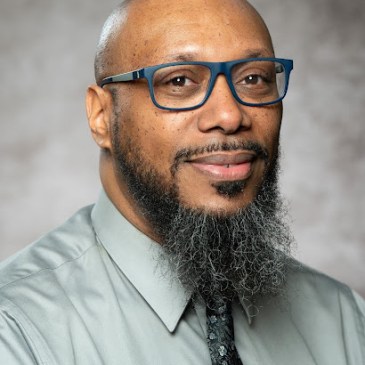
In a time when education systems are being reimagined to meet the demands of a rapidly evolving workforce, one name stands out as a beacon of innovation, equity, and empowerment: Troy Long.
From his early days as a CTE student to his current role as County Director, Troy Long has lived the journey he now helps others navigate. His story is not just one of personal success—it’s a blueprint for how Career and Technical Education can transform lives, especially in communities that have long been underserved and overlooked.
From Student to System Builder: A Life Rooted in CTE
Troy’s journey began in the very classrooms he now leads. As a CTE student, he discovered the power of hands-on learning and real-world application. That spark ignited a lifelong mission: to ensure every student—regardless of zip code—has access to education that leads to opportunity.
As a teacher, he inspired students to see beyond limitations and build practical skills for the future. As a Department Chairperson and Vice Principal, he aligned programs with workforce needs, secured cutting-edge resources, and fostered collaboration among educators. Today, as a County Director, he mentors emerging leaders, oversees regional initiatives, and drives policy that positions CTE as a pathway to equity.
Impact in Underserved Communities
Troy’s work is especially vital in marginalized communities where traditional academic pathways often fall short. His approach to CTE is not just about job readiness—it’s about dignity, access, and transformation.
Empowering Students of Color: Troy’s programs center cultural relevance and representation, helping students see themselves in future careers.
Breaking Cycles of Poverty: By connecting students to high-demand industries, Troy opens doors to generational wealth and stability.
Restoring Hope: In communities where education has felt like a dead end, CTE becomes the hook—engaging students who’ve been written off and giving them a reason to believe again.
Spotlight: The CTE Experience – The Hook Urban Education Needs
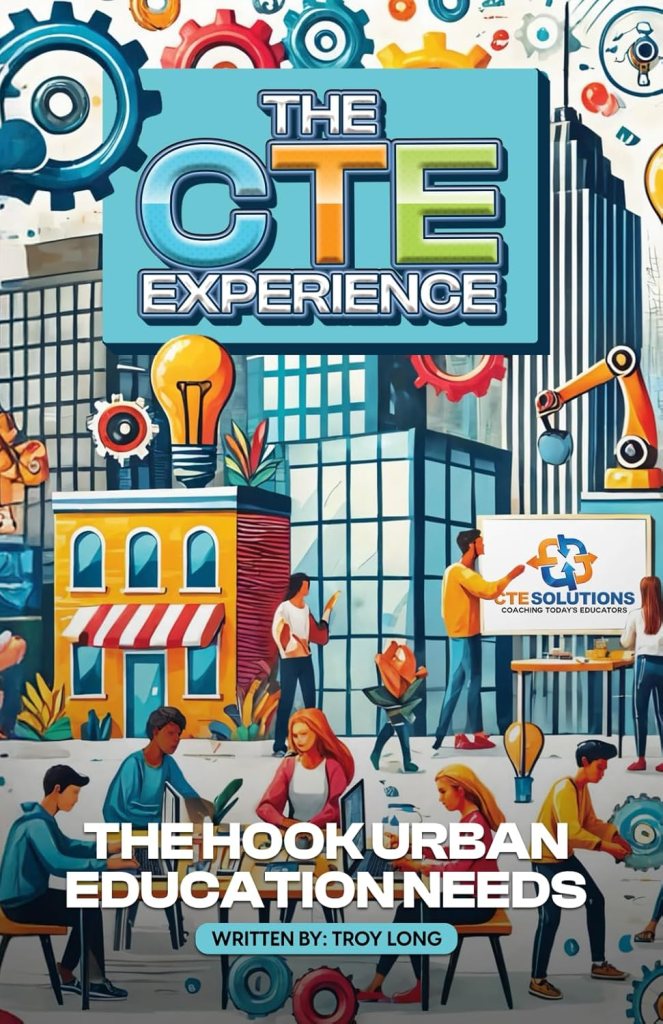
Troy’s book is more than a memoir, it’s a manifesto. The CTE Experience dives deep into the systemic barriers urban students face and offers a bold, actionable framework for change. It’s a must-read for educators, policymakers, and community leaders who want to understand how CTE can be the lever that lifts entire communities.
“Urban education doesn’t need another reform, it needs relevance. CTE is the hook. It’s how we catch students before they fall through the cracks.” Troy Long
Thought Leadership & Advocacy
Troy’s voice is resonating across the country:
Keynote Speaker: DC CTE 4th Annual Professional Development Conference
Presenter: ACTE National Conference
Podcast Guest: America in Black and White, MaiaLearning Inc., Global CTE Learning
Policy Advocate: Secured New Jersey’s Expanding Career Pathways in Artificial Intelligence grant
His message is clear: CTE isn’t just an option, it’s the future of equitable education.
Call to Action: Why Organizations Must Partner Now
Local districts, state agencies, and national nonprofits, this is your moment. Partnering with Troy Long means aligning with a proven leader who understands the classroom, the boardroom, and the community.
Here’s why you should act now:
Design CTE programs that reflect real workforce needs
Engage students through culturally relevant, hands-on learning
Build partnerships that expand access and equity
Train educators to become champions of career readiness
Whether you’re launching a new initiative or scaling an existing program, Troy brings the insight, strategy, and heart to make it succeed.
Connect with Troy Long
Book: The CTE Experience: The Hook Urban Education Needs
Troy Long is delivering the message districts need right now: CTE is not a detour, it’s the main road to equity, opportunity, and future-ready success. Let’s build that road together.
In a world where wealth often feels distant and disconnected from everyday struggles, a select group of Black billionaires have rewritten the narrative, not just by amassing fortunes, but by using their platforms to uplift underserved, marginalized, and LGBTQ communities. Their journeys from humble beginnings to global influence are more than success stories; they’re blueprints for legacy-driven impact.
Robert F. Smith: Tech Titan with a Heart for Equity
Raised in a working-class Denver family, Smith’s rise began with degrees in chemical engineering and business, culminating in the founding of Vista Equity Partners. But his legacy isn’t just in software, it’s in soul work.
Philanthropic Power Moves:
Paid off student loans for the entire 2019 Morehouse College graduating class.
Through Fund II Foundation, donated over $250M to causes like Black cultural preservation, environmental access for underserved youth, and inclusive arts education.
Advocates for the “2% Solution,” urging corporations to invest 2% of profits into underserved communities.
Smith’s wealth is a tool for systemic change, not just personal gain.
Oprah Winfrey: Media Mogul and LGBTQ Ally
From rural Mississippi poverty to global media dominance, Oprah’s story is steeped in resilience. But her empathy is what truly sets her apart.
LGBTQ Advocacy:
Hosted groundbreaking episodes on AIDS and LGBTQ issues as early as 1987.
Won the GLAAD Vanguard Award for championing LGBTQ stories and visibility.
Produced inclusive content through OWN and Harpo Productions, including documentaries like I Am Jazz and Becoming Chaz.
Oprah’s wealth is rooted in authenticity and she’s used it to create safe spaces for marginalized voices.
Jay-Z: From Marcy Projects to Movement Builder
Jay-Z’s empire spans music, fashion, tech, and sports but his philanthropic reach is equally expansive.
Community Impact:
Founded the Shawn Carter Foundation to support education for at-risk youth.
Advocates for criminal justice reform through the Reform Alliance.
Produced documentaries on systemic racism, including The Kalief Browder Story and Rest in Power: The Trayvon Martin Story.
Jay-Z’s wealth is a megaphone for justice, amplifying the voices of those often silenced.
Michael Jordan: From Court Legend to Community Champion
Jordan’s Air Jordan brand revolutionized sneaker culture, but his off-court philanthropy is equally game-changing.
Giving Back:
Donated $100M through the Jordan Brand to fight systemic racism and support Black-led nonprofits.
Funded clinics, scholarships, and literacy programs in underserved areas.
Supports initiatives for economic justice, education, and social reform.
Jordan’s wealth is a slam dunk for equity, health, and opportunity.
Kanye West: Visionary with a Complex Legacy
West’s Yeezy brand redefined fashion, and his real estate and music ventures built a billion-dollar portfolio. While his public persona is polarizing, his early support for LGBTQ rights was notable.
LGBTQ Support:
Spoke out against homophobia in hip-hop in 2005, inspired by his cousin’s coming out.
Advocated for tolerance and inclusion, comparing anti-gay discrimination to racism.
Though his later actions have sparked controversy, West’s early stance challenged cultural norms in hip-hop.
Tyler Perry: Storyteller and Shelter Builder
Perry’s journey from homelessness to owning a 330-acre studio is a testament to perseverance. But his vision extends far beyond entertainment.
Direct Support for Marginalized Groups:
Plans to build a shelter for displaced LGBTQ youth, homeless women, and trafficking survivors on his studio grounds.
Uses his platform to tell authentic stories of Black life, trauma, and triumph.
Honored with the Jean Hersholt Humanitarian Award and Emmys Governors Award for his commitment to inclusion.
Perry’s wealth is a sanctuary, both literal and symbolic, for those society often overlooks.
Should We See Them as Role Models?
Absolutely but not just for their financial success. These individuals embody a deeper kind of wealth: one rooted in purpose, empathy, and responsibility. They’ve shown that legacy isn’t just about what you build, it’s about who you lift.
Their stories remind us that wealth, when aligned with justice, can be revolutionary.
In every movement for justice, every march toward freedom, and every prayer for healing, education has stood as both a weapon and a shield. For the Black community, it is not just a pathway to opportunity—it is a sacred tool for survival, liberation, and legacy.
The Historical Weight of Education
From the days of slavery, when reading was forbidden, to the fight for desegregated schools, education has always been a battleground. Our ancestors understood its power. They risked their lives to learn, to teach, and to pass knowledge down like heirlooms. Because they knew: education is the difference between being silenced and being heard.
Today, that truth remains. But the stakes are higher.
The Impact on Marginalized Communities
Marginalized communities, especially Black, Brown, and Indigenous populations continue to face systemic barriers: underfunded schools, biased curricula, and limited access to higher education. These inequities don’t just stunt academic growth they perpetuate cycles of poverty, trauma, and disenfranchisement.
When education is denied or diluted, entire communities suffer. But when it is reclaimed, reimagined, and rooted in truth, it becomes a force of transformation.
Why We Must Work Together
Unity among marginalized communities isn’t just a nice idea—it’s a necessity. Our struggles are interconnected. Our victories must be, too.
When we collaborate across cultures and causes, we amplify our voices. We build coalitions that challenge oppressive systems. We share resources, strategies, and stories that empower the next generation to rise stronger than the last.
Together, we are unstoppable.
From Knowledge to Generational Wealth
Education is the first step—but it cannot be the last. We must move from learning to earning, from surviving to thriving.
Generational wealth isn’t just about money. It’s about ownership. Land. Businesses. Intellectual property. It’s about passing down assets, values, and visions that outlive us.
To build generational wealth, we must:
Invest in financial literacy from a young age
Support Black-owned businesses and institutions
Create platforms that celebrate and monetize our stories
Mentor and uplift youth with tools for entrepreneurship and innovation
Education gives us the blueprint. Unity gives us the strength. Wealth gives us the freedom.
Final Word
We are the architects of our future. Every book we read, every lesson we teach, every young mind we inspire—these are bricks in the foundation of a new legacy.
Let us educate. Let us unify. Let us build.
Because when the Black community rises, the world shifts.
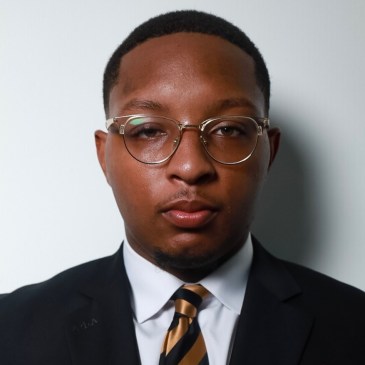
In a world that often celebrates noise over substance, Nate Paxton Jr. stands out as a man of quiet strength and unwavering purpose. Rooted in faith, family, and a deep sense of responsibility, Nate doesn’t just show up—he shows up with intention. Whether mentoring young leaders, supporting community initiatives, or simply offering a listening ear, he brings compassion and clarity to every space he enters.
Nate is known not just for what he does, but for how he makes people feel—heard, valued, and inspired. His leadership is grounded in resilience and a commitment to growth, always striving to be better for himself, his loved ones, and the legacy he’s building. At his core, he’s a connector—someone who sees the potential in others and helps them rise.
That spirit of connection and purpose is the foundation of his nonprofit, Nick of Time.
The Mission Behind Nick of Time
Nick of Time was born out of a simple but powerful truth: too many student athletes in under-resourced communities are overlooked—not just in sports, but in life. Nate saw the gap and decided to build a bridge.
The organization’s mission is clear:
To mentor, guide, and advance the academic and athletic careers of underprivileged young student athletes. Through personalized mentorship programs, comprehensive educational support, and first-class marketing systems, Nick of Time creates scholarship opportunities and prepares youth for life beyond the game.
This isn’t just about getting recruited. It’s about being equipped—for college, for careers, for adulthood.
Vision for a Greater Future
Nick of Time envisions a world where student athletes aren’t defined solely by their performance on the field or court. Instead, they’re empowered to become professionals in whatever trade or endeavor they choose once their playing career ends.
By providing tools, resources, and mentorship, the organization helps young people transition from athletic identity to professional purpose. It’s about creating leaders—educated, equipped, and ready to succeed.
Who Nick of Time Serves
Male and female student athletes in low-resource environments
Youth from 8th to 12th grade
College athletes seeking career guidance beyond sports
These are young people who often lack exposure, guidance, and access. Nick of Time steps in to fill that gap—with heart, strategy, and consistency.
The Problem They’re Solving
Too many student athletes in underserved communities fall through the cracks. They have talent, drive, and dreams—but not the resources to turn those dreams into reality. Nick of Time is changing that.
By compiling academic and athletic resumes, gathering film, and distributing it to hundreds of coaches and universities weekly, the organization ensures each student finds the right fit. But it doesn’t stop there.
Weekly mentorship through Zoom calls, in-person meetups, seminars, and trips keeps students grounded and growing. Live events throughout the year bring speakers, career opportunities, and internships directly to them—building not just athletes, but professionals.
Live events with speakers and career/internship opportunities
Guidance for life after sports
This holistic approach ensures that every student is seen, supported, and set up for success.
Final Thoughts
Nate Paxton Jr. is building more than a nonprofit—he’s building a movement. One that says to every overlooked student athlete: You matter. Your future matters. And we’re here to help you claim it.
Nick of Time is proof that when purpose meets preparation, lives change. Communities transform. And legacies are born.
If you’re looking for a model of mentorship, leadership, and impact, look no further than Nate Paxton Jr. and the work he’s doing—right on time.
Please click on the link below and become a part of our family and growth:
Since the founding of America, the education system has served not as a beacon of truth, but as a tool of erasure. For generations, Black children have sat in classrooms designed not to empower, but to mislead—shaped by curricula that glorify European conquest while silencing African legacy.
Let’s be clear: the lie began with religion. American schools rarely teach that Christianity’s origins trace back to Ethiopia, where the oldest known Bible—written in Ge’ez—is preserved. Instead, they peddle the King James Version, a European interpretation that paints Jesus as white and frames whiteness as divine. This isn’t just a distortion; it’s a calculated form of supremacy. When Black children are taught this version of faith, it sets the stage for self-erasure and the normalization of inequality.
And then there’s history—or rather, the selective fragments of it. American slavery, one of the most defining atrocities in this nation’s past, is either sanitized or omitted entirely. Books that tell the raw truth about lynching, rape, and systemic theft are being banned under the guise of “protecting children.” But who is really being protected? Not the descendants of enslaved people—who need these stories to understand their power and their pain—but the descendants of oppressors, who fear the reckoning.
Here’s what they won’t teach:
Black civilizations predate European ones by thousands of years.
Moors taught Europeans hygiene, mathematics, and architecture during their rule in Spain.
Black inventors have created technologies that power daily American life, from traffic lights to gas masks.
The first university in the world, Sankore in Timbuktu, was built by Black scholars.
Wall Street was built over the bones of enslaved Africans.
Despite centuries of displacement, sabotage, and systemic violence, Black people continue to persevere. Black students outperform their peers when given equitable resources. Black culture—music, fashion, language, innovation—is mimicked globally. And Black resilience has turned survival into excellence.
So why teach European history as American heritage? Why frame the Holocaust as more relevant than the Transatlantic Slave Trade? Why amplify other cultures while silencing the truth about Black royalty, Black intellect, and Black triumph?
Because truth dismantles power.
When we know we are descendants of kings and queens—not the enslaved, but the enslaved AND the builders, dreamers, warriors, scientists, healers, and revolutionaries—the entire system of white supremacy begins to crack.
It’s no accident that books are banned. That accurate history is replaced by propaganda. That educational standards are manipulated to mask brilliance. This is an ideological war, and its battlefield is the mind.
Call to Action:
We must challenge our schools. Demand real curricula. Sponsor Black-led educational initiatives. Teach your children at home, in communities, in churches and mosques. Tell the story your ancestors didn’t get to tell.
Knowledge is the most radical form of resistance. And in a system built on lies, telling the truth is a revolution.
In the heart of Milwaukee, Wisconsin, a quiet revolution in community education is taking shape — led by Integrated Community Education Consultants LLC, a firm committed to transforming lives through strategic educational support and advocacy.
Who They Are
Founded in July 2021, Integrated Community Education Consultants LLC is a Wisconsin-based limited liability company that believes education is not just a system — it’s a tool for liberation, equity, and community empowerment. The organization is helmed by Walter E. Cullin Jr., who also serves as the registered agent and primary contact for the firm.
Integrated Community Education Consultants (ICEC) is a mission-driven consultancy committed to transforming communities through equitable, culturally responsive, and sustainable educational solutions. We specialize in partnering with schools, nonprofits, and community-based organizations to develop innovative strategies that close opportunity gaps, empower educators, and elevate student success—especially in historically marginalized populations.
At ICEC, we believe that authentic change begins with collaboration. Our team of experienced educators, administrators, and community leaders brings deep expertise in curriculum development, school climate improvement, leadership coaching, and stakeholder engagement. We integrate data-driven insights with grassroots perspectives to design actionable solutions tailored to each community’s unique needs.
Whether supporting strategic planning, professional development, family engagement initiatives, or student-centered programming, ICEC stands at the intersection of education, equity, and impact. We help our partners build stronger systems, forge meaningful connections, and foster environments where all learners thrive.
In a city rich with history and resilience, Walter Cullin Jr. stands as a beacon of transformative leadership. As the founder of Integrated Community Education Consultants (ICEC) and host of the What’s Your Motive? podcast, Cullin has carved out a space where education meets equity, and collaboration replaces competition.
A Leader Rooted in Purpose
Walter’s journey spans healthcare administration, classroom teaching, and leadership roles as a dean and associate principal. With degrees in Healthcare Administration, Urban Education, and Educational Leadership, he brings a multidimensional lens to every initiative he leads. His mantra — “Intrinsically motivated with no excuses” — isn’t just a slogan; it’s a call to action for educators, students, and communities alike.
Impacting Milwaukee and Beyond
From moderating panels at Milwaukee Area Technical College to leading professional development workshops, Walter’s influence is felt across classrooms, boardrooms, and community spaces. He’s known for helping educators connect meaningfully with students, especially in urban settings, and for designing strategies that close opportunity gaps.
A Voice for Equity and Empowerment
Walter’s leadership is not just administrative — it’s deeply personal. As a devoted husband, father, and community advocate, he brings empathy and lived experience to every conversation. His work reflects the legacies of leaders like Dr. Herman Wrice and Dr. Martin Luther King Jr., blending historical reverence with modern urgency.
Expanding the Vision with Co-Founder Wyll Holloway
Integrated Community Education Consultants is not a one-man mission—it’s a dynamic partnership grounded in purpose and lived experience. Alongside Walter E. Cullin Jr., co-founder Wyll Holloway, B.S., M.S. brings over 25 years of educational leadership within Milwaukee’s inner-city schools and communities.
Wyll’s career has spanned nearly every corner of the educational landscape. Currently serving in higher education, he previously spent 13 years as a school counselor at a local elementary school, where he cultivated lasting relationships and fostered generational impact. His calm, down-to-earth demeanor and holistic approach have empowered students, families, and colleagues to discover their voices, passions, and pathways to success.
From mentoring and coaching to classroom instruction and administrative leadership, Wyll has always centered community care and personal connection. His work reflects a philosophy that educational transformation begins with trust—and thrives through collaboration.
As a mentor, tutor, basketball coach, teacher, counselor, and part-time administrator, Wyll has touched lives across diverse backgrounds. His strength lies in his ability to listen deeply, solve challenges creatively, and guide others toward meaningful growth.
Now, through ICEC, Wyll is channeling his decades of expertise into equipping educators with the skills and mindset needed to thrive in urban classrooms and beyond. He remains committed to bridging opportunity gaps and nurturing resilience through professional development and community-based solutions.
What They Do
Integrated Community Education Consultants offers a range of services designed to uplift students, families, and institutions alike. Their work includes:
Education Consulting: Tailored guidance for schools, educators, and families navigating academic challenges and opportunities.
Community Engagement: Programs that connect educational goals with local needs, fostering collaboration between schools and neighborhoods.
Strategic Planning: Support for institutions seeking to improve outcomes, equity, and long-term sustainability.
Mentorship & Advocacy: Empowering youth and educators through mentorship rooted in cultural awareness and historical context.
Professional learning workshops for educators and leaders
Student empowerment and motivation programs
Where They’re Located
The organization is based at Milwaukee, WI 53219, placing it squarely within a community that benefits from its mission-driven approach.
Why It Matters
In a time when educational equity is more urgent than ever, Integrated Community Education Consultants stands out for its commitment to Black history, community legacy, and transformative learning. Their work echoes the spirit of leaders like Dr. Herman Wrice and Dr. Martin Luther King Jr., whose influence continues to shape the educational landscape.
Podcast episodes: Please click the link and watch these episodes and subscribe to our YouTube Channel
As the summer draws to a close and the excitement of a new school year begins, many families in the Midlands/Columbia, SC area face the challenge of securing essential school supplies. To address this need, Chase Ransom, under the initiative “Mr. NIL Gives Back,” is spearheading a Back-to-School Giveaway—a community-driven effort aimed at uplifting our youth and supporting local families.
📚 What’s Happening?
We’re thrilled to announce our Back-to-School Giveaway! This initiative is designed to provide students with the tools they need to succeed. Your generous donations will help supply:
Book bags to carry their essentials
Pencils & crayons for creative expression
Colored pencils to make their work pop
Binders and more to keep organized
Every contribution, big or small, has the potential to impact a child’s life positively—making that first day back at school a bit brighter!
🎯 Our Goal
Our primary goal is to support as many families as possible in the Midlands/Columbia area. We believe that every child deserves access to the necessary supplies to jumpstart their academic journey. With your help, we can make this possible!
💸 How You Can Help
Making a difference is simple! We invite you to donate through Cash App at $Chaserans6. 100% of your contributions go directly to purchasing school supplies—ensuring that every dollar counts toward uplifting our community’s youth.
📍 Location
This giveaway is focused on serving families in the Midlands/Columbia, SC area. By rallying together, we can create a supportive environment for our students as they gear up for a productive school year.
Let’s Make a Difference—Together!
Join us in making a lasting impact. Spread the word by reposting this message, tagging friends, or connecting with us on social media. Let’s work hand in hand to ensure that every child in our community starts the school year off right! 📲 Follow and connect with Chase Ransom:
Thank you for your generosity and support! Together, we can uplift our youth and create a brighter future. 💪🏾❤️ #MrNILGivesBack #BackToSchoolGiveaway #SupportOurYouth
On July 1, 2023, the long-debated “Cop City,” officially known as the Public Safety Training Center, opened its doors in Atlanta, igniting intense discussions about policing, community safety, and the future of urban areas across the city. While proponents tout it as a necessary step toward enhanced police training and accountability, many marginalized communities view its inception as a harbinger of military-style enforcement tactics that threaten to deepen existing inequalities.
A Step Backward Amidst Protests
The journey to the opening of Cop City was fraught with public outcry and dissent. Activists rallied against the development, arguing that resources should be allocated to community services rather than militarized policing. Protesters highlighted how increased funding for law enforcement detracts from essential services like education, healthcare, and housing. Despite these fervent protests, which included direct actions and community organizing against the facility, the city proceeded with its plans, raising concerns about the disregard for community voices and lived experiences. Tragically, the protests surrounding Cop City became synonymous with violence, culminating in the fatal shooting of activist Manuel Paez Teran by police during a raid in January 2023. The incident sparked outrage, highlighting the severe power imbalances in how law enforcement interacts with communities of color. Critics argue that this militarized response only exemplifies the systemic disregard for black and brown lives, raising questions about the ethical implications of maintaining a heavily armed police force equipped with the latest training techniques while vulnerable communities continue to face socioeconomic challenges.
The Shadow of Militarization
The opening of Cop City signals a shift in how policing will be carried out in urban Atlanta. With specialized training that emphasizes a militaristic approach, residents fear they will bear the brunt of aggressive tactics that come with purportedly enhanced officer preparedness. The facility is designed to teach law enforcement advanced techniques, including tactical maneuvers and crowd control, raising alarm bells about potential overreach and brutality in handling situations in marginalized neighborhoods. Persistent fear looms over communities already grappling with high levels of police presence and aggression. With Cop City operational, there is a growing apprehension that its implications will exacerbate racial profiling, wrongful arrests, and instances of violence – continuing the cycle of distrust between law enforcement and the very communities they are meant to serve. Residents of Atlanta’s marginalized communities are left questioning the consequences of militarized policing when they were already experiencing systemic oppression.
The Broader Impact on Urban Areas
The repercussions of Cop City extend beyond Atlanta into urban areas nationwide. The facility serves as a template for cities considering similar initiatives, regardless of the detrimental effects experienced in communities subjected to over-policing. In recent years, the cries for police reform and defunding have taken center stage, calling for a reevaluation of public safety priorities. The emergence of Cop City represents a contradictory narrative; rather than redirecting funds into community development and social services, the city has chosen to solidify its commitment to a more militarized approach to policing. With cities across America grappling with issues of systemic racism and inequality, the opening of Cop City could inspire a nationwide trend where cities move away from community-centric solutions. Urban areas might find themselves at a crossroads, where priorities shift toward protecting property and maintaining order over addressing the root causes of crime, such as poverty and lack of access to education.
A Call for Accountability and Change
As the community navigates the reality of a new training facility designed to bolster policing practices, it is imperative to continue advocating for accountability and reform. Residents must pressure local officials to ensure that Cop City does not become a tool for further marginalization but rather a catalyst for meaningful dialogue about safety, equity, and justice. The ongoing conversation surrounding public safety requires a comprehensive approach that prioritizes community input, resources for grassroots organizations, and effective solutions that promise real change. As Atlanta moves forward, it stands as a crucial moment for the city’s leadership to reevaluate its stance on policing and consider innovative approaches that empower, rather than intimidate, its diverse communities. In conclusion, while Cop City signifies a new era of law enforcement training, the implications of this shift must be critically examined. Elected officials must prioritize the voices and experiences of marginalized communities while holding law enforcement accountable to prevent a dystopian future where militarization rules over community welfare—before it’s too late.






 Changing Trends and Times