Empowering Voices and Communities: A Spotlight on “I Fit The Description” and B.R.U.H.

In a world where representation matters more than ever, Smitty Russell’s book I Fit The Description emerges as a powerful testament to the resilience, identity, and strength of Black men. This compelling work challenges the Eurocentric narratives that have long overshadowed the authentic experiences of Black individuals. Through its pages, readers are invited to confront societal biases and embrace a deeper understanding of what it truly means to “fit the description.”

But Smitty Russell’s impact doesn’t stop at the written word. His nonprofit organization, Brothers Restoring Urban Hope (B.R.U.H.), is a beacon of hope and transformation for urban communities. Founded on the principle that every student, regardless of their background, deserves a chance at a bright future, B.R.U.H. is dedicated to mentorship, leadership training, and spiritual guidance. The organization’s mission is clear: to restore urban communities by empowering youth to discover their unique talents, overcome challenges, and thrive as engaged adults.

Through initiatives like group mentoring programs, virtual workshops, and leadership camps, B.R.U.H. fosters personal connections that inspire growth and resilience. The vision is to create a world where urban youth can rise above circumstances and achieve their fullest potential. Whether it’s through academic support, professional development workshops, or community engagement events, B.R.U.H. is making a tangible difference in the lives of countless young individuals.

By supporting I Fit The Description and B.R.U.H., you’re not just investing in a book or an organization—you’re championing a movement. A movement that celebrates identity, challenges stereotypes, and builds bridges of understanding and hope. Together, we can amplify voices, restore communities, and pave the way for a brighter, more inclusive future.

Are you ready to be part of this transformative journey? Dive into I Fit The Description and explore the impactful work of B.R.U.H. today!

You can purchase the book on amazon: https://a.co/d/7nteb0Z

Ways of connecting or contacting Smitty are:

Email: mail4bruh@gmail.com

Book link: https://a.co/d/7nteb0Z

Youtube channel: http://www.youtube.com/@SmitTheSpeaker

FB: https://www.facebook/SmittyRussell

X: @SmitTheSpeaker

IG: @SmitTheSpeaker

Business: https://mymostbeautifulllc.godaddysites.com/

Understanding DEI and Affirmative Action: Key Differences and Broad Impacts

In recent years, the terms Diversity, Equity, and Inclusion (DEI) and Affirmative Action have become central to discussions about social justice and equality in the United States. While both initiatives aim to address systemic inequalities, they differ in scope, approach, and impact. This blog post explores the distinctions between DEI and Affirmative Action, their effects on various genders, ethnicities, and cultures, and how these initiatives place America in a complex position. Finally, we’ll discuss potential options to address these challenges and move towards a more equitable society.

What is Affirmative Action?

Affirmative Action refers to policies and practices aimed at increasing the representation of historically marginalized groups in areas such as education and employment. Initiated during the Civil Rights Movement, these policies focus on providing opportunities to individuals from underrepresented racial, ethnic, and gender groups by considering these factors in admissions, hiring, and promotion decisions.

Key Characteristics:

  • Focus on race, ethnicity, and gender.
  • Applies to specific areas like college admissions and workplace hiring.
  • Emphasizes creating opportunities for historically marginalized groups.

What is Diversity, Equity, and Inclusion (DEI)?

DEI is a broader framework that encompasses not only race, ethnicity, and gender but also other dimensions of identity, such as age, sexual orientation, disability, and socioeconomic status. DEI initiatives aim to create environments where all individuals feel valued, respected, and included. The focus is on fostering a culture of belonging and ensuring equitable access to opportunities and resources.

Key Characteristics:

  • Inclusive of multiple identity dimensions (e.g., race, gender, sexual orientation, disability).
  • Emphasizes creating a culture of belonging and respect.
  • Focuses on long-term systemic change and equity.

Broad Impacts on Genders, Ethnicities, and Cultures

Genders: Both DEI and Affirmative Action have significant implications for gender equality. Affirmative Action policies have historically aimed to increase the representation of women in education and the workforce. DEI initiatives expand this focus to include non-binary and transgender individuals, promoting gender diversity and addressing systemic barriers.

Ethnicities: Affirmative Action has played a crucial role in increasing the representation of racial and ethnic minorities in higher education and employment. DEI initiatives go further by addressing intersectionality—how race intersects with other identities—and creating inclusive environments that recognize and celebrate cultural differences.

Cultures: DEI initiatives emphasize the importance of cultural competence and awareness, fostering environments where diverse cultural perspectives are valued. This approach helps to dismantle stereotypes, reduce biases, and promote cross-cultural understanding.

The Complex Position of America

The implementation of DEI and Affirmative Action initiatives places America in a complex and sometimes contentious position. On one hand, these efforts are essential for addressing historical injustices and promoting equality. On the other hand, they can lead to resistance and backlash, with some arguing that such policies result in reverse discrimination or undermine meritocracy.

Potential Options for Moving Forward

  1. Education and Awareness: Increasing public understanding of the benefits and goals of DEI and Affirmative Action can help mitigate resistance. Educational campaigns and open dialogues can foster empathy and support for these initiatives.
  2. Policy Refinement: Continuously refining and evaluating policies to ensure they are fair, effective, and transparent can build trust and reduce perceptions of unfairness.
  3. Inclusive Leadership: Encouraging diverse leadership at all levels can model the values of DEI and Affirmative Action, demonstrating their positive impact on organizational culture and decision-making.
  4. Community Engagement: Involving communities in the development and implementation of DEI and Affirmative Action policies ensures that they reflect the needs and perspectives of those they aim to support.
  5. Data-Driven Approaches: Using data to track progress and identify areas for improvement can enhance the effectiveness of DEI and Affirmative Action initiatives, ensuring they achieve their intended outcomes.

Conclusion

DEI and Affirmative Action are crucial for addressing systemic inequalities and promoting a more inclusive society. While their implementation can be complex and sometimes controversial, the benefits of creating environments where all individuals feel valued and respected are undeniable. By educating the public, refining policies, promoting inclusive leadership, engaging communities, and using data-driven approaches, America can navigate these challenges and move towards a more equitable future.

What Black People Can Do to Take Back Their Communities: The Importance of Home Ownership

A Historical Perspective: 18th, 19th, and 20th Centuries

18th Century: During the 18th century, Black people in America faced the brutal reality of slavery. Home ownership was an unattainable dream as they were considered property themselves. The lack of freedom and rights meant that building a community or owning property was impossible.

19th Century: The 19th century saw the end of slavery with the Emancipation Proclamation in 1863. However, the promise of “40 acres and a mule” was never fulfilled, leaving many freed Black people without land or resources. The rise of Jim Crow laws further restricted their rights, including the ability to own property. Despite these challenges, Black communities began to form, with a focus on mutual aid and support.

20th Century: The 20th century brought both progress and setbacks. The Great Migration saw millions of Black people move from the rural South to urban areas in the North, seeking better opportunities. However, discriminatory practices like redlining and restrictive covenants prevented many from purchasing homes in desirable neighborhoods. The Civil Rights Movement of the 1960s brought significant changes, but economic disparities and systemic racism continued to hinder Black home ownership.

Building a Community: The Importance of Family

A strong community is built on the foundation of family. By fostering close-knit relationships and supporting one another, Black people can create a sense of belonging and security. Home ownership plays a crucial role in this process, as it provides stability and a place for families to grow and thrive. When families own their homes, they have greater control over their environment and can ensure that their community remains safe and welcoming.

Controlling What Comes In and What Goes Out

Home ownership allows Black people to have a say in what enters and leaves their community. By owning property, they can influence local policies, support Black-owned businesses, and create spaces that reflect their culture and values. This control helps to preserve the integrity of the community and ensures that it remains a place where Black people can flourish.

Employment and the Value of Money

Economic empowerment is essential for taking back communities. By understanding the value of money and making informed financial decisions, Black people can build wealth and create opportunities for future generations. Home ownership is a key component of this process, as it provides a valuable asset that can appreciate over time. Additionally, supporting Black-owned businesses and pursuing entrepreneurship can help to create jobs and stimulate economic growth within the community.

Conclusion

Taking back Black communities requires a multifaceted approach that includes home ownership, building strong family ties, controlling the community’s environment, and fostering economic empowerment. By understanding the historical challenges and working together to overcome them, Black people can create thriving, self-sufficient communities that provide a better future for all.

Financial Insights: Navigating Q1 2025

As we step into the first quarter of 2025, the financial landscape is brimming with opportunities and challenges. In this edition of “Financial Insights,” we’ll explore the key financial trends for Q1, the best tools to grow your portfolio, and how to prepare financially for the evolving U.S. money markets.

Financial Trends for Q1 2025

  1. Robust Economic Growth: The U.S. economy is expected to maintain a steady growth rate, with GDP projected to grow at 2.4%. This growth is driven by strong consumer spending and corporate profits, despite potential headwinds from global trade tensions.
  2. Persistent Inflation: Inflation remains a concern, with rates expected to stay elevated. The Federal Reserve is likely to maintain a cautious approach to interest rate cuts, balancing the need to curb inflation while supporting economic growth.
  3. Strong U.S. Dollar: The U.S. dollar is anticipated to remain strong, bolstered by higher interest rates and robust economic performance compared to other advanced economies.
  4. Crypto Speculation: Cryptocurrency usage and speculation are set to intensify, with the approval of new crypto ETFs making it easier for retail investors to participate in the market.

Best Tools to Grow Your Portfolio

  1. Empower: This free platform offers a comprehensive dashboard for tracking your investments, including stocks, bonds, retirement accounts, and more. It provides detailed investment visualizations and a fee analyzer to help you optimize your portfolio.
  2. Portfolio Visualizer: Ideal for seasoned investors, this tool offers advanced back-testing, factor analysis, and Monte Carlo simulations to help you make informed investment decisions.
  3. Morningstar Portfolio Manager: Known for its robust features, this tool allows you to evaluate your portfolio, find new investments, and access exclusive research tools.
  4. Quicken: A versatile personal finance manager that helps you track your spending, saving, and investments in one place. It’s a great tool for managing multiple financial accounts and planning for the future.

Preparing Financially for the New U.S. Money Markets

  1. Diversify Your Portfolio: With the potential for market volatility, it’s crucial to diversify your investments across different asset classes, including stocks, bonds, real estate, and commodities. This approach can help mitigate risks and enhance returns.
  2. Stay Informed: Keep abreast of the latest economic policies and market trends. Understanding the implications of fiscal and monetary policies can help you make strategic financial decisions.
  3. Focus on Long-Term Goals: While short-term market fluctuations can be unsettling, maintaining a long-term perspective is essential. Stick to your financial plan and make adjustments as needed based on your goals and risk tolerance.
  4. Invest in Inflation-Hedging Assets: Consider adding assets that perform well during periods of high inflation, such as commodities and real estate, to your portfolio. These investments can help protect your purchasing power.

As we navigate the financial landscape of Q1 2025, staying informed and proactive is key to achieving your financial goals. By leveraging the right tools and strategies, you can grow your portfolio and prepare for the evolving U.S. money markets.

: Kiplinger : CreditDonkey : FinMasters : CNBC : Yahoo Finance : GOBankingRates

Reflecting on the Anniversary of the U.S. Capitol Insurrection

Today marks the anniversary of the insurrection at the U.S. Capitol, a day that will forever be etched in the annals of American history. On January 6, 2021, a mob of supporters of then-President Donald Trump stormed the Capitol in an attempt to overturn the results of the 2020 presidential election. This unprecedented attack on the heart of American democracy resulted in significant damage, loss of life, and a profound impact on the nation’s psyche.

The Numbers and Charges

In the aftermath of the insurrection, the Department of Justice (DOJ) launched one of the largest investigations in its history. As of today, approximately 1,583 individuals have been charged with federal crimes related to the events of January 6. These charges range from misdemeanors to serious felonies, including assaulting law enforcement officers, using deadly or dangerous weapons, and seditious conspiracy1.

The most egregious charges have been brought against leaders of extremist groups like the Oath Keepers and the Proud Boys, who were convicted of seditious conspiracy for their roles in plotting to use violence to disrupt the peaceful transfer of power. Other individuals have faced charges for assaulting police officers with makeshift weapons, including flagpoles and stolen police batons3.

The Department of Justice’s Shortcomings

Despite the extensive efforts to hold those responsible accountable, many believe that the DOJ has failed the American people. Critics argue that the DOJ’s actions have not been sufficient to address the full scope of the insurrection and its aftermath. The perception of leniency and the slow pace of prosecutions have left a stain on the nation’s justice system and raised questions about the commitment to upholding the rule of law.

The DOJ’s handling of the insurrection has also been criticized for its inability to prevent the attack in the first place. The lack of preparedness and the failure to act on intelligence warnings have been seen as significant lapses that allowed the insurrection to occur. This has led to a loss of trust in the DOJ’s ability to protect the nation’s democratic institutions.

Historical Context

The insurrection at the U.S. Capitol is not an isolated event in American history. The Capitol has been the site of violence and attacks before, most notably during the Civil War era. In the 19th century, Congress witnessed numerous violent clashes, including the infamous caning of Senator Charles Sumner by Representative Preston Brooks in 1856. These historical events serve as a reminder of the deep divisions that have existed in the country and the challenges of maintaining a stable democracy.

However, the events of January 6, 2021, stand out due to their scale and the direct attack on the democratic process. The insurrection was a stark reminder of the fragility of democracy and the importance of safeguarding it against threats from within.

Moving Forward

As we reflect on the anniversary of the insurrection, it is crucial to remember the lessons learned and to continue the work of healing and rebuilding trust in our democratic institutions. The DOJ must redouble its efforts to hold all those responsible accountable and to restore faith in the justice system. Only through a commitment to justice and the rule of law can the nation move forward and prevent such an attack from happening again.

The stain left by the insurrection on the U.S. Capitol and the country as a whole is a sobering reminder of the work that remains to be done. It is a call to action for all Americans to stand united in defense of democracy and to ensure that the events of January 6, 2021, are never repeated.

: ABC News
: PBS News
: KTVB
: Capitol History

Financial Insights: Navigating Tax Breaks in 2025

As we step into 2025, it’s crucial to stay informed about the tax breaks available across different income brackets and for businesses. This edition of “Financial Insights” will cover the tax breaks for the top one percent, middle class, and lower class, as well as those for businesses. We’ll also discuss the tax breaks that are set to expire and provide an outlook on the potential changes under a new presidential administration.

Tax Breaks for the Top One Percent

The top one percent of earners benefit from several tax breaks, including lower rates on capital gains and dividends, and various deductions and credits. The Tax Cuts and Jobs Act (TCJA) of 2017 significantly reduced the tax burden for high-income earners, with the top marginal tax rate dropping from 39.6% to 37%. However, many of these provisions are set to expire after 2025, potentially increasing the tax rates back to pre-TCJA levels2.

Tax Breaks for the Middle Class

Middle-class taxpayers have access to several tax breaks designed to ease their financial burden. These include the Earned Income Tax Credit (EITC), Child Tax Credit (CTC), and deductions for mortgage interest and state and local taxes (SALT). The TCJA also doubled the standard deduction, which has been beneficial for many middle-class families2. However, like the benefits for the top one percent, these provisions are also set to expire after 2025.

Tax Breaks for the Lower Class

Lower-income earners benefit from tax credits such as the EITC and the CTC, which can significantly reduce their tax liability. The American Rescue Plan Act (ARPA) temporarily expanded these credits, but these expansions are set to expire, potentially reducing the benefits available to lower-income families1.

Expiring Tax Breaks

Several key tax provisions are set to expire after 2025, including the lower individual income tax rates, the doubled standard deduction, and the expanded CTC. Unless Congress acts to extend these provisions, taxpayers could see higher tax rates and reduced deductions starting in 2025.

Tax Breaks for Businesses

Businesses can take advantage of various tax breaks, including deductions for salaries and wages, health insurance, and retirement plan contributions. The TCJA also introduced a 20% deduction for qualified business income, which has been beneficial for many small businesses2. However, this provision is also set to expire after 2025.

Outlook Under a New Presidential Administration

With the recent election of President Donald Trump for a second term, we can expect potential changes to the tax code. President Trump has proposed lowering the corporate tax rate from 21% to 20% and introducing new individual tax breaks, such as exempting Social Security payments from federal taxation. However, the exact details of these changes remain uncertain, and taxpayers should stay informed about potential legislative developments8.

In conclusion, staying informed about the available tax breaks and upcoming changes is crucial for effective financial planning. As we move forward, “Financial Insights” will continue to provide updates and guidance to help you navigate the evolving tax landscape.

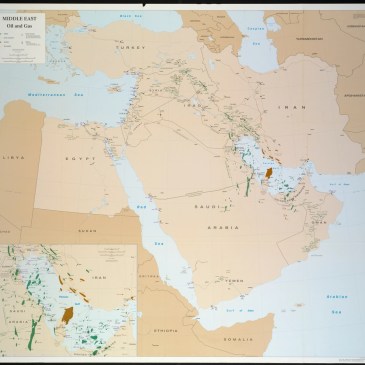
Middle East or East Africa?

The term “Middle East” is a relatively modern construct, coined by Western powers to describe a region that has long been a crossroads of civilizations. Historically, this area was often referred to as part of Africa, particularly the northeastern part of the continent. The name “Middle East” itself is a Eurocentric term that reflects the geopolitical interests of colonial powers rather than the cultural and historical realities of the region.

The people who have historically inhabited this land are diverse, with rich and varied cultures that have evolved over millennia. However, the arrival of European colonial powers in the 19th and 20th centuries brought significant changes. These powers imposed new borders, often disregarding the existing ethnic, cultural, and historical ties of the indigenous populations.

The colonial era saw the displacement of many indigenous peoples and the imposition of foreign rule. European settlers and administrators often claimed the land as their own, disregarding the rights and histories of the original inhabitants. This led to a loss of cultural heritage, as colonial powers sought to impose their own values and systems of governance.

In many cases, the occupiers appropriated the cultural symbols and practices of the indigenous peoples, often without acknowledgment or respect. This cultural theft has had lasting impacts, as the original cultures have been marginalized and their contributions to the region’s history and identity have been overlooked.

Today, the legacy of colonialism continues to shape the Middle East. The borders drawn by colonial powers have led to ongoing conflicts and tensions, as different groups struggle for recognition and autonomy. The cultural heritage of the region’s original inhabitants is still at risk, as modern political and social dynamics continue to marginalize their voices.

In conclusion, the term “Middle East” is a misnomer that reflects a colonial perspective rather than the true history and identity of the region. The people who have historically lived in this land have a rich and diverse cultural heritage that has been overshadowed by the legacy of colonialism. It is important to recognize and honor the contributions of these original inhabitants and to work towards a more inclusive and accurate understanding of the region’s history.

The Danger of False Premises: Understanding the Consequences of Misinformed Influence

In today’s world, misinformation and false premises have become powerful tools that can shape public opinion and influence behavior. People who have been influenced under false premises often fail to grasp the gravity of living in a country where representatives sell secrets, unlawfully change the structure of government, and pit people against each other. This blog post explores why this lack of understanding is dangerous and the potential consequences for society.

The Power of Misinformation

Misinformation can spread rapidly, especially in the age of social media. When people are influenced by false premises, they may develop skewed perceptions of reality. This can lead to misguided beliefs and actions that undermine the principles of democracy and the rule of law.

Selling Secrets: A Breach of Trust

When representatives sell secrets, it constitutes a severe breach of trust. The public relies on elected officials to act in the best interest of the country, and selling secrets compromises national security and erodes public confidence. People influenced by false premises may not fully understand the implications of such actions, leading to a lack of accountability for those in power.

Unlawful Changes to Government Structure

Unlawfully changing the structure of government undermines the democratic process and the checks and balances that are essential for a functioning democracy. When people are misinformed, they may support or tolerate these changes without realizing the long-term consequences. This can lead to the erosion of democratic institutions and the concentration of power in the hands of a few.

Pitting People Against Each Other

Divisive rhetoric and actions that pit people against each other can create a deeply polarized society. When individuals are influenced by false premises, they may become more susceptible to manipulation and less likely to engage in constructive dialogue. This can lead to increased social unrest and a breakdown of community cohesion.

The Consequences for Society

The consequences of living in a country where representatives sell secrets, unlawfully change the structure of government, and pit people against each other are profound. It can lead to:

  • Erosion of Trust: Public trust in government and institutions is eroded, making it difficult to achieve consensus on important issues.
  • Political Instability: Unlawful changes to government structure can create political instability and undermine the rule of law.
  • Social Division: Divisive rhetoric can deepen social divisions and lead to increased conflict and violence.
  • Economic Impact: Political instability and lack of trust can negatively impact the economy, leading to reduced investment and economic growth.

Moving Forward

To address these challenges, it is essential to promote media literacy and critical thinking skills. People need to be equipped with the tools to discern fact from fiction and to hold their representatives accountable. Additionally, fostering open and respectful dialogue can help bridge divides and build a more cohesive society.

Your Thoughts

We want to hear from you. How do you feel about the impact of misinformation and false premises on society? What steps do you think are necessary to address these issues and protect the principles of democracy? Share your thoughts and solutions in the comments below.

By understanding the dangers of misinformation and the consequences of being influenced by false premises, we can work towards creating a more informed and resilient society. Let’s continue the conversation and work together to build a better future.

The Real Boogeymen: Elon Musk and Donald Trump

In the ever-evolving landscape of American politics and business, two figures have emerged as the real boogeymen: Elon Musk and Donald Trump. Their influence extends far beyond their respective domains, shaping the future of the country in ways that are both profound and unsettling. This blog post delves into why Musk and Trump are considered the real boogeymen, what this means for the American people, and the possible scenarios that could unfold over the next four years.

The Influence of Elon Musk

Elon Musk, the world’s richest man, has a hand in multiple industries, from electric vehicles and space exploration to social media and artificial intelligence. His influence is not just limited to his businesses; it extends into the political arena as well. Musk’s recent actions, such as his vocal opposition to government spending bills and his role in shaping policy through his advisory position in the Trump administration, have raised concerns about the concentration of power in the hands of a few wealthy individuals2.

Impact on the American People:

  • Economic Disparities: Musk’s wealth and influence highlight the growing economic disparities in the country. While he continues to amass wealth, many Americans struggle with economic instability and lack of access to basic resources.
  • Technological Control: Musk’s control over key technologies, such as social media platforms and space exploration, raises questions about the potential for monopolistic practices and the impact on free speech and innovation.

The Influence of Donald Trump

Donald Trump’s return to the political stage has been marked by controversy and division. His policies and rhetoric have often polarized the nation, and his influence on the Republican Party remains strong. Trump’s recent actions, such as his opposition to bipartisan budget negotiations and his alignment with Musk, have further deepened political divides4.

Impact on the American People:

  • Political Polarization: Trump’s divisive rhetoric and policies continue to polarize the nation, making it difficult to achieve consensus on critical issues.
  • Erosion of Trust: The constant barrage of misinformation and attacks on democratic institutions have eroded public trust in the government and the media.

Possible Scenarios for the Next Four Years

As we look ahead, several scenarios could unfold, each with significant implications for the American people:

  1. Increased Economic Inequality: The concentration of wealth and power in the hands of individuals like Musk and Trump could exacerbate economic inequalities, leading to greater social unrest and instability.
  2. Technological Monopolies: Musk’s control over key technologies could lead to monopolistic practices, stifling competition and innovation. This could also impact privacy and free speech, as control over social media platforms becomes more centralized.
  3. Political Instability: Trump’s influence on the Republican Party and his divisive rhetoric could lead to increased political instability, making it difficult to address critical issues such as healthcare, education, and climate change.
  4. Erosion of Democratic Norms: The continued erosion of trust in democratic institutions and the spread of misinformation could undermine the foundations of American democracy, leading to a more authoritarian and less accountable government.

Conclusion

Elon Musk and Donald Trump, the real boogeymen of our time, wield immense power and influence that shape the future of the country. Their actions and policies have far-reaching implications for the American people, from economic disparities and technological control to political polarization and the erosion of democratic norms. As we navigate the next four years, it is crucial for the American people to stay informed, engaged, and vigilant in order to protect the values and principles that underpin our democracy.

The Looming Crisis: What Happens if Congress Fails to Pass the Debt Ceiling Bill?

As the debate over the debt ceiling bill intensifies, the possibility of Congress failing to pass it looms large. The consequences of such a failure would be far-reaching, affecting every aspect of American life. This blog post explores the potential impacts on the American people, broken down by race, gender, family, and region, and highlights the possible suffering that could ensue.

Economic Turmoil and Financial Instability

If Congress fails to pass the debt ceiling bill, the U.S. government would be unable to meet its financial obligations, leading to a default. This would trigger a financial crisis, causing stock markets to plummet and interest rates to soar. The ripple effects would be felt across the economy, with businesses facing higher borrowing costs and consumers experiencing increased prices for goods and services.

Impact by Race

Black and Hispanic Communities: Historically marginalized communities would likely bear the brunt of the economic fallout. Black and Hispanic households, which already face higher unemployment rates and lower median incomes, would be disproportionately affected by job losses and reduced access to credit2. The wealth gap between these communities and their white counterparts would widen further, exacerbating existing inequalities.

White Communities: While white households generally have higher incomes and more wealth, they would not be immune to the economic downturn. Middle-class white families could see their savings and investments erode, and those living paycheck to paycheck would struggle to make ends meet.

Impact by Gender

Women: Women, particularly single mothers, would face significant challenges. Women are more likely to work in low-wage jobs and industries that are vulnerable to economic downturns. The loss of income and increased financial stress could lead to higher rates of poverty and food insecurity among women and their children.

Men: Men, especially those in blue-collar jobs, could also be severely impacted. Industries such as construction and manufacturing, which employ a large number of men, would likely see job cuts and reduced hours. This would lead to financial instability for many families reliant on these incomes.

Impact on Families

Low-Income Families: Families living below the poverty line would face the harshest consequences. With reduced access to social safety nets and increased costs of living, these families would struggle to afford basic necessities such as food, housing, and healthcare.

Middle-Class Families: The middle class would also feel the pinch. Savings and retirement accounts could take a hit, and the increased cost of borrowing could make it difficult for these families to finance major expenses such as home purchases or college education.

Regional Impact

Northeast: The Northeast, with its high cost of living and reliance on financial services, could see significant economic disruption. Job losses in the finance sector and increased living costs would strain households.

Midwest: The Midwest, known for its manufacturing base, could experience widespread job losses and economic stagnation. Communities dependent on manufacturing and agriculture would be particularly hard hit.

South: The South, with its higher poverty rates and lower median incomes, would face severe economic challenges. The region’s reliance on industries such as agriculture and energy could lead to significant job losses and financial instability.

West: The West, with its diverse economy, would also feel the impact. Tech hubs like Silicon Valley could see reduced investment, while rural areas dependent on agriculture and tourism could suffer from decreased economic activity.

Possible Suffering

The failure to pass the debt ceiling bill would lead to widespread suffering across the country. Families would face increased financial stress, with many struggling to afford basic necessities. The economic downturn could lead to higher rates of homelessness, food insecurity, and mental health issues. Communities already facing economic challenges would be pushed further into poverty, exacerbating existing inequalities.

Conclusion

The potential consequences of Congress failing to pass the debt ceiling bill are dire. The economic fallout would be felt across all demographics and regions, leading to widespread suffering and increased inequality. It is crucial for lawmakers to come together and pass the bill to prevent a financial catastrophe and protect the well-being of the American people.