California’s Proposition 50: Redistricting as a Defense of Democracy

By Charles Zackary King
Source: Reporting from The Associated Press

Why Proposition 50 Matters

On Election Day 2025, California voters approved Proposition 50, a measure that redraws congressional district boundaries in favor of Democrats. This wasn’t just about maps, it was about the future of American democracy.

The measure gives Democrats a chance to win as many as five additional House seats in 2026, directly countering Republican-led gerrymandering efforts in Texas. With Republicans currently holding a slim majority (219–213), those seats could determine control of the U.S. House, and with it, the ability to advance or block President Donald Trump’s agenda.

The Reason and the Why

Redistricting is often seen as a technical process, but in reality, it’s about power and representation. Texas Republicans, at Trump’s urging, moved to redraw their maps to secure five new GOP seats. California’s Proposition 50 was a direct response, a way to blunt that move and ensure Democrats remain competitive in the fight for the House.

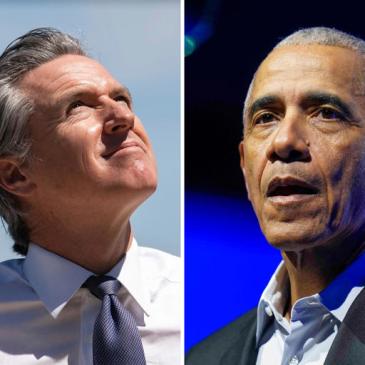
Governor Gavin Newsom framed the measure as essential to saving democracy. He argued that without action, Trump and his allies would continue to manipulate electoral maps to entrench their power. Newsom’s words were clear: “If Democrats win the House majority, they can end Donald Trump’s presidency as we know it. It is all on the line, a bright line, in 2026.”

The Who

  • Governor Gavin Newsom spearheaded the campaign, throwing the full weight of his political operation behind it. His leadership made the measure possible, and his success here is seen as a test of his national viability ahead of a potential 2028 presidential run.
  • Former President Barack Obama lent his voice, urging Californians to stop Republicans “in their tracks” and warning against unchecked power.
  • California voters themselves made the decisive choice, approving the measure despite criticism that it undermines the independent commission created in 2008.

Critics like former Governor Arnold Schwarzenegger argued that fighting Trump by adopting partisan maps “takes the power away from the people.” But supporters countered that failing to act would allow Trump and GOP-led states to rig the system unchecked.

Why This Was Possible

California is deeply blue, with strong Democratic infrastructure and voter turnout. Opponents of Proposition 50 struggled to raise money in one of the nation’s most expensive media markets, leaving Newsom and his allies to dominate the airwaves. Republican congressmen whose districts will be reshaped largely stayed silent, further weakening opposition.

The result was a lopsided campaign that foreshadowed the vote: a decisive victory for Democrats and a symbolic rejection of Trump’s attempts to manipulate democracy.

Saving Democracy

Proposition 50 is more than a state-level measure. It represents a broader national rejection of Trumpism and a commitment to protecting democratic institutions. Newsom appears to be one of the few governors willing to take bold, structural action to stop Trump from bending the rules to his advantage.

This fight is not over. The 2026 midterms will determine whether Democrats can seize control of the House and block Trump’s agenda. California’s move shows that when leaders act decisively, and when voters recognize the stakes, democracy can be defended.

Call to Action

This is a moment for reflection and action. Are we ready to defend democracy from manipulation? Are we ready to support leaders who take bold steps to protect fairness and representation?

 Subscribe to the blog for updates.
 Comment below to share your perspective.
 Let it be known: America can and will come together when people think, organize, and vote.

The Blue Wave is rising. Let’s make sure it carries us into 2026 and beyond.

Timeline Concept: Defending Democracy

Stage 1: Texas Redraw (2025)
Republicans, at Trump’s urging, redraw maps to secure 5 new GOP seats.
Theme: Manipulation of democracy.

Stage 2: California Response (2025)
Voters approve Proposition 50, giving Democrats a chance to win 5 seats.
Theme: Counteraction, protecting representation.

Stage 3: 2026 Midterms
Control of the U.S. House is on the line.
Theme: Choice between democracy and authoritarianism.

Stage 4: House Control
Democrats can seize majority, block Trump’s agenda, and restore balance.
Theme: Power shifts toward accountability.

Stage 5: Democracy at Stake
The fight is bigger than maps — it’s about saving democracy itself.
Theme: The Blue Wave rising.
Zohran Mamdani, BDS, and the Fight for Accountability

By Charles Zackary King
Source: Reporting by Gabriel Hays, Fox News

Mamdani’s Stand on BDS

In a recent interview on MSNBC’s Morning Joe, New York City mayor-elect Zohran Mamdani defended his support for the Boycott, Divestment, and Sanctions (BDS) movement. Mamdani explained that his support is rooted in the belief that BDS is a non-violent way to pressure Israel to comply with international law.

“I support BDS because this is a movement that is looking for that kind of compliance. We haven’t seen it,” Mamdani said.

When asked how he could reconcile his support for BDS with his promise to represent Jewish New Yorkers, Mamdani clarified: “Critiques of the state of Israel are critiques of a government, as opposed to critiques of a people and of a faith. My job is to represent every single New Yorker.”

The Debate Over Accountability

Jewish leaders in New York, including Rabbi Elliot Cosgrove of Park Avenue Synagogue, have expressed concern that Mamdani’s positions pose a threat to the city’s Jewish community. His opponents, Andrew Cuomo and Curtis Sliwa, echoed those concerns during the campaign.

But Mamdani’s supporters argue that his stance is about holding governments accountable, not targeting communities. They see his position as part of a broader call to end displacement, violence, and policies that perpetuate inequality.

This debate reflects a larger tension: communities want protection and safety, but there must also be space to question policies that contribute to suffering in places like Gaza. Mamdani’s insistence on representing all New Yorkers, regardless of their views on Israel and Palestine, is a reminder that leadership requires nuance, courage, and a commitment to fairness.

A Larger Context

The controversy surrounding Mamdani is not just about New York City politics. It’s about how America engages with global issues of justice, displacement, and human rights. Critics argue that U.S. support for Israeli policies has enabled ongoing harm in Gaza. Supporters of BDS see it as a way to demand accountability without violence.

Mamdani’s election signals that many New Yorkers are ready for leadership that challenges entrenched interests and gatekeepers. His open-minded approach is exactly what democracy needs: a willingness to confront uncomfortable truths while promising to serve every constituent.

Call to Action

This is a moment for reflection. Are we ready to hold governments accountable for displacement and violence? Are we ready to support leaders who promise to represent everyone — even when their positions challenge powerful interests?

 Subscribe to the blog for updates.
 Comment below to share your perspective.
 Let’s keep the conversation alive about justice, accountability, and democracy.

The Blue Wave Begins: Election Day 2025 as a Rebuke of Trump

By Charles Zackary King
Sources: Reporting by Caitlin Yilek, Joe Walsh, and Kathryn Watson for CBS News

Sources

  • Caitlin Yilek, Joe Walsh, Kathryn Watson, CBS News Election Day 2025 Coverage

A Night of Sweeping Democratic Victories

On November 5, 2025, voters across the country delivered a powerful message. Democrats swept four major races:

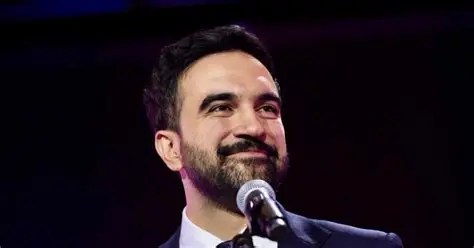
  • New York City Mayoral Race – Democratic socialist Zohran Mamdani defeated former governor Andrew Cuomo, who ran as an independent after losing the primary.
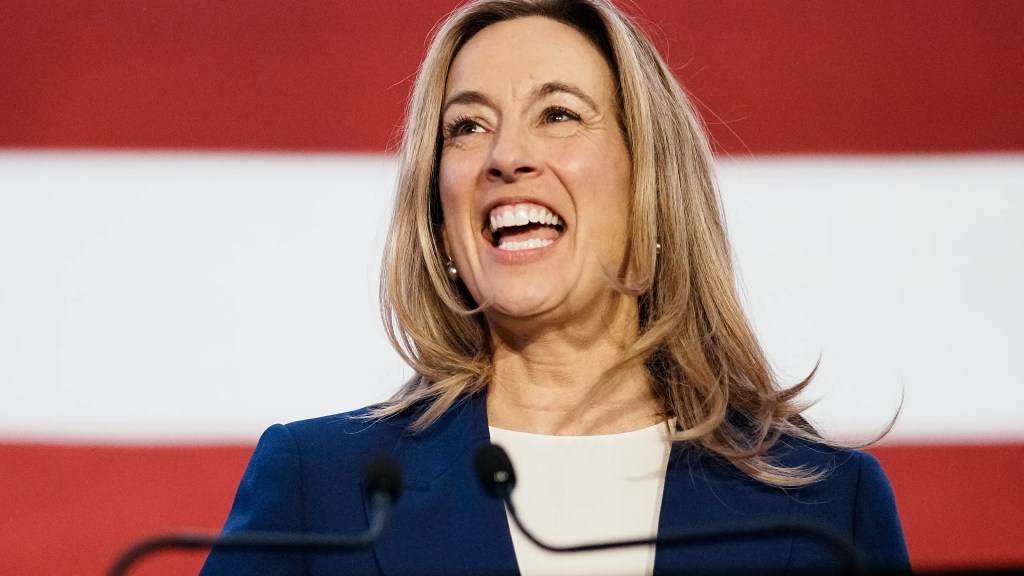
  • New Jersey Governor’s Race – Moderate Democrat Mikie Sherrill prevailed over Republican Jack Ciattarelli.
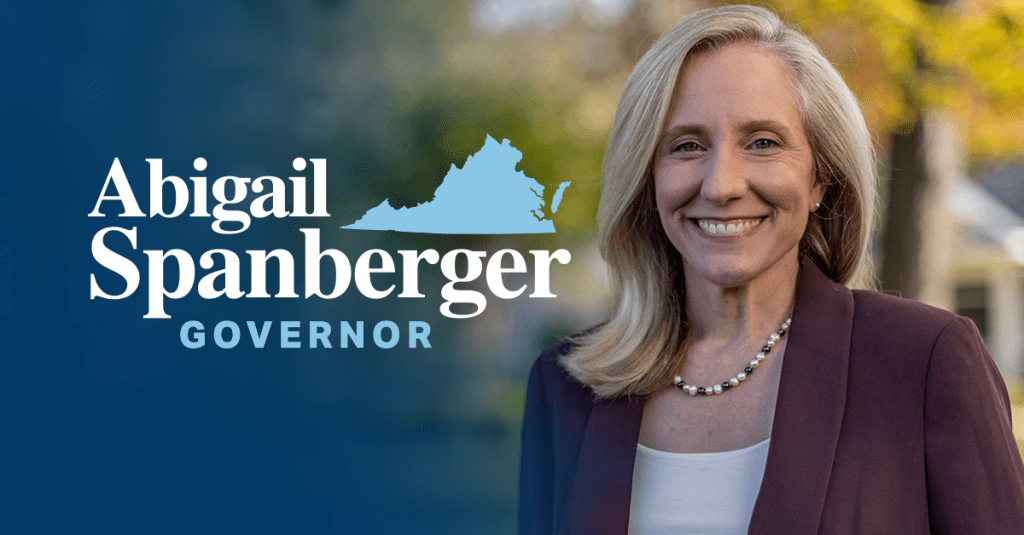
  • Virginia Governor’s Race – Moderate Democrat Abigail Spanberger defeated GOP candidate Winsome Earle-Sears.
  • California Proposition 50 – Voters approved a redistricting measure designed to counter GOP-led gerrymandering.

Exit polls revealed that voters were motivated by concerns about the economy and a broader discontent with the state of the nation. Yet beneath those concerns lay a deeper sentiment: a rejection of Donald Trump’s influence and his contribution to the erosion of democratic norms.

Trump’s Response: Defensiveness and Denial

In the aftermath, President Trump attempted to spin the losses. He told Fox News that Republicans “have to talk about” their successes, particularly on affordability and energy prices. He lamented Ciattarelli’s loss in New Jersey, noting that his endorsement “means a lot,” while distancing himself from Earle-Sears in Virginia.

Trump also lashed out at Mamdani, calling his victory speech “very angry” and warning that the new mayor should “be very nice to me.” He even suggested withholding federal funding from New York City, labeling Mamdani a “communist” despite his self-identification as a democratic socialist.

At the America Business Forum in Miami, Trump escalated his rhetoric, framing the 2026 midterms as a “choice between communism and common sense.” His words underscored the stark divide he seeks to create, one rooted in fear, division, and distortion.

What This Election Means

The victories of Sherrill, Spanberger, Mamdani, and the passage of Prop 50 represent more than just electoral wins. They symbolize a rebuke of Trumpism and a rejection of politics that “abandons the many and answers only to the few,” as Mamdani declared in his victory speech.

This moment is a reminder that when people think critically, organize, and vote, they can push back against the forces that strain our democracy. The results show that Americans are ready to rid themselves of the cancer that has weakened our institutions and divided our communities.

Historical Echoes

History teaches us that moments of democratic renewal often come after periods of deep division. Just as the Civil Rights Movement pushed back against segregation, and just as past waves of reform challenged corruption and inequality, Election Day 2025 signals a new chapter.

The parallels are clear: when citizens unite around shared values of justice, equity, and opportunity, they can overcome even the most entrenched forces of division. This election is not just about candidates, it is about reclaiming the soul of the nation.

The Coming Blue Wave

If Election Day 2025 is any indication, the Blue Wave is building momentum for the 2026 midterms. Voters are signaling that they want leaders who prioritize equity, justice, and opportunity, not fearmongering and authoritarianism.

This is a chance for the country to come together, to reflect on the damage done, and to chart a new path forward. The tide is turning, and the people are ready to save democracy from those who seek to dismantle it.

Call to Action

This blog is more than commentary; it’s a call to action. If you believe in saving our country, if you believe in democracy, equity, and justice, then join the conversation.

 Subscribe to the blog for updates.
 Comment below to share your thoughts.
 Let it be known: America can and will come together when people think, organize, and vote.

The Blue Wave is rising. Let’s make sure it carries us into 2026 and beyond.

What’s Wrong with the Democratic Party: A Wake-Up Call from the Black Base

By Charles Zackary King


For decades, Black people have been the backbone of the Democratic Party showing up, voting in record numbers, organizing on the ground, and carrying the weight of civic responsibility while being promised change that never comes. And yet, when the dust settles and the power shifts, we’re left with empty speeches, symbolic gestures, and policies that barely scratch the surface of our real needs.

Let’s be clear: the Democratic Party has a leadership problem. Not just in strategy but in courage, conviction, and connection to the people who built their platform.

The Black Vote: Taken for Granted, Ignored in Practice

Every election cycle, the party rolls out gospel playlists, kente cloth photo ops, and vague promises of “equity.” But when it’s time to legislate, Black communities are sidelined. We don’t see sweeping criminal justice reform. We don’t see reparations. We don’t see economic investment in our neighborhoods. What we see is performative allyship and political cowardice.

This isn’t just neglect it’s betrayal. And it makes the Democratic Party look complicit with the very forces they claim to oppose.

Complicity with the Republican Agenda

While Republicans openly attack voting rights, education, and bodily autonomy, Democrats respond with press releases and hashtags. They lead from behind, always reacting, never initiating. They blame obstruction, but refuse to use the power they have when they have it.

When Democrats hold the House, Senate, and White House, they still hesitate. They compromise with extremists. They water down justice. And in doing so, they enable the erosion of democracy.

Silence in the face of injustice is complicity. And the Democratic Party’s silence—especially when it comes to Black lives, is deafening.

Real Leadership Builds, Not Begs

Real leadership doesn’t wait for permission. It doesn’t poll test morality. It listens to the people, acts with urgency, and stands firm in truth.

Leadership means:

  • Passing bold legislation that protects voting rights, ends police brutality, and invests in Black futures
  • Centering the voices of the marginalized, not just during election season but every day
  • Calling out racism and economic injustice, even when it’s politically inconvenient
  • Building coalitions, not just fundraising machines

The people are tired of leaders who whimper in the face of opposition. We need warriors, not weather vanes.

The Struggle Between Races and the Have-Nots

The Democratic Party’s failure to address racial and economic inequality head-on has deepened the divide. They speak of unity but ignore the systemic wounds that keep Black and poor communities locked out of opportunity.

By refusing to challenge capitalism, white supremacy, and mass incarceration, they perpetuate the very systems they claim to fight. Their inaction is not neutral it’s harmful.

What the People Want: A New Balance

We want more than representation—we want transformation.

  • Economic justice: Invest in Black-owned businesses, cancel student debt, and create pathways to generational wealth
  • Political accountability: Stop using our votes as leverage and start delivering real results
  • Community power: Fund grassroots movements, not just corporate campaigns
  • Truth-telling: Acknowledge the harm, repair the damage, and build policies that reflect lived experience

We are not asking for favors. We are demanding what we’ve earned.

Final Word

Black people have held this party up for too long, only to be spit on, sidelined, and silenced. The time for loyalty without reciprocity is over. If the Democratic Party wants to survive, it must evolve. It must lead. It must listen.

Because we are no longer waiting. We are building. We are rising. And we are ready to shift the balance—by any means necessary.

Democrats and the Challenge of Securing Democracy: An Examination of Inaction

In recent years, the Democratic Party has positioned itself as the guardian of democracy and social justice. However, many critics argue that the party has fallen short in delivering on its promises. As we witness increasing threats to democratic institutions and essential social programs, it becomes crucial to examine how and why the Democrats are not fully embracing their responsibilities to secure democracy and protect the country.

The Voting Rights Dilemma

One of the most pressing issues facing American democracy is the struggle for voting rights. In the wake of numerous state-level laws designed to suppress voter turnout—particularly among marginalized groups—the urgency for federal voting rights legislation has never been greater. Despite the overwhelming public support for measures like the John Lewis Voting Rights Advancement Act, which aims to restore and strengthen provisions of the Voting Rights Act of 1965, Democrats have failed to pass meaningful legislation. The inability to secure voting rights raises serious concerns about the party’s commitment to protecting democratic processes. By not taking decisive action, the Democrats risk allowing partisan gerrymandering and voter suppression to undermine the very foundation of democracy. This reluctance may stem from a combination of political calculations and the filibuster’s constraints, but the result is a disillusioned electorate that feels its voice is not being heard.

Affordable Care Act: A Promise Unfulfilled

Another critical area where Democrats have struggled to demonstrate their commitment is in solidifying and expanding the Affordable Care Act (ACA). While the ACA expanded healthcare coverage to millions of Americans, ongoing challenges persist, including rising premiums, copays, and the exclusion of certain populations. Despite a clear mandate to improve healthcare accessibility, the party has hesitated to push for comprehensive reforms that would address these challenges. The failure to pursue a public option or negotiate drug prices has left many feeling that the party is not serious about providing affordable healthcare for all. This lack of urgency can be perceived as a betrayal of the party’s own values, further alienating voters who depend on these essential services.

The Child Care Act: A Missed Opportunity

In the realm of social safety nets, the Child Care Act has emerged as a vital piece of legislation that could significantly benefit working families. Affordable childcare is not just a convenience; it is a necessity for many parents who are trying to balance work and family responsibilities. However, despite a growing consensus on the importance of accessible childcare, Democrats have yet to pass comprehensive legislation that would ensure quality care for all children. The failure to secure funding and implement robust childcare programs signals a lack of commitment to supporting working families. This inaction not only affects economic stability for families but also has long-term implications for child development and future opportunities. The inability to showcase a serious commitment to such a critical issue raises questions about the party’s priorities and effectiveness.

The Need for Authentic Representation

For Democrats to regain the trust of the American people, they must demonstrate that they are serious about representing everyone—not just a select few. This means taking bold action on critical issues such as voting rights, healthcare, and family support. The party must move beyond rhetoric and show a willingness to make sacrifices and take risks to achieve meaningful change. Moreover, Democrats need to communicate a clear vision to the public that resonates with their needs and concerns. This requires not only legislative victories but also engaging citizens in the process, listening to their experiences, and addressing their anxieties. By fostering a genuine connection with constituents, the party can rebuild trust and demonstrate that they are committed to securing democracy for all Americans.

Conclusion: A Call to Action

As we reflect on the Democratic Party’s challenges in securing democracy and protecting the country, it is vital to hold elected officials accountable. Voters must demand action on critical issues that affect their lives, from voting rights to healthcare and childcare. The success of democracy hinges on active participation and a government that reflects the will of the people. If Democrats are to fulfill their promise of being champions for democracy and social justice, they must take decisive steps forward. The time for inaction has passed; the American people deserve a party that is willing to fight for their rights and well-being. Only through bold leadership and a genuine commitment to the issues at hand can the Democrats hope to restore faith in their ability to secure democracy and protect the interests of all citizens.

Georgia election board votes to require ballots be hand-counted in November

The pro-Trump majority on the battleground state’s election board approved the move, which critics from both parties warn could lead to delays in reporting results.

By Charlie Gile, Dareh Gregorian and Jane C. Timm

The Georgia State Election Board on Friday voted 3-2 to require counties to hand-count ballots cast on Election Day, a move that could drastically lengthen the amount of time to tally results in a critical battleground state.

The move, which will require poll workers to open up ballot boxes and count the number of ballots by hand at the end of the night, was approved by three board members who’ve been praised by former President Donald Trump, and was opposed by Democrats in the state, as well as by the Republican secretary of state and attorney general.

“I want to make on the record that we’ll be going against the advice of our legal counsel by voting in the affirmative,” the Georgia election board’s chair, John Fervier, said before the motion passed. Fervier, who was appointed by Georgia GOP Gov. Brian Kemp, and Sara Tindall Ghazal, the lone Democratic appointee on the panel, voted against the new rules.

Secretary of State Brad Raffensperger had previously warned the new rule could cause “chaos.”

“We consider these major changes to the election process,” Raffensperger told NBC News on Thursday. “I guess we have several concerns. Number one is the actual counting of the number of ballots that you have at the precinct. That’s going to take time. Everything that we’ve done for the last six years has to speed up the process to give the voters the results quicker, and all of a sudden now they’re adding an element that it’s actually going to take longer.”

In a statement after Friday’s vote, Raffensperger said, “Attorney General Chris Carr has stated that these rules would not withstand a legal challenge, and I have worked every day to strengthen Georgia’s election law to ensure our elections remain safe, secure, and free.”

In a letter to the board Friday ahead of the vote, Senior Assistant Attorney General Elizabeth Young said her office doesn’t typically weigh in on amendments to election administration, but was making an exception because “the proposed rules, if passed, very likely exceed the Board’s statutory authority and in some instances appear to conflict with the statutes governing the conduct of elections.”

She also argued, “As a general matter, the passage of any rules concerning the conduct of elections are disfavored when implemented as close to an election as the rules on the September 20 agenda.”

One of the board members who voted in favor of the new rule, Janelle King, suggested Raffensperger’s concerns were overblown.

“I do not have those concerns at all,” King told NBC News.

“I think it’s actually going to be the reverse,” she said, because “we won’t have a situation where we have any candidates saying that they think the count is off or they want an audit because something went wrong. We would have caught it at an early stage.”

Hand-counting ballots has captured the attention of many on the right in recent years in response to baseless claims about hacked voting machines, despite ample evidence that counting by hand is more expensive and less accurate than using ballot tabulators.

Last year, officials in Mohave County, Arizona, tested out hand-counting the votes. They found it took staffers three minutes to count a single ballot, and that the staffers made routine errors.

Georgia’s rule only requires election workers to count the number of ballots — not every vote on the ballot — but election officials are still worried about the impact.

Charlotte Sosebee, the elections director in Clarke County, Georgia, said counting ballots late at night could pose unforeseen problems, such as poll workers not agreeing on the number of ballots during a count.

“If we do this, are they really going to trust the process? I mean, what’s next?” she told NBC News.

Anticipating that the rule would pass, Sosebee said she had already trained her poll workers on it. But the additional working hours needed to pay the poll workers wasn’t in the budget, so the county needs to spend more to cover the costs.

In August, the same Georgia board members passed other new rules that would allow county election board members to conduct “reasonable” inquiries before they certify results. Critics say that could throw the election into chaos because “reasonable inquiry” isn’t defined, and an individual board member could block certification for any reason.

The Democratic National Committee, the Democratic Party of Georgia and several individuals filed suit challenging those rules last month.

Speaking of the trio of board members who voted for them at a rally last month, Trump said, “They’re on fire. They’re doing a great job.”

“Janice Johnston, Rick Jeffares and Janelle King, three people are all pit bulls fighting for honesty, transparency and victory,” he said then.

I found this story interesting because there are so many people that are not following this election. There are some that are and realize that this election is life or death. Of all places Georgia is trying to buck the system and breach the trust of the people. They are purposefully trying to hold up the results and steal the election. Please let me know what you think and please follow and subscribe to my Blog

New York’s New Voting Rights Act: A Step Towards Fairer Elections

On September 22, 2024, New York will take a significant step towards ensuring fair and equitable elections with the implementation of the New York Voting Rights Act (NYVRA). Signed into law by Governor Kathy Hochul in 2022, this landmark legislation aims to protect the voting rights of all New Yorkers, particularly those in historically marginalized communities.

The Essence of the NYVRA

The NYVRA is designed to prevent discriminatory practices in voting and to ensure that all eligible voters have equal access to the ballot box. One of the key provisions of this law is the requirement for certain local governments to obtain preclearance from the New York State Attorney General, Letitia James, before making any changes to their voting procedures. This includes changes to polling locations, voting hours, and redistricting plans.

The Role of Attorney General Letitia James

Attorney General Letitia James plays a crucial role in enforcing the NYVRA. Her office is responsible for reviewing and approving any proposed changes to voting procedures in covered jurisdictions. This process, known as preclearance, is intended to prevent discriminatory practices before they can take effect. The Attorney General’s office will scrutinize proposed changes to ensure they do not disproportionately affect minority voters or other protected groups.

Impact on Hotly Contested Districts

The NYVRA’s preclearance requirement is particularly significant for hotly contested districts such as Long Island and the Hudson Valley. These areas have seen intense political battles in recent years, and the new law aims to ensure that changes to voting procedures in these districts are fair and transparent.

For example, if a local government in Long Island wants to change the location of a polling place, it must first submit the proposed change to the Attorney General’s office for review. The Attorney General will then assess whether the change could potentially disenfranchise voters, particularly those from minority communities. Only after receiving approval can the change be implemented.

Effects on the People

The implementation of the NYVRA is expected to have a profound impact on the people of New York. By requiring preclearance for changes to voting procedures, the law aims to protect voters from discriminatory practices that could limit their access to the ballot box. This is especially important for minority communities, which have historically faced barriers to voting.

Moreover, the NYVRA promotes transparency and accountability in the electoral process. Voters can have greater confidence that changes to voting procedures are being made with fairness and equity in mind. This, in turn, can help to increase voter participation and strengthen democracy in New York.

Conclusion

The New York Voting Rights Act represents a significant step forward in the fight for fair and equitable elections. By empowering the Attorney General to review and approve changes to voting procedures, the law aims to protect the rights of all voters, particularly those in marginalized communities. As the NYVRA goes into effect on September 22, 2024, it holds the promise of a more inclusive and democratic electoral process for the people of New York.