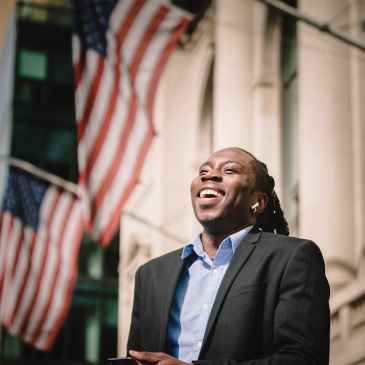
The Power of Intentional Networking: Building Relationships That Build Legacy

Networking is more than exchanging business cards or adding new connections online. At its core, networking is about building authentic relationships, relationships that open doors, share knowledge, and create opportunities that might otherwise remain out of reach.

For Black professionals, networking has always been more than a career tool. It’s a strategy for breaking barriers, amplifying voices, and strengthening community. When done intentionally, networking becomes a catalyst for influence, mobility, and long-term success.

Why Intentional Networking Matters

Intentional networking goes beyond showing up at events or collecting contacts. It requires clarity, purpose, and a commitment to mutual growth. When we build relationships rooted in authenticity and shared value, we create ecosystems, not just networks, where everyone can thrive.

Historically, Black excellence in business has been propelled by strong, interconnected communities. From the entrepreneurial hubs of Black Wall Street to today’s digital professional networks, progress has always been accelerated by collaboration, mentorship, and collective advancement.

Strategies for Expanding Your Network Across Industries

Here are a few ways Black professionals can cultivate meaningful, cross-industry connections:

  • Lead with authenticity. People connect with people, not titles. Show up as your full self.
  • Be intentional about your spaces. Attend events, join associations, and participate in communities that align with your goals and values.
  • Offer value before you ask for it. Share insights, make introductions, and support others’ work.
  • Stay curious. Engage with professionals outside your industry to broaden your perspective and uncover unexpected opportunities.
  • Follow up and follow through. Consistency builds trust—and trust builds influence.

A Legacy of Collective Advancement

Our history shows that when Black professionals unite, we create pathways that uplift entire communities. Whether through mentorship, advocacy, or shared resources, networks have always been a driving force behind our progress.

Today, organizations like the National Black Professional Networking Association continue that legacy by creating spaces where connection becomes empowerment, and empowerment becomes impact.

Key Takeaway

Strong networks are the lifeblood of sustainable success.
When we invest in relationships, we invest in our future, our community, and our collective legacy.

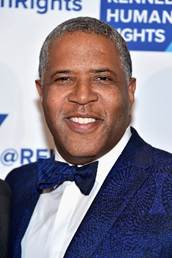
Tap Into These 10 Black Tech Titans: Innovation, Legacy & Lessons for the Future

The U.S. tech industry has a diversity problem. Despite being the engine of global innovation, it remains staggeringly homogeneous. Black professionals make up just 7–9% of the workforce, and less than 5% of leadership roles at giants like Google, Microsoft, and Meta. But beyond the boardrooms and algorithms, a powerful movement is reshaping the narrative—Black tech entrepreneurs who are building billion-dollar companies, transforming industries, and mentoring the next generation.

These ten trailblazers didn’t wait for permission. They built platforms, raised capital, and created space for others. If you’re serious about learning from the best, these are the minds to follow, study, and connect with.

Robert F. Smith — Vista Equity Partners

  • Title: Founder, Chairman & CEO
  • Company: Vista Equity Partners
  • Contact: rsmith@vistaequitypartners.com | admin@robertfredericksmith.com
  • Why Learn From Him: Smith has overseen over 600 transactions totaling $330B. His investment philosophy centers on operational excellence and long-term value creation. He’s also a philanthropic force, eliminating student debt for Morehouse grads and launching the Student Freedom Initiative.
  • Legacy Lesson: Learn how to scale with precision and give back with purpose.

David Steward — World Wide Technology

  • Title: Founder & Chairman
  • Company: World Wide Technology
  • Contact: d***@wwt.com | (314) 569-7000
  • Why Learn From Him: Steward built the largest Black-owned tech company in the U.S., valued at $11.4B. His leadership blends faith, strategy, and community uplift.
  • Legacy Lesson: Steward proves that values-driven leadership can scale globally.

Tope Awotona — Calendly

  • Title: Founder & CEO
  • Company: Calendly
  • Contact: Not publicly listed; connect via LinkedIn
  • Why Learn From Him: Awotona bootstrapped Calendly into a $3B unicorn. His story is one of grit, vision, and refusing to settle for mediocrity.
  • Legacy Lesson: Simplicity and user obsession can disrupt entire industries.

Dr. Iman Abuzeid — Incredible Health

  • Title: Co-founder & CEO
  • Company: Incredible Health
  • Contact: Not publicly listed; connect via LinkedIn
  • Why Learn From Her: A Sudanese-American physician turned tech CEO, Abuzeid built a $1.65B platform that’s revolutionizing healthcare hiring.
  • Legacy Lesson: Expertise + empathy = scalable impact.

Freddie Figgers — Figgers Wireless

  • Title: Founder & CEO
  • Company: Figgers Wireless
  • Contact: f***@figgers.com | (800) 223-5435
  • Why Learn From Him: Figgers is the youngest American to hold an FCC license and the only Black-owned telecom provider. His inventions are rooted in personal care and community need.
  • Legacy Lesson: Innovation starts with solving problems close to home.

Iddris Sandu — Spatial Labs

  • Title: Founder & CEO
  • Company: Spatial Labs
  • Contact: Not publicly listed; connect via LinkedIn
  • Why Learn From Him: Sandu blends culture, fashion, and blockchain to create “phygital” experiences. Backed by Jay-Z’s Marcy Venture Partners, he’s redefining tech’s cultural interface.
  • Legacy Lesson: Tech isn’t just code, it’s culture.

Tristan Walker — Walker & Company Brands

  • Title: Founder & CEO
  • Company: Walker & Company
  • Contact: Not publicly listed; connect via LinkedIn
  • Why Learn From Him: Walker built Bevel to solve real grooming issues for Black men, then sold it to Procter & Gamble. He’s now a board member at Foot Locker and Shake Shack.
  • Legacy Lesson: Build for your community, and the world will follow.

Jessica O. Matthews — Uncharted Power

  • Title: Founder & CEO
  • Company: Uncharted Power
  • Contact: Not publicly listed; connect via LinkedIn
  • Why Learn From Her: Matthews turned a soccer ball into a power source and now builds smart infrastructure. Her Harlem-based company is redefining energy access.
  • Legacy Lesson: Play can power progress.

Chris Bennett — Wonderschool

  • Title: Founder & CEO
  • Company: Wonderschool
  • Contact: chris@wonderschool.com | +1.855.554.7843
  • Why Learn From Him: Bennett’s platform helps educators launch childcare programs, solving a national crisis while empowering entrepreneurs.
  • Legacy Lesson: Childhood education is a tech frontier.

Kimberly Bryant — Black Girls Code & Black Innovation Lab

  • Title: Founder
  • Company: Black Innovation Lab
  • Contact: Not publicly listed; connect via LinkedIn
  • Why Learn From Her: Bryant introduced over 100,000 girls to coding and now builds tech ecosystems in the South. Her upcoming book Ascending will be a must-read.
  • Legacy Lesson: Inclusion isn’t optional, it’s revolutionary.

Why These Titans Matter

These leaders aren’t just building companies, they’re building legacies. They’ve faced systemic barriers, yet created platforms that uplift communities, challenge norms, and redefine what’s possible. Whether you’re an aspiring founder, investor, educator, or storyteller, these are the minds to learn from.

  • They’ve built billion-dollar companies with limited access to capital.
  • They’ve scaled ideas rooted in personal pain and community need.
  • They’ve created ecosystems that center Black excellence and innovation.

Final Word

In a world that often overlooks Black brilliance, these tech titans are impossible to ignore. They are the architects of a new future, one where innovation is inclusive, legacy is intentional, and impact is non-negotiable.

Want to build something that lasts? Start by studying those who already have.

The Impact of Black Ownership in Transportation and IT: A Path to Economic Empowerment and Community Development

Introduction

Black ownership in key industries such as transportation (trucking, import/export) and IT holds significant potential for economic empowerment, job creation, and community development. However, systemic racism has historically hindered the growth and success of Black-owned businesses. This blog post explores the positive impacts of Black ownership in these sectors and the challenges posed by racism.

Economic Impact

1. Wealth Creation and Economic Empowerment

Black-owned transportation and IT companies contribute to wealth creation within the Black community. Successful businesses generate revenue, which can be reinvested into the community, fostering economic growth. For instance, Fleeting, a Black-owned trucking company, grew to $4 million in revenue within three years, demonstrating the potential for substantial economic impact1.

2. Job Creation

Black-owned businesses are pivotal in creating job opportunities, particularly in underserved communities. These companies often prioritize hiring from within their communities, providing employment and training opportunities. Fleeting, for example, offers training for the formerly incarcerated and underprivileged individuals to obtain commercial driver’s licenses1. This not only reduces unemployment but also helps in skill development.

3. Innovation and Market Expansion

Diverse ownership brings unique perspectives and innovative solutions. Black-owned IT companies, in particular, can drive technological advancements and cater to niche markets that are often overlooked by mainstream businesses. This diversity in thought and approach can lead to the development of products and services that better meet the needs of a broader customer base.

Community Development

1. Strengthening Local Economies

When Black-owned businesses thrive, they contribute to the local economy by creating jobs and supporting other local businesses. This creates a ripple effect, where increased economic activity leads to improved infrastructure, better schools, and enhanced public services.

2. Role Models and Mentorship

Successful Black entrepreneurs serve as role models and mentors within their communities. They inspire the next generation to pursue entrepreneurship and provide guidance and support to aspiring business owners. This mentorship is crucial in building a robust ecosystem of Black-owned businesses.

3. Social Impact

Black-owned businesses often engage in community-focused initiatives, such as sponsoring local events, supporting educational programs, and providing scholarships. These efforts help in building a sense of community and addressing social issues.

The Impact of Racism

1. Access to Capital

One of the most significant barriers faced by Black entrepreneurs is access to capital. Systemic racism in the financial sector means that Black-owned businesses are less likely to receive loans and investments compared to their white counterparts. This lack of funding hampers their ability to start and grow businesses2.

2. Discrimination and Bias

Black entrepreneurs often face discrimination and bias in various forms, from being overlooked for business opportunities to encountering racism in the workplace. For example, Black truck drivers have reported instances of being denied jobs or facing racial slurs2. This hostile environment can discourage Black individuals from pursuing careers in these industries.

3. Networking and Mentorship

The “good ol’ boy” network prevalent in many industries often excludes Black entrepreneurs from valuable networking and mentorship opportunities3. This lack of access to industry knowledge and connections can hinder their business growth and development.

Conclusion

Black ownership in transportation and IT sectors holds immense potential for economic empowerment, job creation, and community development. However, systemic racism continues to pose significant challenges. Addressing these barriers requires concerted efforts from all stakeholders, including policymakers, financial institutions, and the broader business community. By supporting Black-owned businesses, we can foster a more inclusive and equitable economy that benefits everyone.

Please give me your feedback on this extensive Post that can benefit us all. I am welcoming all comments and subscriptions

The Importance of Entrepreneurship and Building Communities in Black America

Entrepreneurship has long been a cornerstone of economic empowerment and community development, particularly within Black America. As we navigate the complexities of the 21st century, the role of Black entrepreneurs in fostering economic growth, creating jobs, and building resilient communities has never been more critical.

Economic Empowerment

Entrepreneurship serves as a powerful tool for economic empowerment. By starting and growing businesses, Black entrepreneurs can create wealth not only for themselves but also for their communities. This wealth generation is essential for closing the racial wealth gap, which has persisted for generations. Successful Black-owned businesses can reinvest in their communities, providing jobs, supporting local schools, and funding community projects.

Job Creation

Small businesses are the backbone of the American economy, and Black-owned businesses are no exception. These enterprises create jobs and provide opportunities for local residents, helping to reduce unemployment and underemployment in Black communities. By hiring locally, Black entrepreneurs can ensure that the economic benefits of their businesses stay within the community, fostering a cycle of growth and prosperity.

Community Development

Beyond economic benefits, entrepreneurship plays a vital role in community development. Black entrepreneurs often serve as role models and mentors, inspiring the next generation to pursue their dreams and ambitions. They can also address specific needs within their communities, offering products and services that may be overlooked by larger corporations. This localized focus helps to build stronger, more self-sufficient communities.

Cultural Preservation

Black-owned businesses also contribute to the preservation and celebration of Black culture. From restaurants serving traditional cuisine to bookstores highlighting Black authors, these businesses help to maintain cultural heritage and provide spaces where community members can connect and celebrate their identity. This cultural preservation is crucial for fostering a sense of pride and belonging within the community.

Overcoming Barriers

Despite the many benefits of entrepreneurship, Black entrepreneurs often face significant barriers, including limited access to capital, systemic discrimination, and a lack of mentorship and support networks. Addressing these challenges requires concerted efforts from both the public and private sectors. Initiatives such as targeted funding programs, mentorship opportunities, and policy changes can help to level the playing field and support the growth of Black-owned businesses.

Building a Supportive Ecosystem

Creating a supportive ecosystem for Black entrepreneurs is essential for their success. This includes access to affordable financing, business education, and networking opportunities. Community organizations, local governments, and larger corporations all have a role to play in fostering this ecosystem. By working together, we can create an environment where Black entrepreneurs can thrive and contribute to the overall health and vitality of their communities.

Conclusion

Entrepreneurship is a powerful force for positive change in Black America. By fostering economic empowerment, creating jobs, and building resilient communities, Black entrepreneurs are driving progress and helping to build a brighter future. As we continue to support and uplift Black-owned businesses, we can ensure that the benefits of entrepreneurship are felt by all members of the community, paving the way for a more equitable and prosperous society.