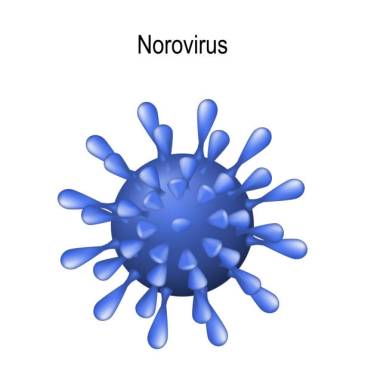
Norovirus cases are surging across the U.S., with test positivity nearly doubling since late summer. States most impacted include Alabama, Nebraska, Oklahoma, Texas, Wyoming, Louisiana, Michigan, and Indiana. The CDC stresses that prevention hinges on thorough handwashing with soap and water, safe food handling, and disinfecting contaminated surfaces. NBC News CBS News ABC News CDC

Norovirus: America’s “Winter Vomiting Disease” on the Rise

Norovirus, often called the “winter vomiting disease”, is once again sweeping across the country. Unlike other viruses with a fat-based envelope that alcohol sanitizers can break down, norovirus is encased in a rugged protein shell called a capsid, making it resistant to hand sanitizers. That means soap and water for at least 20 seconds is the most effective defense.
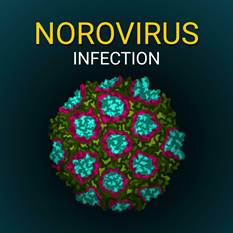
Current Trends and Data

  • CDC data shows nearly 14% of tests were positive for norovirus during the week ending Nov. 15, 2025, compared to just 7% three months earlier CBS News ABC News.
  • Last December saw a record-breaking 25% positivity rate, and experts warn this winter could bring another harsh season Gizmodo.
  • Epic Research and WastewaterSCAN data highlight the hardest-hit states: Alabama, Nebraska, Oklahoma, Texas, Wyoming, Louisiana, Michigan, and Indiana NBC News ABC News Gizmodo.
  • Outbreaks are being reported in schools, cruise ships, and communities nationwide, with more than 200 passengers sickened aboard a luxury cruise ship this fall CBS News.

CDC Recommendations for Prevention

The CDC emphasizes several key steps to stop norovirus from spreading CDC CDC:

  • Wash hands thoroughly with soap and water for 20 seconds, especially after using the bathroom, changing diapers, or before preparing food.
  • Do not rely on hand sanitizer alone, it does not kill norovirus.
  • Avoid preparing food or caring for others while sick, and wait at least 48 hours after symptoms stop before resuming these activities.
  • Cook shellfish thoroughly to at least 145°F and wash fruits and vegetables well.
  • Clean and disinfect contaminated surfaces using bleach-based solutions or EPA-approved disinfectants effective against norovirus.
  • Wash contaminated laundry with hot water and detergent, then machine dry at high heat.

Why This Matters

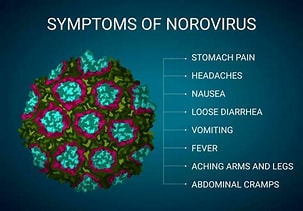
Norovirus is the leading cause of foodborne illness in the U.S., responsible for 20 million infections annually, over 100,000 hospitalizations, and nearly 900 deaths each year CBS News. It spreads easily through contaminated food, water, surfaces, and person-to-person contact. Symptoms, nausea, vomiting, diarrhea, and stomach cramps, can appear within 12–48 hours and last 1–3 days. Vulnerable groups include young children, older adults, and those with weakened immune systems.
Community Call to Action

This surge is not just a public health issue, it’s a matter of community responsibility. By practicing rigorous hygiene, safe food handling, and responsible caregiving, we can protect ourselves and those most at risk. Norovirus thrives in close-contact environments, but prevention is in our hands, literally.
Sources: NBC News CBS News ABC News Gizmodo CDC CDC

FDA Issues Urgent Recall: Radioactive Shrimp Sold at Walmart: Here’s What You Need to Know

In a disturbing development, the U.S. Food and Drug Administration (FDA) has issued a public health warning about radioactive contamination in frozen shrimp sold under Walmart’s Great Value brand. The culprit? Cesium-137—a radioactive isotope linked to nuclear fission and long-term cancer risk.

This isn’t just a food recall. It’s a wake-up call.

What’s Happening?

On August 19, the FDA confirmed Cesium-137 contamination in frozen shrimp processed by PT. Bahari Makmur Sejati (BMS Foods) of Indonesia. The radioactive material was first detected by U.S. Customs & Border Protection at ports in Los Angeles, Houston, Savannah, and Miami. Subsequent FDA testing revealed Cs-137 in one sample of breaded shrimp.

While the FDA states the contamination doesn’t pose an immediate hazard, repeated exposure could damage DNA and increase cancer risk over time. That’s not a risk anyone should take lightly.

Products Recalled

If you’ve purchased frozen shrimp from Walmart recently, check your freezer immediately. The following products are part of the recall:

BrandProduct TypeLot CodeBest By Date
Great ValueFrozen Raw Shrimp8005540-13/15/2027
Great ValueFrozen Raw Shrimp8005538-13/15/2027
Great ValueFrozen Raw Shrimp8005539-13/15/2027

States Affected

These products were sold in Walmart stores across 13 states:

  • Alabama
  • Arkansas
  • Florida
  • Georgia
  • Kentucky
  • Louisiana
  • Missouri
  • Mississippi
  • Ohio
  • Oklahoma
  • Pennsylvania
  • Texas
  • West Virginia

If you live in one of these states, please take this warning seriously.

Why This Matters

The FDA noted that the shrimp may have been “prepared, packed, or held under insanitary conditions.” That alone is cause for concern but the presence of Cesium-137 elevates this to a public health emergency.

This radioactive isotope is not naturally found in food. Its presence signals contamination from human activity, likely linked to nuclear processes. Even trace exposure over time can lead to serious health consequences.

What You Should Do

  • Check your freezer immediately.
  • If you find any of the recalled shrimp, throw it away.
  • Do NOT eat or serve it.
  • Share this information with your family, friends, and community.

Call to Action

We must protect our communities from hidden dangers. Food safety is not optional, it’s a right. If you’ve purchased Great Value frozen shrimp recently, act now. Don’t wait for symptoms. Don’t assume it’s safe. Spread the word.

Share this post. Alert your neighbors. Contact your local Walmart. Demand accountability.

Are the USDA and FDA Failing Us? A Growing Concern Over Food Safety in America

In recent months, the safety of the food supply in the United States has come under increasing scrutiny, particularly regarding egg recalls. Alarmingly, June has already seen three major recalls of eggs, with each incident becoming larger in scope. The most recent recall involved a distributor—whose name will remain anonymous for now—that sold eggs to multiple retailers, including Walmart, during the critical time frame of February 3rd to May 15th. It begs the question: How is it possible that in just a few months, the USDA and the FDA—the agencies tasked with protecting American consumers—seem to be dropping the ball on food safety?

Egg Recall Targets

The eggs in question have sell-by dates ranging from March 4th to June 4th, and one recall even includes dates as late as June 19th. These recalls are attributed to the presence of Salmonella, a bacteria that can be life-threatening, especially for vulnerable populations such as children, the elderly, and those with compromised immune systems. Alarmingly, this is the third major egg recall within the first half of the year. Despite the escalating risk, there has been no equivalent focus on recalls for chicken, even though birds are often the source of salmonella infections. How can it be that eggs have tested positive for Salmonella, yet there is no parallel investigation or recall concerning potentially infected chicken? This raises concerns about the oversight of poultry safety standards and the health risks posed to consumers.

A Pattern of Recalls and Inaction

The sheer volume of recalls presents a troubling pattern that makes one wonder about the current state of food safety in America. Walmart’s name has cropped up more than once in major food recalls, which raises eyebrows. While this article is not accusing Walmart or any retailer of intentional wrongdoing, the frequency of these incidents begs for scrutiny. In addition to the egg recalls, a slew of other food safety alerts have appeared. Just recently, Bornstein Seafoods issued a recall for 45,000 pounds of cooked and peeled shrimp meat due to potential Listeria contamination. This particular bacteria can also lead to serious infections, particularly in at-risk populations. Meanwhile, Coca-Cola’s Topo Chico Mineral Water was recalled for possible contamination with Pseudomonas, a bacterium naturally found in water sources that has the potential to cause serious infections.

A Call for Accountability

So, what is happening with the USDA and the FDA? Once regarded as the frontline defenders against foodborne illnesses and unsafe food practices, both agencies appear to be struggling with enforcement and rapid response to these issues. The question arises: Are regulatory standards being sufficiently upheld, or have they been diluted under the pressures of economic interests? The current administration brings back memories of the last time we saw significant regulatory rollbacks, which many believe have made the American public more vulnerable to foodborne illnesses. As recalls pile up, it is puzzling that the regulatory agencies haven’t taken visible, decisive actions to ensure consumer safety.

Trust in Our Food Supply

For consumers, the implications of these food recalls are nothing short of alarming. It raises trust issues surrounding the very systems put in place to ensure our food is safe. As we read about these recalls, it’s easy to feel overwhelmed or exposed to risks that should have been managed by authorities. Questions must be raised: Why are recalls happening at such a frequent pace? What can be done to bolster consumer protection? Where are the calls for regulatory reform to bring the USDA and FDA back to their original mandate of protecting the public? As the landscape of food safety continues to evolve, it is paramount that consumers remain vigilant, proactive, and informed. The time has come for a serious examination of our food safety regulations and for agencies to reassert their commitment to public health. The health and well-being of American consumers depend on it.