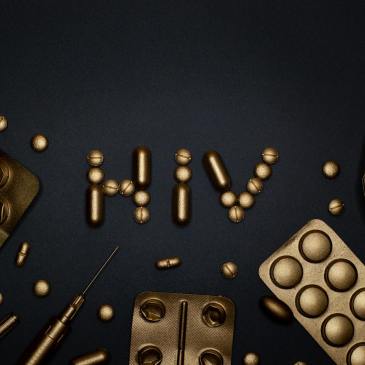
Expanding PrEP Access: A Critical Step in HIV Prevention for Black and Rural Communities
In a major stride for HIV prevention, the Biden administration announced recently that long-acting injectable PrEP, sold as Apretude by ViiV Healthcare, will now be covered without cost-sharing under the Affordable Care Act (ACA). This policy shift is significant in making HIV prevention tools more accessible. However, for many Black Americans and those living in rural areas, barriers to healthcare persist, limiting the full potential of this policy change.
The Disparity in Access to PrEP
While this new policy represents progress, the reality is that Black people—who are disproportionately affected by HIV—are still underrepresented among those using PrEP. Despite making up over 40% of new HIV diagnoses in the U.S., only about 11% of PrEP users are Black, according to the Centers for Disease Control and Prevention (CDC). These numbers reveal the systemic barriers that exist: financial challenges, healthcare access gaps, and lingering stigma that keep many from obtaining life-saving medication.
In States Like Georgia, Where Medicaid Has Yet to Expand, HIV Rates Remain Alarmingly High

In states like Georgia, where Medicaid has yet to expand under the Affordable Care Act (ACA), HIV infection rates remain among the highest in the nation. The consequences of this policy decision are staggering. According to the most recent CDC surveillance data from 2023, Georgia reported over 2,674 new HIV diagnoses, placing it at the forefront of the ongoing HIV epidemic in the United States.
Despite widespread advances in treatment, Georgia’s healthcare system continues to face significant challenges, particularly in achieving viral suppression among its population living with HIV. Roughly 72% of people living with HIV in the state have not reached viral suppression, a rate well above the national average of 58%. This failure not only heightens the risk of HIV transmission but also places Georgia’s most vulnerable populations in an untenable situation.
The city of Atlanta, in particular, bears the brunt of this crisis. Recent data from the CDC, the Georgia Department of Public Health, and AIDSVu place Atlanta as third in the nation for the highest number of people living with HIV, trailing only Miami and New York City. In specific communities, particularly those with large Black and Brown populations, infection rates are comparable to those seen in regions of sub-Saharan Africa. In some areas of Atlanta, the prevalence of HIV mirrors the situation in countries like South Africa or Eswatini, where access to healthcare resources remains limited and the virus continues to pose significant public health challenges.
In contrast, states like Louisiana, which expanded Medicaid in 2016, have seen significant improvements in their public health outcomes related to HIV. Louisiana’s experience demonstrates the impact that Medicaid expansion can have on populations affected by HIV. According to the Louisiana Department of Health, viral suppression rates in the state rose from 63% in 2016 to 82% by 2022, and new diagnoses dropped by 20%. Louisiana’s expansion allowed thousands more residents to access crucial services, including PrEP—pre-exposure prophylaxis, a life-saving medication that helps prevent HIV transmission.
However, in Georgia, thousands of residents remain uninsured and unable to afford these same preventative measures. The failure to adopt Medicaid expansion in the state has created a vacuum in the healthcare system, leaving vulnerable populations without the necessary tools to protect themselves or manage their conditions. This gap in coverage disproportionately affects Georgia’s Black and Brown communities, where socioeconomic factors exacerbate existing health disparities.
The lack of access to PrEP in Georgia is especially concerning. PrEP has been widely recognized as one of the most effective tools in preventing HIV transmission, but without access to affordable healthcare, many Georgians are unable to benefit from it. In states that have embraced Medicaid expansion, PrEP has been made more readily available to populations at risk, resulting in significant reductions in new HIV infections.
The contrast between Georgia and states like Louisiana underscores a broader public health failure. While Medicaid expansion has been proven to improve health outcomes and reduce the spread of HIV, Georgia remains one of the 10 states that have resisted expanding coverage. This resistance leaves the state’s residents at a higher risk of HIV transmission and prevents thousands of people from achieving viral suppression, perpetuating a cycle of preventable infections.
The urgency of this crisis cannot be overstated. Georgia’s decision not to expand Medicaid is contributing to an ongoing public health catastrophe. Without bold action from state leaders and policymakers, the state will continue to fall behind in addressing one of the most pressing healthcare issues of our time.
As the evidence from Louisiana shows, Medicaid expansion is not just a policy choice—it is a life-saving measure. By expanding access to healthcare, Georgia could prevent new infections, improve viral suppression rates, and offer a path forward for thousands of people living with HIV. The stakes are high, and the time for action is now.
The current situation in Georgia should serve as a wake-up call to policymakers and healthcare leaders across the country. As the state grapples with the consequences of inaction, the need for comprehensive healthcare reform becomes clearer with each passing day. Until Georgia expands Medicaid and prioritizes HIV prevention and care, it will continue to suffer the consequences of a public health system that leaves too many behind.

Breaking Barriers: The Role of PrEP in HIV Prevention
PrEP, or pre-exposure prophylaxis, is a critical tool in preventing the spread of HIV. For those at higher risk, particularly in marginalized communities, PrEP offers a way to stay HIV-negative. Yet, too few people who could benefit from this treatment are using it. Barriers such as cost, geographic location, and a lack of healthcare providers familiar with HIV prevention often make it difficult to access.
Take Darrell, a sex worker who faced significant barriers to accessing PrEP in his rural community. Before the Affordable Care Act mandated expanded access, Darrell, who knew he was at higher risk for HIV, couldn’t afford PrEP or find local clinics that offered it.
“I remember feeling like I had no options,” Darrell shares. “I was in an industry where the risk was high, but I didn’t have the resources to protect myself. Once I was able to get on PrEP, everything changed. I’m HIV-negative today, and I’m living my life without fear.”
Darrell’s story is not unique. Thousands of Black Americans, particularly in rural areas, face similar struggles. Even with the Biden administration’s new policy, ensuring access for everyone remains a significant challenge.
Rural America and the Gaps in Healthcare Access

The barriers to healthcare are particularly stark in rural communities.
In these areas, healthcare providers familiar with HIV prevention are few, and geographic isolation makes it harder for people to reach the services they need. For many, even if PrEP is available at no cost, they may still need to travel long distances to find a clinic or pharmacy that offers it.
This problem is compounded by many pharmacies in rural areas lacking the infrastructure to bill for Medicare Part B, which now covers injectable PrEP. The gap in services is a serious barrier to ensuring that rural residents, many of whom are Black or LGBTQ+, can benefit from the new policy.
States like Mississippi and Alabama—which have some of the highest rates of new HIV infections in the U.S.—are prime examples of the challenges rural populations face. In Mississippi, for example, less than 5% of those who could benefit from PrEP are currently using it, reflecting a critical need to address these access gaps.
Dr. Michael Saag from the University of Alabama at Birmingham’s 1917 Clinic highlights how stigma and long distances are key challenges: “People want to avoid being seen at clinics known for HIV care, so many end up traveling to other cities for privacy.” In Mississippi, Dr. Robert Brock of UMMC explains that patients may travel over 50 miles to find the nearest pharmacy or clinic capable of providing HIV treatment.
To address these gaps, programs like mobile testing units and expanded telemedicine have been instrumental in reducing the burden of travel and increasing access to care. Policy changes to better support rural pharmacies and clinics can also help ensure that residents in these underserved regions receive the care they need without the barriers of distance and stigma.
To be continued in Part Two…
“Miles Apart Confronting Stigma and Barriers in HIV Care for Rural America”
Dash Daggs
Community Activist | Business Consultant | Writer Director of Development & CommunicationPower Atlanta Inc.
“Empowering communities, one step at a time, for a future where every voice matters.” Email: poweredbydash@gmail.com
Please read this article because I know you know someone living with HIV. I want to thank Dash for writing this article and giving this update alluding to Public Health. This is so important.


 Changing Trends and Times