Black America: The Blueprint of Global Culture and Opportunity

Introduction

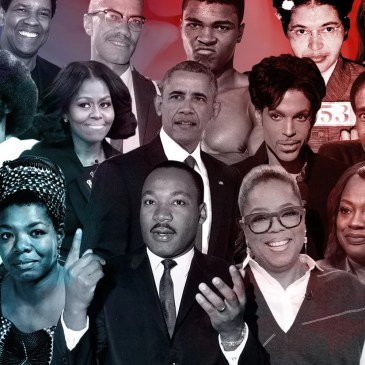
Black America has always been the heartbeat of democracy, culture, and progress. Yet, too often, our contributions are overlooked, minimized, or outright stolen. From the Civil Rights Movement to the African Diaspora, Black Americans have paved the way for immigrant communities, global liberation movements, and cultural revolutions. It is time to reclaim that truth.

Civil Rights Legacy and Immigration

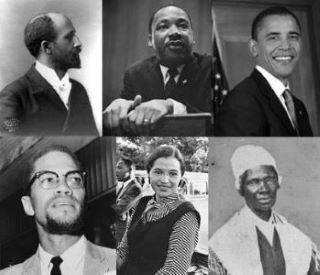
The Civil Rights Movement, led by Malcolm X, Dr. Martin Luther King Jr., and countless others, did more than secure rights for Black Americans. It opened doors for immigrant communities. The Immigration and Nationality Act of 1965 was born out of the Civil Rights struggle, allowing Cubans, Latinos, Caribbeans, Nigerians, Asians, Somalians, and others to enter the U.S. in greater numbers. Without Black America, those opportunities would not exist.
Identity and Assimilation

Yet, many of these groups distance themselves from Blackness, seeking acceptance by aligning with whiteness. Statements like “I’m not Black, I’m Jamaican” or “I’m Nigerian, not African American” fracture solidarity. Assimilation for survival may be understandable, but denial of identity undermines collective power.
The Diaspora and World Culture

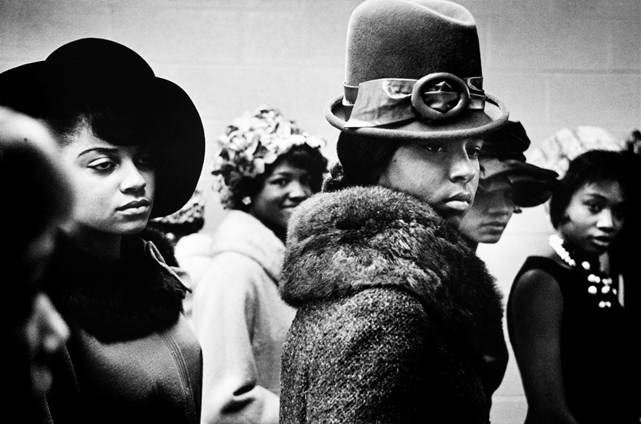
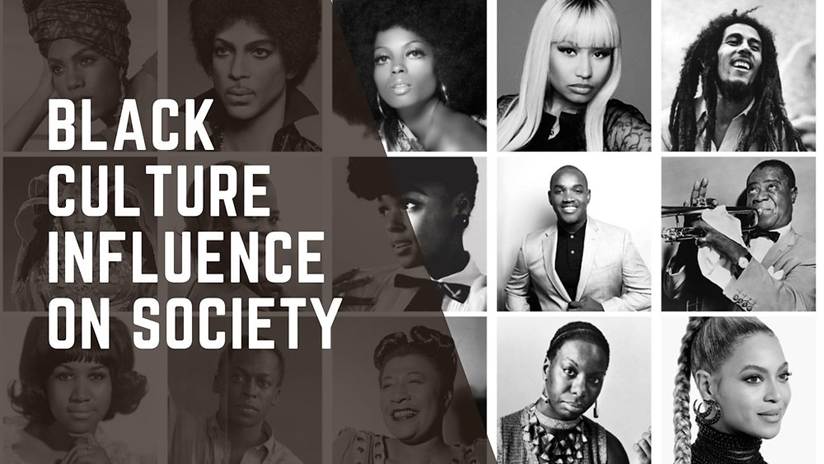
The African Diaspora is not just about migration, it is about influence. Black America is the epicenter of global culture. Hip-hop, born in the Bronx, is now the most consumed music genre worldwide. Jazz, gospel, and R&B shaped entire industries. Fashion trends rooted in Black creativity dominate global markets. Even social justice movements abroad borrow language and tactics from the Civil Rights Movement.
Cultural Appropriation vs. Scrutiny

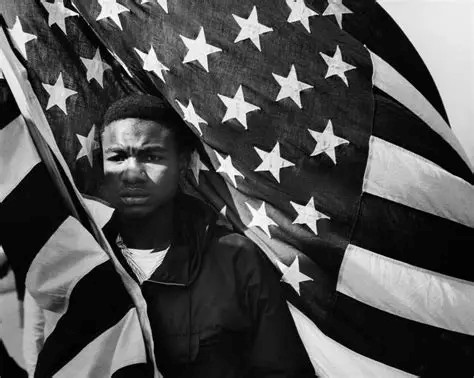
Black culture is celebrated globally but often stolen and repackaged by others. TikTok dances created by Black teens go viral, but influencers from other groups profit. Streetwear, rooted in Black creativity, is now a billion-dollar industry. Meanwhile, Black youth are stereotyped as “criminals” for the same creativity. The hypocrisy is undeniable: the world profits from Black culture while vilifying Black people.
Politics and Immigration

Many immigrant groups supported Donald Trump, believing his promises. Yet, his administration deported thousands from Latin America, Africa, and Asia. The irony is sharp: communities that distanced themselves from Black solidarity were targeted by the same system they empowered.
Global Impact of Black America

Black America is not just a cultural force, it is a political and social catalyst. Civil rights victories inspired global liberation movements, from South Africa to the Caribbean. Marcus Garvey’s Pan-African vision, Dr. King’s dream of justice, and Malcolm X’s call for dignity continue to resonate worldwide.

Conclusion

Black America is the foundation, the heartbeat, and the blueprint. We are not just culture, we are culture. We paved the way for the world politically, socially, and culturally. It is time for the world to recognize, respect, and honor that legacy.
White Supremacy Threatens South Africa’s Sovereignty, But What About America?

By Tim Cocks (Reuters)
Blog Commentary & Call to Action

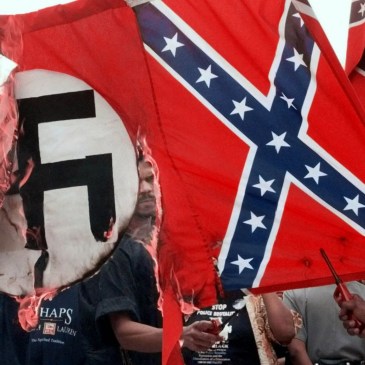
South African President Cyril Ramaphosa recently sounded the alarm: ideas of white racial superiority are not only a threat to South Africa’s post-apartheid unity, but also to its sovereignty and international relations. Speaking at an ANC conference, Ramaphosa condemned false narratives of “white persecution” that continue to circulate in far-right spaces globally. These myths, he warned, have real consequences for diplomacy and national security.

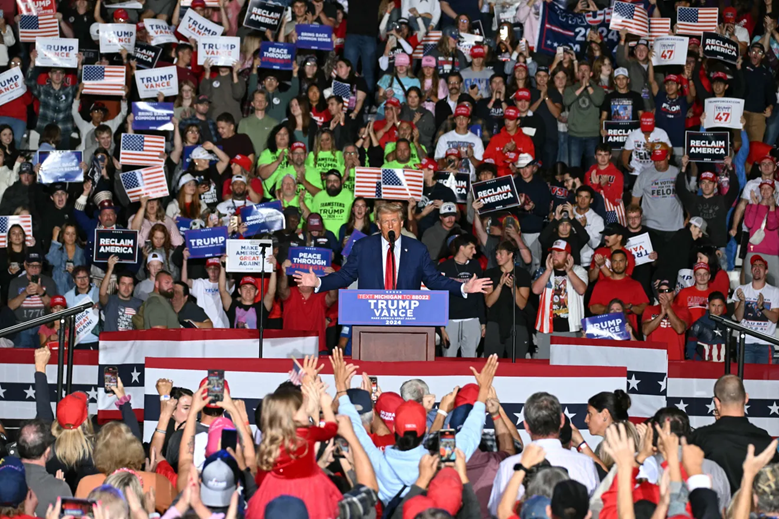
Yet while Ramaphosa calls for global efforts to debunk these lies, U.S. President Donald Trump has chosen to amplify them. Trump boycotted the G20 summit in Johannesburg, alleging without evidence that South Africa mistreats its white minority. He claimed white farmers were being “slaughtered” and their land “illegally confiscated.” These claims have been widely debunked, but they continue to fuel white supremacist rhetoric worldwide.

Here’s the hypocrisy: Trump accuses South Africa of racism against whites yet remains silent on the systemic racism and repression of Black people in America. In South Africa, a wrong was made right, apartheid was dismantled, and the nation continues to strive for unity. In America, however, racism remains deeply entrenched. Black men are killed at alarming rates, the justice system turns a blind eye, and the trauma of racial injustice grows worse every day.

Before the pot calls the kettle black, America must look inward. Stop throwing stones when you live in a glass house. The U.S. government cannot credibly lecture others on racial justice while ignoring the oppression within its own borders.

Black people in America continue to face systemic racism and deadly police violence at rates far higher than other groups, making Donald Trump’s accusations against South Africa not only hypocritical but deeply offensive.

Police Violence Against Black Americans

  • In 2024 alone, U.S. police killed 1,365 people — the deadliest year on record campaignzero.org.
  • Of those, 248 were Black, despite Black Americans making up only about 13% of the population Statista.
  • The rate of fatal police shootings among Black Americans stood at 6.1 per million per year (2015–2024), more than double that of white Americans Statista.
  • Even after the global outcry following George Floyd’s murder in 2020, police killings of Black people have actually increased in recent years NBC News.
  • Data shows that unarmed Black men are disproportionately killed by police, highlighting systemic bias in law enforcement factually.co.

Examples of Systemic Racism in America

Systemic racism is not limited to policing, it permeates nearly every aspect of American life:

  • Education: Black students are more likely to attend underfunded schools and face harsher disciplinary actions Human Rights Careers.
  • Housing: Redlining and discriminatory lending practices have left Black families with far less generational wealth Human Rights Careers.
  • Employment: Black workers earn less on average and face higher unemployment rates than white counterparts Robert F. Smith News.
  • Healthcare: Black Americans experience worse health outcomes, higher maternal mortality rates, and less access to quality care Human Rights Careers.
  • Criminal Justice: Black people are incarcerated at nearly five times the rate of white people, often for similar offenses Human Rights Careers.

Taken together, these examples show that racism in America is not incidental, it is systemic, structural, and ongoing.

Blog Post Framing

South Africa, under Ramaphosa, is working to dismantle the legacy of apartheid and build unity. Meanwhile, America continues to deny or downplay its own racial injustices. For Donald Trump to accuse South Africa of racism against whites while ignoring the daily trauma of Black Americans is the ultimate hypocrisy.

Before the pot calls the kettle black, America must confront its own house of glass. Stop throwing stones abroad while ignoring the shattered lives at home.

Sources: Statista factually.co NBC News campaignzero.org Human Rights Careers Robert F. Smith News

Call to Action

It’s time to:

  • Expose and dismantle white supremacist lies globally.
  • Hold U.S. leaders accountable for systemic racism and police violence.
  • Unite Black communities worldwide in solidarity and resistance.

So I ask again: Should Donald Trump and the U.S. government be called out for this hypocrisy? The answer seems clear, yes, loudly and globally.

Rallying Cry

No more silence, no more lies, 

We see the truth with open eyes. 

From Soweto to Harlem streets, 

Black voices rise, we won’t retreat. 

Justice delayed is justice denied, 

Too many brothers have already died. 

Glass houses crack when stones are thrown, 

America fix the rot in your own. 

Unite the people, across the land, 

Together in strength, we take a stand. 

From Cape Town’s shore to Detroit’s fight, 

Black power united will set things right. 

Georgia’s Taxpayers May Soon Bankroll Trump’s Defense

Georgia recently passed a law that could force Fulton County taxpayers to reimburse Donald Trump and his co-defendants for millions in legal fees after the election-interference case was dismissed. Estimates suggest claims could reach $10 million or more, though no payouts have been finalized yet CBS News The Hill san.com.

Case Collapse, Costly Consequences

Fulton County’s election‑interference case against Donald Trump and 18 co‑defendants was dismissed after DA Fani Willis was disqualified. That dismissal triggered Georgia’s new SB 244 law, which allows defendants to demand reimbursement of “reasonable attorney’s fees and costs.”

What’s Happening

  • Case dismissed: The sprawling Georgia election-interference case against Trump and 18 co-defendants was dropped in late November 2025 after Fulton County DA Fani Willis was disqualified due to a conflict of interest san.com.
  • New law (SB 244 / GA Code §17-11-6): Passed earlier this year, it allows defendants to seek reimbursement of “reasonable attorney’s fees and costs” if a prosecutor is disqualified and charges are dismissed The Hill san.com.
  • Potential claims: Trump’s legal team alone spent more than $5.5 million in Georgia since 2021. Co-defendants collectively spent millions more, with some raising funds through crowdfunding CBS News.
  • Taxpayer impact: Fulton County could be liable for millions, possibly tens of millions, depending on how many defendants file claims and what a judge approves CBS News The Hill.

The Price Tag

  • Trump: $5.5M+ in Georgia legal fees
  • GOP “fake electors”: $2.3M
  • Harrison Floyd: $363K (crowdfunded)
  • John Eastman: $937K (crowdfunded)
  • Jeff Clark: $153K (crowdfunded)
  • Total exposure: $10M+ and counting

Taxpayer Impact

Defendants have 45 days to file claims. Judge Scott McAfee will decide payouts. While Trump’s attorney insists reimbursements come from the DA’s budget, critics argue taxpayers ultimately foot the bill.

Risks & Fallout

  • Unprecedented precedent: Rarely are criminal defendants reimbursed.
  • Political fallout: Though bipartisan, the law is widely seen as Trump‑specific.
  • Budget strain: Fulton County faces millions in potential payouts.

Risks & Considerations

  • Unprecedented law: Reimbursing criminal defendants is rare in U.S. law, raising questions about fairness and precedent san.com.
  • Political fallout: The measure was passed with bipartisan support but is widely seen as tailored to Trump’s case The Hill san.com.
  • Uncertain totals: No official accounting yet of Fulton County’s own prosecution costs, which could add significantly to taxpayer exposure CBS News.

In short: Georgia’s dismissal of the Trump case has opened the door for Trump and co-defendants to demand millions back in legal fees. Whether taxpayers ultimately foot the bill depends on how judges interpret the new law and the claims filed in the coming weeks.

Sources: CBS News The Hill san.com

Advocacy Framing

This is more than a budget issue, it’s a democracy issue. Georgia’s taxpayers may soon bankroll the defense of those accused of undermining democratic institutions. Communities must mobilize to demand transparency, fiscal responsibility, and ethical leadership.

Call to Action:
Share this story. Demand accountability. Ask why public funds should defend those accused of attacking democracy.

When Does It Stop? Black Women Deserve Dignity, Not Discrimination

Credit: Original reporting by Jeroslyn JoVonn

On November 6th, nine Black women gathered at the Cork and Bull Chophouse in Chesapeake, Virginia for what was meant to be a joyful Friendsgiving celebration. Instead, their evening turned into humiliation and pain.

According to reporting by Jeroslyn JoVonn, a fight broke out between two women who were not part of their group. Yet, despite having no involvement, the nine friends were told to leave. When one of them asked why, a manager allegedly responded: “Because you all like to fight.”

The women, who had simply come together for fellowship, were forced to stand up in front of other patrons and exit the restaurant, while the actual individuals involved in the altercation had already left. As one of the women, Shakoya Holt, explained, “We were all put in a negative spotlight in that moment. It was all eyes on us, very embarrassing.”

Now, the group has hired attorney Joyvan Malbon-Griffin, who has stated that this treatment was discriminatory and violated their rights. “All nine of these women were treated more harshly than the two people who were actually engaged in the misdemeanor action,” Malbon-Griffin said. The women are seeking accountability and justice.

The Bigger Picture

This incident is not isolated. It reflects a broader pattern of how Black people, especially Black women, continue to be disrespected, stereotyped, and discriminated against in public spaces. To assume guilt based on race, and to punish those who were minding their own business, is not only unjust but deeply harmful.

How do you justify removing nine women who were not involved, while excusing the actual participants in the fight? How do you justify humiliating them in front of an entire restaurant?

This is not just bad judgment, it is systemic bias. And when establishments act this way, they are not only violating the dignity of their customers, but also potentially violating constitutional protections and the Commerce Clause, which ensures equal access and fair treatment in public accommodations.

The Questions We Must Ask

  • When does this stop?
  • When will establishments be held accountable for discriminatory actions?
  • How many more incidents must occur before businesses recognize that treating customers with dignity and respect is not optional, it is a legal and moral obligation?

A Call for Accountability

The women involved have said “enough is enough.” And they are right. We must demand accountability from businesses that perpetuate discrimination. We must call out injustice when we see it. And we must remind every establishment: Black women, and all marginalized communities, deserve respect, safety, and dignity.

Until accountability is enforced, these incidents will continue. But by shining a light on them, by refusing to stay silent, and by demanding justice, we can push for change.

Closing Thought

This is about more than one restaurant. It is about a culture that too often stereotypes and mistreats Black people. It is about ensuring that our communities are not humiliated, dismissed, or denied their rights.

Treat your customers with dignity and respect. Period.

17 Shots in the Back, When Will Justice Come?

Credit: Original reporting by Joe Walker (@joewalkr, The Independent)

Atlanta rapper B Green, born Linton Blackwell, was shot and killed on October 11th outside Five Paces Inn in Buckhead. The autopsy revealed a chilling truth: he was shot 17 times in the back by off-duty police officer Gerald Walker, who was working security at the bar.

Police claim Walker was responding to reports of a “disruptive person.” They allege that Green attempted to re-enter the bar through a rear entrance and later placed an item in the small of his back. Commands were issued “in reference to a gun,” and moments later, Green was gunned down. Investigators later found a firearm, but the autopsy makes clear: every single bullet entered his back.

Green’s manager and friend, Timothy Coleman, expressed disbelief: “I just couldn’t believe it was 17 times in the back. There’s not one shot in the front. If he wasn’t pointing a gun at you or doing anything, what does that have to do with shooting him in the back 17 times? That means he wasn’t facing you. He wasn’t a threat.”

Green was a father of twin girls, a family man, and an artist who left behind a legacy, including his final album PTSD: Vietnam Vet released in 2020.

The Larger Issue

This is not just about one man. This is about a system that continues to allow police officers, sworn to protect, to kill Black men with impunity.

  • Seventeen shots in the back is not self-defense. It is execution.
  • When officers fire this many times, it reveals not fear, but intent.
  • The justice system has repeatedly failed to hold officers accountable, creating what feels like a license to kill.

And what makes this even more painful is the reality that Black officers, too, have participated in this cycle of violence against their own communities. The badge, in too many cases, has become a shield for abuse rather than a symbol of protection.

The Questions We Must Confront

  • What will make a person shoot another human being 17 times in the back?
  • How can the justice system continue to justify these killings?
  • Why are Black men still being killed, while the officers responsible walk free?
  • When will police departments stop operating like mafia hit squads, taking lives whenever they feel like it?

A Call for Accountability

It is long past time to demand change. Calls to “defund” are not about chaos, they are about redirecting resources away from militarized policing and toward community safety, mental health, education, and opportunity.

Every time another Black man is killed, we are reminded that reform alone is not enough. Accountability must be real. Justice must be enforced. And communities must be empowered to protect themselves from the very institutions that claim to serve them.

Timeline of Police Killings of Black Men (2014–2025)

2014 – Michael Brown (Ferguson, Missouri)

  • Shot and killed by Officer Darren Wilson.
  • His death sparked nationwide protests and helped ignite the Black Lives Matter movement Statista.

2015 – Walter Scott (North Charleston, South Carolina)

  • Shot five times in the back while fleeing a traffic stop.
  • Officer Michael Slager was eventually sentenced to 20 years in prison CBC.

2016 – Alton Sterling (Baton Rouge, Louisiana)

  • Shot outside a convenience store while pinned to the ground.
  • Federal prosecutors declined to charge the officers involved CBC.

2016 – Philando Castile (Falcon Heights, Minnesota)

  • Shot during a traffic stop after informing the officer he was legally carrying a firearm.
  • The aftermath was streamed live on Facebook by his girlfriend. Officer Jeronimo Yanez was acquitted CBC.

2016 – Terence Crutcher (Tulsa, Oklahoma)

  • Shot while his hands were raised near his stalled vehicle.
  • Officer Betty Shelby was acquitted of manslaughter CBC.

2020 – George Floyd (Minneapolis, Minnesota)

  • Murdered when Officer Derek Chauvin knelt on his neck for over nine minutes.
  • His death sparked global protests against police brutality Wikipedia.

2020 – Rayshard Brooks (Atlanta, Georgia)

  • Shot in the back by police after being found asleep in his car at a Wendy’s drive-thru.
  • His killing reignited protests in Atlanta Wikipedia.

2022 – Patrick Lyoya (Grand Rapids, Michigan)

  • Shot in the back of the head during a traffic stop.
  • Officer Christopher Schurr was charged with second-degree murder Wikipedia.

2025 – Linton “B Green” Blackwell (Atlanta, Georgia)

  • Shot 17 times in the back by off-duty officer Gerald Walker outside Five Paces Inn.
  • His autopsy confirmed no shots to the front, raising questions of execution rather than defense mappingpoliceviolence.us.

https://www.statista.com/statistics/585152/people-shot-to-death-by-us-police-by-race/

https://www.cbc.ca/news/world/list-police-related-deaths-usa-1.4438618

https://mappingpoliceviolence.us/

What This Timeline Shows

  • Pattern of excessive force: From Ferguson to Atlanta, Black men are disproportionately killed by police.
  • Lack of accountability: Many officers are acquitted or never charged, reinforcing systemic impunity.
  • Escalation of violence: Shooting someone 17 times in the back, as in B Green’s case, is not policing — it is execution.
  • Community impact: Each killing leaves families devastated and communities traumatized, fueling mistrust of law enforcement.

Closing Thought

This timeline makes clear: B Green’s killing is not an isolated tragedy. It is part of a decades-long crisis of police violence against Black men. Until accountability is real and systemic change is enforced, these killings will continue.

Sources: Wikipedia CBC Statista mappingpoliceviolence.us

Closing Thought

B Green’s death is not just a tragedy, it is a symptom of a system that continues to devalue Black lives. Seventeen shots in the back is not policing. It is murder.

The question remains: When will justice finally come?

California’s Proposition 50: Redistricting as a Defense of Democracy

By Charles Zackary King
Source: Reporting from The Associated Press

Why Proposition 50 Matters

On Election Day 2025, California voters approved Proposition 50, a measure that redraws congressional district boundaries in favor of Democrats. This wasn’t just about maps, it was about the future of American democracy.

The measure gives Democrats a chance to win as many as five additional House seats in 2026, directly countering Republican-led gerrymandering efforts in Texas. With Republicans currently holding a slim majority (219–213), those seats could determine control of the U.S. House, and with it, the ability to advance or block President Donald Trump’s agenda.

The Reason and the Why

Redistricting is often seen as a technical process, but in reality, it’s about power and representation. Texas Republicans, at Trump’s urging, moved to redraw their maps to secure five new GOP seats. California’s Proposition 50 was a direct response, a way to blunt that move and ensure Democrats remain competitive in the fight for the House.

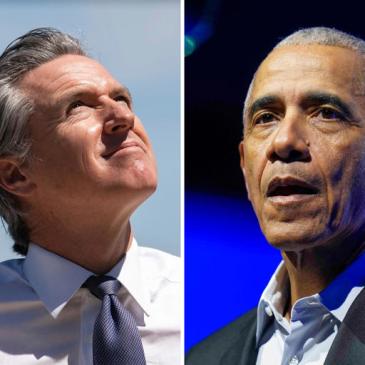
Governor Gavin Newsom framed the measure as essential to saving democracy. He argued that without action, Trump and his allies would continue to manipulate electoral maps to entrench their power. Newsom’s words were clear: “If Democrats win the House majority, they can end Donald Trump’s presidency as we know it. It is all on the line, a bright line, in 2026.”

The Who

  • Governor Gavin Newsom spearheaded the campaign, throwing the full weight of his political operation behind it. His leadership made the measure possible, and his success here is seen as a test of his national viability ahead of a potential 2028 presidential run.
  • Former President Barack Obama lent his voice, urging Californians to stop Republicans “in their tracks” and warning against unchecked power.
  • California voters themselves made the decisive choice, approving the measure despite criticism that it undermines the independent commission created in 2008.

Critics like former Governor Arnold Schwarzenegger argued that fighting Trump by adopting partisan maps “takes the power away from the people.” But supporters countered that failing to act would allow Trump and GOP-led states to rig the system unchecked.

Why This Was Possible

California is deeply blue, with strong Democratic infrastructure and voter turnout. Opponents of Proposition 50 struggled to raise money in one of the nation’s most expensive media markets, leaving Newsom and his allies to dominate the airwaves. Republican congressmen whose districts will be reshaped largely stayed silent, further weakening opposition.

The result was a lopsided campaign that foreshadowed the vote: a decisive victory for Democrats and a symbolic rejection of Trump’s attempts to manipulate democracy.

Saving Democracy

Proposition 50 is more than a state-level measure. It represents a broader national rejection of Trumpism and a commitment to protecting democratic institutions. Newsom appears to be one of the few governors willing to take bold, structural action to stop Trump from bending the rules to his advantage.

This fight is not over. The 2026 midterms will determine whether Democrats can seize control of the House and block Trump’s agenda. California’s move shows that when leaders act decisively, and when voters recognize the stakes, democracy can be defended.

Call to Action

This is a moment for reflection and action. Are we ready to defend democracy from manipulation? Are we ready to support leaders who take bold steps to protect fairness and representation?

 Subscribe to the blog for updates.
 Comment below to share your perspective.
 Let it be known: America can and will come together when people think, organize, and vote.

The Blue Wave is rising. Let’s make sure it carries us into 2026 and beyond.

Timeline Concept: Defending Democracy

Stage 1: Texas Redraw (2025)
Republicans, at Trump’s urging, redraw maps to secure 5 new GOP seats.
Theme: Manipulation of democracy.

Stage 2: California Response (2025)
Voters approve Proposition 50, giving Democrats a chance to win 5 seats.
Theme: Counteraction, protecting representation.

Stage 3: 2026 Midterms
Control of the U.S. House is on the line.
Theme: Choice between democracy and authoritarianism.

Stage 4: House Control
Democrats can seize majority, block Trump’s agenda, and restore balance.
Theme: Power shifts toward accountability.

Stage 5: Democracy at Stake
The fight is bigger than maps — it’s about saving democracy itself.
Theme: The Blue Wave rising.

From Stokely to Kwame: The Revolutionary Journey of a Black Power Prophet

By Charles Zackary King
Changing Trends and Times | America in Black and White

In the story of Black liberation, few names echo with as much fire and clarity as Stokely Carmichael, later known as Kwame Ture. His life was a masterclass in transformation: from immigrant child to civil rights warrior, from SNCC chairman to global Pan-Africanist. His journey was not just political, it was spiritual, cultural, and unapologetically Black.

Origins: From Trinidad to the Bronx

Born June 29, 1941, in Port of Spain, Trinidad and Tobago, Stokely Standiford Churchill Carmichael immigrated to Harlem at age 11 to reunite with his parents. Raised by his grandmother and aunts, he arrived in the U.S. with sharp intellect and sharper instincts. He later attended the prestigious Bronx High School of Science, where he began questioning the racial and social structures around him.

Awakening at Howard University

Carmichael enrolled at Howard University in 1960, studying philosophy and absorbing the teachings of professors like Sterling Brown and Toni Morrison. But it was outside the classroom, in the streets and churches of the South, that his activism took root. He joined the Student Nonviolent Coordinating Committee (SNCC) and became a Freedom Rider, risking his life to desegregate interstate travel.

Black Power Rises

By 1966, Carmichael had become chairman of SNCC, succeeding John Lewis. That same year, during a march in Mississippi, he delivered the rallying cry that would define a generation:

“What we want is Black Power.”
This slogan wasn’t just rhetoric, it was a demand for self-determination, racial pride, and political autonomy. Carmichael’s stance marked a shift from integrationist strategies to radical resistance, challenging both white supremacy and liberal complacency.

What Mattered Most: Liberation Over Assimilation

For Carmichael, the Civil Rights fight was never just about access, it was about ownership. He believed that integration, as framed by white society, often meant assimilation into systems that were fundamentally anti-Black. What mattered most to him was:

  • Black control over Black communities—from schools and housing to policing and economics.
  • Political independence—building all-Black political organizations like the Lowndes County Freedom Organization.
  • Economic justice—shaking the foundations of exploitation and demanding reparative systems.
  • Cultural pride—rejecting the notion that whiteness was the standard and embracing African heritage unapologetically.
  • Global solidarity—connecting the Black struggle in America to liberation movements in Africa, the Caribbean, and beyond.

He once wrote:

“For racism to die, a totally different America must be born.”
This wasn’t a call for reform, it was a call for revolution.

The Name Change: Kwame Ture

In 1969, Carmichael left the U.S. and settled in Guinea, West Africa, alongside his then-wife, South African singer Miriam Makeba. There, he adopted the name Kwame Ture—a tribute to Kwame Nkrumah of Ghana and Sékou Touré of Guinea, two titans of Pan-Africanism.
The name change was more than symbolic. It marked a rebirth—a rejection of colonial identity and an embrace of African unity, revolutionary socialism, and global Black consciousness.

Building Pan-African Futures

In Guinea, Ture co-founded the All-African People’s Revolutionary Party (A-APRP), advocating for a united Africa free from imperialism. He traveled extensively, speaking in Cuba, Ghana, and across Europe, always centering the plight of oppressed peoples and the power of collective liberation.

Final Years and Enduring Legacy

Kwame Ture died of prostate cancer on November 15, 1998, in Conakry, Guinea, at age 57. But his voice still reverberates, in classrooms, protests, podcasts, and policy debates. His writings, including Stokely Speaks and Ready for Revolution, remain essential texts for understanding Black resistance and global solidarity.

Why Kwame Ture Still Matters

In today’s climate of racial reckoning and global unrest, Ture’s life offers a roadmap. He taught us that identity is political, that liberation is global, and that Black Power is not a moment, it’s a movement. His transformation from Stokely to Kwame wasn’t just personal, it was prophetic.

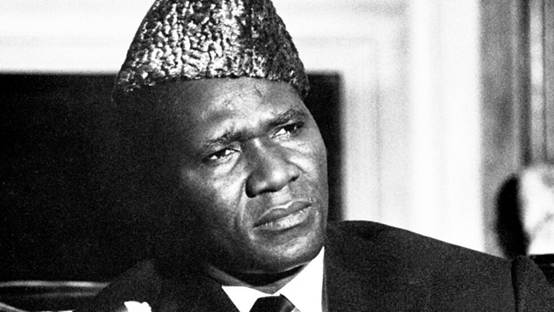
The Fire of Freedom: If Sékou Touré Had His Way

By Charles Zackary King
Changing Trends and Times | America in Black and White

In the pantheon of Black liberation, President Ahmed Sékou Touré stands as both architect and agitator, a man who dared to dream of an Africa unshackled from colonial chains. As Guinea’s first president, Touré didn’t just lead a nation; he attempted to rewire its soul. But what if his vision had fully taken root? What if Guinea had become the model Pan-African republic he imagined?

Let’s step into that alternate reality.

Guinea Reimagined: Touré’s Dream Realized

Imagine a Guinea where African socialism flourished, not as a reaction to colonial abandonment, but as a proactive blueprint for communal prosperity. In this Guinea:

  • Education is free and Afrocentric, with children learning the legacies of Samori Touré, Nkrumah, and Harriet Tubman alongside math and science.
  • Healthcare is universal, rooted in both modern medicine and indigenous healing traditions.
  • Art and culture are sacred, with griots, dancers, and sculptors honored as national treasures.
  • Women lead, not just in homes but in parliament, academia, and diplomacy.
  • Pan-African unity is tangible, with open borders for African nations, shared currencies, and joint infrastructure projects.
  • Guinea becomes a cultural capital, hosting global festivals of Black art, music, and resistance.

In this version of history, Guinea is not isolated, it’s exalted. Touré’s rejection of neocolonialism inspires a domino effect. Senegal, Mali, Ghana, and Congo follow suit, forming a United States of Africa, with Guinea as its moral compass.

The Real Guinea: Courage and Contradiction

Of course, history took a different path. After Guinea’s bold “No” to France in 1958, Touré faced economic sabotage, diplomatic isolation, and internal dissent. His response was fierce: nationalization, cultural revival, and alignment with socialist allies. But his regime also became authoritarian. Dissenters were imprisoned, and Camp Boiro became a symbol of repression.

Touré’s dream was noble, but his methods, at times, were brutal. The Guinea that emerged was proud, but wounded. Independent, but surveilled.

Why Touré Still Matters

Today, as Black communities worldwide fight for autonomy, dignity, and representation, Touré’s legacy offers both inspiration and caution. His vision of self-reliance, cultural pride, and continental unity remains relevant. His flaws remind us that liberation must be paired with compassion and accountability.

For creatives and advocates like Jean-Patrick Guichard, Touré’s influence is personal. His insistence on cultural sovereignty echoes in every curated exhibit, every community dinner, and every act of legacy-building.

Conclusion: The Fire Still Burns

Touré died in 1984, in Cleveland, Ohio, while undergoing heart surgery. But the fire he lit still burns, in classrooms, galleries, protests, and podcasts. His story is not just history, it’s a mirror, a map, and a challenge.

If Touré had his way, Guinea might have become the heartbeat of a liberated Africa. But even in reality, his defiance carved a path that others still walk. And in that, his legacy lives on.

From Chains to Crowns: The Legacy of William Dorsey Swann

By Charles Zackary King
America in Black and White | Changing Trends and Times

In the tapestry of Black history and LGBTQ+ resistance, few threads shine as defiantly as that of William Dorsey Swann. Born into slavery in March 1860 in Hancock, Maryland, Swann would become the first known American to self-identify as a “queen of drag”—and the first to lead a documented queer resistance group in the United States Wikipedia Smithsonian Magazine.

Childhood in Chains

Swann was the fifth of thirteen children in a Protestant family enslaved by Ann Murray. His mother, Mary Jane Younker, was a housekeeper, and his father, Andrew Jackson Swann, farmed wheat. After emancipation, the Swann family purchased land and began farming, but poverty and racial barriers loomed large. William, like many formerly enslaved children, was denied formal education and began working young Boundary Stones.

Early Adulthood & Convictions

In his twenties, Swann moved to Washington, D.C., working as a hotel waiter and janitor. He was arrested in 1882 for petty larceny—stealing books and household items—but his employers and even the sentencing judge vouched for his character, describing him as “industrious, refined, gentle, and courteous.” This moment revealed Swann’s hunger for knowledge and dignity, even in the face of criminalization Rediscovering Black History.

The Queen of Drag

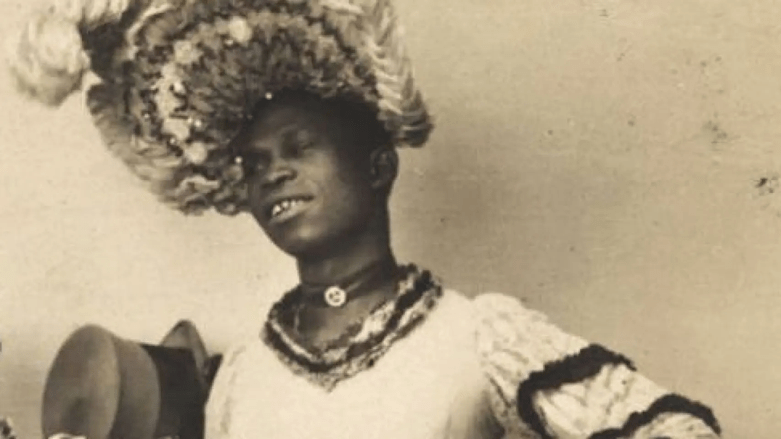
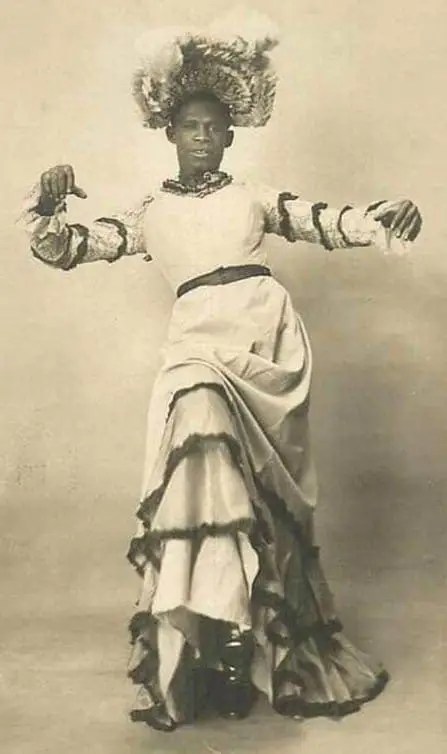
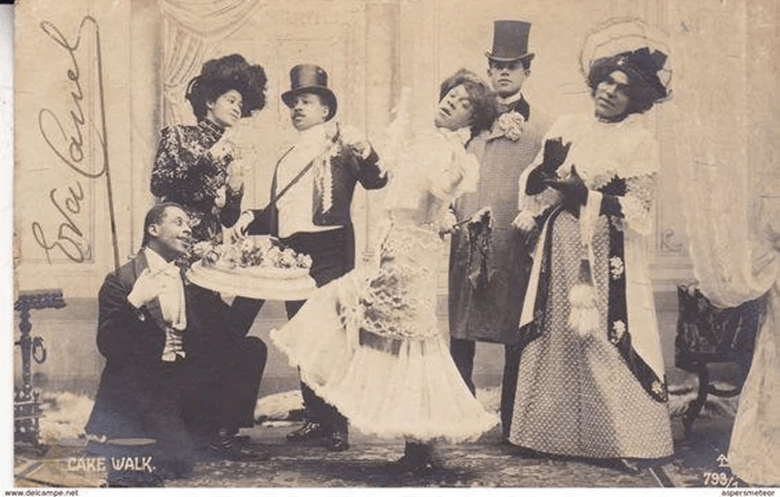
By the late 1880s, Swann was hosting secret drag balls in D.C.—lavish, defiant celebrations of identity and joy. These gatherings, attended by formerly enslaved Black men, featured silk gowns, corsets, and the iconic cakewalk dance, a precursor to modern voguing. Swann called himself the “queen of drag,” and his events became sanctuaries of self-expression and resistance Wikipedia Smithsonian Magazine.

On April 12, 1888, during his 30th birthday celebration, police raided the party. Swann, dressed in cream-colored satin, resisted arrest and famously declared to an officer, “You is no gentleman.” This act of defiance is now recognized as one of the earliest documented instances of queer resistance in U.S. history Wikipedia.

Legal Resistance & Legacy

In 1896, Swann was convicted of “keeping a disorderly house”—a euphemism for running a brothel, though he was simply hosting another drag ball. He petitioned President Grover Cleveland for a pardon, making him the first American to take legal action to defend the LGBTQ+ community’s right to gather. Though denied, his courage laid the groundwork for future civil rights battles Rediscovering Black History.

Swann’s later years were quieter, but his legacy endured. His brother Daniel continued making drag costumes for decades. Swann died around December 23, 1925, at age 65. After his death, local officials burned his home—a final act of erasure that history is now reversing Wikipedia.

Influence on Today’s LGBTQ+ Culture

Swann’s drag balls were the blueprint for the ballroom culture that flourished in Harlem and beyond. His use of the cakewalk, his unapologetic identity, and his insistence on joy and community in the face of oppression echo in today’s voguing, drag pageantry, and queer activism.

In an era where drag is both celebrated and politicized, Swann’s story reminds us that Black queer resistance is not new—it is foundational.

Mansa Musa: The Legacy of the Lion King of Mali

By Charles Zackary King
Founder & CEO, America in Black and White | Blogger, Changing Trends and Times

Introduction

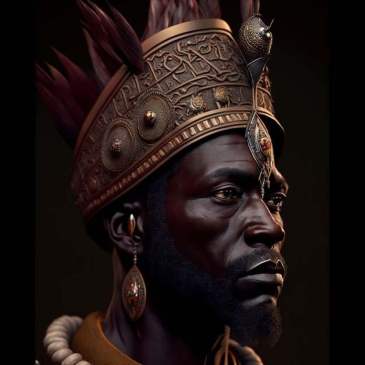
In a world where wealth is often measured by fleeting trends and digital valuations, the story of Mansa Musa stands as a timeless reminder of legacy, leadership, and cultural stewardship. Known as the richest man in recorded history, Musa’s reign over the Mali Empire in the 14th century was not just about gold, it was about vision, education, and the elevation of a people.

The Rise of a Legend

Mansa Musa ascended to power in 1312, inheriting an empire already rich in resources and influence. But under his leadership, Mali expanded its borders, deepened its cultural roots, and became a beacon of prosperity in West Africa. His empire stretched across modern-day Mali, Senegal, Guinea, Mauritania, and parts of Niger—making it one of the largest and most powerful of its time.

Wealth Beyond Imagination

Musa’s wealth was legendary. His empire controlled vast gold mines and taxed trans-Saharan trade routes dealing in salt, ivory, and other commodities. But it was his pilgrimage to Mecca in 1324 that truly stunned the world. Traveling with an entourage of 60,000 people and distributing gold so generously in Cairo that it disrupted the region’s economy for years, Musa’s journey was both a spiritual mission and a global statement.

A Builder of Culture and Faith

Upon returning from Mecca, Mansa Musa invested heavily in Islamic scholarship and architecture. He commissioned the construction of mosques, schools, and libraries—most notably the Djinguereber Mosque in Timbuktu. He invited scholars and architects from across the Muslim world, transforming Timbuktu into a center of learning and culture that would influence generations.

Legacy That Lives On

Mansa Musa died around 1337, but his legacy endures. He proved that African leadership could be visionary, global, and deeply rooted in cultural pride. His story challenges the erasure of African excellence from mainstream narratives and reminds us that wealth is not just material—it’s historical, intellectual, and communal.

Why Mansa Musa Matters Today

In the spirit of America in Black and White and Changing Trends and Times, Mansa Musa’s legacy speaks directly to our mission:

  • Civic education: His governance model emphasized justice, scholarship, and diplomacy.
  • Advocacy: He uplifted his people through infrastructure, faith, and international recognition.
  • Legacy-building: His impact was generational, not transactional.

As we continue to tell stories that empower and enlighten, let Mansa Musa be a reminder: Black history is global history. And legacy is built, not bought.