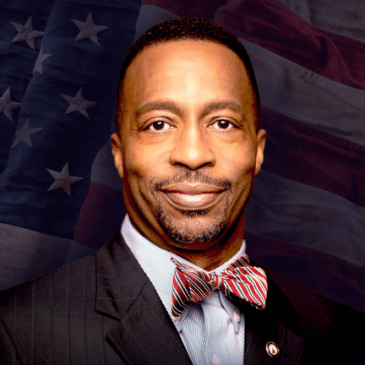
Derrick Jackson’s Bold Bid for Governor: Legacy, Leadership, and a Vision for Black Georgia

By Charles Zackary King
Founder, America in Black and White | AMIBW The Magazine

The original article titled “Derrick Jackson Discusses Campaign for Governor” was written by Christopher Smith and published on News & Talk WAOK.

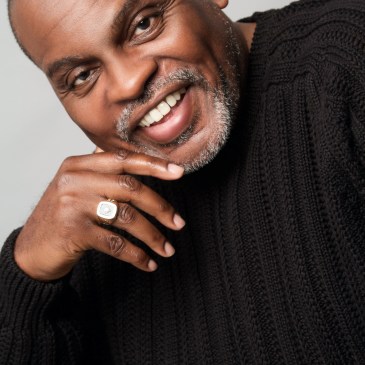
Georgia State Representative Derrick Jackson isn’t just running for governor, he’s running on legacy, lived experience, and a moral obligation to serve. With a 42-year career that spans military command, corporate leadership, and legislative advocacy, Jackson’s campaign is rooted in justice, equity, and empowerment for all Georgians, especially Black communities historically left behind.

A Life of Service and Strategy

Jackson is a husband, father of seven, and retired U.S. Navy Lieutenant Commander with 22 years of service, including seven deployments. After a decade in the corporate sector with General Electric, he transitioned into public service, winning election to the Georgia House of Representatives in 2016. He represented District 64 until 2023, and now serves District 68, marking nearly a decade of legislative leadership.

His record includes fighting for voting rights, women’s rights, LGBTQ+ protections, and small business support. But Jackson’s work in underserved communities goes deeper, he’s been a consistent voice for economic justice, healthcare access, and educational equity.

Legislative Impact: Raising the Floor for Black Georgians

Among Jackson’s most impactful legislative efforts is his sponsorship of a bill to raise Georgia’s minimum wage to $27/hour by 2028. The bill proposed a phased increase, starting at $15/hour and rising annually, designed to uplift working-class families, especially Black workers disproportionately affected by wage stagnation and attacks on diversity initiatives.

This legislation, though stalled in committee, remains a cornerstone of his campaign. It directly addresses the economic disparities that have long plagued Black communities in Georgia, where over half a million Black jobs were lost in the past year due to rollbacks in equity programs.

Campaign Agenda: A Georgia That Works for Us

Jackson’s gubernatorial platform is built on eight pillars, each designed to help Georgia families thrive. For Black Georgians, his agenda includes:

  • Medicaid Expansion to close healthcare gaps and prevent rural hospital closures
  • Repealing Harmful Laws like the six-week abortion ban and rent control restrictions
  • Investing in Black Farmers, Small Businesses, and Nonprofits with access to capital and policy inclusion
  • Environmental Justice to protect communities from pollution and neglect
  • Education Reform & Workforce Development with expanded access to trades, apprenticeships, and technical education
  • Reparations Advocacy, proposing 33% of Georgia’s $16B budget be allocated to Black families as a fulfillment of broken promises

Jackson’s message is clear: “We’re not just building a Georgia for business, we’re building a Georgia for families.”

Inspired by Legacy: John Lewis and the Spirit of Service

Jackson cites civil rights icon John Lewis as a moral compass for his campaign. “I have a moral obligation to run for governor,” he said on WAOK, invoking Lewis’s legacy of courage and conscience. His leadership style blends executive discipline with grassroots empathy, qualities he believes make him the only candidate truly qualified to serve as Georgia’s Commander-in-Chief.

A Call to Action

Jackson’s campaign isn’t powered by million-dollar donors, it’s powered by people. He urges Georgians to “Tell 10 to Tell 10,” mobilize their communities, and vote for a future rooted in dignity, equity, and opportunity.

For Black Georgians, this race is more than political, it’s generational. It’s about reclaiming the promise of Georgia and ensuring that every child, every elder, and every entrepreneur has a seat at the table.

“To Be a Black Man in America: The Weight We Carry, The Truth We Live”

By Charles Zackary King
Founder/CEO of America in Black and White and AMIBW The Magazine

Introduction

To be a Black man in America is to live with a dual reality: one shaped by brilliance, resilience, and legacy, and another shaped by suspicion, exclusion, and systemic violence. It’s not just difficult. It’s deliberate. And yet, we continue to rise.

This post is not a cry for pity. It’s a declaration of truth.

The Burden of Being Seen

  • Criminalized Before We Speak:
    From childhood, we’re labeled “aggressive,” “disruptive,” or “dangerous.” Our tone is policed. Our presence is questioned. Our humanity is often denied.
  • Economic Gatekeeping:
    We are told to “work twice as hard,” but the doors still close. Black men face higher unemployment, lower wages, and fewer opportunities, regardless of education or experience.
  • Policing and Surveillance:
    We are over-policed, over-incarcerated, and under-protected. The justice system was not built to serve us, it was built to control us.
  • Emotional Suppression:
    Vulnerability is seen as weakness. We are expected to be silent, stoic, and strong, even when we’re breaking.

This is the example of being Black. Being Black is what happens when you are always stopped for no reason and then being asked “why are you up set”? “You must be guilty of something”, when you are just coming from work or going home from visiting family. The thing that makes this even worse is that you have other Black People including family that don’t believe you because the brain washing of the media has made them think you are guilty. There is nothing worse than having your Mother, Father, Brother, Sister, Wife/Girlfriend thinking you are guilty and refusing to support you because they can not give you the benefit of the doubt. None of these people can see the stress they are causing you but they want you to protect them and do what they need from you. Our own people can not see the harm they cause you. This adds to all kinds of pain and trauma and they still don’t see that.

When we talk about the Economic Gatekeeping we are talking about ever since the 70s when the PayScale represented the White Man, the White Woman, the Black Woman and then the Black Man. This causes your woman to look down on you and the others to think they can use you for pennies on the dollar and get the milk for free. Being put in this position is a major problem for your household but your wife/girlfriend does not see it that way. When you do what is necessary to please her, she complains but when you are not bringing in enough money she complains. Communication is bad and needs to improve because the wrong people have influenced your way of thinking and your love. What is still not seen is this man is struggling and is feeling trapped. This is the thing that has led to Single Parent Households.

The justice system has a precursor that states if you are a Black Man you must be guilty, and we can plant evidence against you and not worry about it. No one cares for you, and people will back the Blue when it comes to you. The bad part about this is some of the officers look just like you. Again, something that is adding to more stress than you can handle and it causes anxiety and mental health disorders. The question that is always there, “will they be here for me when I need them”? Please think about this.

As a Black Man we have pride and refuse to let anyone see us vulnerable. We cannot be weak, and we refuse to let others know we are hurting. The problem with this is Black Men have been carrying this jug of water for more than 100 years. We are not appreciated but are looked upon to protect and serve, we are not respected but expected to solve the most complex problems, and we are the real professionals with so much knowledge but never get the acknowledgement we deserve.  All along we are the real strong leaders, thinkers and can do men on the earth that make a real difference.

The Truth They Don’t Teach

  • Black men are more likely to die prematurely due to systemic neglect in healthcare, housing, and mental health.
  • We are less likely to receive fair trials, adequate representation, or restorative justice.
  • Our stories are often told by others, flattened, filtered, and stripped of nuance.

Our health always come into play because we have to be involved in the things that happen to our communities, our families and our people in general. Our leadership is needed to work with the others in our communities instead of against them. In todays time it is all about leadership and we have lots of it. We will continue to provide this until the day we die.

We know we will never get a fair shake which is the thing that makes community and family so important to us. It is clear and evident what the justice system has in store for us but what do we do? This is why we have to make sure we build our communities and keep our families together because when there is no male figure in the household outsiders find ways to take advantage of our people.

This is being told from my eyes because it is important that we do what is necessary to work and build together. Outside ramble is just that but we got to continue to show that we are the real leaders of our people. We have to communicate better but met with the same demeanor from those in our community. No on or nothing is perfect and I know we can grow like everything was intended to be for us all.

This is not accidental. It’s structural.

The Legacy We Build Anyway

Despite it all, we lead. We mentor. We create. We heal. We build platforms like America in Black and White and AMIBW The Magazine to tell our stories on our terms.

We are not just survivors, we are architects of truth.

Personal Reflection

As a Black man, I’ve felt the sting of betrayal, the weight of expectation, and the silence of being misunderstood. I’ve been told to “tone it down,” “wait my turn,” and “be grateful.” But I’ve also seen the power of truth-telling, the healing in storytelling, and the strength in community.

I write this not just for myself, but for every Black man who’s been told he’s too loud, too angry, too ambitious, too Black.

Do what is necessary by your wife/Husband and Family and make sure you are documenting and telling your story. Don’t ever give up just keep pushing because as a Black Man you are really viewed as the KING you really are.

Call to Action

  • Listen to Black men. Not just when we’re in pain—but when we’re building.
  • Support Black-led platforms. Subscribe, share, and invest.
  • Challenge stereotypes. In your workplace, your media, your conversations.
  • Honor our humanity. Not just our struggle—but our joy, our creativity, our legacy.

Citations

Blog Title: “Justice, Not Theater: Judge Graf Refuses to Bow to Political Pressure in Charlie Kirk Case”

By Charles Zackary King
Inspired by reporting from Isabel Keane, The Independent, and the Associated Press (https://www.msn.com/en-us/news/crime/judge-in-charlie-kirk-shooter-case-appears-to-warn-trump-as-he-says-he-won-t-put-finger-on-scale-of-justice/ar-AA1NxwXL?ocid=msedgntp&pc=HCTS&cvid=68daf51be4604bd9a9ba88f63d048d4e&ei=22), and the Associated Press

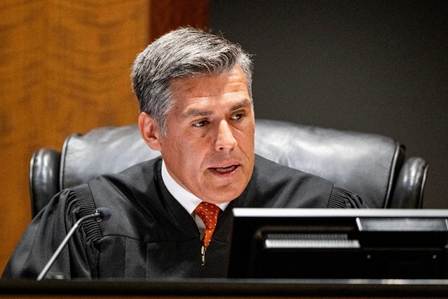
In a moment when political theater often overshadows legal truth, Judge Tony Graf made it clear: his courtroom is not a stage for partisan influence.

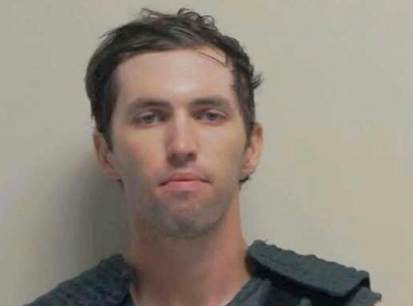
During a hearing in the high-profile case of Tyler Robinson—charged with the fatal shooting of conservative activist Charlie Kirk—Judge Graf issued a statement that cut through the noise. With cameras watching and pressure mounting from national figures including President Donald Trump and Vice President JD Vance, Graf stood firm:

“Let me be clear, I will not put my finger on the scale of justice,” he said.
“Counsel, regardless of who is watching, whether it is the nation or a single individual, we must fulfill our roles with integrity, civility, and diligence.”

That’s not just courtroom etiquette. That’s judicial courage.

The Case and the Climate

Tyler Robinson, 22, is accused of shooting Kirk from a sniper’s perch at a Utah college campus on September 10. Prosecutors say Robinson left behind texts and a note indicating intent, and they plan to seek the death penalty. The evidence is described as “voluminous,” and Robinson has not yet entered a plea.

But beyond the legal facts, the case has ignited political firestorms. Prominent Republicans have labeled the killing “politically motivated,” and some have demanded retaliation against those who mocked Kirk’s death online. Even late-night host Jimmy Kimmel faced suspension for his comments, later reinstated amid backlash.


A Judge Who Refused to Flinch

In this climate of outrage and polarization, Judge Graf’s words matter. He didn’t just speak to the attorneys in the room—he spoke to the nation. He reminded us that justice is not a partisan tool. It’s a sacred process.

Graf’s refusal to bend to political pressure is a rare act of judicial integrity. In an era where public opinion often tries to dictate verdicts, his stance is a reminder that the courtroom must remain a place of law—not influence.

Why This Moment Matters

  • It affirms the independence of the judiciary.
  • It challenges the weaponization of grief for political gain.
  • It reminds us that justice must be rooted in evidence, not emotion.

Whether you agree with Kirk’s politics or not, the process must be fair. And Judge Graf is making sure it stays that way.

Final Word

In a time when truth is often twisted to fit agendas, Judge Tony Graf deserves credit, not just for what he said, but for what he stood against. He didn’t just protect the integrity of one case. He protected the principle that justice must be blind to politics.

Let this be a reminder: real leadership isn’t loud. It’s principled.

 Call to Action

  • Share this post across platforms to affirm judicial independence.
  • Support media outlets that report with nuance and integrity.
  • Stay informed—and stay critical of those who try to politicize justice.

“They Speak, But Not For Us: The Cost of Misrepresentation in Black America”

Introduction

In a world flooded with statements, pledges, and curated campaigns, it’s time to ask: who’s really representing Black communities? Because visibility without accountability is just performance. This post contrasts the hollow gestures of institutions with the lived truth of Black-led platforms and movements. It’s not just critique, it’s clarity.

 The Performance of Representation

  • Corporate Statements vs. Community Investment
    Every February, companies roll out Black History Month graphics and events. But 53% of consumers believe these statements must be backed by real action, or they’re exploitative. Many corporations downsize DEI programs while spotlighting Black employees for one month.
  • Political Promises vs. Policy Impact
    Politicians invoke Black pain during campaigns, but policy rarely follows. The CBCF’s Executive Order Tracker shows how recent directives have rolled back civil rights protections, education equity, and economic opportunity for Black communities. Even well-intentioned promises often lack measurable equity outcomes.
  • Media Coverage vs. Media Ownership
    Black trauma is headline-worthy, but Black joy, innovation, and leadership are rarely centered. Only 3% of full-power TV stations are Black-owned. Without ownership, our stories are filtered, flattened, and often distorted.

A good example of this would be Stephen A. Smith and Van Jones that represent ESPN and CNN. These guys get on TV and perform for their masters stating that they represent Black People when their words tell us different. Stephen A who is loud and a obvious Republican talks out of both sides of his mouth. He lies about Black representation and how things affect him but at the same time supports Racist like Charlie Kirk and all the nasty things he has to say about Black People especially Black Women. This is not condoning Murder but why should Black People feel sorry for someone that was so divisive. Smith leads a failing network that I am shocked is still around. That network has problems for 25yrs running that has yet to be resolved but is standing on the a trickster like Smith that claims he wants to run for President as a Democrat. The funny thing about this is the Democratic Party is meeting with him!! I am finding this worse than appalling because one this should be condemned but not enough Black People are calling this out. This man makes a living off destroying Black Lives. This is performance but dangerous at the same time.

Van Jones who has had a failed show on CNN and was fired from the Obama Administration for ethics issues is another person that is performing for his Master. This man had the Gaul to get on CNN to tell the world that he got a text from Charlie Kirk and that he was a good man. When you think about this, what is good about a man that speaks about your culture as horrible as this individual did? Yes, we can have our difference but being an Original King, you don’t dare let someone insult you like that and you kiss their butt to say you talked to them. This man said on Anderson Coolper 360 that he was told by his team the day this man was killed that he reached out to him. Why would he do this and why would CNN let him on the air to say that? That is personal but has no place in todays society. Keep that to yourself. This performance was sad and hurtful but was supposed to represent the sentiment of Black People. Wrong, it does not and there is no place in the world for anyone to shoot and kill another person but I do not think the Black Community was accepting of that. Everything the 2 of them say in the media is never going to be favorable for Black People and the world needs to know that.

 Authentic Advocacy and Legacy Work

  • Black-Led Platforms Speak Truth
    From AMIBW The Magazine to The Clarkson Collective, these platforms don’t just amplify, they dignify. They tell stories rooted in faith, resilience, and generational healing. Michelle Clarkson’s work bridges sacred and civic, reminding us that storytelling is sacred.
  • Community Organizers vs. Institutional Gatekeepers
    Real change comes from those who live the struggle. Black-led nonprofits like Movement for Black Lives, BlackPAC, and ABFE’s Black Funds Network are building coalitions, not careers off our pain.
  • Storytelling as Sacred Practice
    Michelle Clarkson’s prophetic voice reminds us: healing begins with truth, and transformation requires courage. Her work is a masterclass in narrative activism.

Truth Telling about our Past, Present and Future is very important. When you are used to a standard you must live by that standard. Censorship is a nonstarter.

The Danger of Misrepresentation

  • Outsiders dilute our demands.
  • Institutions tokenize our presence.
  • Media distorts our image, shaping public perception and policy in harmful ways.

When they speak for us, they silence us. We do not need other people speaking for us. We are more than capable of speaking for ourselves. We can do this because it is lived not a perception.

We Are the Authors

Black people are not a monolith, and we are not waiting for permission to tell our stories. We are the architects of our own legacy. We will no longer accept representation that is hollow, exploitative, or disconnected from our lived truth.

If you’re not building with us, you’re building against us.

 Call to Action

  • Support Black-owned media. Share, subscribe, and fund platforms that honor our truth.
  • Hold institutions accountable. Ask where their money goes after February.
  • Elevate authentic voices. Follow, repost, and amplify Black-led movements.
  • Tell your story. Whether through podcast, blog, or pulpit, your truth matters.

Want to contribute to AMIBW The Magazine or share your story with The Clarkson Collective? Reach out. Let’s build legacy together.

Bayard Rustin: The Architect Behind the Dream

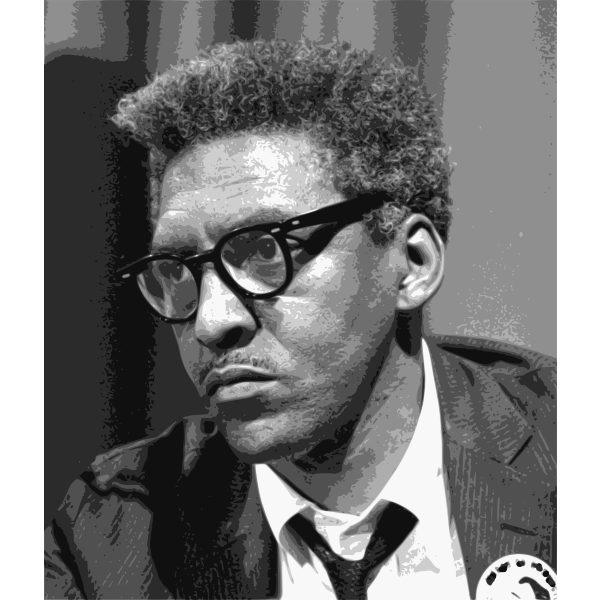
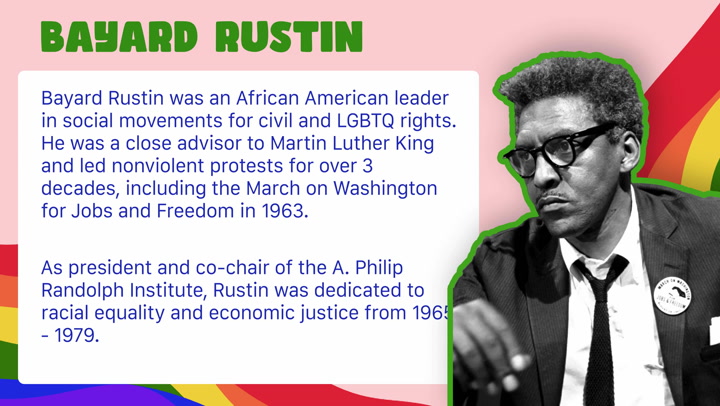
Bayard Rustin was a man whose brilliance shaped the Civil Rights Movement from behind the scenes. Though history often whispers his name, his impact roars through every march, every speech, and every act of justice that followed. Rustin was not only a master strategist, he was a Black, gay man whose courage and conviction laid the foundation for one of the most iconic moments in American history: Dr. Martin Luther King Jr.’s “I Have a Dream” speech.

Early Life & Identity

Born in 1912 in West Chester, Pennsylvania, Rustin was raised by his grandparents, who instilled in him Quaker values of nonviolence and equality. As a young man, he was deeply influenced by pacifist teachings and the writings of Gandhi, which later shaped his approach to activism.

Rustin’s identity as a gay man was never hidden, but it did make him a target of criticism, even within the movement he helped build. Despite this, he remained unapologetically himself, refusing to let prejudice silence his voice or diminish his contributions.

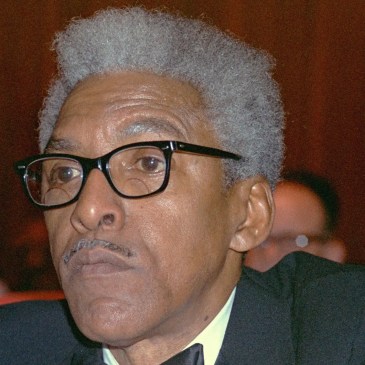
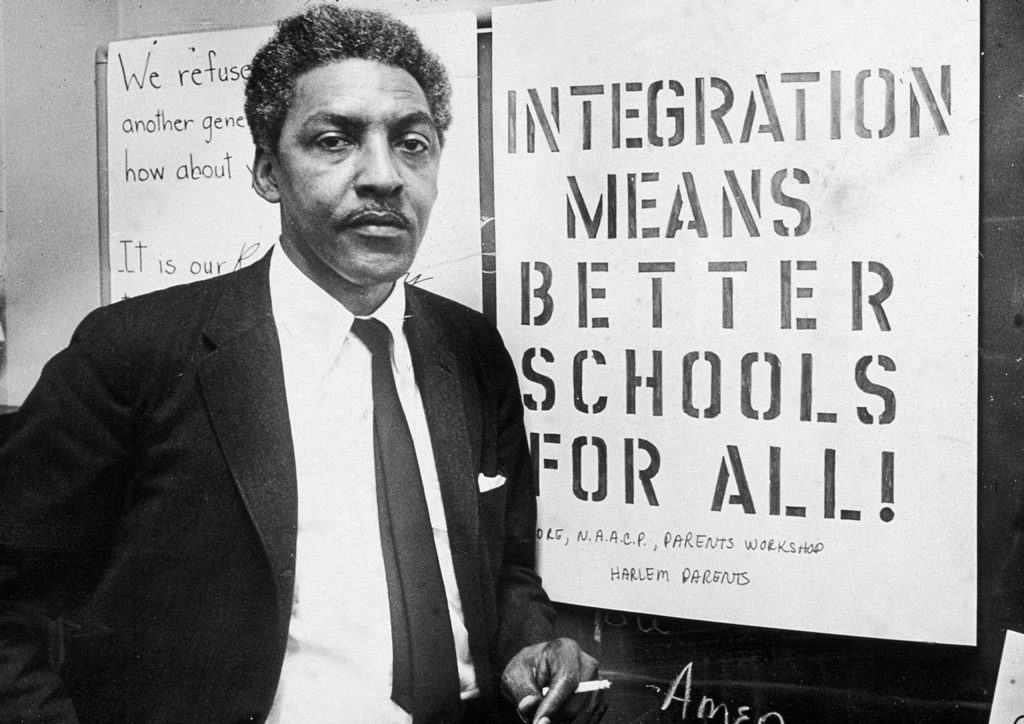
2nd February 1964: American civil rights activist Bayard Rustin (1912 – 1987), spokesman for the Citywide Committee for Integration, at the organization’s headquarters at Silcam Presbyterian Church, Brooklyn, New York City. (Photo by Patrick A. Burns/New York Times Co./Getty Images)

Becoming an Activist

Rustin’s activism began early. He organized freedom rides in the 1940s, worked with the Fellowship of Reconciliation, and was a key figure in the Congress of Racial Equality (CORE). His commitment to nonviolent protest and strategic planning made him indispensable, but also controversial due to his sexuality.

The March on Washington: Rustin’s Masterpiece

In 1963, Rustin orchestrated the March on Washington for Jobs and Freedom, where Dr. King delivered his legendary “I Have a Dream” speech. Rustin handled every logistical detail, from transportation and security to programming and press. Without Rustin, there would be no stage, no crowd, no moment.

He didn’t just plan the march. He engineered history.

LGBTQ+ Legacy

Rustin’s courage as a gay man in a time of deep societal repression paved the way for future generations. In 1986, he said:

“Gays are the new barometer for social change.”

His advocacy extended beyond race—he believed in justice for all. In 2013, President Barack Obama posthumously awarded him the Presidential Medal of Freedom, recognizing both his civil rights work and his trailblazing role in LGBTQ+ history.

Final Reflections

Bayard Rustin’s life reminds us that leadership doesn’t always come from the spotlight. Sometimes, it’s the architect behind the curtain who builds the stage for change. His legacy lives on in every movement that demands justice, dignity, and equality.

“The Fierce Urgency of Now: Reflecting on MLK’s Dream in Today’s America”

On August 28, 1963, Dr. Martin Luther King Jr. stood at the steps of the Lincoln Memorial and delivered a speech that would echo across generations. His “I Have a Dream” address wasn’t just poetic, it was prophetic. It was a call to conscience, a demand for justice, and a vision of unity that challenged America to live up to its founding creed: that all men are created equal.

The timing of the speech was no accident. It marked the anniversary of Emmett Till’s brutal murder in 1955, a reminder of the violence Black Americans endured. It was also the culmination of the March on Washington, where 250,000 people gathered to demand civil and economic rights. King’s words pierced through the heat of that summer day and into the soul of a nation.

Today, we revisit that dream not as a relic, but as a roadmap. In an era still marked by racial disparities, economic injustice, and political division, King’s message remains urgent. His warning against “the tranquilizing drug of gradualism” speaks directly to our moment. We cannot afford to wait. We must act.

For Black entrepreneurs, legacy builders, and community leaders, King’s dream is a mandate: to build platforms that empower, to tell stories that heal, and to create systems that honor dignity. His speech reminds us that freedom is not a gift, it’s a demand. And justice is not a destination, it’s a journey.

Let freedom ring from every media outlet, every business pitch, every youth-led initiative. Let it ring in our contracts, our content, our community partnerships. Let it ring in our refusal to settle for less than equity.

Dr. King dreamed of a world where character mattered more than color. Let us be the architects of that world, brick by brick, story by story, legacy by legacy.

From Hustle to Humanity: How Black Billionaires Are Reinvesting Wealth into Marginalized Communities

In a world where wealth often feels distant and disconnected from everyday struggles, a select group of Black billionaires have rewritten the narrative, not just by amassing fortunes, but by using their platforms to uplift underserved, marginalized, and LGBTQ communities. Their journeys from humble beginnings to global influence are more than success stories; they’re blueprints for legacy-driven impact.

Robert F. Smith: Tech Titan with a Heart for Equity

Raised in a working-class Denver family, Smith’s rise began with degrees in chemical engineering and business, culminating in the founding of Vista Equity Partners. But his legacy isn’t just in software, it’s in soul work.

  • Philanthropic Power Moves:
    • Paid off student loans for the entire 2019 Morehouse College graduating class.
    • Founded the Student Freedom Initiative, easing debt burdens for HBCU students in STEM.
    • Through Fund II Foundation, donated over $250M to causes like Black cultural preservation, environmental access for underserved youth, and inclusive arts education.
    • Advocates for the “2% Solution,” urging corporations to invest 2% of profits into underserved communities.

Smith’s wealth is a tool for systemic change, not just personal gain.

Oprah Winfrey: Media Mogul and LGBTQ Ally

From rural Mississippi poverty to global media dominance, Oprah’s story is steeped in resilience. But her empathy is what truly sets her apart.

  • LGBTQ Advocacy:
    • Hosted groundbreaking episodes on AIDS and LGBTQ issues as early as 1987.
    • Won the GLAAD Vanguard Award for championing LGBTQ stories and visibility.
    • Produced inclusive content through OWN and Harpo Productions, including documentaries like I Am Jazz and Becoming Chaz.

Oprah’s wealth is rooted in authenticity and she’s used it to create safe spaces for marginalized voices.

Jay-Z: From Marcy Projects to Movement Builder

Jay-Z’s empire spans music, fashion, tech, and sports but his philanthropic reach is equally expansive.

  • Community Impact:
    • Founded the Shawn Carter Foundation to support education for at-risk youth.
    • Advocates for criminal justice reform through the Reform Alliance.
    • Produced documentaries on systemic racism, including The Kalief Browder Story and Rest in Power: The Trayvon Martin Story.

Jay-Z’s wealth is a megaphone for justice, amplifying the voices of those often silenced.

Michael Jordan: From Court Legend to Community Champion

Jordan’s Air Jordan brand revolutionized sneaker culture, but his off-court philanthropy is equally game-changing.

  • Giving Back:
    • Donated $100M through the Jordan Brand to fight systemic racism and support Black-led nonprofits.
    • Funded clinics, scholarships, and literacy programs in underserved areas.
    • Supports initiatives for economic justice, education, and social reform.

Jordan’s wealth is a slam dunk for equity, health, and opportunity.

Kanye West: Visionary with a Complex Legacy

West’s Yeezy brand redefined fashion, and his real estate and music ventures built a billion-dollar portfolio. While his public persona is polarizing, his early support for LGBTQ rights was notable.

  • LGBTQ Support:
    • Spoke out against homophobia in hip-hop in 2005, inspired by his cousin’s coming out.
    • Advocated for tolerance and inclusion, comparing anti-gay discrimination to racism.

Though his later actions have sparked controversy, West’s early stance challenged cultural norms in hip-hop.

Tyler Perry: Storyteller and Shelter Builder

Perry’s journey from homelessness to owning a 330-acre studio is a testament to perseverance. But his vision extends far beyond entertainment.

  • Direct Support for Marginalized Groups:
    • Plans to build a shelter for displaced LGBTQ youth, homeless women, and trafficking survivors on his studio grounds.
    • Uses his platform to tell authentic stories of Black life, trauma, and triumph.
    • Honored with the Jean Hersholt Humanitarian Award and Emmys Governors Award for his commitment to inclusion.

Perry’s wealth is a sanctuary, both literal and symbolic, for those society often overlooks.

Should We See Them as Role Models?

Absolutely but not just for their financial success. These individuals embody a deeper kind of wealth: one rooted in purpose, empathy, and responsibility. They’ve shown that legacy isn’t just about what you build, it’s about who you lift.

Their stories remind us that wealth, when aligned with justice, can be revolutionary.

America in Black and White Hits 100: A Legacy of Truth-Telling and Transformation

On August 28th, America in Black and White will air its landmark 100th episode of Season 3, Episode 100 with none other than Dr. David Banks as its featured guest. This moment isn’t just a milestone. It’s a movement.

From its humble beginnings to its current status as a trusted voice in Black media, America in Black and White has grown into a platform that doesn’t just inform it ignites. Hosted by Charles Zackary King, the show has become a sanctuary for truth-tellers, change-makers, and legacy-builders across the diaspora.

Season 1: Laying the Foundation

Season 1 was raw, urgent, and necessary. It tackled the hard truths of police brutality, systemic racism, economic exclusion, and the erasure of Black narratives. Each episode was a mirror and a megaphone, reflecting lived realities while amplifying voices that too often go unheard. From grassroots organizers to policy experts, the show carved out space for real talk and real solutions.

Highlights included:

  • A gripping roundtable on mass incarceration and restorative justice
  • Interviews with Black entrepreneurs redefining wealth and ownership
  • A tribute to unsung community elders whose wisdom shaped generations

Season 2: Building Bridges

Season 2 expanded the lens. It brought in artists, educators, and spiritual leaders to explore the intersections of culture, healing, and resistance. The show’s production quality leveled up, and so did its reach. With new partnerships and a growing audience, America in Black and White began to feel less like a show and more like a movement.

Key moments included:

  • A powerful episode on Black mental health and generational trauma
  • A spotlight on HBCU innovation and student activism
  • A deep dive into Black media ownership and representation

Season 3: Legacy in Motion

Now in Season 3, the show has hit its stride. With over 99 episodes aired, America in Black and White continues to evolve, bringing sharper commentary, broader perspectives, and deeper spiritual grounding. This season has featured entrepreneurs, scholars, and cultural architects who are shaping the future of Black America.

And now, Episode 100 arrives with a guest who embodies the show’s mission: Dr. David Banks.

About Dr. David Banks

Dr. Banks is a visionary educator, thought leader, and advocate for equity in public education. His work in transforming urban school systems and empowering youth through culturally responsive pedagogy has made him a national figure in education reform. His appearance on America in Black and White promises to be a masterclass in leadership, legacy, and liberation.

Please join us live August 28th at 6PM EST by clicking the link above. Please subscribe and get all the notifications for the channel

Why August 28th Matters

The date itself is symbolic. August 28th marks the anniversary of the 1963 March on Washington, a day when Dr. King declared his dream to the world. It’s a day etched into the soul of Black history. And now, it becomes the backdrop for a new kind of declaration: one rooted in media, mentorship, and movement-building.

What’s Next

As America in Black and White steps into its next chapter, the vision remains clear: to uplift, to educate, and to empower. With Changing Trends and Times as its publishing partner, the show continues to be a beacon for those who believe in legacy-driven storytelling and unapologetic truth.

Episode 100 is more than a celebration. It’s a call to action.

Tune in. Share the message. Be part of the movement.

https://www.youtube.com/@americainblackandwhite8299/featured

Please subscribe to our YouTube channel and get all the notifications

Jussie Smollett: From Scandal to Strength A Journey of Resilience, Artistry, and Truth

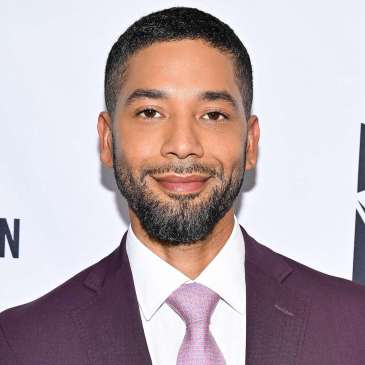
In the ever-evolving narrative of Black celebrity, few stories have been as polarizing and as quietly redemptive as that of Jussie Smollett. Once celebrated for his role as Jamal Lyon on Fox’s Empire, Smollett became the center of a national firestorm in 2019 after reporting a homophobic and racist attack in Chicago. What followed was a legal saga that tested the boundaries of justice, media bias, and public perception.

But today, Smollett stands not just as a survivor of controversy but as a creator, a truth-teller, and a proud voice within the Black LGBTQ+ community.

The Incident That Shook a Nation

In January 2019, Smollett alleged that he was assaulted by two men who hurled racial and homophobic slurs, poured a chemical substance on him, and tied a rope around his neck. The initial outpouring of support quickly turned into skepticism as Chicago police accused Smollett of staging the attack. He was charged with 16 felony counts of disorderly conduct for filing a false police report.

Though the charges were dropped in March 2019 after a plea agreement, Smollett was re-indicted in 2020. In 2021, he was convicted on five counts and sentenced to 150 days in jail, probation, and restitution. But in a dramatic turn, the Illinois Supreme Court reversed the conviction in 2024, ruling that Smollett had fulfilled the terms of his original plea deal.

Reclaiming the Narrative Through Art

Rather than retreat, Smollett returned to the public eye with purpose. He directed and starred in The Lost Holliday (2024), his first film since the controversy, showcasing his continued commitment to storytelling. He also participated in Jussie Smollett: Anatomy of a Hoax (2023), a provocative docuseries that examined the case from multiple angles.

But it was Netflix’s The Truth About Jussie Smollett? (August 2025) that marked his most personal and powerful comeback. In the documentary, Smollett shares his side of the story, unwavering in his claim of innocence and reflecting on the toll of public scrutiny. “My story has never changed,” he says. “Flaws and greatness, whatever you think, the fact is, I didn’t do that. And that’s all that matters”.

A Voice for the Queer Black Community

Throughout his journey, Smollett has remained deeply connected to the communities that shaped him. “It means a great deal to have the love and support of my queer Black community and equally to have the love and support of the Black community as a whole,” he told The Hollywood Reporter in 2024.

His resilience is a reminder that Black LGBTQ+ voices deserve not only visibility but grace, complexity, and space to heal.

Love, Healing, and What’s Next

In June 2025, Smollett announced his engagement to Jabari Redd, a moment of joy and affirmation after years of turmoil. He’s also set to appear in Season 3 of Fox’s Special Forces, continuing to push boundaries in entertainment and representation.

Legacy Beyond the Headlines

Jussie Smollett’s story is not just about scandal, it’s about survival, artistry, and the fight to reclaim one’s truth. It’s about the power of Black queer resilience in a system that often seeks to erase it.

At Changing Trends and Times, we honor stories like Smollett’s because they reflect the complexity of our humanity. They challenge us to look deeper, listen harder, and uplift those who dare to stand in their truth, even when the world turns its back.

Call to Action: Support, Share, Empower

Stream Jussie’s Projects
Watch The Truth About Jussie Smollett? on Netflix and The Lost Holliday on select streaming platforms. These works offer insight, healing, and a bold reclaiming of narrative.

Champion Black LGBTQ+ Creators
Support artists, entrepreneurs, and storytellers who reflect the richness of our community. Your engagement fuels visibility and legacy.

Share This Post
Let this story spark dialogue. Let it remind us that justice isn’t always linear but truth, when spoken boldly, can still rise.

Norris B. Herndon: A Quiet Force Behind Black Wealth and LGBTQ+ Legacy

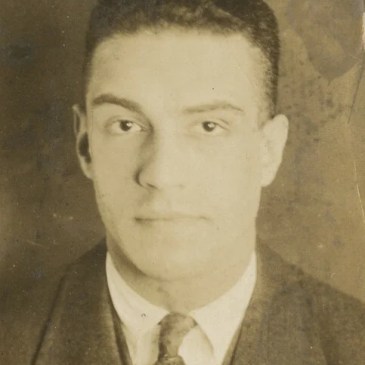
In the tapestry of Black excellence, some threads shimmer quietly, woven not with fanfare, but with steadfast resilience and visionary leadership. Norris Bumstead Herndon, the second president of Atlanta Life Insurance Company, was one such thread. His story is not only one of business brilliance but also of quiet courage, lived identity, and a legacy that continues to empower generations of Black entrepreneurs and LGBTQ+ trailblazers.

Born Into Legacy, Raised With Expectation

Born in Atlanta, Georgia, in 1897, Norris Herndon was the only child of Adrienne McNeil and Alonzo Herndon, a formerly enslaved man who built Atlanta Life into one of the most successful Black-owned businesses in America. From a young age, Norris was immersed in the world of Black leadership, his father took him to the founding meeting of the Niagara Movement, a precursor to the NAACP, when he was just seven years old.

Educated at Atlanta University and later Harvard Business School (where he was one of only two Black graduates in his class), Herndon was groomed to inherit a legacy but he carried it with a quiet, complex grace.

A Business Titan in the Shadows

After his father’s death in 1927, Norris became president of Atlanta Life at just 28. Under his leadership, the company’s assets grew from $1 million to $84 million by the time he retired in 1973. He was a master of strategic growth, cautious investment, and philanthropic generosity. Yet, despite his towering business success, Herndon remained reclusive rarely seen by employees, seldom speaking publicly, and never marrying.

His silence wasn’t just personal, it was protective. Friends and biographers have noted that Herndon struggled with his sexuality in a time when being openly gay, especially as a Black man in the South, could mean social and professional exile. He lived privately, navigating the expectations of a stern father and a society that demanded conformity.

Quiet Courage, Loud Impact

Though Herndon never publicly identified as gay, his life speaks volumes about the quiet resilience of Black LGBTQ+ pioneers. He built and sustained one of the most powerful Black-owned businesses in the country while living authentically in the margins. His story reminds us that leadership doesn’t always roar, it sometimes whispers, survives, and uplifts from behind the curtain.

Herndon’s philanthropic legacy is vast: he founded the Alonzo F. and Norris B. Herndon Foundation, donated land and funds for Herndon Stadium at Atlanta University, and supported institutions like the NAACP, the National Urban League, and Morris Brown College. His giving was strategic, generous, and deeply rooted in community uplift.

The Herndon Home: A Living Testament

Today, the Herndon Home stands as a museum and monument to the family’s journey from slavery to Black business royalty. It’s also a quiet shrine to Norris’s legacy, a place where Black excellence, queer resilience, and generational wealth intersect.

For Black LGBTQ+ youth, entrepreneurs, and legacy-builders, Herndon’s life offers a blueprint: You don’t have to be loud to be legendary. You don’t have to be seen to be significant. You just have to be committed to your truth, your people, and your purpose.

Honoring the Unspoken Heroes

In celebrating Norris B. Herndon, we honor the countless Black LGBTQ+ leaders whose contributions have shaped our communities from behind the scenes. Their stories, often hidden, sometimes erased, are essential to the full picture of Black history and progress.

Herndon’s legacy lives on in every Black business that dares to dream, every queer leader who chooses authenticity, and every community that rises through collective empowerment.

Keep the Legacy Alive: Support, Visit, Empower

Norris B. Herndon’s life reminds us that legacy is not just inherited, it’s built, protected, and passed on with intention. His quiet strength and visionary leadership laid the foundation for Black wealth, community uplift, and the unspoken resilience of LGBTQ+ pioneers.

Support Black LGBTQ+ Entrepreneurs
Invest in businesses that reflect the brilliance and diversity of our community. Whether you’re booking services, sharing platforms, or offering mentorship, your support fuels generational change. Seek out creators, founders, and leaders whose stories deserve to be seen and celebrated.

Visit the Herndon Home Museum
Located in Atlanta, the Herndon Home is more than a historic site, it’s a living monument to Black excellence, entrepreneurship, and quiet resistance. Walk the halls where legacy was shaped, and honor the journey from slavery to success. Learn more and plan your visit through the Herndon Foundation.

Share This Story
Let Norris B. Herndon’s legacy echo beyond the pages. Share this post, spark conversations, and uplift the narratives that history too often silences. Because when we honor the past, we empower the future.