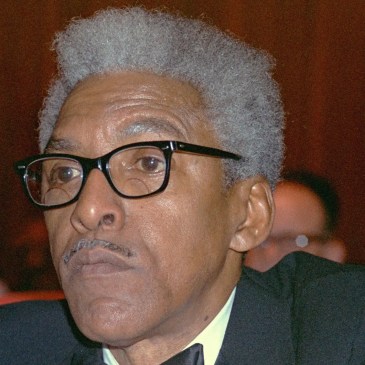
Bayard Rustin: The Architect Behind the Dream
Bayard Rustin was a man whose brilliance shaped the Civil Rights Movement from behind the scenes. Though history often whispers his name, his impact roars through every march, every speech, and every act of justice that followed. Rustin was not only a master strategist, he was a Black, gay man whose courage and conviction laid the foundation for one of the most iconic moments in American history: Dr. Martin Luther King Jr.’s “I Have a Dream” speech.
Early Life & Identity
Born in 1912 in West Chester, Pennsylvania, Rustin was raised by his grandparents, who instilled in him Quaker values of nonviolence and equality. As a young man, he was deeply influenced by pacifist teachings and the writings of Gandhi, which later shaped his approach to activism.
Rustin’s identity as a gay man was never hidden, but it did make him a target of criticism, even within the movement he helped build. Despite this, he remained unapologetically himself, refusing to let prejudice silence his voice or diminish his contributions.
Becoming an Activist
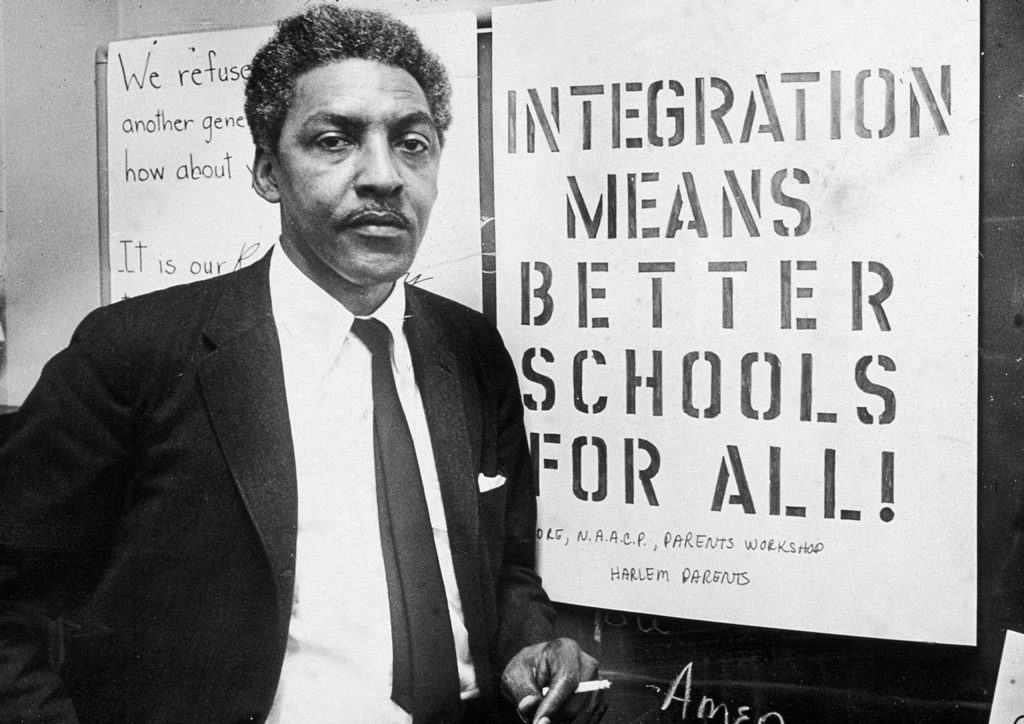
Rustin’s activism began early. He organized freedom rides in the 1940s, worked with the Fellowship of Reconciliation, and was a key figure in the Congress of Racial Equality (CORE). His commitment to nonviolent protest and strategic planning made him indispensable, but also controversial due to his sexuality.
The March on Washington: Rustin’s Masterpiece
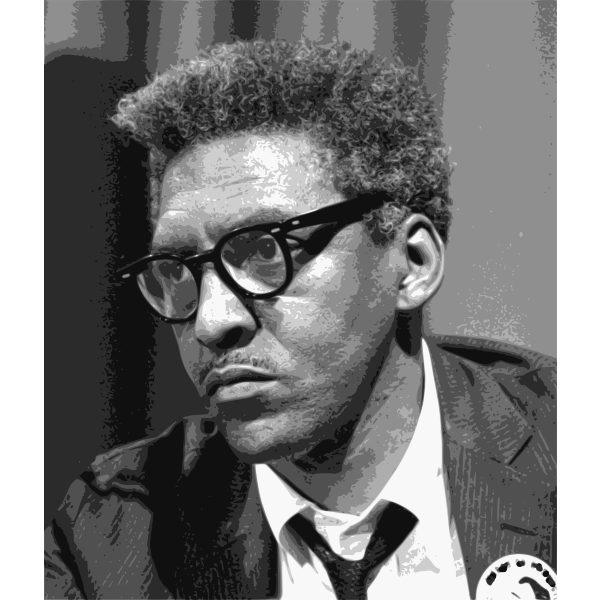
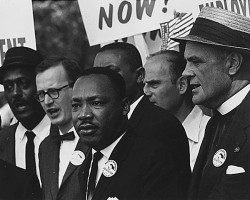
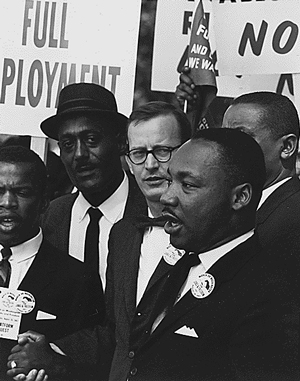
In 1963, Rustin orchestrated the March on Washington for Jobs and Freedom, where Dr. King delivered his legendary “I Have a Dream” speech. Rustin handled every logistical detail, from transportation and security to programming and press. Without Rustin, there would be no stage, no crowd, no moment.
He didn’t just plan the march. He engineered history.
LGBTQ+ Legacy

Rustin’s courage as a gay man in a time of deep societal repression paved the way for future generations. In 1986, he said:
“Gays are the new barometer for social change.”
His advocacy extended beyond race—he believed in justice for all. In 2013, President Barack Obama posthumously awarded him the Presidential Medal of Freedom, recognizing both his civil rights work and his trailblazing role in LGBTQ+ history.
Final Reflections
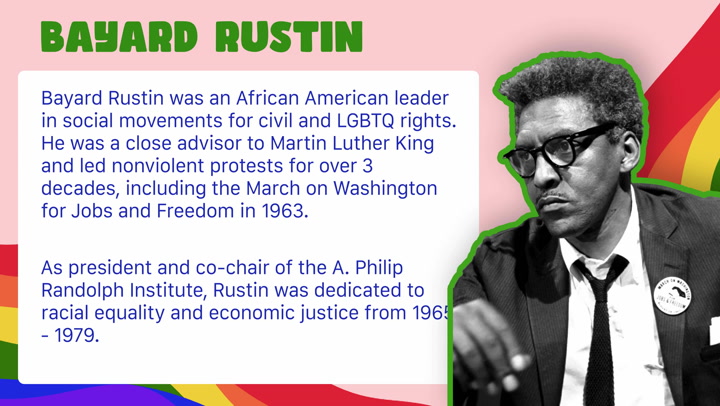
Bayard Rustin’s life reminds us that leadership doesn’t always come from the spotlight. Sometimes, it’s the architect behind the curtain who builds the stage for change. His legacy lives on in every movement that demands justice, dignity, and equality.

 Changing Trends and Times