Credit: Original reporting by Jacob Shamsian (Business Insider)
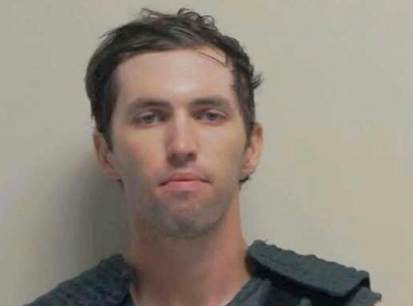
For 22 years, Harry Beller served as Jeffrey Epstein’s personal accountant. He wasn’t one of the boldfaced names splashed across Epstein’s social calendar, not a Jes Staley, Bill Clinton, Donald Trump, or Prince Andrew. But Beller was entrusted with managing some of the most delicate parts of Epstein’s financial life.
Court records and Suspicious Activity Reports (SARs) filed by JPMorgan Chase reveal that Beller personally withdrew tens of thousands of dollars in cash from Epstein’s accounts, sometimes in structured amounts just under the $10,000 reporting threshold. These withdrawals raised alarms inside JPMorgan as early as 2002, long before Epstein’s abuse of girls was publicly investigated. Yet, despite repeated red flags, Epstein continued to bank with JPMorgan until 2013.
Congressional investigators now want answers. Democrats on the House Oversight Committee are seeking subpoenas for bank records tied to Beller and others in Epstein’s orbit. Senator Ron Wyden has demanded records from the Treasury Department and JPMorgan CEO Jamie Dimon. Civil lawsuits have already revealed that HBRK, a company managed by Beller and Epstein’s top accountant Richard Kahn, facilitated Epstein’s trafficking operation.
Here’s a Sidebar Timeline of Epstein’s Financial Enablers that you can integrate into your blog post. It highlights the network of individuals and institutions who sustained Epstein’s empire, showing readers how deep this goes.
Sidebar Timeline: Epstein’s Financial Enablers
1990s – Early Foundations
Richard Kahn – Epstein’s top in-house accountant. Oversaw financial structures and directed Harry Beller’s work.
Harry Beller – Personal accountant for 22 years. Managed cash withdrawals, corporate filings, and tax documents tied to Epstein and Ghislaine Maxwell.
2000s – Banking Relationships
JPMorgan Chase – Epstein’s primary bank until 2013. Filed multiple Suspicious Activity Reports (SARs) over large cash withdrawals but continued servicing his accounts.
Jes Staley – Former Barclays CEO and senior JPMorgan executive. Maintained close ties with Epstein, exchanging hundreds of emails, some with disturbing undertones.
2008 – First Conviction
Epstein pleads guilty to sex crimes in Florida. Despite this, financial institutions and associates continue to work with him.
HBRK Company – Managed by Beller and Kahn. Allegedly facilitated Epstein’s trafficking operation through financial structures.
2010s – Continued Influence
Ghislaine Maxwell – Partner and enabler. Her tax forms and corporate records repeatedly list Beller’s involvement. Convicted in 2021 of trafficking girls to Epstein.
Political & Social Connections – Names like Bill Clinton, Donald Trump, and Prince Andrew appear in Epstein’s social calendar and flight logs, raising questions about proximity and influence.
2013 – JPMorgan Breaks Ties
JPMorgan finally severs its relationship with Epstein, citing concerns over frequent cash withdrawals.
By then, Epstein had already built a vast network of companies and accounts, many tied to Beller’s management.
2019 – Epstein’s Death
Epstein dies in jail while awaiting trial on sex-trafficking charges.
Investigations intensify into his financial enablers, but many remain shielded from prosecution.
2020s – Ongoing Investigations
Congressional Oversight – Lawmakers demand records from JPMorgan and the Treasury Department related to Epstein’s accounts.
Civil Lawsuits – The US Virgin Islands and survivors push for accountability, exposing more of Epstein’s financial network.
Harry Beller – Though not charged, his role as Epstein’s accountant is now under scrutiny for enabling decades of suspicious financial activity.
What This Timeline Shows
Epstein’s empire was not sustained alone it required accountants, bankers, executives, and institutions.
Red flags were raised repeatedly, yet ignored, showing how wealth and influence shield predators.
Accountability has been partial at best, with many enablers still untouched by the justice system.
What This Reveals
This story is not just about one accountant. It is about the top 1 percent of America’s wealth pyramid, men with power, influence, and connections, who are implicated in a child trafficking ring yet shielded from accountability.
Two justice systems: When crimes are committed by the wealthy and connected, banks, institutions, and even governments look the other way. When crimes are committed by the poor or marginalized, punishment is swift and unforgiving.
Blindfold removed: Lady Justice is supposed to be blind. But in America, she peeks beneath the blindfold when the accused are billionaires, politicians, or royalty.
Hypocrisy exposed: The same voices that went “bizirk” over the baseless PizzaGate conspiracy, claiming Democrats were eating children in a pizza shop basement, are silent when real evidence of trafficking emerges among the wealthy elite. This shows they don’t care about children; they care about weaponizing lies for political gain.
The Questions We Must Ask
Why are these files being hidden from the public?
Why are banks like JPMorgan not held accountable for enabling Epstein’s financial crimes?
Why are politicians fighting so hard to avoid releasing records that could expose the depth of this trafficking network?
How deep does this go, and how many powerful names are being protected?
A Call for Accountability
If these individuals are not prosecuted, then every official who obstructs justice should be relieved of their duties and jailed for dereliction of duty. The protection of predators at the highest levels of wealth and power is not just corruption, it is complicity.
This is not about partisan politics. It is about human rights, justice, and the protection of children. If America cannot hold its wealthiest accountable, then the very foundation of justice collapses.
Closing Thought
Harry Beller may not be a household name, but his role in Epstein’s financial empire reveals the machinery that allowed trafficking to flourish unchecked. The question is not whether Epstein was guilty, that is settled. The question is: Will America finally confront the powerful men who enabled him, or will the blindfold of justice continue to slip when wealth and influence are involved?
Shutdown Politics: Eight Senators, One Decision, and the Fallout for Millions
On November 10th, 2025, history was written in the most painful way. Eight Democratic-aligned senators broke ranks, joined Republicans, and ended a 40-day government shutdown, but in doing so, they may have jeopardized healthcare for more than 60 million Americans. For weeks, people believed Democrats were fighting for them, holding the line until the Midterms. Instead, what unfolded was a compromise that restored paychecks and food assistance but sacrificed the Affordable Care Act subsidies that millions depend on. This post lays out the facts, the charts, the history, and the names, so you can see for yourself, make your own assessment, and decide what this moment means for our future.
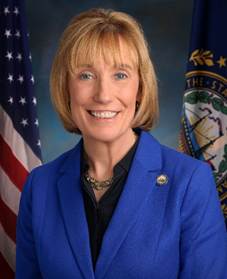
The 8 Democratic Senators that Defected and caused Millions to lose Healthcare:
The Context
In November 2025, eight Democratic-aligned senators joined Republicans to end a 40-day government shutdown. Their decision reopened government services, restored pay for federal workers, and ensured SNAP food assistance continued, but it came at the cost of losing guaranteed leverage on Affordable Care Act (ACA) subsidies.
Context of the Vote
The Senate voted 60–40 to advance a short-term funding bill that reopened the government through January 30, 2026.
The compromise included full funding for SNAP food assistance, reversal of federal worker layoffs, and back pay for affected employees.
However, it did not guarantee an extension of Affordable Care Act (ACA) subsidies, which had been a major demand of Democratic leadership.
Who They Were
Senator
State
Justification
Political Reaction
Jeanne Shaheen
NH
Urgency of reopening services; pragmatic choice
Progressives criticized; Republicans praised
Maggie Hassan
NH
Economic disruption in NH; compromise to protect jobs
Moderate pragmatism; progressive backlash
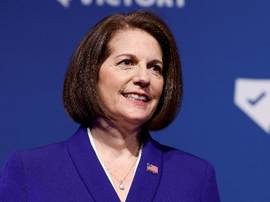
Catherine Cortez Masto
NV
Protecting SNAP recipients and families
Local praise; national criticism
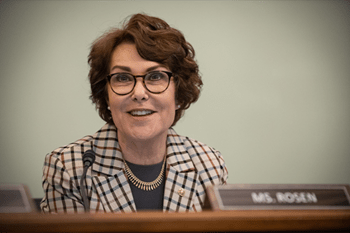
Jacky Rosen
NV
Families shouldn’t be collateral damage
Moderate approval; progressive disappointment
Dick Durbin
IL
Imperfect deal but reopening was priority
Seen as statesmanlike exit
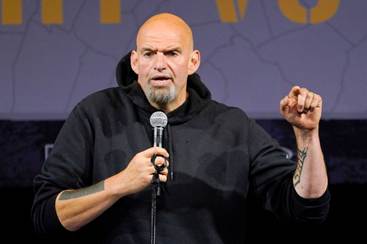
John Fetterman
PA
“Stop playing games with paychecks”
Worker focus respected, but seen as cave-in
Tim Kaine
VA
Shutdown devastating for federal workforce
Constituents relieved; progressives frustrated
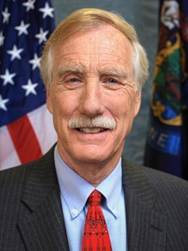
Angus King (I)
ME
Shutdown “senseless”; pragmatism over leverage
Consistent with independent brand
Senator
Status 2026
Outlook
Shaheen
Retiring
Legacy-driven pragmatism
Hassan
Vulnerable
Purple-state risk
Cortez Masto
Safe until 2028
No immediate risk
Rosen
Vulnerable
Nevada swing state
Durbin
Retiring
Statesmanlike exit
Fetterman
Safe until 2028
Worker-first shield
Kaine
Vulnerable
Federal workforce priority
King
Vulnerable
Independent pragmatism
Here’s a breakdown of the eight senators:
Jeanne Shaheen (D-NH) – Retiring; helped lead negotiations.
Maggie Hassan (D-NH) – Former governor, moderate voice.
Jacky Rosen (D-NV) – Moderate Democrat, joined compromise.
Dick Durbin (D-IL) – Senate Democratic Whip, announced retirement in 2026.
John Fetterman (D-PA) – Vocal about ending shutdown harm to workers.
Tim Kaine (D-VA) – Stressed SNAP funding and guaranteed vote on ACA subsidies.
Angus King (I-ME) – Independent caucusing with Democrats, pragmatic stance.
Why They Did It
Motivation: To stop the harm caused by the shutdown, unpaid federal workers, SNAP recipients at risk, and disruptions to air travel and public services.
Concession: They accepted only a promise of a future vote on ACA subsidies, not a guaranteed extension.
Political Positioning: Most of these senators are moderates, former governors, or retiring, meaning they faced less electoral pressure in 2026.
Reaction
Democratic Leadership: Criticized the move as a betrayal of leverage on health care subsidies.
Progressives: Figures like Sen. Bernie Sanders and Rep. Ro Khanna condemned the vote as “pathetic” and called for stronger resistance.
Republicans: Praised the defectors for “putting principle over politics”.
Jeanne Shaheen (NH) – Emphasized the urgency of reopening government services for families and federal workers in New Hampshire. She framed it as a pragmatic choice to stop harm immediately.
Maggie Hassan (NH) – Pointed to the economic disruption in her state, especially for airports and federal contractors. She argued that compromise was necessary to protect jobs.
Catherine Cortez Masto (NV) – Highlighted the impact on working families and SNAP recipients in Nevada. She said ending the shutdown was about “keeping food on the table.”
Jacky Rosen (NV) – Echoed Masto’s concerns, stressing that families shouldn’t be collateral damage in partisan fights.
Dick Durbin (IL) – As Democratic Whip, he acknowledged the deal was imperfect but insisted that reopening government was the priority. He noted his retirement gave him freedom to act pragmatically.
John Fetterman (PA) – Spoke bluntly about the harm to federal workers and the need to “stop playing games with people’s paychecks.” He wanted to end the pain quickly.
Tim Kaine (VA) – Representing a state with a huge federal workforce, he argued that the shutdown was devastating for Virginians. He accepted the promise of a future ACA subsidy vote as a workable compromise.
Angus King (ME, Independent) – True to his independent streak, he said the shutdown was “senseless” and that ending it was more important than partisan leverage.
Common Themes
Immediate harm prevention: All eight cited the damage to federal workers, SNAP recipients, and public services.
Pragmatism over leverage: They accepted a weaker deal (no guaranteed ACA subsidy extension) in exchange for reopening government.
Moderate/independent positioning: Most are moderates, former governors, or retiring less bound by progressive pressure.
Political Fallout
Progressives blasted them for giving up leverage, calling it a “pathetic cave-in.”
Republicans praised them for “putting country over party.”
Leadership tension: Their votes exposed a rift between pragmatists and progressives
Senator
State
Justification for Vote
Political Reaction
Jeanne Shaheen
NH
Urgency of reopening services for families and federal workers; pragmatic choice
Progressives criticized as surrender; Republicans praised pragmatism
Maggie Hassan
NH
Economic disruption in NH (airports, contractors); compromise needed to protect jobs
Seen as moderate pragmatism; backlash from progressive activists
Catherine Cortez Masto
NV
Protecting SNAP recipients and working families; “keeping food on the table”
Praised locally for family focus; criticized nationally for weakening leverage
Jacky Rosen
NV
Families shouldn’t be collateral damage in partisan fights
Similar to Masto; moderate approval, progressive disappointment
Dick Durbin
IL
Imperfect deal but reopening government was priority; retirement gave freedom
Leadership tension noted; Republicans welcomed his pragmatism
John Fetterman
PA
Federal workers’ paychecks at risk; blunt call to “stop playing games”
Progressives split (some respected his worker focus, others saw cave-in)
Tim Kaine
VA
Shutdown devastating for federal workforce in VA; accepted promise of ACA vote
Shutdown “senseless”; ending it more important than partisan leverage
Consistent with independent streak; Republicans praised, progressives frustrated
Key Takeaways
Shared Theme: All eight emphasized immediate harm prevention (workers, SNAP, public services).
Political Positioning: Moderates, independents, or retiring senators less bound by progressive pressure.
Fallout: Progressives condemned the move as weakening leverage; Republicans praised it as bipartisan pragmatism.
Here’s a 2026 electoral outlook table for the eight senators who broke ranks, showing whether they’re retiring, safe, or vulnerable in reelection:
Senator
State
Status for 2026
Electoral Outlook
Jeanne Shaheen
NH
Retiring
No reelection pressure; vote seen as legacy-driven pragmatism
Maggie Hassan
NH
Up for reelection
NH is purple; could face GOP challenge, but incumbency helps. Vulnerable if progressives stay cold
Catherine Cortez Masto
NV
Not up until 2028
Safe for now; Nevada is swingy, but no immediate electoral risk
Jacky Rosen
NV
Up for reelection
Vulnerable; Nevada is competitive. Her pragmatism may appeal to moderates but risks progressive backlash
Dick Durbin
IL
Retiring in 2026
No reelection pressure; vote framed as statesmanlike exit
John Fetterman
PA
Not up until 2028
Safe for now; Pennsylvania is swingy, but his blunt worker-first justification shields him
Tim Kaine
VA
Up for reelection
Virginia leans blue but has large federal workforce; his vote may resonate locally. Moderate vulnerability
Angus King (I)
ME
Up for reelection
Independent brand helps; Maine voters value pragmatism. Moderate but not high vulnerability
Key Insights
Retiring Senators (Shaheen, Durbin): Free to vote pragmatically without electoral consequences.
Safe Senators (Cortez Masto, Fetterman): Not facing voters until 2028, so little immediate risk.
Vulnerable Senators (Hassan, Rosen, Kaine, King): Facing reelection in 2026. Their votes could be framed as bipartisan pragmatism or as betrayal, depending on the narrative in their states.
Political Calculus
Moderates in swing states (Hassan, Rosen, Kaine, King) likely judged that ending the shutdown would resonate with independents and moderates, even if progressives were upset.
Retirees (Shaheen, Durbin) acted with legacy in mind, prioritizing governance over party leverage.
Safe-term senators (Cortez Masto, Fetterman) could afford to take the hit, betting that the immediate worker relief would outweigh progressive anger by 2028.
This shows how electoral timing shaped their willingness to break ranks. Those not facing voters soon or retiring had more freedom, while those up in 2026 took calculated risks.
political identities alongside electoral timing so you can see how ideology + reelection pressure shaped their decisions:
Senator
State
Ideological Identity
2026 Status
How Identity + Timing Shaped Vote
Jeanne Shaheen
NH
Moderate Democrat, pragmatic dealmaker
Retiring
Free to act pragmatically without electoral risk; legacy-driven choice
Maggie Hassan
NH
Centrist, former governor, consensus-builder
Up for reelection
Purple-state vulnerability pushed her toward bipartisan pragmatism to appeal to independents
Catherine Cortez Masto
NV
Moderate liberal, strong on family/economic issues
Safe until 2028
Could afford to prioritize immediate harm prevention without fear of electoral backlash
Jacky Rosen
NV
Centrist, business-friendly Democrat
Up for reelection
Nevada swing state forced her to balance progressive anger with moderate appeal
Dick Durbin
IL
Establishment Democrat, leadership figure
Retiring
Legacy vote; framed as statesmanlike pragmatism, no reelection pressure
His worker-centered justification shielded him from progressive anger despite breaking ranks
Tim Kaine
VA
Moderate Democrat, pragmatic, federal workforce advocate
Up for reelection
Virginia’s large federal workforce made ending shutdown a local priority; moderate positioning helped
Angus King (I)
ME
Independent centrist, pragmatic problem-solver
Up for reelection
Maine voters value independence; his brand made bipartisan pragmatism consistent with identity
Patterns
Moderates & centrists (Hassan, Rosen, Kaine, King): Their votes aligned with their brand of pragmatism, but electoral timing made them more vulnerable to progressive backlash.
Retirees (Shaheen, Durbin): Legacy-driven, free to act without electoral consequences.
Safe-term senators (Cortez Masto, Fetterman): Could afford to take the hit, betting that worker/family justification would resonate long-term.
Big Picture
This wasn’t just about ending the shutdown, it was a collision of ideology and timing:
Moderates leaned into pragmatism to appeal to swing voters.
Progressives saw it as surrender.
Retirees and safe-term senators had freedom to prioritize governance over leverage.
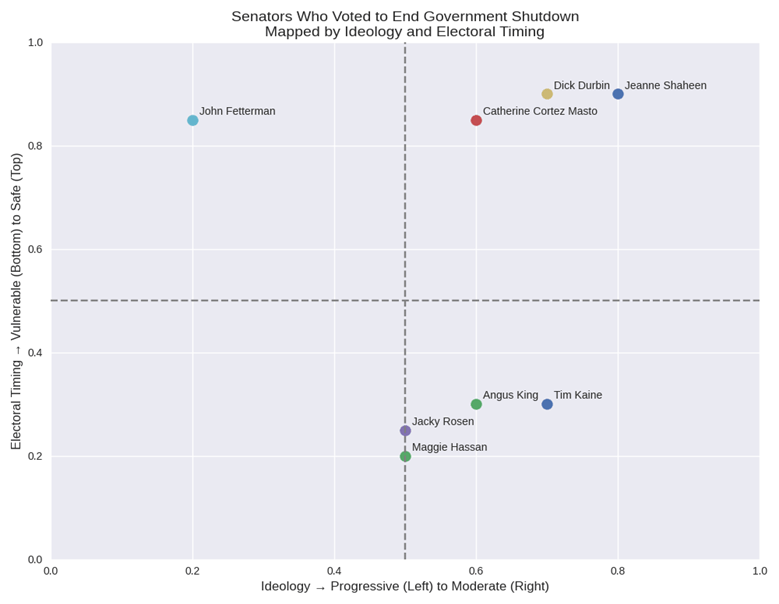
quadrant chart maps the eight senators by ideology (Progressive ↔ Moderate) and electoral timing (Safe ↔ Vulnerable).
How to Read the Chart
Horizontal Axis (Ideology): Progressive voices are on the left, moderates on the right.
Vertical Axis (Electoral Timing): Senators safe from reelection pressure are toward the top, while those vulnerable in 2026 are toward the bottom.
Key Observations
Safe Progressives: John Fetterman sits in the upper-left quadrant — progressive style, but safe until 2028.
Safe Moderates: Shaheen and Durbin (both retiring) plus Cortez Masto (safe until 2028) cluster in the upper-right quadrant. They had freedom to act pragmatically.
Vulnerable Moderates: Hassan, Rosen, Kaine, and King fall into the lower-right quadrant. Their centrist identities plus reelection pressure pushed them toward compromise, but they risk progressive backlash.
Big Picture
This visualization shows the collision of ideology and timing:
Retirees and safe-term senators had freedom to prioritize governance.
Vulnerable moderates leaned into pragmatism to appeal to swing voters, even at the cost of party unity.
Progressives safe from reelection could afford to take risks without immediate electoral consequences.
quadrant chart visualization it maps the eight senators by Ideology (Progressive ↔ Moderate) and Electoral Timing (Safe ↔ Vulnerable).
Quadrant Chart: Senators by Ideology & Timing
Quadrant
Senators
Why They’re Here
Safe + Progressive
John Fetterman (PA)
Populist-progressive style, safe until 2028. His worker-first justification shields him from backlash.
Safe + Moderate
Jeanne Shaheen (NH), Dick Durbin (IL), Catherine Cortez Masto (NV)
Retirees (Shaheen, Durbin) free to act pragmatically; Cortez Masto safe until 2028, moderate liberal.
Vulnerable + Moderate
Maggie Hassan (NH), Jacky Rosen (NV), Tim Kaine (VA), Angus King (ME, I)
Facing reelection in 2026. Centrist identities pushed them toward compromise, but risked progressive backlash.
Vulnerable + Progressive
(None)
No progressive senators broke ranks; only moderates and independents did.
Insights
Retirees & Safe-term senators had freedom to prioritize governance over leverage.
Vulnerable moderates leaned into pragmatism to appeal to swing voters, even at the cost of party unity.
Progressives safe from reelection (Fetterman) could afford to take risks without immediate electoral consequences.
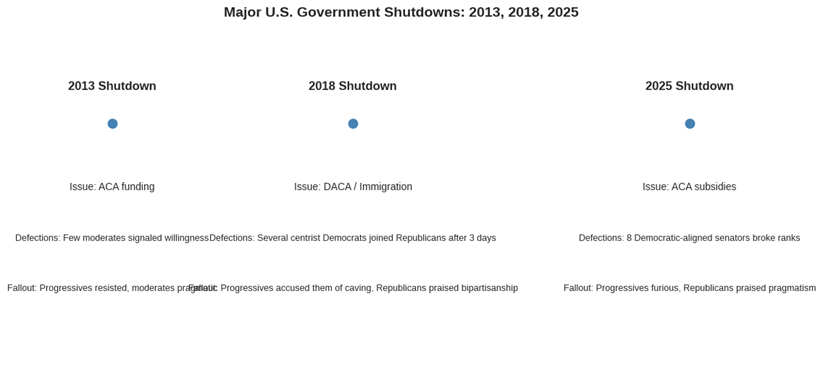
historical comparison: moderates breaking ranks in shutdown votes has been a recurring theme, in 2013, 2018, and now 2025.
Historical Parallels
2013 Shutdown (Affordable Care Act fight)
Context: Republicans demanded defunding of the ACA; Democrats resisted.
Defections: A handful of moderate Democrats signaled willingness to negotiate, though most stayed unified.
Pattern: Even then, moderates in purple states emphasized ending harm to workers and families over holding firm on leverage.
2018 Shutdown (Immigration/DACA fight)
Context: The shutdown centered on immigration and DACA protections.
Defections: Several centrist Democrats joined Republicans to reopen government after just three days.
Justification: They argued that prolonged shutdowns hurt federal workers and services, and promised to fight immigration battles separately.
Reaction: Progressives accused them of “caving” and weakening bargaining power.
2025 Shutdown (ACA subsidies fight)
Context: Democrats demanded extension of ACA subsidies; Republicans resisted.
Defections: Eight Democratic-aligned senators (Shaheen, Hassan, Cortez Masto, Rosen, Durbin, Fetterman, Kaine, King) broke ranks to end the 40-day shutdown.
Justification: Immediate harm prevention (SNAP, federal workers, air travel).
Reaction: Progressives furious, Republicans praised them as pragmatic.
Big Picture
Across 2013, 2018, and 2025, the same pattern repeats:
Moderates in swing states or retiring senators are most likely to defect.
Justification is always pragmatic: ending harm to workers, families, and services.
Progressive backlash is consistent: defectors are accused of weakening leverage.
Republican praise is consistent: defectors are hailed as bipartisan problem-solvers.
Progressives furious at loss of leverage; Republicans praised pragmatism
Patterns Across Eras
Moderates under pressure consistently defect to end shutdowns.
Justification repeats: ending harm to workers, families, and services.
Fallout is consistent: progressives condemn, Republicans praise.
Retirees or safe-term senators have freedom to act pragmatically.
Forward-Looking Projection
Based on these parallels, Democratic leadership may:
Tighten discipline in future shutdowns, trying to prevent defections by offering stronger internal incentives.
Accept defections as inevitable, focusing instead on shaping the narrative so moderates are seen as protecting families rather than weakening leverage.
Strategically plan messaging so progressives maintain pressure while moderates provide cover for ending shutdown harm.
Strategic Playbook for Shutdown Politics (For Democrats)
1. Pre‑Shutdown Discipline
Unified Messaging: Leadership should set clear red lines early (e.g., ACA subsidies, DACA, SNAP) so moderates know the stakes.
Whip Team Engagement: Assign senior figures (like the Whip or retiring senators) to privately reassure moderates that their concerns will be addressed.
Constituent Framing: Provide moderates with talking points that emphasize protecting families and workers while still holding firm on leverage.
2. During the Shutdown
Dual Track Strategy:
Progressives: Apply maximum pressure, frame the fight as moral and urgent.
Moderates: Emphasize harm prevention, but stay aligned with leadership until a compromise is truly necessary.
Visible Unity: Publicly, Democrats should appear unified. Internal debates should be kept behind closed doors to avoid signaling weakness.
Targeted Relief Messaging: Highlight the real-world impact (workers unpaid, SNAP disruption, air travel chaos) to build public support for ending the shutdown on Democratic terms.
3. Managing Defections
Controlled Breaks: If moderates defect, leadership should frame it as part of a broader strategy rather than betrayal.
Narrative Control: Position defectors as “protecting families” rather than “weakening leverage.”
Progressive Counterbalance: Progressives should continue pushing for long-term gains, ensuring the party base sees resistance even if moderates compromise.
4. Post‑Shutdown Strategy
Leverage Wins: Even if concessions are lost, highlight what was gained (worker pay restored, SNAP funded).
Promise Future Fights: Assure progressives that unresolved issues (like ACA subsidies) will be revisited in standalone legislation.
Electoral Shielding: Provide vulnerable moderates with campaign support to protect them from GOP attacks and progressive primary challenges.
Big Picture
This playbook balances progressive leverage (to keep pressure on Republicans) with moderate pragmatism (to end harm quickly). The key is framing defections as family-first pragmatism while ensuring progressives maintain momentum for long-term goals.
Your Turn
So what do you think?
Were these senators protecting families or weakening leverage?
Should Democrats tighten discipline next time, or accept defections as inevitable?
How should progressives and moderates balance each other in future fights?
Drop your thoughts in the comments. Let’s make this a conversation.
By Charles Zackary King Source: Reporting from The Associated Press
Why Proposition 50 Matters
On Election Day 2025, California voters approved Proposition 50, a measure that redraws congressional district boundaries in favor of Democrats. This wasn’t just about maps, it was about the future of American democracy.
The measure gives Democrats a chance to win as many as five additional House seats in 2026, directly countering Republican-led gerrymandering efforts in Texas. With Republicans currently holding a slim majority (219–213), those seats could determine control of the U.S. House, and with it, the ability to advance or block President Donald Trump’s agenda.
The Reason and the Why
Redistricting is often seen as a technical process, but in reality, it’s about power and representation. Texas Republicans, at Trump’s urging, moved to redraw their maps to secure five new GOP seats. California’s Proposition 50 was a direct response, a way to blunt that move and ensure Democrats remain competitive in the fight for the House.
Governor Gavin Newsom framed the measure as essential to saving democracy. He argued that without action, Trump and his allies would continue to manipulate electoral maps to entrench their power. Newsom’s words were clear: “If Democrats win the House majority, they can end Donald Trump’s presidency as we know it. It is all on the line, a bright line, in 2026.”
The Who
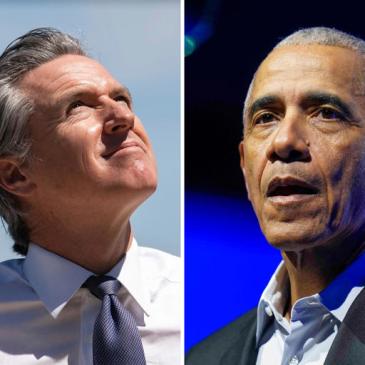
Governor Gavin Newsom spearheaded the campaign, throwing the full weight of his political operation behind it. His leadership made the measure possible, and his success here is seen as a test of his national viability ahead of a potential 2028 presidential run.
Former President Barack Obama lent his voice, urging Californians to stop Republicans “in their tracks” and warning against unchecked power.
California voters themselves made the decisive choice, approving the measure despite criticism that it undermines the independent commission created in 2008.
Critics like former Governor Arnold Schwarzenegger argued that fighting Trump by adopting partisan maps “takes the power away from the people.” But supporters countered that failing to act would allow Trump and GOP-led states to rig the system unchecked.
Why This Was Possible
California is deeply blue, with strong Democratic infrastructure and voter turnout. Opponents of Proposition 50 struggled to raise money in one of the nation’s most expensive media markets, leaving Newsom and his allies to dominate the airwaves. Republican congressmen whose districts will be reshaped largely stayed silent, further weakening opposition.
The result was a lopsided campaign that foreshadowed the vote: a decisive victory for Democrats and a symbolic rejection of Trump’s attempts to manipulate democracy.
Saving Democracy
Proposition 50 is more than a state-level measure. It represents a broader national rejection of Trumpism and a commitment to protecting democratic institutions. Newsom appears to be one of the few governors willing to take bold, structural action to stop Trump from bending the rules to his advantage.
This fight is not over. The 2026 midterms will determine whether Democrats can seize control of the House and block Trump’s agenda. California’s move shows that when leaders act decisively, and when voters recognize the stakes, democracy can be defended.
Call to Action
This is a moment for reflection and action. Are we ready to defend democracy from manipulation? Are we ready to support leaders who take bold steps to protect fairness and representation?
Subscribe to the blog for updates. Comment below to share your perspective. Let it be known: America can and will come together when people think, organize, and vote.
The Blue Wave is rising. Let’s make sure it carries us into 2026 and beyond.
Timeline Concept: Defending Democracy
Stage 1: Texas Redraw (2025) Republicans, at Trump’s urging, redraw maps to secure 5 new GOP seats. Theme: Manipulation of democracy.
Stage 2: California Response (2025) Voters approve Proposition 50, giving Democrats a chance to win 5 seats. Theme: Counteraction, protecting representation.
Stage 3: 2026 Midterms Control of the U.S. House is on the line. Theme: Choice between democracy and authoritarianism.
Stage 4: House Control Democrats can seize majority, block Trump’s agenda, and restore balance. Theme: Power shifts toward accountability.
Stage 5: Democracy at Stake The fight is bigger than maps — it’s about saving democracy itself. Theme: The Blue Wave rising.
By Charles Zackary King Source: Reporting by Gabriel Hays, Fox News
Mamdani’s Stand on BDS
In a recent interview on MSNBC’s Morning Joe, New York City mayor-elect Zohran Mamdani defended his support for the Boycott, Divestment, and Sanctions (BDS) movement. Mamdani explained that his support is rooted in the belief that BDS is a non-violent way to pressure Israel to comply with international law.
“I support BDS because this is a movement that is looking for that kind of compliance. We haven’t seen it,” Mamdani said.
When asked how he could reconcile his support for BDS with his promise to represent Jewish New Yorkers, Mamdani clarified: “Critiques of the state of Israel are critiques of a government, as opposed to critiques of a people and of a faith. My job is to represent every single New Yorker.”
The Debate Over Accountability
Jewish leaders in New York, including Rabbi Elliot Cosgrove of Park Avenue Synagogue, have expressed concern that Mamdani’s positions pose a threat to the city’s Jewish community. His opponents, Andrew Cuomo and Curtis Sliwa, echoed those concerns during the campaign.
But Mamdani’s supporters argue that his stance is about holding governments accountable, not targeting communities. They see his position as part of a broader call to end displacement, violence, and policies that perpetuate inequality.
This debate reflects a larger tension: communities want protection and safety, but there must also be space to question policies that contribute to suffering in places like Gaza. Mamdani’s insistence on representing all New Yorkers, regardless of their views on Israel and Palestine, is a reminder that leadership requires nuance, courage, and a commitment to fairness.
A Larger Context
The controversy surrounding Mamdani is not just about New York City politics. It’s about how America engages with global issues of justice, displacement, and human rights. Critics argue that U.S. support for Israeli policies has enabled ongoing harm in Gaza. Supporters of BDS see it as a way to demand accountability without violence.
Mamdani’s election signals that many New Yorkers are ready for leadership that challenges entrenched interests and gatekeepers. His open-minded approach is exactly what democracy needs: a willingness to confront uncomfortable truths while promising to serve every constituent.
Call to Action
This is a moment for reflection. Are we ready to hold governments accountable for displacement and violence? Are we ready to support leaders who promise to represent everyone — even when their positions challenge powerful interests?
Subscribe to the blog for updates. Comment below to share your perspective. Let’s keep the conversation alive about justice, accountability, and democracy.
By Charles Zackary King Sources: Reporting by Caitlin Yilek, Joe Walsh, and Kathryn Watson for CBS News
Sources
Caitlin Yilek, Joe Walsh, Kathryn Watson, CBS News Election Day 2025 Coverage
A Night of Sweeping Democratic Victories
On November 5, 2025, voters across the country delivered a powerful message. Democrats swept four major races:
New York City Mayoral Race – Democratic socialist Zohran Mamdani defeated former governor Andrew Cuomo, who ran as an independent after losing the primary.
New Jersey Governor’s Race – Moderate Democrat Mikie Sherrill prevailed over Republican Jack Ciattarelli.
California Proposition 50 – Voters approved a redistricting measure designed to counter GOP-led gerrymandering.
Exit polls revealed that voters were motivated by concerns about the economy and a broader discontent with the state of the nation. Yet beneath those concerns lay a deeper sentiment: a rejection of Donald Trump’s influence and his contribution to the erosion of democratic norms.
Trump’s Response: Defensiveness and Denial
In the aftermath, President Trump attempted to spin the losses. He told Fox News that Republicans “have to talk about” their successes, particularly on affordability and energy prices. He lamented Ciattarelli’s loss in New Jersey, noting that his endorsement “means a lot,” while distancing himself from Earle-Sears in Virginia.
Trump also lashed out at Mamdani, calling his victory speech “very angry” and warning that the new mayor should “be very nice to me.” He even suggested withholding federal funding from New York City, labeling Mamdani a “communist” despite his self-identification as a democratic socialist.
At the America Business Forum in Miami, Trump escalated his rhetoric, framing the 2026 midterms as a “choice between communism and common sense.” His words underscored the stark divide he seeks to create, one rooted in fear, division, and distortion.
What This Election Means
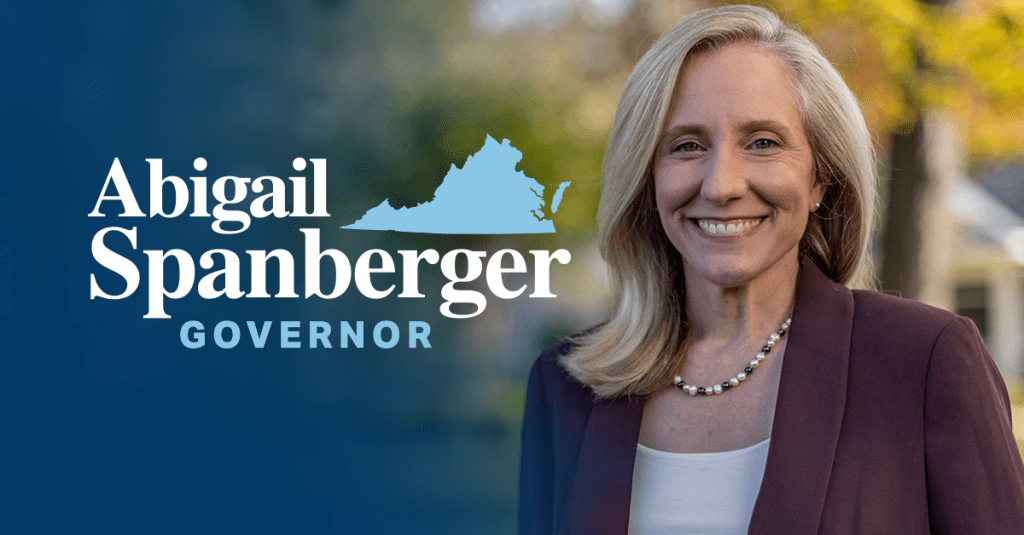
The victories of Sherrill, Spanberger, Mamdani, and the passage of Prop 50 represent more than just electoral wins. They symbolize a rebuke of Trumpism and a rejection of politics that “abandons the many and answers only to the few,” as Mamdani declared in his victory speech.
This moment is a reminder that when people think critically, organize, and vote, they can push back against the forces that strain our democracy. The results show that Americans are ready to rid themselves of the cancer that has weakened our institutions and divided our communities.
Historical Echoes
History teaches us that moments of democratic renewal often come after periods of deep division. Just as the Civil Rights Movement pushed back against segregation, and just as past waves of reform challenged corruption and inequality, Election Day 2025 signals a new chapter.
The parallels are clear: when citizens unite around shared values of justice, equity, and opportunity, they can overcome even the most entrenched forces of division. This election is not just about candidates, it is about reclaiming the soul of the nation.
The Coming Blue Wave
If Election Day 2025 is any indication, the Blue Wave is building momentum for the 2026 midterms. Voters are signaling that they want leaders who prioritize equity, justice, and opportunity, not fearmongering and authoritarianism.
This is a chance for the country to come together, to reflect on the damage done, and to chart a new path forward. The tide is turning, and the people are ready to save democracy from those who seek to dismantle it.
Call to Action
This blog is more than commentary; it’s a call to action. If you believe in saving our country, if you believe in democracy, equity, and justice, then join the conversation.
Subscribe to the blog for updates. Comment below to share your thoughts. Let it be known: America can and will come together when people think, organize, and vote.
The Blue Wave is rising. Let’s make sure it carries us into 2026 and beyond.
By Charles Zackary King Inspired by reporting from Will Gosner and USA Today, ESPN, and Free Press
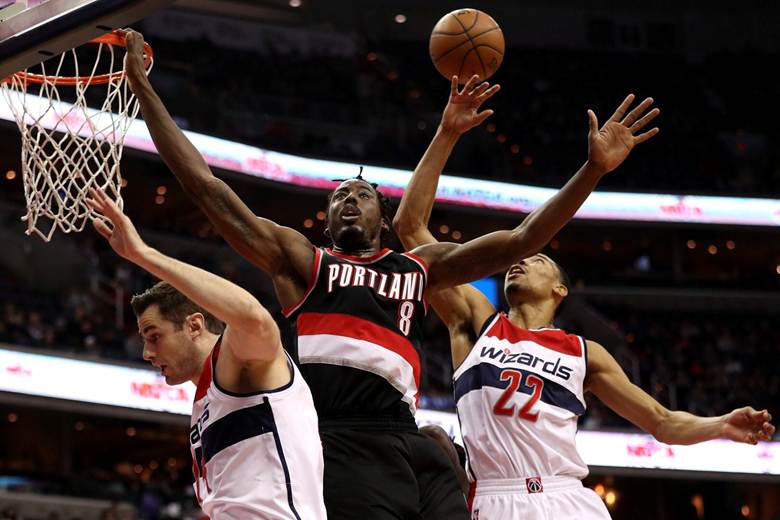
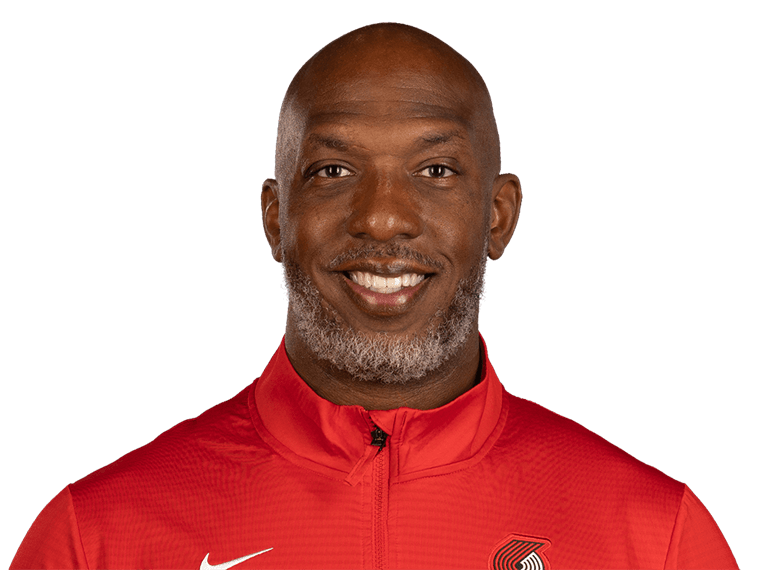
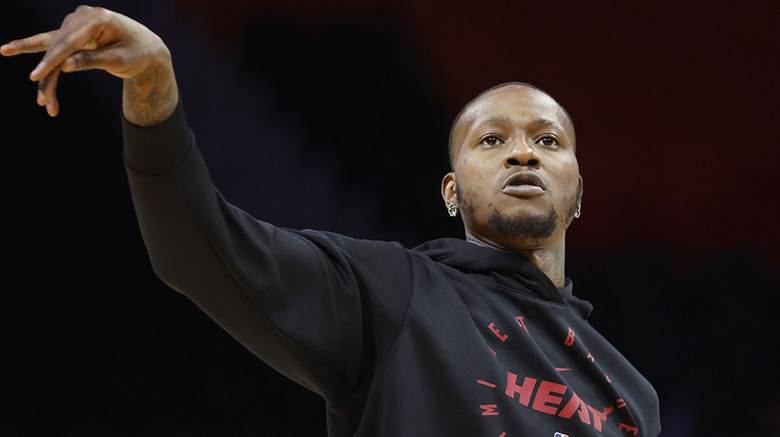
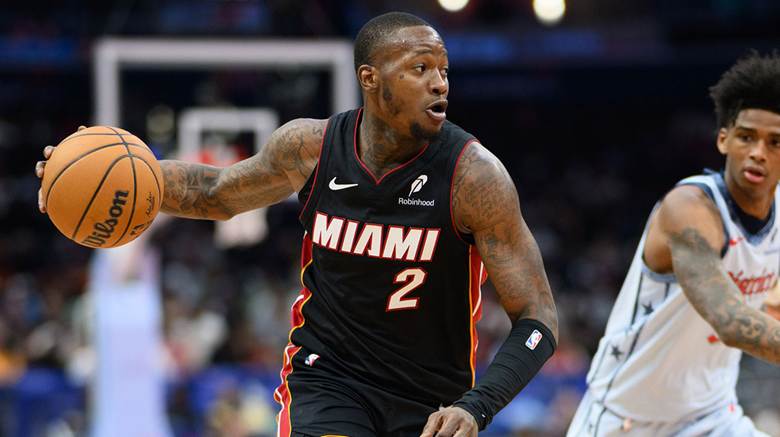
In October 2025, the NBA didn’t just suffer a scandal, it suffered a credibility crisis. The FBI arrested over 30 individuals, including Portland Trail Blazers head coach Chauncey Billups, Miami Heat guard Terry Rozier, and former player Damon Jones, in connection with two sweeping indictments involving Mafia-backed poker games and insider sports betting. The charges are explosive. But the implications? Even bigger.
The Billups Allegation: A Hall of Famer or a Fall Guy?
Federal prosecutors allege that Billups helped lure wealthy victims into rigged poker games run by the Bonanno, Gambino, and Genovese crime families. They claim he received wired payments after games where hidden cameras and altered shuffling machines were used to cheat unsuspecting players Detroit Free Press.
But here’s the twist: Billups is not accused of betting on basketball. His attorney calls the charges “absurd,” arguing that no man would risk a Hall of Fame legacy, a coaching career, and his freedom over a card game USA TODAY. And frankly, that’s hard to ignore. Could Billups have been used as bait, his name and presence weaponized to attract high rollers? That’s a question the public deserves to ask.
Rozier’s Case: Prop Bets and a LeBron Injury
Rozier’s indictment is more direct. He allegedly told an associate he would fake an injury during a 2023 game, allowing others to place “under” bets on his performance. The result? Nine people placed bets totaling $263,500The Columbus Dispatch.
But what really raised eyebrows was the mention of LeBron James in the broader investigation. While not accused of wrongdoing, his injury status was reportedly used in insider betting schemes. That name alone may have triggered the FBI’s deeper probe ESPN.
The NFL Comparison: Why So Quiet?
Let’s talk about football. Every Sunday, fans complain about officiating, questionable calls, and suspicious outcomes. Yet the NFL seems untouched by scandal. Are they cleaner, or just better at covering tracks?
Since the 2018 Supreme Court decision (Murphy v. NCAA) legalized sports betting, the lines between competition and commerce have blurred. The NBA embraced gambling for sponsorship dollars. But now, the very integrity of the game is in question.
What We Need Now: Public Scrutiny
This isn’t just about two men. It’s about a system that incentivizes manipulation. It’s about a league that opened the door to gambling without building the safeguards. And it’s about fans who deserve transparency.
Read the indictments. Ask the hard questions. Demand accountability.
The NBA says it investigated Rozier in 2023 and found no rule violations USA TODAY. But now, federal prosecutors say otherwise. That contradiction alone deserves public attention.
By Charles Zackary King Changing Trends and Times | America in Black and White
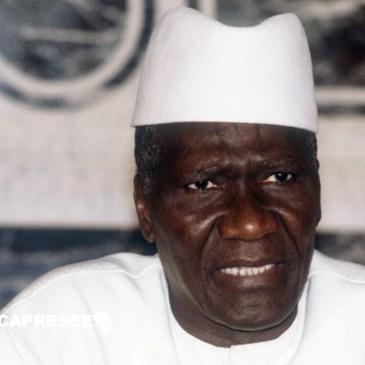
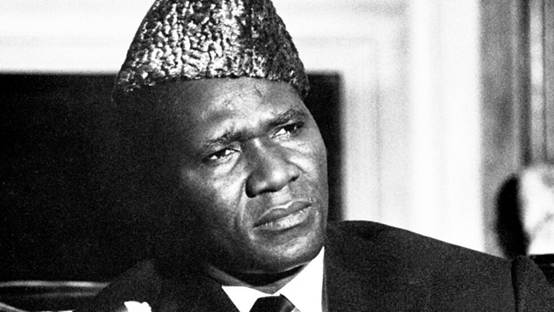
In the pantheon of Black liberation, President Ahmed Sékou Touré stands as both architect and agitator, a man who dared to dream of an Africa unshackled from colonial chains. As Guinea’s first president, Touré didn’t just lead a nation; he attempted to rewire its soul. But what if his vision had fully taken root? What if Guinea had become the model Pan-African republic he imagined?
Let’s step into that alternate reality.
Guinea Reimagined: Touré’s Dream Realized
Imagine a Guinea where African socialism flourished, not as a reaction to colonial abandonment, but as a proactive blueprint for communal prosperity. In this Guinea:
Education is free and Afrocentric, with children learning the legacies of Samori Touré, Nkrumah, and Harriet Tubman alongside math and science.
Healthcare is universal, rooted in both modern medicine and indigenous healing traditions.
Art and culture are sacred, with griots, dancers, and sculptors honored as national treasures.
Women lead, not just in homes but in parliament, academia, and diplomacy.
Pan-African unity is tangible, with open borders for African nations, shared currencies, and joint infrastructure projects.
Guinea becomes a cultural capital, hosting global festivals of Black art, music, and resistance.
In this version of history, Guinea is not isolated, it’s exalted. Touré’s rejection of neocolonialism inspires a domino effect. Senegal, Mali, Ghana, and Congo follow suit, forming a United States of Africa, with Guinea as its moral compass.
The Real Guinea: Courage and Contradiction
Of course, history took a different path. After Guinea’s bold “No” to France in 1958, Touré faced economic sabotage, diplomatic isolation, and internal dissent. His response was fierce: nationalization, cultural revival, and alignment with socialist allies. But his regime also became authoritarian. Dissenters were imprisoned, and Camp Boiro became a symbol of repression.
Touré’s dream was noble, but his methods, at times, were brutal. The Guinea that emerged was proud, but wounded. Independent, but surveilled.
Why Touré Still Matters
Today, as Black communities worldwide fight for autonomy, dignity, and representation, Touré’s legacy offers both inspiration and caution. His vision of self-reliance, cultural pride, and continental unity remains relevant. His flaws remind us that liberation must be paired with compassion and accountability.
For creatives and advocates like Jean-Patrick Guichard, Touré’s influence is personal. His insistence on cultural sovereignty echoes in every curated exhibit, every community dinner, and every act of legacy-building.
Conclusion: The Fire Still Burns
Touré died in 1984, in Cleveland, Ohio, while undergoing heart surgery. But the fire he lit still burns, in classrooms, galleries, protests, and podcasts. His story is not just history, it’s a mirror, a map, and a challenge.
If Touré had his way, Guinea might have become the heartbeat of a liberated Africa. But even in reality, his defiance carved a path that others still walk. And in that, his legacy lives on.
By Charles Zackary King | America in Black and White
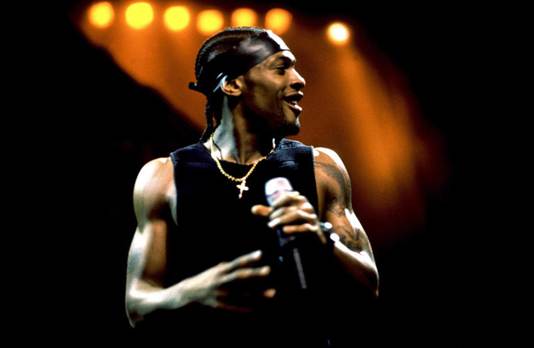
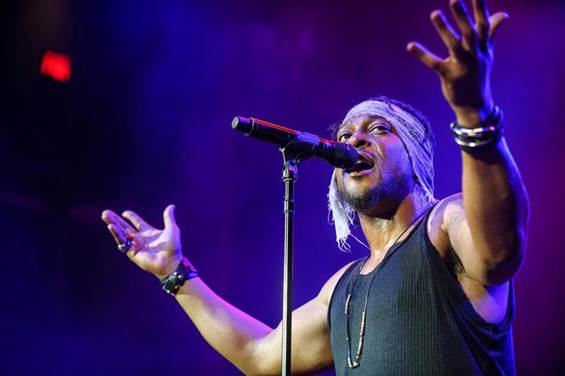
On October 14, 2025, the world lost one of its most enigmatic and electrifying voices. Michael Eugene Archer, known to us as D’Angelo, passed away at the age of 51 after a private and courageous battle with pancreatic cancer. His death marks not just the end of a life, but the silencing of a sound that redefined Black music for a generation.
The Rise of a Neo-Soul Prophet
Born in Richmond, Virginia, D’Angelo was raised in a deeply religious Pentecostal household. His musical gifts emerged early, nurtured by gospel traditions and sharpened by a hunger for authenticity. By 1995, he had already changed the game with Brown Sugar, a debut album that fused the rawness of hip-hop with the sensuality of classic soul. It wasn’t just music, it was a movement.
His follow-up, Voodoo (2000), was a masterclass in musical alchemy. Collaborating with the Soulquarians collective, D’Angelo summoned the spirits of Marvin Gaye, Jimi Hendrix, and Prince, while forging a sound entirely his own. The album’s standout track, “Untitled (How Does It Feel),” became iconic, not just for its stripped, down video, but for its emotional vulnerability and vocal brilliance.
But fame came with a price.
The Vanishing Act
After Voodoo, D’Angelo disappeared. The pressures of being a sex symbol, the weight of public expectation, and personal battles with addiction led him into a long hiatus. He became a recluse, rarely seen, often rumored, and deeply missed.
Then, in 2014, he returned with Black Messiah, an album that was both a political statement and a spiritual reckoning. Released during a time of social unrest, it became a soundtrack for resistance, echoing the cries of a community demanding justice.
The Father Behind the Fame
Though fiercely private, D’Angelo was a devoted father. He leaves behind three children:
Michael Archer Jr. (aka Swayvo Twain), his son with the late Angie Stone, who died in a tragic car accident in March 2025
Imani Archer, a gifted musician in her own right, who shared a touching tribute to her father after his passing
Morocco Archer, his youngest son, who has largely remained out of the public eye
His children now carry the torch of his legacy, not just in music, but in the quiet strength he modeled as a father.
Why the Industry Will Never Be the Same
D’Angelo didn’t flood the market with content. He gave us only three studio albums across three decades. But each one was seismic. He reminded us that Black music could be raw, spiritual, erotic, political, and timeless, all at once.
He was the heartbeat of neo-soul. A bridge between the sacred and the secular. A man who could make a Fender Rhodes whisper and a falsetto scream.
Artists like Lauryn Hill, Questlove, Raphael Saadiq, and Jay-Z collaborated with him, not just because of his talent, but because of his truth. He was one of one.
Rest in Power, D
D’Angelo’s passing leaves a void that no algorithm can fill. His music was never just about melody, it was about memory. About the ancestral pulse that lives in every chord, every lyric, every silence between the notes.
As we mourn, we also celebrate. Because D’Angelo didn’t just make music. He made moments. And those moments will echo for generations.
“We are eternally grateful for the legacy of extraordinarily moving music he leaves behind.” D’Angelo’s family
By Charles Zackary King Founder/CEO of America in Black and White and AMIBW The Magazine
Introduction
As the clock ticks toward midnight on September 30, 2025, the threat of a government shutdown looms large. And while politicians posture, negotiate, and blame each other, everyday Americans brace for impact. This isn’t just about budgets, it’s about broken trust.
Let’s be clear: a shutdown is not a technical glitch. It’s a choice. And it’s the people, not the power brokers who pay the price.
What’s Really at Stake
Federal workers face mass layoffs. Over 100,000 jobs could be lost, marking one of the largest federal workforce cuts in history.
Essential services will be stretched thin. Law enforcement, air traffic control, and immigration enforcement may continue, but without pay.
Healthcare hangs in the balance. Democrats are demanding restoration of $1 trillion in Medicaid cuts and extension of Obamacare subsidies for 3.8 million Americans.
Political theater replaces real leadership. Fake videos, partisan tantrums, and stalled negotiations dominate headlines while families worry about food, housing, and safety.
Opinion: This Is Not Governance, It’s Neglect
A government shutdown is not just a failure of policy, it’s a failure of moral responsibility. When elected officials treat funding negotiations like a game of chicken, they forget who’s in the car: teachers, veterans, single parents, federal workers, and vulnerable communities.
This is not about party lines. It’s about lifelines.
And when leadership becomes performance, the people become collateral.
A Message to the People
We must stop accepting dysfunction as normal. We must demand more than soundbites and blame games. We must hold every elected official accountable, not just for what they say, but for what they do when the cameras are off and the deadlines are real.
Because if the government shuts down, it’s not because we failed. It’s because they did. True this is a dire situation but if we want to preserve our constitution it might be the best thing to shut down the government. Think about this, monies and budgets that have been passed have been abused in a way we have never seen before. The people in charge have proven they cannot govern, and the people are not important. Our government is for sale, and the occupier is working with the top 1% for them to be richer and they cause chaos and disorder at the bottom. What this means is the Occupier of the White House is sewing seeds to underserved/uneducated White People that Black People are stealing resources from them. We are in a climate where resources are scarce for all but creating a race war for those at the bottom makes this a problem for all of us. Point and case, we are all making do with what we have and some of us have found a way to escalate our resources that are putting us in good positions to do much better. Well, with the seeds being sown to cause racial tension makes it bad for us all. The people at the top are continuing to skim and steal from all of us but they have caused us all to think that it is one or the other. We have differences which is normal, but this violence is at a whole new level. This is do to the politicians that refuse to do their jobs. People of both parties are in the pocket of Million Dollar Donors and are controlled by that money. This puts the real light on the Democratic Party to show what they can do to preserve strength. There is no easy way to do this but they have to Shut the Government down. This is the only way to stop the abuse by the people in charge. They have no control of their President who is doing as he pleases. If they negotiate they are going to agree to cut more from the people that need all they can get and allow this man to continue stealing from this country. If they shut this down it means nothing can be done, “NOTHING AT ALL”. Now to be clear we all know that Democrats have Big Donors as well but will they be controlled by them? Must the get permission to save the government. For a lot of us this is not a good thing but is it worth this to keep the democracy in tact? Agreements do not help the common everyday person, just keep that in mind.
Call to Action
Contact your representatives. Demand transparency and urgency.
Support federal workers. Share resources, offer solidarity, and amplify their voices.
Stay informed. Don’t let political spin distract from real consequences.
Vote with clarity. Remember who showed up, and who didn’t.
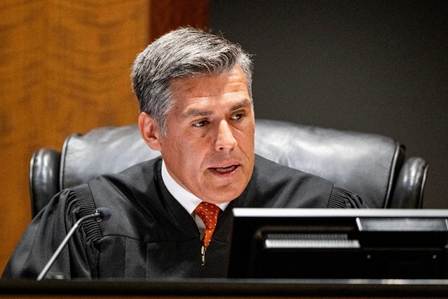
In a moment when political theater often overshadows legal truth, Judge Tony Graf made it clear: his courtroom is not a stage for partisan influence.
During a hearing in the high-profile case of Tyler Robinson—charged with the fatal shooting of conservative activist Charlie Kirk—Judge Graf issued a statement that cut through the noise. With cameras watching and pressure mounting from national figures including President Donald Trump and Vice President JD Vance, Graf stood firm:
“Let me be clear, I will not put my finger on the scale of justice,” he said. “Counsel, regardless of who is watching, whether it is the nation or a single individual, we must fulfill our roles with integrity, civility, and diligence.”
That’s not just courtroom etiquette. That’s judicial courage.
The Case and the Climate
Tyler Robinson, 22, is accused of shooting Kirk from a sniper’s perch at a Utah college campus on September 10. Prosecutors say Robinson left behind texts and a note indicating intent, and they plan to seek the death penalty. The evidence is described as “voluminous,” and Robinson has not yet entered a plea.
But beyond the legal facts, the case has ignited political firestorms. Prominent Republicans have labeled the killing “politically motivated,” and some have demanded retaliation against those who mocked Kirk’s death online. Even late-night host Jimmy Kimmel faced suspension for his comments, later reinstated amid backlash.
A Judge Who Refused to Flinch
In this climate of outrage and polarization, Judge Graf’s words matter. He didn’t just speak to the attorneys in the room—he spoke to the nation. He reminded us that justice is not a partisan tool. It’s a sacred process.
Graf’s refusal to bend to political pressure is a rare act of judicial integrity. In an era where public opinion often tries to dictate verdicts, his stance is a reminder that the courtroom must remain a place of law—not influence.
Why This Moment Matters
It affirms the independence of the judiciary.
It challenges the weaponization of grief for political gain.
It reminds us that justice must be rooted in evidence, not emotion.
Whether you agree with Kirk’s politics or not, the process must be fair. And Judge Graf is making sure it stays that way.
Final Word
In a time when truth is often twisted to fit agendas, Judge Tony Graf deserves credit, not just for what he said, but for what he stood against. He didn’t just protect the integrity of one case. He protected the principle that justice must be blind to politics.
Let this be a reminder: real leadership isn’t loud. It’s principled.
Call to Action
Share this post across platforms to affirm judicial independence.
Support media outlets that report with nuance and integrity.
Stay informed—and stay critical of those who try to politicize justice.







 Changing Trends and Times