The Policing of Happiness: A Call for Equality and Justice

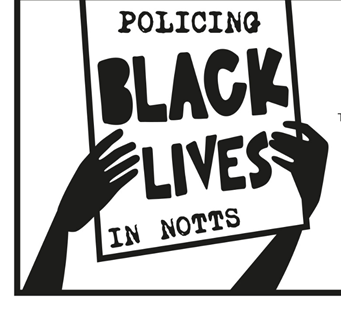
The Declaration of Independence proclaims, “We hold these truths to be self-evident, that all men are created equal, that they are endowed by their Creator with certain unalienable Rights, that among these are Life, Liberty, and the pursuit of Happiness.” These words have served as a foundational ideal of America, symbolizing the nation’s commitment to freedom, equality, and individual rights. However, while the eloquence of these words resonates throughout history, the reality for many, particularly Black Americans, has often been starkly different. The lofty ideals espoused in the Declaration were crafted in a historical context that excluded many, especially enslaved individuals and marginalized communities. As history progressed, this Declaration became a rallying cry for civil rights movements advocating for justice, equality, and inclusion. From the abolition of slavery to the fight for women’s rights and racial equality, the meanings of these rights have evolved and expanded. Yet, despite the progress we’ve made, the core issue remains: why are the rights of Black people still not fully enforced to benefit them? The policing of Black happiness is not merely a societal inconvenience; it reflects a pervasive systemic issue that affects the very essence of community life. Each time a gathering or celebration among Black individuals is interrupted by law enforcement, it speaks volumes about the insecurity of our right to life, liberty, and the pursuit of happiness. The police often show up at community events—block parties, cookouts, or simply neighbors enjoying time together—not out of protective concern, but with an underlying implication that our joy is somehow suspect. This reality creates a cycle of fear, whereby Black individuals must constantly navigate the paradox of existing in spaces meant for joy and connection while being aware that such moments can be deemed illegal. The notion that “if we are too happy, here comes the police” is not just an anecdote; it’s a lived experience for many. This policing transcends mere inconvenience—it is a grotesque manifestation of civil rights violations that roots itself in the fabric of systemic racism. Moreover, it is crucial to recognize that there are two justice systems at play, one that seems to protect and serve, and another that systematically undermines and criminalizes Black existence. Law enforcement officers often operate within a framework that grants them a license to kill without accountability, a reality starkly contrasted by how justice is meted out to other communities. When a Black person complains about an unjust encounter, they are frequently met with the dismissive retort: “That’s the law.” This blunt response strips the individual of their rights and dignity, forcing them into a position where their grievances are rendered invisible. When we examine the systemic violence that stems from these unjust practices, we must also consider the emotional toll it takes on Black communities. The constant threat of police intervention creates a climate of anxiety, where the simple act of enjoying life becomes a precarious endeavor. The fear of being stopped because one “fits a description” looms large, stifling the ability to engage fully in community life. This destruction of joy and the freedom to thrive creates a ripple effect with deeply entrenched consequences, limiting access to opportunities, hindering economic growth, and perpetuating cycles of poverty. As we continue to discuss the causes and effects of this policing of happiness, we must also look inward at the systemic structures that reinforce these injustices. It is essential to advocate for policy changes that genuinely uphold the principles outlined in the Declaration of Independence. The aim is not merely to reform the police but to dismantle the institutional barriers that keep Black people from enjoying equal rights and opportunities. The struggle for equality and a just society is ongoing, and as we look to the future, we must prioritize the enforcement of rights for all individuals, particularly those who have been historically marginalized. The call for justice cannot be one that accommodates discomfort. Rather, it should be a loud and unapologetic proclamation that Black happiness is not something to be policed but celebrated. It is a fundamental right to live freely, to enjoy the fruits of our labor, and to pursue that happiness guaranteed by the very document that serves as the cornerstone of American ideals. In conclusion, the path toward true equality requires commitment—from individuals, communities, and institutions alike—to actively challenge the status quo. It calls for a united front to raise awareness and advocate for reforms that ensure the rights outlined in the Declaration of Independence are not just empty words but real, enforced guarantees for everyone, regardless of race. We cannot allow the joy of any community to be policed. It is time to reclaim that joy and ensure it flourishes for every individual, free from shame, judgment, and fear. After all, it’s not merely a right; it’s an unalienable one.
Navigating the Toxic Political Climate: A Call for Accountability and Awareness

In today’s rapidly evolving political landscape, the American public finds itself grappling with a toxic climate that undermines democracy and distorts reality. One of the most pressing issues we face is the failure of mainstream media to provide the necessary information and context for the serious matters that impact our daily lives. Instead of fostering an informed citizenry, many media outlets chase sensational headlines while neglecting substantial stories that need attention.

The Media’s Role in Informing the Public

Just recently, America experienced a significant downgrade in its credit rating, a critical issue that barely made headlines beyond a couple of days of reporting. Yet, this isn’t an isolated incident; it is emblematic of a broader trend in mainstream media’s inconsistency, where essential matters are often brushed aside for more sensational or trivial news coverage. The implications of a lower credit rating are far-reaching. It signals to investors and financial markets that the U.S. government may not be as reliable in meeting its financial obligations, raising concerns about economic stability. Reasons for the downgrade included a combination of insufficient revenue generation, failure to adequately manage national debt, and political gridlock, which hinders responsible fiscal policy. These issues should resonate deeply with all Americans, yet they slip through the cracks of mainstream discourse. When media chooses to disregard profound issues like credit downgrades and focuses on celebrity gossip or partisan attacks, it fosters a disconnection between the public and vital government operations. Consequently, trust in these outlets erodes, leaving citizens to rely on alternative sources—many of which lack the rigor and credibility necessary for sound understanding.

Economic Consequences for Everyday Americans

The deterioration of the nation’s credit rating isn’t just an abstract concept; it has tangible effects on the economy and everyday life. As the government’s reliability falters, we witness rising difficulties for individuals seeking loans, with increased interest rates becoming a norm. Higher borrowing costs mean that mortgages, auto loans, and credit cards become less accessible, creating a burden on families and individuals trying to make ends meet. Moreover, the current state of the U.S. economy is alarming. While the stock market may report gains, the job market tells a different story. Many Americans are experiencing job insecurity, fluctuating unemployment rates, and stagnant wages. The impacts of these challenges ripple through our society, contributing to growing inequality and straining families.

The Trade War and Rising Costs

Another factor exacerbating our economic woes is the ongoing trade war, marked by tariffs on goods imported from various countries. These tariffs have led to increased prices for everyday products, ranging from household items to electronics. As businesses grapple with rising costs, they often pass these expenses onto consumers, squeezing budgets further. The inconsistencies and lack of clarity surrounding media coverage of these matters only add to the public’s frustration. What should be a comprehensive discussion about economic policies, trade ramifications, and their societal impacts frequently devolves into political finger-pointing or sensationalism. This obscurity further alienates citizens who are trying to understand how these decisions affect their lives.

Addressing Leadership Incompetence

Amidst this chaos, President Donald Trump’s leadership set a tone of incompetence that continues to reverberate. His approach often prioritized divisive rhetoric over constructive governance, leading to exacerbated tensions in both domestic and international arenas. Trump’s decisions frequently involved addressing symptoms rather than root causes, contributing to an underlying atmosphere of distrust and conflict. The reluctance of mainstream media to hold leadership accountable amplifies this sentiment. Instead of focusing on constructive criticism and thorough analysis of policies, media often perpetuates the cycles of distraction that serve to muddle the real issues at hand.

Toward a More Informed Public

Ultimately, navigating this toxic political climate requires a collective effort to demand better from our media and our leaders. We must prioritize accountability, transparency, and rigorous reporting that sheds light on the issues affecting our economy and society. As the public, we must be vigilant in seeking out credible information and engage in informed discussions about the policies and leaders shaping our futures. In an era marked by misinformation and sensationalism, we have the power to reclaim our narrative by advocating for truth and fostering a more informed citizenry. As we celebrate democracy, let us also strive for an environment where serious issues, like economic stability, are covered comprehensively and with the respect they deserve. Only then can we work towards solutions that benefit all Americans.

The Dystopian Reality of a Democracy in Decline: A Glimpse into 2030

As we approach the dawn of a new decade, the trajectory of our democracy raises alarm bells reminiscent of dystopian literature. While once a beacon of hope and liberty, the democratic ideals we cherish are increasingly tarnished by systemic corruption and unchecked criminal activities. The situation is becoming dire—where the very institutions meant to protect and serve the people have devolved into machinery of tyranny, leaving the most vulnerable in a state of perpetual fear and insecurity.

The Landscape of a Destroyed Democracy

Imagine stepping into the year 2030, a time when the fabric of our democracy has been irreparably frayed. The government has become a fortress for criminals, where elected officials collude with organized crime syndicates to exploit the populace for their gain. Corruption is no longer an aberration but the norm, with backdoor deals and bribery accepted as standard operating procedure. The government has turned against its citizens, and the social contract that binds us has been shattered. In this bleak future, the justice system—once a pillar of democracy—has become an impotent entity, unable to carry out its foundational duty of safeguarding justice. Law enforcement, compromised by bureaucratic inefficiencies and overt corruption, has transformed into an extension of the very criminal elements it was meant to combat. Crime rates soar unchecked, and the streets are ruled by fear-driven chaos. Citizens find themselves in a war zone, unable to defend their rights, their properties, or even their lives.

The Erosion of Civil Liberties and Rise of Authoritarianism

As rampant criminality and governmental corruption fester, so too do the erosions of civil liberties. The people, desperate for safety and security, turn to authoritarian solutions. Militarized police patrol the streets, and surveillance becomes pervasive, justifying the invasion of privacy under the guise of public safety. In this world, dissent is crushed, and voices of opposition silenced. The very essence of democracy—freedom of speech, the right to protest, and the ability to criticize the government—becomes a distant memory.

A Society Torn Apart by Racial Division

Perhaps the most insidious outcome of this deteriorating democracy is the exacerbation of racial tensions. As systemic inequalities deepen, racism evolves into a virulent force—what can only be described as “Racism on Steroids.” Socioeconomic disparities widen, with minority communities bearing the brunt of government neglect and police brutality. Discrimination is not only institutionalized but also normalized within the societal fabric. In this fractured society, racial profiling becomes routine, and marginalized groups find themselves disproportionately targeted by law enforcement. Public spaces become battlegrounds where the oppressed fight for their dignity amidst rampant hostility. Propaganda and divisive rhetoric from those in power further fuel the flames of hatred, perpetuating an environment where unity is impossible, and community bonds are shattered.

The Psychological Toll of a Broken Democracy

The psychological impact on citizens living in this reality is immense. Anxiety, distrust, and despair become the mental currency of the populace. People grapple with the haunting question: “Who can I trust?” As the government betrays its responsibility, the community’s social fabric begins to unravel. Support systems collapse, and individuals are left to fend for themselves in a hostile world. The psychological scars of living under a regime of fear can take generations to heal, if they ever do.

The Path Forward: A Call to Action

As we reflect on this potential future, we must recognize the urgency of our current situation. The warning signs of a democracy in decline are all around us. We must take action now to stave off this dystopian fate. This begins with holding our elected officials accountable, demanding transparency, and pushing for systemic reforms that prioritize the needs of the people over the interests of the powerful. Community engagement and grassroots movements must rise to counteract the destructive forces at play. By fostering dialogue and understanding among diverse groups, we can begin to mend the fractures in our society. Only by standing together can we reclaim our democracy from the clutches of corruption and ensure that future generations inherit a society that values justice, equality, and unity. In this pivotal moment, let us choose to fight for a future that aligns with the ideals of democracy rather than one that succumbs to chaos, division, and despair. The time to act is now, for the future of our democracy depends on it.