The Enduring Truth: Black Lives Matter and the Resilience of Black Culture

In the tapestry of American history, the struggles and triumphs of Black people are woven with threads of resilience, pain, and unmatched creativity. The journey began with the brutal enslavement of our ancestors, who were forcibly ripped from their homes and subjected to unimaginable horrors. Ever since, the legacy of those struggles has echoed through generations, shaping an identity that is rich, vibrant, and unyielding. Today, as we navigate the complexities of modern life, we stand in solidarity under the banner that Black Lives Matter—a reminder that our lives, our stories, and our culture deserve recognition and respect.
The Historical Context of the Black Struggle

The fight for Black liberation is a long and arduous road paved with countless sacrifices. From the shackles of slavery to the civil rights movement and the ongoing battles against systemic racism, we have witnessed a relentless cycle of oppression. Yet, in the face of such adversity, we have consistently demonstrated our capability to persevere. Many in our community juggle multiple jobs, often working 3-4 simultaneously, to provide for families under the constant pressure of financial insecurity and societal expectations. All while knowing that we remain targets of systemic injustice and violence.
An Ongoing Attack from Within and Without

Sadly, this struggle is not just against systemic barriers. It extends into the interactions with other minority groups. Whether it is Hispanic/Latino, Jewish, Asian, Haitian, Jamaican, or African communities, there exists a troubling tendency to overlook the unique narratives of Black history. Instead of solidarity, we often face competition and misunderstanding, sometimes leading to divisive rhetoric that exacerbates tensions. It’s a complex dynamic that needs addressing, but it is imperative to remind everyone that the Black narrative is rooted in struggle and resilience, not a commodity to be traded for convenience or perceived social capital.
Cultural Appropriation: The Theft of Black Creativity

The irony of our resilience is often overshadowed by a painful truth: the cultural contributions of Black Americans have been widely appropriated and capitalist entities have profited from our struggles. From the soul of Southern cooking to the rhythms of jazz, hip-hop, and R&B, our innovations have been co-opted by others who capitalize on our creativity while ignoring our struggles. The Hispanic/Latino community has, at points, engaged in this appropriation as well, often taking cultural elements like music, dance, and language styles from Black culture while not recognizing or acknowledging the original sources. Many popular artists and cultural icons have benefited from styles pioneered by Black entertainers without giving appropriate credit. Additionally, the adoption of Black slang, dance, and fashion trends by various groups often occurs without acknowledgment of their origins, leading to a sense of cultural dissonance.
The Political Landscape: A Fractured Community

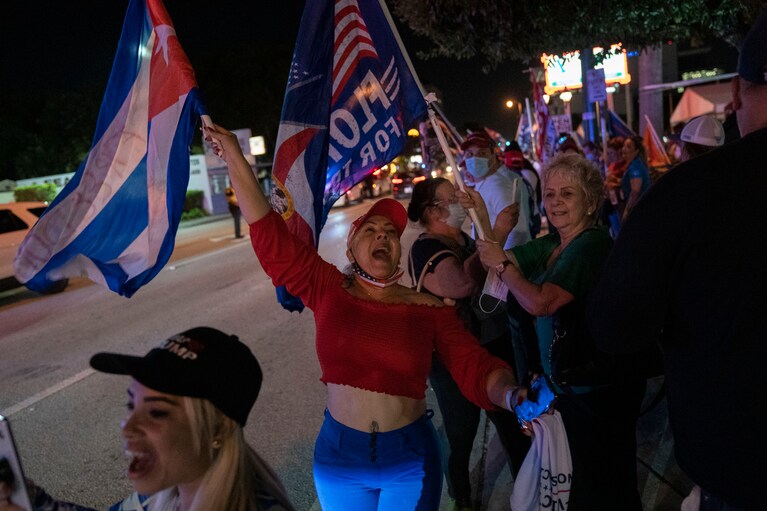
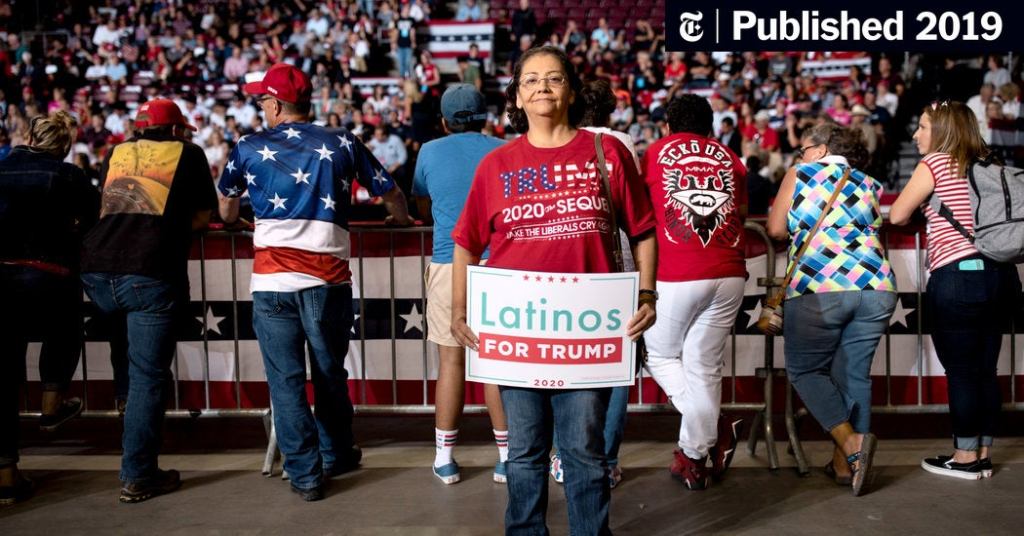
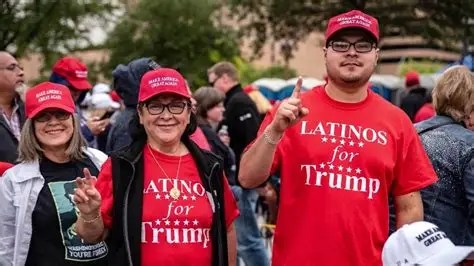
In the political arena, the decision by segments of the Hispanic community, notably Puerto Ricans, Dominicans, and Cubans, to align with candidates like Trump speaks volumes about the complexities of race relations in America. Many chose to support a figure who explicitly promised policies detrimental to Black lives, demonstrating a willingness to overlook the ramifications of their choices for the sake of perceived self-interest. When the consequences of those political decisions became apparent—rampant ICE raids, deportations, and a crackdown on immigrant rights—calls for solidarity towards Black individuals suddenly emerged. However, this raises profound questions: Why not reach out to influential figures within their own community like Jennifer Lopez, Gloria Estefan, and Eva Longoria? These figures, often championed for their success, remain conspicuously silent when it comes to the struggles faced by the broader community, especially Black individuals.
The Call for Unity and Accountability

As we stand firmly in our identity, it is crucial to confront this divide honestly. We must ask: How can healing occur from wounds inflicted by political choices and cultural theft? What message does it send when communities do not support their own representatives, leaving those in dire situations seeking help from groups they once turned their backs on? In moving forward, understanding and trust must be rebuilt on both sides. The Black community has been more than willing to support others in their struggles, but we need to have honest conversations about accountability and the reckoning that comes with shared space.

Conclusion: Can We Make it Make Sense?

This post serves as an invitation for dialogue—a chance to clarify misunderstandings and foster genuine connections. Together, we can address the historical wounds and work towards a future that celebrates diversity without appropriation, solidarity without betrayal. Let’s engage, respond, and reflect on how we can move from division to unity. The time for honest conversations is now; the future of our communities depends on it. Black Lives Matter, and so does the truth of our culture. Let’s make it count.

The Policing of Happiness: A Call for Equality and Justice

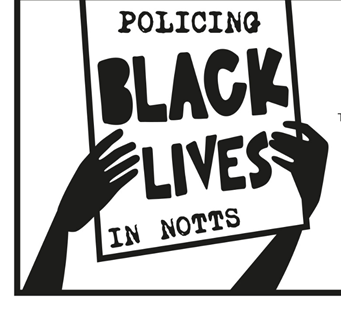
The Declaration of Independence proclaims, “We hold these truths to be self-evident, that all men are created equal, that they are endowed by their Creator with certain unalienable Rights, that among these are Life, Liberty, and the pursuit of Happiness.” These words have served as a foundational ideal of America, symbolizing the nation’s commitment to freedom, equality, and individual rights. However, while the eloquence of these words resonates throughout history, the reality for many, particularly Black Americans, has often been starkly different. The lofty ideals espoused in the Declaration were crafted in a historical context that excluded many, especially enslaved individuals and marginalized communities. As history progressed, this Declaration became a rallying cry for civil rights movements advocating for justice, equality, and inclusion. From the abolition of slavery to the fight for women’s rights and racial equality, the meanings of these rights have evolved and expanded. Yet, despite the progress we’ve made, the core issue remains: why are the rights of Black people still not fully enforced to benefit them? The policing of Black happiness is not merely a societal inconvenience; it reflects a pervasive systemic issue that affects the very essence of community life. Each time a gathering or celebration among Black individuals is interrupted by law enforcement, it speaks volumes about the insecurity of our right to life, liberty, and the pursuit of happiness. The police often show up at community events—block parties, cookouts, or simply neighbors enjoying time together—not out of protective concern, but with an underlying implication that our joy is somehow suspect. This reality creates a cycle of fear, whereby Black individuals must constantly navigate the paradox of existing in spaces meant for joy and connection while being aware that such moments can be deemed illegal. The notion that “if we are too happy, here comes the police” is not just an anecdote; it’s a lived experience for many. This policing transcends mere inconvenience—it is a grotesque manifestation of civil rights violations that roots itself in the fabric of systemic racism. Moreover, it is crucial to recognize that there are two justice systems at play, one that seems to protect and serve, and another that systematically undermines and criminalizes Black existence. Law enforcement officers often operate within a framework that grants them a license to kill without accountability, a reality starkly contrasted by how justice is meted out to other communities. When a Black person complains about an unjust encounter, they are frequently met with the dismissive retort: “That’s the law.” This blunt response strips the individual of their rights and dignity, forcing them into a position where their grievances are rendered invisible. When we examine the systemic violence that stems from these unjust practices, we must also consider the emotional toll it takes on Black communities. The constant threat of police intervention creates a climate of anxiety, where the simple act of enjoying life becomes a precarious endeavor. The fear of being stopped because one “fits a description” looms large, stifling the ability to engage fully in community life. This destruction of joy and the freedom to thrive creates a ripple effect with deeply entrenched consequences, limiting access to opportunities, hindering economic growth, and perpetuating cycles of poverty. As we continue to discuss the causes and effects of this policing of happiness, we must also look inward at the systemic structures that reinforce these injustices. It is essential to advocate for policy changes that genuinely uphold the principles outlined in the Declaration of Independence. The aim is not merely to reform the police but to dismantle the institutional barriers that keep Black people from enjoying equal rights and opportunities. The struggle for equality and a just society is ongoing, and as we look to the future, we must prioritize the enforcement of rights for all individuals, particularly those who have been historically marginalized. The call for justice cannot be one that accommodates discomfort. Rather, it should be a loud and unapologetic proclamation that Black happiness is not something to be policed but celebrated. It is a fundamental right to live freely, to enjoy the fruits of our labor, and to pursue that happiness guaranteed by the very document that serves as the cornerstone of American ideals. In conclusion, the path toward true equality requires commitment—from individuals, communities, and institutions alike—to actively challenge the status quo. It calls for a united front to raise awareness and advocate for reforms that ensure the rights outlined in the Declaration of Independence are not just empty words but real, enforced guarantees for everyone, regardless of race. We cannot allow the joy of any community to be policed. It is time to reclaim that joy and ensure it flourishes for every individual, free from shame, judgment, and fear. After all, it’s not merely a right; it’s an unalienable one.

Awakening to the Truth: The Journey of Being Black in America

In a world where history is often rewritten or distorted, the truth about Black people in America must be reclaimed and celebrated. We are the first people on Earth, born from the rich soil of Mother Africa, a land that gave life not only to a continent but to humanity as a whole. Our roots run deep, tracing back to civilizations that flourished long before the arrival of colonial powers. Yet, how often do we reflect on this history, one marked by both profound loss and incredible resilience?

The Arrival: A Journey of Deception

For the thousands who were forcibly brought to America, the journey was not just physical but a deception that stripped away our identities. Lured here under false pretenses, enslaved people were thrust into a harsh reality. Those who stole this land sought to exploit its resources—both natural and human—under the guise of progress. They assumed that free labor could build an empire without consequence. As time unfolded, the harsh systems established for profit birthed generations of struggle, resilience, and ultimately transformation. The legacy of slavery has left scars that continue to affect Black lives today, evident in systemic inequalities, violence, and misrepresentation.

The Historical Context: Who Were the True Savages?

History as taught in schools often omits critical truths about the violent legacy of colonization. The Moors, who once taught hygiene and civilization to the untamed Europeans, challenged the oft-portrayed narrative of Black inferiority. This history reveals a broader context: one where sins of the past are projected onto Black communities—a mind game crafted to uphold a façade of supremacy while masking the brutal realities of oppression. The term “savage” has been weaponized to describe those who were displaced by violence and exploitation, obscuring the oppressive actions of the very same individuals who labeled them. Stripped of history and agency, Black people were and are still mischaracterized through a toxic, false lens that serves only to uphold a white-dominated hierarchy.

The Modern Struggle: Systemic Inequities

Fast forward to the 21st century, and the disparities are stark. Data illustrates the systemic inequalities faced by African Americans—disparities in incarceration rates, access to education, and economic opportunity persist. Black individuals are often subjected to harsher penalties for similar crimes committed by white counterparts. The implications of this injustice extend into everyday life, creating an environment where fear supersedes ambition. Yet, through this oppressive landscape, resilience shines through. More Black individuals are rising to the occasion, collaborating to create spaces that feel like home—a true Utopia borne of shared experiences and collective strength. We are learning to trust in our accomplishments and embrace a unified identity that honors our history.

Building a New Narrative: Together We Rise

A growing movement in the Black community seeks validation not from the oppressive systems that once marginalized us but from within ourselves. Experiences from the past guide our present and shape our future. A new generation of leaders, innovators, and activists is paving the way for profound cultural and political change. As we continue to rally together, we recognize the importance of self-education, understanding our historical narratives, and fostering solidarity. This movement is not merely about seeking equality but about reclaiming our narrative and building a future that reflects our truths.

The Vision for 2045: A New America

Looking ahead, we envision a time when America will truly reflect the diverse cultures and histories that comprise it. By 2045, demographic projections suggest that those who built this land will reclaim their role in its narrative. A new America, one that acknowledges the contributions of its Black citizens and elevates them to their rightful prominence, is on the horizon. Our aim is not revenge but restoration. We seek to display the beauty of Blackness, honor the struggles of those who came before us, and create systems that genuinely support our communities.

Conclusion: Embracing Our Legacy

Being Black in America is a journey colored by struggles, resilience, and an undeniable spirit of hope. As we navigate through our complex history, we reclaim our narrative—a story that celebrates our ancestry and acknowledges the deep wounds yet to heal. This journey forward isn’t a solitary endeavor; it requires unity and collaboration amongst ourselves and allies who recognize that true progress is about lifting each other up. As we stand on the brink of a new era, let us continue to build our narrative rooted in truth, strength, and solidarity. The world is vast, but Mother Africa’s legacy will continue to pulse through each of us, echoing the strength of our history as we move toward a brighter, more equitable future.

America’s Decline: A Nation at a Crossroads

Once heralded as the world’s leading superpower, America now finds itself at a crossroads—its global standing diminished, its principles abandoned, and its leadership failing to uphold the values it once championed. The country that once set the standard for democracy and influence has become a cautionary tale, a nation unraveling under the weight of its own contradictions.

The Betrayal of Founding Principles

America was built on ideals of freedom, equality, and opportunity, yet its history tells a different story—one of slavery, systemic oppression, and economic exploitation. While the nation classified itself as a beacon of conservatism, its actions have veered toward autocracy, with policies that increasingly resemble the authoritarian rule of regimes it once opposed. The shift toward extreme nationalism and suppression of dissent has left the country fractured, unable to reconcile its past with its present.

The Political Class and Their Obsession with Power

Many of America’s leaders—particularly those who align themselves with far-right ideologies—have openly admired authoritarian governments, seeking to mold the U.S. into a system that prioritizes control over democracy. The erosion of checks and balances, the targeting of truth-tellers, and the concentration of power in the hands of a few have created an environment where corruption thrives and accountability is nonexistent.

The Root of America’s Struggles: Hatred and Division

At the heart of America’s decline is its unwillingness to confront its deep-seated racial injustices. The hatred of Black people, the erasure of historical truths, and the refusal to acknowledge the contributions of marginalized communities have left the country in turmoil. Rather than addressing these issues, those in power have chosen to double down on oppression, ensuring that the cycle of inequality continues.

Yet, despite centuries of adversity, Black Americans have persevered, standing as a testament to resilience and strength. While others crumble under hardship, Black communities have faced struggle head-on, proving time and again that survival is not about privilege—it is about perseverance.

The Illusion of Entitlement

For generations, white entitlement has shielded many from the realities of struggle. The reliance on stolen wealth, systemic advantages, and historical manipulation has created a false sense of superiority—one that is now being challenged as the country faces economic instability, political unrest, and global ridicule. The inability to adapt, to work through hardship, and to build rather than take has exposed a fundamental weakness: survival requires resilience, not privilege.

The Higher Reckoning

As America teeters on the edge of collapse, the higher forces at play are calling for a reckoning. The lies, theft, and violence that have shaped the nation’s history can no longer be ignored. The time for change is now—whether through collective action, political awakening, or divine intervention, the old guard is being challenged, and a new era is on the horizon.

The question remains: Will America rise to meet this challenge, or will it continue down the path of destruction? The answer lies in the hands of those willing to fight for truth, justice, and the future of a nation that has lost its way.

America: The Newest Autocracy

For generations, the United States has prided itself on being the beacon of democracy, a nation built on the principles of freedom, justice, and the rule of law. Yet, in recent years, we have witnessed a disturbing transformation—one that has stripped away the rights of the people right before their eyes, while the government stands idly by, refusing to intervene.

The Silencing of Truth

Under the leadership of Donald Trump, the suppression of truth has become a defining characteristic of this new era. Journalists, whistleblowers, and activists who dare to expose corruption and misconduct are being targeted, harassed, and in some cases, prosecuted. The administration has made it clear: dissent will not be tolerated. Those who challenge the official narrative are met with intimidation, legal threats, and public vilification.

The Collapse of Checks and Balances

The executive branch, once held in check by the legislative and judicial branches, now operates with near-total impunity. Congress, which was designed to serve as a counterbalance to presidential power, has largely abandoned its duty to hold Trump accountable. The courts, once a bastion of impartial justice, have been stacked with loyalists who prioritize political allegiance over constitutional integrity. The result? A government that no longer serves the people but instead protects the interests of the powerful.

The ICE Raids and the Rise of Detention Camps

Perhaps one of the most chilling developments has been the ICE raids, where individuals—many of whom are legal residents or even U.S. citizens—are being rounded up and deported to countries like Venezuela. Families are torn apart, lives are upended, and communities are left in fear. Reports have surfaced of detention centers that bear an eerie resemblance to concentration camps, where detainees are subjected to inhumane conditions, denied basic rights, and left to languish in uncertainty.

A Betrayal of Expectations

Many who voted for Trump believed that his policies would primarily target Black Americans, reinforcing the systemic inequalities that have plagued the nation for centuries. However, as his administration’s actions unfold, it has become clear that his reach extends far beyond racial lines. Immigrants, activists, journalists, and even his own former supporters are now facing the consequences of unchecked power. The realization is stark: autocracy does not discriminate—it consumes all who stand in its way.

The Path Forward

America stands at a crossroads. Will we continue down this path of authoritarian rule, or will the people rise to reclaim their democracy? The answer lies in the collective will of the nation. Resistance, activism, and unwavering commitment to truth are the only weapons against tyranny. The time to act is now—before the last remnants of freedom are lost forever.

Navigating the Toxic Political Climate: A Call for Accountability and Awareness

In today’s rapidly evolving political landscape, the American public finds itself grappling with a toxic climate that undermines democracy and distorts reality. One of the most pressing issues we face is the failure of mainstream media to provide the necessary information and context for the serious matters that impact our daily lives. Instead of fostering an informed citizenry, many media outlets chase sensational headlines while neglecting substantial stories that need attention.

The Media’s Role in Informing the Public

Just recently, America experienced a significant downgrade in its credit rating, a critical issue that barely made headlines beyond a couple of days of reporting. Yet, this isn’t an isolated incident; it is emblematic of a broader trend in mainstream media’s inconsistency, where essential matters are often brushed aside for more sensational or trivial news coverage. The implications of a lower credit rating are far-reaching. It signals to investors and financial markets that the U.S. government may not be as reliable in meeting its financial obligations, raising concerns about economic stability. Reasons for the downgrade included a combination of insufficient revenue generation, failure to adequately manage national debt, and political gridlock, which hinders responsible fiscal policy. These issues should resonate deeply with all Americans, yet they slip through the cracks of mainstream discourse. When media chooses to disregard profound issues like credit downgrades and focuses on celebrity gossip or partisan attacks, it fosters a disconnection between the public and vital government operations. Consequently, trust in these outlets erodes, leaving citizens to rely on alternative sources—many of which lack the rigor and credibility necessary for sound understanding.

Economic Consequences for Everyday Americans

The deterioration of the nation’s credit rating isn’t just an abstract concept; it has tangible effects on the economy and everyday life. As the government’s reliability falters, we witness rising difficulties for individuals seeking loans, with increased interest rates becoming a norm. Higher borrowing costs mean that mortgages, auto loans, and credit cards become less accessible, creating a burden on families and individuals trying to make ends meet. Moreover, the current state of the U.S. economy is alarming. While the stock market may report gains, the job market tells a different story. Many Americans are experiencing job insecurity, fluctuating unemployment rates, and stagnant wages. The impacts of these challenges ripple through our society, contributing to growing inequality and straining families.

The Trade War and Rising Costs

Another factor exacerbating our economic woes is the ongoing trade war, marked by tariffs on goods imported from various countries. These tariffs have led to increased prices for everyday products, ranging from household items to electronics. As businesses grapple with rising costs, they often pass these expenses onto consumers, squeezing budgets further. The inconsistencies and lack of clarity surrounding media coverage of these matters only add to the public’s frustration. What should be a comprehensive discussion about economic policies, trade ramifications, and their societal impacts frequently devolves into political finger-pointing or sensationalism. This obscurity further alienates citizens who are trying to understand how these decisions affect their lives.

Addressing Leadership Incompetence

Amidst this chaos, President Donald Trump’s leadership set a tone of incompetence that continues to reverberate. His approach often prioritized divisive rhetoric over constructive governance, leading to exacerbated tensions in both domestic and international arenas. Trump’s decisions frequently involved addressing symptoms rather than root causes, contributing to an underlying atmosphere of distrust and conflict. The reluctance of mainstream media to hold leadership accountable amplifies this sentiment. Instead of focusing on constructive criticism and thorough analysis of policies, media often perpetuates the cycles of distraction that serve to muddle the real issues at hand.

Toward a More Informed Public

Ultimately, navigating this toxic political climate requires a collective effort to demand better from our media and our leaders. We must prioritize accountability, transparency, and rigorous reporting that sheds light on the issues affecting our economy and society. As the public, we must be vigilant in seeking out credible information and engage in informed discussions about the policies and leaders shaping our futures. In an era marked by misinformation and sensationalism, we have the power to reclaim our narrative by advocating for truth and fostering a more informed citizenry. As we celebrate democracy, let us also strive for an environment where serious issues, like economic stability, are covered comprehensively and with the respect they deserve. Only then can we work towards solutions that benefit all Americans.

The Opening of Cop City: Implications for Urban Communities in Atlanta

On July 1, 2023, the long-debated “Cop City,” officially known as the Public Safety Training Center, opened its doors in Atlanta, igniting intense discussions about policing, community safety, and the future of urban areas across the city. While proponents tout it as a necessary step toward enhanced police training and accountability, many marginalized communities view its inception as a harbinger of military-style enforcement tactics that threaten to deepen existing inequalities.

A Step Backward Amidst Protests

The journey to the opening of Cop City was fraught with public outcry and dissent. Activists rallied against the development, arguing that resources should be allocated to community services rather than militarized policing. Protesters highlighted how increased funding for law enforcement detracts from essential services like education, healthcare, and housing. Despite these fervent protests, which included direct actions and community organizing against the facility, the city proceeded with its plans, raising concerns about the disregard for community voices and lived experiences. Tragically, the protests surrounding Cop City became synonymous with violence, culminating in the fatal shooting of activist Manuel Paez Teran by police during a raid in January 2023. The incident sparked outrage, highlighting the severe power imbalances in how law enforcement interacts with communities of color. Critics argue that this militarized response only exemplifies the systemic disregard for black and brown lives, raising questions about the ethical implications of maintaining a heavily armed police force equipped with the latest training techniques while vulnerable communities continue to face socioeconomic challenges.

The Shadow of Militarization

The opening of Cop City signals a shift in how policing will be carried out in urban Atlanta. With specialized training that emphasizes a militaristic approach, residents fear they will bear the brunt of aggressive tactics that come with purportedly enhanced officer preparedness. The facility is designed to teach law enforcement advanced techniques, including tactical maneuvers and crowd control, raising alarm bells about potential overreach and brutality in handling situations in marginalized neighborhoods. Persistent fear looms over communities already grappling with high levels of police presence and aggression. With Cop City operational, there is a growing apprehension that its implications will exacerbate racial profiling, wrongful arrests, and instances of violence – continuing the cycle of distrust between law enforcement and the very communities they are meant to serve. Residents of Atlanta’s marginalized communities are left questioning the consequences of militarized policing when they were already experiencing systemic oppression.

The Broader Impact on Urban Areas

The repercussions of Cop City extend beyond Atlanta into urban areas nationwide. The facility serves as a template for cities considering similar initiatives, regardless of the detrimental effects experienced in communities subjected to over-policing. In recent years, the cries for police reform and defunding have taken center stage, calling for a reevaluation of public safety priorities. The emergence of Cop City represents a contradictory narrative; rather than redirecting funds into community development and social services, the city has chosen to solidify its commitment to a more militarized approach to policing. With cities across America grappling with issues of systemic racism and inequality, the opening of Cop City could inspire a nationwide trend where cities move away from community-centric solutions. Urban areas might find themselves at a crossroads, where priorities shift toward protecting property and maintaining order over addressing the root causes of crime, such as poverty and lack of access to education.

A Call for Accountability and Change

As the community navigates the reality of a new training facility designed to bolster policing practices, it is imperative to continue advocating for accountability and reform. Residents must pressure local officials to ensure that Cop City does not become a tool for further marginalization but rather a catalyst for meaningful dialogue about safety, equity, and justice. The ongoing conversation surrounding public safety requires a comprehensive approach that prioritizes community input, resources for grassroots organizations, and effective solutions that promise real change. As Atlanta moves forward, it stands as a crucial moment for the city’s leadership to reevaluate its stance on policing and consider innovative approaches that empower, rather than intimidate, its diverse communities. In conclusion, while Cop City signifies a new era of law enforcement training, the implications of this shift must be critically examined. Elected officials must prioritize the voices and experiences of marginalized communities while holding law enforcement accountable to prevent a dystopian future where militarization rules over community welfare—before it’s too late.

The Fragile State of American Democracy: Navigating Economic and Social Turmoil

The United States has long been a beacon of democracy, resilience, and economic strength. Yet, recent years have seen a growing sense of unease among Americans as the nation grapples with significant challenges. From trade wars to economic instability, the cracks in the foundation of American democracy are becoming increasingly visible. The 2025 landscape paints a picture of a country at a crossroads, where the decisions of leadership have far-reaching consequences.

Trade Wars and Economic Fallout

The trade wars initiated by President Donald Trump have sent shockwaves through the economy. Tariffs on imports from major trading partners like China and Mexico have disrupted supply chains, leading to higher prices for everyday goods. Retail giants such as Walmart, Target, and Home Depot have voiced their concerns, warning that these policies could result in empty shelves and financial strain for consumers2. The ripple effects of these tariffs have been felt across industries, with businesses struggling to adapt to the new economic reality.

As the economy teeters on the brink of a depression and recession simultaneously, the impact on ordinary Americans is profound. Rising unemployment, stagnant wages, and skyrocketing living costs have left many families unable to make ends meet. The growing homeless population is a stark reminder of the human cost of economic instability4.

The Human Toll

For many who voted for Trump, the promise of economic revitalization was a key factor in their decision. However, as the reality of these policies sets in, some are beginning to question their choice. Polls indicate that nearly one in four Trump voters have expressed doubts about their decision, citing concerns over the administration’s handling of the economy and its broader implications6. The sense of betrayal among these voters underscores the disconnect between campaign promises and governance.

Civil Discourse and Division

The current state of civil discourse in America reflects a nation deeply divided. The polarization of political ideologies has created an environment where meaningful dialogue is increasingly rare. This division is exacerbated by the economic challenges facing the country, as individuals and communities struggle to find common ground.

Charting a Path Forward

To address these challenges and restore faith in American democracy, a collective effort is required. Policymakers must prioritize economic stability, social equity, and transparent governance. Engaging in open and respectful dialogue is essential to bridging the divides that threaten the nation’s unity. By focusing on shared values and common goals, Americans can work together to navigate these turbulent times and build a brighter future.

The road ahead is undoubtedly challenging, but the resilience and determination of the American people remain a source of hope. By learning from the past and embracing a spirit of collaboration, the United States can overcome its current struggles and emerge stronger than ever.

Empowering Voices and Communities: A Spotlight on “I Fit The Description” and B.R.U.H.

In a world where representation matters more than ever, Smitty Russell’s book I Fit The Description emerges as a powerful testament to the resilience, identity, and strength of Black men. This compelling work challenges the Eurocentric narratives that have long overshadowed the authentic experiences of Black individuals. Through its pages, readers are invited to confront societal biases and embrace a deeper understanding of what it truly means to “fit the description.”

But Smitty Russell’s impact doesn’t stop at the written word. His nonprofit organization, Brothers Restoring Urban Hope (B.R.U.H.), is a beacon of hope and transformation for urban communities. Founded on the principle that every student, regardless of their background, deserves a chance at a bright future, B.R.U.H. is dedicated to mentorship, leadership training, and spiritual guidance. The organization’s mission is clear: to restore urban communities by empowering youth to discover their unique talents, overcome challenges, and thrive as engaged adults.

Through initiatives like group mentoring programs, virtual workshops, and leadership camps, B.R.U.H. fosters personal connections that inspire growth and resilience. The vision is to create a world where urban youth can rise above circumstances and achieve their fullest potential. Whether it’s through academic support, professional development workshops, or community engagement events, B.R.U.H. is making a tangible difference in the lives of countless young individuals.

By supporting I Fit The Description and B.R.U.H., you’re not just investing in a book or an organization—you’re championing a movement. A movement that celebrates identity, challenges stereotypes, and builds bridges of understanding and hope. Together, we can amplify voices, restore communities, and pave the way for a brighter, more inclusive future.

Are you ready to be part of this transformative journey? Dive into I Fit The Description and explore the impactful work of B.R.U.H. today!

You can purchase the book on amazon: https://a.co/d/7nteb0Z

Ways of connecting or contacting Smitty are:

Email: mail4bruh@gmail.com

Book link: https://a.co/d/7nteb0Z

Youtube channel: http://www.youtube.com/@SmitTheSpeaker

FB: https://www.facebook/SmittyRussell

X: @SmitTheSpeaker

IG: @SmitTheSpeaker

Business: https://mymostbeautifulllc.godaddysites.com/

The End of Democracy As We Know It: A Disturbing Revelation

In an era where democracy stands as a beacon of hope and justice, the presidency of Donald Trump has cast a long shadow, threatening to undo the very fabric of our democratic institutions. For many who voted for Trump, the belief was that his presidency would signal the end of perceived advantages for Black people. However, the reality has unfolded in a way that is far more devastating and far-reaching.

The Unintended Consequences of Misplaced Trust

Many of Trump’s supporters believed that his administration would marginalize Black people, based on his inflammatory rhetoric during the campaign. Yet, what they did not foresee was a systematic dismantling of social programs that disproportionately affects the very demographic they hail from. Trump, alongside Elon Musk, has spearheaded efforts to cut SNAP, food stamps, welfare, and essential medical benefits—programs on which millions of Americans, especially in rural areas, rely.

The Devastating Impact of Social Program Cuts

It is a harsh reality that more White people benefit from these programs than any other demographic. Yet, the thought of depriving Black people has overshadowed the broader implications. The cuts to these vital programs are not just a matter of economic austerity; they represent a direct attack on the social safety nets that sustain countless lives. With the Affordable Care Act also under siege, the struggle to make ends meet has become a grim reality for anyone outside the top 1%.

The Fallout of Trump’s Deceptive Rhetoric

Trump’s campaign was peppered with racist rants that misled many into thinking Black people would be the primary targets of his policies. However, the brunt of his administration’s actions has fallen on his very own supporters. He has shown a blatant disregard for truth and integrity, revealing his true agenda only after gaining their trust. Immigrants, who sought a better life in America and initially supported Trump, are now facing mass deportations.

A Painful Awakening for Many

The bitter lesson is clear: those who harbored hopes of benefiting from Trump’s presidency are now grappling with the harsh consequences. This includes Black Trump supporters who now realize the gravity of their misplaced trust. As the administration cuts federal jobs and slashes Veterans Affairs funding, Trump and Musk, neither of whom have served this country, wield undue power over the livelihoods of countless Americans.

The Role of Elon Musk in a Dehumanizing Agenda

Elon Musk, a South African billionaire, plays a troubling role in deciding who keeps their Federal Jobs and who is fired. He is the one that is getting Billion Dollar Contracts from the Federal Government meaning stealing Billions of Dollars from the American People. The money leaving the Government is being done before our very eyes and we can do nothing about but watch the 3 branches of Government let this happen. No one is standing up and saying anything about this. We all want to be safe and happy but we do not know how this is going to unfold. I hope we get to vote again!!!