White Supremacy Threatens South Africa’s Sovereignty, But What About America?

By Tim Cocks (Reuters)
Blog Commentary & Call to Action

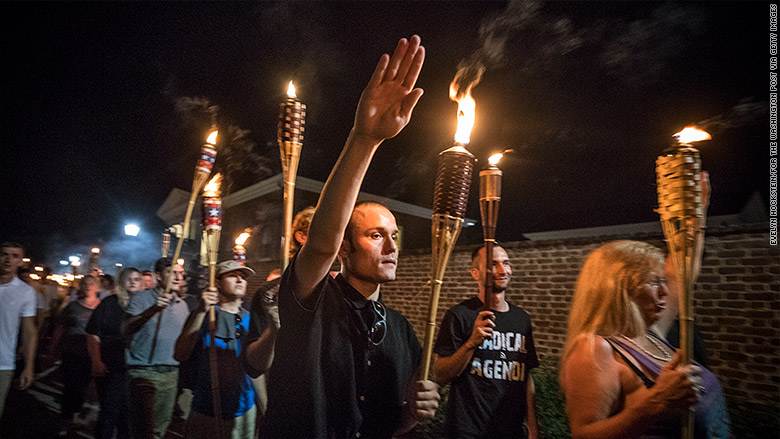
South African President Cyril Ramaphosa recently sounded the alarm: ideas of white racial superiority are not only a threat to South Africa’s post-apartheid unity, but also to its sovereignty and international relations. Speaking at an ANC conference, Ramaphosa condemned false narratives of “white persecution” that continue to circulate in far-right spaces globally. These myths, he warned, have real consequences for diplomacy and national security.

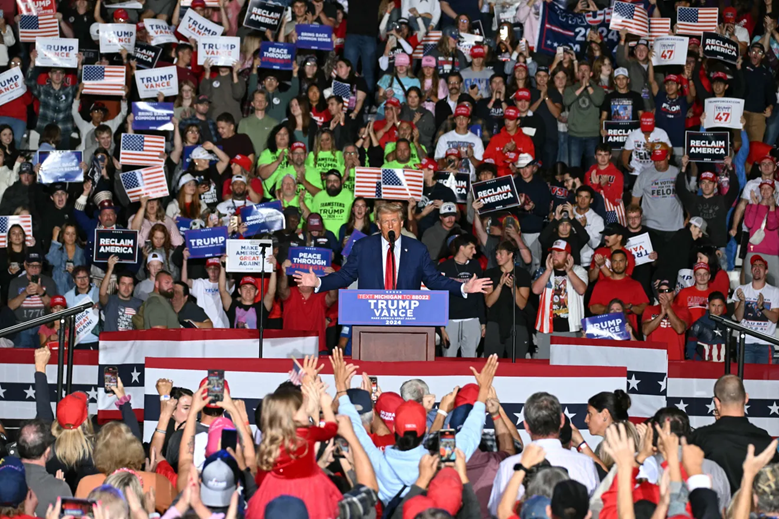
Yet while Ramaphosa calls for global efforts to debunk these lies, U.S. President Donald Trump has chosen to amplify them. Trump boycotted the G20 summit in Johannesburg, alleging without evidence that South Africa mistreats its white minority. He claimed white farmers were being “slaughtered” and their land “illegally confiscated.” These claims have been widely debunked, but they continue to fuel white supremacist rhetoric worldwide.

Here’s the hypocrisy: Trump accuses South Africa of racism against whites yet remains silent on the systemic racism and repression of Black people in America. In South Africa, a wrong was made right, apartheid was dismantled, and the nation continues to strive for unity. In America, however, racism remains deeply entrenched. Black men are killed at alarming rates, the justice system turns a blind eye, and the trauma of racial injustice grows worse every day.

Before the pot calls the kettle black, America must look inward. Stop throwing stones when you live in a glass house. The U.S. government cannot credibly lecture others on racial justice while ignoring the oppression within its own borders.

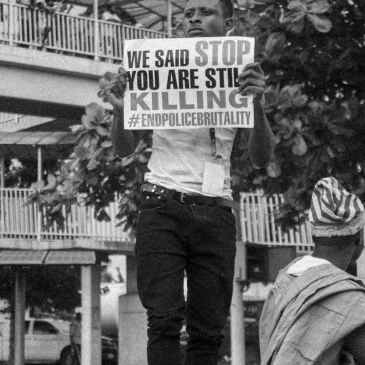
Black people in America continue to face systemic racism and deadly police violence at rates far higher than other groups, making Donald Trump’s accusations against South Africa not only hypocritical but deeply offensive.
Police Violence Against Black Americans

  • In 2024 alone, U.S. police killed 1,365 people — the deadliest year on record campaignzero.org.
  • Of those, 248 were Black, despite Black Americans making up only about 13% of the population Statista.
  • The rate of fatal police shootings among Black Americans stood at 6.1 per million per year (2015–2024), more than double that of white Americans Statista.
  • Even after the global outcry following George Floyd’s murder in 2020, police killings of Black people have actually increased in recent years NBC News.
  • Data shows that unarmed Black men are disproportionately killed by police, highlighting systemic bias in law enforcement factually.co.

Examples of Systemic Racism in America

Systemic racism is not limited to policing, it permeates nearly every aspect of American life:

  • Education: Black students are more likely to attend underfunded schools and face harsher disciplinary actions Human Rights Careers.
  • Housing: Redlining and discriminatory lending practices have left Black families with far less generational wealth Human Rights Careers.
  • Employment: Black workers earn less on average and face higher unemployment rates than white counterparts Robert F. Smith News.
  • Healthcare: Black Americans experience worse health outcomes, higher maternal mortality rates, and less access to quality care Human Rights Careers.
  • Criminal Justice: Black people are incarcerated at nearly five times the rate of white people, often for similar offenses Human Rights Careers.

Taken together, these examples show that racism in America is not incidental, it is systemic, structural, and ongoing.
Blog Post Framing

South Africa, under Ramaphosa, is working to dismantle the legacy of apartheid and build unity. Meanwhile, America continues to deny or downplay its own racial injustices. For Donald Trump to accuse South Africa of racism against whites while ignoring the daily trauma of Black Americans is the ultimate hypocrisy.

Before the pot calls the kettle black, America must confront its own house of glass. Stop throwing stones abroad while ignoring the shattered lives at home.

Sources: Statista factually.co NBC News campaignzero.org Human Rights Careers Robert F. Smith News

Call to Action

It’s time to:

  • Expose and dismantle white supremacist lies globally.
  • Hold U.S. leaders accountable for systemic racism and police violence.
  • Unite Black communities worldwide in solidarity and resistance.

So I ask again: Should Donald Trump and the U.S. government be called out for this hypocrisy? The answer seems clear, yes, loudly and globally.

Rallying Cry

No more silence, no more lies, 

We see the truth with open eyes. 

From Soweto to Harlem streets, 

Black voices rise, we won’t retreat. 

Justice delayed is justice denied, 

Too many brothers have already died. 

Glass houses crack when stones are thrown, 

America fix the rot in your own. 

Unite the people, across the land, 

Together in strength, we take a stand. 

From Cape Town’s shore to Detroit’s fight, 

Black power united will set things right. 

From Hustle to Humanity: How Black Billionaires Are Reinvesting Wealth into Marginalized Communities

In a world where wealth often feels distant and disconnected from everyday struggles, a select group of Black billionaires have rewritten the narrative, not just by amassing fortunes, but by using their platforms to uplift underserved, marginalized, and LGBTQ communities. Their journeys from humble beginnings to global influence are more than success stories; they’re blueprints for legacy-driven impact.

Robert F. Smith: Tech Titan with a Heart for Equity

Raised in a working-class Denver family, Smith’s rise began with degrees in chemical engineering and business, culminating in the founding of Vista Equity Partners. But his legacy isn’t just in software, it’s in soul work.

  • Philanthropic Power Moves:
    • Paid off student loans for the entire 2019 Morehouse College graduating class.
    • Founded the Student Freedom Initiative, easing debt burdens for HBCU students in STEM.
    • Through Fund II Foundation, donated over $250M to causes like Black cultural preservation, environmental access for underserved youth, and inclusive arts education.
    • Advocates for the “2% Solution,” urging corporations to invest 2% of profits into underserved communities.

Smith’s wealth is a tool for systemic change, not just personal gain.

Oprah Winfrey: Media Mogul and LGBTQ Ally

From rural Mississippi poverty to global media dominance, Oprah’s story is steeped in resilience. But her empathy is what truly sets her apart.

  • LGBTQ Advocacy:
    • Hosted groundbreaking episodes on AIDS and LGBTQ issues as early as 1987.
    • Won the GLAAD Vanguard Award for championing LGBTQ stories and visibility.
    • Produced inclusive content through OWN and Harpo Productions, including documentaries like I Am Jazz and Becoming Chaz.

Oprah’s wealth is rooted in authenticity and she’s used it to create safe spaces for marginalized voices.

Jay-Z: From Marcy Projects to Movement Builder

Jay-Z’s empire spans music, fashion, tech, and sports but his philanthropic reach is equally expansive.

  • Community Impact:
    • Founded the Shawn Carter Foundation to support education for at-risk youth.
    • Advocates for criminal justice reform through the Reform Alliance.
    • Produced documentaries on systemic racism, including The Kalief Browder Story and Rest in Power: The Trayvon Martin Story.

Jay-Z’s wealth is a megaphone for justice, amplifying the voices of those often silenced.

Michael Jordan: From Court Legend to Community Champion

Jordan’s Air Jordan brand revolutionized sneaker culture, but his off-court philanthropy is equally game-changing.

  • Giving Back:
    • Donated $100M through the Jordan Brand to fight systemic racism and support Black-led nonprofits.
    • Funded clinics, scholarships, and literacy programs in underserved areas.
    • Supports initiatives for economic justice, education, and social reform.

Jordan’s wealth is a slam dunk for equity, health, and opportunity.

Kanye West: Visionary with a Complex Legacy

West’s Yeezy brand redefined fashion, and his real estate and music ventures built a billion-dollar portfolio. While his public persona is polarizing, his early support for LGBTQ rights was notable.

  • LGBTQ Support:
    • Spoke out against homophobia in hip-hop in 2005, inspired by his cousin’s coming out.
    • Advocated for tolerance and inclusion, comparing anti-gay discrimination to racism.

Though his later actions have sparked controversy, West’s early stance challenged cultural norms in hip-hop.

Tyler Perry: Storyteller and Shelter Builder

Perry’s journey from homelessness to owning a 330-acre studio is a testament to perseverance. But his vision extends far beyond entertainment.

  • Direct Support for Marginalized Groups:
    • Plans to build a shelter for displaced LGBTQ youth, homeless women, and trafficking survivors on his studio grounds.
    • Uses his platform to tell authentic stories of Black life, trauma, and triumph.
    • Honored with the Jean Hersholt Humanitarian Award and Emmys Governors Award for his commitment to inclusion.

Perry’s wealth is a sanctuary, both literal and symbolic, for those society often overlooks.

Should We See Them as Role Models?

Absolutely but not just for their financial success. These individuals embody a deeper kind of wealth: one rooted in purpose, empathy, and responsibility. They’ve shown that legacy isn’t just about what you build, it’s about who you lift.

Their stories remind us that wealth, when aligned with justice, can be revolutionary.

The NFL’s Removal of “End Racism” and Its Implications

The NFL’s recent decision to remove the “End Racism” inscription from the end zones has sparked significant controversy and raised questions about the league’s integrity and motives. Here are some suggestions as to why this move might be seen as politically motivated and indicative of deeper issues within the league:

1. Political Favoritism

The timing of the removal coincides with President Donald Trump’s attendance at the Super Bowl. Trump has been a vocal critic of the NFL’s diversity, equity, and inclusion (DEI) initiatives1. By removing the “End Racism” message, the NFL may be seen as attempting to curry favor with the current administration. This move could be interpreted as a way to avoid potential backlash from Trump and his supporters1.

2. Lack of Integrity

The NFL’s decision to remove the “End Racism” message during a time when racial tensions are still high in the United States can be seen as a lack of integrity. The league had previously committed to promoting social justice and combating racism through its “Inspire Change” initiative1. By backtracking on this commitment, the NFL may be perceived as prioritizing political considerations over its stated values.

3. Financial Motivations

The NFL is a multi-billion dollar industry, and maintaining a positive public image is crucial for its financial success. However, the decision to remove the “End Racism” message could be seen as prioritizing financial gain over social responsibility1. This move might be interpreted as an attempt to avoid alienating certain segments of its fan base, particularly those who oppose DEI initiatives.

4. Perception of Scripted Games

The NFL has faced criticism in the past for allegations of scripted games and match-fixing. The removal of the “End Racism” message could further fuel these suspicions, as it might be seen as a calculated move to appease political interests1. This perception could lead to a loss of trust among fans and a decline in viewership.

5. Declining Viewership

The NFL has been experiencing a decline in viewership in recent years. The decision to remove the “End Racism” message could be seen as an attempt to attract a broader audience by avoiding controversial topics1. However, this move might backfire, as it could alienate fans who value the league’s commitment to social justice and equality.

In conclusion, the NFL’s decision to remove the “End Racism” inscription from the end zones raises significant concerns about the league’s integrity, motivations, and commitment to social justice. This move could be seen as politically motivated and indicative of deeper issues within the league, including financial motivations and declining viewership1. As fans and observers, it is crucial to hold the NFL accountable and demand transparency and consistency in its actions and values.

What Black People Can Do to Take Back Their Communities: The Importance of Home Ownership

A Historical Perspective: 18th, 19th, and 20th Centuries

18th Century: During the 18th century, Black people in America faced the brutal reality of slavery. Home ownership was an unattainable dream as they were considered property themselves. The lack of freedom and rights meant that building a community or owning property was impossible.

19th Century: The 19th century saw the end of slavery with the Emancipation Proclamation in 1863. However, the promise of “40 acres and a mule” was never fulfilled, leaving many freed Black people without land or resources. The rise of Jim Crow laws further restricted their rights, including the ability to own property. Despite these challenges, Black communities began to form, with a focus on mutual aid and support.

20th Century: The 20th century brought both progress and setbacks. The Great Migration saw millions of Black people move from the rural South to urban areas in the North, seeking better opportunities. However, discriminatory practices like redlining and restrictive covenants prevented many from purchasing homes in desirable neighborhoods. The Civil Rights Movement of the 1960s brought significant changes, but economic disparities and systemic racism continued to hinder Black home ownership.

Building a Community: The Importance of Family

A strong community is built on the foundation of family. By fostering close-knit relationships and supporting one another, Black people can create a sense of belonging and security. Home ownership plays a crucial role in this process, as it provides stability and a place for families to grow and thrive. When families own their homes, they have greater control over their environment and can ensure that their community remains safe and welcoming.

Controlling What Comes In and What Goes Out

Home ownership allows Black people to have a say in what enters and leaves their community. By owning property, they can influence local policies, support Black-owned businesses, and create spaces that reflect their culture and values. This control helps to preserve the integrity of the community and ensures that it remains a place where Black people can flourish.

Employment and the Value of Money

Economic empowerment is essential for taking back communities. By understanding the value of money and making informed financial decisions, Black people can build wealth and create opportunities for future generations. Home ownership is a key component of this process, as it provides a valuable asset that can appreciate over time. Additionally, supporting Black-owned businesses and pursuing entrepreneurship can help to create jobs and stimulate economic growth within the community.

Conclusion

Taking back Black communities requires a multifaceted approach that includes home ownership, building strong family ties, controlling the community’s environment, and fostering economic empowerment. By understanding the historical challenges and working together to overcome them, Black people can create thriving, self-sufficient communities that provide a better future for all.

Addressing Key Issues in the Black Community

The Black community, like any other, faces a unique set of challenges and dynamics. Among these are the tensions between Black men and Black women, the lack of support for Black businesses, and the broader issue of supporting other ethnicities over their own. Understanding these issues and working towards unity is crucial for the community’s growth and prosperity.

The Feud Between Black Men and Black Women

One of the most pressing issues is the perceived feud between Black men and Black women. This tension often manifests in negative stereotypes, mutual distrust, and a lack of support for one another. Several factors contribute to this discord:

  1. Historical Trauma: The legacy of slavery, segregation, and systemic racism has left deep scars. These historical traumas have disrupted family structures and created a cycle of mistrust and resentment.
  2. Media Representation: Negative portrayals of Black men and women in the media perpetuate harmful stereotypes. These portrayals can influence how individuals perceive and interact with each other.
  3. Economic Pressures: Economic disparities and job insecurity can strain relationships. When individuals are struggling to make ends meet, it can lead to frustration and conflict within the community.

To address these issues, it’s essential to foster open and honest communication, promote positive representations, and support economic empowerment initiatives that benefit both Black men and women.

Lack of Support for Black Businesses

Another significant issue is the lack of support for Black-owned businesses. Despite the growing number of Black entrepreneurs, many Black businesses struggle to thrive due to limited patronage from their own community. Several reasons contribute to this phenomenon:

  1. Awareness: Many people are simply unaware of the Black-owned businesses in their area. Increasing visibility through social media, community events, and directories can help.
  2. Trust: There may be a lack of trust in the quality or reliability of Black-owned businesses. Building a reputation for excellence and reliability is crucial.
  3. Economic Barriers: Black-owned businesses often face challenges in accessing capital and resources. Supporting initiatives that provide financial assistance and mentorship can make a significant difference.

Encouraging the community to prioritize supporting Black-owned businesses can lead to economic growth and self-sufficiency.

Supporting Other Ethnicities Over Their Own

It’s not uncommon to see members of the Black community supporting businesses and initiatives from other ethnicities more than their own. This can be attributed to several factors:

  1. Perceived Quality: There may be a perception that businesses from other ethnicities offer better quality or value. Addressing this requires Black-owned businesses to consistently deliver high-quality products and services.
  2. Cultural Influence: The influence of other cultures through media and marketing can sway consumer preferences. Promoting and celebrating Black culture can help shift this dynamic.
  3. Accessibility: Sometimes, businesses from other ethnicities are more accessible or convenient. Ensuring that Black-owned businesses are easily accessible and well-marketed is essential.

Moving Forward Together

To overcome these challenges and foster unity within the Black community, several steps can be taken:

  1. Promote Positive Representation: Highlighting positive stories and role models within the community can help combat negative stereotypes and build mutual respect.
  2. Support Economic Empowerment: Investing in Black-owned businesses and encouraging entrepreneurship can create economic opportunities and reduce disparities.
  3. Foster Open Dialogue: Creating spaces for open and honest conversations about the issues facing the community can lead to greater understanding and collaboration.
  4. Celebrate Black Culture: Embracing and celebrating Black culture through events, media, and education can strengthen community bonds and pride.

By addressing these issues and working together, the Black community can build a stronger, more united future. It’s a collective effort that requires commitment, empathy, and a shared vision for progress.

The Unyielding Grip of Systemic Racism: A Barrier to America’s Progress

From its inception, the United States has grappled with the pervasive issue of systemic racism. This deeply entrenched problem has not only hindered the nation’s progress but has also perpetuated the mistreatment of Black people, proving that the country will struggle to heal and move forward unless significant changes are made.

Historical Context and Ongoing Impact

Systemic racism in America dates back to the era of slavery, where Black people were forcibly brought to the country and subjected to inhumane treatment. The abolition of slavery did not mark the end of racial discrimination; instead, it evolved into new forms such as Jim Crow laws, segregation, and redlining. These practices systematically marginalized Black communities, denying them access to quality education, employment opportunities, and housing.

Even today, the remnants of these discriminatory practices are evident in various aspects of society. Black individuals are disproportionately affected by poverty, unemployment, and inadequate healthcare. The criminal justice system, too, reflects these disparities, with Black people being more likely to be arrested, convicted, and receive harsher sentences compared to their white counterparts.

The Proof of Persistent Mistreatment

The mistreatment of Black people is a stark reminder that systemic racism continues to plague the nation. High-profile cases of police brutality, such as the deaths of George Floyd and Breonna Taylor, have sparked nationwide protests and brought attention to the urgent need for reform. These incidents are not isolated; they are part of a broader pattern of racial violence and discrimination that Black communities face daily.

The economic disparities are equally troubling. Black families, on average, have significantly less wealth compared to white families. This wealth gap is a direct result of historical and ongoing discrimination in employment, education, and housing. The lack of economic opportunities perpetuates a cycle of poverty and limits the ability of Black individuals to achieve upward mobility.

What Needs to Happen

To address systemic racism and move towards a more equitable society, several key actions are necessary:

  1. Comprehensive Criminal Justice Reform: Implementing policies that address racial disparities in policing, sentencing, and incarceration is crucial. This includes banning practices like racial profiling and ensuring accountability for law enforcement officers.
  2. Economic Empowerment: Providing equal access to economic opportunities through initiatives such as affordable housing, quality education, and job training programs can help bridge the wealth gap and promote financial stability for Black communities.
  3. Healthcare Equity: Ensuring that Black individuals have access to quality healthcare is essential for addressing health disparities. This includes expanding healthcare coverage and addressing social determinants of health.
  4. Educational Reform: Investing in education and providing resources to underserved schools can help close the achievement gap and create pathways to success for Black students.
  5. Community Engagement: Encouraging dialogue and collaboration between communities, policymakers, and organizations can foster understanding and drive meaningful change.

Your Thoughts and Solutions

As we reflect on the impact of systemic racism and the steps needed to address it, it’s important to hear from you, the readers. How do you feel about the current state of racial inequality in America? What actions do you believe are necessary to create a more just and equitable society? Share your thoughts and solutions in the comments below.

By acknowledging the deep-rooted issue of systemic racism and taking concrete steps to address it, we can work towards healing the nation and creating a future where everyone has the opportunity to thrive. Let’s continue the conversation and work together to build a better America.

The Lingering Shadow of Racial Violence: Hangings in the US in 2024

In 2024, the United States witnessed a series of tragic hangings that have once again brought to light the deep-seated racial animosity towards Black people in America. These incidents are not just isolated acts of violence but are reflective of a broader, systemic issue that continues to plague the nation. The names of the victims and the circumstances surrounding their deaths serve as a stark reminder of the work that still needs to be done to achieve true racial equality.

Victims of 2024

Among the victims of these heinous acts were:

  • Willie James Pye: Executed on March 20, 2024, in Georgia.
  • Keith Edmund Gavin: Executed on July 18, 2024, in Alabama.
  • Freddie Eugene Owens: Executed on September 20, 2024, in South Carolina.
  • Emmanuel Antonio Littlejohn: Executed on September 26, 2024, in Oklahoma.
  • Garcia Glen White: Executed on October 1, 2024, in Texas.
  • Richard Bernard Moore: Executed on November 1, 2024, in South Carolina.

These individuals were among the 21 people executed in the United States in 2024, with a significant number being Black men. The racial disparities in the application of the death penalty are glaring, with Black individuals disproportionately represented on death row and among those executed.

Racial Animosity and Its Impact

The racial animosity towards Black people in America is not a new phenomenon. It is deeply rooted in the country’s history, from the era of slavery to the Jim Crow laws, and continues to manifest in various forms today. The hangings of 2024 are a grim reminder of this ongoing issue. These acts of violence are not just about the individuals who were executed but are indicative of a broader societal problem.

The impact of such racial violence on the Black community is profound. It perpetuates a cycle of fear, trauma, and mistrust towards the justice system and society at large. The emotional and psychological toll on the families and communities of the victims is immeasurable. Moreover, these incidents highlight the urgent need for systemic reforms to address racial disparities in the criminal justice system.

Statistical Analysis and Future Outlook

The statistics surrounding racial violence and the death penalty in the United States paint a troubling picture. According to data, Black individuals make up approximately 12.47% of the US population but are disproportionately represented among those executed. This disparity is a clear indication of the racial biases that exist within the justice system.

Looking ahead to 2025, the likelihood of continued racial violence remains high unless significant changes are made. The systemic issues that contribute to racial disparities in the application of the death penalty and other forms of violence must be addressed. This includes comprehensive reforms in policing, sentencing, and the overall criminal justice system.

Conclusion

The hangings of 2024 serve as a stark reminder of the racial animosity that continues to exist in America. The names of the victims and the circumstances of their deaths highlight the urgent need for systemic reforms to address racial disparities and ensure justice for all. As we move forward, it is crucial to acknowledge these issues and work towards creating a society where racial violence is no longer a reality.