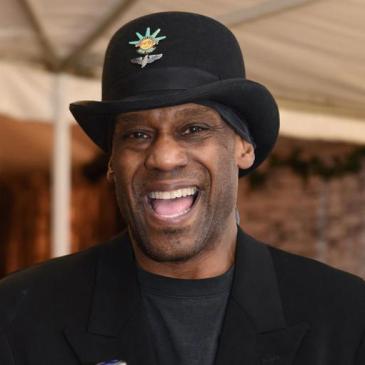
Jellybean Johnson, a Pioneer of the Minneapolis Sound, Remembered
Garry George “Jellybean” Johnson, legendary drummer, guitarist, producer, and founding member of The Time, has passed away at the age of 69, just two days after celebrating his birthday. His sudden death marks the loss of one of the architects of the Minneapolis Sound, a genre-defining fusion of funk, rock, R&B, and new wave that continues to influence music today Rolling Stone FOX 9 Minneapolis-St. Paul Wikipedia Bring Me The News.
Honoring His Legacy
Jellybean Johnson was born in Chicago in 1956 and moved to Minneapolis at age 13. It was there that he befriended future icons like Prince, Morris Day, Jimmy Jam, and Terry Lewis, forming the creative nucleus that would shape an entire era of music Rolling Stone FOX 9 Minneapolis-St. Paul.
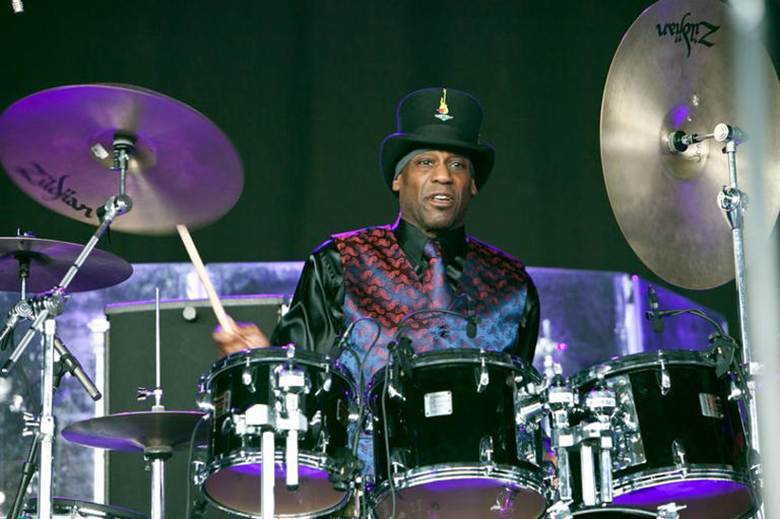
- The Time (1981–1984): Johnson was the original and only drummer for Prince’s band The Time, appearing in Purple Rain and helping deliver hits like 777-9311, Jungle Love, and The Bird. His drumming style became a cornerstone of the Minneapolis Sound Rolling Stone Yahoo Wikipedia.
- The Family (1985): After The Time split, Johnson joined Prince’s short-lived project The Family, which released the original version of Nothing Compares 2 U AOL Wikipedia.
- Graffiti Bridge & Pandemonium (1990): Johnson reunited with The Time for Prince’s film Graffiti Bridge and their album Pandemonium, which included the chart-topping single Jerk Out AOL Wikipedia.
- Collaborations & Production: Beyond Prince, Johnson worked with Janet Jackson (Black Cat), New Edition (Crucial), Alexander O’Neal (Criticize), Mint Condition (Breakin’ My Heart), and Nona Hendryx (Why Should I Cry) Wikipedia Discogs. His versatility as both drummer and guitarist made him an in-demand session musician and producer.
- Solo Work: In 2021, he released his long-awaited solo album Get Experienced: The Jellybean Johnson Experience, showcasing his guitar artistry Wikipedia Bring Me The News.
- Later Performances: Johnson performed with The Time and Rihanna at the 2008 Grammys, and returned for Prince tributes in 2017 and 2020 Billboard Wikipedia.
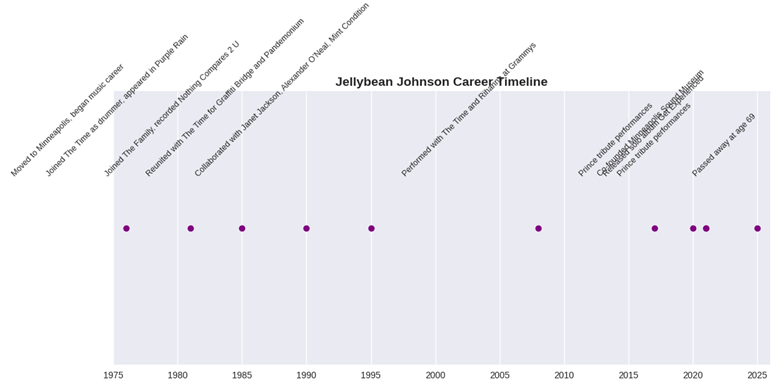
Visual Timeline of His Career
Here’s a timeline chart capturing his milestones from 1976 to 2025:
Preserving the Minneapolis Sound
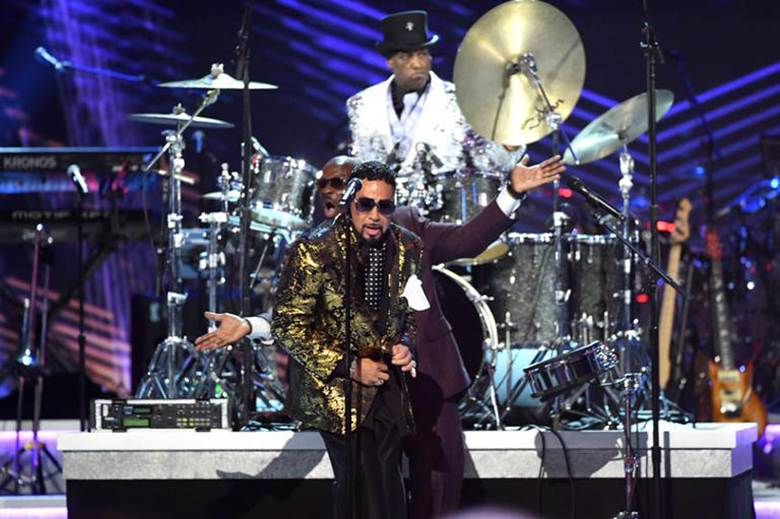
Johnson’s vision extended beyond performance. In 2021, he co-founded the Minneapolis Sound Museum, dedicated to preserving the history and cultural impact of the genre he helped pioneer Bring Me The News. His final reflections on legacy emphasized community, mentorship, and ensuring future generations had access to creative spaces like those that shaped him North News Bring Me The News.
Tributes
Musicians and fans alike have poured out tributes. Morris Day called him “more like a brother than a bandmate,” while Sheila E. remembered him as “a kind human being, extremely talented and funny.” Susannah Melvoin described him as “the master of loving you like no brother could” Rolling Stone Yahoo International Business Times UK.
Closing Thoughts
Jellybean Johnson’s artistry was not confined to the stage—it was embedded in the DNA of modern pop and R&B. His drumming, guitar work, and production shaped hits across decades, while his mentorship and museum project ensured the Minneapolis Sound will live on.
Credit: This blog post is based on reporting by Daniel Bird and expanded with details from Rolling Stone, Billboard, Fox9, and other sources Rolling Stone FOX 9 Minneapolis-St. Paul Yahoo Billboard Wikipedia Bring Me The News Discogs.
 Changing Trends and Times