Norovirus cases are surging across the U.S., with test positivity nearly doubling since late summer. States most impacted include Alabama, Nebraska, Oklahoma, Texas, Wyoming, Louisiana, Michigan, and Indiana. The CDC stresses that prevention hinges on thorough handwashing with soap and water, safe food handling, and disinfecting contaminated surfaces. NBC News CBS News ABC News CDC

Norovirus: America’s “Winter Vomiting Disease” on the Rise

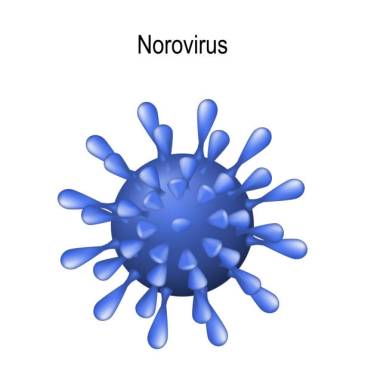
Norovirus, often called the “winter vomiting disease”, is once again sweeping across the country. Unlike other viruses with a fat-based envelope that alcohol sanitizers can break down, norovirus is encased in a rugged protein shell called a capsid, making it resistant to hand sanitizers. That means soap and water for at least 20 seconds is the most effective defense.
Current Trends and Data

  • CDC data shows nearly 14% of tests were positive for norovirus during the week ending Nov. 15, 2025, compared to just 7% three months earlier CBS News ABC News.
  • Last December saw a record-breaking 25% positivity rate, and experts warn this winter could bring another harsh season Gizmodo.
  • Epic Research and WastewaterSCAN data highlight the hardest-hit states: Alabama, Nebraska, Oklahoma, Texas, Wyoming, Louisiana, Michigan, and Indiana NBC News ABC News Gizmodo.
  • Outbreaks are being reported in schools, cruise ships, and communities nationwide, with more than 200 passengers sickened aboard a luxury cruise ship this fall CBS News.

CDC Recommendations for Prevention

The CDC emphasizes several key steps to stop norovirus from spreading CDC CDC:

  • Wash hands thoroughly with soap and water for 20 seconds, especially after using the bathroom, changing diapers, or before preparing food.
  • Do not rely on hand sanitizer alone, it does not kill norovirus.
  • Avoid preparing food or caring for others while sick, and wait at least 48 hours after symptoms stop before resuming these activities.
  • Cook shellfish thoroughly to at least 145°F and wash fruits and vegetables well.
  • Clean and disinfect contaminated surfaces using bleach-based solutions or EPA-approved disinfectants effective against norovirus.
  • Wash contaminated laundry with hot water and detergent, then machine dry at high heat.

Why This Matters

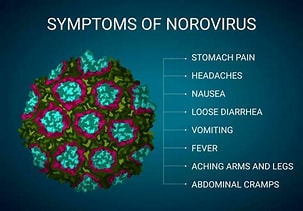
Norovirus is the leading cause of foodborne illness in the U.S., responsible for 20 million infections annually, over 100,000 hospitalizations, and nearly 900 deaths each year CBS News. It spreads easily through contaminated food, water, surfaces, and person-to-person contact. Symptoms, nausea, vomiting, diarrhea, and stomach cramps, can appear within 12–48 hours and last 1–3 days. Vulnerable groups include young children, older adults, and those with weakened immune systems.
Community Call to Action

This surge is not just a public health issue, it’s a matter of community responsibility. By practicing rigorous hygiene, safe food handling, and responsible caregiving, we can protect ourselves and those most at risk. Norovirus thrives in close-contact environments, but prevention is in our hands, literally.
Sources: NBC News CBS News ABC News Gizmodo CDC CDC

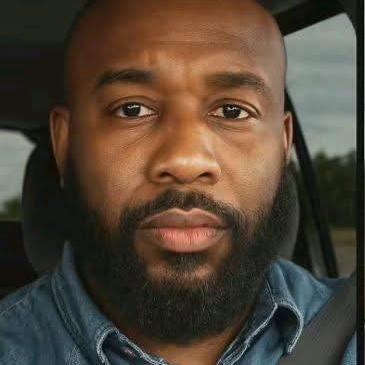
Missing: Long-Haul Trucker Eric Darnell Vanishes During Routine Cross-Country Route


In a case that demands national attention, a 38-year-old Black truck driver and father of four has mysteriously disappeared somewhere between Phoenix, Arizona and Memphis, Tennessee—and his family says they’re fighting this battle alone.

Eric Darnell, a respected veteran of the trucking industry and loving husband to Yolanda, was last seen early Tuesday morning as he departed a distribution center near Phoenix. His trip was nothing unusual—a straight shot along I-40 to a Memphis delivery drop. But somewhere between the coffee stop he mentioned in his final phone call and the Arkansas state line, Eric vanished.

Timeline of Events:

  • 3:40 AM: Eric called his wife Yolanda, saying, “I’m stopping to grab coffee, then I’m back on the road.”
  • 9:00 AM: GPS tracking from his company’s fleet system went dark near a notorious surveillance dead zone along I-40.
  • Later That Day: His rig was found abandoned outside of Little Rock, Arkansas—locked, engine off, wallet inside, but keys and logbook gone.

Since then, Eric’s phone has gone silent. No pings. No new information. And with no widespread media coverage, his loved ones are left pleading for help and visibility.

“We just want someone to care enough to look,” Yolanda said tearfully. “He’s out there somewhere—and we won’t stop until we find him.”

How You Can Help:

  • Share Eric’s story across social media and news platforms.
  • If you were traveling along I-40 between Arizona and Arkansas on or after July 30, please check your dash cams or reach out with any unusual sightings.
  • Contact the authorities in Little Rock, AR or Phoenix, AZ if you have any leads or information.

This is not just another missing person case—this is a family’s heartbreak and a community’s call to action. Eric Darnell deserves to be found. His children deserve answers. And silence should never be the end of the story.

Let’s amplify Yolanda’s voice and demand justice—for Eric, for every Black man whose disappearance deserves dignity, urgency, and full attention.


B O G F L P Tour: Bringing Hope and Support to the Underprivileged

The B O G F L P Tour is set to make a significant impact as it travels from Nigeria to serve the underprivileged and poor communities. This remarkable initiative aims to bring hope and support to those in need by collecting donations of clothes and cash. As the tour makes its way through various locations, it seeks to uplift and empower individuals and families who are struggling to make ends meet.

Why This Tour Matters

The B O G F L P Tour is more than just a charitable event; it is a movement that embodies the spirit of giving and community support. By addressing the basic needs of the underprivileged, the tour aims to create a positive and lasting impact on their lives. The donations collected will provide essential resources to those who need them the most, helping to alleviate the burden of poverty and improve their quality of life.

How You Can Help

Your support is crucial to the success of the B O G F L P Tour. Here are a few ways you can get involved:

  1. Donate Clothes: Clean out your closets and donate gently used clothing items. Every piece of clothing can make a difference in someone’s life.
  2. Contribute Cash: Monetary donations are essential to fund the tour’s operations and provide direct assistance to those in need. No amount is too small.
  3. Spread the Word: Share information about the B O G F L P Tour with your friends, family, and social networks. The more people who know about the tour, the greater the impact we can make together.

Join the Movement

The B O G F L P Tour is a testament to the power of community and the difference we can make when we come together for a common cause. By supporting this tour, you are helping to create a brighter future for the underprivileged and poor. Let’s join hands and make a positive change, one donation at a time.

Stay Updated

Follow the B O G F L P Tour on social media to stay updated on its progress and learn more about how you can get involved. Together, we can make a difference and bring hope to those who need it the most.

B.O.G.F.L.P

Date…. 25th January

Contact godwinevans@gmail.com

WhatsApp +2347037227041

And call 📞

The theme is less privileged to the world 🌎

And the meaning of B.O.G.F.L.P……is Bringing Out greatness from less privileged

Middle East or East Africa?

The term “Middle East” is a relatively modern construct, coined by Western powers to describe a region that has long been a crossroads of civilizations. Historically, this area was often referred to as part of Africa, particularly the northeastern part of the continent. The name “Middle East” itself is a Eurocentric term that reflects the geopolitical interests of colonial powers rather than the cultural and historical realities of the region.

The people who have historically inhabited this land are diverse, with rich and varied cultures that have evolved over millennia. However, the arrival of European colonial powers in the 19th and 20th centuries brought significant changes. These powers imposed new borders, often disregarding the existing ethnic, cultural, and historical ties of the indigenous populations.

The colonial era saw the displacement of many indigenous peoples and the imposition of foreign rule. European settlers and administrators often claimed the land as their own, disregarding the rights and histories of the original inhabitants. This led to a loss of cultural heritage, as colonial powers sought to impose their own values and systems of governance.

In many cases, the occupiers appropriated the cultural symbols and practices of the indigenous peoples, often without acknowledgment or respect. This cultural theft has had lasting impacts, as the original cultures have been marginalized and their contributions to the region’s history and identity have been overlooked.

Today, the legacy of colonialism continues to shape the Middle East. The borders drawn by colonial powers have led to ongoing conflicts and tensions, as different groups struggle for recognition and autonomy. The cultural heritage of the region’s original inhabitants is still at risk, as modern political and social dynamics continue to marginalize their voices.

In conclusion, the term “Middle East” is a misnomer that reflects a colonial perspective rather than the true history and identity of the region. The people who have historically lived in this land have a rich and diverse cultural heritage that has been overshadowed by the legacy of colonialism. It is important to recognize and honor the contributions of these original inhabitants and to work towards a more inclusive and accurate understanding of the region’s history.