Introduction The Affordable Care Act (ACA) was designed to expand access to health coverage for millions of Americans. Enhanced subsidies, first enacted during the pandemic, have kept premiums affordable for over 22 million people. But now, as Congress fails to extend these subsidies, the future of affordable healthcare hangs in the balance.
What’s at Stake
22 million Americans currently benefit from ACA subsidies.
Without extension, premiums will rise by an average of 114% in 2026.
Families earning $75,000 could see costs increase by $3,368 annually.
The Congressional Budget Office estimates 4 million people may drop coverage.
If Congress does not extend the ACA subsidies, premiums will more than double in 2026 (average +114%), with the steepest impacts in Southern states (like Georgia, Florida, Texas, Alabama, Mississippi) and in states that did not expand Medicaid. States with their own reinsurance or supplemental subsidies (like Vermont, California, New York) will see smaller increases factually.coNBC Newsfactually.coPeterson-KFF Health System Tracker.
Timeline of ACA Subsidies and Expiration
Year
Policy Change
Impact
2010
ACA enacted
Subsidies tied to income, capped at 400% FPL.
2021
American Rescue Plan
Enhanced subsidies, removed “subsidy cliff.”
2022
Inflation Reduction Act
Extended subsidies through 2025.
Dec 2025
Senate rejects extension
Subsidies set to expire Jan 1, 2026.
2026
Expiration
Premiums rise ~114%; 2–4 million lose coverage.
States Most Affected
Analyses show uneven impacts across the country:
Southern States (highest increases):
Georgia, Florida, Texas, Alabama, Mississippi → Premiums projected to rise 25–30%+ beyond national average.
Many of these states did not expand Medicaid, leaving middle-income households most exposed.
High Premium States (older enrollees hit hardest):
West Virginia, Alaska, Connecticut, Vermont → Older adults (50–64) face catastrophic jumps, sometimes $8,000+ more annuallyfactually.co.
States with Supplemental Subsidies/Reinsurance (smaller increases):
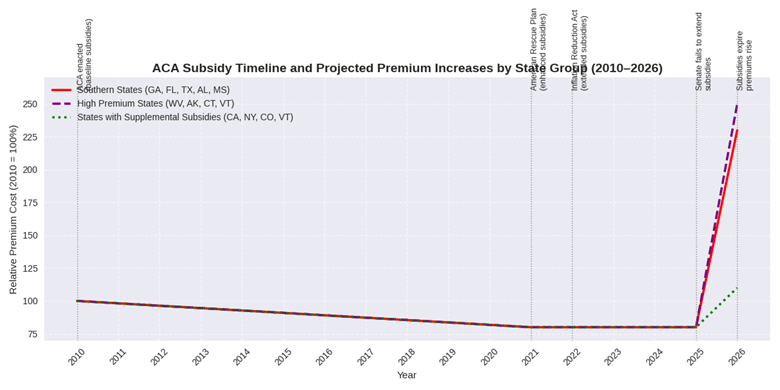
Red line: Southern states (GA, FL, TX, AL, MS) projected +130% premium increase.
Purple dashed line: High‑premium states (WV, AK, CT, VT) projected +150% increase, especially for older adults.
Green dotted line: States with supplemental subsidies (CA, NY, CO, VT) limited to +10% increase.
Advocacy Angle
This visualization makes clear that Southern states and high‑premium states will be hit hardest, while states with their own protections blunt the impact.
Key Takeaways
22 million people currently benefit from subsidies; 92% of ACA enrollees receive them.
Without extension, average premiums double (from ~$888 to ~$1,904 annually).
Middle-income families just above 400% FPL face the steepest hikes,e.g., a 60-year-old earning $64,000 could pay $14,900/year vs. $6,200 for someone earning slightly less Moneywise.
Coverage losses: CBO projects 2.2–4 million uninsured in 2026.
Advocacy Angle
This is not just about numbers, it’s about equity and justice. The expiration disproportionately harms Southern states and marginalized communities, widening racial and economic health gaps. The subsidies made healthcare affordable for millions; their loss reveals how political gridlock can dismantle progress.
Democrats pushed for a three‑year extension of subsidies.
Republicans countered with health savings accounts, rejecting subsidies as “too costly.”
Both proposals failed in the Senate, leaving millions at risk.
The House has yet to act, with leadership resisting temporary extensions.
Equity and Accountability
Healthcare is not just policy,it’s justice. Subsidies have allowed working families, small business owners, and gig workers to access care. Ending them disproportionately harms marginalized communities, widening racial and economic health gaps.
This is not simply about budgets. It’s about whether America values the health of its people or the politics of obstruction.
Call to Action
The fight over ACA subsidies is a test of our national priorities. Will we protect affordable healthcare, or will we allow millions to be priced out? Advocacy must demand accountability: healthcare equity is non‑negotiable.
Georgia recently passed a law that could force Fulton County taxpayers to reimburse Donald Trump and his co-defendants for millions in legal fees after the election-interference case was dismissed. Estimates suggest claims could reach $10 million or more, though no payouts have been finalized yet CBS NewsThe Hillsan.com.
Case Collapse, Costly Consequences
Fulton County’s election‑interference case against Donald Trump and 18 co‑defendants was dismissed after DA Fani Willis was disqualified. That dismissal triggered Georgia’s new SB 244 law, which allows defendants to demand reimbursement of “reasonable attorney’s fees and costs.”
What’s Happening
Case dismissed: The sprawling Georgia election-interference case against Trump and 18 co-defendants was dropped in late November 2025 after Fulton County DA Fani Willis was disqualified due to a conflict of interest san.com.
New law (SB 244 / GA Code §17-11-6): Passed earlier this year, it allows defendants to seek reimbursement of “reasonable attorney’s fees and costs” if a prosecutor is disqualified and charges are dismissed The Hillsan.com.
Potential claims: Trump’s legal team alone spent more than $5.5 million in Georgia since 2021. Co-defendants collectively spent millions more, with some raising funds through crowdfunding CBS News.
Taxpayer impact: Fulton County could be liable for millions, possibly tens of millions, depending on how many defendants file claims and what a judge approves CBS NewsThe Hill.
The Price Tag
Trump: $5.5M+ in Georgia legal fees
GOP “fake electors”: $2.3M
Harrison Floyd: $363K (crowdfunded)
John Eastman: $937K (crowdfunded)
Jeff Clark: $153K (crowdfunded)
Total exposure: $10M+ and counting
Taxpayer Impact
Defendants have 45 days to file claims. Judge Scott McAfee will decide payouts. While Trump’s attorney insists reimbursements come from the DA’s budget, critics argue taxpayers ultimately foot the bill.
Risks & Fallout
Unprecedented precedent: Rarely are criminal defendants reimbursed.
Political fallout: Though bipartisan, the law is widely seen as Trump‑specific.
Budget strain: Fulton County faces millions in potential payouts.
Risks & Considerations
Unprecedented law: Reimbursing criminal defendants is rare in U.S. law, raising questions about fairness and precedent san.com.
Political fallout: The measure was passed with bipartisan support but is widely seen as tailored to Trump’s case The Hillsan.com.
Uncertain totals: No official accounting yet of Fulton County’s own prosecution costs, which could add significantly to taxpayer exposure CBS News.
In short: Georgia’s dismissal of the Trump case has opened the door for Trump and co-defendants to demand millions back in legal fees. Whether taxpayers ultimately foot the bill depends on how judges interpret the new law and the claims filed in the coming weeks.
This is more than a budget issue, it’s a democracy issue. Georgia’s taxpayers may soon bankroll the defense of those accused of undermining democratic institutions. Communities must mobilize to demand transparency, fiscal responsibility, and ethical leadership.
Call to Action: Share this story. Demand accountability. Ask why public funds should defend those accused of attacking democracy.
*This piece is inspired by the original reporting of Lauren Mascarenhas for CNN.*
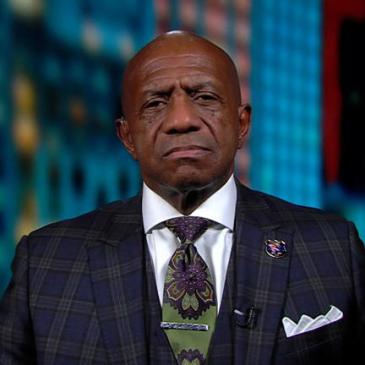
In a time when the debate over immigration and law enforcement remains as heated as ever, one figure stands out in the community of Charlotte, North Carolina. Sheriff Garry McFadden, a former homicide detective and a recognizable face from the television screen, is not just any sheriff; he is a guardian aiming to protect his citizens while navigating the complexities of immigration enforcement.
A Robust Background
Garry McFadden’s journey to becoming a sheriff is one marked by resilience and dedication. Before stepping into his role as the sheriff, McFadden served as a homicide detective for over 20 years. This experience armed him with a deep understanding of criminal justice, empathy for victims, and an eye for the broader implications of crime in society. His work in law enforcement was complemented by his appearances on the A&E network’s “The First 48,” where he showcased his investigative skills and humanity as he handled sensitive cases.
This unique combination of experience behind the badge and in front of the camera has endeared McFadden to citizens and given him a platform to address issues affecting the community. His tenure in law enforcement has shaped his perspective, particularly towards the immigrant population.
Standing Firm Against ICE
Sheriff McFadden has made headlines for his staunch opposition to the practices of U.S. Immigration and Customs Enforcement (ICE). His approach centers around the belief that local law enforcement should not act as an extension of federal immigration authorities. This stance is not merely a political statement; it is a reflection of his commitment to protecting all citizens, regardless of their immigration status. He understands that fear of deportation can prevent crime victims and witnesses from coming forward, ultimately putting the entire community at risk.
McFadden’s advocacy extends beyond rhetoric; he actively seeks to build bridges between the sheriff’s department and marginalized communities. He often emphasizes the importance of community trust in law enforcement. By not cooperating with ICE on low-level offenses, he aims to nurture an environment where all residents feel safe reporting crimes.
A Community Focus
The strength of Sheriff McFadden lies not only in his dedication to fair policing but also in his community involvement. He frequently attends local events, engages with residents, and tackles various issues affecting Charlotte’s neighborhoods. From youth mentorship programs to initiatives aimed at curbing domestic violence, McFadden’s leadership goes beyond traditional law enforcement.
His command is marked by transparency, as he is unafraid to discuss the complexities of policing in public forums. He listens to constituents’ concerns, making residents feel heard and valued, thereby strengthening the ties between citizens and their sheriff’s office.
Embracing A New Era of Leadership
Sheriff Garry McFadden’s approach to leadership represents a new era in law enforcement where community protection and civil rights intersect. By standing firm against ICE, he not only protects vulnerable populations but also fosters a culture of inclusivity and trust. In a world often divided by policy and opinion, McFadden stands as an emblem of a law enforcement official who is not just about enforcing the law but about serving the community.
With a commitment to transparency and community engagement, McFadden continues to impact Charlotte positively. His background as a detective, his experience in the spotlight, and his unwavering dedication to protecting all citizens have come together to form a sheriff who embodies strength, compassion, and resolve.
As we witness the evolving landscape of immigration enforcement and community relations, Sheriff McFadden serves as an inspiring example of how one individual’s leadership can make a profound difference.
Credit: Original reporting by Jacob Shamsian (Business Insider)
For 22 years, Harry Beller served as Jeffrey Epstein’s personal accountant. He wasn’t one of the boldfaced names splashed across Epstein’s social calendar, not a Jes Staley, Bill Clinton, Donald Trump, or Prince Andrew. But Beller was entrusted with managing some of the most delicate parts of Epstein’s financial life.
Court records and Suspicious Activity Reports (SARs) filed by JPMorgan Chase reveal that Beller personally withdrew tens of thousands of dollars in cash from Epstein’s accounts, sometimes in structured amounts just under the $10,000 reporting threshold. These withdrawals raised alarms inside JPMorgan as early as 2002, long before Epstein’s abuse of girls was publicly investigated. Yet, despite repeated red flags, Epstein continued to bank with JPMorgan until 2013.
Congressional investigators now want answers. Democrats on the House Oversight Committee are seeking subpoenas for bank records tied to Beller and others in Epstein’s orbit. Senator Ron Wyden has demanded records from the Treasury Department and JPMorgan CEO Jamie Dimon. Civil lawsuits have already revealed that HBRK, a company managed by Beller and Epstein’s top accountant Richard Kahn, facilitated Epstein’s trafficking operation.
Here’s a Sidebar Timeline of Epstein’s Financial Enablers that you can integrate into your blog post. It highlights the network of individuals and institutions who sustained Epstein’s empire, showing readers how deep this goes.
Sidebar Timeline: Epstein’s Financial Enablers
1990s – Early Foundations
Richard Kahn – Epstein’s top in-house accountant. Oversaw financial structures and directed Harry Beller’s work.
Harry Beller – Personal accountant for 22 years. Managed cash withdrawals, corporate filings, and tax documents tied to Epstein and Ghislaine Maxwell.
2000s – Banking Relationships
JPMorgan Chase – Epstein’s primary bank until 2013. Filed multiple Suspicious Activity Reports (SARs) over large cash withdrawals but continued servicing his accounts.
Jes Staley – Former Barclays CEO and senior JPMorgan executive. Maintained close ties with Epstein, exchanging hundreds of emails, some with disturbing undertones.
2008 – First Conviction
Epstein pleads guilty to sex crimes in Florida. Despite this, financial institutions and associates continue to work with him.
HBRK Company – Managed by Beller and Kahn. Allegedly facilitated Epstein’s trafficking operation through financial structures.
2010s – Continued Influence
Ghislaine Maxwell – Partner and enabler. Her tax forms and corporate records repeatedly list Beller’s involvement. Convicted in 2021 of trafficking girls to Epstein.
Political & Social Connections – Names like Bill Clinton, Donald Trump, and Prince Andrew appear in Epstein’s social calendar and flight logs, raising questions about proximity and influence.
2013 – JPMorgan Breaks Ties
JPMorgan finally severs its relationship with Epstein, citing concerns over frequent cash withdrawals.
By then, Epstein had already built a vast network of companies and accounts, many tied to Beller’s management.
2019 – Epstein’s Death
Epstein dies in jail while awaiting trial on sex-trafficking charges.
Investigations intensify into his financial enablers, but many remain shielded from prosecution.
2020s – Ongoing Investigations
Congressional Oversight – Lawmakers demand records from JPMorgan and the Treasury Department related to Epstein’s accounts.
Civil Lawsuits – The US Virgin Islands and survivors push for accountability, exposing more of Epstein’s financial network.
Harry Beller – Though not charged, his role as Epstein’s accountant is now under scrutiny for enabling decades of suspicious financial activity.
What This Timeline Shows
Epstein’s empire was not sustained alone it required accountants, bankers, executives, and institutions.
Red flags were raised repeatedly, yet ignored, showing how wealth and influence shield predators.
Accountability has been partial at best, with many enablers still untouched by the justice system.
What This Reveals
This story is not just about one accountant. It is about the top 1 percent of America’s wealth pyramid, men with power, influence, and connections, who are implicated in a child trafficking ring yet shielded from accountability.
Two justice systems: When crimes are committed by the wealthy and connected, banks, institutions, and even governments look the other way. When crimes are committed by the poor or marginalized, punishment is swift and unforgiving.
Blindfold removed: Lady Justice is supposed to be blind. But in America, she peeks beneath the blindfold when the accused are billionaires, politicians, or royalty.
Hypocrisy exposed: The same voices that went “bizirk” over the baseless PizzaGate conspiracy, claiming Democrats were eating children in a pizza shop basement, are silent when real evidence of trafficking emerges among the wealthy elite. This shows they don’t care about children; they care about weaponizing lies for political gain.
The Questions We Must Ask
Why are these files being hidden from the public?
Why are banks like JPMorgan not held accountable for enabling Epstein’s financial crimes?
Why are politicians fighting so hard to avoid releasing records that could expose the depth of this trafficking network?
How deep does this go, and how many powerful names are being protected?
A Call for Accountability
If these individuals are not prosecuted, then every official who obstructs justice should be relieved of their duties and jailed for dereliction of duty. The protection of predators at the highest levels of wealth and power is not just corruption, it is complicity.
This is not about partisan politics. It is about human rights, justice, and the protection of children. If America cannot hold its wealthiest accountable, then the very foundation of justice collapses.
Closing Thought
Harry Beller may not be a household name, but his role in Epstein’s financial empire reveals the machinery that allowed trafficking to flourish unchecked. The question is not whether Epstein was guilty, that is settled. The question is: Will America finally confront the powerful men who enabled him, or will the blindfold of justice continue to slip when wealth and influence are involved?
Shutdown Politics: Eight Senators, One Decision, and the Fallout for Millions
On November 10th, 2025, history was written in the most painful way. Eight Democratic-aligned senators broke ranks, joined Republicans, and ended a 40-day government shutdown, but in doing so, they may have jeopardized healthcare for more than 60 million Americans. For weeks, people believed Democrats were fighting for them, holding the line until the Midterms. Instead, what unfolded was a compromise that restored paychecks and food assistance but sacrificed the Affordable Care Act subsidies that millions depend on. This post lays out the facts, the charts, the history, and the names, so you can see for yourself, make your own assessment, and decide what this moment means for our future.
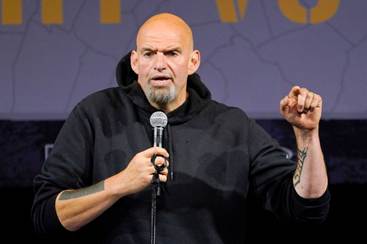
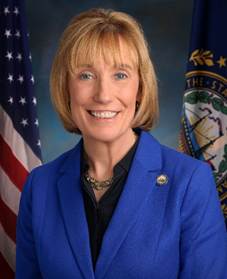
The 8 Democratic Senators that Defected and caused Millions to lose Healthcare:
The Context
In November 2025, eight Democratic-aligned senators joined Republicans to end a 40-day government shutdown. Their decision reopened government services, restored pay for federal workers, and ensured SNAP food assistance continued, but it came at the cost of losing guaranteed leverage on Affordable Care Act (ACA) subsidies.
Context of the Vote
The Senate voted 60–40 to advance a short-term funding bill that reopened the government through January 30, 2026.
The compromise included full funding for SNAP food assistance, reversal of federal worker layoffs, and back pay for affected employees.
However, it did not guarantee an extension of Affordable Care Act (ACA) subsidies, which had been a major demand of Democratic leadership.
Who They Were
Senator
State
Justification
Political Reaction
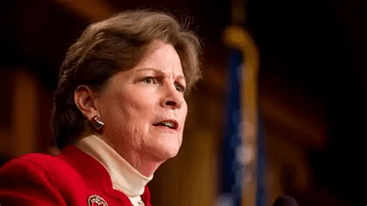
Jeanne Shaheen
NH
Urgency of reopening services; pragmatic choice
Progressives criticized; Republicans praised
Maggie Hassan
NH
Economic disruption in NH; compromise to protect jobs
Moderate pragmatism; progressive backlash
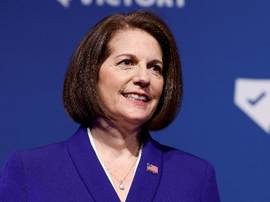
Catherine Cortez Masto
NV
Protecting SNAP recipients and families
Local praise; national criticism
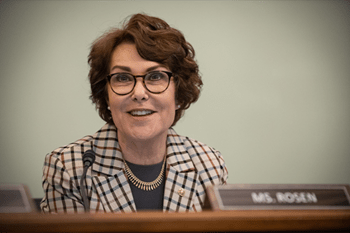
Jacky Rosen
NV
Families shouldn’t be collateral damage
Moderate approval; progressive disappointment
Dick Durbin
IL
Imperfect deal but reopening was priority
Seen as statesmanlike exit
John Fetterman
PA
“Stop playing games with paychecks”
Worker focus respected, but seen as cave-in
Tim Kaine
VA
Shutdown devastating for federal workforce
Constituents relieved; progressives frustrated
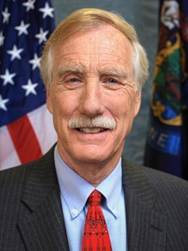
Angus King (I)
ME
Shutdown “senseless”; pragmatism over leverage
Consistent with independent brand
Senator
Status 2026
Outlook
Shaheen
Retiring
Legacy-driven pragmatism
Hassan
Vulnerable
Purple-state risk
Cortez Masto
Safe until 2028
No immediate risk
Rosen
Vulnerable
Nevada swing state
Durbin
Retiring
Statesmanlike exit
Fetterman
Safe until 2028
Worker-first shield
Kaine
Vulnerable
Federal workforce priority
King
Vulnerable
Independent pragmatism
Here’s a breakdown of the eight senators:
Jeanne Shaheen (D-NH) – Retiring; helped lead negotiations.
Maggie Hassan (D-NH) – Former governor, moderate voice.
Jacky Rosen (D-NV) – Moderate Democrat, joined compromise.
Dick Durbin (D-IL) – Senate Democratic Whip, announced retirement in 2026.
John Fetterman (D-PA) – Vocal about ending shutdown harm to workers.
Tim Kaine (D-VA) – Stressed SNAP funding and guaranteed vote on ACA subsidies.
Angus King (I-ME) – Independent caucusing with Democrats, pragmatic stance.
Why They Did It
Motivation: To stop the harm caused by the shutdown, unpaid federal workers, SNAP recipients at risk, and disruptions to air travel and public services.
Concession: They accepted only a promise of a future vote on ACA subsidies, not a guaranteed extension.
Political Positioning: Most of these senators are moderates, former governors, or retiring, meaning they faced less electoral pressure in 2026.
Reaction
Democratic Leadership: Criticized the move as a betrayal of leverage on health care subsidies.
Progressives: Figures like Sen. Bernie Sanders and Rep. Ro Khanna condemned the vote as “pathetic” and called for stronger resistance.
Republicans: Praised the defectors for “putting principle over politics”.
Jeanne Shaheen (NH) – Emphasized the urgency of reopening government services for families and federal workers in New Hampshire. She framed it as a pragmatic choice to stop harm immediately.
Maggie Hassan (NH) – Pointed to the economic disruption in her state, especially for airports and federal contractors. She argued that compromise was necessary to protect jobs.
Catherine Cortez Masto (NV) – Highlighted the impact on working families and SNAP recipients in Nevada. She said ending the shutdown was about “keeping food on the table.”
Jacky Rosen (NV) – Echoed Masto’s concerns, stressing that families shouldn’t be collateral damage in partisan fights.
Dick Durbin (IL) – As Democratic Whip, he acknowledged the deal was imperfect but insisted that reopening government was the priority. He noted his retirement gave him freedom to act pragmatically.
John Fetterman (PA) – Spoke bluntly about the harm to federal workers and the need to “stop playing games with people’s paychecks.” He wanted to end the pain quickly.
Tim Kaine (VA) – Representing a state with a huge federal workforce, he argued that the shutdown was devastating for Virginians. He accepted the promise of a future ACA subsidy vote as a workable compromise.
Angus King (ME, Independent) – True to his independent streak, he said the shutdown was “senseless” and that ending it was more important than partisan leverage.
Common Themes
Immediate harm prevention: All eight cited the damage to federal workers, SNAP recipients, and public services.
Pragmatism over leverage: They accepted a weaker deal (no guaranteed ACA subsidy extension) in exchange for reopening government.
Moderate/independent positioning: Most are moderates, former governors, or retiring less bound by progressive pressure.
Political Fallout
Progressives blasted them for giving up leverage, calling it a “pathetic cave-in.”
Republicans praised them for “putting country over party.”
Leadership tension: Their votes exposed a rift between pragmatists and progressives
Senator
State
Justification for Vote
Political Reaction
Jeanne Shaheen
NH
Urgency of reopening services for families and federal workers; pragmatic choice
Progressives criticized as surrender; Republicans praised pragmatism
Maggie Hassan
NH
Economic disruption in NH (airports, contractors); compromise needed to protect jobs
Seen as moderate pragmatism; backlash from progressive activists
Catherine Cortez Masto
NV
Protecting SNAP recipients and working families; “keeping food on the table”
Praised locally for family focus; criticized nationally for weakening leverage
Jacky Rosen
NV
Families shouldn’t be collateral damage in partisan fights
Similar to Masto; moderate approval, progressive disappointment
Dick Durbin
IL
Imperfect deal but reopening government was priority; retirement gave freedom
Leadership tension noted; Republicans welcomed his pragmatism
John Fetterman
PA
Federal workers’ paychecks at risk; blunt call to “stop playing games”
Progressives split (some respected his worker focus, others saw cave-in)
Tim Kaine
VA
Shutdown devastating for federal workforce in VA; accepted promise of ACA vote
Shutdown “senseless”; ending it more important than partisan leverage
Consistent with independent streak; Republicans praised, progressives frustrated
Key Takeaways
Shared Theme: All eight emphasized immediate harm prevention (workers, SNAP, public services).
Political Positioning: Moderates, independents, or retiring senators less bound by progressive pressure.
Fallout: Progressives condemned the move as weakening leverage; Republicans praised it as bipartisan pragmatism.
Here’s a 2026 electoral outlook table for the eight senators who broke ranks, showing whether they’re retiring, safe, or vulnerable in reelection:
Senator
State
Status for 2026
Electoral Outlook
Jeanne Shaheen
NH
Retiring
No reelection pressure; vote seen as legacy-driven pragmatism
Maggie Hassan
NH
Up for reelection
NH is purple; could face GOP challenge, but incumbency helps. Vulnerable if progressives stay cold
Catherine Cortez Masto
NV
Not up until 2028
Safe for now; Nevada is swingy, but no immediate electoral risk
Jacky Rosen
NV
Up for reelection
Vulnerable; Nevada is competitive. Her pragmatism may appeal to moderates but risks progressive backlash
Dick Durbin
IL
Retiring in 2026
No reelection pressure; vote framed as statesmanlike exit
John Fetterman
PA
Not up until 2028
Safe for now; Pennsylvania is swingy, but his blunt worker-first justification shields him
Tim Kaine
VA
Up for reelection
Virginia leans blue but has large federal workforce; his vote may resonate locally. Moderate vulnerability
Angus King (I)
ME
Up for reelection
Independent brand helps; Maine voters value pragmatism. Moderate but not high vulnerability
Key Insights
Retiring Senators (Shaheen, Durbin): Free to vote pragmatically without electoral consequences.
Safe Senators (Cortez Masto, Fetterman): Not facing voters until 2028, so little immediate risk.
Vulnerable Senators (Hassan, Rosen, Kaine, King): Facing reelection in 2026. Their votes could be framed as bipartisan pragmatism or as betrayal, depending on the narrative in their states.
Political Calculus
Moderates in swing states (Hassan, Rosen, Kaine, King) likely judged that ending the shutdown would resonate with independents and moderates, even if progressives were upset.
Retirees (Shaheen, Durbin) acted with legacy in mind, prioritizing governance over party leverage.
Safe-term senators (Cortez Masto, Fetterman) could afford to take the hit, betting that the immediate worker relief would outweigh progressive anger by 2028.
This shows how electoral timing shaped their willingness to break ranks. Those not facing voters soon or retiring had more freedom, while those up in 2026 took calculated risks.
political identities alongside electoral timing so you can see how ideology + reelection pressure shaped their decisions:
Senator
State
Ideological Identity
2026 Status
How Identity + Timing Shaped Vote
Jeanne Shaheen
NH
Moderate Democrat, pragmatic dealmaker
Retiring
Free to act pragmatically without electoral risk; legacy-driven choice
Maggie Hassan
NH
Centrist, former governor, consensus-builder
Up for reelection
Purple-state vulnerability pushed her toward bipartisan pragmatism to appeal to independents
Catherine Cortez Masto
NV
Moderate liberal, strong on family/economic issues
Safe until 2028
Could afford to prioritize immediate harm prevention without fear of electoral backlash
Jacky Rosen
NV
Centrist, business-friendly Democrat
Up for reelection
Nevada swing state forced her to balance progressive anger with moderate appeal
Dick Durbin
IL
Establishment Democrat, leadership figure
Retiring
Legacy vote; framed as statesmanlike pragmatism, no reelection pressure
His worker-centered justification shielded him from progressive anger despite breaking ranks
Tim Kaine
VA
Moderate Democrat, pragmatic, federal workforce advocate
Up for reelection
Virginia’s large federal workforce made ending shutdown a local priority; moderate positioning helped
Angus King (I)
ME
Independent centrist, pragmatic problem-solver
Up for reelection
Maine voters value independence; his brand made bipartisan pragmatism consistent with identity
Patterns
Moderates & centrists (Hassan, Rosen, Kaine, King): Their votes aligned with their brand of pragmatism, but electoral timing made them more vulnerable to progressive backlash.
Retirees (Shaheen, Durbin): Legacy-driven, free to act without electoral consequences.
Safe-term senators (Cortez Masto, Fetterman): Could afford to take the hit, betting that worker/family justification would resonate long-term.
Big Picture
This wasn’t just about ending the shutdown, it was a collision of ideology and timing:
Moderates leaned into pragmatism to appeal to swing voters.
Progressives saw it as surrender.
Retirees and safe-term senators had freedom to prioritize governance over leverage.
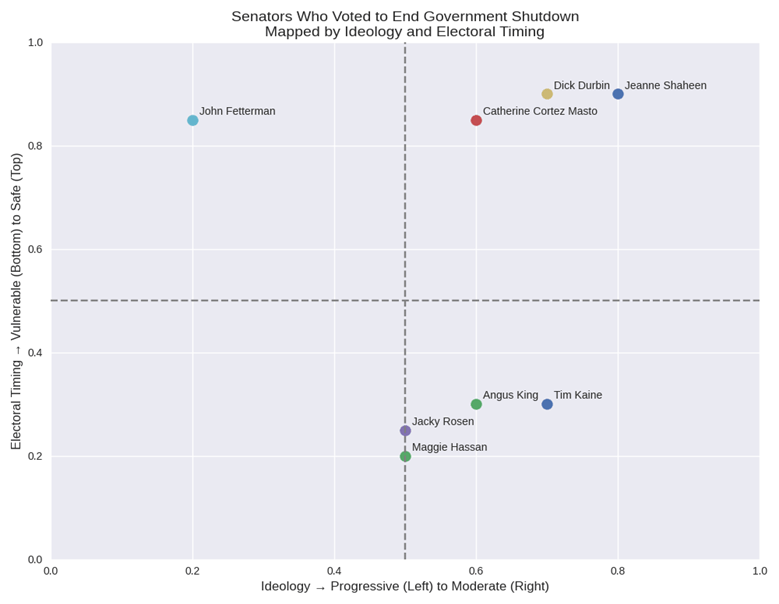
quadrant chart maps the eight senators by ideology (Progressive ↔ Moderate) and electoral timing (Safe ↔ Vulnerable).
How to Read the Chart
Horizontal Axis (Ideology): Progressive voices are on the left, moderates on the right.
Vertical Axis (Electoral Timing): Senators safe from reelection pressure are toward the top, while those vulnerable in 2026 are toward the bottom.
Key Observations
Safe Progressives: John Fetterman sits in the upper-left quadrant — progressive style, but safe until 2028.
Safe Moderates: Shaheen and Durbin (both retiring) plus Cortez Masto (safe until 2028) cluster in the upper-right quadrant. They had freedom to act pragmatically.
Vulnerable Moderates: Hassan, Rosen, Kaine, and King fall into the lower-right quadrant. Their centrist identities plus reelection pressure pushed them toward compromise, but they risk progressive backlash.
Big Picture
This visualization shows the collision of ideology and timing:
Retirees and safe-term senators had freedom to prioritize governance.
Vulnerable moderates leaned into pragmatism to appeal to swing voters, even at the cost of party unity.
Progressives safe from reelection could afford to take risks without immediate electoral consequences.
quadrant chart visualization it maps the eight senators by Ideology (Progressive ↔ Moderate) and Electoral Timing (Safe ↔ Vulnerable).
Quadrant Chart: Senators by Ideology & Timing
Quadrant
Senators
Why They’re Here
Safe + Progressive
John Fetterman (PA)
Populist-progressive style, safe until 2028. His worker-first justification shields him from backlash.
Safe + Moderate
Jeanne Shaheen (NH), Dick Durbin (IL), Catherine Cortez Masto (NV)
Retirees (Shaheen, Durbin) free to act pragmatically; Cortez Masto safe until 2028, moderate liberal.
Vulnerable + Moderate
Maggie Hassan (NH), Jacky Rosen (NV), Tim Kaine (VA), Angus King (ME, I)
Facing reelection in 2026. Centrist identities pushed them toward compromise, but risked progressive backlash.
Vulnerable + Progressive
(None)
No progressive senators broke ranks; only moderates and independents did.
Insights
Retirees & Safe-term senators had freedom to prioritize governance over leverage.
Vulnerable moderates leaned into pragmatism to appeal to swing voters, even at the cost of party unity.
Progressives safe from reelection (Fetterman) could afford to take risks without immediate electoral consequences.
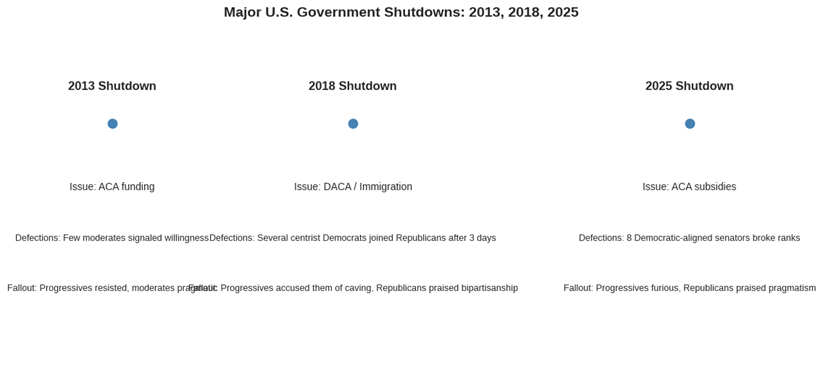
historical comparison: moderates breaking ranks in shutdown votes has been a recurring theme, in 2013, 2018, and now 2025.
Historical Parallels
2013 Shutdown (Affordable Care Act fight)
Context: Republicans demanded defunding of the ACA; Democrats resisted.
Defections: A handful of moderate Democrats signaled willingness to negotiate, though most stayed unified.
Pattern: Even then, moderates in purple states emphasized ending harm to workers and families over holding firm on leverage.
2018 Shutdown (Immigration/DACA fight)
Context: The shutdown centered on immigration and DACA protections.
Defections: Several centrist Democrats joined Republicans to reopen government after just three days.
Justification: They argued that prolonged shutdowns hurt federal workers and services, and promised to fight immigration battles separately.
Reaction: Progressives accused them of “caving” and weakening bargaining power.
2025 Shutdown (ACA subsidies fight)
Context: Democrats demanded extension of ACA subsidies; Republicans resisted.
Defections: Eight Democratic-aligned senators (Shaheen, Hassan, Cortez Masto, Rosen, Durbin, Fetterman, Kaine, King) broke ranks to end the 40-day shutdown.
Justification: Immediate harm prevention (SNAP, federal workers, air travel).
Reaction: Progressives furious, Republicans praised them as pragmatic.
Big Picture
Across 2013, 2018, and 2025, the same pattern repeats:
Moderates in swing states or retiring senators are most likely to defect.
Justification is always pragmatic: ending harm to workers, families, and services.
Progressive backlash is consistent: defectors are accused of weakening leverage.
Republican praise is consistent: defectors are hailed as bipartisan problem-solvers.
Progressives furious at loss of leverage; Republicans praised pragmatism
Patterns Across Eras
Moderates under pressure consistently defect to end shutdowns.
Justification repeats: ending harm to workers, families, and services.
Fallout is consistent: progressives condemn, Republicans praise.
Retirees or safe-term senators have freedom to act pragmatically.
Forward-Looking Projection
Based on these parallels, Democratic leadership may:
Tighten discipline in future shutdowns, trying to prevent defections by offering stronger internal incentives.
Accept defections as inevitable, focusing instead on shaping the narrative so moderates are seen as protecting families rather than weakening leverage.
Strategically plan messaging so progressives maintain pressure while moderates provide cover for ending shutdown harm.
Strategic Playbook for Shutdown Politics (For Democrats)
1. Pre‑Shutdown Discipline
Unified Messaging: Leadership should set clear red lines early (e.g., ACA subsidies, DACA, SNAP) so moderates know the stakes.
Whip Team Engagement: Assign senior figures (like the Whip or retiring senators) to privately reassure moderates that their concerns will be addressed.
Constituent Framing: Provide moderates with talking points that emphasize protecting families and workers while still holding firm on leverage.
2. During the Shutdown
Dual Track Strategy:
Progressives: Apply maximum pressure, frame the fight as moral and urgent.
Moderates: Emphasize harm prevention, but stay aligned with leadership until a compromise is truly necessary.
Visible Unity: Publicly, Democrats should appear unified. Internal debates should be kept behind closed doors to avoid signaling weakness.
Targeted Relief Messaging: Highlight the real-world impact (workers unpaid, SNAP disruption, air travel chaos) to build public support for ending the shutdown on Democratic terms.
3. Managing Defections
Controlled Breaks: If moderates defect, leadership should frame it as part of a broader strategy rather than betrayal.
Narrative Control: Position defectors as “protecting families” rather than “weakening leverage.”
Progressive Counterbalance: Progressives should continue pushing for long-term gains, ensuring the party base sees resistance even if moderates compromise.
4. Post‑Shutdown Strategy
Leverage Wins: Even if concessions are lost, highlight what was gained (worker pay restored, SNAP funded).
Promise Future Fights: Assure progressives that unresolved issues (like ACA subsidies) will be revisited in standalone legislation.
Electoral Shielding: Provide vulnerable moderates with campaign support to protect them from GOP attacks and progressive primary challenges.
Big Picture
This playbook balances progressive leverage (to keep pressure on Republicans) with moderate pragmatism (to end harm quickly). The key is framing defections as family-first pragmatism while ensuring progressives maintain momentum for long-term goals.
Your Turn
So what do you think?
Were these senators protecting families or weakening leverage?
Should Democrats tighten discipline next time, or accept defections as inevitable?
How should progressives and moderates balance each other in future fights?
Drop your thoughts in the comments. Let’s make this a conversation.
By Charles Zackary King Founder/CEO of America in Black and White and AMIBW The Magazine
Introduction
As the clock ticks toward midnight on September 30, 2025, the threat of a government shutdown looms large. And while politicians posture, negotiate, and blame each other, everyday Americans brace for impact. This isn’t just about budgets, it’s about broken trust.
Let’s be clear: a shutdown is not a technical glitch. It’s a choice. And it’s the people, not the power brokers who pay the price.
What’s Really at Stake
Federal workers face mass layoffs. Over 100,000 jobs could be lost, marking one of the largest federal workforce cuts in history.
Essential services will be stretched thin. Law enforcement, air traffic control, and immigration enforcement may continue, but without pay.
Healthcare hangs in the balance. Democrats are demanding restoration of $1 trillion in Medicaid cuts and extension of Obamacare subsidies for 3.8 million Americans.
Political theater replaces real leadership. Fake videos, partisan tantrums, and stalled negotiations dominate headlines while families worry about food, housing, and safety.
Opinion: This Is Not Governance, It’s Neglect
A government shutdown is not just a failure of policy, it’s a failure of moral responsibility. When elected officials treat funding negotiations like a game of chicken, they forget who’s in the car: teachers, veterans, single parents, federal workers, and vulnerable communities.
This is not about party lines. It’s about lifelines.
And when leadership becomes performance, the people become collateral.
A Message to the People
We must stop accepting dysfunction as normal. We must demand more than soundbites and blame games. We must hold every elected official accountable, not just for what they say, but for what they do when the cameras are off and the deadlines are real.
Because if the government shuts down, it’s not because we failed. It’s because they did. True this is a dire situation but if we want to preserve our constitution it might be the best thing to shut down the government. Think about this, monies and budgets that have been passed have been abused in a way we have never seen before. The people in charge have proven they cannot govern, and the people are not important. Our government is for sale, and the occupier is working with the top 1% for them to be richer and they cause chaos and disorder at the bottom. What this means is the Occupier of the White House is sewing seeds to underserved/uneducated White People that Black People are stealing resources from them. We are in a climate where resources are scarce for all but creating a race war for those at the bottom makes this a problem for all of us. Point and case, we are all making do with what we have and some of us have found a way to escalate our resources that are putting us in good positions to do much better. Well, with the seeds being sown to cause racial tension makes it bad for us all. The people at the top are continuing to skim and steal from all of us but they have caused us all to think that it is one or the other. We have differences which is normal, but this violence is at a whole new level. This is do to the politicians that refuse to do their jobs. People of both parties are in the pocket of Million Dollar Donors and are controlled by that money. This puts the real light on the Democratic Party to show what they can do to preserve strength. There is no easy way to do this but they have to Shut the Government down. This is the only way to stop the abuse by the people in charge. They have no control of their President who is doing as he pleases. If they negotiate they are going to agree to cut more from the people that need all they can get and allow this man to continue stealing from this country. If they shut this down it means nothing can be done, “NOTHING AT ALL”. Now to be clear we all know that Democrats have Big Donors as well but will they be controlled by them? Must the get permission to save the government. For a lot of us this is not a good thing but is it worth this to keep the democracy in tact? Agreements do not help the common everyday person, just keep that in mind.
Call to Action
Contact your representatives. Demand transparency and urgency.
Support federal workers. Share resources, offer solidarity, and amplify their voices.
Stay informed. Don’t let political spin distract from real consequences.
Vote with clarity. Remember who showed up, and who didn’t.
For decades, Black people have been the backbone of the Democratic Party showing up, voting in record numbers, organizing on the ground, and carrying the weight of civic responsibility while being promised change that never comes. And yet, when the dust settles and the power shifts, we’re left with empty speeches, symbolic gestures, and policies that barely scratch the surface of our real needs.
Let’s be clear: the Democratic Party has a leadership problem. Not just in strategy but in courage, conviction, and connection to the people who built their platform.
The Black Vote: Taken for Granted, Ignored in Practice
Every election cycle, the party rolls out gospel playlists, kente cloth photo ops, and vague promises of “equity.” But when it’s time to legislate, Black communities are sidelined. We don’t see sweeping criminal justice reform. We don’t see reparations. We don’t see economic investment in our neighborhoods. What we see is performative allyship and political cowardice.
This isn’t just neglect it’s betrayal. And it makes the Democratic Party look complicit with the very forces they claim to oppose.
Complicity with the Republican Agenda
While Republicans openly attack voting rights, education, and bodily autonomy, Democrats respond with press releases and hashtags. They lead from behind, always reacting, never initiating. They blame obstruction, but refuse to use the power they have when they have it.
When Democrats hold the House, Senate, and White House, they still hesitate. They compromise with extremists. They water down justice. And in doing so, they enable the erosion of democracy.
Silence in the face of injustice is complicity. And the Democratic Party’s silence—especially when it comes to Black lives, is deafening.
Real Leadership Builds, Not Begs
Real leadership doesn’t wait for permission. It doesn’t poll test morality. It listens to the people, acts with urgency, and stands firm in truth.
Leadership means:
Passing bold legislation that protects voting rights, ends police brutality, and invests in Black futures
Centering the voices of the marginalized, not just during election season but every day
Calling out racism and economic injustice, even when it’s politically inconvenient
Building coalitions, not just fundraising machines
The people are tired of leaders who whimper in the face of opposition. We need warriors, not weather vanes.
The Struggle Between Races and the Have-Nots
The Democratic Party’s failure to address racial and economic inequality head-on has deepened the divide. They speak of unity but ignore the systemic wounds that keep Black and poor communities locked out of opportunity.
By refusing to challenge capitalism, white supremacy, and mass incarceration, they perpetuate the very systems they claim to fight. Their inaction is not neutral it’s harmful.
What the People Want: A New Balance
We want more than representation—we want transformation.
Economic justice: Invest in Black-owned businesses, cancel student debt, and create pathways to generational wealth
Political accountability: Stop using our votes as leverage and start delivering real results
Community power: Fund grassroots movements, not just corporate campaigns
Truth-telling: Acknowledge the harm, repair the damage, and build policies that reflect lived experience
We are not asking for favors. We are demanding what we’ve earned.
Final Word
Black people have held this party up for too long, only to be spit on, sidelined, and silenced. The time for loyalty without reciprocity is over. If the Democratic Party wants to survive, it must evolve. It must lead. It must listen.
Because we are no longer waiting. We are building. We are rising. And we are ready to shift the balance—by any means necessary.
This week, the U.S. Treasury confirmed what many economists feared: the national debt has officially crossed the $37 trillion mark. That’s not just a number—it’s a flashing red light on America’s fiscal dashboard. And it’s happening years ahead of schedule, thanks to pandemic-era borrowing and a new wave of government spending.
But here’s the twist: this milestone arrives just weeks after the passage of the so-called “Big Beautiful Bill,” a budget law championed by President Trump that promises tax relief for overtime workers. On the surface, it sounds like a win for hardworking Americans. Dig deeper, though, and you’ll find a policy that’s more cosmetic than corrective.
Debt Is Rising—Fast
The Congressional Budget Office had projected we wouldn’t hit $37 trillion until after 2030. But between COVID-19 stimulus packages, economic recovery efforts, and now a $4.1 trillion tax-and-spending law signed earlier this year, we’ve accelerated into dangerous territory.
Michael Peterson of the Peter G. Peterson Foundation warns that we’re now adding a trillion dollars to the debt every five months—twice the rate of the last 25 years.
The Big Beautiful Bill: A Mirage of Relief
The “Big Beautiful Bill” was marketed as a game-changer: no federal income tax on overtime pay. Retroactive to January 2025, it promised workers a bigger slice of their paycheck. But the reality is far more limited:
Only the “half” portion of “time-and-a-half” pay is tax-free.
State and local taxes still apply.
Social Security and Medicare taxes are untouched.
There’s a cap: $12,500 per person annually.
High earners are excluded entirely.
In short, it’s a partial tax break wrapped in political branding. And while it may offer modest relief to some, it does little to address the structural issues driving our debt skyward.
What’s Really at Stake?
Unchecked debt has real consequences:
Higher interest rates on mortgages, car loans, and credit cards.
Lower wages as businesses scale back investment.
Reduced public services as interest payments crowd out funding for education, infrastructure, and healthcare.
Wendy Edelberg of Brookings warns that the new law means “we’re going to borrow a lot over the course of 2026, we’re going to borrow a lot over the course of 2027, and it’s just going to keep going”.
A Call for Real Reform
Maya MacGuineas of the Committee for a Responsible Federal Budget put it bluntly: “Hopefully this milestone is enough to wake up policymakers to the reality that we need to do something, and we need to do it quickly”.
Call to Action: From Debt to Dignity
This isn’t just about numbers—it’s about values. It’s about whether our government prioritizes short-term optics or long-term equity. If we want a future where economic justice is more than a slogan, we must demand:
Transparent fiscal policy that serves people, not politics.
Equitable tax reform that uplifts working families.
Community-centered budgeting that invests in education, housing, and health—not just interest payments.
Let’s raise our voices. Let’s organize. Let’s hold leaders accountable—not just for what they spend, but for who they serve.
Join the movement. Share this post. Start the conversation. And let’s build a future where our national budget reflects our national values.
On July 4, 2025, while fireworks lit the sky, the United States quietly enacted one of the most sweeping cuts to its social safety net in decades. Dubbed the “One Big Beautiful Bill,” this legislation has a name that evokes hope — but its true impact could be catastrophic for millions of Americans. Seniors, working-class families, and impoverished communities now face an uncertain future as Medicaid, Medicare, and SNAP undergo deep structural reductions.
As headlines celebrate “economic discipline” and “government efficiency,” communities on the margins brace for what may become a humanitarian crisis. This blog post explores what’s at stake, who is most vulnerable, and what steps we must take to protect our neighbors and our nation.
What’s Being Cut — and Who Pays the Price
Medicaid
Cuts totaling $930 billion over the next decade
Imposed work requirements of 80 hours/month for adults aged 19–64
Heightened eligibility reviews and reduced state flexibility
Strained provider budgets, risking access to care
Medicare
$533 billion slashed due to automatic PAYGO reductions
Shrinking provider reimbursements and higher out-of-pocket costs
Seniors may struggle to maintain critical care and medication regimens
SNAP (Supplemental Nutrition Assistance Program)
Reductions of $295 billion
New work rules apply to recipients up to age 64
States now must partially fund SNAP, risking coverage gaps
School meal programs also face uncertainty
Real-Life Consequences: Health, Hunger, and Homelessness
For seniors living on fixed incomes, these cuts aren’t just policy shifts — they’re life-altering.
Over 17 million older adults rely on Medicaid
Nearly 11 million use SNAP to combat food insecurity
Thousands of veterans, disabled individuals, and rural residents depend on these programs for survival
With fewer protections:
Mental health and substance abuse services will disappear
Food banks will become overwhelmed
Families will face impossible choices — rent or medicine, dinner or doctor’s appointments
A spike in homelessness and medical emergencies is likely
How You Can Prepare
While lawmakers battle in Washington, communities must mobilize on the ground:
For Individuals
Organize your documents: Health records, work hours, income proofs — they’ll be critical for eligibility reviews
Tap into local aid: Visit food banks, free clinics, and legal aid organizations
Explore ACA alternatives: The Health Insurance Marketplace may still offer options
For Communities
Churches and nonprofits: Provide meals, shelter, and spiritual care
Local clinics: Prepare to see increased demand — support their expansion efforts
Advocacy networks: Share resources and unite across racial, generational, and economic divides
How We Can Prevent This Disaster
It’s not too late — but it demands collective action.
Policy Remedies
Congress can repeal or delay the bill’s harshest provisions
State governors may apply for waivers to protect their residents
Litigation by civil rights and health advocacy groups may challenge legality
Civic Activism
Call and write your representatives. Let them know you’re watching.
Support organizations defending seniors, children, and marginalized groups
Mobilize voters ahead of the 2026 midterm elections
Final Thoughts: Will We Stand Up for One Another?
What’s beautiful about America isn’t austerity — it’s compassion, community, and care. The “Big Beautiful Bill” may claim to balance budgets, but it does so on the backs of those least able to bear it. This blog isn’t just a warning — it’s a rallying cry.
History will ask: when the most vulnerable were under attack, did we speak out? Did we organize? Did we rise?
The Big Beautiful Bill is poised to wreak havoc on the American economy — not in subtle ways, but through deep, direct harm that will ripple through generations. From cuts to essential social programs to permanent tax handouts for the ultra-rich, this bill isn’t just bad policy. It’s a betrayal of the very people who make America work.
Seniors and Struggling Families on the Chopping Block
Let’s be clear: slashing Medicare, Medicaid, and SNAP will devastate seniors, retirees, low-income families, and the working poor. These programs are often lifelines — not luxuries.
Without Medicare and Medicaid, many seniors and low-income individuals will be left untreated, unfed, and unseen.
Without SNAP, families will go hungry, children will suffer, and local economies will crumble.
Retirement communities will face collapse as residents can no longer afford housing, healthcare, or basic needs.
America was built on the promise of caring for its people. This bill burns that promise to the ground.
Unraveling the Fabric of Society
Social programs form the social safety net — a system designed to prevent mass poverty and homelessness. Cutting them unleashes a domino effect:
Homelessness surges.
Families fall into survival mode.
Local economies suffer as spending power disappears.
This is not a hypothetical future. The fear is real, and the inevitable collapse is knocking on the door.
Economic Breakdown: Micro and Macro Impacts
To understand the gravity of this bill, we must look at how economies function:
Microeconomics: The Individual Fallout
Microeconomics examines the decisions and well-being of individuals, families, and small businesses.
Cutting support means reduced consumer spending, fewer economic choices, and mounting financial stress.
Local shops, health clinics, and services will feel the squeeze as their customers disappear.
Macroeconomics: National Consequences
Macroeconomics evaluates the economy as a whole — GDP, unemployment, inflation.
Slashing aid while handing tax breaks to the rich shrinks national demand, risking recession.
GDP falls, inequality rises, and the country’s economic health deteriorates.
The Policy That Fuels the Fire
Let’s break down the mechanisms driving this bill’s destructive force:
Fiscal Policy: Taxation and Spending
Fiscal policy should drive growth through strategic spending and fair taxation.
This bill entrenches a regressive system, privileging the elite while pushing the working class deeper into survival mode.
Instead of stimulating economic resilience, it funnels wealth upward, leaving the rest to crumble.
Monetary Policy: Too Little, Too Late
Monetary policy affects interest rates and money supply — but it can’t fix poor fiscal choices.
Even if the Federal Reserve lowers rates, it won’t restore SNAP or ensure Grandma can afford her insulin.
In short: the Fed can’t repair a shredded safety net.
⚠️ A Warning to America
Many who voted for Donald Trump are facing the stark reality of broken promises. He told us what he intended to do — and now it’s happening. Whether you feel blindsided or not, the truth is here.
This bill also:
Makes tax cuts for the top 1% permanent, pushing the burden to the middle class and poor.
Downgrades America’s credit rating by worsening debt and killing revenue.
Weakens small businesses despite enshrining their tax structure — temporary relief, permanent pain.
Undermines manufacturing through misguided tariffs, slowing production and raising costs.
Time to Rise
We must organize, advocate, and demand accountability. The everyday man and woman — the teachers, caregivers, cashiers, veterans, and dreamers — must come together to fix what’s being broken in plain sight.










 Changing Trends and Times