Tap Into These 10 Black Tech Titans: Innovation, Legacy & Lessons for the Future

The U.S. tech industry has a diversity problem. Despite being the engine of global innovation, it remains staggeringly homogeneous. Black professionals make up just 7–9% of the workforce, and less than 5% of leadership roles at giants like Google, Microsoft, and Meta. But beyond the boardrooms and algorithms, a powerful movement is reshaping the narrative—Black tech entrepreneurs who are building billion-dollar companies, transforming industries, and mentoring the next generation.

These ten trailblazers didn’t wait for permission. They built platforms, raised capital, and created space for others. If you’re serious about learning from the best, these are the minds to follow, study, and connect with.

Robert F. Smith — Vista Equity Partners

  • Title: Founder, Chairman & CEO
  • Company: Vista Equity Partners
  • Contact: rsmith@vistaequitypartners.com | admin@robertfredericksmith.com
  • Why Learn From Him: Smith has overseen over 600 transactions totaling $330B. His investment philosophy centers on operational excellence and long-term value creation. He’s also a philanthropic force, eliminating student debt for Morehouse grads and launching the Student Freedom Initiative.
  • Legacy Lesson: Learn how to scale with precision and give back with purpose.

David Steward — World Wide Technology

  • Title: Founder & Chairman
  • Company: World Wide Technology
  • Contact: d***@wwt.com | (314) 569-7000
  • Why Learn From Him: Steward built the largest Black-owned tech company in the U.S., valued at $11.4B. His leadership blends faith, strategy, and community uplift.
  • Legacy Lesson: Steward proves that values-driven leadership can scale globally.

Tope Awotona — Calendly

  • Title: Founder & CEO
  • Company: Calendly
  • Contact: Not publicly listed; connect via LinkedIn
  • Why Learn From Him: Awotona bootstrapped Calendly into a $3B unicorn. His story is one of grit, vision, and refusing to settle for mediocrity.
  • Legacy Lesson: Simplicity and user obsession can disrupt entire industries.

Dr. Iman Abuzeid — Incredible Health

  • Title: Co-founder & CEO
  • Company: Incredible Health
  • Contact: Not publicly listed; connect via LinkedIn
  • Why Learn From Her: A Sudanese-American physician turned tech CEO, Abuzeid built a $1.65B platform that’s revolutionizing healthcare hiring.
  • Legacy Lesson: Expertise + empathy = scalable impact.

Freddie Figgers — Figgers Wireless

  • Title: Founder & CEO
  • Company: Figgers Wireless
  • Contact: f***@figgers.com | (800) 223-5435
  • Why Learn From Him: Figgers is the youngest American to hold an FCC license and the only Black-owned telecom provider. His inventions are rooted in personal care and community need.
  • Legacy Lesson: Innovation starts with solving problems close to home.

Iddris Sandu — Spatial Labs

  • Title: Founder & CEO
  • Company: Spatial Labs
  • Contact: Not publicly listed; connect via LinkedIn
  • Why Learn From Him: Sandu blends culture, fashion, and blockchain to create “phygital” experiences. Backed by Jay-Z’s Marcy Venture Partners, he’s redefining tech’s cultural interface.
  • Legacy Lesson: Tech isn’t just code, it’s culture.

Tristan Walker — Walker & Company Brands

  • Title: Founder & CEO
  • Company: Walker & Company
  • Contact: Not publicly listed; connect via LinkedIn
  • Why Learn From Him: Walker built Bevel to solve real grooming issues for Black men, then sold it to Procter & Gamble. He’s now a board member at Foot Locker and Shake Shack.
  • Legacy Lesson: Build for your community, and the world will follow.

Jessica O. Matthews — Uncharted Power

  • Title: Founder & CEO
  • Company: Uncharted Power
  • Contact: Not publicly listed; connect via LinkedIn
  • Why Learn From Her: Matthews turned a soccer ball into a power source and now builds smart infrastructure. Her Harlem-based company is redefining energy access.
  • Legacy Lesson: Play can power progress.

Chris Bennett — Wonderschool

  • Title: Founder & CEO
  • Company: Wonderschool
  • Contact: chris@wonderschool.com | +1.855.554.7843
  • Why Learn From Him: Bennett’s platform helps educators launch childcare programs, solving a national crisis while empowering entrepreneurs.
  • Legacy Lesson: Childhood education is a tech frontier.

Kimberly Bryant — Black Girls Code & Black Innovation Lab

  • Title: Founder
  • Company: Black Innovation Lab
  • Contact: Not publicly listed; connect via LinkedIn
  • Why Learn From Her: Bryant introduced over 100,000 girls to coding and now builds tech ecosystems in the South. Her upcoming book Ascending will be a must-read.
  • Legacy Lesson: Inclusion isn’t optional, it’s revolutionary.

Why These Titans Matter

These leaders aren’t just building companies, they’re building legacies. They’ve faced systemic barriers, yet created platforms that uplift communities, challenge norms, and redefine what’s possible. Whether you’re an aspiring founder, investor, educator, or storyteller, these are the minds to learn from.

  • They’ve built billion-dollar companies with limited access to capital.
  • They’ve scaled ideas rooted in personal pain and community need.
  • They’ve created ecosystems that center Black excellence and innovation.

Final Word

In a world that often overlooks Black brilliance, these tech titans are impossible to ignore. They are the architects of a new future, one where innovation is inclusive, legacy is intentional, and impact is non-negotiable.

Want to build something that lasts? Start by studying those who already have.
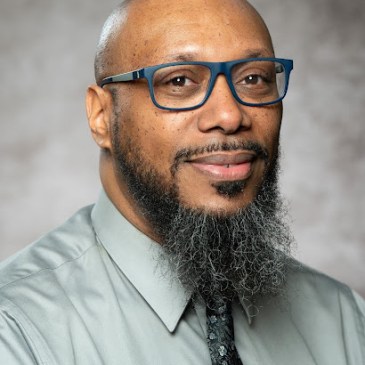
Troy Long: Champion for CTE, Equity, and Workforce Readiness

In a time when education systems are being reimagined to meet the demands of a rapidly evolving workforce, one name stands out as a beacon of innovation, equity, and empowerment: Troy Long.

From his early days as a CTE student to his current role as County Director, Troy Long has lived the journey he now helps others navigate. His story is not just one of personal success—it’s a blueprint for how Career and Technical Education can transform lives, especially in communities that have long been underserved and overlooked.

From Student to System Builder: A Life Rooted in CTE

Troy’s journey began in the very classrooms he now leads. As a CTE student, he discovered the power of hands-on learning and real-world application. That spark ignited a lifelong mission: to ensure every student—regardless of zip code—has access to education that leads to opportunity.

As a teacher, he inspired students to see beyond limitations and build practical skills for the future. As a Department Chairperson and Vice Principal, he aligned programs with workforce needs, secured cutting-edge resources, and fostered collaboration among educators. Today, as a County Director, he mentors emerging leaders, oversees regional initiatives, and drives policy that positions CTE as a pathway to equity.

Impact in Underserved Communities

Troy’s work is especially vital in marginalized communities where traditional academic pathways often fall short. His approach to CTE is not just about job readiness—it’s about dignity, access, and transformation.

  • Empowering Students of Color: Troy’s programs center cultural relevance and representation, helping students see themselves in future careers.
  • Breaking Cycles of Poverty: By connecting students to high-demand industries, Troy opens doors to generational wealth and stability.
  • Restoring Hope: In communities where education has felt like a dead end, CTE becomes the hook—engaging students who’ve been written off and giving them a reason to believe again.

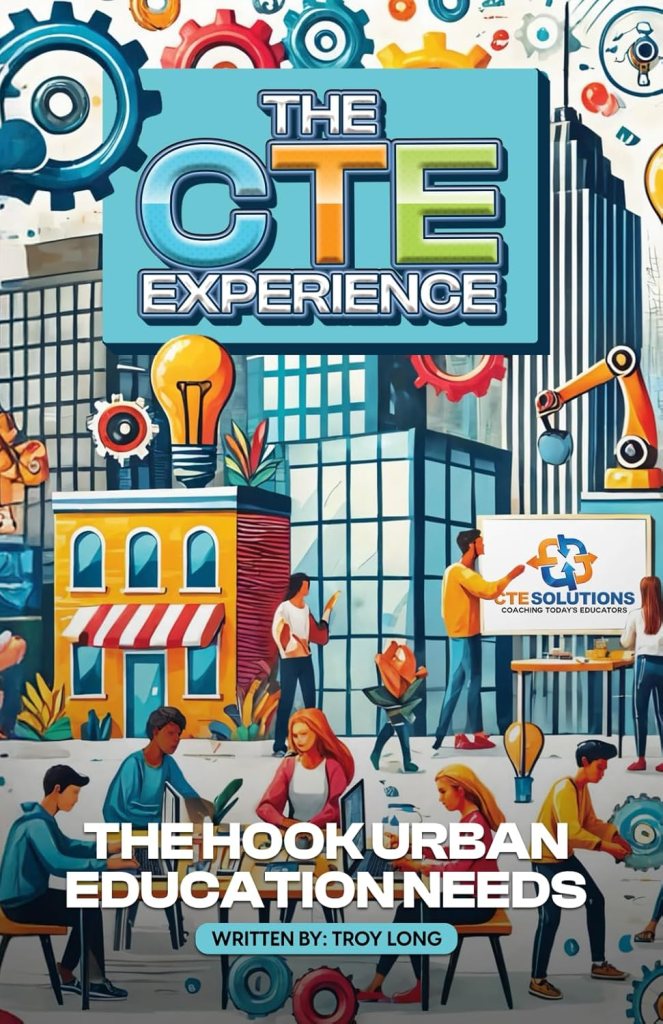
Spotlight: The CTE Experience – The Hook Urban Education Needs

Troy’s book is more than a memoir, it’s a manifesto. The CTE Experience dives deep into the systemic barriers urban students face and offers a bold, actionable framework for change. It’s a must-read for educators, policymakers, and community leaders who want to understand how CTE can be the lever that lifts entire communities.

“Urban education doesn’t need another reform, it needs relevance. CTE is the hook. It’s how we catch students before they fall through the cracks.”  Troy Long

Thought Leadership & Advocacy

Troy’s voice is resonating across the country:

  • Keynote Speaker: DC CTE 4th Annual Professional Development Conference
  • Presenter: ACTE National Conference
  • Podcast Guest: America in Black and White, MaiaLearning Inc., Global CTE Learning
  • Policy Advocate: Secured New Jersey’s Expanding Career Pathways in Artificial Intelligence grant

His message is clear: CTE isn’t just an option, it’s the future of equitable education.

Call to Action: Why Organizations Must Partner Now

Local districts, state agencies, and national nonprofits, this is your moment. Partnering with Troy Long means aligning with a proven leader who understands the classroom, the boardroom, and the community.

Here’s why you should act now:

  •  Design CTE programs that reflect real workforce needs
  •  Engage students through culturally relevant, hands-on learning
  •  Build partnerships that expand access and equity
  •  Train educators to become champions of career readiness

Whether you’re launching a new initiative or scaling an existing program, Troy brings the insight, strategy, and heart to make it succeed.

Connect with Troy Long

Troy Long is delivering the message districts need right now: CTE is not a detour, it’s the main road to equity, opportunity, and future-ready success. Let’s build that road together.

The $37 Trillion Wake-Up Call: What the Big Beautiful Bill Isn’t Telling Us


This week, the U.S. Treasury confirmed what many economists feared: the national debt has officially crossed the $37 trillion mark. That’s not just a number—it’s a flashing red light on America’s fiscal dashboard. And it’s happening years ahead of schedule, thanks to pandemic-era borrowing and a new wave of government spending.

But here’s the twist: this milestone arrives just weeks after the passage of the so-called “Big Beautiful Bill,” a budget law championed by President Trump that promises tax relief for overtime workers. On the surface, it sounds like a win for hardworking Americans. Dig deeper, though, and you’ll find a policy that’s more cosmetic than corrective.

Debt Is Rising—Fast

The Congressional Budget Office had projected we wouldn’t hit $37 trillion until after 2030. But between COVID-19 stimulus packages, economic recovery efforts, and now a $4.1 trillion tax-and-spending law signed earlier this year, we’ve accelerated into dangerous territory.

Michael Peterson of the Peter G. Peterson Foundation warns that we’re now adding a trillion dollars to the debt every five months—twice the rate of the last 25 years.

The Big Beautiful Bill: A Mirage of Relief

The “Big Beautiful Bill” was marketed as a game-changer: no federal income tax on overtime pay. Retroactive to January 2025, it promised workers a bigger slice of their paycheck. But the reality is far more limited:

  • Only the “half” portion of “time-and-a-half” pay is tax-free.
  • State and local taxes still apply.
  • Social Security and Medicare taxes are untouched.
  • There’s a cap: $12,500 per person annually.
  • High earners are excluded entirely.

In short, it’s a partial tax break wrapped in political branding. And while it may offer modest relief to some, it does little to address the structural issues driving our debt skyward.

What’s Really at Stake?

Unchecked debt has real consequences:

  • Higher interest rates on mortgages, car loans, and credit cards.
  • Lower wages as businesses scale back investment.
  • Reduced public services as interest payments crowd out funding for education, infrastructure, and healthcare.

Wendy Edelberg of Brookings warns that the new law means “we’re going to borrow a lot over the course of 2026, we’re going to borrow a lot over the course of 2027, and it’s just going to keep going”.

A Call for Real Reform

Maya MacGuineas of the Committee for a Responsible Federal Budget put it bluntly: “Hopefully this milestone is enough to wake up policymakers to the reality that we need to do something, and we need to do it quickly”.

Call to Action: From Debt to Dignity

This isn’t just about numbers—it’s about values. It’s about whether our government prioritizes short-term optics or long-term equity. If we want a future where economic justice is more than a slogan, we must demand:

  • Transparent fiscal policy that serves people, not politics.
  • Equitable tax reform that uplifts working families.
  • Community-centered budgeting that invests in education, housing, and health—not just interest payments.

Let’s raise our voices. Let’s organize. Let’s hold leaders accountable—not just for what they spend, but for who they serve.

Join the movement. Share this post. Start the conversation. And let’s build a future where our national budget reflects our national values.


Nick of Time: The Heart and Vision of Nate Paxton Jr.


In a world that often celebrates noise over substance, Nate Paxton Jr. stands out as a man of quiet strength and unwavering purpose. Rooted in faith, family, and a deep sense of responsibility, Nate doesn’t just show up—he shows up with intention. Whether mentoring young leaders, supporting community initiatives, or simply offering a listening ear, he brings compassion and clarity to every space he enters.

Nate is known not just for what he does, but for how he makes people feel—heard, valued, and inspired. His leadership is grounded in resilience and a commitment to growth, always striving to be better for himself, his loved ones, and the legacy he’s building. At his core, he’s a connector—someone who sees the potential in others and helps them rise.

That spirit of connection and purpose is the foundation of his nonprofit, Nick of Time.


The Mission Behind Nick of Time

Nick of Time was born out of a simple but powerful truth: too many student athletes in under-resourced communities are overlooked—not just in sports, but in life. Nate saw the gap and decided to build a bridge.

The organization’s mission is clear:

To mentor, guide, and advance the academic and athletic careers of underprivileged young student athletes. Through personalized mentorship programs, comprehensive educational support, and first-class marketing systems, Nick of Time creates scholarship opportunities and prepares youth for life beyond the game.

This isn’t just about getting recruited. It’s about being equipped—for college, for careers, for adulthood.


Vision for a Greater Future

Nick of Time envisions a world where student athletes aren’t defined solely by their performance on the field or court. Instead, they’re empowered to become professionals in whatever trade or endeavor they choose once their playing career ends.

By providing tools, resources, and mentorship, the organization helps young people transition from athletic identity to professional purpose. It’s about creating leaders—educated, equipped, and ready to succeed.


Who Nick of Time Serves

  • Male and female student athletes in low-resource environments
  • Youth from 8th to 12th grade
  • College athletes seeking career guidance beyond sports

These are young people who often lack exposure, guidance, and access. Nick of Time steps in to fill that gap—with heart, strategy, and consistency.


The Problem They’re Solving

Too many student athletes in underserved communities fall through the cracks. They have talent, drive, and dreams—but not the resources to turn those dreams into reality. Nick of Time is changing that.

By compiling academic and athletic resumes, gathering film, and distributing it to hundreds of coaches and universities weekly, the organization ensures each student finds the right fit. But it doesn’t stop there.

Weekly mentorship through Zoom calls, in-person meetups, seminars, and trips keeps students grounded and growing. Live events throughout the year bring speakers, career opportunities, and internships directly to them—building not just athletes, but professionals.


What Nick of Time Offers

  • Academic and athletic resume building
  • Film distribution to coaches and universities
  • Weekly mentorship (Zoom, in-person, seminars, trips)
  • Live events with speakers and career/internship opportunities
  • Guidance for life after sports

This holistic approach ensures that every student is seen, supported, and set up for success.


Final Thoughts

Nate Paxton Jr. is building more than a nonprofit—he’s building a movement. One that says to every overlooked student athlete: You matter. Your future matters. And we’re here to help you claim it.

Nick of Time is proof that when purpose meets preparation, lives change. Communities transform. And legacies are born.

If you’re looking for a model of mentorship, leadership, and impact, look no further than Nate Paxton Jr. and the work he’s doing—right on time.

Please click on the link below and become a part of our family and growth:


http://nickoftimementor.com/

When Justice Is Blindfolded: The Case of William McNeil Jr. and Jacksonville’s Deepening Crisis

The Jacksonville Sheriff’s Office (JSO) has long been under scrutiny for its violent encounters with Black men. From documented incidents going back to 2000, a troubling pattern emerges—one that has evolved, not toward accountability, but toward escalating brutality. The recent case of William McNeil Jr. is a chilling reminder of how state-sanctioned violence against Black citizens continues with impunity.

McNeil, a biology student and member of his college marching band, was pulled over by JSO deputies for allegedly not having his daylight running lights on—a minor infraction that spiraled into terror. Footage clearly shows McNeil requesting a supervisor out of fear for his life. Instead, deputies smashed his driver-side window, punched him, forcibly opened his door, unbuckled his seatbelt, dragged him out, and savagely beat him. And despite all this, authorities declared the deputies’ actions “justified.”

Please click the link below

This is what systemic racism looks like in action. When the justice system consistently rules in favor of law enforcement—regardless of the trauma inflicted—it sends a clear message: Black pain is permissible. Black fear is ignored. Black voices are muted. And white juries, time and again, reinforce this silence through verdicts that deny humanity.

Governor Ron DeSantis’s dismissive remarks, suggesting that the viral video was merely a “narrative,” reflect an even deeper issue—one where elected officials defend brutality instead of defending the Constitution.

What does it say about a society when brutality becomes routine for one race, and due diligence is reserved for another? What does it say when cultural theft is dismissed, but cultural survival is criminalized?

This is not justice. This is normalized abuse—endorsed by silence and strengthened by indifference.

This is the Sheriff at JSO who stated in the press conference that the Deputies did their jobs properly:

Should Black People in Jacksonville be afraid for their lives? According to this man yes they should because there is no way these guys should be getting away with this. It is ok until it hits home!!!

Please click the link below

Call to Action:

We cannot afford to be spectators to injustice. It is time to mobilize. Raise your voice. Share this story. Demand independent investigations. Push for civilian review boards. Insist on diversifying juries and ending qualified immunity. Support organizations fighting for accountability and justice.

Most importantly: Organize within your community. Build networks of trust. Invest in Black-led platforms and amplify Black voices—like those of William McNeil Jr., who deserve to be heard, not brutalized.

#JusticeForWilliamMcNeil #StopJSOViolence #BlackLivesMatter #PoliceAccountability #EndQualifiedImmunity #PowerToThePeople #BlackPainIsReal #WeAreNotSafe #ProtectBlackMen #SavageSystem #AmericaInBlackAndWhite #OrganizeForJustice #MobilizeOurTribe

Financial Insight Newsletter: Retirement Planning by the Decade: A Savings Guide

Whether you’re just getting started or approaching your golden years, retirement planning isn’t one-size-fits-all—it’s a journey with milestones tailored to each season of life. Here’s how to stay financially empowered through every decade.

Your 20s: Foundation First

You’re young, full of potential, and time is your most valuable asset.

  • Enroll in your company 401(k): Even small contributions grow powerfully with compound interest.
  • Opt into auto-savings: Automation removes guesswork—pay yourself first.
  • Keep debt under control: Minimize high-interest credit card debt and student loan burdens.
  • Build an emergency fund: Aim for 3–6 months of expenses to avoid derailing your savings goals.
  • Open a Health Savings Account (HSA): Triple tax advantages make it a smart move if you’re in a high-deductible health plan.

Pro Tip: Starting early—even with just $25 a month—gives your money decades to work for you.

Your 30s & 40s: Balance & Boundaries

This phase is demanding—career, family, and financial responsibilities often compete for your attention.

  • Cut back on costly habits: Curb lifestyle inflation and reevaluate recurring expenses.
  • Avoid financial temptations: Shopping sprees and impulse upgrades can hinder long-term progress.
  • Prioritize your future self: Make your retirement contributions non-negotiable.
  • Stop raiding your savings: Dipping into retirement accounts now could mean penalties and missed growth later.
  • Revisit your budget: Adjust as your income grows and your priorities shift.

Mindset Shift: “Pay yourself like you pay your bills.”

Your 50s: The Double Down Era

Retirement is no longer abstract—it’s on the horizon. Now’s the time to go hard.

  • Make catch-up contributions: If you’re 50+, you can invest more in your 401(k) and IRA.
  • Maximize your HSA: Use it as a stealth retirement tool by covering future medical expenses.
  • Convert to a Roth IRA (strategically): Paying taxes now could shield your withdrawals later.
  • Save more in a taxable brokerage: Flexibility matters—especially for early retirement goals or unplanned costs.
  • Estimate your retirement needs: Get specific about lifestyle, healthcare, and travel dreams.
  • Consider long-term care insurance: Protect your legacy and reduce potential burdens.
  • Do regular check-ins: Monitor progress and adjust allocations as needed.

Your 60s: The Homestretch

Now it’s about protecting what you’ve built and planning the distribution strategy.

  • Continue catch-up contributions: Every dollar counts toward closing any savings gap.
  • Build a cash cushion: Prepare for unexpected expenses without tapping investment accounts.
  • Plan your income streams: Understand how retirement accounts, pensions, and investments will pay out.
  • Strategize for Social Security: Timing your claim can significantly impact lifetime benefits.
  • Apply for Medicare: At 65, enroll to avoid penalties and secure coverage.

Momentum Matters: Small decisions now impact your quality of life later.

Your 70s: You Made It

Retirement is here—but the planning doesn’t stop.

  • Start Required Minimum Distributions (RMDs): Avoid IRS penalties by taking the right amount from retirement accounts.
  • Reassess your plan annually: Adapt to changing expenses, markets, and goals.
  • Explore charitable giving: Qualified charitable distributions (QCDs) can reduce your taxable income and support causes you love.
  • Leave a legacy: Consider estate planning updates and beneficiary reviews.

Celebrate This Chapter: You’ve earned the chance to live with purpose, joy, and financial peace.

Real Stories. Real Breakthroughs. Now Seeking Guests for “America in Black and White”

At America in Black and White, we’re not chasing headlines—we’re chasing heart. If you’ve endured adversity, risen above it, and now stand in your truth as a builder, a healer, or a voice for your community, we want to hear from you.

We’re searching for individuals who are making real impact—uplifting others, contributing to community strength, and walking the road less traveled toward breakthrough. This podcast is your space to share that journey.

Here’s what we’re looking for:

  • You have a webcam-enabled computer.
  • You’re comfortable speaking live and sharing your story with purpose.
  • You’ll actively promote your episode using our promo packets and tag Charles King in all social media posts.
  • Attire: Men—collared shirts. Women—dress comfortably (just no tank tops or shorts, please).
  • You’re prepared for a thorough vetting process. We take this seriously—because your story deserves that kind of respect.

If this speaks to you or someone you know, reach out. Email:

americainblackandwhitepodcast@gmail.com or czkenterprise7@gmail.com Subject Line: Podcast Guest Include: Full Name, Address, Phone Number, and a short description of your work and community contributions.

We’re not for show—we’re for the soul.

Follow and subscribe to our podcast family:

  • @americainblackandwhite8299
  • @ChangingTrendsandTimes-zx8te
  • @CKStoriesFromTheHeart

And don’t forget to stay connected through our blog: changingtrendsandtimesblog.wordpress.com

The Forgotten Founders: Reclaiming the Legacy of the Etruscans

Long before the grandeur of Rome dazzled the world, there thrived a mysterious and affluent civilization on the Italian peninsula: the Etruscans. Flourishing between the 8th and 3rd centuries BCE, the Etruscans laid the bedrock for much of what the Roman Empire would later claim as its own. Yet history has quietly erased them—leaving only fragments of their brilliance buried beneath the empire that swallowed them.

A People of Sophistication and Spirit

The Etruscans were more than just precursors to Rome—they were innovators in urban planning, religion, art, and governance. Their cities, nestled in what is now Tuscany and parts of Umbria and Lazio, featured advanced road systems, drainage infrastructure, and public squares. They introduced the arch into architecture and influenced many religious rituals the Romans adopted, from augury (interpreting the will of the gods) to gladiatorial games, which began as funerary rites.

Women in Etruscan society held unusually high status for the ancient world—participating in banquets, owning property, and maintaining independent identity. This, of course, scandalized the patriarchal Greeks and Romans, who later rewrote Etruscan narratives through their own biased lenses.

Wealth and the Wounds of Conquest

Etruscan cities prospered through metalwork, trade, and cultural ingenuity. Their tombs were filled with gold, jewelry, and finely crafted pottery, testifying to their immense wealth. But with prosperity came peril. As Rome grew hungry for expansion, it absorbed and suppressed the Etruscans over a few centuries—confiscating lands, pillaging tombs, and eventually erasing their language and identity.

The final blow wasn’t just military—it was historiographical. Much of what we know about the Etruscans comes from the victors who subdued them. And like many erased peoples across time, their story was rewritten, then forgotten.

Legacy in the Shadows

Despite the attempted erasure, traces of Etruscan influence remain etched into Italy’s DNA. The Romans built their republic—its laws, its rituals, its military customs—upon Etruscan blueprints. The toga? Etruscan. The Roman alphabet? Adapted from Etruscan script, which itself was adapted from Greek. Even the cultural ideal of dignitas, a Roman virtue of honor and worth, echoes the Etruscan spirit.

Their disappearance is a stark reminder that wealth and brilliance alone don’t preserve a people’s memory—only storytelling does.

Why We Must Remember

In many ways, the Etruscans mirror others throughout history who were culturally rich yet politically overrun—societies like those of West Africa before colonization, or Black Wall Street before the 1921 Tulsa massacre. Their fall reveals the fragility of legacy without vigilance.

Let us remember the Etruscans not as a footnote to Rome, but as visionaries in their own right—a people of ceremony, city-building, and sacred purpose, whose silence today speaks volumes about the way history is written.

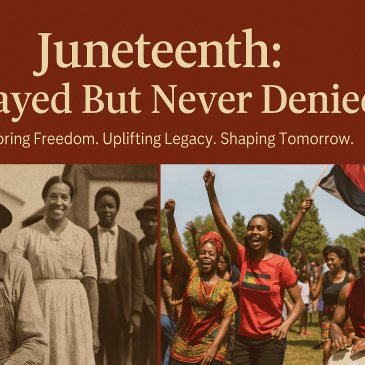
Juneteenth: The Freedom That Echoed Late, but Never Lost Power

On June 19, 1865, Union troops arrived in Galveston, Texas, delivering a message that should have been old news: enslaved Black Americans were free. That message—long delayed—was not simply a declaration. It was liberation, finally delivered by force, not goodwill. And so, Juneteenth was born—not from celebration, but from necessity.

More than two years after Lincoln signed the Emancipation Proclamation, justice still hadn’t reached the last corners of this country. But when it did, it came with the force of righteous reckoning. Since then, Juneteenth has become a symbol not just of emancipation, but of resilience, delayed justice, and the unshakable spirit of a people who dared to dream of freedom in the shadow of slavery.

Today, we’re still reckoning. We’re still pushing against systems that delay freedom in more subtle forms—economic injustice, generational trauma, educational disparity. But just as our ancestors gathered to sing, feast, and speak names out loud that history tried to forget, we gather today not just to remember—but to reclaim.

So what does Juneteenth mean now, in this era of shifting cultural narratives and historical erasure? It means we double down on truth-telling. We turn platforms into pulpits. We ensure our stories aren’t just told—they’re owned.

At Changing Trends and Times, we aren’t simply observing a holiday—we’re honoring a movement. And through America in Black and White, we continue to highlight the voices, victories, and visions shaping our shared legacy.

This is not just history. These are the instructions. This is the blueprint. This is us.

This Juneteenth, the work continues. Through Changing Trends and Times and America in Black and White, we’re committed to remembering boldly, speaking truthfully, and uplifting relentlessly.

Subscribe to stay engaged. Listen to the stories that shape our struggle and celebrate our strength.

Share this post. Share the history. Share the torch.

Because freedom delayed… is a story still being written.

#Juneteenth #ChangingTrendsAndTimes #LegacyOfLiberation #AmericaInBlackAndWhite #TruthTellers #BlackHistory365

[🔗 Link to Podcast Episode]

June 19, 2025, @6PM EST PT1 Just click to join the show live

June 20, 2025, @6PM EST PT2 Just click to join the show live

[🔗 Link to Subscribe]

Please follow/subscribe/get all notifications on our YouTube Channels:

Each Channel broadcasts the show live

@americainblackandwhite8299

@ChangingTrendsandTimes-zx8te

@CKStoriesFromTheHeart

The Dying Music Industry: A Journey Through Time

The music industry has undergone a seismic shift from the 1950s through the late 1990s, evolving through myriad styles, influential artists, and the introduction of new technology—all of which have significantly shaped how we listen to and appreciate music. However, a deeper concern looms: has the industry lost its spark? As we delve into the decades that shaped modern music, we can’t help but notice a decline in longevity and creativity amongst today’s artists.

The Foundations: 1950s to 1970s

The 1950s laid the groundwork for rock and roll, with artists like Otis Redding, Sam Cooke, and Aretha Franklin breaking barriers with their soulful melodies and powerful performances. Franklin’s anthemic “Respect” became a cornerstone of not only music but also civil rights and feminism. Coming from the 1960s, groups like The Supremes and solo artists like Diana Ross showcased the power of Motown. Their catchy hooks and polished images captivated the world. The 1970s introduced funk with bands such as Sly and the Family Stone and Earth, Wind & Fire, whose grooves set dance floors ablaze. Barry White popularized the “Love Unlimited” sound, blending orchestral arrangements with powerful basslines, creating timeless classics. This decade also saw the emergence of disco, influencing the music landscape and nightlife culture.

The 1980s: Explosion of New Genres

The 1980s were particularly revolutionary for music. This era saw the explosion of genres like hip-hop, pop, and R&B. Prince redefined what it meant to be a solo artist, combining rock, funk, and pop in ways that had never been done before. Songs like “Purple Rain” emphasized not just musical skill but also theatricality, shaping how artists interacted with their audience. Michael Jackson emerged as a global icon, with “Thriller” breaking records and paving the way for future pop phenomena. His music videos transformed into art forms of their own. Meanwhile, the likes of Anita Baker and Sade brought smooth jazz and soul into the mainstream, proving that emotional depth could resonate with audiences. This decade is often celebrated for its vibrant creativity, with the emergence of new technologies such as the synthesizer, which introduced entire new sounds and textures. Artists like Madonna, a quintessential pop star, used the music video format to express social issues and personal identity—an approach that pushed boundaries.

The 1990s: Enter the Digital Age

As we moved into the 1990s, the music landscape continued to diversify with the arrival of grunge and hip-hop, spearheaded by iconic figures such as Tupac Shakur and Notorious B.I.G. R&B artists like R. Kelly and TLC crafted hits that defined the sound of a generation. The era was marked by lyrical depth and musical experimentation, blending styles and influences into a unique tapestry. However, the late 1990s also marked a pivotal downturn for the music industry. With the rise of digital music formats and the internet, music listening became more about consuming singles rather than albums. The traditional revenue models began to crumble, sparking legal battles and leading to the pivot toward auto-tuned vocals and electronic beats. As a consequence, artistry began to drift, giving way to a reliance on sampling and rehashing classic sounds rather than creating new ones.

The Decline: The Rise of Short-Lived Fame

Fast forward to today, and the music industry faces a crucial challenge. The artists who once commanded the charts, such as Prince, Michael Jackson, and Marvin Gaye, were not just musicians; they were cultural icons who created movements. Today’s music scene seems dominated by transient stars producing a plethora of hooks with little substance beyond their debut record. The prevalence of digital tools often sacrifices originality for formulaic music-making. Many contemporary artists emerge with one hit and then fade into obscurity, a stark contrast to the old school stars who still thrive in sold-out arenas around the world, performing their classic hits. These legends—like Gladys Knight, Diana Ross, and Earth, Wind & Fire—prove that while music may evolve, the essence of true artistry remains timeless. The audience craves that deep connection that music brings—something that today’s quick hits often fail to provide.

Conclusion: The Future of Music

So, what lies ahead for the music industry? As we reflect on the achievements and transformations of the past, we must acknowledge the talents and innovations that have come and gone. While technology offers unprecedented access and avenues for emerging artists, it is essential to hold on to the authenticity and creativity that have historically defined great music. For the music industry to thrive once again, it may need to cycle back to its roots—celebrating artistry, innovation, and the human experience over mere commercial success. Only then can we find new voices that resonate and endure in the hearts of listeners for generations to come.