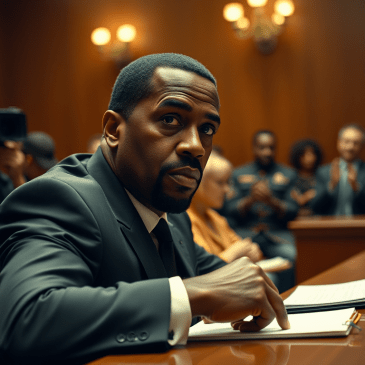
The Unseen Risks: Secret Service Lapses and Presidential Security

The Secret Service is tasked with the critical responsibility of protecting the President of the United States and former presidents. However, recent incidents have raised concerns about potential lapses in their security protocols, particularly involving former President Barack Obama. These events highlight the importance of unwavering vigilance and the potential consequences of security breaches.

The White House Breach: A Hypothetical Scenario

Imagine a scenario where an intruder manages to breach the White House security perimeter. This hypothetical situation could have dire consequences. The White House, despite its robust security measures, is not impervious to threats. An intruder gaining access to the residence could pose a significant risk to the President and their family.

In such a scenario, the intruder could potentially reach sensitive areas, compromising not only the safety of the President but also national security. The Secret Service’s rapid response would be crucial in neutralizing the threat and ensuring the President’s safety. However, any delay or lapse in their response could lead to catastrophic outcomes.

The Recent Incident: A Close Call

A more recent incident involving former President Obama has brought these concerns to the forefront. While attending an event in Los Angeles, an armed security guard unknowingly approached Obama’s SUV1. The guard, employed at a nearby event, noticed Secret Service activity and walked over to investigate. Upon realizing he was close to the former President, he quickly backed away, fearing he might be perceived as a threat1.

This incident raised public concern and criticism of the Secret Service’s protective measures. Although the agency denied any breach in security, calling the claims “inaccurate,” the situation highlighted potential vulnerabilities2The guard noted that no one covered the backside of the SUV or the stairwell he used to approach the vehicle, raising questions about the agency’s protocols1.

What Could Have Been

Had the guard been an actual threat, the outcome could have been drastically different. The proximity to the former President without immediate intervention from the Secret Service could have resulted in a dangerous situation. This incident underscores the importance of comprehensive and foolproof security measures to protect high-profile figures like President Obama.

Moving Forward

The Secret Service must continuously evaluate and enhance their security protocols to prevent such lapses. The safety of current and former presidents is paramount, and any breach, no matter how minor, must be addressed with utmost seriousness. Ensuring that every potential threat is swiftly neutralized is essential to maintaining the integrity of presidential security.

As we reflect on these incidents, it is a reminder of the ever-present risks faced by those in the highest offices and the critical role of the Secret Service in safeguarding their lives. Continuous improvement and vigilance are key to preventing future breaches and ensuring the safety of our leaders.


What are your thoughts on the recent security concerns? Do you think the Secret Service needs to make significant changes to their protocols?


The Pittsburgh Steelers: A Force to Be Reckoned With

The Pittsburgh Steelers have always been a team synonymous with grit, determination, and a winning tradition. This season, they are proving once again why they are a formidable force in the NFL. With Justin Fields stepping up as the starting quarterback, the Steelers are showcasing a blend of youthful energy and seasoned strategy that has fans buzzing with excitement.

Justin Fields: The New Leader

Justin Fields has quickly become the heart and soul of the Steelers’ offense. His performance in the first few games of the season has been nothing short of spectacular. Fields has demonstrated exceptional athleticism, precise decision-making, and an ability to lead under pressure. His ability to extend plays with his legs and make accurate throws downfield has been a game-changer for Pittsburgh12.

Despite a tough loss to the Colts, Fields’ resilience and skill were on full display, solidifying his role as the starting QB3His connection with the team and the city of Pittsburgh is palpable, and his leadership is inspiring confidence in both his teammates and the fans2.

Strengths of the Steelers

  1. Stout Defense: The Steelers’ defense continues to be one of the most formidable in the league. With a strong pass rush and a secondary that can lock down receivers, they are capable of keeping even the most potent offenses in check.
  2. Balanced Offense: Fields’ dual-threat capability adds a new dimension to the Steelers’ offense. His ability to make plays with both his arm and legs keeps defenses guessing and opens up opportunities for the running game and play-action passes.
  3. Coaching Excellence: Mike Tomlin’s leadership and strategic acumen are invaluable. His ability to adapt and motivate his players is a key reason why the Steelers are consistently competitive.

The Trade Scenario: Adding WR Firepower

To elevate their game to the next level and become legitimate Super Bowl contenders, the Steelers could benefit from bolstering their wide receiver corps. A trade with the Raiders or Titans for a top-tier wide receiver could be the missing piece in their championship puzzle.

A Positive Outlook

With Justin Fields at the helm and the potential addition of a star wide receiver, the Pittsburgh Steelers are poised to make a deep playoff run. The combination of a dynamic offense, a stalwart defense, and strategic trades could very well make them legitimate Super Bowl contenders. The future looks bright for the Steelers, and their fans have every reason to be optimistic about the road ahead.

What do you think about the potential trades? Do you have a favorite wide receiver you’d like to see in a Steelers uniform? 

Understanding Crime Rates in America: Trends and Hotspots

Crime rates in America have always been a topic of significant interest and concern. With recent data shedding light on the current trends, it’s essential to understand where crime rates are higher and how they have evolved over time.

National Trends

According to the latest FBI crime statistics, violent crime in the United States has seen a notable decrease. In 2023, violent crime, including murder, rape, assault, and robbery, dropped by 3%1This decline is part of a broader trend observed over the past few years, with murder and non-negligent manslaughter seeing an 11.6% decrease, the largest drop in decades2.

Regional Variations

Crime rates vary significantly across different regions and cities in the U.S. For instance, urban areas tend to have higher crime rates compared to rural areas. Major cities like Chicago, Los Angeles, and New York have historically reported higher instances of violent crimes. However, recent data indicates that some of these cities have also experienced declines in certain types of crime.

High Crime Areas

Certain areas continue to struggle with higher crime rates. For example:

  • Chicago: Despite overall improvements, Chicago still faces challenges with gun violence and homicides.
  • Baltimore: Known for its high rates of violent crime, particularly homicides.
  • St. Louis: Often cited for having one of the highest murder rates per capita in the country.

Property Crimes vs. Violent Crimes

Property crimes, such as burglary, larceny-theft, and motor vehicle theft, are more common than violent crimes. In 2022, the FBI reported 1,954.4 property crimes per 100,000 people compared to 380.7 violent crimes per 100,000 people3Aggravated assault remains the most common violent crime, followed by robbery, rape, and murder/non-negligent manslaughter4.

Factors Influencing Crime Rates

Several factors influence crime rates, including economic conditions, law enforcement practices, community programs, and social dynamics. For instance, areas with higher poverty rates often see higher crime rates. Conversely, effective community policing and social intervention programs can contribute to reducing crime.

Looking Ahead

As we move forward, it’s crucial to continue monitoring these trends and implementing strategies that address the root causes of crime. Community engagement, economic development, and effective law enforcement are key components in creating safer environments.

Understanding the nuances of crime rates and their trends helps in formulating policies and interventions that can make a real difference. By staying informed and proactive, we can work towards a safer and more secure America.


1FBI Crime Statistics Reveal Last Year’s Trend in Violent Crimes 2FBI Statistics Find 3 Percent Drop in Violent Crime 3U.S. Crime Rates and Trends — Analysis of FBI Crime Statistics 4Crime in the U.S.: Key Questions Answered

Georgia election board votes to require ballots be hand-counted in November

The pro-Trump majority on the battleground state’s election board approved the move, which critics from both parties warn could lead to delays in reporting results.

By Charlie Gile, Dareh Gregorian and Jane C. Timm

The Georgia State Election Board on Friday voted 3-2 to require counties to hand-count ballots cast on Election Day, a move that could drastically lengthen the amount of time to tally results in a critical battleground state.

The move, which will require poll workers to open up ballot boxes and count the number of ballots by hand at the end of the night, was approved by three board members who’ve been praised by former President Donald Trump, and was opposed by Democrats in the state, as well as by the Republican secretary of state and attorney general.

“I want to make on the record that we’ll be going against the advice of our legal counsel by voting in the affirmative,” the Georgia election board’s chair, John Fervier, said before the motion passed. Fervier, who was appointed by Georgia GOP Gov. Brian Kemp, and Sara Tindall Ghazal, the lone Democratic appointee on the panel, voted against the new rules.

Secretary of State Brad Raffensperger had previously warned the new rule could cause “chaos.”

“We consider these major changes to the election process,” Raffensperger told NBC News on Thursday. “I guess we have several concerns. Number one is the actual counting of the number of ballots that you have at the precinct. That’s going to take time. Everything that we’ve done for the last six years has to speed up the process to give the voters the results quicker, and all of a sudden now they’re adding an element that it’s actually going to take longer.”

In a statement after Friday’s vote, Raffensperger said, “Attorney General Chris Carr has stated that these rules would not withstand a legal challenge, and I have worked every day to strengthen Georgia’s election law to ensure our elections remain safe, secure, and free.”

In a letter to the board Friday ahead of the vote, Senior Assistant Attorney General Elizabeth Young said her office doesn’t typically weigh in on amendments to election administration, but was making an exception because “the proposed rules, if passed, very likely exceed the Board’s statutory authority and in some instances appear to conflict with the statutes governing the conduct of elections.”

She also argued, “As a general matter, the passage of any rules concerning the conduct of elections are disfavored when implemented as close to an election as the rules on the September 20 agenda.”

One of the board members who voted in favor of the new rule, Janelle King, suggested Raffensperger’s concerns were overblown.

“I do not have those concerns at all,” King told NBC News.

“I think it’s actually going to be the reverse,” she said, because “we won’t have a situation where we have any candidates saying that they think the count is off or they want an audit because something went wrong. We would have caught it at an early stage.”

Hand-counting ballots has captured the attention of many on the right in recent years in response to baseless claims about hacked voting machines, despite ample evidence that counting by hand is more expensive and less accurate than using ballot tabulators.

Last year, officials in Mohave County, Arizona, tested out hand-counting the votes. They found it took staffers three minutes to count a single ballot, and that the staffers made routine errors.

Georgia’s rule only requires election workers to count the number of ballots — not every vote on the ballot — but election officials are still worried about the impact.

Charlotte Sosebee, the elections director in Clarke County, Georgia, said counting ballots late at night could pose unforeseen problems, such as poll workers not agreeing on the number of ballots during a count.

“If we do this, are they really going to trust the process? I mean, what’s next?” she told NBC News.

Anticipating that the rule would pass, Sosebee said she had already trained her poll workers on it. But the additional working hours needed to pay the poll workers wasn’t in the budget, so the county needs to spend more to cover the costs.

In August, the same Georgia board members passed other new rules that would allow county election board members to conduct “reasonable” inquiries before they certify results. Critics say that could throw the election into chaos because “reasonable inquiry” isn’t defined, and an individual board member could block certification for any reason.

The Democratic National Committee, the Democratic Party of Georgia and several individuals filed suit challenging those rules last month.

Speaking of the trio of board members who voted for them at a rally last month, Trump said, “They’re on fire. They’re doing a great job.”

“Janice Johnston, Rick Jeffares and Janelle King, three people are all pit bulls fighting for honesty, transparency and victory,” he said then.

I found this story interesting because there are so many people that are not following this election. There are some that are and realize that this election is life or death. Of all places Georgia is trying to buck the system and breach the trust of the people. They are purposefully trying to hold up the results and steal the election. Please let me know what you think and please follow and subscribe to my Blog

The Impact of Health Care Inequities on Black People: Quality of Life, Economic Loss, and Life Expectancy

Health care inequities have long been a significant issue affecting the Black community in the United States. These disparities not only impact the quality of life but also lead to substantial economic losses and a shorter life expectancy for Black individuals. This blog post delves into the multifaceted effects of these inequities, supported by statistical data and historical context.

Quality of Life

The quality of life for Black people is profoundly affected by health care disparities. Black individuals are more likely to experience chronic conditions such as hypertension, diabetes, and asthma at higher rates than their White counterparts1. These conditions often go untreated or are poorly managed due to barriers in accessing quality health care. For instance, Black people are more likely to be uninsured or underinsured, which limits their access to necessary medical services2.

Moreover, the historical mistreatment of Black people in the medical profession has fostered a deep mistrust in the health care system. This mistrust is rooted in events such as the Tuskegee Syphilis Study, where Black men were left untreated for syphilis to study the disease’s progression3. Such instances contribute to a reluctance to seek medical care, further exacerbating health issues.

Economic Loss

Health care inequities also translate into significant economic losses for the Black community. The cost of untreated or poorly managed chronic conditions can be staggering. Black families often face higher medical expenses and lost income due to illness. Additionally, the lack of access to preventive care means that diseases are often diagnosed at more advanced stages, requiring more expensive and extensive treatments4.

The economic impact extends beyond individual families. The broader economy suffers as well, with increased health care costs and lost productivity. According to a study by the W.K. Kellogg Foundation, health disparities cost the U.S. economy approximately $93 billion in excess medical costs and $42 billion in lost productivity per year5.

Life Expectancy

One of the most stark indicators of health care inequities is the difference in life expectancy between Black and White individuals. On average, Black people live nearly five years less than their White counterparts (72.8 years vs. 77.5 years). This gap is a direct result of the cumulative effects of health disparities, including higher rates of infant mortality, maternal mortality, and chronic diseases.

For example, Black infants have a mortality rate more than twice that of White infants (10.6 per 1,000 live births vs. 4.4 per 1,000 live births). Additionally, Black women are nearly three times more likely to die from pregnancy-related causes than White women (39.9 vs. 14.1 per 100,000 live births). These statistics highlight the urgent need for systemic changes in the health care system to address these disparities.

Conclusion

The impact of health care inequities on Black people is profound and far-reaching. These disparities affect the quality of life, lead to significant economic losses, and result in a shorter life expectancy. Addressing these issues requires a concerted effort to dismantle systemic racism in the health care system, improve access to quality care, and rebuild trust within the Black community. Only through such efforts can we hope to achieve health equity and improve the overall well-being of Black individuals.


1KFF – How Present-Day Health Disparities for Black People Are Linked to Past Policies and Events 2Pew Research Center – Black Americans’ Views about Health Disparities, Experiences with Health Care 3KFF – How Present-Day Health Disparities for Black People Are Linked to Past Policies and Events 4Commonwealth Fund – Achieving Racial and Ethnic Equity in U.S. Health Care 5: W.K. Kellogg Foundation – The Business Case for Racial Equity : Pew Research Center – Black Americans’ Views about Health Disparities, Experiences with Health Care : KFF – How Present-Day Health Disparities for Black People Are Linked to Past Policies and Events : KFF – How Present-Day Health Disparities for Black People Are Linked to Past Policies and Events : KFF – How Present-Day Health Disparities for Black People Are Linked to Past Policies and Events

Your comments are welcomed and wanted so please stay engaged

The Impact of Black Ownership in Transportation and IT: A Path to Economic Empowerment and Community Development

Introduction

Black ownership in key industries such as transportation (trucking, import/export) and IT holds significant potential for economic empowerment, job creation, and community development. However, systemic racism has historically hindered the growth and success of Black-owned businesses. This blog post explores the positive impacts of Black ownership in these sectors and the challenges posed by racism.

Economic Impact

1. Wealth Creation and Economic Empowerment

Black-owned transportation and IT companies contribute to wealth creation within the Black community. Successful businesses generate revenue, which can be reinvested into the community, fostering economic growth. For instance, Fleeting, a Black-owned trucking company, grew to $4 million in revenue within three years, demonstrating the potential for substantial economic impact1.

2. Job Creation

Black-owned businesses are pivotal in creating job opportunities, particularly in underserved communities. These companies often prioritize hiring from within their communities, providing employment and training opportunities. Fleeting, for example, offers training for the formerly incarcerated and underprivileged individuals to obtain commercial driver’s licenses1. This not only reduces unemployment but also helps in skill development.

3. Innovation and Market Expansion

Diverse ownership brings unique perspectives and innovative solutions. Black-owned IT companies, in particular, can drive technological advancements and cater to niche markets that are often overlooked by mainstream businesses. This diversity in thought and approach can lead to the development of products and services that better meet the needs of a broader customer base.

Community Development

1. Strengthening Local Economies

When Black-owned businesses thrive, they contribute to the local economy by creating jobs and supporting other local businesses. This creates a ripple effect, where increased economic activity leads to improved infrastructure, better schools, and enhanced public services.

2. Role Models and Mentorship

Successful Black entrepreneurs serve as role models and mentors within their communities. They inspire the next generation to pursue entrepreneurship and provide guidance and support to aspiring business owners. This mentorship is crucial in building a robust ecosystem of Black-owned businesses.

3. Social Impact

Black-owned businesses often engage in community-focused initiatives, such as sponsoring local events, supporting educational programs, and providing scholarships. These efforts help in building a sense of community and addressing social issues.

The Impact of Racism

1. Access to Capital

One of the most significant barriers faced by Black entrepreneurs is access to capital. Systemic racism in the financial sector means that Black-owned businesses are less likely to receive loans and investments compared to their white counterparts. This lack of funding hampers their ability to start and grow businesses2.

2. Discrimination and Bias

Black entrepreneurs often face discrimination and bias in various forms, from being overlooked for business opportunities to encountering racism in the workplace. For example, Black truck drivers have reported instances of being denied jobs or facing racial slurs2. This hostile environment can discourage Black individuals from pursuing careers in these industries.

3. Networking and Mentorship

The “good ol’ boy” network prevalent in many industries often excludes Black entrepreneurs from valuable networking and mentorship opportunities3. This lack of access to industry knowledge and connections can hinder their business growth and development.

Conclusion

Black ownership in transportation and IT sectors holds immense potential for economic empowerment, job creation, and community development. However, systemic racism continues to pose significant challenges. Addressing these barriers requires concerted efforts from all stakeholders, including policymakers, financial institutions, and the broader business community. By supporting Black-owned businesses, we can foster a more inclusive and equitable economy that benefits everyone.

Please give me your feedback on this extensive Post that can benefit us all. I am welcoming all comments and subscriptions

Microsoft and Constellation Energy: Breathing New Life into Three Mile Island for AI Power

In a groundbreaking move, Microsoft has announced a partnership with Constellation Energy to revive the Three Mile Island nuclear power plant. This collaboration aims to address the immense energy demands of artificial intelligence (AI) and data centers, marking a significant step towards sustainable and reliable power solutions.

The Revival of Three Mile Island

Three Mile Island, located in Pennsylvania, is infamous for the 1979 nuclear incident that significantly impacted public perception of nuclear energy. Despite this, the plant’s Unit 1 continued operations until 2019, when it was shut down due to economic challenges. Now, under a new agreement, Constellation Energy plans to invest $1.6 billion to bring Unit 1 back online by 20281.

Powering the Future of AI

The energy requirements for AI and data centers are staggering. Training large language models and running data-intensive applications consume vast amounts of electricity. Microsoft, aiming to meet these demands sustainably, has committed to purchasing all the power generated by the revived Three Mile Island plant for the next 20 years1This move aligns with Microsoft’s broader goal of becoming carbon negative by 2030, despite the increasing energy needs driven by AI advancements1.

Economic and Environmental Impact

Reviving Three Mile Island is not just about meeting energy needs; it also promises significant economic benefits. The project is expected to create 3,400 direct and indirect jobs, contribute $16 billion to Pennsylvania’s GDP, and generate over $3 billion in state and federal taxes1. Environmentally, nuclear power offers a carbon-free energy source, crucial for reducing greenhouse gas emissions and combating climate change.

A New Era for Nuclear Energy

This partnership between Microsoft and Constellation Energy symbolizes a broader renaissance for nuclear power. As tech giants like Microsoft, Amazon, and Alphabet seek sustainable energy solutions, nuclear power is emerging as a reliable and clean alternative. The successful revival of Three Mile Island could pave the way for similar projects, ensuring that the energy needs of the future are met without compromising environmental goals.

In conclusion, Microsoft’s collaboration with Constellation Energy to breathe new life into Three Mile Island represents a bold and innovative approach to powering the future of AI. By leveraging nuclear energy, Microsoft is not only addressing its growing energy demands but also contributing to economic growth and environmental sustainability. This partnership marks a significant milestone in the journey towards a greener and more technologically advanced future.


What are your thoughts on this innovative approach to powering AI? Do you think nuclear energy is the right solution for the tech industry’s growing energy needs? Let me know in the comments below!

Please subscribe to our Blog and stay up to date on all the latest news

The Importance of Entrepreneurship and Building Communities in Black America

Entrepreneurship has long been a cornerstone of economic empowerment and community development, particularly within Black America. As we navigate the complexities of the 21st century, the role of Black entrepreneurs in fostering economic growth, creating jobs, and building resilient communities has never been more critical.

Economic Empowerment

Entrepreneurship serves as a powerful tool for economic empowerment. By starting and growing businesses, Black entrepreneurs can create wealth not only for themselves but also for their communities. This wealth generation is essential for closing the racial wealth gap, which has persisted for generations. Successful Black-owned businesses can reinvest in their communities, providing jobs, supporting local schools, and funding community projects.

Job Creation

Small businesses are the backbone of the American economy, and Black-owned businesses are no exception. These enterprises create jobs and provide opportunities for local residents, helping to reduce unemployment and underemployment in Black communities. By hiring locally, Black entrepreneurs can ensure that the economic benefits of their businesses stay within the community, fostering a cycle of growth and prosperity.

Community Development

Beyond economic benefits, entrepreneurship plays a vital role in community development. Black entrepreneurs often serve as role models and mentors, inspiring the next generation to pursue their dreams and ambitions. They can also address specific needs within their communities, offering products and services that may be overlooked by larger corporations. This localized focus helps to build stronger, more self-sufficient communities.

Cultural Preservation

Black-owned businesses also contribute to the preservation and celebration of Black culture. From restaurants serving traditional cuisine to bookstores highlighting Black authors, these businesses help to maintain cultural heritage and provide spaces where community members can connect and celebrate their identity. This cultural preservation is crucial for fostering a sense of pride and belonging within the community.

Overcoming Barriers

Despite the many benefits of entrepreneurship, Black entrepreneurs often face significant barriers, including limited access to capital, systemic discrimination, and a lack of mentorship and support networks. Addressing these challenges requires concerted efforts from both the public and private sectors. Initiatives such as targeted funding programs, mentorship opportunities, and policy changes can help to level the playing field and support the growth of Black-owned businesses.

Building a Supportive Ecosystem

Creating a supportive ecosystem for Black entrepreneurs is essential for their success. This includes access to affordable financing, business education, and networking opportunities. Community organizations, local governments, and larger corporations all have a role to play in fostering this ecosystem. By working together, we can create an environment where Black entrepreneurs can thrive and contribute to the overall health and vitality of their communities.

Conclusion

Entrepreneurship is a powerful force for positive change in Black America. By fostering economic empowerment, creating jobs, and building resilient communities, Black entrepreneurs are driving progress and helping to build a brighter future. As we continue to support and uplift Black-owned businesses, we can ensure that the benefits of entrepreneurship are felt by all members of the community, paving the way for a more equitable and prosperous society.

The Arrest of Sean Combs: Charges, Bail Denial, and Ripple Effects

The arrest of Sean “Diddy” Combs has sent shockwaves through the entertainment industry and beyond. The music mogul, known for his influential career in hip-hop and business, now faces a series of serious federal charges that could have far-reaching implications for him and those closely connected to him.

The Charges Against Sean Combs

Sean Combs was arrested and charged with a range of offenses, including sex trafficking, racketeering, transportation to engage in prostitution, kidnapping, forced labor, bribery, and other crimes1These charges stem from an extensive investigation that alleges Combs engaged in these activities over a period of several years, using his power and influence to exploit and control his victims1.

Denial of Bail

In a recent court appearance, Combs pleaded not guilty to the charges. However, his request for bail was denied by U.S. Magistrate Judge Robyn Tarnofsky2The judge cited concerns about witness tampering and the potential danger Combs posed to the community as reasons for the denial2Despite his legal team’s offer of a $50 million bond and assurances of restricted travel and home detention, the judge remained unconvinced that these measures would ensure Combs’ compliance with court orders3.

Impact on Those Closely Connected to Combs

The arrest and subsequent legal proceedings have not only affected Combs but also those closely connected to him. Several individuals within his inner circle could potentially face charges as the investigation continues. Prosecutors have indicated that Combs’ alleged criminal activities involved a network of associates who may have aided or abetted his actions2.

For instance, allegations of witness tampering have surfaced, with claims that Combs attempted to contact and influence individuals who might testify against him2. This has raised concerns about the safety and integrity of the judicial process and has led to increased scrutiny of those in Combs’ orbit.

The Broader Implications

The case against Sean Combs highlights the broader issues of power, influence, and accountability within the entertainment industry. It underscores the importance of protecting vulnerable individuals from exploitation and ensuring that those who abuse their positions of power are held accountable.

As the legal proceedings unfold, the impact on Combs’ career and personal life will undoubtedly be significant. The charges he faces are severe, and the denial of bail suggests that the court views him as a substantial risk. For those who have worked closely with Combs, the fallout could be equally profound, as they navigate the legal and reputational consequences of their association with him.

Conclusion

The arrest of Sean Combs marks a pivotal moment in the ongoing efforts to address and combat serious crimes within the entertainment industry. As the case progresses, it will serve as a critical test of the justice system’s ability to hold powerful individuals accountable and protect the rights of victims. The outcome will not only shape the future of Sean Combs but also send a message about the importance of integrity and justice in all sectors of society.

New York’s New Voting Rights Act: A Step Towards Fairer Elections

On September 22, 2024, New York will take a significant step towards ensuring fair and equitable elections with the implementation of the New York Voting Rights Act (NYVRA). Signed into law by Governor Kathy Hochul in 2022, this landmark legislation aims to protect the voting rights of all New Yorkers, particularly those in historically marginalized communities.

The Essence of the NYVRA

The NYVRA is designed to prevent discriminatory practices in voting and to ensure that all eligible voters have equal access to the ballot box. One of the key provisions of this law is the requirement for certain local governments to obtain preclearance from the New York State Attorney General, Letitia James, before making any changes to their voting procedures. This includes changes to polling locations, voting hours, and redistricting plans.

The Role of Attorney General Letitia James

Attorney General Letitia James plays a crucial role in enforcing the NYVRA. Her office is responsible for reviewing and approving any proposed changes to voting procedures in covered jurisdictions. This process, known as preclearance, is intended to prevent discriminatory practices before they can take effect. The Attorney General’s office will scrutinize proposed changes to ensure they do not disproportionately affect minority voters or other protected groups.

Impact on Hotly Contested Districts

The NYVRA’s preclearance requirement is particularly significant for hotly contested districts such as Long Island and the Hudson Valley. These areas have seen intense political battles in recent years, and the new law aims to ensure that changes to voting procedures in these districts are fair and transparent.

For example, if a local government in Long Island wants to change the location of a polling place, it must first submit the proposed change to the Attorney General’s office for review. The Attorney General will then assess whether the change could potentially disenfranchise voters, particularly those from minority communities. Only after receiving approval can the change be implemented.

Effects on the People

The implementation of the NYVRA is expected to have a profound impact on the people of New York. By requiring preclearance for changes to voting procedures, the law aims to protect voters from discriminatory practices that could limit their access to the ballot box. This is especially important for minority communities, which have historically faced barriers to voting.

Moreover, the NYVRA promotes transparency and accountability in the electoral process. Voters can have greater confidence that changes to voting procedures are being made with fairness and equity in mind. This, in turn, can help to increase voter participation and strengthen democracy in New York.

Conclusion

The New York Voting Rights Act represents a significant step forward in the fight for fair and equitable elections. By empowering the Attorney General to review and approve changes to voting procedures, the law aims to protect the rights of all voters, particularly those in marginalized communities. As the NYVRA goes into effect on September 22, 2024, it holds the promise of a more inclusive and democratic electoral process for the people of New York.