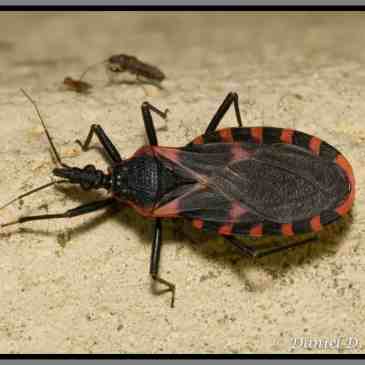
The Rise of Chagas: Why ‘Kissing Bug’ Disease May Be America’s Next Endemic

By Charles Zackary King | Inspired by reporting from Julia Gomez & Greta Cross, USA TODAY

For decades, Chagas disease, also known as “kissing bug” disease, was considered a threat confined to Latin America. But new research is challenging that assumption, urging the Centers for Disease Control and Prevention (CDC) to declare it endemic in the United States.

Since 2013, over 10,000 sightings of triatomine bugs (the blood-feeding insects that carry the parasite Trypanosoma cruzi) have been reported across 31 states. These bugs, nicknamed “kissing bugs” for their tendency to bite near the mouth, are more than a nuisance, they’re potential carriers of a deadly parasite. Alarmingly, 55% of the bugs tested in a nationwide Texas A&M University program were found to carry T. cruzi, the parasite responsible for Chagas disease.

What makes this moment urgent is the shift from imported cases to domestic transmission. In eight states, California, Texas, Arizona, Louisiana, Mississippi, Arkansas, Missouri, and Tennessee, humans have contracted Chagas disease locally, without international travel. That’s a seismic shift in how we understand vector-borne disease in America.

Chagas disease unfolds in two stages: acute and chronic. Early symptoms include fever, diarrhea, and swollen eyelids (known as Romaña’s sign). But the chronic phase can be far more devastating, leading to heart failure, digestive complications, and even sudden death. The CDC estimates that 20–30% of infected individuals will develop serious complications.

Despite this, Chagas remains underreported. It’s not a nationally notifiable disease, meaning healthcare providers aren’t required to report cases. This lack of surveillance leaves vulnerable communities, especially in the rural South, at risk and under-informed.

Animals, particularly dogs, are also susceptible. Cases have been documented in 18 states, including Georgia, Alabama, Florida, and the Carolinas. The parasite’s reach is expanding, and so must our awareness.

This isn’t just a health story, it’s a justice story. It’s about who gets protected, who gets ignored, and how we respond when the invisible becomes undeniable. As we confront the realities of climate change, migration, and neglected diseases, Chagas is a wake-up call.

It’s time to ask: What else is hiding in plain sight?

📝 Original reporting by Julia Gomez and Greta Cross, USA TODAY. Published September 25, 2025. Read the full article on NewsBreak.
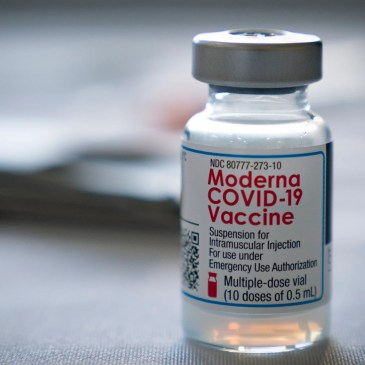
Stratus Is Here: The New COVID Variant Sweeping the Nation

By Charles Zackary King

We’ve entered a new chapter in the COVID-19 story and it’s moving fast.

The latest variant, XFG nicknamed “Stratus” is now the dominant strain in the United States. In just a few short months, it’s gone from zero reported cases to accounting for nearly half of all infections nationwide. And while the headlines may feel familiar, the threat is real, and the timing couldn’t be worse.

A Surge We Can’t Ignore

Stratus has been confirmed in wastewater across 30 states, but the CDC believes cases are rising in 45 and not declining anywhere. Emergency room visits are up across all age groups, just as schools reopen and families return to crowded routines.

This isn’t a drill. It’s a late summer surge with serious implications.

What Makes Stratus Different?

Stratus is a hybrid of variants F.7 and LP.8.1.2, and it’s spreading globally. Scientists say it’s more transmissible than previous strains including the earlier Nimbus variant. It carries unique mutations in its spike protein that help it evade antibodies from prior infections and vaccinations.

That means even if you’ve had COVID before or are vaccinated you’re not immune to infection. The good news? Vaccines still help reduce the risk of severe illness. But prevention is key.

Where It’s Hitting Hard

While the national viral level is considered “moderate,” 14 states are seeing high or very high activity. California, Nevada, Utah, Colorado, Texas, Hawaii, and Louisiana are among the hardest hit and surrounding states aren’t far behind.

This isn’t isolated. It’s widespread. And it’s accelerating.

Symptoms to Watch For

Stratus symptoms mirror previous variants, but with a twist:

  • Less frequent loss of taste or smell
  • More common sore throat and hoarseness
  • Fatigue, congestion, and fever remain typical

If you feel “off,” don’t brush it off. Get tested. Mask up. Protect your circle.

Why This Matters

We’ve been here before. But complacency is dangerous. Lower reporting levels mean we’re flying blind in many areas. The virus is adapting. And we must respond with urgency, not indifference.

This is about protecting our elders, our children, our communities. It’s about staying informed, staying vigilant, and staying united.

What You Can Do Right Now

  • Get vaccinated or boosted if you haven’t already
  • Wear a mask in crowded or indoor spaces
  • Stay home if you’re sick even mildly
  • Check local health updates and CDC wastewater data
  • Support vulnerable neighbors with resources and care

We don’t need panic. We need preparation.

Final Word

Stratus is not just another variant it’s a reminder. A reminder that COVID-19 is still evolving. That our response must evolve with it. That our communities especially the most vulnerable deserve truth, protection, and action.

Let’s not wait for the numbers to spike. Let’s move now.

Because when we act together, we save lives.