When Does It Stop? Black Women Deserve Dignity, Not Discrimination

Credit: Original reporting by Jeroslyn JoVonn

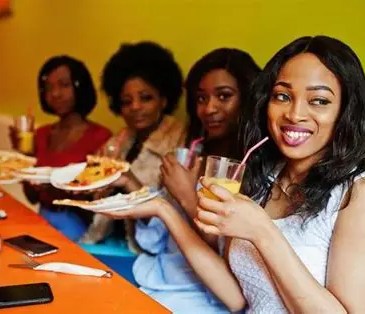
On November 6th, nine Black women gathered at the Cork and Bull Chophouse in Chesapeake, Virginia for what was meant to be a joyful Friendsgiving celebration. Instead, their evening turned into humiliation and pain.

According to reporting by Jeroslyn JoVonn, a fight broke out between two women who were not part of their group. Yet, despite having no involvement, the nine friends were told to leave. When one of them asked why, a manager allegedly responded: “Because you all like to fight.”

The women, who had simply come together for fellowship, were forced to stand up in front of other patrons and exit the restaurant, while the actual individuals involved in the altercation had already left. As one of the women, Shakoya Holt, explained, “We were all put in a negative spotlight in that moment. It was all eyes on us, very embarrassing.”

Now, the group has hired attorney Joyvan Malbon-Griffin, who has stated that this treatment was discriminatory and violated their rights. “All nine of these women were treated more harshly than the two people who were actually engaged in the misdemeanor action,” Malbon-Griffin said. The women are seeking accountability and justice.

The Bigger Picture

This incident is not isolated. It reflects a broader pattern of how Black people, especially Black women, continue to be disrespected, stereotyped, and discriminated against in public spaces. To assume guilt based on race, and to punish those who were minding their own business, is not only unjust but deeply harmful.

How do you justify removing nine women who were not involved, while excusing the actual participants in the fight? How do you justify humiliating them in front of an entire restaurant?

This is not just bad judgment, it is systemic bias. And when establishments act this way, they are not only violating the dignity of their customers, but also potentially violating constitutional protections and the Commerce Clause, which ensures equal access and fair treatment in public accommodations.

The Questions We Must Ask

  • When does this stop?
  • When will establishments be held accountable for discriminatory actions?
  • How many more incidents must occur before businesses recognize that treating customers with dignity and respect is not optional, it is a legal and moral obligation?

A Call for Accountability

The women involved have said “enough is enough.” And they are right. We must demand accountability from businesses that perpetuate discrimination. We must call out injustice when we see it. And we must remind every establishment: Black women, and all marginalized communities, deserve respect, safety, and dignity.

Until accountability is enforced, these incidents will continue. But by shining a light on them, by refusing to stay silent, and by demanding justice, we can push for change.

Closing Thought

This is about more than one restaurant. It is about a culture that too often stereotypes and mistreats Black people. It is about ensuring that our communities are not humiliated, dismissed, or denied their rights.

Treat your customers with dignity and respect. Period.
Breaking Barriers: The Journey of Gay Athletes in Professional Sports

Professional sports have long been a stage for extraordinary talent, resilience, and triumph. Yet, for gay athletes, the journey to success has often been fraught with challenges, as they navigate a world that has historically struggled with acceptance. While their achievements on the field are undeniable, the ability to fully embrace their identity has been a battle fought both publicly and privately.

Success Against the Odds

Gay athletes have consistently demonstrated remarkable success in their respective sports. Their ability to excel stems from the same qualities that define all great athletes: dedication, skill, and an unyielding drive to succeed. However, the societal pressures and stigmas they face add an additional layer of complexity to their journey. For many, the decision to come out is not just a personal one—it’s a statement of courage and a step toward breaking down barriers.

The Long Road to Acceptance

The path to acceptance in professional sports has been slow and uneven. Historically, the sports world has been steeped in traditional notions of masculinity and heteronormativity, creating an environment where LGBTQ+ athletes often felt compelled to hide their true selves. It wasn’t until trailblazers like Jason Collins in the NBA and Megan Rapinoe in soccer came forward that the tide began to shift. Their bravery paved the way for greater visibility and dialogue, challenging stereotypes and fostering a more inclusive culture2.

New Trends and Progress

Today, the landscape is changing. Studies show that LGBTQ+ athletes are experiencing greater acceptance from teammates and fans alike. Initiatives promoting diversity and inclusion are becoming more common across leagues, and younger generations are leading the charge in embracing equality. While challenges remain, the progress made in recent years is a testament to the resilience of these athletes and the evolving attitudes within the sports community.

The Myth of the “Gay Gene”

The idea of a “gay gene” granting superhuman abilities is a myth rooted in stereotypes rather than science. Success in sports is determined by a combination of talent, hard work, and opportunity—not genetics tied to sexual orientation. While some may speculate about unique traits, the reality is that gay athletes succeed for the same reasons as their peers: their dedication to their craft and their ability to overcome obstacles.

Celebrating Authenticity

As we celebrate the achievements of gay athletes, it’s important to recognize the significance of authenticity. The ability to be oneself is not just a personal victory—it’s a powerful statement that challenges societal norms and inspires others. By continuing to support and uplift LGBTQ+ athletes, we can create a sports world where everyone has the opportunity to thrive, regardless of their identity.

The journey of gay athletes in professional sports is a testament to the power of perseverance and the importance of inclusivity. Their stories remind us that success is not just about winning—it’s about breaking barriers, challenging perceptions, and paving the way for a brighter future.

Addressing Key Issues in the Black Community

The Black community, like any other, faces a unique set of challenges and dynamics. Among these are the tensions between Black men and Black women, the lack of support for Black businesses, and the broader issue of supporting other ethnicities over their own. Understanding these issues and working towards unity is crucial for the community’s growth and prosperity.

The Feud Between Black Men and Black Women

One of the most pressing issues is the perceived feud between Black men and Black women. This tension often manifests in negative stereotypes, mutual distrust, and a lack of support for one another. Several factors contribute to this discord:

  1. Historical Trauma: The legacy of slavery, segregation, and systemic racism has left deep scars. These historical traumas have disrupted family structures and created a cycle of mistrust and resentment.
  2. Media Representation: Negative portrayals of Black men and women in the media perpetuate harmful stereotypes. These portrayals can influence how individuals perceive and interact with each other.
  3. Economic Pressures: Economic disparities and job insecurity can strain relationships. When individuals are struggling to make ends meet, it can lead to frustration and conflict within the community.

To address these issues, it’s essential to foster open and honest communication, promote positive representations, and support economic empowerment initiatives that benefit both Black men and women.

Lack of Support for Black Businesses

Another significant issue is the lack of support for Black-owned businesses. Despite the growing number of Black entrepreneurs, many Black businesses struggle to thrive due to limited patronage from their own community. Several reasons contribute to this phenomenon:

  1. Awareness: Many people are simply unaware of the Black-owned businesses in their area. Increasing visibility through social media, community events, and directories can help.
  2. Trust: There may be a lack of trust in the quality or reliability of Black-owned businesses. Building a reputation for excellence and reliability is crucial.
  3. Economic Barriers: Black-owned businesses often face challenges in accessing capital and resources. Supporting initiatives that provide financial assistance and mentorship can make a significant difference.

Encouraging the community to prioritize supporting Black-owned businesses can lead to economic growth and self-sufficiency.

Supporting Other Ethnicities Over Their Own

It’s not uncommon to see members of the Black community supporting businesses and initiatives from other ethnicities more than their own. This can be attributed to several factors:

  1. Perceived Quality: There may be a perception that businesses from other ethnicities offer better quality or value. Addressing this requires Black-owned businesses to consistently deliver high-quality products and services.
  2. Cultural Influence: The influence of other cultures through media and marketing can sway consumer preferences. Promoting and celebrating Black culture can help shift this dynamic.
  3. Accessibility: Sometimes, businesses from other ethnicities are more accessible or convenient. Ensuring that Black-owned businesses are easily accessible and well-marketed is essential.

Moving Forward Together

To overcome these challenges and foster unity within the Black community, several steps can be taken:

  1. Promote Positive Representation: Highlighting positive stories and role models within the community can help combat negative stereotypes and build mutual respect.
  2. Support Economic Empowerment: Investing in Black-owned businesses and encouraging entrepreneurship can create economic opportunities and reduce disparities.
  3. Foster Open Dialogue: Creating spaces for open and honest conversations about the issues facing the community can lead to greater understanding and collaboration.
  4. Celebrate Black Culture: Embracing and celebrating Black culture through events, media, and education can strengthen community bonds and pride.

By addressing these issues and working together, the Black community can build a stronger, more united future. It’s a collective effort that requires commitment, empathy, and a shared vision for progress.